
This 33-Acre Michigan Campus Has Museums, A Planetarium, Theater Shows, And A Library All In One Place
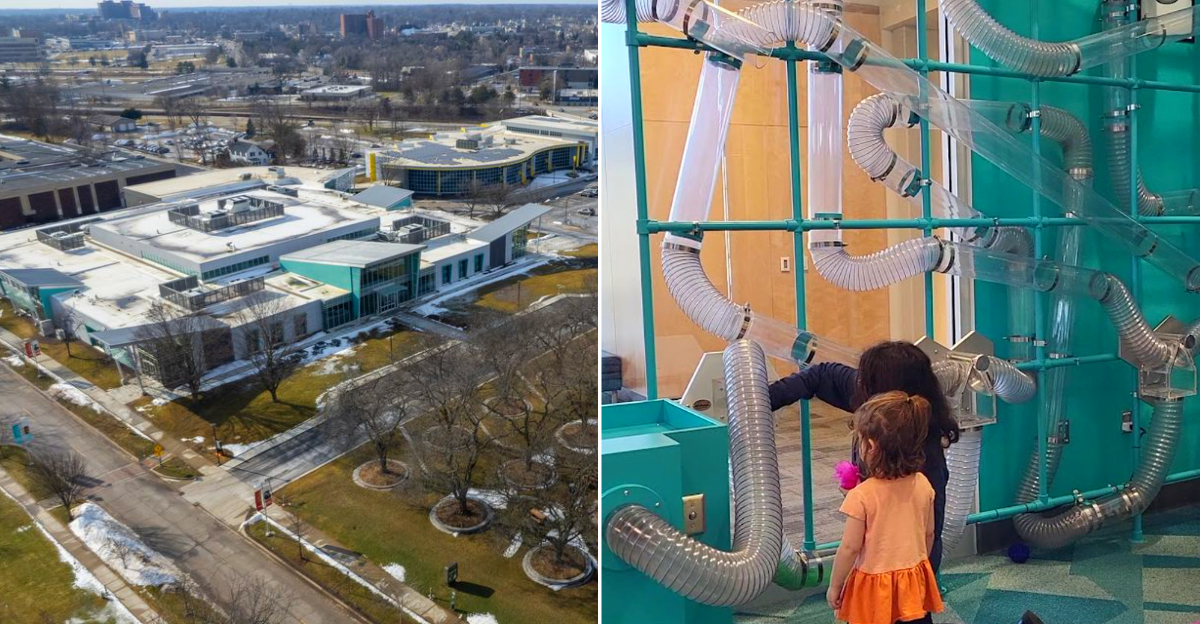
Where else can you walk from a planetarium to an art gallery, then catch a live performance, all without leaving a single campus?
This expansive cultural destination in Michigan brings together remarkable attractions that would normally require an entire vacation to experience separately. Families, couples, and solo explorers alike find themselves lost in discovery for hours on end.
Interactive exhibits invite hands-on learning while theater productions deliver entertainment that rivals big-city stages. The planetarium casts swirling galaxies across a towering domed ceiling, sparking wonder in visitors of every age.
Between shows, you can browse stunning art collections or settle into a quiet reading room filled with character. There is always something new to uncover here, whether it is your first visit or your fiftieth.
The grounds themselves feel like a retreat, with tree-lined paths connecting each building. Few places blend education and entertainment as seamlessly as this Michigan treasure.
Start With The Campus Layout
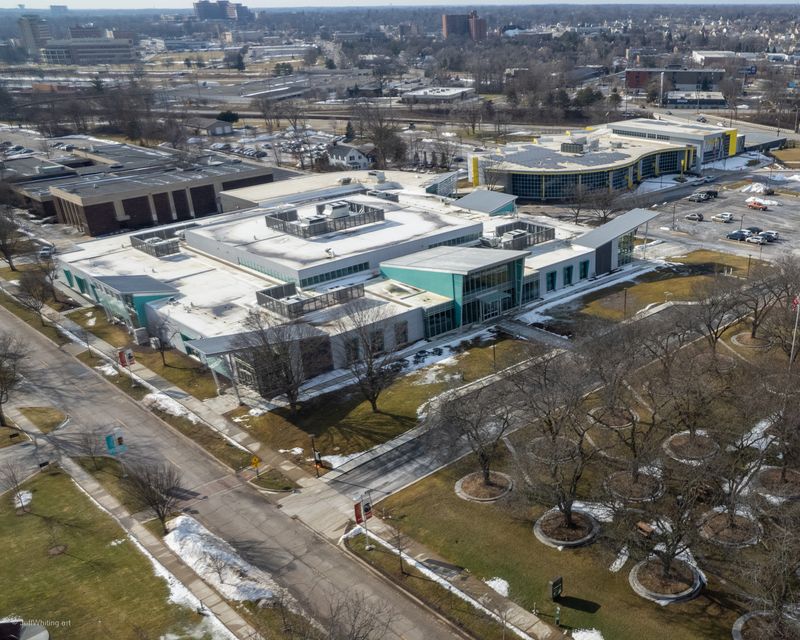
The first thing to notice here is how manageable the campus feels. Several major institutions sit within easy walking distance, so the day unfolds more like a conversation than a commute. Parking is usually straightforward, which matters more than travel writers admit.
That physical closeness is part of the appeal of the Flint Cultural Center. The 33-acre campus brings together the Flint Institute of Arts, Sloan Museum of Discovery, Robert T.
Longway Planetarium, Flint Institute of Music venues, and Gloria Coles Flint Public Library in one coherent district.
If you like places that reward wandering, begin without overplanning. A short walk between buildings lets you reset your attention, which is useful when one stop is full of paintings and the next is full of stars.
When The Road Starts Looking Like A Field Trip, You’re Almost There
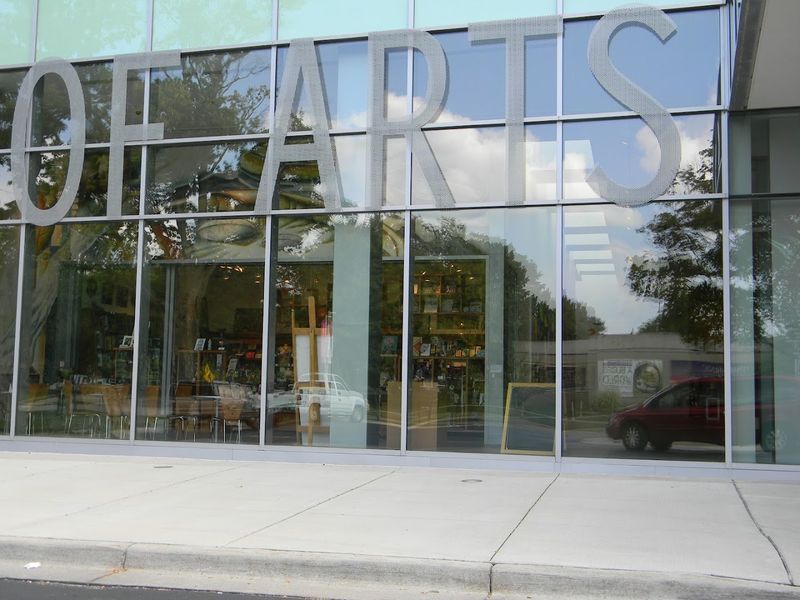
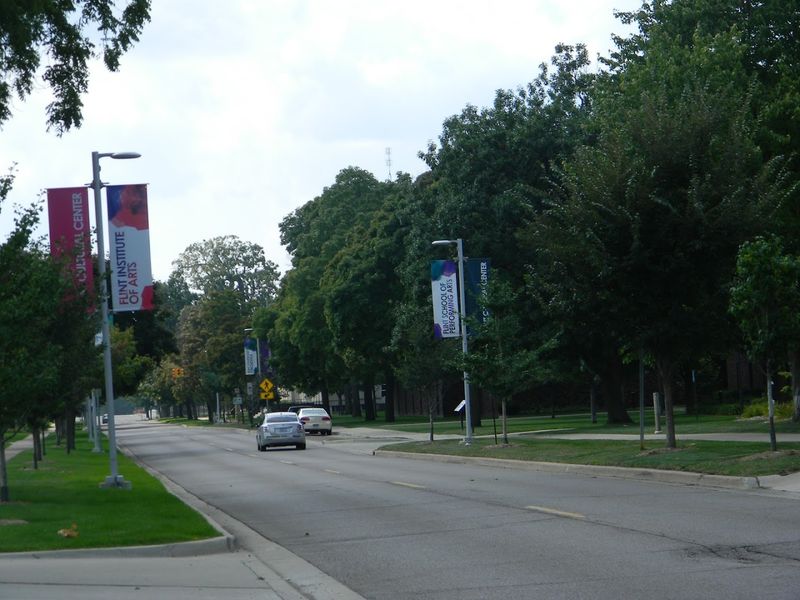
Flint Cultural Center sits at 1310 East Kearsley Street in Flint, Michigan, just east of downtown. The surrounding blocks gradually shift from city streets to a compact district filled with museums, theaters, and landscaped grounds.
Drivers arriving on Interstate 69 can take the downtown Flint exit and connect with East Kearsley Street. Continue east past the central business district, watching for signs directing visitors toward the Cultural Center campus.
Once the larger cultural buildings come into view, follow posted signs to the parking areas serving the complex. Park near your destination, then complete the final stretch on foot through the pedestrian-friendly campus.
Use Sloan Museum Of Discovery For Energy
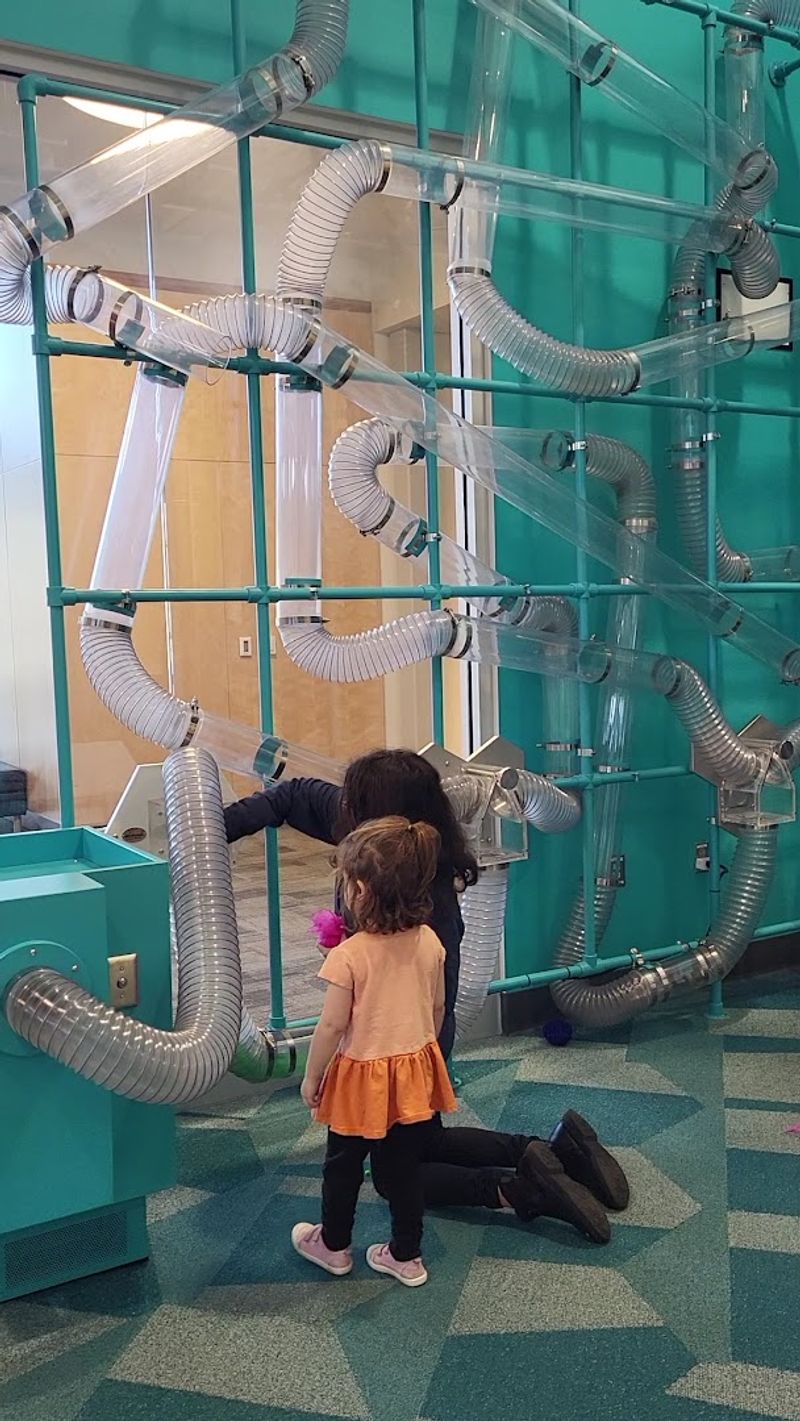
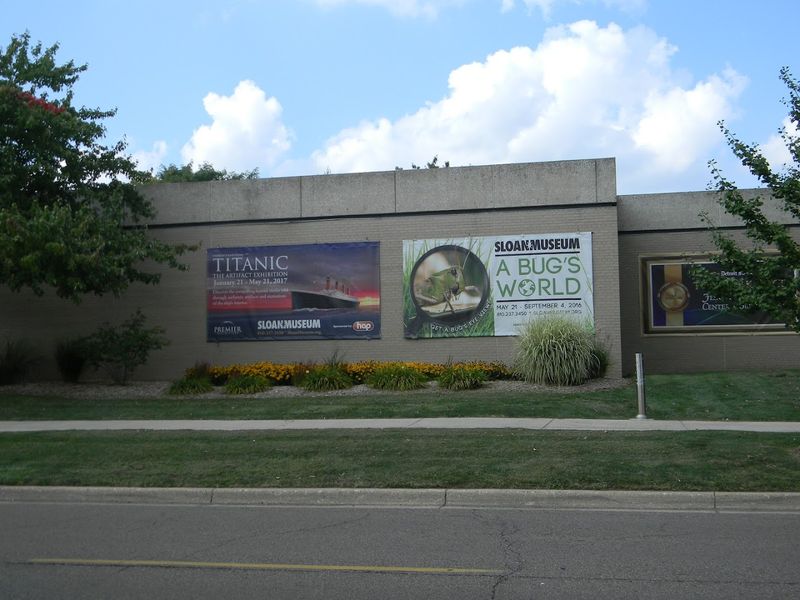
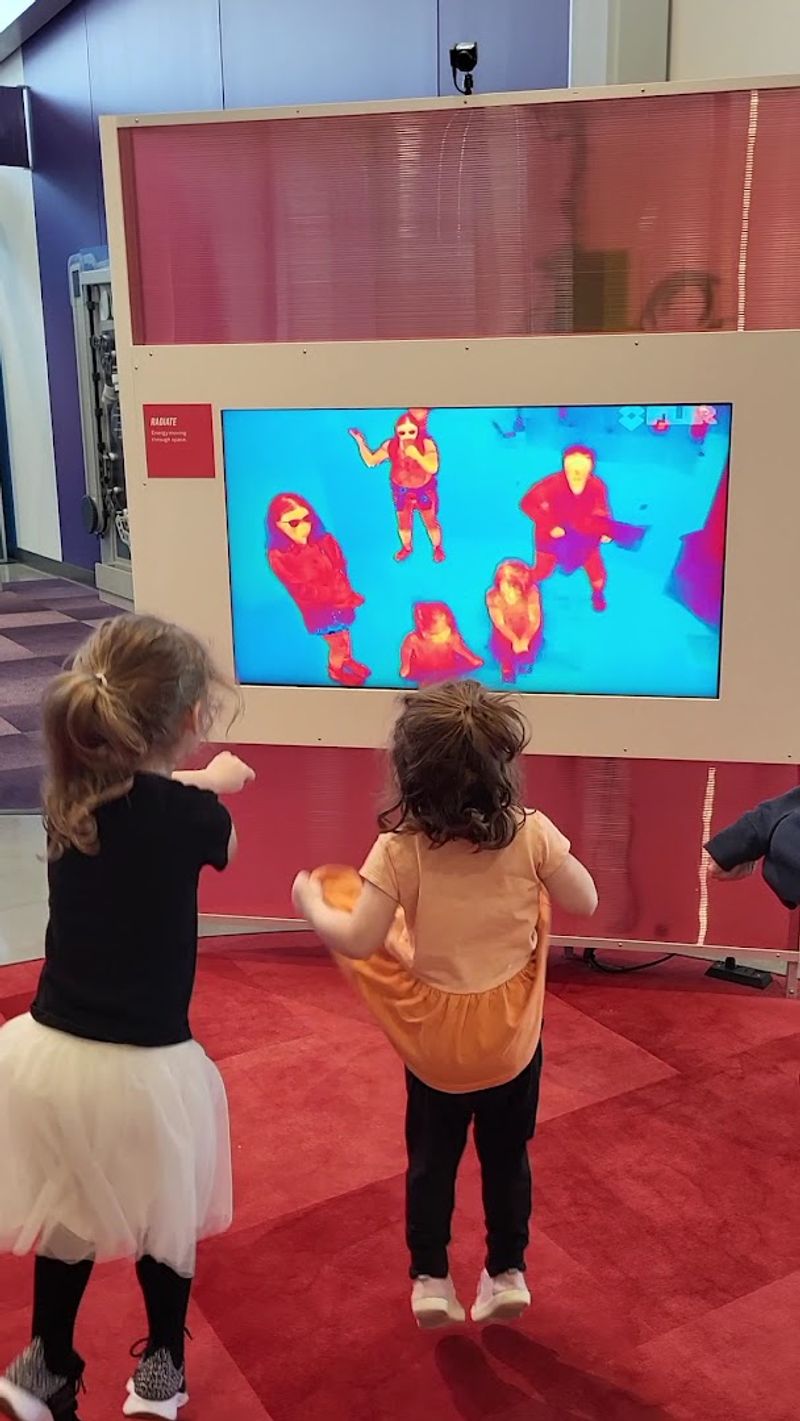
The mood shifts the moment you enter Sloan Museum of Discovery. After extensive renovations, the museum reopened in 2022 with interactive galleries that lean into movement, experiment, and a more tactile way of learning about science and Flint history.
There is a practical side to this stop. If children are heading toward the water exhibit, bringing a change of clothes is smart, because that area can get gloriously messy in the way good hands-on museums often do.
The museum also carries the weight of local story without becoming heavy-handed. It manages to connect play, technology, and civic history, which keeps the experience from feeling split between education for kids and history for adults.
Make Time For The Longway Dome
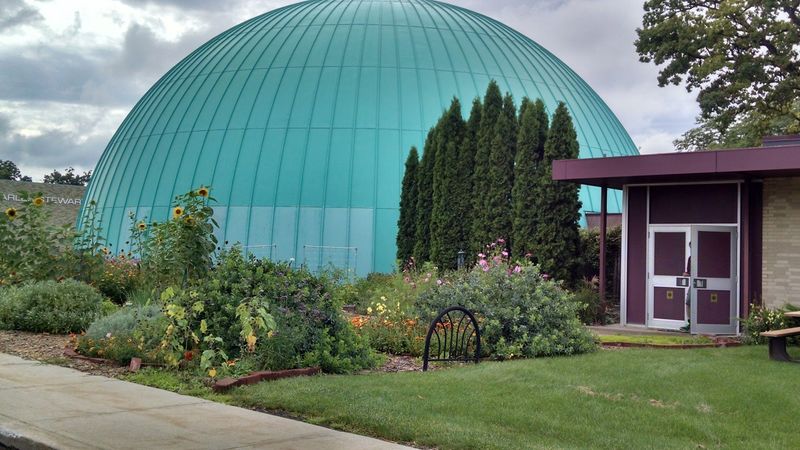
Under the Robert T. Longway Planetarium’s 60-foot dome, scale does the persuasive work for you.
Michigan’s largest planetarium seats 130 people, and the room has that lovely effect of making adults sit down, look up, and become briefly less talkative.
I would not treat it as a side activity between museums. The planetarium functions as an anchor for the campus, offering astronomy shows, laser light shows, educational programming, and multimedia presentations that expand the idea of what a cultural center can be.
Genesee County residents receive 50 percent off admission through the local millage. Check show times before arriving, because this is the sort of place where timing matters almost as much as curiosity.
Look At The Whiting As Part Of The Whole
One of the campus’s cleverest qualities is that performance is not tucked away as an occasional extra. The Whiting, operated within the Flint Institute of Music’s performing arts ecosystem, regularly hosts Broadway productions, concerts, dance, comedy, and performances by the Flint Symphony Orchestra.
Architecturally and socially, it changes the rhythm of the campus. A day that begins with galleries and exhibits can end in velvet-seat anticipation, which gives the whole district a satisfying sense of range rather than a single institutional mood.
If a show aligns with your visit, build the day around it. Seeing the campus in daylight and then returning for an evening performance makes the place feel less like a checklist and more like a civic neighborhood.
The transition is especially noticeable as lobby chatter replaces museum quiet, and visitors who spent hours looking closely at objects suddenly share the energy of an audience. That shift gives the campus a pulse few cultural complexes manage so naturally.
Remember That Theater Here Is Not Just Big Theater
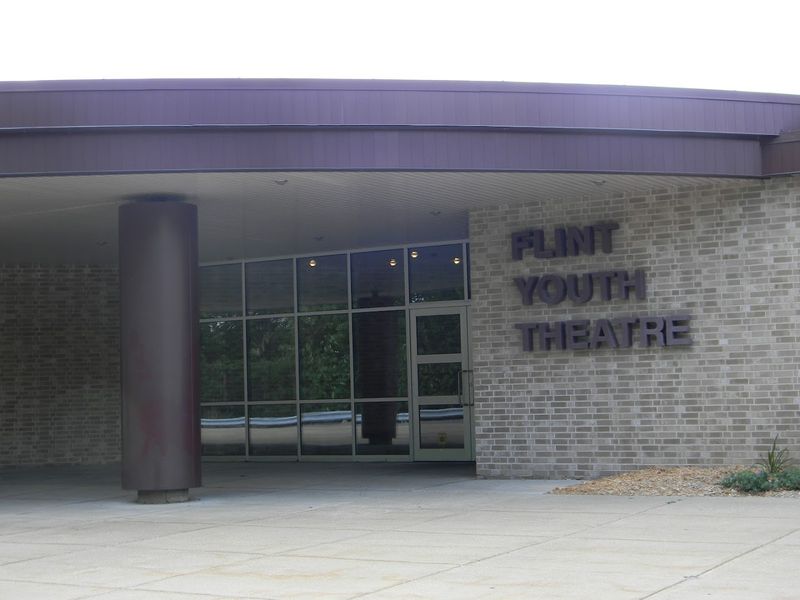
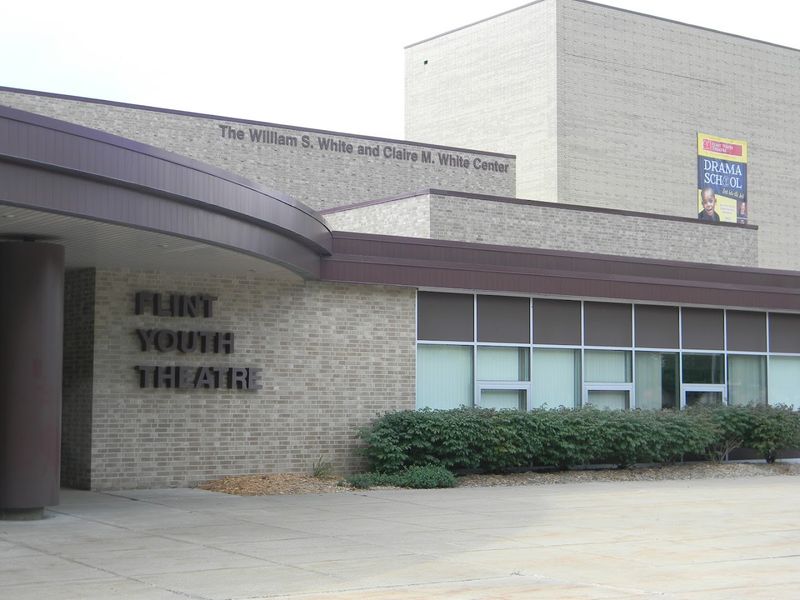
Large auditoriums get the obvious attention, but the campus also rewards closer focus. Flint Repertory Theatre, known as The Rep, offers professional regional theater, and its scale creates a different kind of attentiveness than the grander performance spaces nearby.
That matters because a cultural center should not flatten art into one volume level. The presence of The Rep and the connected F.A.
Bower Theater broadens the menu from spectacle to intimacy, from orchestral sweep to more concentrated dramatic work.
Visitor strategy is simple here: check schedules early. Performance calendars can transform an ordinary museum day into a fuller cultural itinerary, especially if you prefer to pair visual art and live storytelling in the same visit.
Give The Library More Than Leftover Time
Libraries on culture-heavy campuses sometimes get treated like the quiet annex. The Gloria Coles Flint Public Library deserves better, especially because its collections in local history, African-American history and literature, Michigan history, automotive history, and genealogy deepen everything else you see nearby.
I found it useful as a grounding stop rather than a cooldown. After exhibits and performances, a library restores proportion, reminding you that culture is not only what is displayed under lights but also what is preserved, indexed, and made publicly reachable.
The current building dates to 1958 and has undergone extensive renovations. If you like understanding a place from the inside out, this is where Flint begins speaking in a quieter, more detailed voice.
Browse the shelves slowly, and connections emerge between neighborhood stories, industrial change, family memory, and the institutions outside. Even a brief visit reveals how much of Flint’s identity survives through patient documentation, public access, and countless ordinary acts of preservation.
Use Resident Benefits If They Apply To You
A pleasant surprise here is that practical affordability is built into the experience. Genesee County residents receive free general admission to both the Flint Institute of Arts and Sloan Museum of Discovery, plus half-price admission to the Longway Planetarium through the local millage.
That policy does more than save money. It signals a campus designed not just for occasional tourism, but for repeated local use, which may explain why the place feels lived in instead of polished solely for special outings.
Even if you are visiting from elsewhere, it is worth checking each institution’s current admission details and calendars before arriving. The best version of this campus visit usually comes from matching your day to what is actually happening.
Plan For A Full Day, Not A Quick Pass
The easy mistake is assuming this is a single attraction with a few extras attached. In practice, the Flint Cultural Center works better as a full-day outing, because each institution resets your attention and keeps the experience from blurring into one long museum trudge.
There is also a useful pacing logic to the campus. Interactive exhibits at Sloan, quiet looking at the FIA, a scheduled planetarium show, and a performance at one of the music or theater venues create natural shifts in tempo.
If hunger becomes part of the equation, the Palette Cafe at the Flint Institute of Arts is a good option to note. Building in that pause helps the day stay curious instead of overpacked, which is an important distinction.
The campus also rewards a little advance planning. Check opening hours, showtimes, and ticket requirements before arriving, then leave enough flexibility to linger where something catches your attention.
That balance turns a packed itinerary into an unhurried cultural day out.
Let The Place Change Your Picture Of Flint
Some destinations impress by being louder than expected. This one works differently, accumulating force through seriousness, accessibility, and the quiet confidence of institutions that know they matter to the city around them.
I left thinking less about any single attraction than about the campus as a public argument for culture itself. A strong art museum, a renewed science and history museum, Michigan’s largest planetarium, active performance venues, and a substantial public library all share the same ground.
That concentration is not common, and it is worth treating with respect. Go expecting variety, but also go ready to notice something subtler: how thoughtfully Flint has built a place where curiosity is given actual infrastructure, not just encouraging slogans.