
This 5,000-Acre Florida State Park Is Home To The World’s Largest Artesian Spring
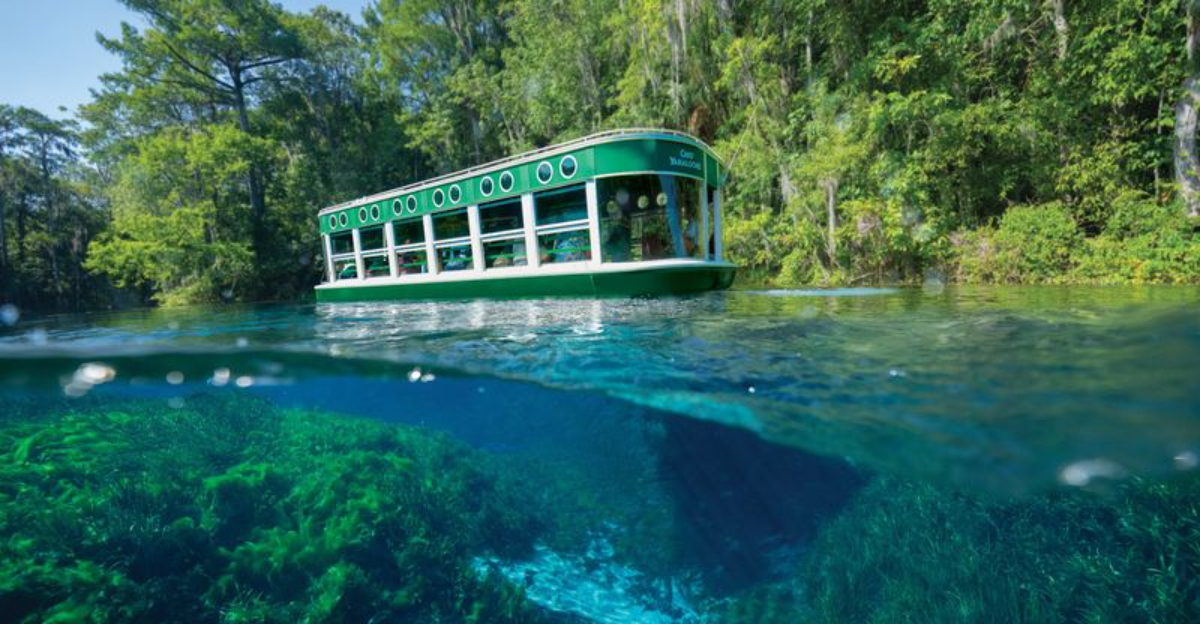
Most people think they know what a Florida state park looks like. This one quietly proves them wrong.
Tucked away in Silver Springs, there is a place where the water is so clear it does not feel real at first. Fish look like they are floating in mid-air, kayaks seem to hover above the surface, and every movement underneath you feels closer than it should.
It sounds exaggerated until you see it for yourself. A massive spring system pushes out millions of gallons of water every single day, creating one of the most surreal landscapes in the state.
But what really sets it apart is what happens once you get on the water. You can paddle over manatees, drift past turtles, and if you are lucky, catch sight of wild monkeys moving through the trees along the shoreline.
I have been to plenty of parks across Florida, but nothing quite matches this mix of clarity, wildlife, and old-school Florida energy. And somehow, it still feels like a place not enough people fully appreciate.
The World’s Largest Artesian Spring System Powers Everything
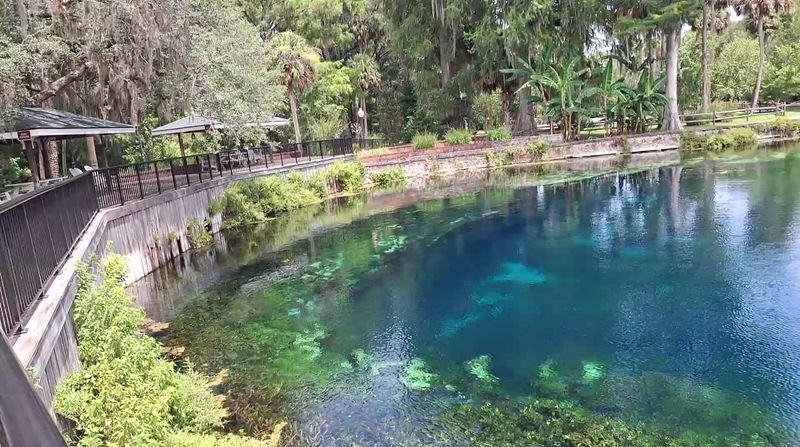
Standing on the observation deck, I watched 550 million gallons of water bubble up from underground every single day, creating a current so strong that paddling upstream feels like a CrossFit workout. Silver Springs holds the title as the world’s largest artesian spring, which means the water pressure from underground aquifers pushes it to the surface naturally without any pumps or mechanical help.
The spring system maintains a constant 72-degree temperature year-round, making it a magnet for manatees when winter cold snaps hit. I could see straight down to the limestone bottom even in areas over 20 feet deep, thanks to water clarity that rivals any swimming pool.
The springs have been flowing for thousands of years, carving out the Silver River that winds through the park. Geologists estimate the water I saw bubbling up had been filtered through limestone for decades before reaching the surface.
That natural filtration creates the remarkable transparency that made this place famous long before it became a state park, attracting tourists since the 1800s who rode glass-bottom boats to peer into this underwater world.
Glass-Bottom Boats Have Been Cruising These Waters Since The 1870s
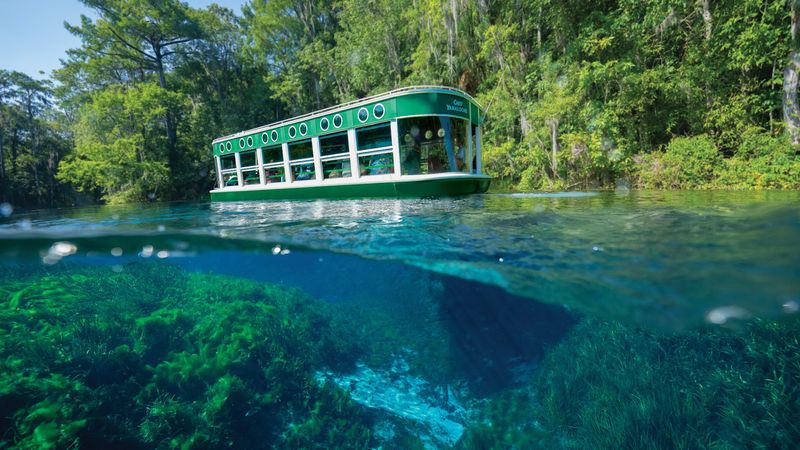
Climbing aboard one of the glass-bottom boats felt like stepping into a time machine, especially when Captain Steve mentioned these same vessels have been giving tours since the 1870s. The extended tour takes you deeper into the spring system, past the crowded launch area and into quieter sections where wildlife sightings multiply.
I pressed my face against the glass panels in the boat floor, watching bass, turtles, and even a curious manatee glide beneath us like we were hovering in a helicopter. The boat captain shared stories about old Hollywood movies filmed here, including several Tarzan films and the Creature from the Black Lagoon.
Booking the extended tour online saved me from a brutal wait in the walk-up line, which snaked around the building when I arrived at 10 AM. The shorter 30-minute tour costs about $15 per person, while the extended version adds more time and better chances of spotting monkeys and manatees.
Our guide mixed dad jokes with genuine knowledge about the spring’s history and ecology, making the hour fly by faster than the current beneath us carried our boat downstream.
Wild Rhesus Monkeys Swing Through The Trees On Monkey Island
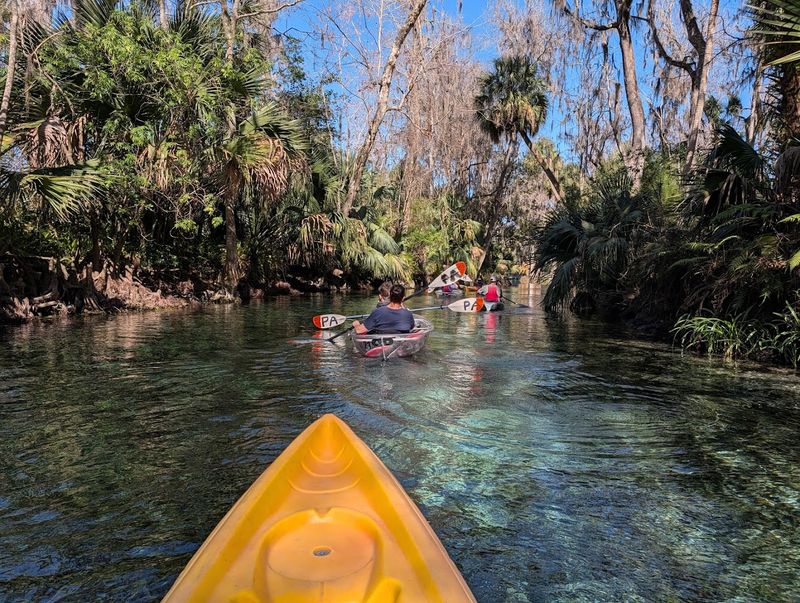
Nothing prepared me for the sight of actual monkeys lounging in Florida cypress trees like they owned the place. Back in the 1930s, a tour boat operator released six rhesus monkeys on an island to create a Tarzan-themed attraction, apparently not realizing that monkeys are excellent swimmers.
The population now numbers around 300 monkeys spread throughout the Silver River area, making them one of Florida’s most unusual wildlife populations. I spotted three of them during my kayak trip past the three-mile mark, grooming each other on a low-hanging branch.
These monkeys occasionally test positive for herpes B virus, so park rangers strongly advise keeping your distance and never attempting to feed them. They’re wild animals despite their tourist attraction origins, and they’ve adapted remarkably well to Florida’s climate and ecosystem.
Most visitors need to paddle beyond the two-mile loop to reach monkey territory, which explains why the shorter kayak routes rarely produce sightings. The extended glass-bottom boat tour ventures into their habitat, giving passengers better odds of monkey encounters without the paddling workout required to reach their preferred hangout spots along the river’s more remote stretches.
Manatee Viewing Reaches Peak Season During Winter Months
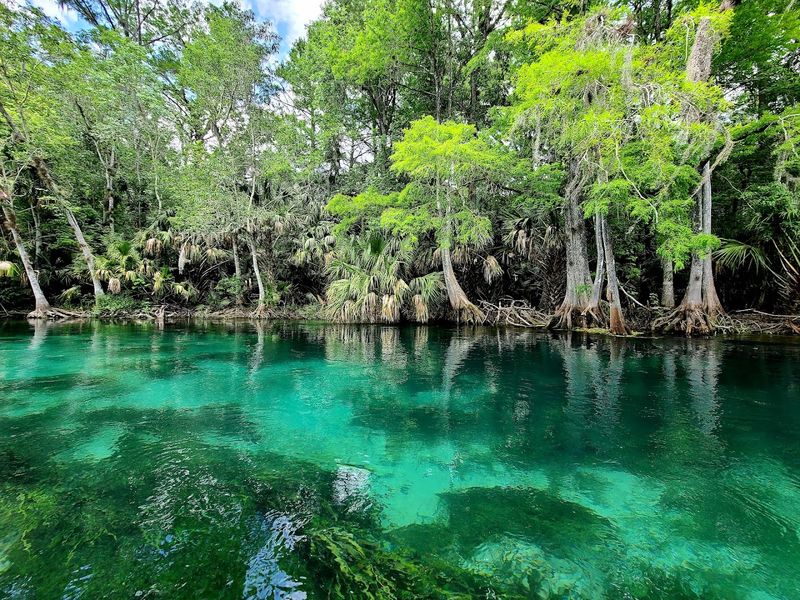
My first manatee encounter happened within 20 minutes of launching my kayak, when a massive gray shape materialized beneath my hull like a submarine surfacing. These gentle giants migrate to Silver Springs when Gulf and Atlantic temperatures drop below their comfort zone, seeking the constant 72-degree spring water that feels like a heated pool.
December through February brings the highest manatee counts, with dozens gathering in the spring run and main spring area. I watched one surface right next to the glass-bottom boat, its whiskered snout breaking the water as it grabbed a breath before diving back down.
Park regulations prohibit paddling directly over manatees, though they often swim up to investigate kayaks out of curiosity. The viewing platform near the main spring offers an excellent vantage point for watching them without getting in the water.
Several reviewers mentioned seeing manatees during their visits, confirming that sightings are common rather than rare. The clear water makes spotting them easy even from shore or boat, their bulky forms clearly visible against the white sand bottom as they cruise along munching aquatic vegetation.
The Five-Mile Paddle Takes You Deep Into Old Florida Wilderness
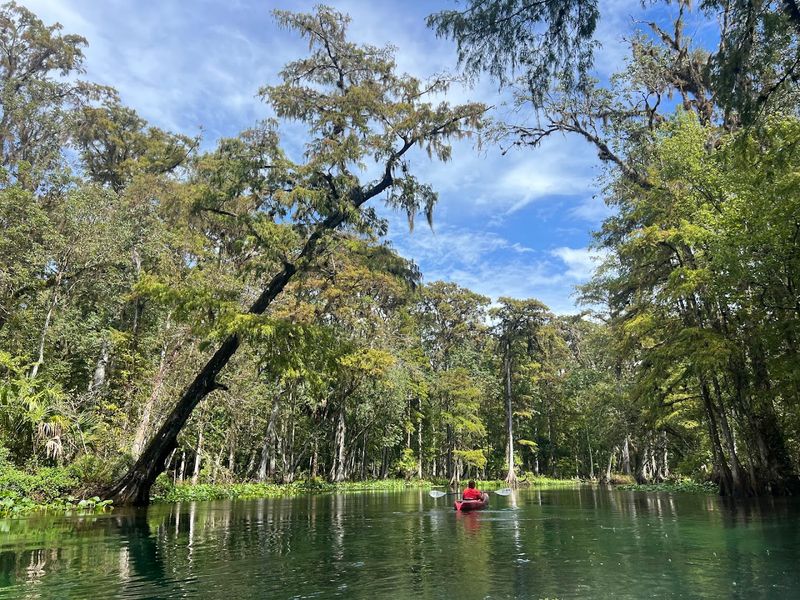
After completing the easy two-mile loop, I faced a decision at the fork in the river: turn back or commit to the full five-mile journey downstream. Choosing the longer route meant paddling with the current through increasingly wild terrain, past fewer people and into sections that feel untouched by modern development.
The current does most of the work once you’re heading downstream, making it more of a floating meditation than a workout. Wildlife sightings increased dramatically after mile three, where most casual paddlers turn around.
I spotted alligators sunning on banks, wading birds fishing in shallows, and countless turtles plopping off logs as I drifted past. The catch is getting back to your starting point, since paddling five miles upstream against the current would require superhero stamina.
Silver Springs offers a shuttle service for a fee that picks you up at the downstream exit and drives you back to the launch area. Several locals also offer rides, creating an informal taxi service for paddlers.
Bringing your own kayak requires purchasing a personal vessel ticket before joining the launch line, but rentals handle all the logistics including the ride back upstream.
The Park Encompasses Multiple Ecosystems Within Its 5,000 Acres
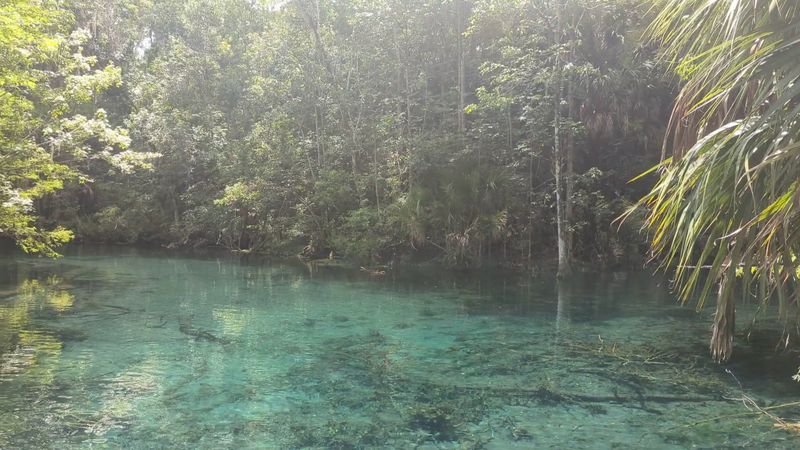
Walking the trail system revealed how much variety exists within the park boundaries, from hardwood hammocks to cypress swamps to pine flatwoods. Silver Springs State Park protects 5,000 acres of land surrounding the spring system, creating a nature preserve that showcases multiple Florida habitats in one location.
I hiked through sections where massive live oaks created shaded canopies, then emerged into sunny areas dominated by longleaf pines. The boardwalk trails made wildlife viewing easy without damaging sensitive wetland areas.
Bird watchers bring binoculars and field guides, scanning the treetops for species ranging from herons to hawks to woodpeckers. The trail system connects different areas of the park, though some visitors reported confusion about the color-coded markers.
Studying a trail map before setting out helps avoid accidentally hiking longer distances than planned. The campground offers direct trail access, letting overnight guests explore without driving to the main park entrance.
I appreciated how the trails varied in difficulty and length, accommodating everyone from casual strollers to serious hikers. The park’s size means you can visit multiple times and still discover new sections, especially if you explore different seasons when vegetation and wildlife patterns shift.
Crystal-Clear Water Creates Incredible Underwater Visibility
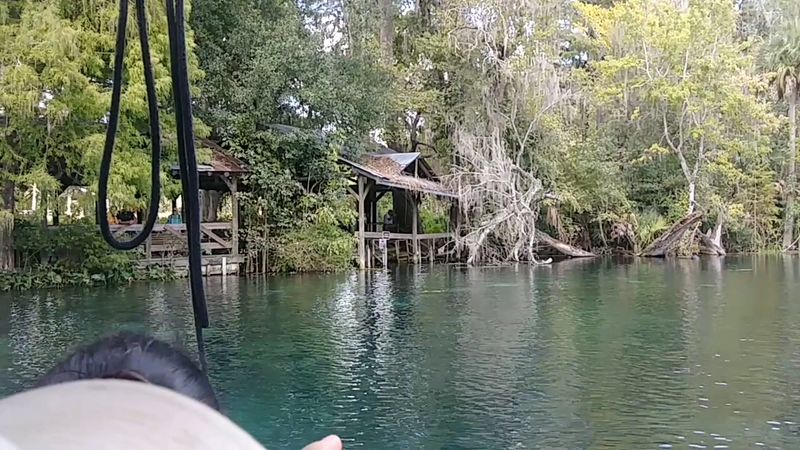
Peering through my kayak at the river bottom felt like looking through a giant aquarium, with every detail sharp and clear even in deeper sections. The visibility at Silver Springs regularly exceeds 100 feet, creating underwater views that seem almost artificial in their clarity.
That transparency comes from the natural limestone filtration system underground, which removes particles and impurities before the water reaches the surface. I could identify individual fish species from my kayak, watching bass cruise past and turtles walking along the bottom.
The clear water made Silver Springs a natural filming location for underwater scenes in classic movies and television shows. Photographers and videographers still flock here to capture footage that requires minimal editing or color correction.
Renting a clear kayak or glass-bottom kayak amplifies the viewing experience, though standard kayaks still offer excellent visibility by simply looking over the side. The spring’s output is so massive that it maintains clarity even with hundreds of daily visitors paddling through.
I noticed the water stayed clear all day despite heavy kayak traffic, a testament to the spring’s powerful flow constantly refreshing the system with pristine water from deep underground aquifers.
The Park Offers Camping Cabins And Full-Service Campsites
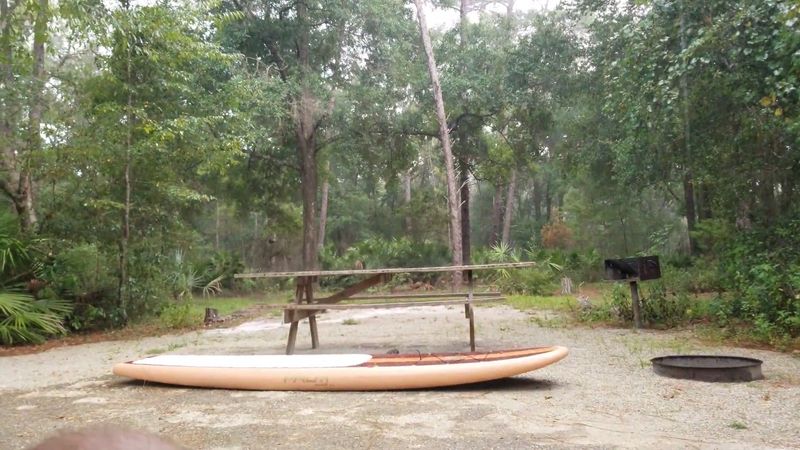
Driving through the campground revealed spacious sites separated by natural vegetation, offering privacy that many Florida campgrounds lack. Silver Springs State Park maintains both RV sites with hookups and rustic cabins for visitors who want to extend their stay beyond a day trip.
The campsites looked well-maintained during my November visit, with clean bathhouses just steps away from most spots. Site 10 earned particular praise in reviews for its combination of privacy, proximity to facilities, and quiet atmosphere.
Cabins appeared quaint and properly spaced, giving each one a secluded feel despite being in a campground setting. Staying overnight grants access to a hidden kayak launch near the campground that leads to sections of river with heavier wildlife concentrations.
That two-mile paddle from the campground launch area produced sightings that day visitors at the main launch often miss. The campground includes a dump station, making it RV-friendly for extended stays.
Pets are welcome throughout the park, turning it into a popular destination for campers traveling with dogs. Booking ahead is essential, especially for winter months when snowbirds fill Florida campgrounds and manatee viewing reaches peak season, drawing visitors from across the country.
The $2 Entry Fee Makes This Florida’s Best Value Experience
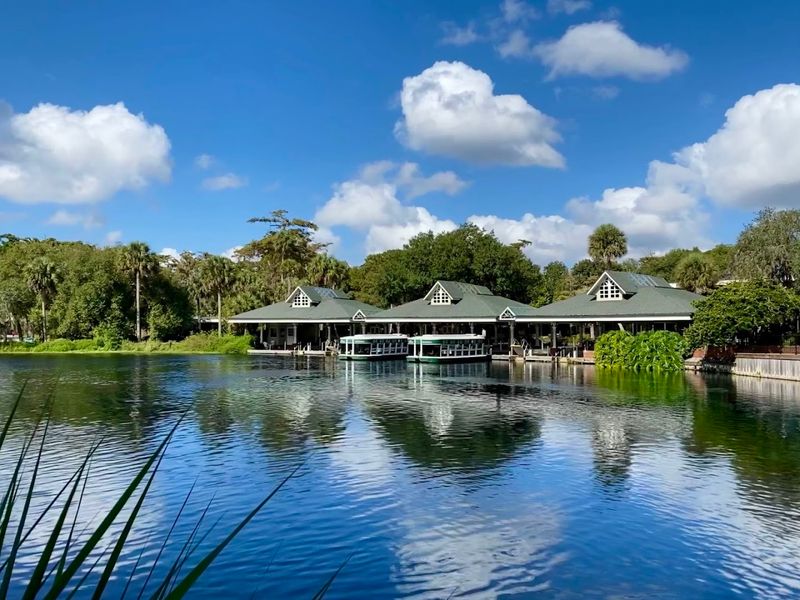
Handing over $2 per person at the entrance gate felt like getting away with something, considering the experiences waiting inside. Silver Springs State Park maintains one of the lowest admission fees in Florida’s state park system, making it accessible for families and budget-conscious travelers.
That minimal entry fee grants access to hiking trails, wildlife viewing areas, picnic facilities, and the spring viewing platforms. Additional activities like glass-bottom boat tours, kayak rentals, and shuttle services cost extra, but the basic park access remains incredibly affordable.
I calculated that a family of four pays $8 total to enter, then decides which additional activities fit their budget and interests. The cafe on-site serves reasonably priced food, avoiding the price gouging common at tourist attractions.
Several reviewers called it the deal of the century, comparing it favorably to theme parks that charge 50 times more for entry. The low admission removes financial barriers, letting people experience natural Florida without spending a fortune.
I noticed diverse crowds during my visit, from retirees to young families to international tourists, all taking advantage of the accessible pricing that makes Silver Springs a democratic destination where everyone can afford to witness one of Florida’s greatest natural wonders.
On-Site Amenities Include A Cafe Museum And Gift Shop
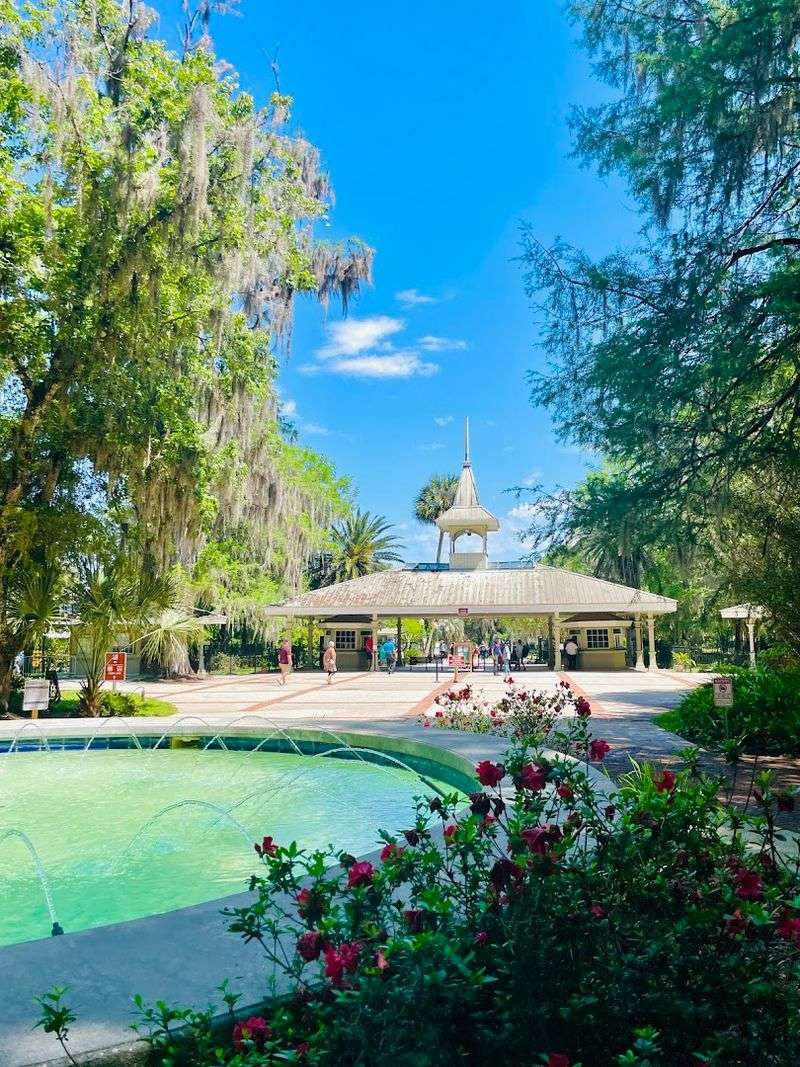
After my morning paddle, I grabbed a Bourbon vanilla caramel latte at the on-site coffee shop, pleasantly surprised by the quality considering the park location. The main building houses a cafe serving breakfast and lunch, a museum with exhibits about the spring’s history, and a gift shop stocked with souvenirs and local products.
I ordered chicken and waffles that arrived hot and properly portioned, with pricing comparable to casual restaurants outside the park. The cafe offers outdoor seating with spring views, creating a relaxing spot to refuel between activities.
The museum displays artifacts and information about the spring’s geological formation, Native American history, and role in Florida tourism development. I spent 20 minutes browsing exhibits that provided context for what I’d seen on the water.
The gift shop carries everything from postcards to clothing to locally made items, giving visitors options beyond generic tourist merchandise. Clean restrooms earned consistent praise in reviews, an often-overlooked amenity that matters during long park visits.
The facilities are modern and well-maintained, contrasting with the natural wilderness surrounding them. Having food, shopping, and educational exhibits centralized in one building makes logistics simple, especially for families managing multiple needs and interests during their visit to this remarkable spring system.