
This Ancient Florida City Still Holds Secrets We’re Only Just Beginning To Understand
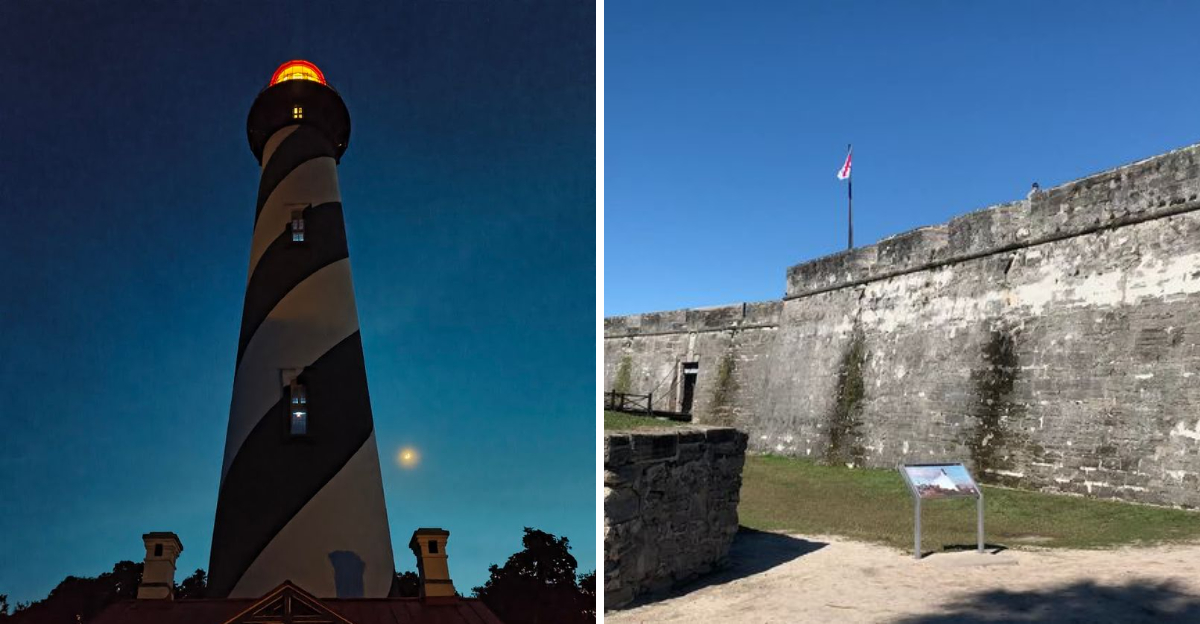
Most beach towns in Florida are built around sunshine and vacation photos. St. Augustine feels built around stories.
You walk its cobblestone streets expecting charming shops and ocean views, then suddenly you’re standing beside centuries-old walls, hidden courtyards, and landmarks older than almost anything else in the country. No city in Florida feels more layered with history than St. Augustine, and that’s what makes it impossible to fully figure out in one visit.
Every corner seems to carry another piece of the past. A massive stone fortress watching over the water.
Ancient streets first walked centuries ago. Archaeologists still uncovering secrets buried beneath the city itself.
Nothing feels artificial here. The history isn’t recreated, it’s still sitting right in front of you.
People come expecting a coastal getaway and leave realizing they just walked through one of the most fascinating places in America.
The Castillo De San Marcos Is Older Than The United States Itself
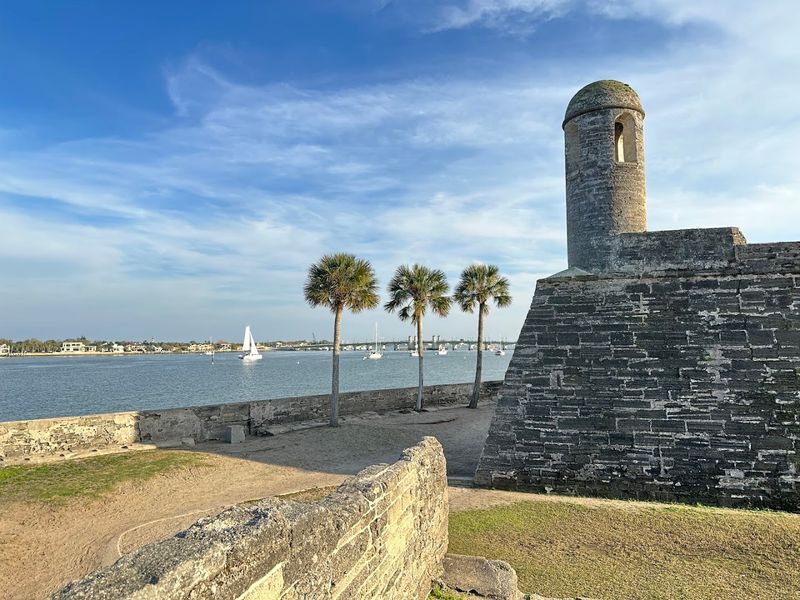
Standing at the edge of Matanzas Bay, the Castillo de San Marcos looks like it was carved straight out of a different century, because it was.
Construction on this massive Spanish fortress began in 1672, making it the oldest masonry fort in the continental United States, predating the country itself by more than a hundred years.
Built from a unique local shellstone called coquina, the walls absorbed cannonball strikes rather than shattering, a natural defense that baffled enemies for decades.
Located at 1 S Castillo Dr, St. Augustine, FL 32084, the site is managed by the National Park Service and draws hundreds of thousands of visitors every year.
What surprises most people is how much of the original structure survives intact, with original rooms, cannons, and even dungeon cells still accessible to the public.
Walking its ramparts above the inlet, you can almost hear the echoes of a world that refused to be forgotten.
Coquina: The Bizarre Building Material That Saved A City
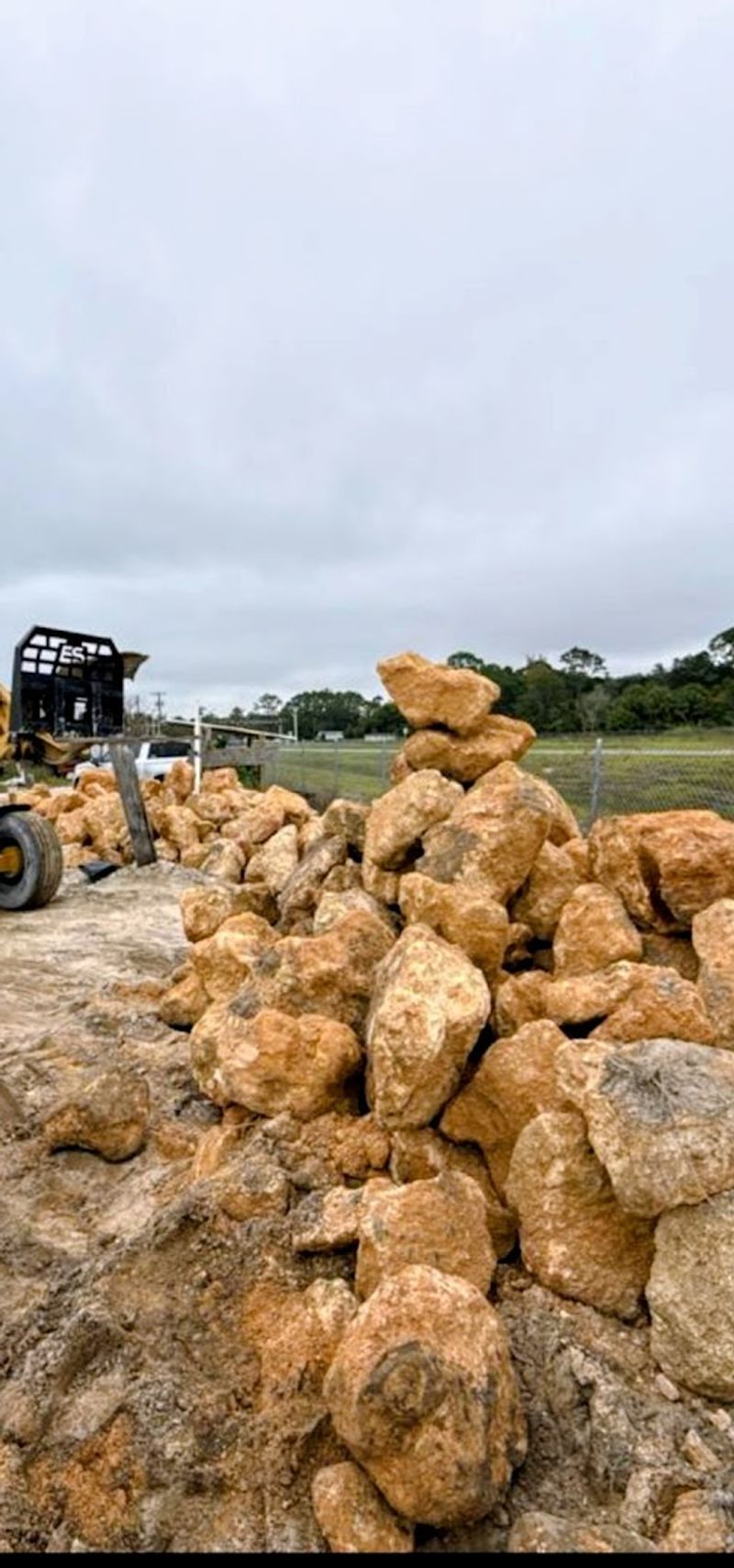
Forget concrete and steel. St. Augustine was built on something far stranger: a soft, porous rock made almost entirely of compressed tiny coquina clam shells.
This sedimentary material, called coquina, was quarried from nearby Anastasia Island and used to construct the Castillo de San Marcos and many of the city’s oldest buildings.
What made coquina so remarkable as a defense material was its unusual ability to absorb impact rather than crack under pressure, essentially swallowing cannonballs whole during British attacks in 1702 and 1740.
Scientists and historians are still studying how ancient builders managed to quarry, transport, and shape this fragile material into structures that have lasted for centuries under Florida’s brutal heat and humidity.
Quarry sites on Anastasia Island, now part of Anastasia State Park, still show visible extraction marks from workers who lived over three centuries ago.
Coquina is, without question, one of the most underrated engineering stories in American history.
A Spanish Colonial Grid That Predates American City Planning
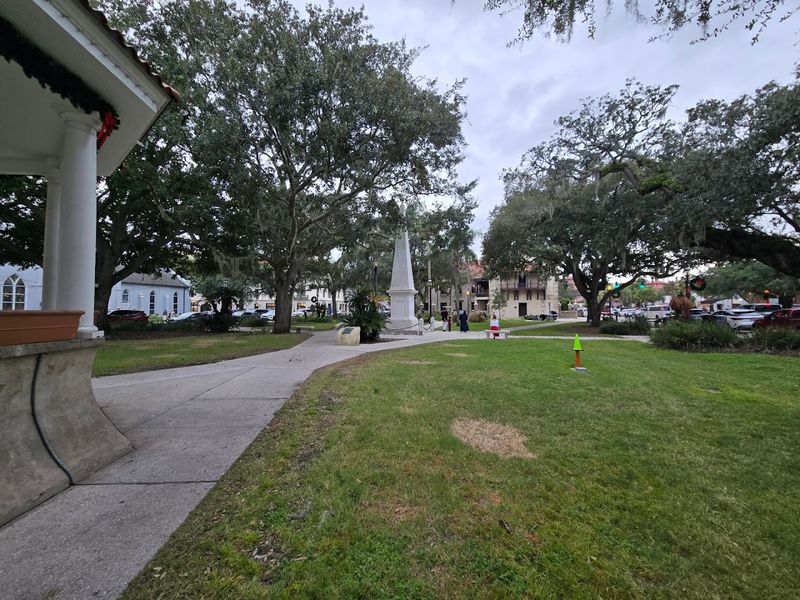
Most American cities were planned in the 18th or 19th century, but St. Augustine was already a functioning urban grid by 1573, following Spain’s Law of the Indies.
This royal decree required Spanish colonial towns to be laid out around a central plaza, with streets radiating outward in a precise geometric pattern designed for both defense and daily life.
The original layout of St. Augustine still survives in the historic district today, making it one of the only places in the United States where you can literally walk a street plan that is nearly 450 years old.
The central Plaza de la Constitucion, which anchors the old city, has served as a marketplace, a public square, and a gathering point continuously since the late 1500s.
Urban planners and historians consider this surviving grid a living document of colonial Spanish settlement strategy in North America.
Most cities erase their past. St. Augustine preserved its blueprint.
Buried Layers Of History That Archaeologists Keep Discovering
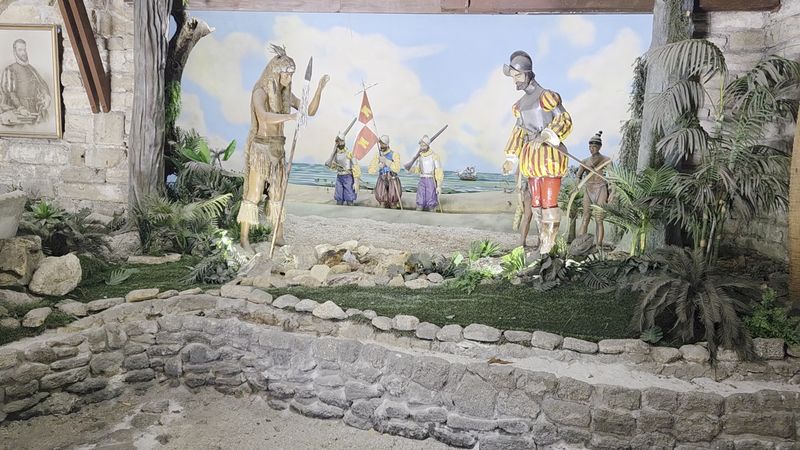
Every time construction crews break ground in downtown St. Augustine, archaeologists hold their breath.
The city sits on top of centuries of overlapping occupation, with Timucua Native American settlements, Spanish colonial structures, British-era buildings, and early American layers all stacked on top of each other in the same soil.
Recent excavations near the Fountain of Youth Archaeological Park uncovered evidence of the original 1565 Spanish settlement, including pottery fragments, structural post holes, and food remains that are reshaping what researchers thought they knew about the first permanent European colony in the country.
The Colonial Quarter living history museum at 33 St George St, St. Augustine, FL 32084, sits directly on top of active archaeological zones where new finds continue to emerge.
Researchers from the Florida Museum of Natural History and other institutions regularly collaborate here, and the findings regularly challenge textbook narratives about early American history.
The ground in St. Augustine is essentially an open library that has barely been read.
Henry Flagler Turned A Sleepy Town Into America’s First Resort City
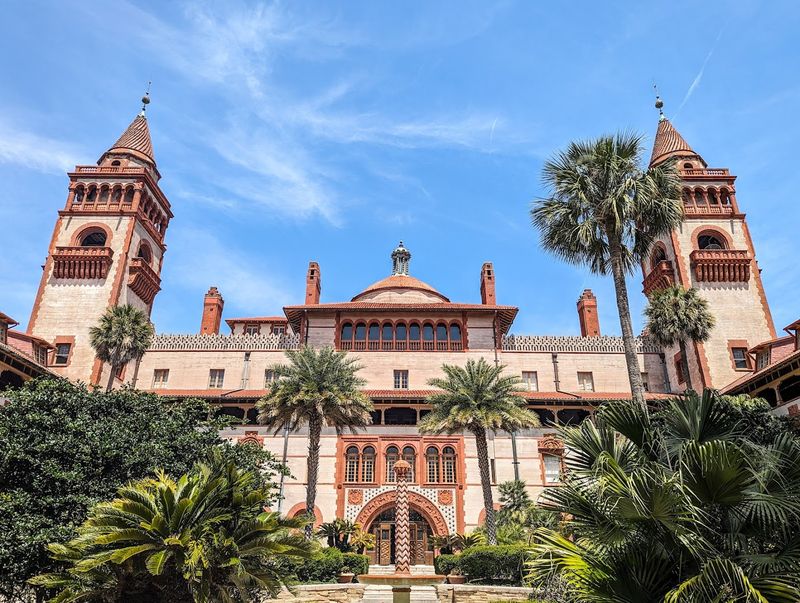
Before Miami or Palm Beach existed as tourist destinations, Henry Flagler decided that St. Augustine was going to be America’s playground for the wealthy.
In the 1880s, this Standard Oil tycoon arrived in St. Augustine and began building lavish hotels that looked like Spanish palaces, extending his Florida East Coast Railway southward to bring wealthy Northern visitors directly to the city’s doorstep.
His grandest creation, the Ponce de Leon Hotel, opened in 1888 and featured the first large-scale use of poured concrete in American construction, along with electricity supplied by Thomas Edison himself.
That building now stands as Flagler College at 74 King St, St. Augustine, FL 32084, and its ornate interior is still open for public tours.
Flagler essentially invented the Florida tourism industry decades before anyone else thought to try, and St. Augustine was ground zero for that experiment.
His story is proof that ambition, when mixed with the right location, can reshape an entire state.
The Fountain Of Youth Legend That Still Draws Curious Visitors
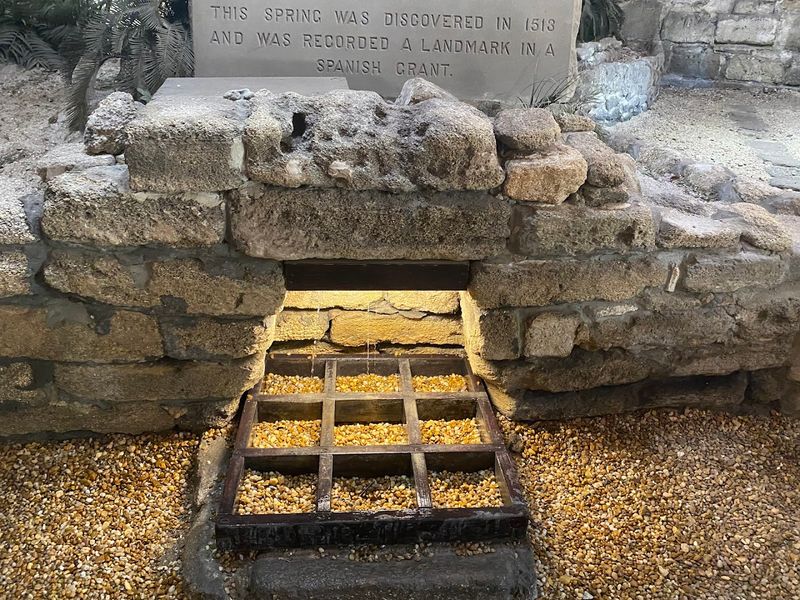
The story of Ponce de Leon searching for a magical spring that could restore youth is one of the most enduring myths tied to Florida, and St. Augustine has leaned into it fully.
The Fountain of Youth Archaeological Park at 11 Magnolia Ave, St. Augustine, FL 32084, sits on the site where historians believe the first Spanish landing occurred in 1513, though the legend of the fountain itself is largely a romantic invention from later centuries.
What makes this site genuinely fascinating is not the myth but the real archaeology beneath it, including a Timucua burial ground, evidence of early contact between Spanish explorers and indigenous people, and artifacts spanning thousands of years of continuous human occupation.
Visitors can still drink from the spring on-site, a quirky tradition that draws smiles and skeptical sips in equal measure.
Whether the water works or not, the layers of history surrounding that spring are very real and very remarkable.
Sometimes the legend is just the door that leads you to the truth.
St. Augustine Beach And Anastasia Island: Nature Hiding In Plain Sight
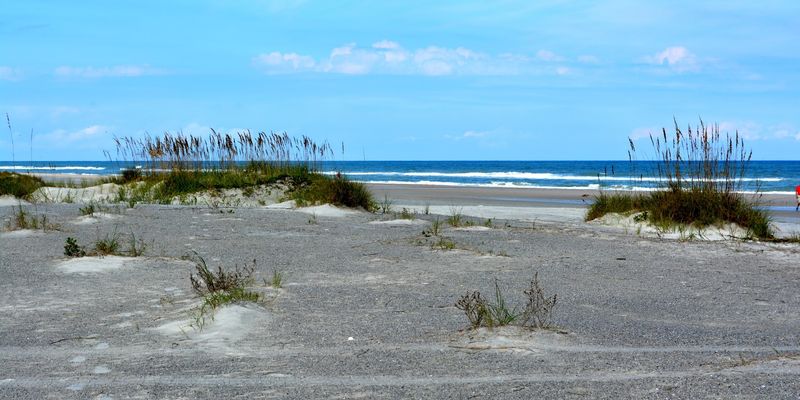
People often come to St. Augustine for the history and leave surprised by the beaches.
Anastasia Island stretches just east of the historic city center, connected by the Bridge of Lions, and it holds two very different coastal experiences within just a few miles of each other.
St. Augustine Beach is a lively stretch of Atlantic shoreline with a relaxed, family-friendly atmosphere, while Crescent Beach to the south offers a quieter, more tranquil setting where the crowds thin out considerably.
Anastasia State Park, which covers more than 1,600 acres of the island, protects ancient sand dunes, salt marshes, tidal creeks, and maritime hammock forests that look almost entirely unchanged from how they appeared centuries ago.
The park is a certified wildlife sanctuary, home to nesting sea turtles, migratory birds, and alligators that remind you Florida’s wild side is never far away.
The combination of history and untouched nature on one small island is genuinely rare, and St. Augustine somehow pulls it off without even trying.
The Oldest Wooden Schoolhouse That Still Stands In The Country
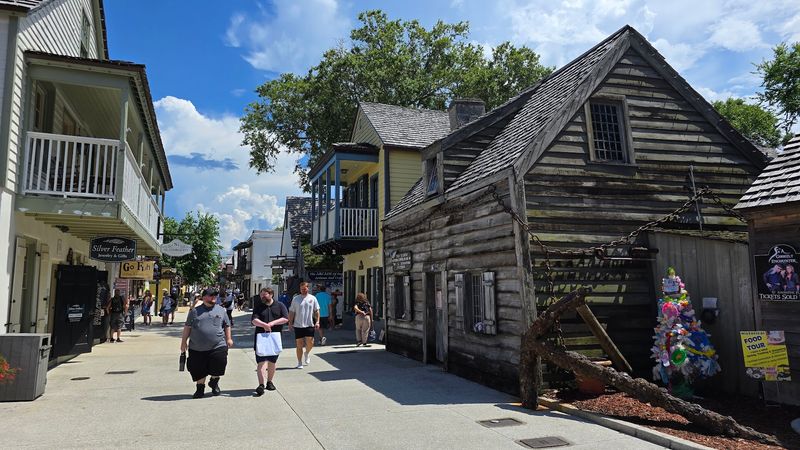
Tucked along St. George Street in the heart of the historic district, a tiny wooden building makes a claim that stops most visitors in their tracks.
The Oldest Wooden Schoolhouse at 14 St George St, St. Augustine, FL 32084, is believed to date back to the early 1700s, making it the oldest wooden schoolhouse still standing in the United States.
Built from red cedar and cypress, with walls reinforced using tabby mortar made from oyster shells, lime, and sand, the structure has survived hurricanes, fires, and the passage of centuries through sheer material stubbornness.
Inside, animatronic figures of a colonial-era teacher and students recreate what early education looked like in Spanish Florida, offering a surprisingly vivid window into daily life from three hundred years ago.
The fact that this building is still standing at all, given Florida’s climate and the turbulence of the city’s history, is its own kind of miracle.
Small buildings sometimes carry the biggest stories.
The Haunted History That Refuses To Stay Quiet
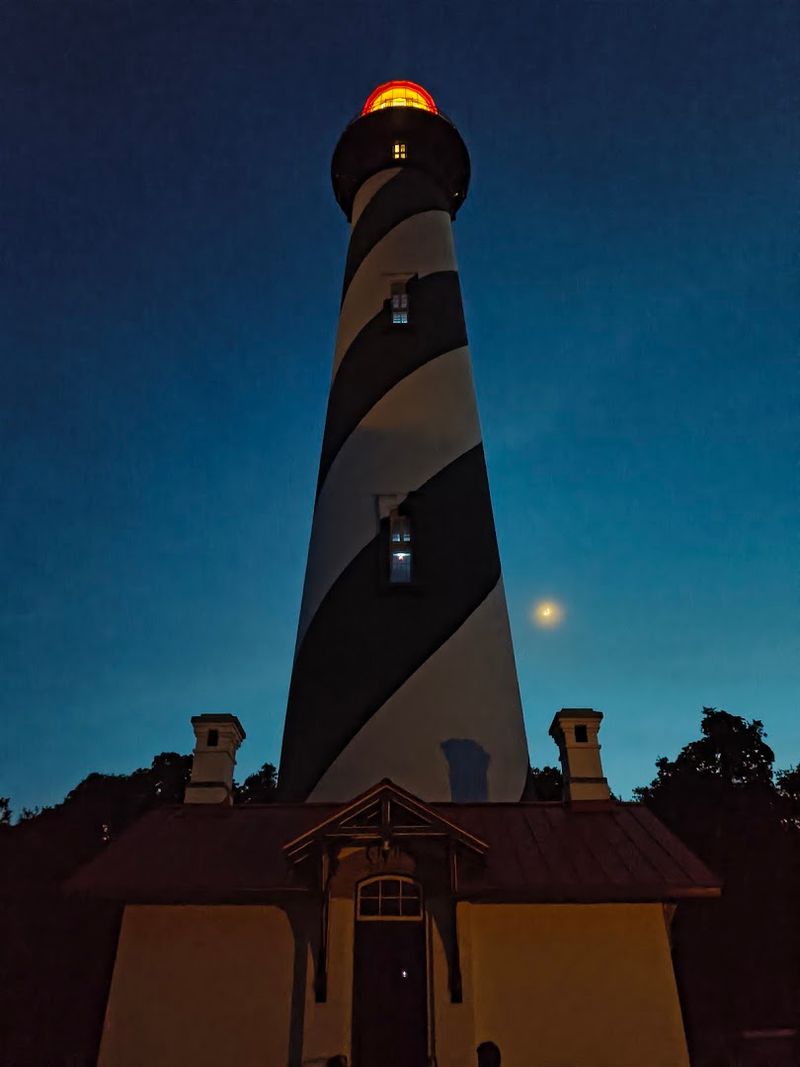
St. Augustine does not just have history. According to an enormous number of locals, guides, and paranormal investigators, it has residents who never quite left.
The city consistently ranks among the most haunted places in the United States, a reputation built on centuries of conflict, epidemic, and layered occupation that left deep marks on the landscape.
The old St. Augustine Lighthouse at 81 Lighthouse Ave, St. Augustine, FL 32080, is one of the most investigated paranormal sites in the country, with documented reports of unexplained sounds, shadows, and equipment malfunctions during formal investigations.
Evening ghost tours wind through the historic district nightly, blending documented history with local legend in a way that is equally entertaining and genuinely informative about the city’s past.
Even skeptics tend to leave these tours with a slightly different feeling about the streets they just walked.
Whether you believe in ghosts or not, the stories attached to this city’s buildings carry a weight that is hard to dismiss in the dark.
A Living City That Keeps Rewriting What We Know About American Origins
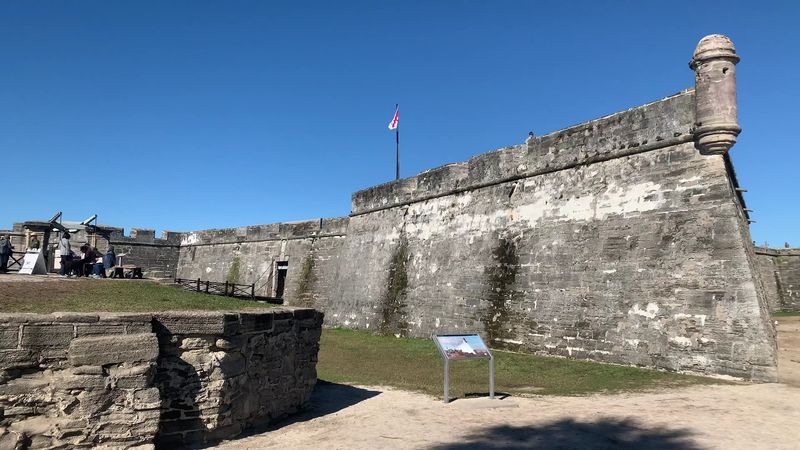
Most origin stories about the United States begin in 1620 with Plymouth Rock, but St. Augustine quietly points out that it was already 55 years old by then.
Founded on September 8, 1565, by Spanish explorer Pedro Menendez de Aviles, the city represents the true starting point of continuous European settlement in what is now the United States, a fact that national history education has historically underemphasized.
Ongoing research at sites across the city continues to push back timelines and fill in gaps about early contact between European settlers and the Timucua people who had called this region home for thousands of years before any ship arrived.
New discoveries in recent years have complicated the neat narrative of American founding, revealing trade networks, cultural exchanges, and conflicts far more complex than the standard story allows.
St. Augustine is not a museum piece frozen in amber. It is a working city that keeps asking inconvenient, fascinating questions about where this country really began.
And honestly, those are the best kind of questions to sit with.