
This Arizona Canyon Is Said To Hold An Ancient Energy You Can Actually Feel
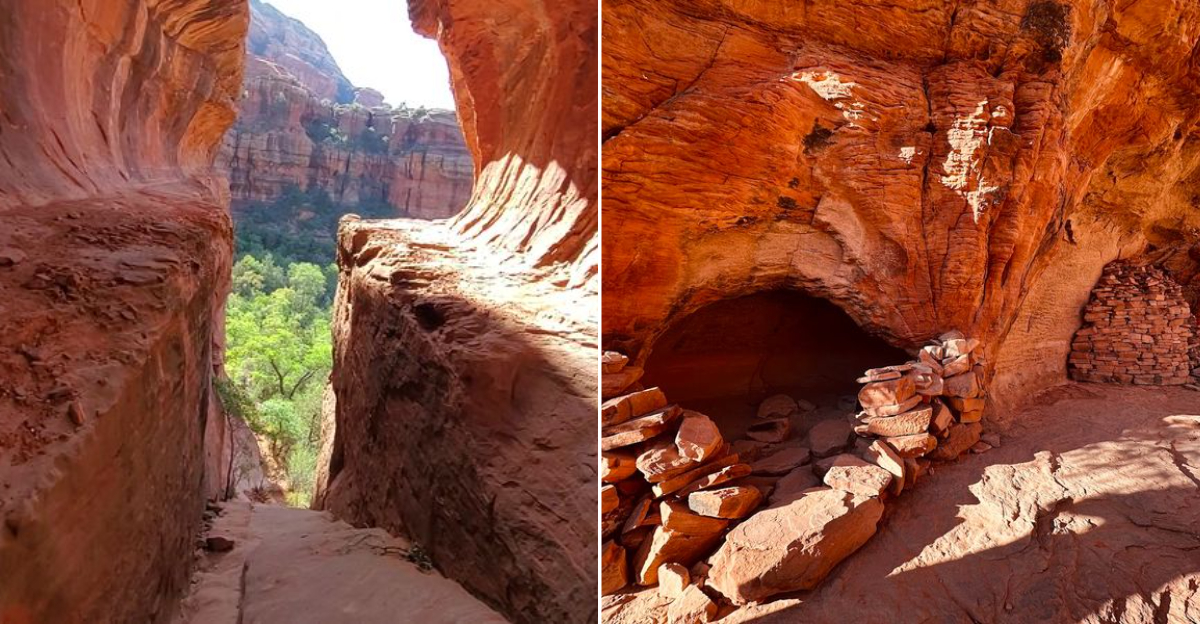
Sweat is dripping down my nose, but the view is worth every miserable, breathless step. They say this canyon is a swirling vortex of invisible power, acting like a giant, natural battery pack for the soul.
I started this trek feeling like a flat soda, but halfway up the trail, a weird sense of electric clarity hit me like a splash of cold water.
Whether it’s the mystical energy or just the sheer beauty of the jagged cliffs, there is no denying that the spirit of Arizona weaves through these trails like golden thread.
It’s dramatic, it’s gorgeous, and if you listen closely enough, you might even hear the rocks gossiping about how ridiculous we humans look while trying to take the perfect selfie.
This canyon carries thousands of years of history, sacred Native American roots, and a reputation as one of the most powerful energy vortex sites in the entire country.
The Sacred Origins Of Boynton Canyon
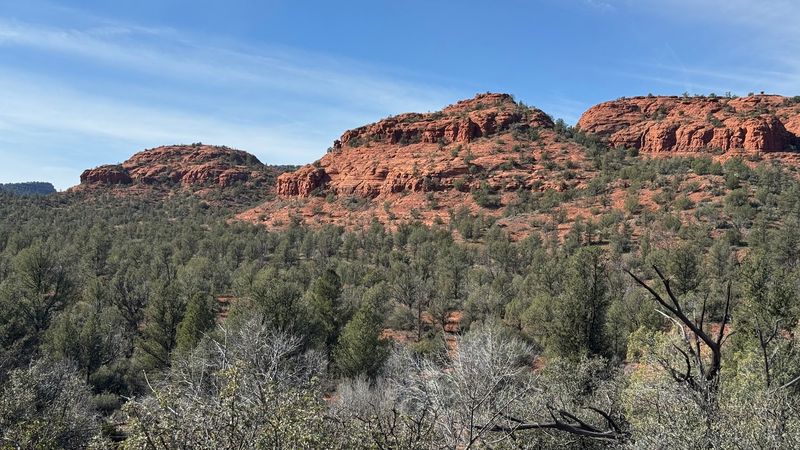
Long before hikers discovered Boynton Canyon, the Yavapai-Apache people called it home in the most profound sense possible.
They know this place as Che Ah Chi, and it holds the deepest kind of cultural weight imaginable. According to their oral traditions, this canyon is the very birthplace of their people, the spot where the First Woman restored the land to them after a great flood.
Walking through the canyon with that knowledge changes the experience entirely. You stop seeing it as just a pretty hike and start feeling the layers of meaning embedded in every sandstone wall.
Ancient Sinaguan ruins and burial sites are scattered along the trail, serving as quiet reminders that generations of people lived, loved, and built their lives here.
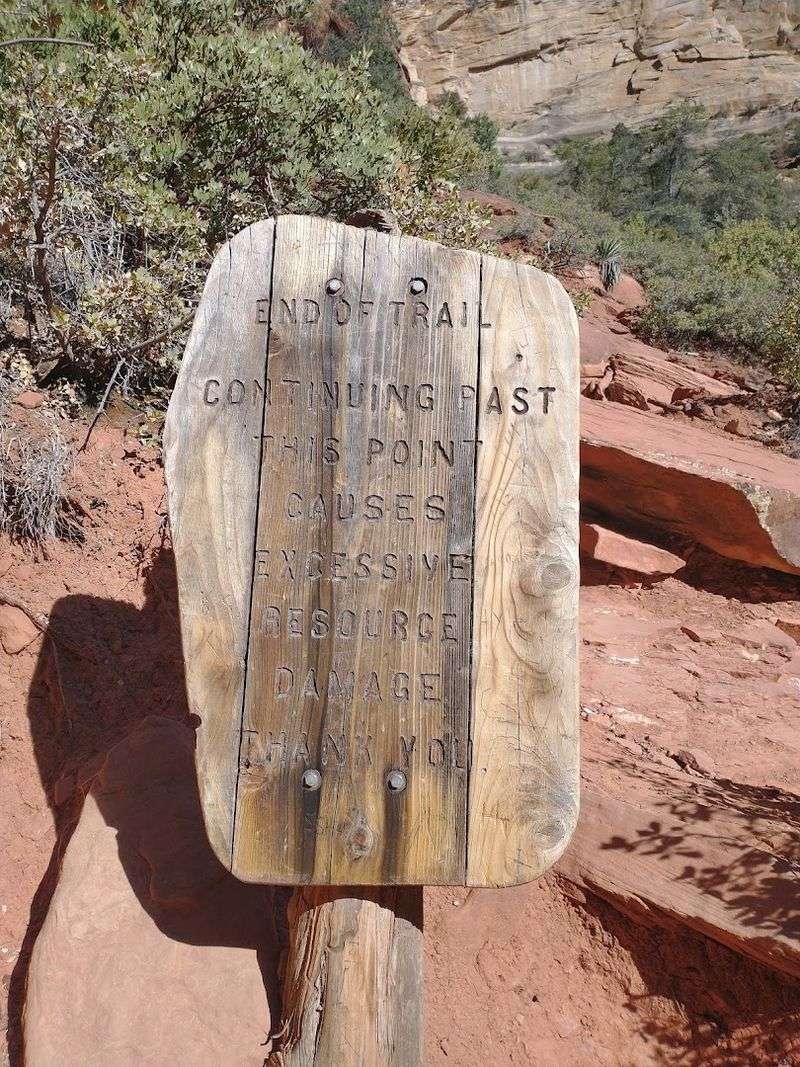
Respecting these sacred origins is not optional, it is essential. Visitors are encouraged to stay on marked trails, avoid touching ruins, and approach the space with genuine reverence. The canyon rewards that respect with a sense of connection that few trails can match.
Understanding The Vortex Energy Here
Sedona is famous for its vortex sites, but Boynton Canyon holds a special distinction among them. Most vortexes in the area carry either upflow masculine energy or inflow feminine energy, but Boynton Canyon is considered a balanced vortex, meaning it channels both simultaneously.
That balance is believed to promote healing, emotional clarity, and a deep sense of inner equilibrium. The concept of Sedona vortexes gained widespread popularity during the 1980s, though it is entirely separate from the Native American spiritual traditions that predate it by thousands of years.
Many visitors describe feeling tingling in their hands, a sudden wave of peace, heightened mental clarity, or even an unexpected emotional release while standing at the vortex site.
I personally noticed a strange stillness settle over me near the saddle between the Kachina Woman rock formation and the adjacent knoll, right where the vortex is said to be strongest.
Whether you are a true believer or a curious skeptic, something about that spot genuinely feels different from the rest of the trail.
The Kachina Woman Rock Formation
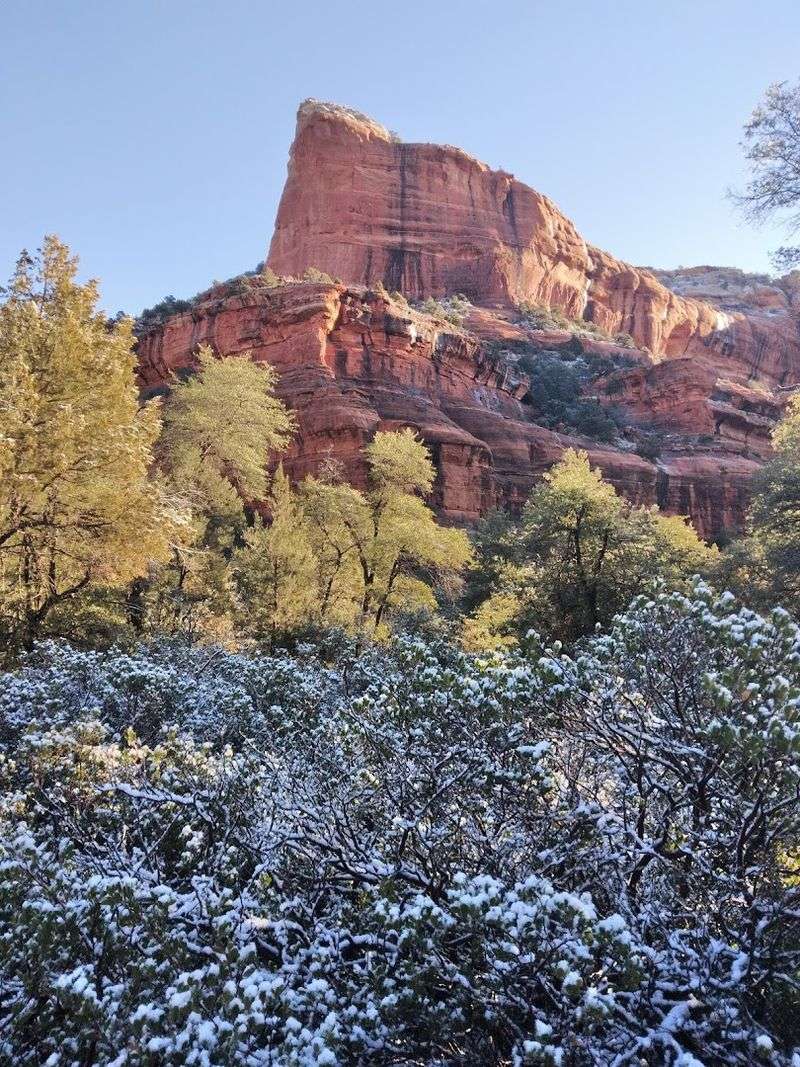
One of the most striking landmarks along the Boynton Canyon Trail is a towering sandstone spire known as Kachina Woman.
Rising dramatically from the canyon floor, this formation carries its own layer of spiritual significance within Yavapai-Apache tradition, and it is honestly one of those sights that stops you mid-stride just to stare.
The vortex site sits in the saddle between Kachina Woman and a neighboring knoll, making the formation a natural landmark for finding the right spot.
From certain angles, you can see why ancient peoples would have viewed this rock as a guardian presence watching over the canyon below.
Photographing Kachina Woman at different times of day produces wildly different results. Morning light casts a soft amber glow across its surface, while late afternoon turns it a deep, burning crimson that practically vibrates against the blue Arizona sky.
Even if you have zero interest in vortex energy, this rock formation alone is worth the hike just to stand beside something so quietly magnificent.
What The Trail Itself Actually Looks Like
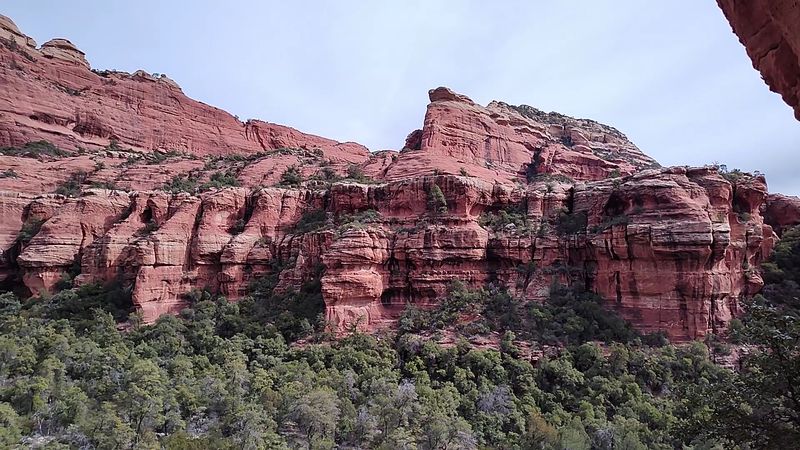
The Boynton Canyon Trail runs approximately 6 to 6.6 miles as an out-and-back route, with an elevation gain of roughly 600 to 980 feet depending on how far you push into the canyon.
It is rated moderately challenging, which means it is accessible to most reasonably fit hikers without requiring technical climbing skills or specialized gear.
What makes the scenery so satisfying is how much it changes as you move deeper in. The trailhead opens through open desert terrain dotted with juniper trees and dramatic agave plants.
Then the canyon walls close in, shade increases, and the vegetation shifts to oak and pinyon pine, giving the hike a completely different personality in its second half.
The red rock walls tower on both sides as you push further into the box canyon section, and the sense of being enclosed by ancient geology is genuinely awe-inspiring.
Every bend in the trail reveals a new angle, a new color, or a new shadow pattern that makes the landscape feel almost alive. This trail rewards the patient hiker generously.
The Subway Cave Detour Worth Taking
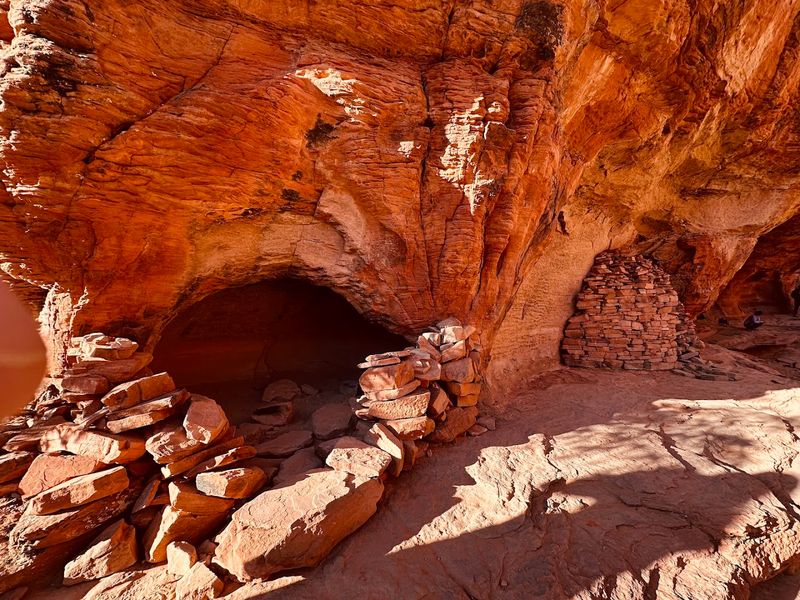
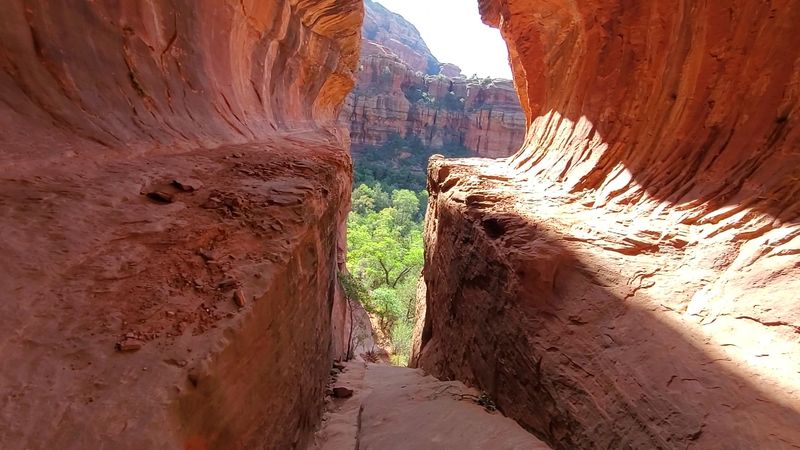
Tucked along an unmarked spur trail off the main route, the Subway Cave is one of those discoveries that feels like finding a secret the canyon kept just for you.
This arched, tunnel-like red rock alcove has become a social media favorite for good reason, framing sweeping panoramic views of the canyon through its natural curved opening.
Getting there requires a bit of navigation savvy since the spur is not officially marked on most trail maps. Downloading a GPS app or offline map before your hike is genuinely helpful here.
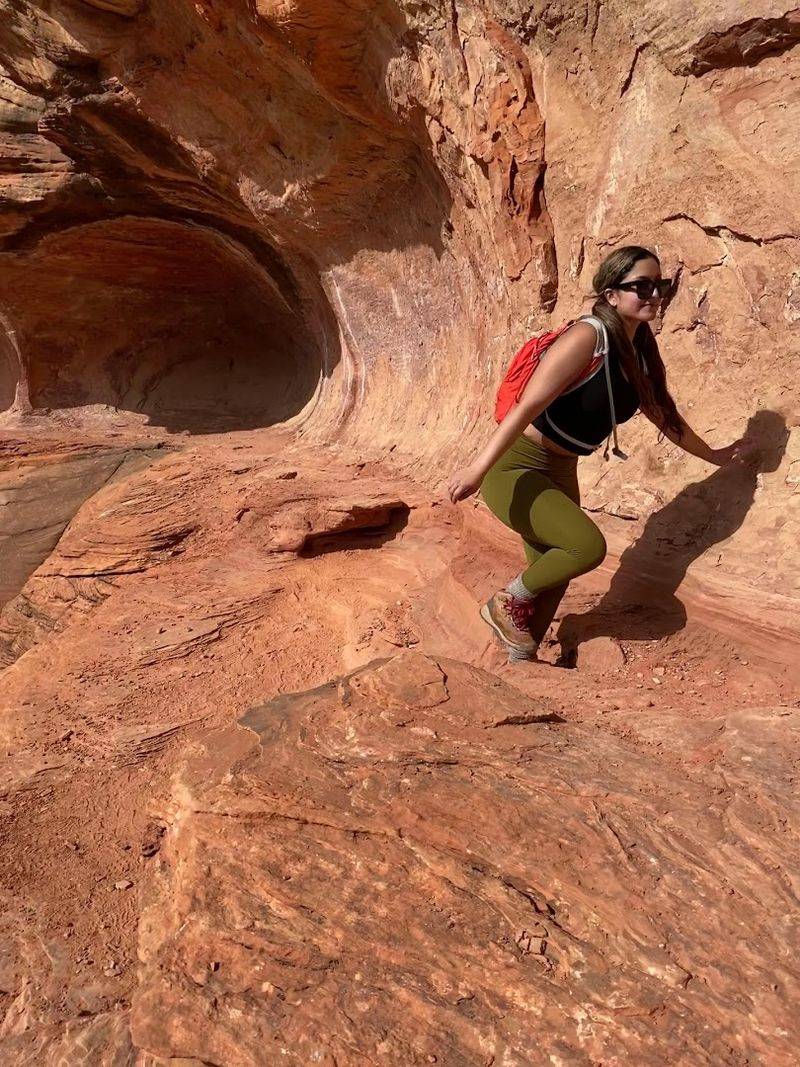
The approach to the cave involves a steep scramble for the most direct route, though easier alternative paths exist for those who prefer to keep their footwear clean.
I reached it mid-morning when the light was pouring straight through the arch, and the effect was nothing short of cinematic. Standing inside that curved sandstone tunnel with the canyon spread out in front of me felt like the trail was offering a final reward for the effort. Do not skip this detour if you visit.
The Shorter Boynton Vista Trail Option
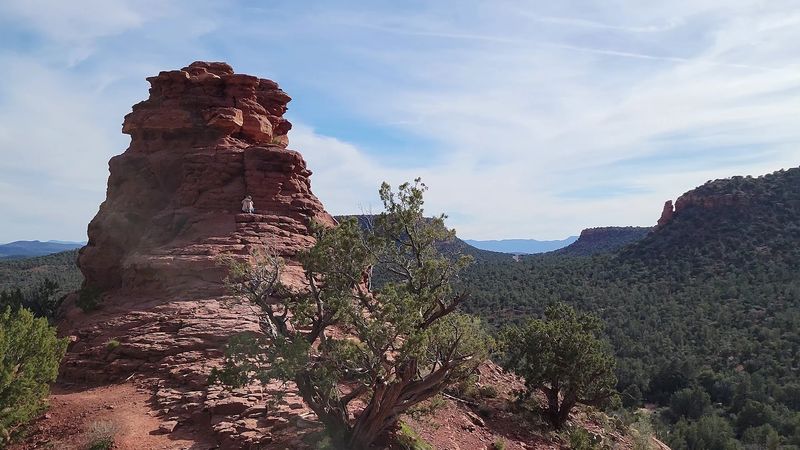
Not every visitor has the time or energy for a 6-mile round trip, and that is perfectly fine because the Boynton Vista Trail exists specifically for those moments.
This shorter route clocks in at just 1.1 miles round-trip and is classified as easy, making it accessible to families with young children, older adults, or anyone simply short on time.
The Vista Trail leads directly to the vortex site at the saddle near Kachina Woman, which means you get the full spiritual and scenic experience without committing to the longer canyon hike.
Many visitors actually prefer this route precisely because it keeps the focus tightly on the vortex area rather than spreading attention across miles of trail. Morning visits on the Vista Trail tend to be especially peaceful since the longer main trail crowds tend to build later in the day.
Arriving early on a weekday almost guarantees you a few quiet minutes alone at the vortex site, which is the kind of stillness that makes the whole trip feel worth planning. Pack light and enjoy the simplicity.
Best Times To Visit And Seasonal Tips
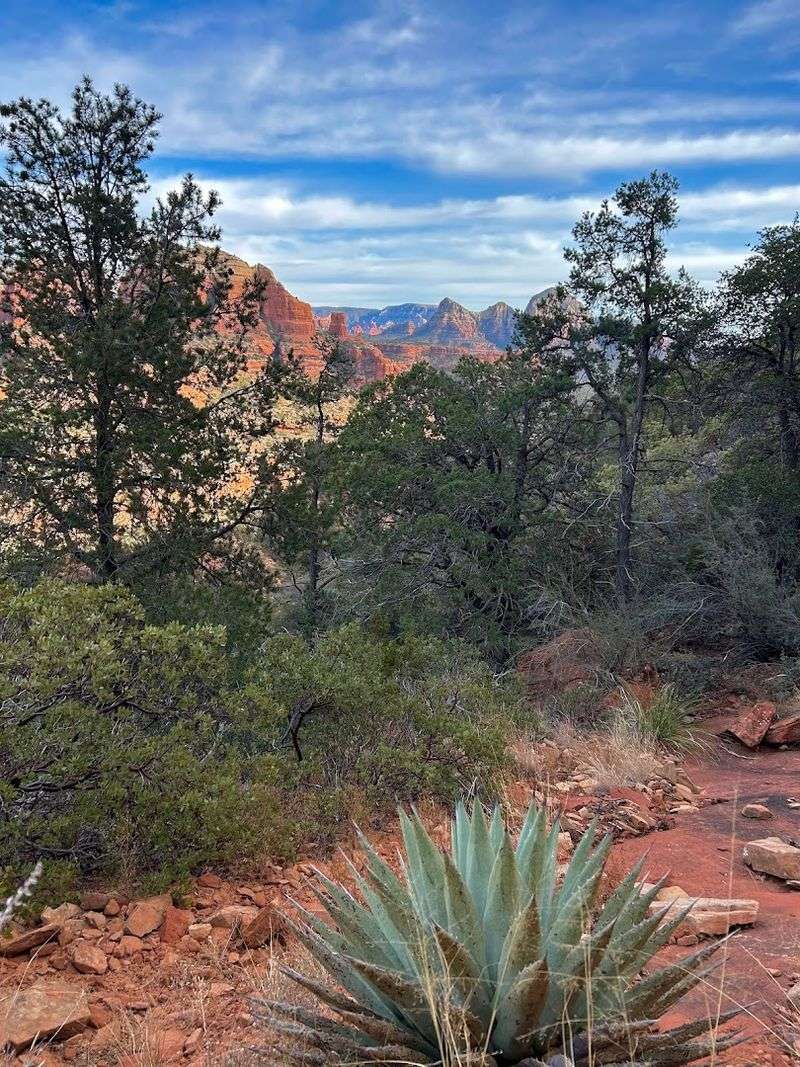
Spring and fall are widely considered the sweet spots for hiking Boynton Canyon, and after visiting in late October I completely understand why.
Temperatures hover in the comfortable 60s and 70s Fahrenheit, the sky holds that particular deep blue that Arizona does so well, and the oak trees along the trail throw in some genuine fall color as a bonus.
Summer hiking is possible but demands serious preparation. Temperatures regularly climb above 90 degrees Fahrenheit, and the open desert sections of the trail offer almost no shade. If you visit in summer, starting before 7 a.m. is not a suggestion, it is a survival strategy.
Carrying at least two liters of water per person is the absolute minimum. Winter visits bring their own quiet charm, with cooler temperatures, thinner crowds, and occasional dusting of snow on the upper canyon walls that turns the red rock into something almost otherworldly.
The trail stays open year-round, so every season offers its own version of the Boynton Canyon experience. Pick the one that matches your hiking style.
Practical Tips For Parking And Passes
Arriving early at Boynton Canyon is not just good advice, it is practically mandatory if you want to avoid parking frustration.
The official trailhead parking lot fills up fast, often by 8 or 9 a.m. on weekends and busy holidays. I arrived at 7:30 a.m. on a Saturday and managed to snag one of the last spots, which told me everything I needed to know about how popular this trail has become.
A Red Rock Pass costing five dollars per day or an Interagency Annual Pass is required to park at the trailhead.
The Interagency Pass, sometimes called the America the Beautiful Pass, covers entrance fees at national parks and federal recreation areas across the country, so it pays for itself quickly if you travel regularly. Rangers do check, so do not skip the pass.
If the main lot is full, a short walk from nearby street parking is sometimes possible, but spots are limited and fill fast too.
Arriving early also means cooler temperatures, better light for photography, and a quieter trail overall. That triple benefit alone makes the early alarm clock completely worth setting.
What To Bring And How To Prepare
Preparing properly for Boynton Canyon makes the difference between a transcendent afternoon and a miserable slog back to the car. Water is the single most critical item on the packing list.
The trail has no water sources, and even in cooler months the dry Arizona air pulls moisture from your body faster than you expect. Bring more than you think you need.
Sunscreen and a wide-brimmed hat are essential for the open sections of the trail where the sun hits hard and the shade is scarce. Sturdy trail shoes or hiking boots provide better ankle support on the rocky terrain, especially if you plan to tackle the Subway Cave scramble.
Trekking poles are optional but genuinely helpful on the steeper sections. Downloading an offline GPS map before leaving cell service range is one of those small moves that prevents big headaches, particularly for navigating the unmarked spur to the Subway Cave.
Leashed dogs are welcome on the trail, so four-legged hiking companions can join the adventure too. A little preparation here turns a good hike into a great one.