
This Arizona Lake Shore Is Getting Too Snake-Infested For Its Own Good
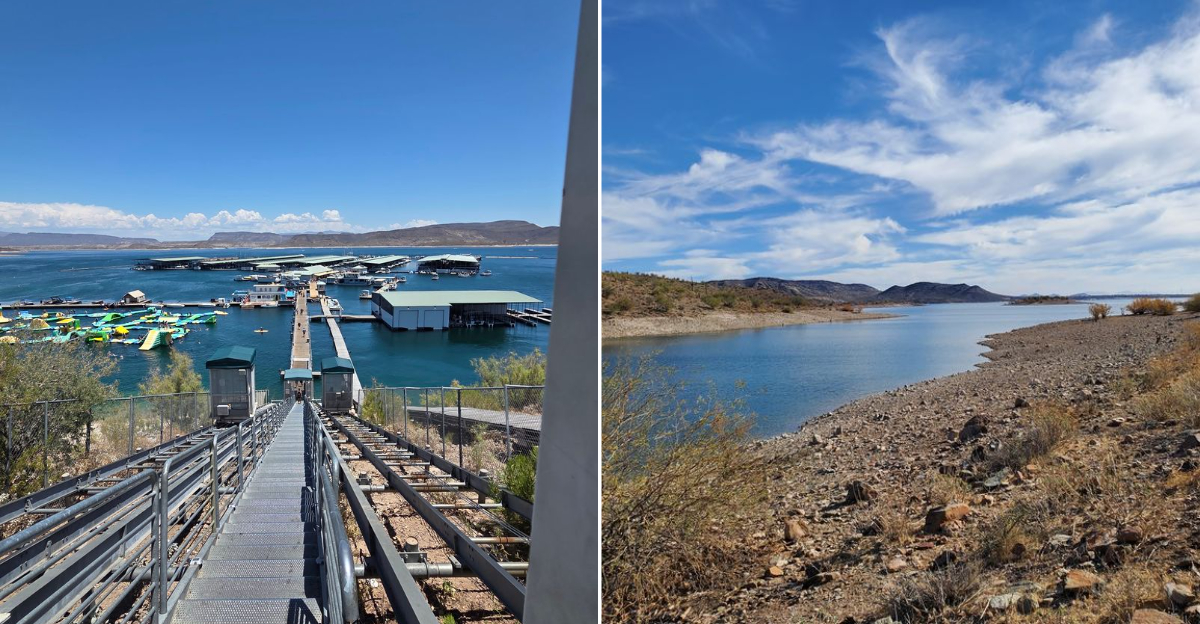
A lakeside day can change fast when the trail ahead starts looking a little too alive.
In Arizona, warm weather does more than bring people toward the water. It also increases the chances of crossing paths with rattlesnakes near rocky banks, brushy stretches, and sun-baked trails.
That does not mean every visit turns into a wildlife encounter, but it does make watching your step more important than usual.
The strange part is how quickly the mood can shift. One second, you are thinking about the water. The next, every rustle in the grass suddenly deserves your full attention.
It adds a different kind of excitement to a place people usually associate with swimming, boating, and easy afternoons outside.
I once heard something move beside a trail and froze before I even knew what made the sound. It turned out to be harmless, but for the rest of that walk, Arizona had my complete attention.
Stick with me as I share the history, the fun, and the safety tips that make this wild place worth exploring.
A Reservoir With Deep Desert Roots
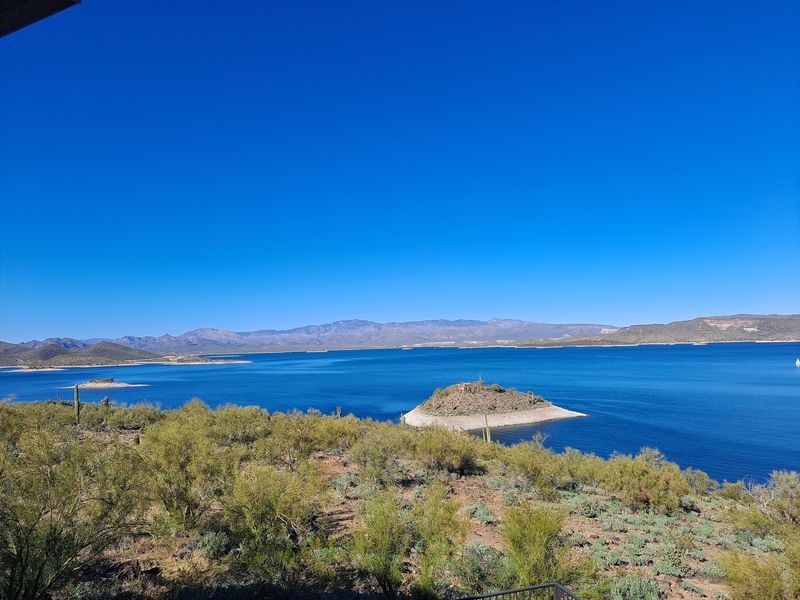
Standing on a ridge above the water, I felt like I was looking at two worlds stitched together, dry desert and cool blue lake. This reservoir first appeared in 1927 when the Carl Pleasant Dam blocked the Agua Fria River.
Everything changed again in 1994. The New Waddell Dam was finished, tripling the lake’s surface and turning it into a major water supply for the growing Phoenix area.
Long before any dam, the ancient Hohokam people lived across this region between roughly 700 and 1450 A.D. Archaeologists have found several sites inside the park, proof that folks have loved this land for a very long time.
What surprised me most was how the engineering and the ancient story blend together. You can drink in the modern marvel while imagining people who once walked these same hills.
If you enjoy history mixed with scenery, start your trip at Lake Pleasant, because knowing the backstory made every view feel richer and a little more meaningful to me.
Water Play Along One Hundred Miles Of Shore
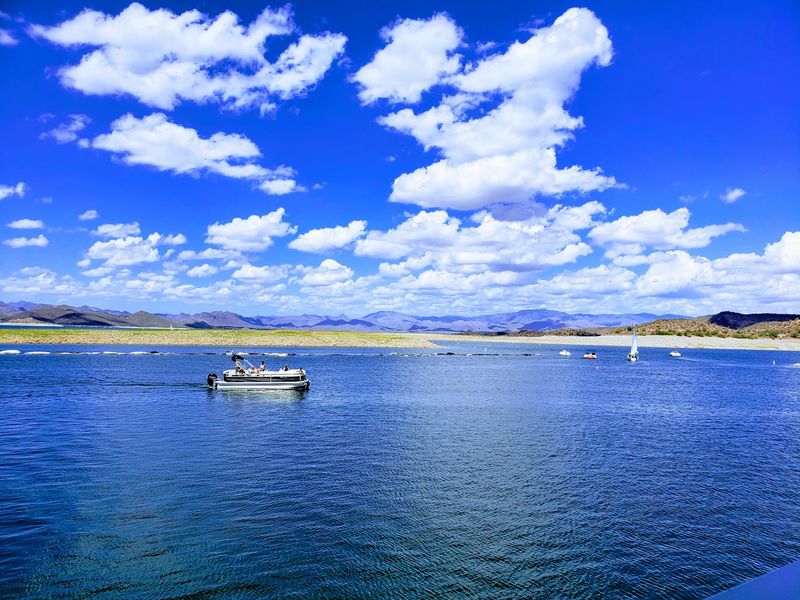
My favorite morning at the park started with the soft slap of water against a rented kayak. With more than 100 miles of shoreline, there is room for everyone to spread out and find their own little cove.
Boating rules the scene here. Two multi-lane launch ramps welcome pontoon cruisers, wakeboarders, and everything in between, so you can go slow and lazy or fast and splashy.
Anglers have plenty of reasons to smile too. The lake holds largemouth bass, striped bass, catfish, and crappie, and the Arizona Game and Fish Commission keeps it stocked throughout the year.
I chatted with a family who fishes here every spring, and they swore the early hours bring the best bites. Their cooler full of catch backed up the claim.
Whatever floats your boat, literally, the water invites you in. Just pack sunscreen, bring extra water, and give yourself time, because this shoreline is far bigger than it looks.
Trails, Camps, And Nights Under Desert Stars
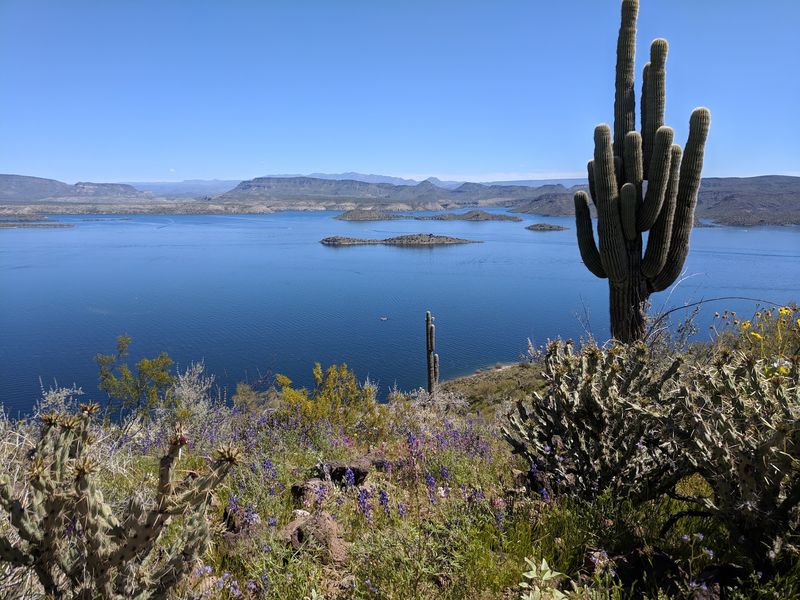
When my feet needed dry land, the park’s trail network delivered. Paths wind through cactus-dotted hills, serving up wide views and quick chances to spot deer, javelina, and shy coyotes trotting past.
Camping here became the highlight of my stay. You can choose developed sites with hookups, semi-developed spots, or even boat-in campsites reachable only by water, which feels wonderfully secret.
Nights were the real reward. The desert sky filled with more stars than I could count, and the quiet made every rustle in the brush sound like an adventure waiting to happen.
A ranger reminded me to check availability before arriving, because shoreline camping depends on water levels and is not always open. That small tip saved me a headache later.
Bring layers, since desert evenings cool off fast, and secure your food so critters stay out of camp. Do that, and a night beneath these stars might become the memory you brag about for years.
The Slithery Residents Making Headlines
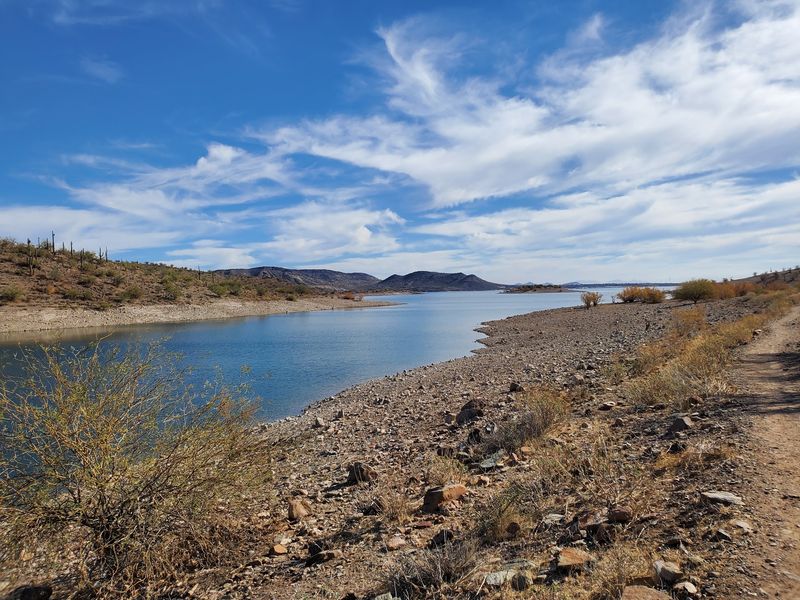
Here is the part that made my eyebrows jump. Lake Pleasant has earned a spot on lists of Arizona’s most snake-filled bodies of water, and the reptiles are not shy about showing up.
Snakes love this warm desert home, especially from March through May. Rising temperatures wake them from winter rest, and they head out hunting for food and mates, sometimes right along the busy shore.
Viral videos tell the tale better than I can. People have filmed rattlesnakes swimming near kayakers and one bold serpent trying to climb aboard a boat, which is a plot twist nobody asked for.
The most common sightings include the venomous Western diamondback rattlesnake and the occasional speckled rattlesnake. You will also spot harmless gopher snakes and speedy coachwhips gliding by.
Park advisories note more rattlesnakes in campgrounds and on trails when high water shrinks their land habitat. It is a clear reminder that at this lake, we are simply visitors in their neighborhood.
Why The Snakes Take To The Water
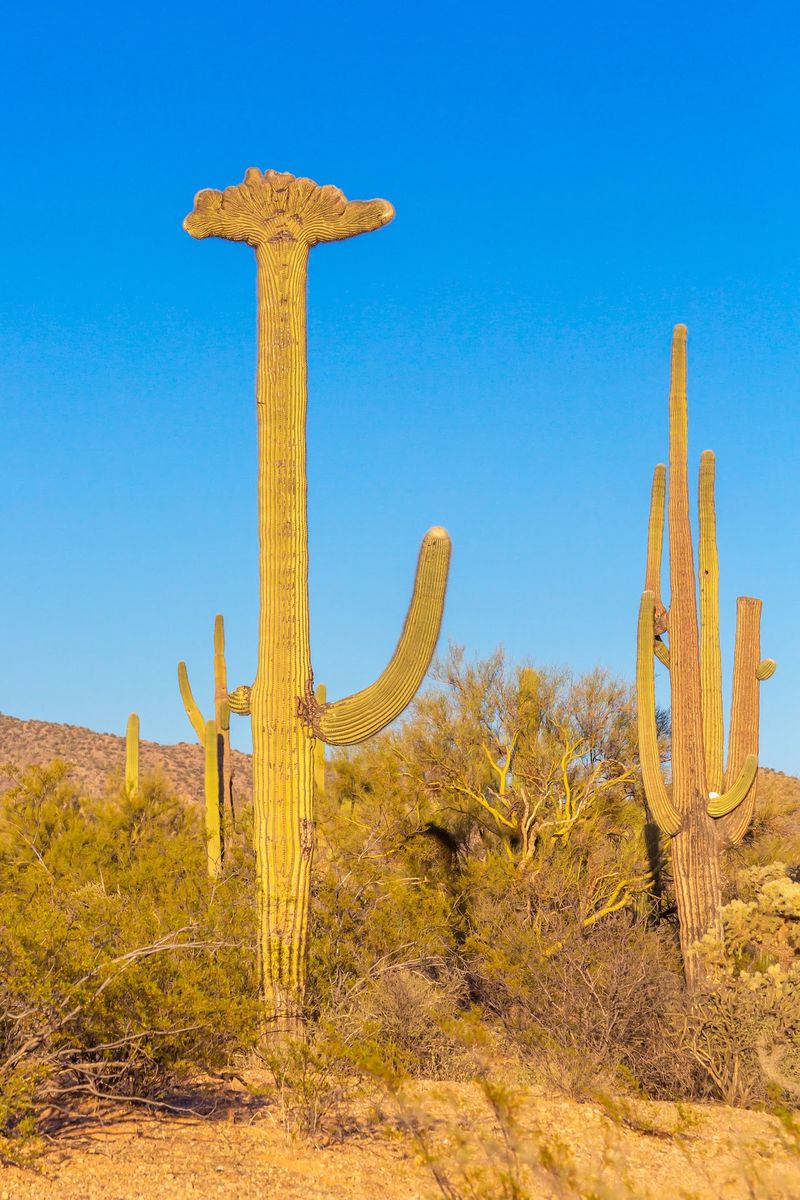
Watching a snake glide across the surface, I wondered what pulls them into the lake in the first place. Turns out there are simple, sensible reasons behind the spooky sight.
Cooling off tops the list. Snakes are cold-blooded, so during scorching desert days a quick swim helps them manage their body temperature far better than baking on hot rocks.
Hunting drives them too. The shoreline buzzes with frogs, small fish, and rodents, so a serpent cruising the edge is often just following its next meal, not chasing swimmers.
Relocation matters as well. When water levels climb and cover their usual hiding places, snakes must move to find new ground, which sometimes lands them in busy human spots.
Wildlife experts told me swimming snakes rarely strike unless someone corners or grabs them. Knowing that eased my nerves and helped me appreciate the behavior instead of panicking.
Understanding the why turned my fear into curiosity, and honestly, that shift made my whole trip more enjoyable.
Wild Burros And Other Charming Neighbors
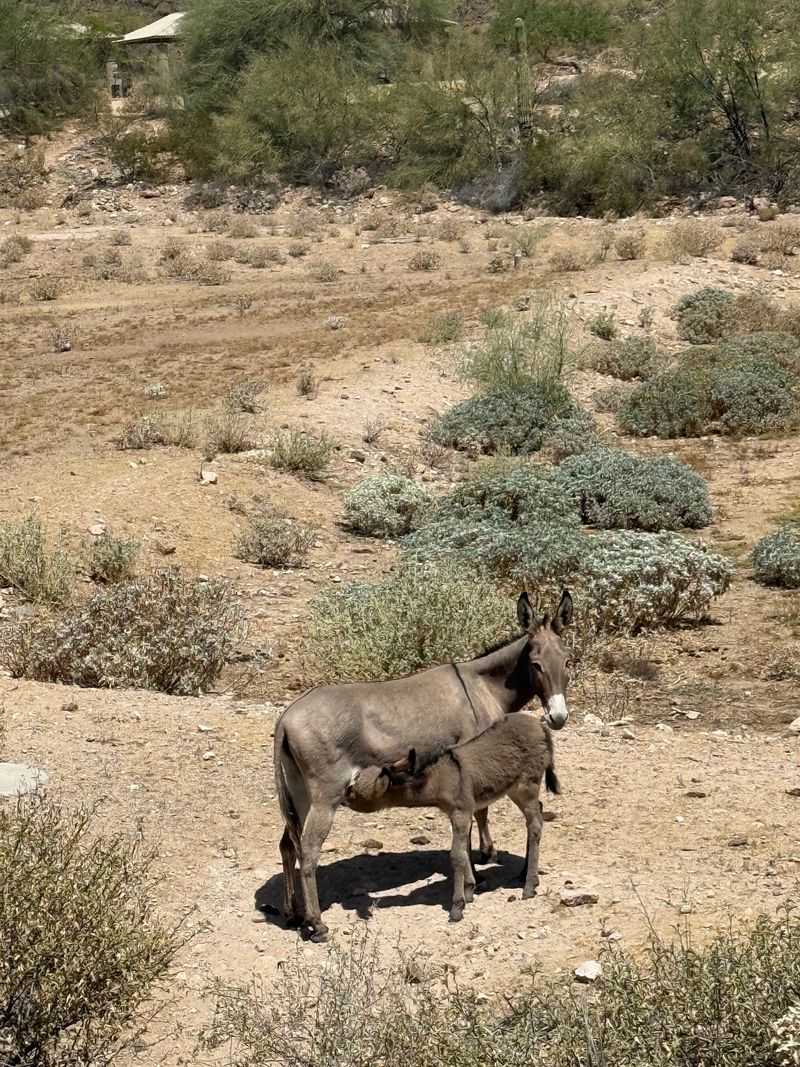
Not every surprise here has scales. One afternoon near Scorpion Bay Marina, a small herd of wild burros wandered into view, ears twitching and totally unbothered by my staring.
These shaggy characters roam the park freely and often show up along the trails. With their big ears and calm faces, they are undeniably adorable and quickly became crowd favorites during my walk.
Still, they are wild animals, not petting-zoo pals. Rangers warn against feeding or approaching them, especially mothers guarding young, since even a friendly-looking burro can react in unpredictable ways.
I kept my distance and used my camera’s zoom, which gave me great photos without stressing the animals or myself. That felt like the respectful way to enjoy them.
The park also shelters deer, javelina, coyotes, and countless desert birds, so keep your eyes moving. Every trip offers a fresh cast of creatures.
Spotting these burros reminded me that a lake famous for snakes still overflows with gentle, unexpected charm around every bend.
Smart Safety Tips For A Pleasant Visit
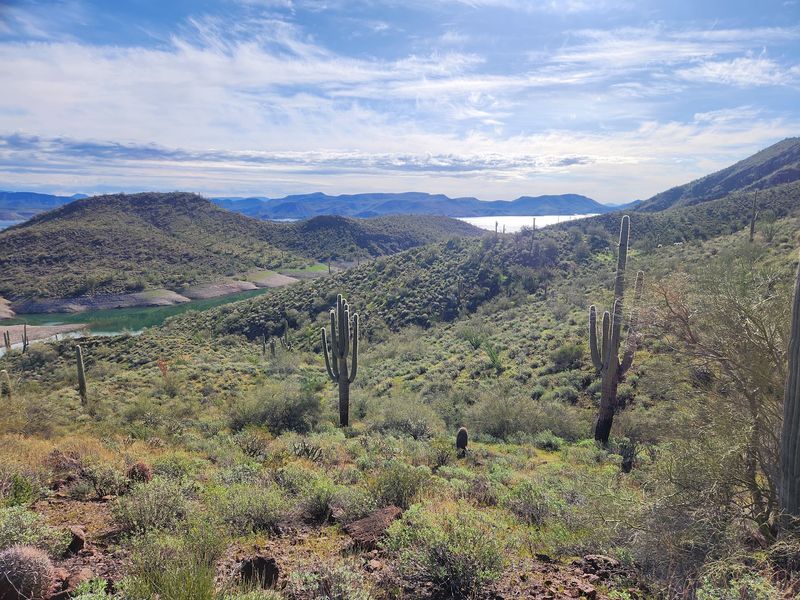
Before you cancel your plans over snake stories, take a breath. A little preparation kept my visit fun, safe, and genuinely pleasant, exactly as the park’s name promises.
Awareness comes first. Snakes like tall grass, rocky spots, and thick brush, so I stuck to marked trails and scanned the ground before stepping over logs or rocks.
If you meet one, give it plenty of room. Experts say a swimming or resting snake almost never strikes unless provoked, so calmly backing away is your best move.
Footwear matters more than you might think. I wore sturdy closed boots instead of flip-flops, which made me feel far more confident on rough, unpredictable terrain.
Hydration is non-negotiable in the desert. I packed extra water, a hat, and sunscreen, and I still finished every bottle faster than expected.
Respect the wildlife, watch your step, and stay alert near the shore. Follow those simple habits, and Lake Pleasant rewards you with adventure instead of anxiety, snakes and all.
When Rangers And Rescuers Step In
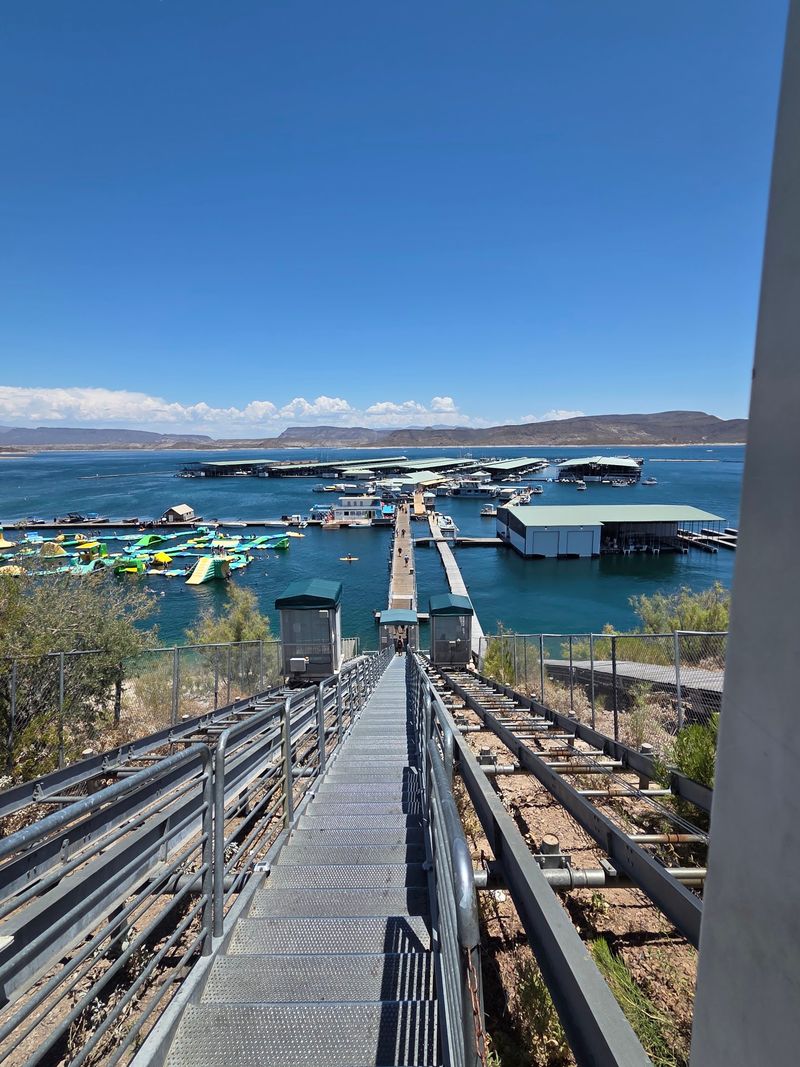
Picture a hot afternoon when a swimmer spots a rattlesnake curled near a picnic table. That is when the park staff spring into action.
Trained rangers carry hooks and buckets to move snakes far from busy areas. They rarely harm the animals, since these reptiles help control mice and other pests around the lake.
Volunteers and wildlife groups also lend a hand, teaching guests how to react calmly instead of panicking. If you ever see one, back away slowly and alert an employee.
Reporting sightings helps them track hotspots and keeps everybody, humans and snakes alike, a little safer. Staying on marked paths can also reduce the chance of stumbling across a snake resting in brush or rocks.
Closed-toe shoes offer a little more protection when exploring trails around the shoreline. Visitors should also avoid reaching beneath picnic tables, rocks, or logs without checking first.
Dogs are best kept close, since curious pets may approach a snake before their owners notice it. Most rattlesnakes would rather retreat than confront people when given enough space.
A little awareness can make a big difference during a warm Arizona afternoon by the lake.