
This Arkansas Lake Is Hiding Monster Catfish And Few People Realize It

Most people roll through southwest Arkansas without ever realizing what they’re passing. This lake looks ordinary, maybe even forgettable, but that first impression doesn’t last long once you fish it.
I came across it without much expectation, just another stop, until the action told a completely different story. Strong runs, deep pulls, and fish that clearly had size behind them.
Blue and flathead catfish here grow big, and they don’t see the pressure you’d expect for a place like this. That changes everything.
You get more chances, better bites, and a real shot at something worth remembering. It’s not about luck either.
Put yourself in the right areas, stay patient, and things start lining up. Then it happens.
Your rod loads up hard, and suddenly you’re in a fight you won’t forget. Experiences like that have a way of sticking with you long after you leave the water.
Prime Channel Edges For Giant Catfish
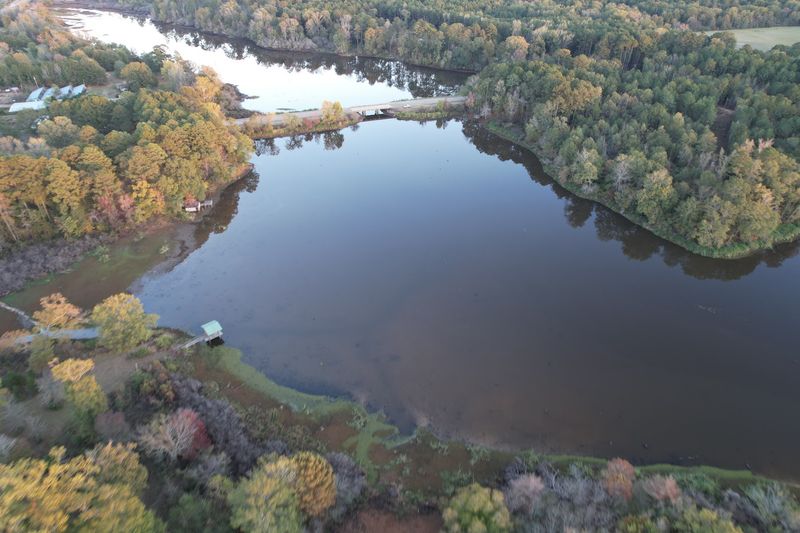
Some spots stand out the moment you ease your boat into position, and the channel edges at this lake carry that kind of steady energy that experienced catfish anglers recognize immediately.
Big blue catfish are creatures of habit, and they often patrol transition zones where shallow flats drop into deeper water.
These channel edges act like natural travel routes, funneling baitfish and drawing predators that follow the food.
I spent time scanning the main lake basin with a depth finder and consistently marked fish activity along those depth changes, usually within moderate depth ranges depending on conditions.
Positioning your anchor slightly upwind of a channel edge and placing bait right along the break keeps your offering in the feeding zone where larger fish move.
The lake bottom varies across these areas, and catfish commonly use those transitions as natural ambush points.
Anglers familiar with the lake often focus on channel sections running through the central basin, and working those edges consistently can improve your chances of landing a larger fish at Lake Erling, Arkansas.
Submerged Timber And Brush Piles That Attract Trophy Fish
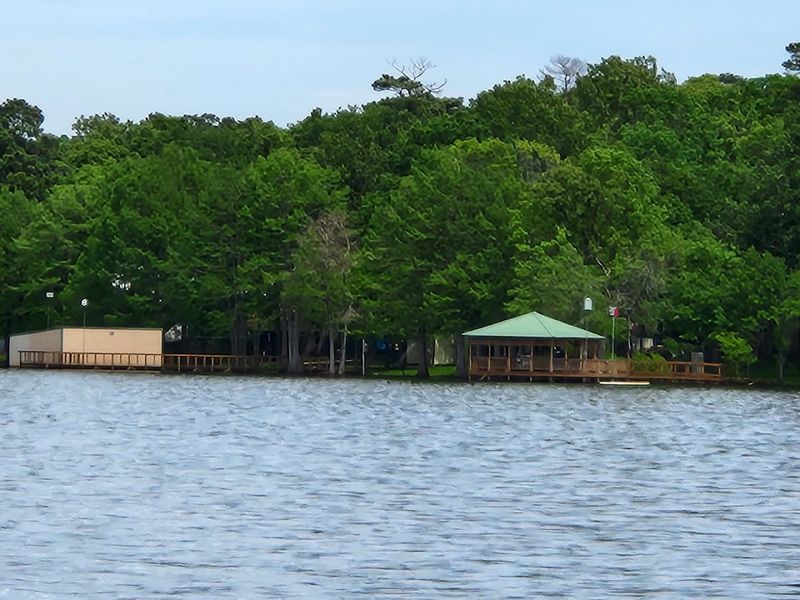
Flathead catfish favor heavy cover, and Lake Erling offers structure that supports that behavior well.
Water level changes and habitat work have contributed to submerged trees, root systems, and brush piles that create effective ambush cover for larger fish.
An Arkansas Game and Fish Commission study from 2020 documented flathead catfish reaching up to three feet in length in this lake, confirming the presence of mature fish.
Fishing tight to visible or mapped structure can produce strikes, though pulling fish away from cover often requires patience and steady pressure.
Brush piles in moderate depths can be productive because they offer both shade and access to crawfish, sunfish, and shad that flatheads feed on.
Patience plays a key role here since flatheads often remain still for long periods before committing to a bait.
The reward for working timber correctly is a fish that fights with steady, stubborn power that will test every piece of your gear.
Night Feeding Windows When Big Catfish Move Shallow

Setting up on Lake Erling after the sun drops below the tree line brings a noticeable shift, as the surface calms and larger catfish begin moving more actively.
Blue and flathead catfish are often more active during low-light periods, and evening into nighttime hours regularly produce some of the better fishing opportunities on this lake.
Water temperatures tend to cool after dark, baitfish move into shallower areas, and the reduced light gives larger catfish the confidence to leave deeper daytime holding areas and feed more freely.
Arriving before sunset and placing baits along a shallow flat near a channel edge can help position you ahead of that movement.
Many anglers focus their efforts during the hours after sunset into the early morning, when feeding activity often increases depending on conditions.
Keeping bait fresh and adjusting placement every so often when action slows can help maintain effectiveness throughout the night.
Night fishing here often feels like a different experience, quieter, more focused, and filled with the kind of anticipation that makes every subtle rod movement feel important.
Seasonal Patterns That Trigger Bigger Bites

Planning a trip to Lake Erling around seasonal changes can mean the difference between a slow outing and one that produces memorable fish.
Spring is widely considered one of the more productive seasons for targeting large catfish here, as warming water temperatures trigger increased feeding activity ahead of spawning.
Fish that have been less active during colder months begin feeding more consistently and may respond more aggressively to bait.
Fall can also be productive, with cooling temperatures in September and October encouraging feeding before winter slows overall activity.
Summer nights can still produce solid results, particularly during hotter periods when fish hold deeper during the day and move shallow after dark.
Winter is generally slower, but targeting deeper areas with slow presentations can still produce fish for anglers willing to stay patient.
Understanding how seasonal changes influence catfish behavior at this lake helps turn each trip into a more consistent and informed approach.
Cut Bait Selection That Targets Larger Catfish
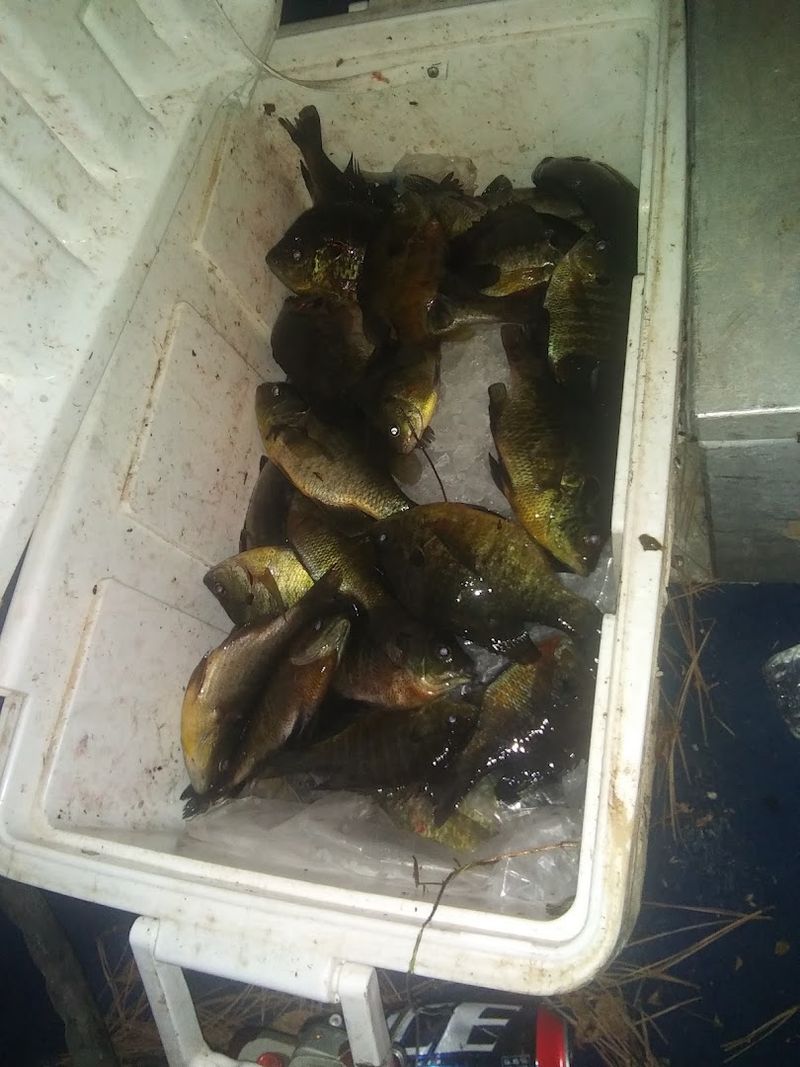
Ask any experienced catfish angler what separates a good day from a great one, and the answer often comes back to bait quality and selection.
Fresh cut shad is a widely used bait for blue catfish at Lake Erling, matching a common forage source found in the lake.
Cutting the bait into chunks instead of using whole fish releases more scent into the water column, helping draw fish from a distance.
I have had consistent results using pieces cut from the midsection, as that portion tends to release more oil and scent than other parts.
For flathead catfish, live bait such as legally caught baitfish is often more effective since flatheads tend to respond to live prey.
Keeping bait as fresh as possible means bringing a cooler with ice and replacing it regularly to maintain strong scent output.
Bait quality is one of the few factors you can fully control, and at Lake Erling, the right bait in the right place can make a noticeable difference.
Drift Fishing Tactics Across Productive Flats

Covering water is often an effective strategy on a lake of this size, and drift fishing across open areas can help locate active fish.
Lake Erling includes stretches of relatively shallow flats that can hold roaming blue catfish, especially during warmer months when fish spread out.
Drift fishing allows wind to move the boat slowly while baited rigs trail behind, covering more bottom and increasing chances of contact.
Using a drift sock can help control speed and keep baits in the strike zone longer, particularly when wind conditions are stronger than expected.
I typically run multiple rods at varied depths during a drift, adjusting until I find where fish are holding.
Marking fish on electronics during a drift and returning to that area can help shift from searching to more focused fishing.
The open water here tends to reward anglers who stay mobile and adjust rather than committing to a single spot.
Heavy Tackle Setup Built For Powerful Runs
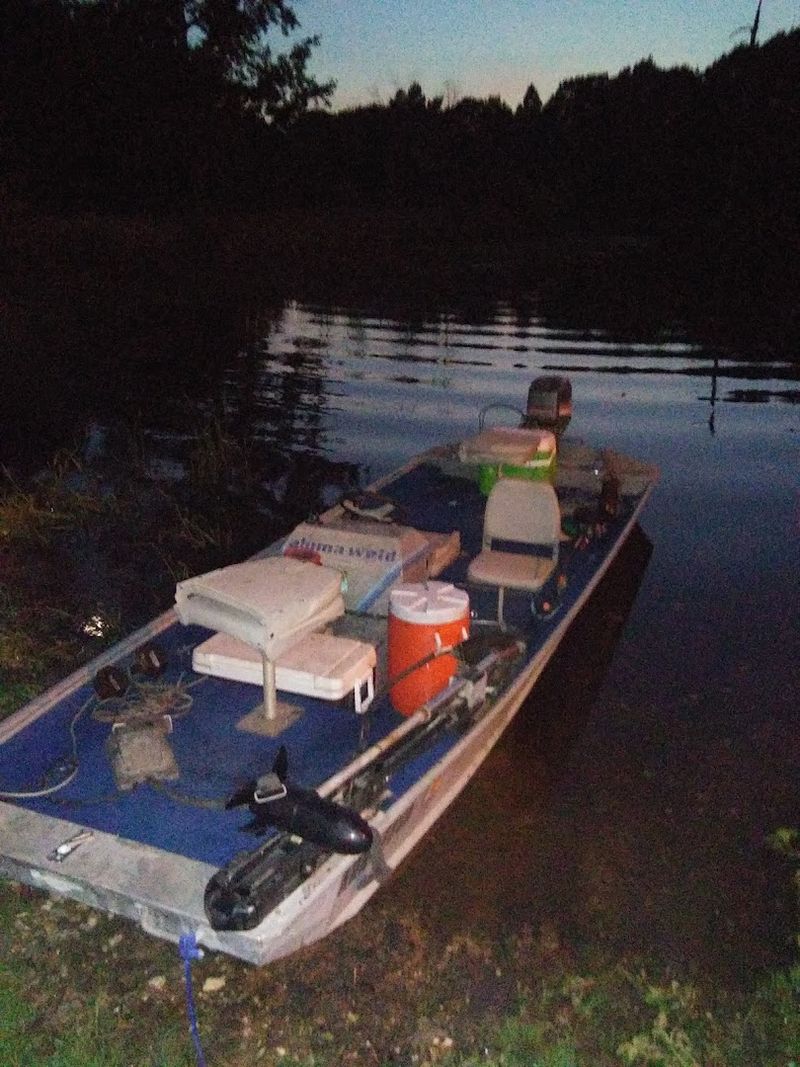
The first time a large flathead at Lake Erling decided it was going back into that brush pile, I was genuinely grateful I had not skimped on my tackle.
Big catfish, particularly the flatheads that live in the timber-heavy sections of this lake, are powerful enough to straighten hooks, snap light line, and destroy undersized reels if you give them any opportunity to do so.
A heavy-action rod in the seven to eight foot range paired with a large baitcasting reel spooled with at least fifty-pound braided line is the minimum setup I would recommend for targeting trophy fish here.
Circle hooks in the 8/0 to 10/0 range are ideal for big catfish because they set themselves naturally as the fish moves away, reducing the chance of a gut hook and improving your landing percentage significantly.
Heavy egg sinkers or no-roll sinkers in the two to four ounce range keep your bait pinned firmly to the bottom even when current or wind creates drift.
Abrasion-resistant leader material in the sixty to eighty pound range is worth adding between your main line and your hook, especially when fishing near timber where line contact with rough wood is unavoidable.
Gear that can handle the fight is not optional at Lake Erling since the fish here have the size and strength to expose every weak point in your setup.
Wind And Baitfish Positioning For Giants
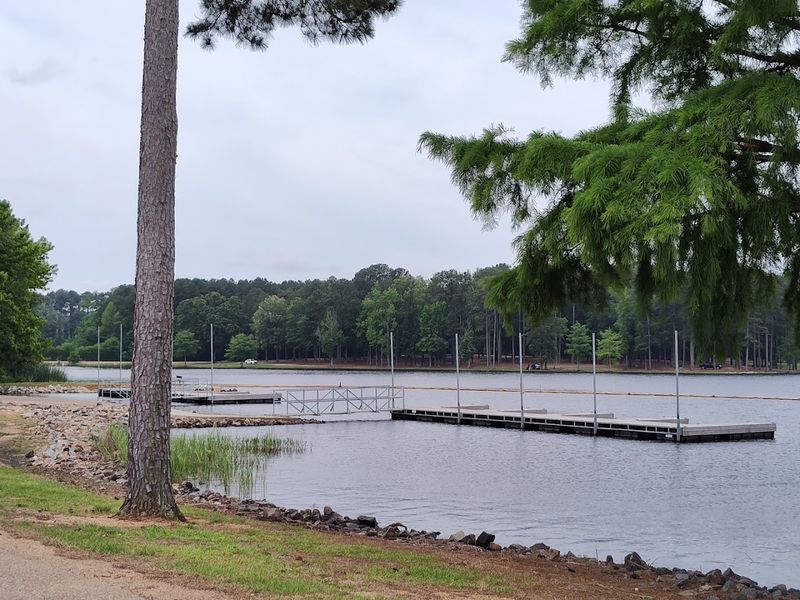
Wind often plays a bigger role in fishing success than many anglers expect, especially on a lake like Lake Erling.
A steady breeze can push surface water and baitfish toward certain shorelines or points, creating areas where predators may gather.
I started noticing this pattern when productive drifts consistently lined up with wind pushing toward specific sections of the lake.
Bird activity can also serve as a visual clue, since feeding birds often indicate baitfish near the surface and potential predator activity below.
Positioning your boat on the upwind side of these areas and working into them helps keep your bait where fish are feeding.
Wind-driven movement can also disturb the bottom in shallow areas, increasing feeding opportunities and keeping fish active.
Paying attention to wind direction and bait movement can help improve your chances of connecting with larger fish at Lake Erling, Arkansas.