
This Breathtaking Michigan Overlook Feels Like The State’s Own Grand Canyon
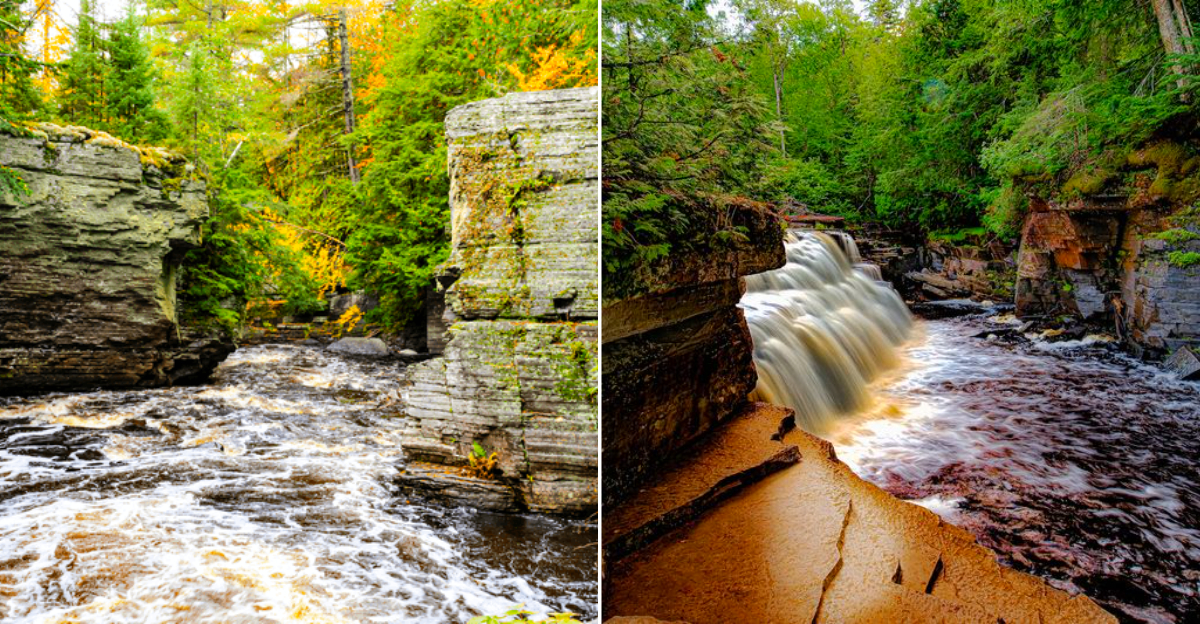
Some roadside stops politely offer a picnic table, this one appears to hide a small geological ambush in the trees. From US-41, it looks modest enough to underestimate, which is always how Michigan gets you.
Then the trail slips into the woods, the river starts muttering below, and suddenly a slate gorge opens with real drama. I love places that make a quick leg stretch feel like you accidentally discovered the serious chapter of the trip.
For Michigan Upper Peninsula travelers, this short forest walk delivers rushing Sturgeon River views, dark rock walls, waterfall drama, and a roadside stop that feels wildly bigger than expected.
The “Michigan’s Grand Canyon” nickname is playful, sure, but the water has weight, the overlooks have nerve, and the tannin-dark current sounds busy carving its own argument through stone. Wear decent shoes, slow down, and leave more time than planned. The highway can wait, for once.
Start With The Humble Parking Lot
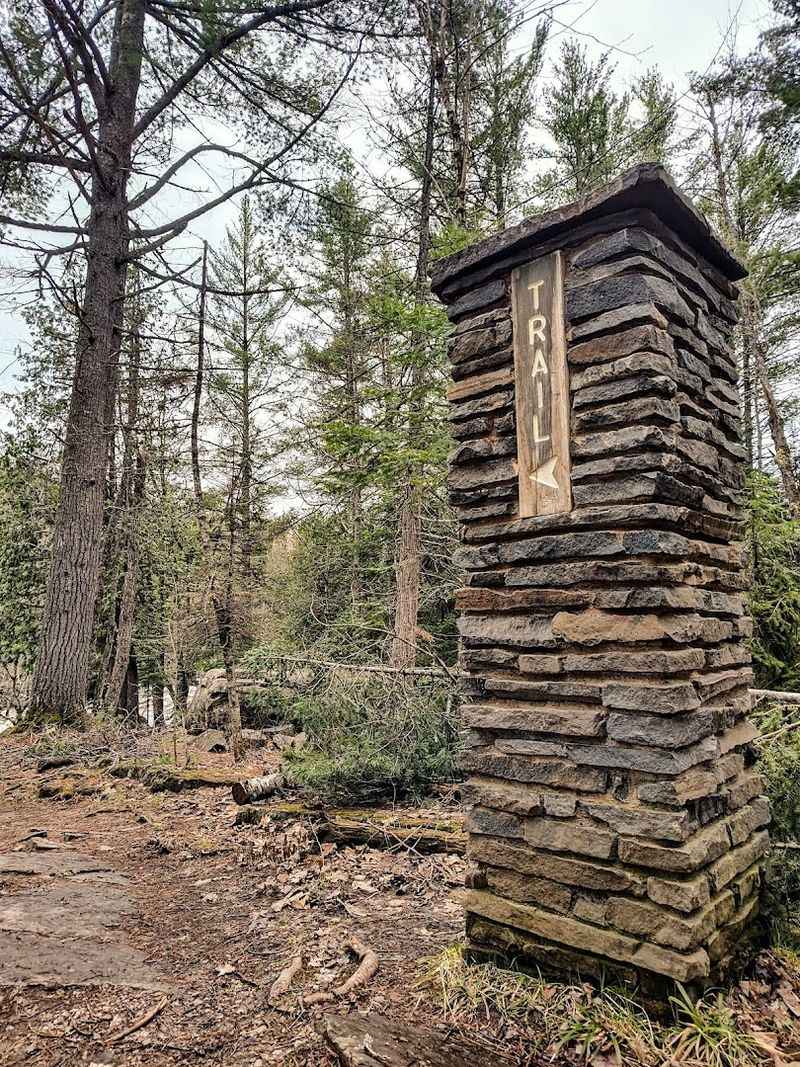
The surprise begins in a very ordinary place: a roadside park on US-41 south of L’Anse. There is parking, picnic tables, and vault toilets, so the visit starts with practical comfort rather than theatrical buildup.
That contrast matters, because Canyon Falls feels more impressive when it arrives without much ceremony.
Within minutes, the trail pulls you into mixed forest and away from the road noise. I liked how quickly the place shifted from rest-stop plainness to river-country hush.
If you are road-tripping through Baraga County, this is one of the easiest high-payoff stops in the area.
Bring shoes you trust, not sandals you merely tolerate. The park is open 24 hours, but daylight is best for footing and views.
Pulling Off US-41 For Waterfall Drama
Canyon Falls sits at Canyon Falls Roadside Park, US-41 near L’Anse, MI 49946, about seven to eight miles south of L’Anse, so it is more of a roadside pull-off than a complicated destination.
Aim for US-41 and watch closely as you get near the park area. The trick is not the route, it is slowing down in time before the roadside stop slides past like it is testing your waterfall commitment.
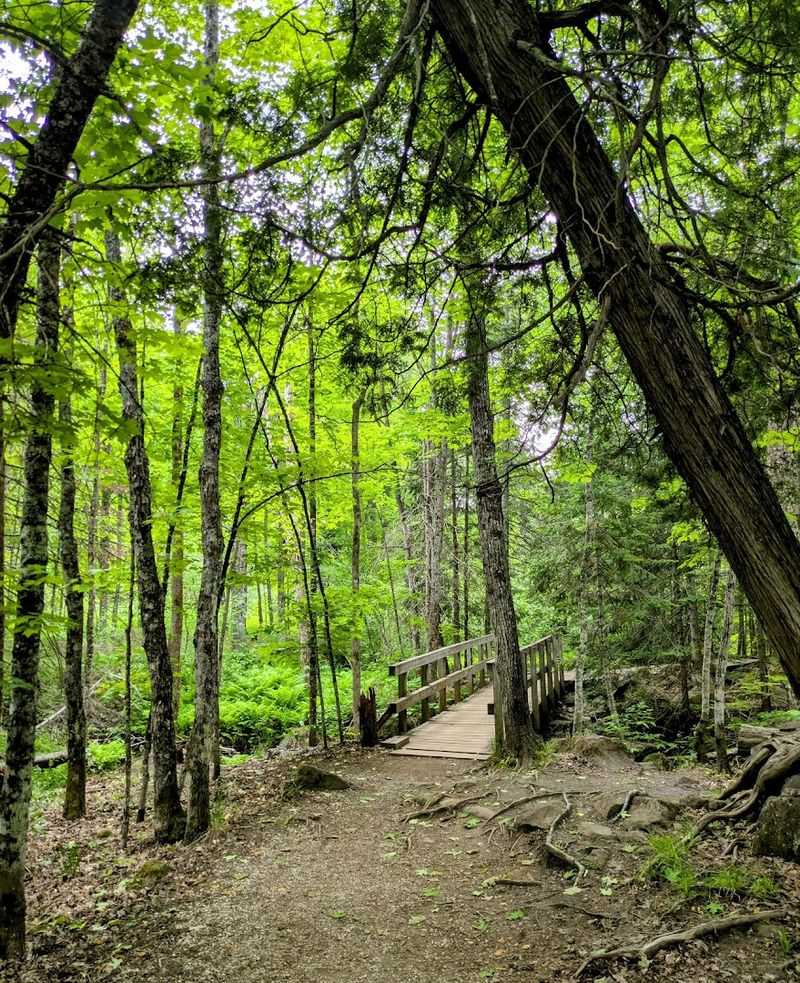
Once you park, the trailhead starts right from the roadside park area. From there, the getting-there part becomes a short walk, just long enough to make the gorge feel like a reward instead of something the highway simply handed you.
Look At The Gorge As Much As The Waterfall
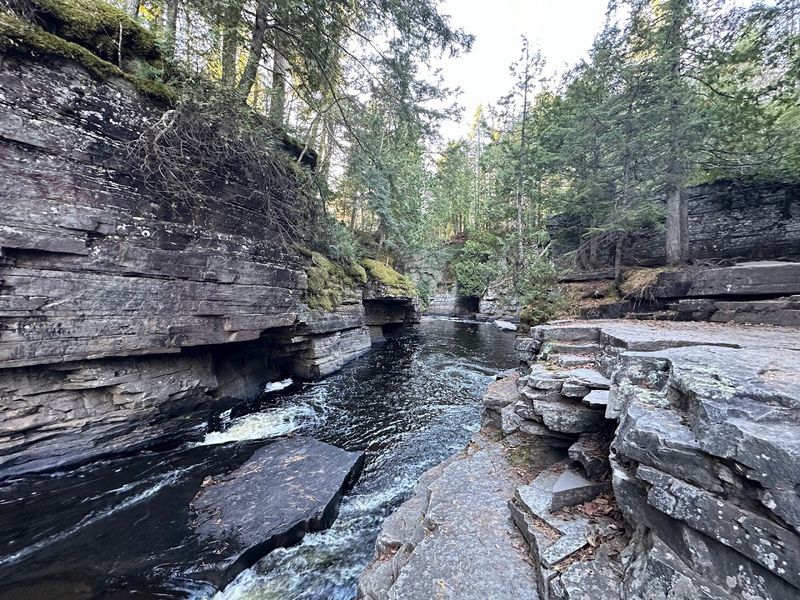
People arrive talking about the waterfall, but the gorge is what stayed with me. The Sturgeon River has cut into dark slate, creating a deep, narrow chasm that in places reaches about 300 feet, which explains the Grand Canyon nickname better than the falls alone.
The effect is less about width than depth, texture, and sudden drop. The main cascade is lovely, usually described around 15 to 30 feet as it tumbles over rock shelves into a box-canyon setting. Still, the walls around it do half the storytelling.
When sunlight catches the stone and the river noise rises through the cut, you understand why this spot feels larger than its map footprint. Pause longer than you planned.
Notice The River’s Root-Beer Color
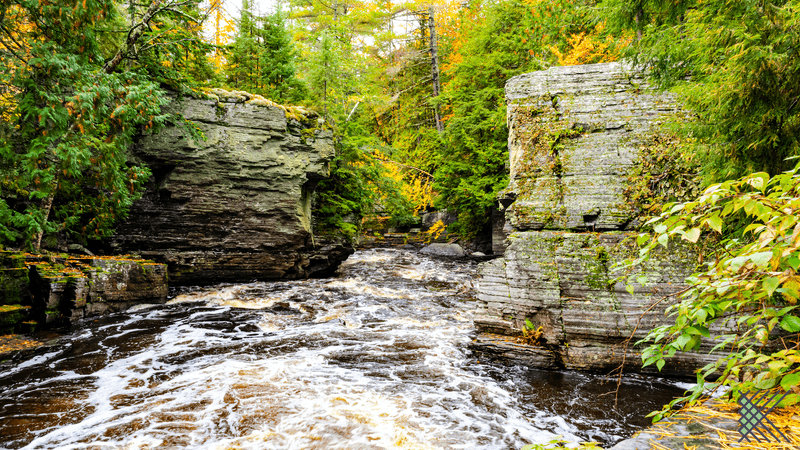
One of the most distinctive details here is the water color. The Sturgeon River often carries a brown, root-beer tint from tannins released by surrounding marshland trees, so the river can look tea-dark even when it is clean.
That color deepens the mood of the gorge and makes the white froth of the falls appear brighter.
It is a subtle Upper Peninsula lesson in hydrology disguised as scenery. On a sunny day, the water can shift from amber to bronze to near-black depending on angle and depth.
If you are photographing the falls, this color contrast is part of what gives Canyon Falls its unusually graphic, almost ink-and-paper look. Polarized sunglasses help reveal movement below the surface.
The Blue Blazes Invite You Farther
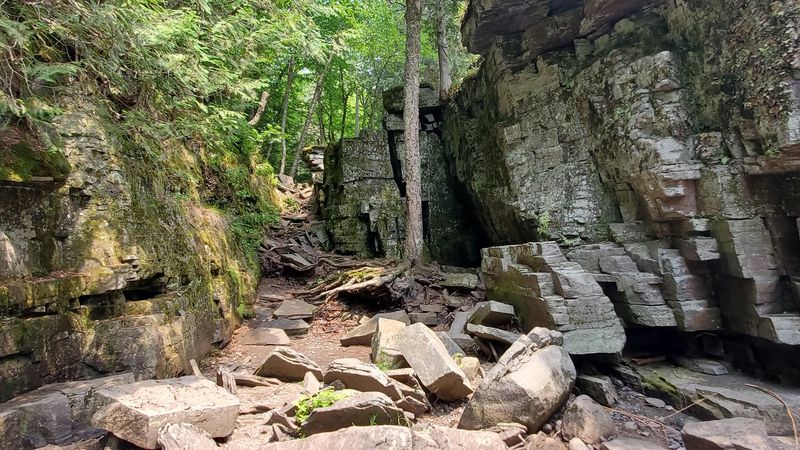
Reaching the main falls is only the beginning. The trail continues as part of the North Country Trail, marked by blue blazes, and this is where the mood shifts from easy roadside outing to something more attentive.
The path follows the gorge farther, revealing additional rapids, rock shelves, and stronger senses of exposure.
This extended section is worth doing if you are steady on your feet and comfortable with narrow spaces. It is also the place to become stricter with yourself, because drop-offs can sit very near the trail edge.
I found the extra stretch more dramatic than difficult, but it rewards patience, dry conditions, and a willingness to turn around before bravado starts making decisions. Curiosity is good. Overconfidence is not.
Respect The Overlooks And Fences
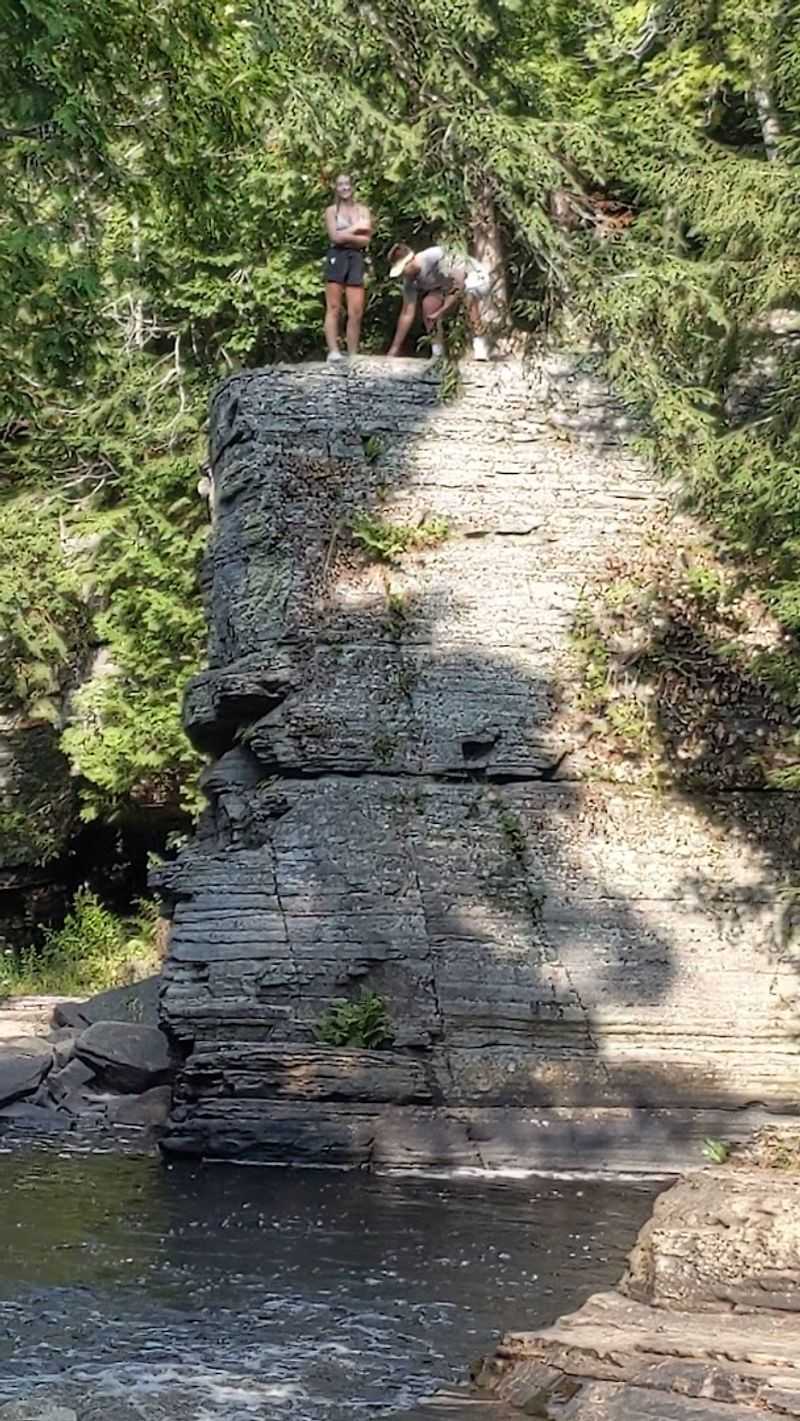
Canyon Falls has the kind of geology that tempts people to inch closer for a cleaner view. You will notice unofficial vantage points and steeper approaches near the main overlook, and some visitors use them for photographs.
The trouble is simple: wet rock, loose footing, and very real drop-offs make the margin for error painfully small.
The park’s drama comes from proximity to the gorge, not from engineered barriers separating you from it. That is part of the appeal and also the reason caution matters so much.
Stay behind fences, treat slick stone seriously, and remember that a dramatic image is not worth testing the river or cliff edge. The best visit here feels alert, not fearless. Good judgment is part of the gear list.
Go In Spring For Force, Autumn For Texture
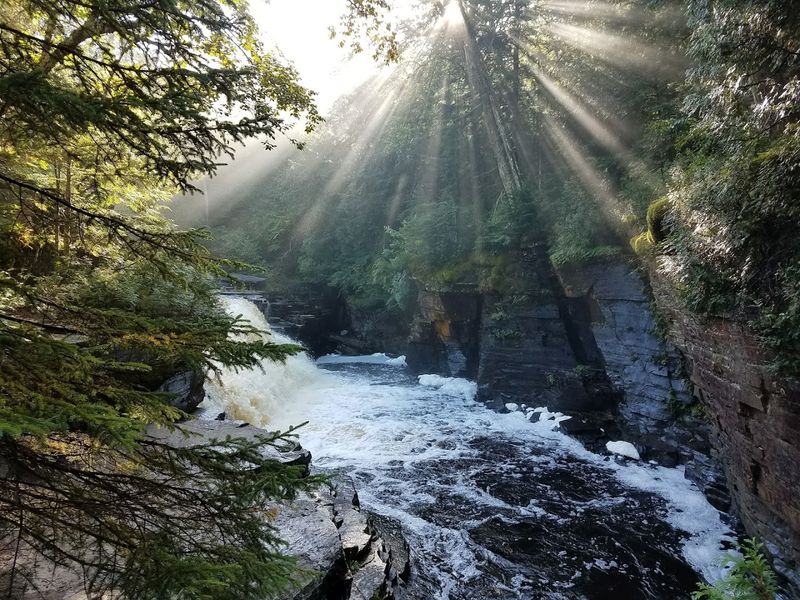
Season changes Canyon Falls more than the short hike might suggest. Mid-May, after snowmelt, is often recommended because the river runs fuller and the falls sound broader, heavier, and more insistent.
In autumn, color lingers in the woods and the dark stone seems even richer against yellow and orange leaves.
Winter has its own devoted fans, especially when snow quiets the forest and the moving water feels unexpectedly alive inside all that cold. Conditions then can be more demanding, with limited parking and traction concerns, so preparation matters.
If your goal is sheer power, lean toward spring. If you want layered textures and easier lingering at overlooks, early to mid-fall can be especially satisfying here. Every season changes the conversation.
Photograph Patiently, Not Recklessly
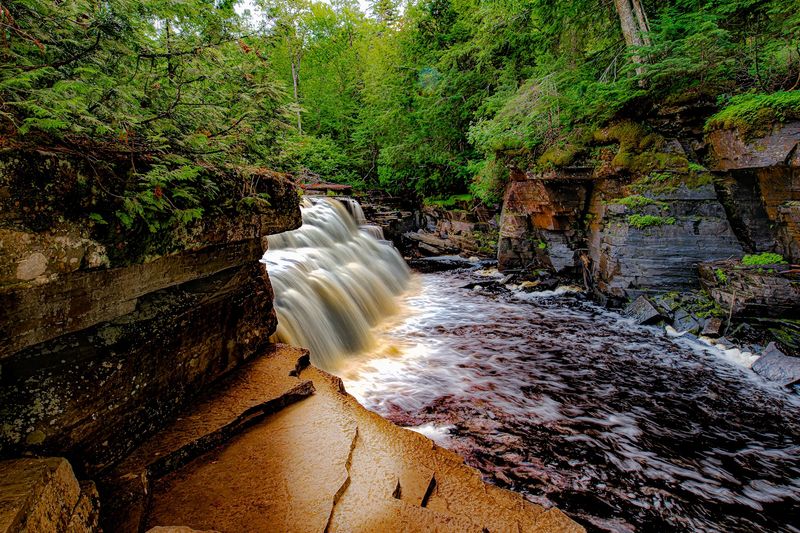
Canyon Falls is photogenic in a slightly stubborn way. The tree cover, dark rock, and bright white water can fool your exposure, while the best compositions often require waiting for people to move through narrow viewing areas.
Patience matters more here than speed, especially if you want the falls and gorge to read clearly in one frame. Sun can create especially appealing highlights, and at times visitors report seeing rainbows in the mist. That makes timing more useful than risky scrambling.
Try the established viewpoints first, then work with vertical compositions that emphasize the depth of the slate walls. The place rewards careful framing because its beauty is layered, not instantly obvious from every angle.
Let the canyon build the picture.
Plan For A Short Stop That May Grow
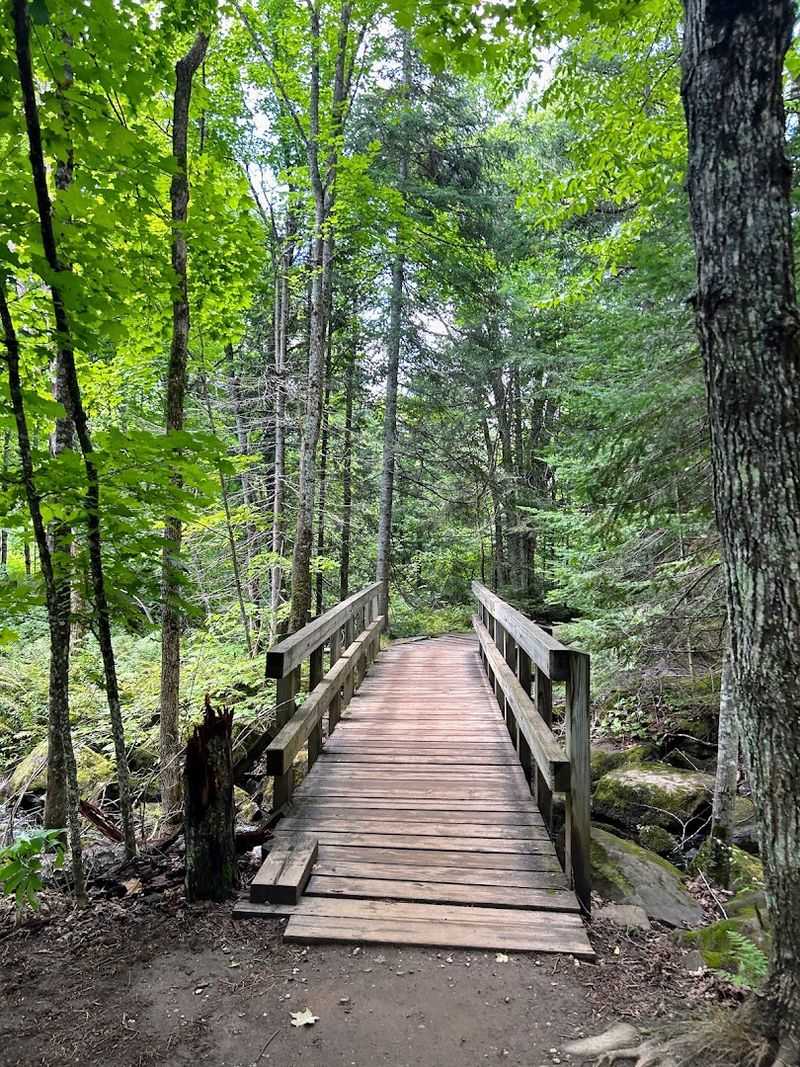
It is easy to underestimate Canyon Falls because the trail to the main attraction is relatively short. You can treat it as a quick leg-stretcher from the highway, and plenty of travelers do.
Yet the place has a habit of expanding on you once the river appears and the gorge keeps revealing new angles.
Benches along the route make the stop more flexible, which is useful if you are traveling with mixed energy levels. One person can be delighted with the main falls while another wants to continue deeper along the North Country Trail.
I would budget more time than your map suggests, especially if you enjoy sitting near moving water rather than merely checking off a viewpoint. The shortest visit is rarely the richest one.
Swimming Exists, But Caution Should Lead
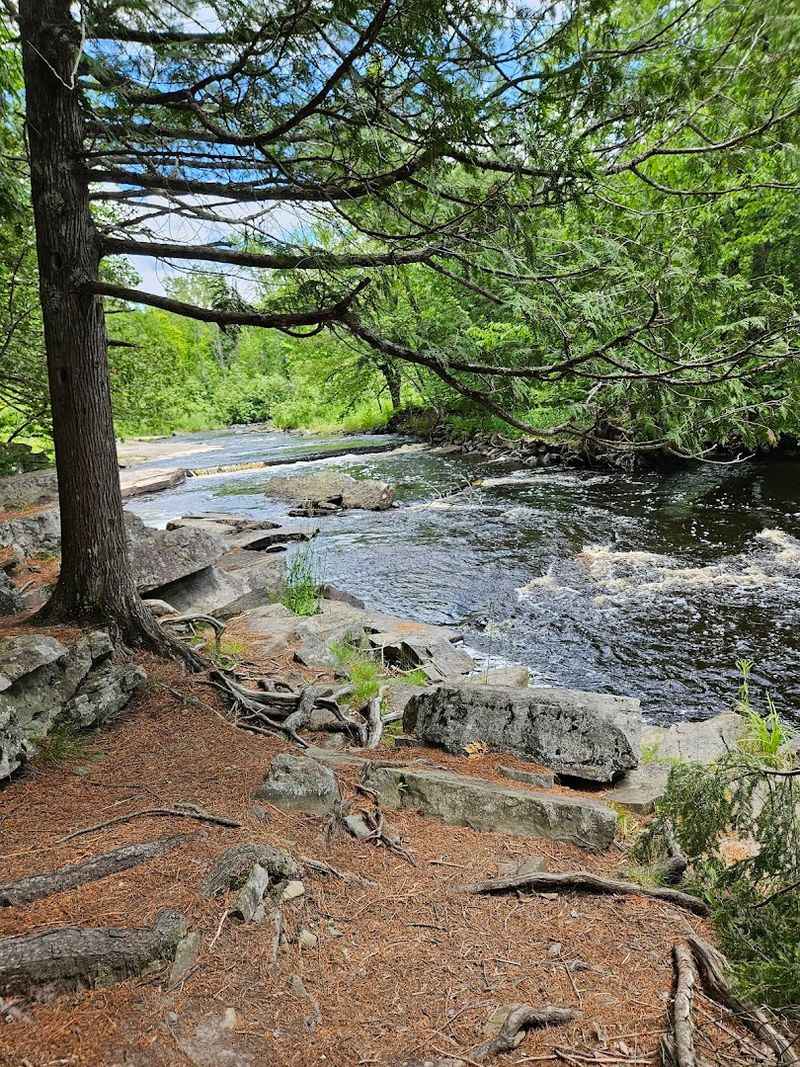
Downstream areas around Canyon Falls are known for swimming, and quieter pools near secondary drops can look inviting on a warm day. Some people also seek out jumping spots farther along the river, with reported jumps ranging from modest to very high.
Those facts are part of the place, but so are slick rocks, cold water, and unforgiving consequences.
That balance is worth stating plainly. If you are here mainly for the overlook and hike, there is no need to turn the day into a riskier river outing.
The Sturgeon River is more than pretty scenery, and the gorge is not a playground built for errors. Enjoy the pools visually unless you are fully confident, cautious, and conditions are clearly safe. Admiration is sometimes the smartest choice.
Treat It Like A Real Upper Peninsula Place
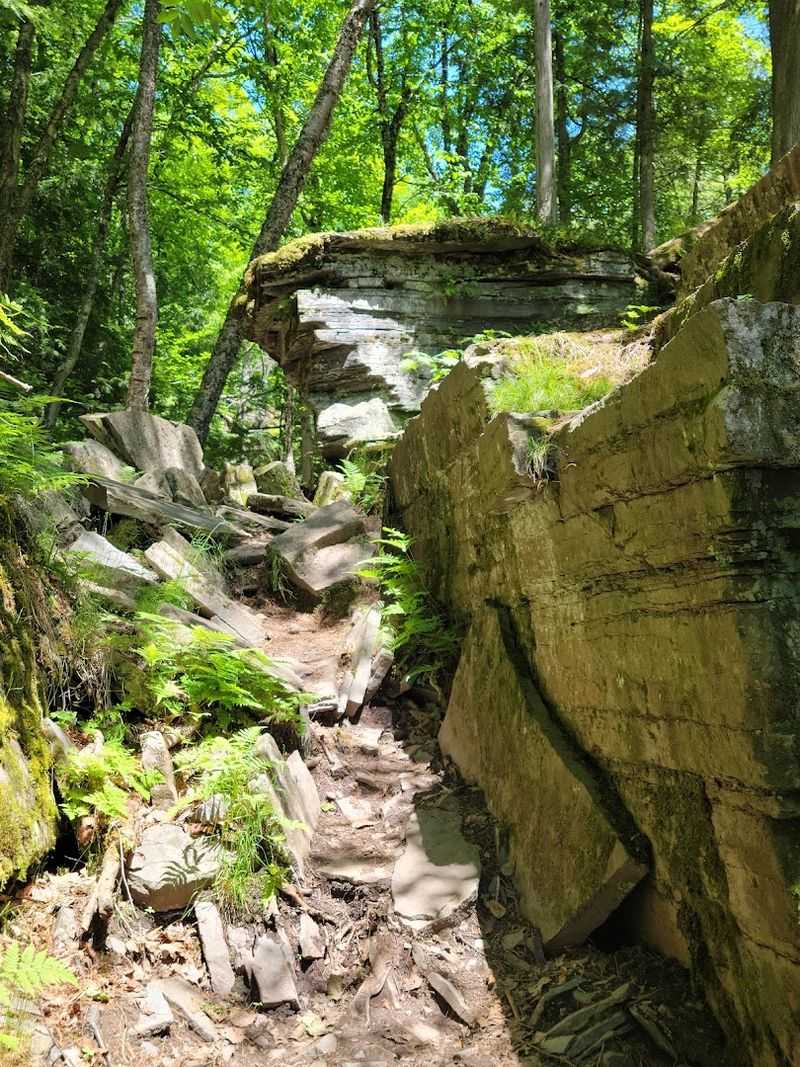
What I appreciated most at Canyon Falls was how unpretentious it remains. This is a state-managed roadside park with a famously scenic payoff, but it still feels like a real Upper Peninsula place instead of a packaged attraction.
The trail is pet-friendly for leashed dogs, the facilities are simple, and the landscape does most of the talking.
That simplicity works best when visitors meet it with equal respect. Pack out what you bring, expect a vault toilet rather than polished amenities, and remember that an open-24-hours listing does not erase the need for common sense.
Canyon Falls rewards people who arrive attentive rather than entitled. The overlook is breathtaking, yes, but the deeper pleasure is how honestly the place presents itself. Go gently, and it gives plenty back.