
Deep In A Washington Cemetery Lies A Haunted Staircase With A Truly Eerie Backstory
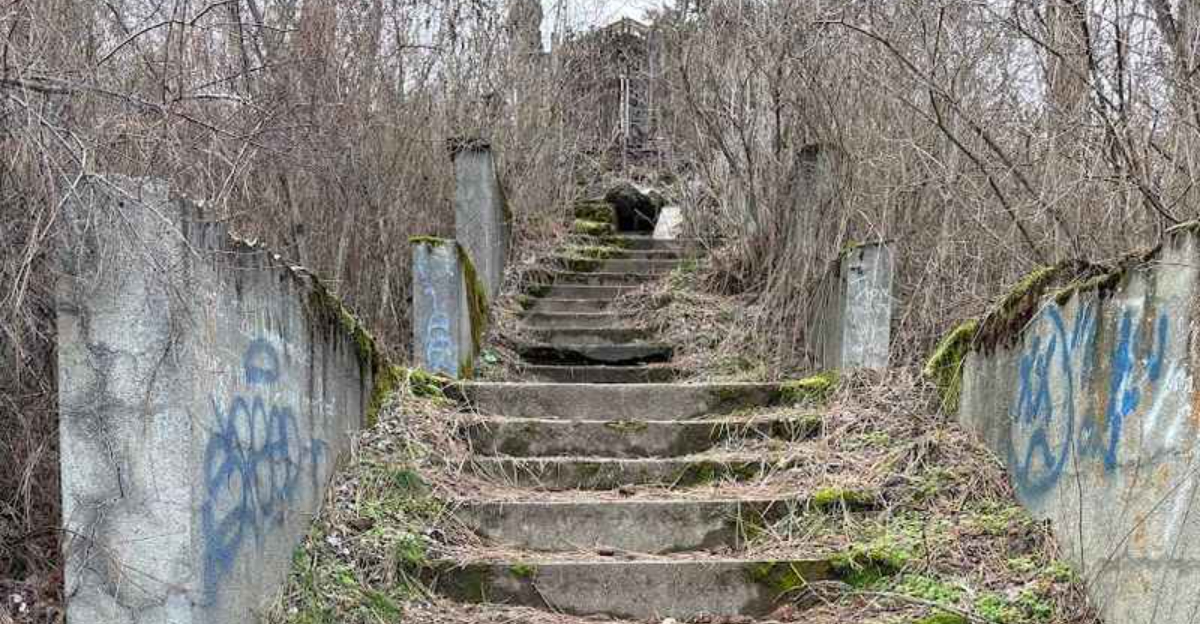
Have you ever walked up a staircase that made you question every life choice you’ve ever made? My curiosity has led me to some strange places, but nothing prepared me for the weathered stone steps in an old Washington cemetery.
Locals whisper about a thousand steps that supposedly lead nowhere-or perhaps somewhere you really don’t want to go. The official stories don’t quite explain why visitors report cold spots, unexplained footsteps, or that nagging feeling of being watched.
What I found climbing those steps was equal parts fascinating and unsettling. Old graves line the path like permanent residents at a very exclusive, and very dead, HOA meeting.
The air carried that distinctive smell of damp earth and forgotten memories.
The Origins Of The Staircase
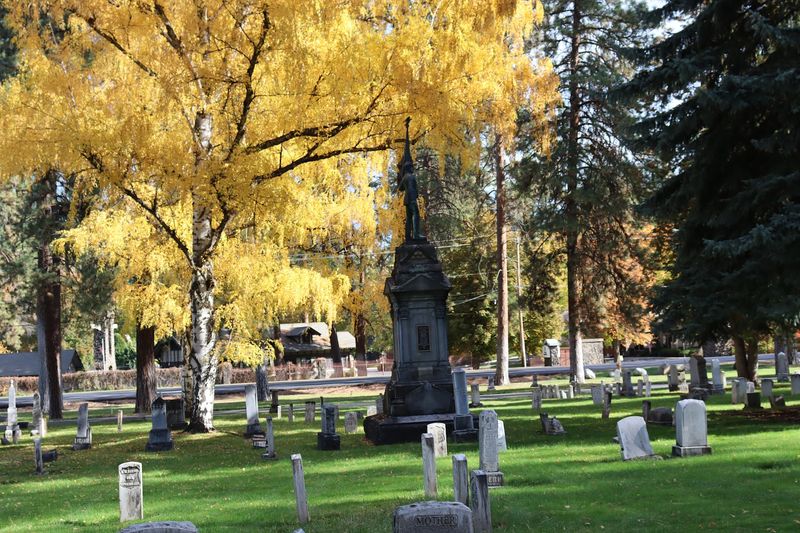
Back in 1898, a handshake-style agreement between Greenwood Cemetery and the Spokane chapter of the Elks fraternal organization gave birth to what would become one of the city’s most talked-about landmarks.
The deal was straightforward on paper: the cemetery would construct a grand staircase with terraced landings, and the Elks would purchase burial plots along those terraces for their families.
Men would rest on a separate terrace alongside their fraternal brothers, while wives and children would be laid to rest on the terraced levels below.
It was a carefully organized final resting arrangement that reflected the Elks’ strong sense of brotherhood and community. The staircase was not just functional; it was meant to be a statement of prestige.
At its peak, the area was beautifully maintained, complete with exotic plants and a dedicated full-time gardener. Visiting this place, I tried to picture that original grandeur, and honestly, the contrast with what stands today made the whole experience feel even more haunting.
What began as a proud memorial space now feels like a quiet reminder of how even the most carefully built places can slowly slip into legend.
The Mausoleum At The Top
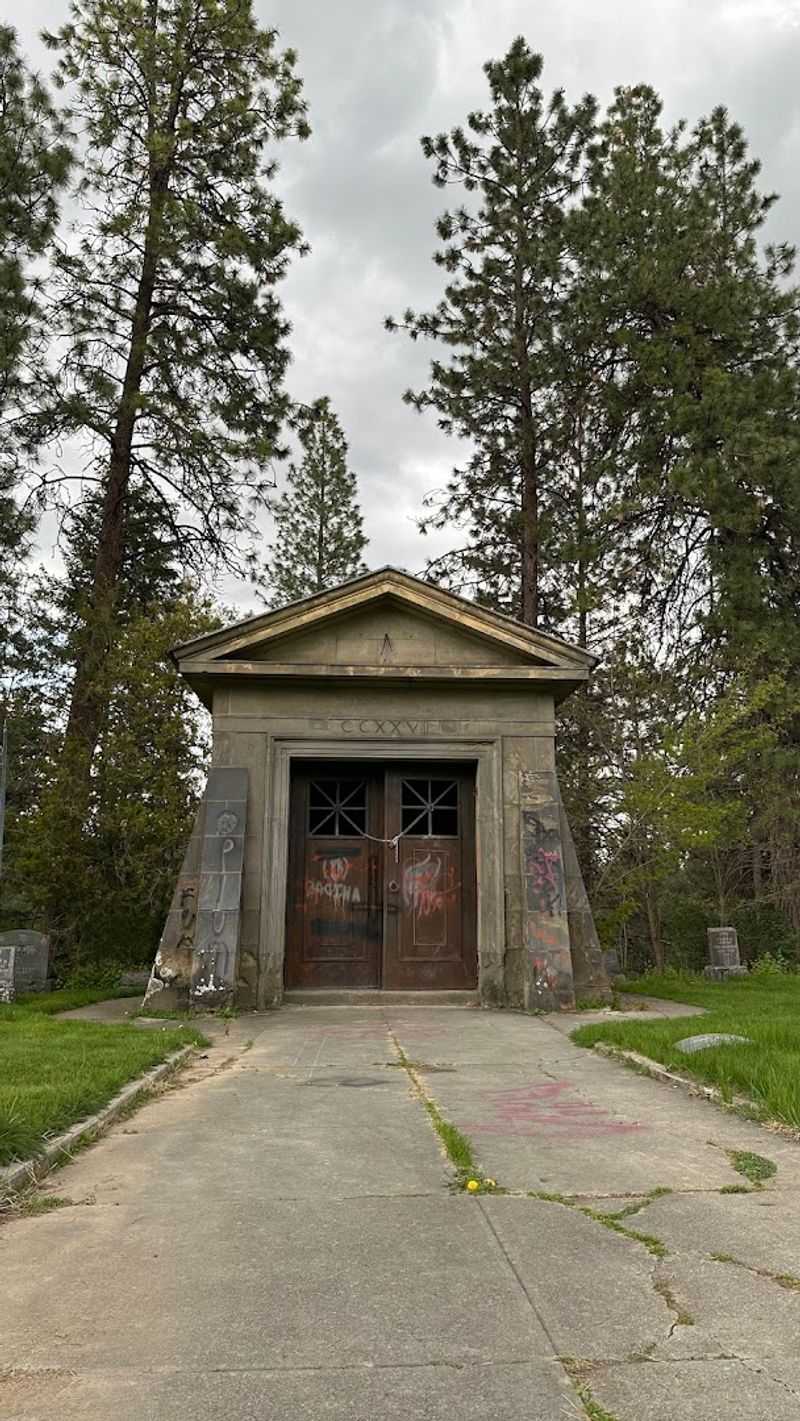
At the top of the staircase sat a mausoleum that was once the crown jewel of the entire Elks burial section. Crowning the mausoleum was a life-size bronze elk statue, a proud and unmistakable symbol of the fraternal organization’s identity and commitment to honoring their members in style.
For decades, the statue stood watch over the terraced graves below, giving the whole area a sense of dignity and permanence. But that permanence turned out to be an illusion.
When the Spokane chapter of the Elks declared bankruptcy in 1970, the financial pressures became impossible to ignore, and by 1981, the bronze elk was sold off to cover the organization’s mounting debts.
Standing at that empty pedestal during my visit, I felt a real pang of something melancholy. Many locals believe that the moment the elk was removed, something shifted in the energy of the place, and the hauntings that followed were no coincidence.
That missing statue somehow makes the staircase feel even lonelier, as if the symbol that once guarded the hill took part of its peace with it.
The Decline And Fall Into Disrepair
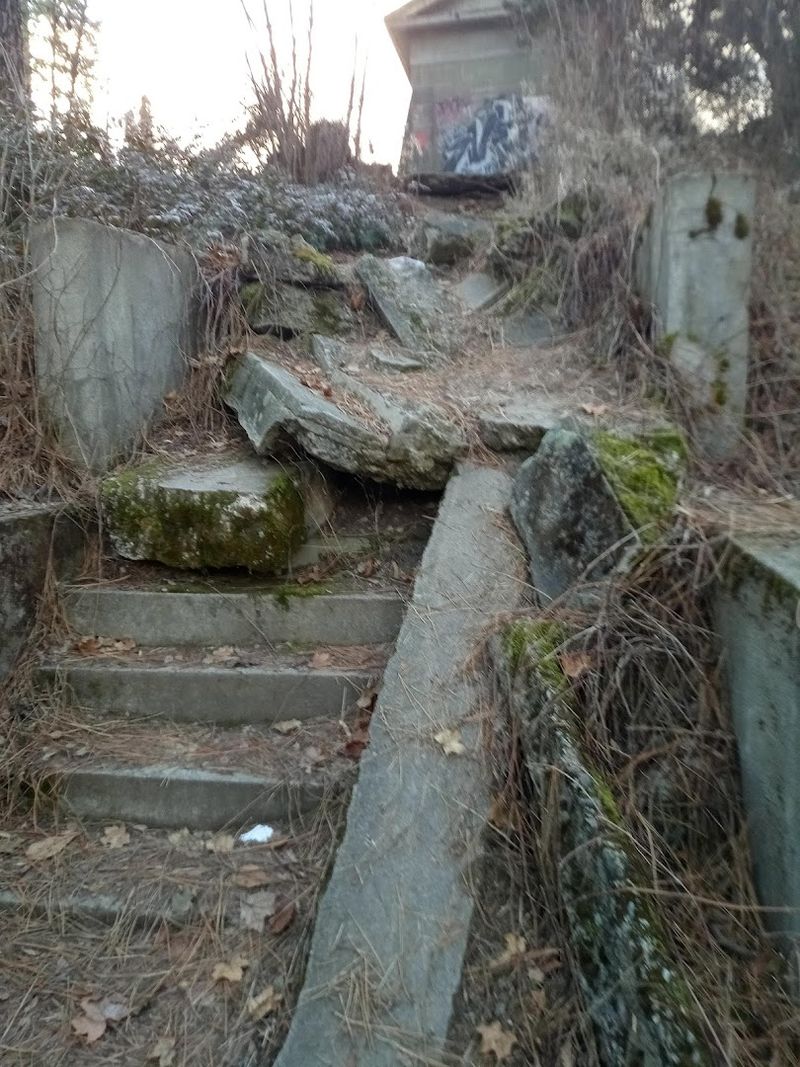
Few things shift the mood of a place quite like abandonment, and the Thousand Steps is a masterclass in that kind of slow, creeping decay.
After the Elks chapter dissolved and their assets were sold, nobody stepped in to maintain the staircase or the mausoleum. Nature and time moved in quickly.
By the time I arrived, the steps were cracked, uneven, and in some places genuinely difficult to navigate. Chunks of stone jutted at odd angles, and the surrounding vegetation had swallowed much of the original landscaping that once made this a point of pride.
The full-time gardener and the exotic plants were long gone, replaced by tangled overgrowth and silence.
The cemetery itself remains active and operational, but this particular section feels like a forgotten corner that the rest of the world left behind. That contrast between the tended graves nearby and the wild neglect of the staircase area gives the whole spot an unmistakably eerie personality all its own.
It feels less like walking through ruins and more like stepping into the part of a story everyone quietly stopped talking about.
The Ghost Stories And Local Legends
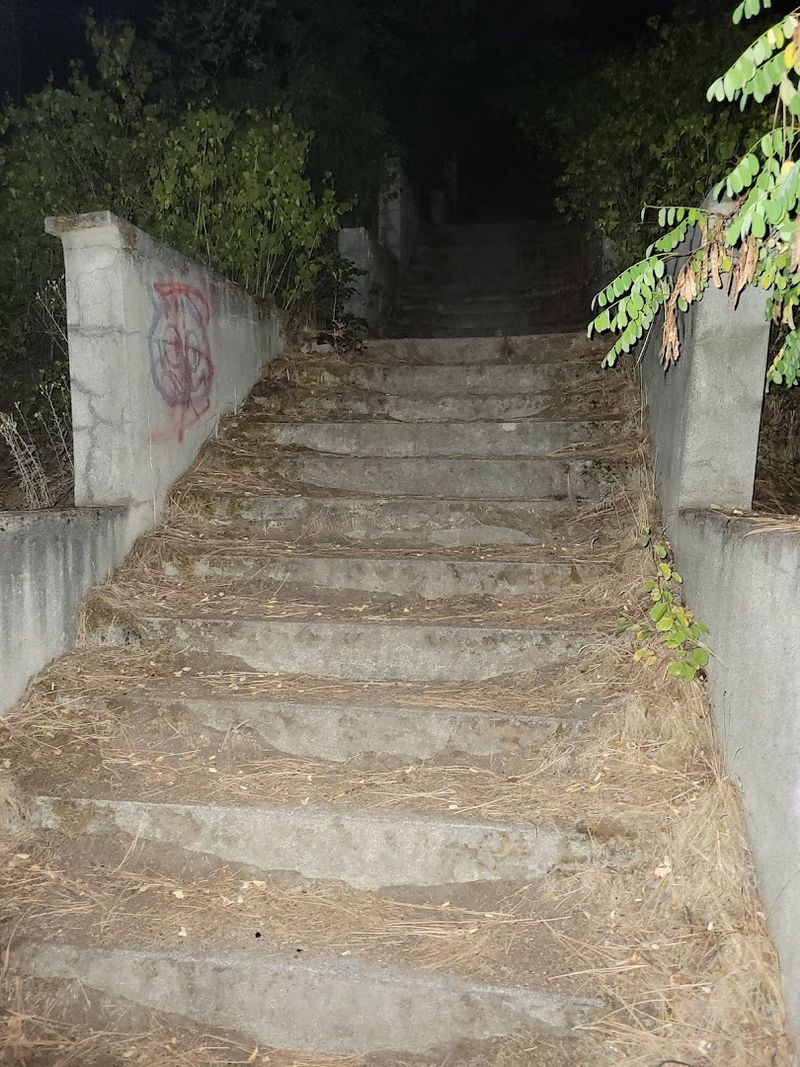
Here is where things get genuinely interesting. Local legend around the Thousand Steps is rich, layered, and surprisingly specific, which always makes a ghost story feel more credible to me.
The most widely repeated tale says that if you climb the stairs without any lights, you will see the faces of men, women, and children peering down at you from the top.
Visitors have also reported hearing shrieks and cries coming from nowhere, and some describe feeling something like rain on their skin even on completely dry nights. One of the more vivid accounts involves a greenish, transparent figure seen floating above the top of the staircase, hovering near the old mausoleum.
There are also whispers that spirits actively guard the staircase, pushing back against anyone who tries to reach the summit. The sheer consistency of these reports across different visitors over many years is genuinely hard to brush aside.
The Satanic Ritual Rumors And Urban Legends
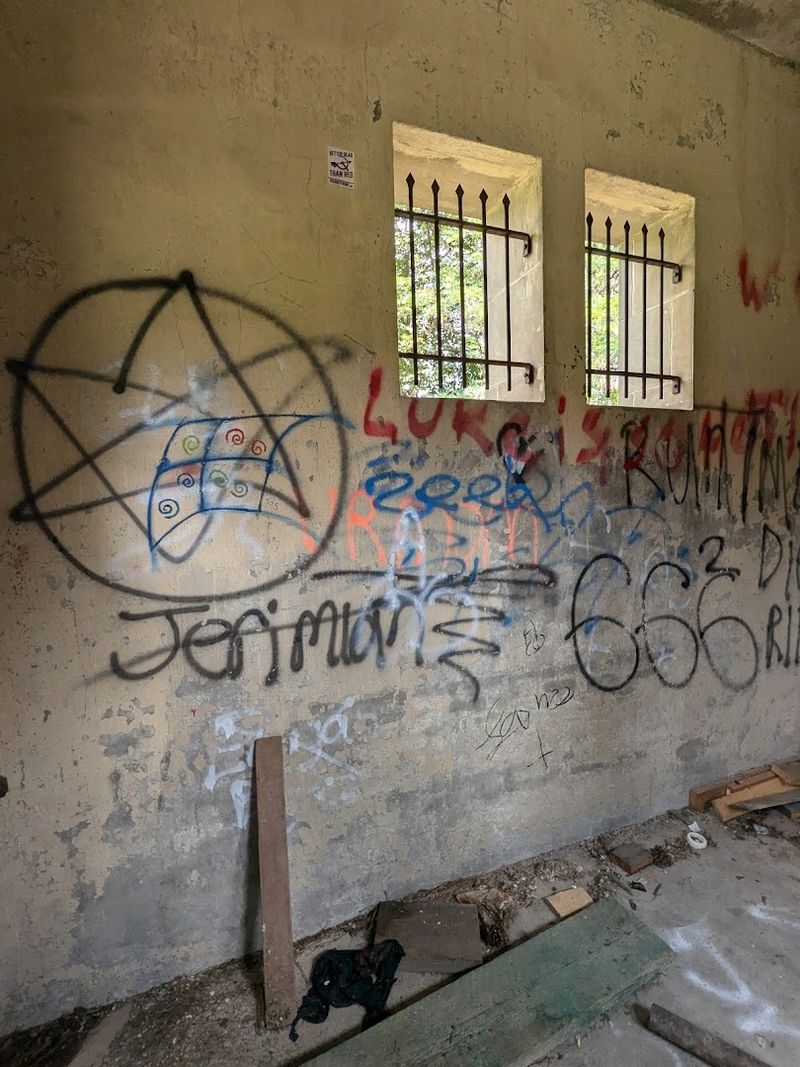
Beyond the ghost sightings, the Thousand Steps has attracted a darker layer of urban legend that has only grown with time.
Rumors have circulated for years that the area around the mausoleum at the top of the staircase was once used for satanic rituals, adding a particularly unsettling dimension to an already eerie location.
I want to be clear that these are unverified rumors rather than documented historical fact, but in the world of haunted places, the line between legend and lived experience often blurs in fascinating ways.
What is certain is that the isolated, overgrown, and largely forgotten nature of the spot makes it the kind of place where the imagination runs wild after dark.
During my visit, I noticed remnants of what looked like old graffiti on parts of the mausoleum walls, and the general atmosphere of neglect made the ritual rumors feel less far-fetched than they might in another setting. The place has a way of making even skeptics feel uneasy.
The Railroad Tunnel Beneath The Cemetery
One of the most surprising facts I uncovered while researching this location is that a real tunnel runs beneath Greenwood Cemetery, though it has nothing to do with the staircase itself. Built in 1910 by the Great Northern Railroad Company, the tunnel was a working rail passage that cut right under the cemetery grounds.
By around 1970, the tracks were removed, and today the tunnel entrances are completely blocked off. Some visitors over the years have conflated this tunnel with legends about the staircase, fueling a persistent but inaccurate story that the Thousand Steps once led to an underground passage.
There was also an old fable suggesting the stairs served as the original trolley-train entrance to the cemetery, complete with a second terrace used for picnicking with mountain views. That story is charming but equally untrue.
Still, knowing a real tunnel exists just below your feet while you stand on those crumbling steps adds yet another layer of atmosphere to an already fascinating place.
What You Need To Know Before You Go
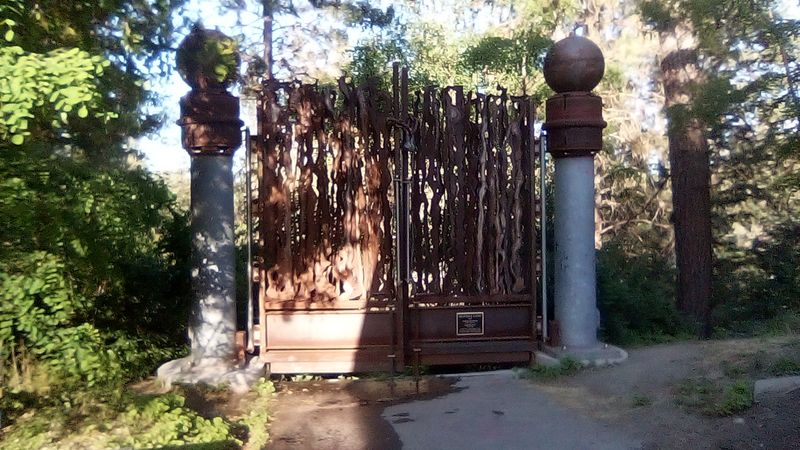
Greenwood Cemetery is located in Spokane, Washington, and if you are planning to check out the Thousand Steps, there are a few things worth knowing before you show up.
The staircase sits on private property, which means entering without permission from the property owners is considered trespassing, plain and simple.
Local police and security officers do patrol the area regularly, and they take the trespassing issue seriously. My strong advice is to contact the cemetery administration beforehand and ask about any permitted access or guided opportunities. R
especting the space is especially important given that it remains an active cemetery with real families visiting their loved ones nearby. The broken and disfigured steps also make the climb physically challenging, so sturdy footwear is a must if you do get the chance to visit legitimately.
Go during daylight hours for the safest experience, and bring a friend because, based on everything locals have told me, this is absolutely not a solo adventure you want to attempt alone.
The Paranormal Investigations And Evidence Left Behind
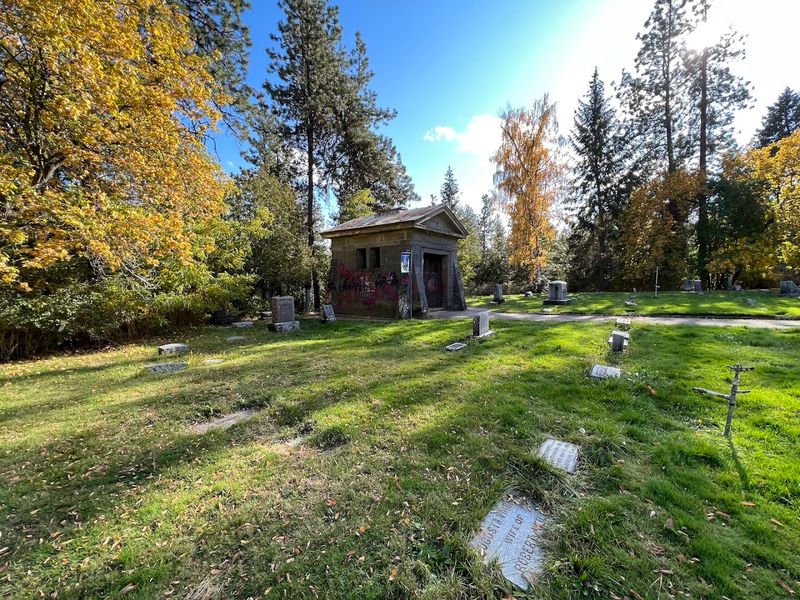
Ghost hunters have been drawn to Greenwood’s crumbling staircase for decades, armed with cameras, audio recorders, and EMF meters. Many visitors report capturing unexplained orbs in photographs and hearing faint footsteps on the stone steps long after nightfall.
Some paranormal groups claim their audio recordings picked up disembodied voices near the mausoleum ruins at the top.
Local paranormal clubs have hosted organized investigations at the site, sharing their footage online and keeping the legend very much alive for a new generation of curious explorers.
The staircase has become the kind of place where every creak of nearby branches feels loaded with meaning.
Even during the day, the broken stone, quiet cemetery paths, and weathered ruins create an atmosphere that feels naturally unsettling.
At night, that mood only deepens, especially for visitors who arrive already knowing the stories. It is less about proving the legend and more about understanding why this lonely staircase has held people’s imagination for so long.