
This Colorado Marsh Is Secretly One Of The Most Spectacular Bird-Watching Spots In America
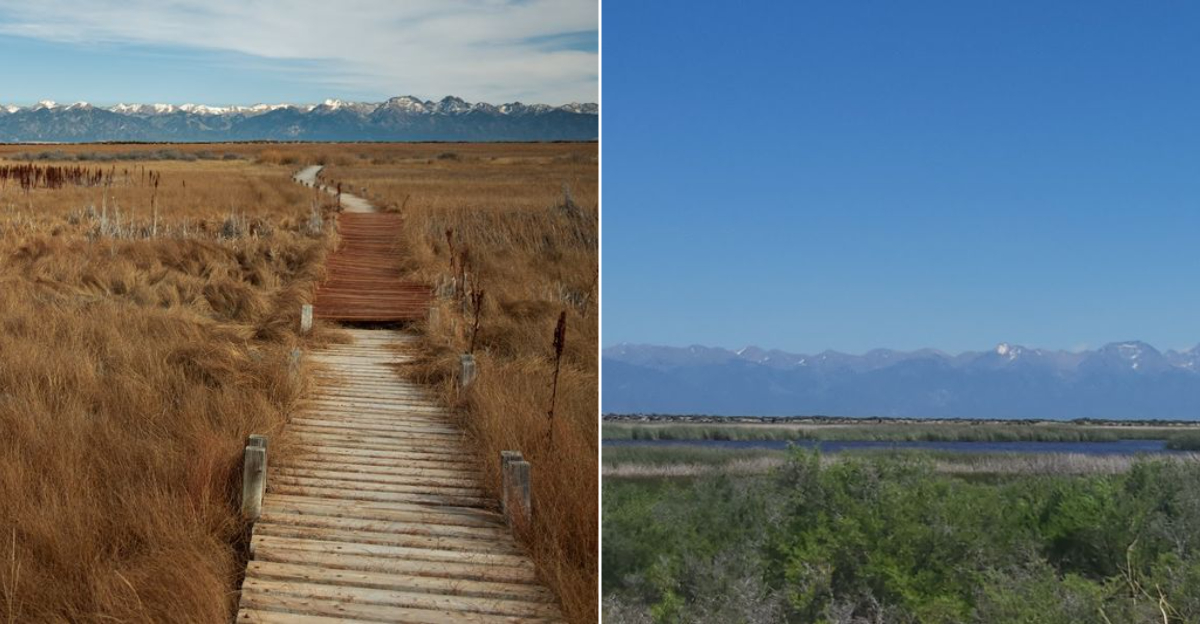
The most surprising roadside stops are the ones that turn a quick blink-and-you-miss-it detour into the highlight of the drive. In southern Colorado, this marshy refuge feels like a secret written in reeds, water, and wingbeats, the kind of place where the scenery does half the talking before you even park.
One minute you are stretching your legs after too many miles in the car, and the next you are watching birds skim the water, listening to calls ripple through the air, and wondering why you almost kept driving.
Families, curious road-trippers, and serious birders all end up slowing down here for the same reason: it feels alive in every direction.
Mountains sit on the horizon like a painted backdrop, while the wetlands keep changing with every splash and shadow. Colorado’s quieter corners often reward the people who take the turn, and this one makes that choice feel brilliant.
Why It Belongs On Every Birder’s Radar
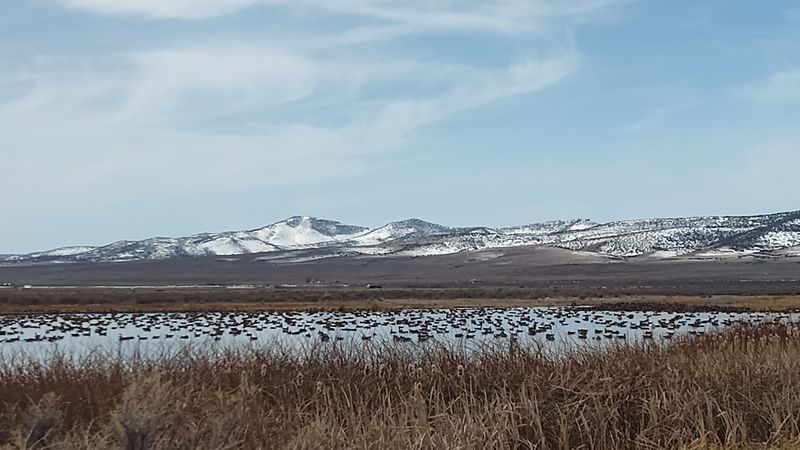
Not every bird-watching destination announces itself with fanfare. This spot earns its reputation quietly, through sheer biological richness that rewards anyone willing to show up and listen.
The marsh sits within the San Luis Valley, one of the highest and most expansive alpine valleys in North America, creating a unique migratory corridor that funnels an extraordinary variety of bird species through the area each season.
Visitors have reported hearing trumpeting, chirping, flapping, and squawking all at once, a layered soundscape that feels almost theatrical. At sunset, the activity intensifies as birds settle in for the evening and the light turns everything golden.
The managed wetlands support waterfowl, shorebirds, wading birds, and raptors, making a single visit surprisingly diverse.
Pro Tip: Arrive around late afternoon on a weekday and you may have the entire marsh to yourself, which is exactly the kind of birding experience money cannot buy. Bring binoculars and, if you have one, a camera with a zoom lens for the best results.
The 0.3-mile trail to the viewing blind is well-maintained and well worth every step.
The Short Trail That Punches Well Above Its Weight
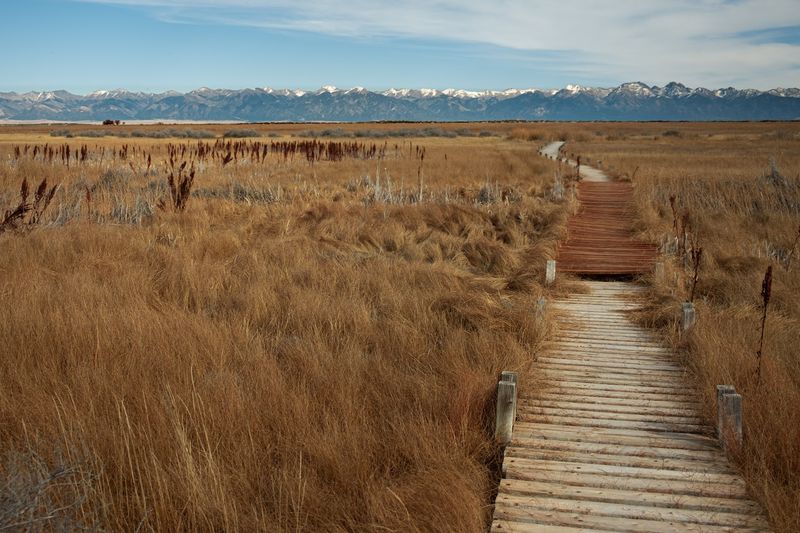
There is something almost sneaky about how much this trail delivers for so little effort. The main walking path at Russell Lakes is a flat, relatively short out-and-back route that guides visitors directly into the heart of the marsh, ending at a bird blind positioned right along the water’s edge.
It is the kind of trail that works for almost everyone, from kids on a road-trip sugar rush to grandparents who just want a proper stretch after two hours in the car.
The path winds through wetland vegetation, giving walkers the sensation of being genuinely inside the habitat rather than observing it from a parking lot. Cattails brush the edges of the trail, and the ground shifts subtly underfoot as you move closer to the open water.
One visitor described it perfectly as a quick walk that gets you right by the lake for birding.
Best For: Families with young children, older visitors looking for accessible flat terrain, and anyone who wants meaningful nature contact without committing to a full hike. Just pack bug spray because the mosquitoes near the marsh are enthusiastic and entirely unimpressed by your presence.
They will find you regardless of how quietly you tiptoe.
What Makes The San Luis Valley Setting So Unique
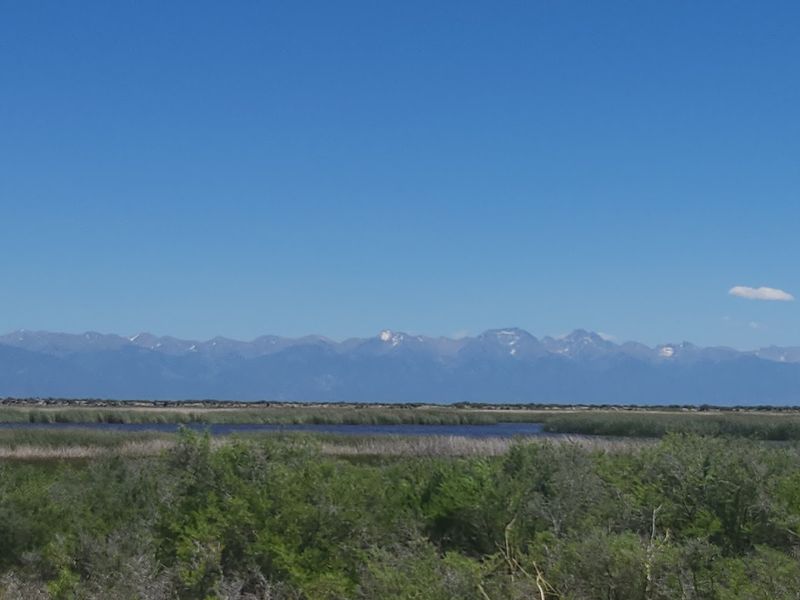
The geography surrounding Russell Lakes is not incidental to the experience. It is actually the whole point.
The San Luis Valley sits at roughly 7,500 feet elevation and stretches across more than 8,000 square miles, making it one of the largest alpine valleys on the planet. That enormous flat basin, ringed by two mountain ranges, creates a natural funnel for migrating birds traveling along the Rocky Mountain flyway each spring and fall.
Standing at the marsh, you can look in almost any direction and see peaks rising against the sky. The contrast between the flat, reed-filled wetlands and the dramatic mountain backdrop gives the landscape a painterly quality that photographers find genuinely hard to resist.
Even visitors who arrived purely for the bathroom break have been known to linger longer than expected once they actually look around.
Why It Matters: The San Luis Valley’s unique combination of high altitude, wetland habitat, and position along a major migratory corridor makes Russell Lakes far more ecologically significant than its modest size might suggest.
The marsh provides critical resting and feeding habitat for birds traveling hundreds or even thousands of miles.
That context transforms what looks like a simple roadside stop into something with real natural weight behind it.
A Sunrise Scene That Earns Its Own Instagram Account
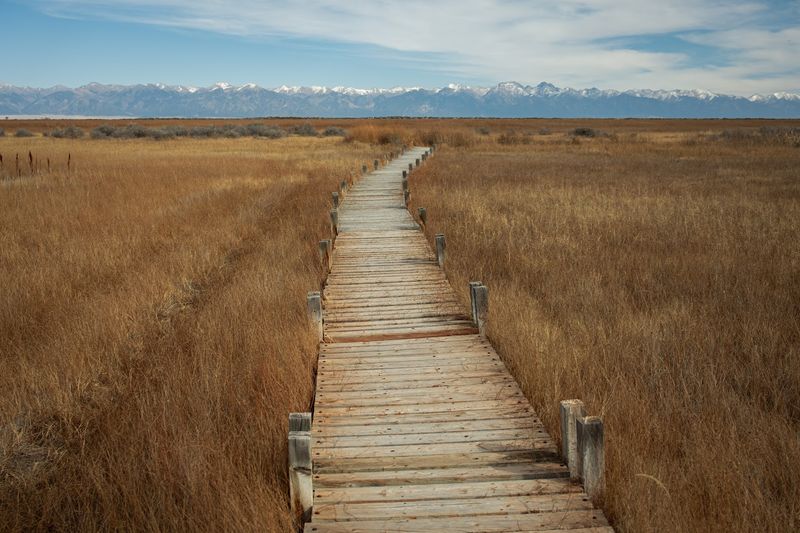
Waking up to a sky that looks professionally lit is not something most people expect from a roadside wildlife stop in rural Colorado.
But visitors who have spent the night at Russell Lakes in an RV or camper consistently describe the sunrise as the kind of visual event that makes you reach for your phone before you are fully awake.
The open landscape of the San Luis Valley means there is nothing blocking the horizon, and the colors that appear over the mountains at dawn are genuinely difficult to describe without sounding like an overexcited travel brochure.
One overnight visitor pulled in after dark, set up camp under more stars than they had ever seen in one sky, and woke to a marsh glowing in early morning light. That combination, stars at night and color-soaked mornings, is something the San Luis Valley delivers with almost unfair consistency.
The area is also one of the darkest sky regions in Colorado, which makes the overnight experience quietly extraordinary.
Insider Tip: Overnight camping for self-contained vehicles like RVs and campers has been noted by visitors, but always check current regulations directly with Colorado Parks and Wildlife before planning an overnight stay, as seasonal rules apply and access can vary. Planning ahead saves a very awkward reversal situation.
Road Trippers, This Stop Was Made For You
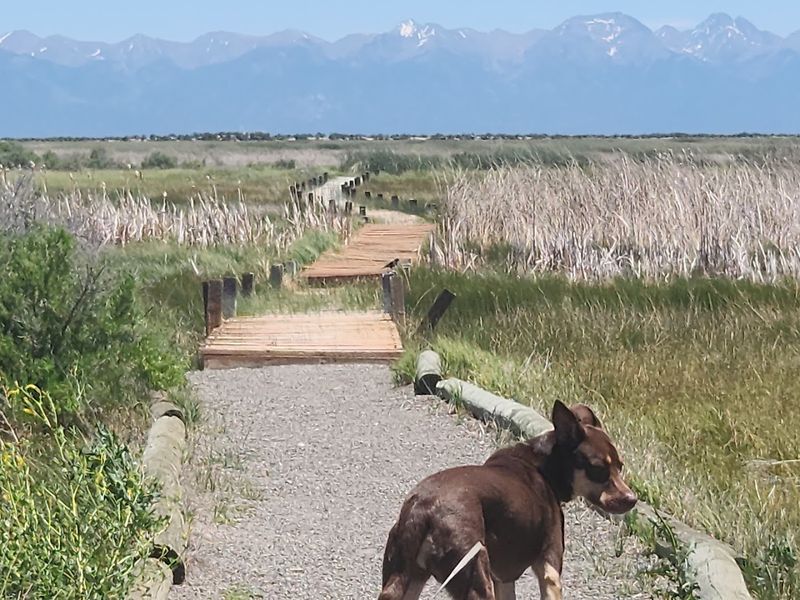
Highway 285 runs through some of the most quietly spectacular country in Colorado, and Russell Lakes falls right along it like a well-placed bookmark. Whether you are heading toward Denver, making your way to Alamosa, or simply navigating a cross-country drive that needs a reset, this stop functions as a perfect mid-route pause.
There are pit toilets on site, which visitors consistently praise as clean and well-maintained, a detail that road-trippers know to never take for granted.
Dogs are welcome, kids find the birds genuinely exciting, and couples who just need five minutes of silence from each other can each find a different corner of the marsh to stare at. The parking area is accessible for larger vehicles including RVs and campers, which makes it practical for a wide range of travelers.
There is also a trash receptacle available, which is one of those small amenities that earns enormous goodwill after three days on the road.
Quick Verdict: If you are traveling Highway 285 and you skip this stop, you will regret it somewhere around the next two hours of featureless highway. It costs nothing, takes minimal time, and delivers a level of natural spectacle that most paid attractions would struggle to match.
Pack a snack, let the dog out, and listen to the marsh do its thing.
Seasonal Timing And What You Need To Know Before You Go
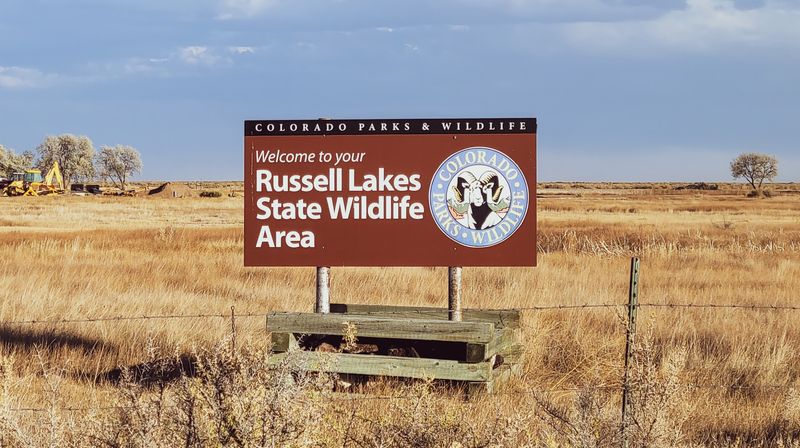
Timing your visit to Russell Lakes is worth thinking about before you simply pull off the highway on impulse. The area is managed by Colorado Parks and Wildlife, and like most wildlife refuges, it operates on a seasonal schedule designed to protect nesting birds.
The site has been noted as closed during nesting season in certain months, and at least one visitor learned this the hard way after driving a camper all the way to a locked gate with no room to turn around. Check the Colorado Parks and Wildlife website at cpw.state.co.us before you go.
Peak bird activity generally aligns with spring and fall migration windows, when the marsh fills with species passing through the valley. Summer visits can still be rewarding, particularly in the early morning and evening hours when birds are most active.
Winter visits bring a different, quieter kind of beauty, with the mountains reflected in any open water that remains unfrozen.
Planning Advice: Visit the official Colorado Parks and Wildlife page for Russell Lakes State Wildlife Area to confirm current access dates, seasonal closures, and any updated regulations before making the drive. The address is 9 miles south of Saguache on Hwy 285.
Arriving informed means arriving relaxed, which is generally the ideal state for bird-watching anyway. Bring layers regardless of season because the San Luis Valley does not negotiate on wind.
The Quiet Confidence Of A Place That Needs No Hype
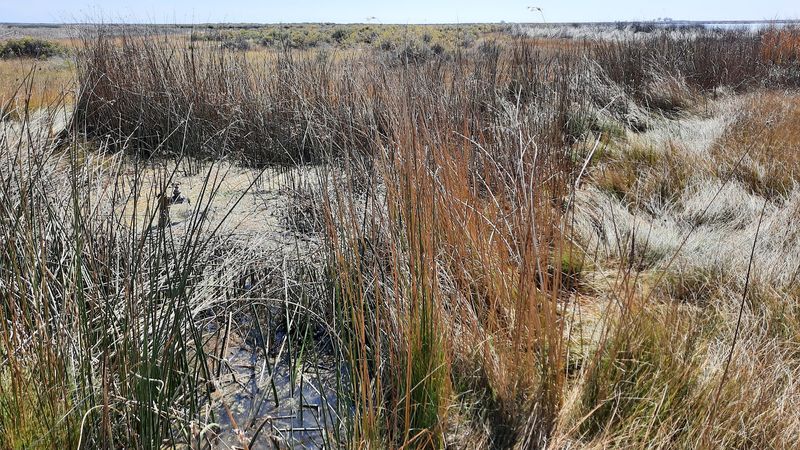
Some places spend a lot of energy trying to convince you they are worth visiting. Russell Lakes State Wildlife Area does not bother with any of that.
It sits quietly nine miles south of Saguache, rated at nearly five stars across a solid base of visitor responses, and it simply delivers what it promises: clean air, real wildlife, and a landscape that makes the stress of wherever you came from feel remarkably distant. That kind of straightforward quality is rarer than it should be.
Visitors return to it habitually. People heading between Denver and southwestern Colorado have noted stopping here consistently, almost as a personal ritual.
That repeat-visit behavior says more about a place than any single glowing description ever could. When a marsh in rural Colorado becomes someone’s reliable road trip anchor point, it has earned something genuinely meaningful.
Common Mistakes to Avoid: Do not skip the walk to the bird blind just because the parking area view looks decent. The trail gets you close to the water in a way that transforms the experience entirely.
Also, do not arrive at peak summer midday expecting maximum bird activity. Early morning and late afternoon are consistently more rewarding.
Bring the bug spray, confirm the seasonal access dates, and then simply show up. The marsh will handle the rest with zero effort on its part.