
This Colorado Wildlife Refuge Is The Peaceful Escape Everyone Needs This Fall
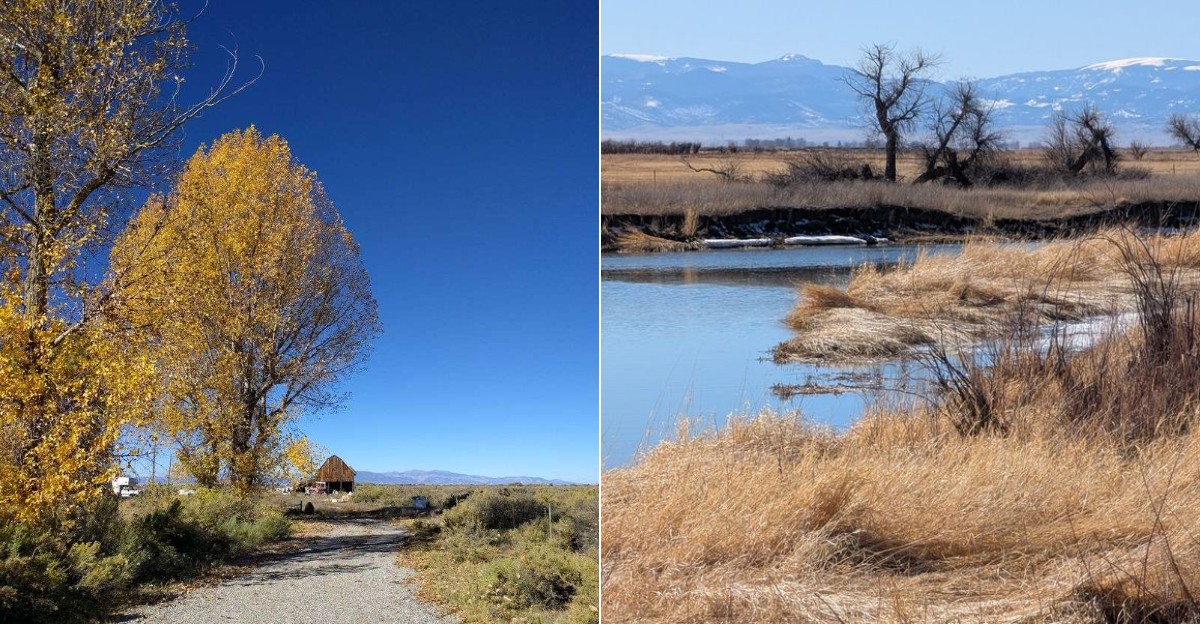
Silence becomes surprisingly entertaining when the landscape gives you enough to watch. A fall visit here is less about checking off attractions and more about noticing movement: birds crossing open sky, light shifting across the valley, and distant horizons that seem to stretch farther than expected.
Set within the San Luis Valley of Colorado, this protected refuge rewards anyone willing to slow the pace and pay attention. Families can wander without turning the outing into a production, couples get space to talk, and solo travelers can simply enjoy having room around them.
There is no complicated schedule to master and no pressure to squeeze in one more stop before sunset. That restraint is part of the appeal.
When autumn starts cooling the air, the quieter side of Colorado becomes especially convincing, offering the rare pleasure of a day that feels full even when very little is actually planned at all.
A Quiet Plan Near Alamosa That Does Not Need A Spreadsheet
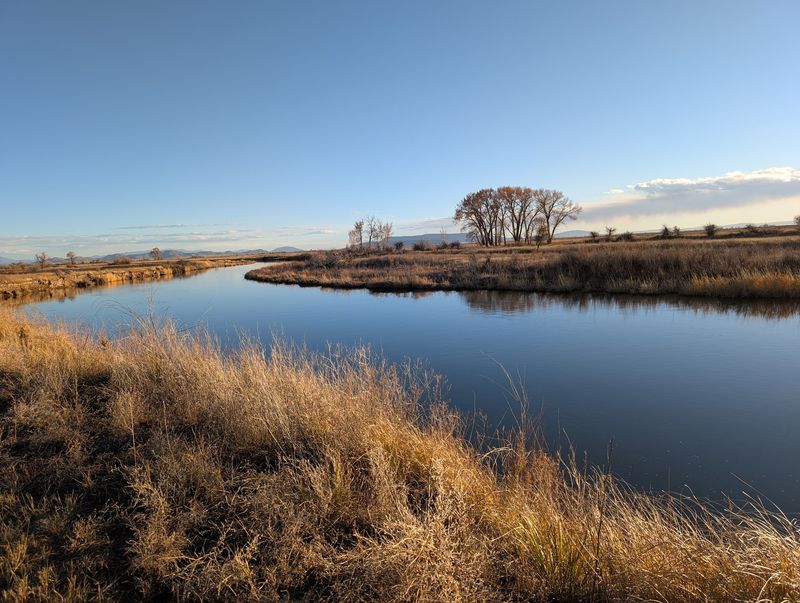
Some outings ask for reservations, matching calendars, backup plans, and at least one person quietly Googling parking rules in the passenger seat. This spot is refreshingly simpler than that.
The official visitor center gives travelers a clear starting point instead of a mystery pin dropped somewhere in the valley.
Managed by the U.S. Fish and Wildlife Service, Alamosa National Wildlife Refuge protects habitat in the San Luis Valley, one of southern Colorado’s broadest and most distinctive landscapes.
The refuge was established in 1963 and covers about 12,000 acres of wetlands, wet meadows, river areas, and drier uplands tied to the Rio Grande.
Fall fits the place well because the main activity is observation, not performance. Visitors can look for birds, take photographs, drive designated refuge roads, and use marked public access areas where open.
It is the sort of stop that lets the day stay loose. Bring water, binoculars if you have them, and patience.
Wildlife does not keep appointments, which is rude but very on brand.
Wetlands, Desert Edges, And The Rio Grande In One Refuge
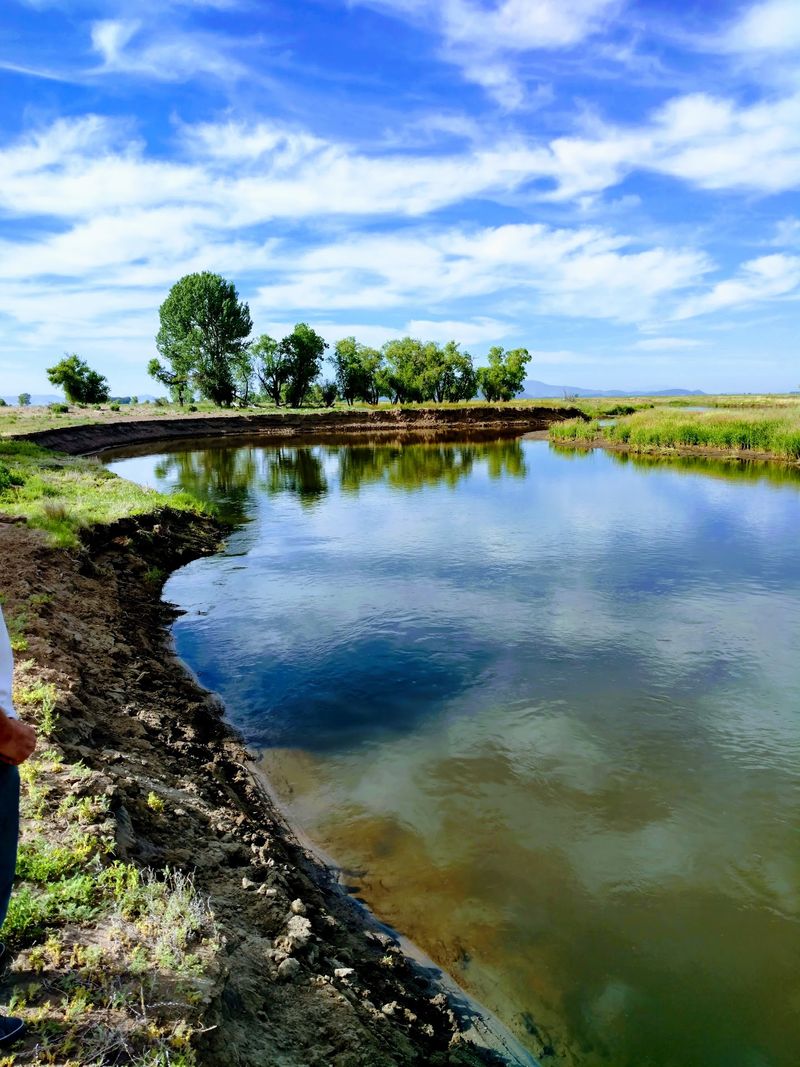
A map does not fully explain why Alamosa National Wildlife Refuge feels different from a quick city park stop. The refuge sits in a high mountain basin, where wetland habitat and dry valley country meet in a way that looks almost like two different postcards were filed in the same drawer.
The Rio Grande helps shape the refuge’s character. Water supports wet meadows, river bends, and riparian areas, while nearby uplands bring in saltbush and open ground typical of the San Luis Valley.
That mix matters because different habitats support different wildlife. For visitors, it means the view can shift from water birds to open country in a short time.
Colorado is often sold through peaks and ski towns, but this refuge tells a quieter story about the state. Here, the drama is in the flatness, the sky, the river corridor, and the long views toward surrounding mountains.
Alamosa National Wildlife Refuge rewards the person who slows down enough to scan fence lines, water edges, cottonwoods, and open fields. No stage lighting required.
Nature already has a budget.
Bird Watching That Feels More Like A Slow Conversation
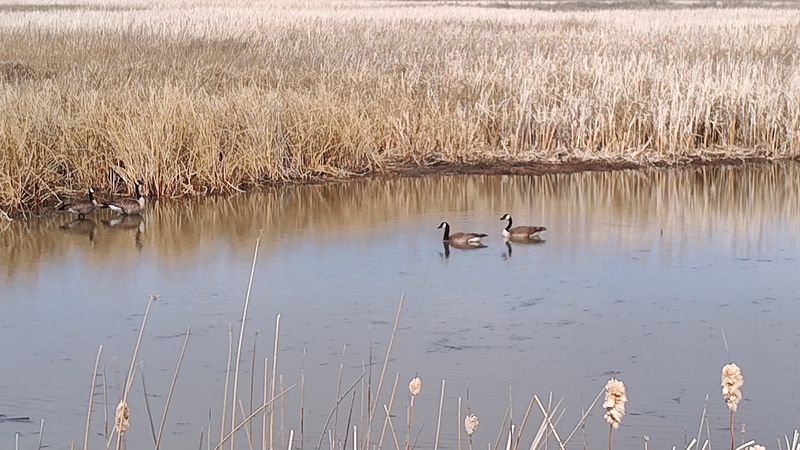
Bird watching at Alamosa National Wildlife Refuge is not a race, which is excellent news for people who have never confidently identified anything beyond duck, probably. The refuge is known for wildlife viewing, especially birds that use the San Luis Valley during migration or while living in the region year round.
More than 200 bird species have been associated with the refuge area, and sandhill cranes are among the seasonal highlights in the wider valley during migration periods. Waterfowl, raptors, shorebirds, and songbirds may also be seen depending on timing, water conditions, and plain luck.
That last part is real. Wildlife viewing always includes a small amount of humility.
Alamosa National Wildlife Refuge works best when visitors give themselves permission to be quiet and unhurried. Binoculars help, but they are not required for enjoying the open views and watching movement across water or grass.
Families can turn it into a simple spotting game. Solo visitors can treat it as a pause from the usual mental tabs left open all week.
Couples can share the rare activity of standing still without pretending to check email.
A Conservation Story That Still Has A Job To Do
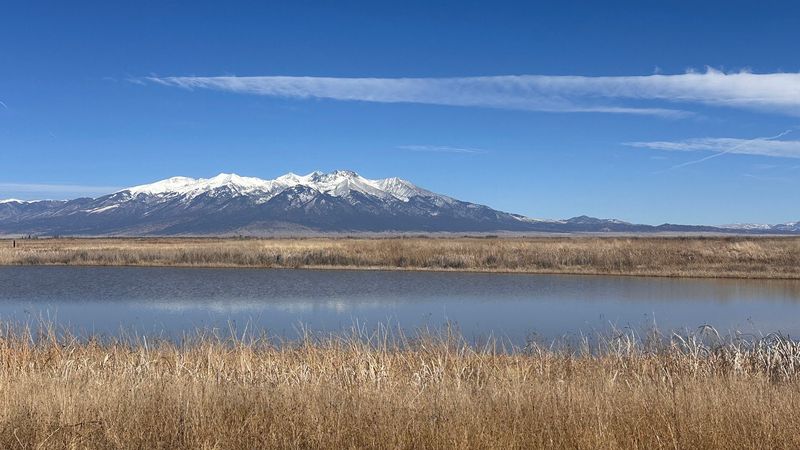
The most useful thing about Alamosa National Wildlife Refuge is not just that it looks peaceful. It has work to do.
Since its establishment in 1963, the refuge has been part of a larger conservation effort in the San Luis Valley, where water, migration routes, and habitat management all matter more than a travel brochure can neatly summarize.
Why It Matters: The refuge protects wetland and riparian habitat used by migratory birds and resident wildlife in a dry, high elevation basin.
That purpose gives a visit more weight without making it feel like homework. The U.S.
Fish and Wildlife Service manages Alamosa National Wildlife Refuge for wildlife first, while still allowing compatible public uses such as wildlife observation, photography, interpretation, and designated access. In other words, people are guests in a place designed around animals, not the other way around.
This is a helpful mindset for fall visitors. Some areas or trails may have seasonal limits to protect sensitive species or habitat, so checking current refuge information before going is sensible.
Colorado’s wild places are not theme parks with fur. They change with seasons, water, migration, and management needs.
That is partly why they remain interesting after the first visit.
Room For Families, Couples, Solo Visitors, And Road Trippers
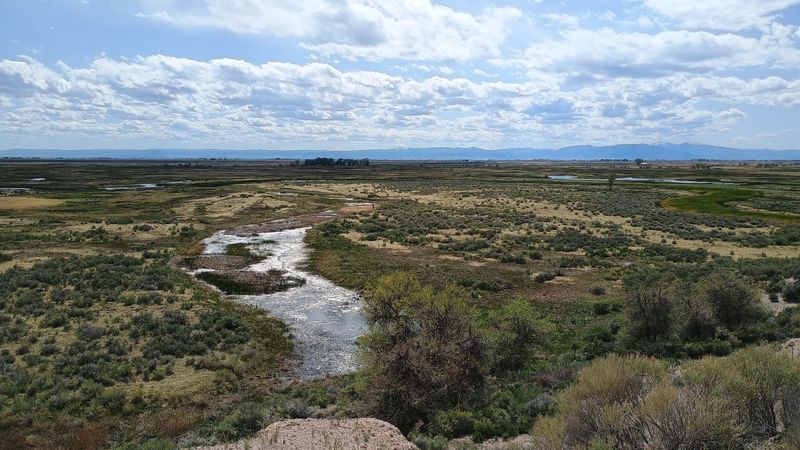
Not every fall outing needs to satisfy a committee, though many family calendars seem determined to become one. Alamosa National Wildlife Refuge has a practical advantage: its main rewards are easy to understand.
Look around, move slowly, watch for wildlife, and let the valley do its quiet work.
Families may appreciate that the experience can be adjusted to attention spans. A short stop for viewing wildlife can still feel worthwhile, while curious kids can spend longer scanning water, trees, and open ground.
Couples get a calm shared activity that does not require dressing up, booking ahead, or pretending a two hour wait is part of the fun.
Solo visitors can use the refuge as a reset button, especially with a camera, binoculars, or just a willingness to be still. Weekend travelers passing through southern Colorado can fold it into a broader San Luis Valley trip without turning the day into a logistics puzzle.
Alamosa National Wildlife Refuge is not built around spectacle on command. Its appeal is steadier than that.
The place asks visitors to trade constant motion for attention, which is a surprisingly hard bargain until the phone stays in a pocket for ten whole minutes.
How To Make It A Simple Saturday Detour
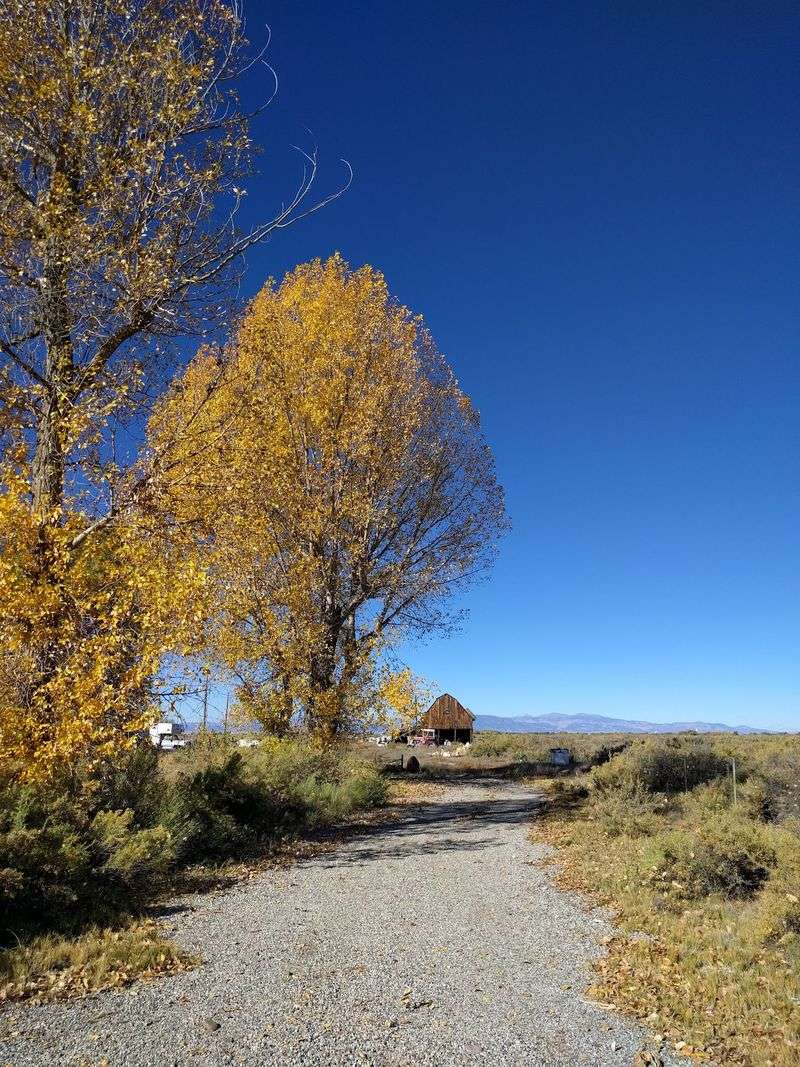
A good mini outing should not require three chargers, two apps, and a debate about footwear. For a simple Saturday detour, start with the verified visitor center address: 7824 El Rancho Lane, Alamosa, CO 81101.
From there, follow current refuge signs and posted guidance for public access areas, roads, and any seasonal closures.
Before leaving, check the official Alamosa National Wildlife Refuge page for current hours, visitor center availability, road conditions, and trail updates. The visitor center has weekday hours listed in current mapping information, while outdoor access can depend on refuge rules and seasonal wildlife protection needs.
That small check saves the day from becoming a shrug in a parking area.
Pack the basics: water, layers, sun protection, and binoculars if bird watching is part of the plan. Fall in Colorado can make a person feel both overdressed and underprepared in the same afternoon, which is almost a state hobby.
Keep expectations flexible. A quick stop while already in Alamosa can be enough, but patient visitors often get more from the refuge by moving slowly and watching edges, water, and open fields.
The Fall Escape Is Really About Paying Attention
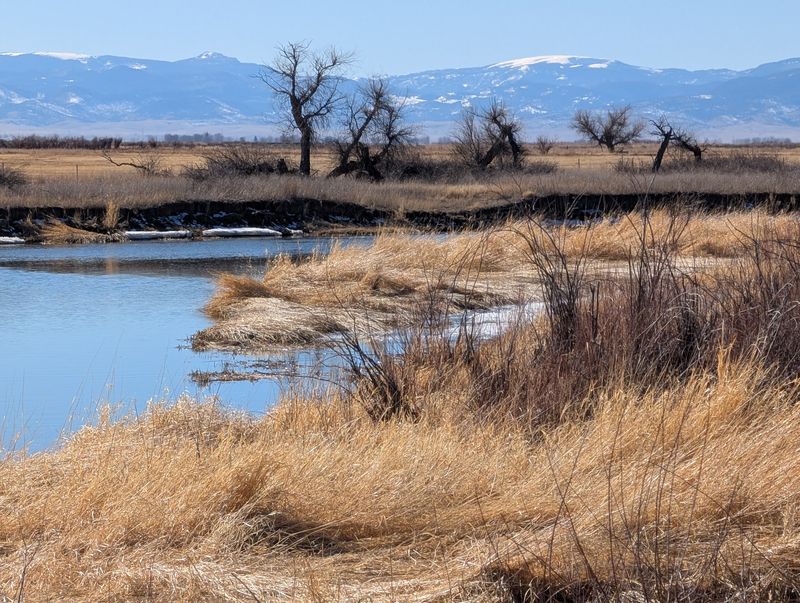
By the end of a visit, Alamosa National Wildlife Refuge makes a quiet argument for doing less. Not nothing, exactly.
More like doing one thing at a human pace: watching a landscape that keeps moving even when it appears still.
That is the strongest reason to keep this refuge in mind for fall. The San Luis Valley gives Colorado travelers a different kind of scenery than the usual mountain town postcard, and the refuge adds purpose to the view.
Wetlands, river habitat, open uplands, and migratory bird use are not decorative extras. They are the reason the place exists.
Alamosa National Wildlife Refuge suits people who want a peaceful outing without turning nature into a checklist. There may be birds.
There may be long pauses between sightings. Both are part of the arrangement.
The refuge is free of the usual pressure to consume, hurry, or prove that the day was impressive enough.
For families, couples, professionals needing a reset, and road trippers crossing southern Colorado, that restraint is the gift. It is open space with a job, calm without being empty, and interesting without waving its arms for attention.
Text a friend this: bring binoculars, bring a jacket, and do not rush the quiet part at Alamosa National Wildlife Refuge.