
This Gorgeous State Park In Washington Will Melt Your Worries Away
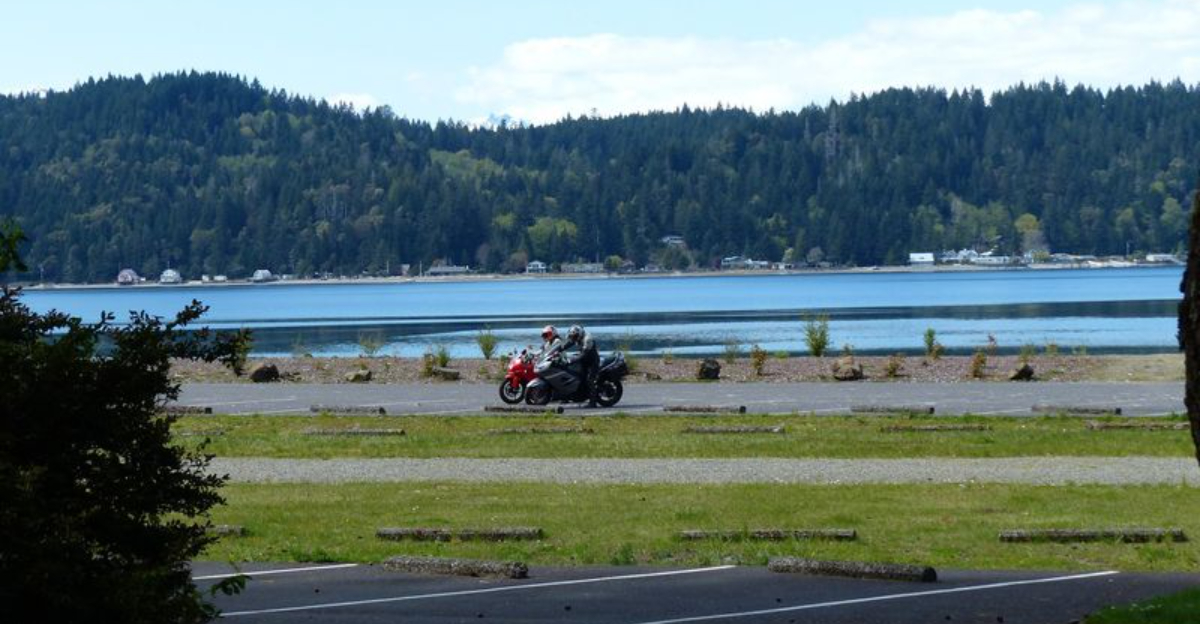
My therapist once told me I need to find more “grounding experiences,” which sounded suspiciously like a veiled insult until I visited this place. Let me be clear: I am not an outdoors person.
My idea of roughing it is ordering takeout instead of cooking dinner. Yet here I was, standing in the middle of a stunning Washington state park wondering if I’d accidentally wandered into a nature calendar photoshoot.
The water sparkled like it had something to prove, and the pine trees swayed with the confidence of things that have been here for centuries and will continue Existing long after we’re all watching Netflix in our collective graves.
Whatever worries had been melting my brain into anxiety soup suddenly seemed very small and very far away. Sometimes the universe gives you exactly what you didn’t know you needed, and sometimes that comes with excellent hiking trails.
A History Written In Stone, Brick, and Log
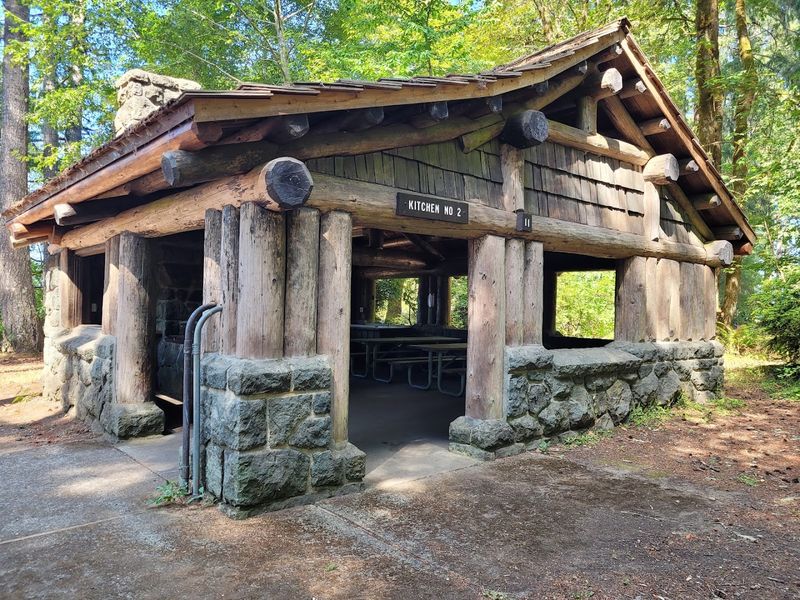
I kept stopping to run my hands along the stone walls and log structures scattered throughout the grounds. These were not decorations. They were built by the Civilian Conservation Corps during the 1930s, a workforce of young men employed during the Great Depression to shape public lands across the country.
The craftsmanship is remarkable, especially considering the tools and resources available at the time. Brick, stone, and raw timber were shaped into shelters, fireplaces, and gathering spaces that have lasted nearly a century.
In 2014, this collection of CCC-era architecture earned Twanoh a spot on the National Register of Historic Places, a recognition that feels entirely deserved.
The park itself was established on June 9, 1923, and holds a unique distinction as the first Washington state park acquired by purchase rather than donation. Its name traces back to the Twana people, also known as the Skokomish tribe, who called this Hood Canal shoreline home long before any park boundaries existed.
Warm Saltwater Swimming That Actually Surprises You
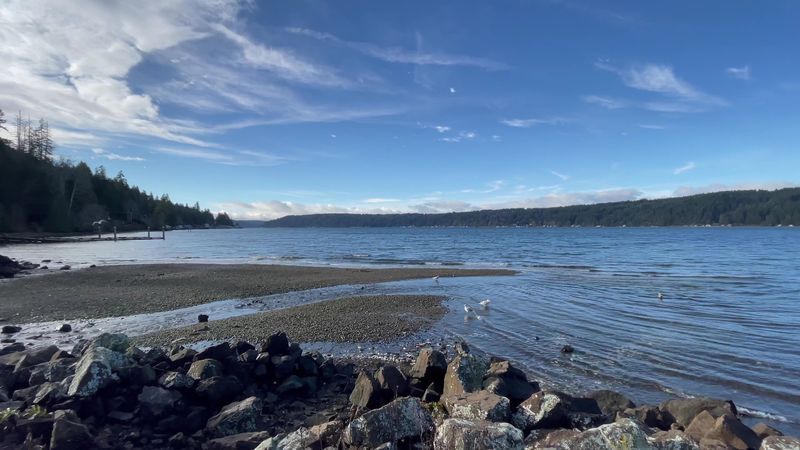
Most people assume that swimming in the Pacific Northwest means bracing yourself for cold water and then pretending you enjoyed it. Twanoh State Park breaks that assumption completely, and I say that as someone who was genuinely skeptical before my first wade in.
Hood Canal is unusually shallow in this area, and its particular microclimate allows water temperatures to climb into the mid-70s Fahrenheit during summer months. That is warm enough to actually enjoy yourself without the dramatic gasping that usually accompanies a Pacific Northwest swim.
The beach is a comfortable mix of sand and small pebbles, so going barefoot does not feel like a punishment.
On the summer afternoon I visited, families had spread towels across the shoreline, kids were splashing without any dramatic cold-water protests, and a few adults were floating on their backs staring up at a cloudless sky.
It felt more like a lake resort than a saltwater state park, and that contrast is a big part of what makes Twanoh so memorable.
Forest Trails That Quiet The Mind
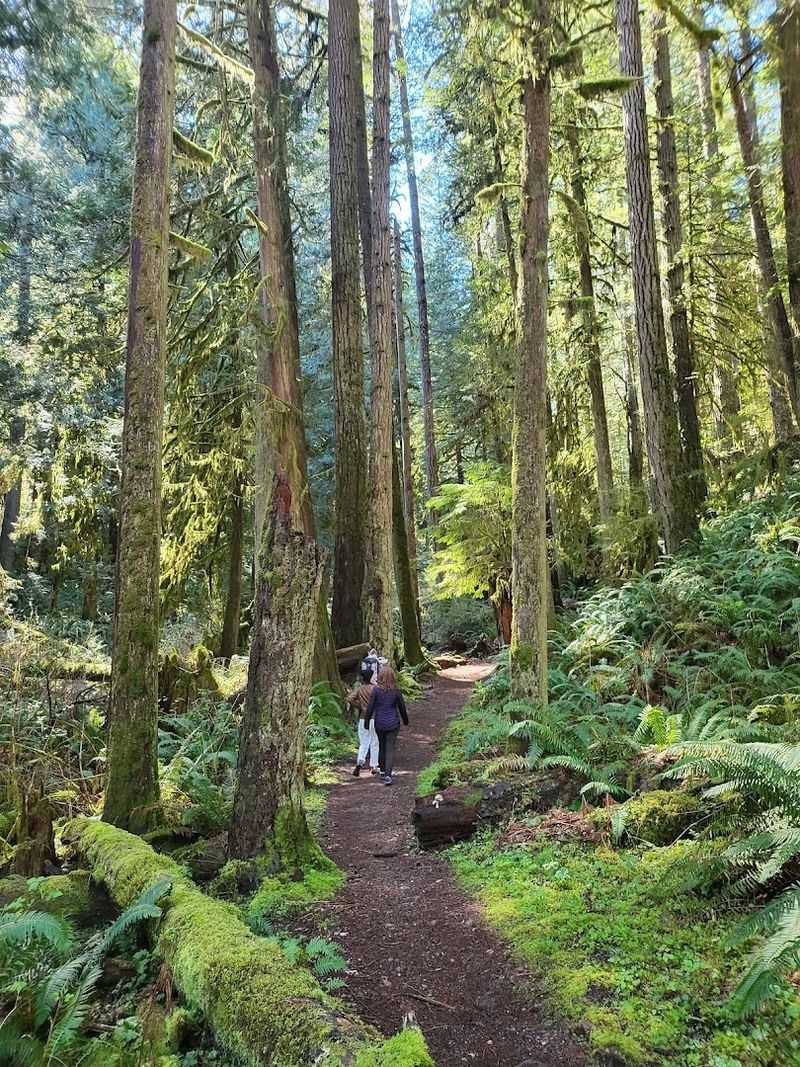
There is a particular kind of quiet that only exists inside an old-growth forest, and the 2.5 miles of trails at Twanoh State Park offer exactly that. The paths wind through towering trees and thick fern cover along Twanoh Creek, and the air carries that unmistakable Pacific Northwest scent of wet bark, damp earth, and cedar.
I took the trail on a weekday morning when the park was not yet busy, and I barely heard anything beyond the creek and the occasional rustle of something small in the underbrush.
The trails are relatively easy and well-maintained, which makes them accessible for families, older hikers, and anyone who simply wants to move through the trees without technical challenge.
What struck me most was how quickly the forest absorbed the mental noise I had carried in from the highway. By the time I looped back toward the beach, I felt genuinely lighter.
Some trails earn that kind of reputation through dramatic scenery, but Twanoh earns it through atmosphere alone.
Shellfish Harvesting On The Hood Canal Shore
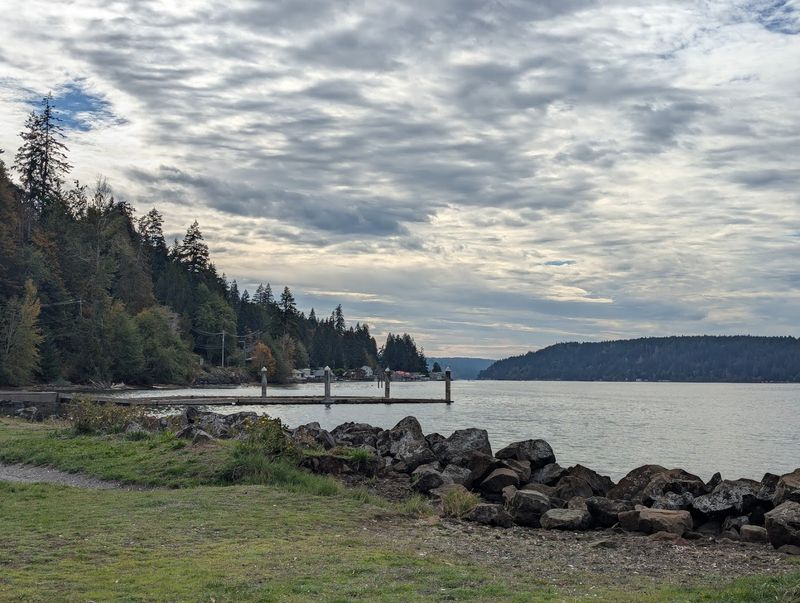
Pulling your own oysters from the shoreline at low tide is one of those experiences that feels almost too good to be real, and Twanoh State Park is one of the places in Washington where that is genuinely possible.
The park’s Hood Canal shoreline is seeded annually with oysters, and clams are also available for harvesting when conditions and seasons allow.
You will need a valid recreational fishing license from the Washington Department of Fish and Wildlife before you start collecting, and checking current season and harvest regulations before your visit is essential. The rules exist to keep the beds healthy, and the park takes that responsibility seriously.
I spent about an hour at low tide poking around the intertidal zone, and even beyond the shellfish, the exploration itself was rewarding.
Hermit crabs, sea stars, and tiny marine creatures tucked into the rocky areas made the whole experience feel like a guided tour of a miniature ocean world. It is hands-on, unhurried, and genuinely fun for all ages.
Boating, Kayaking, And Paddleboarding On Calm Water
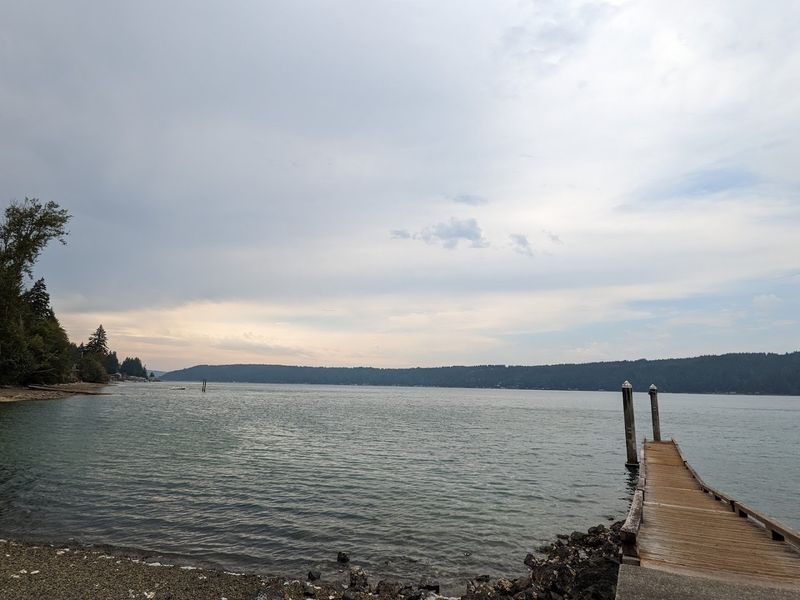
Hood Canal has a long, sheltered shape that keeps the water surprisingly calm, particularly during the morning hours before afternoon winds pick up.
That calmness makes Twanoh State Park an ideal launch point for kayaking and paddleboarding, and I took full advantage of it on a glassy morning when the water looked like a mirror stretched between two forested hillsides.
The park provides a two-lane boat launch, 100 feet of dock, seven mooring buoys, and a marine pumpout station, so arriving by water is just as practical as driving in. Kayakers and paddleboarders tend to share the launch ramp without much friction, and the staff I encountered were helpful and organized.
For boaters staying overnight, the mooring buoys offer a front-row seat to one of the more peaceful settings on Hood Canal.
There is also a primitive waterfront campsite reserved for non-motorized watercraft as part of the Cascadia Marine Trail, which is a thoughtful detail that the paddling community genuinely appreciates.
Camping Under The Trees Year-Round
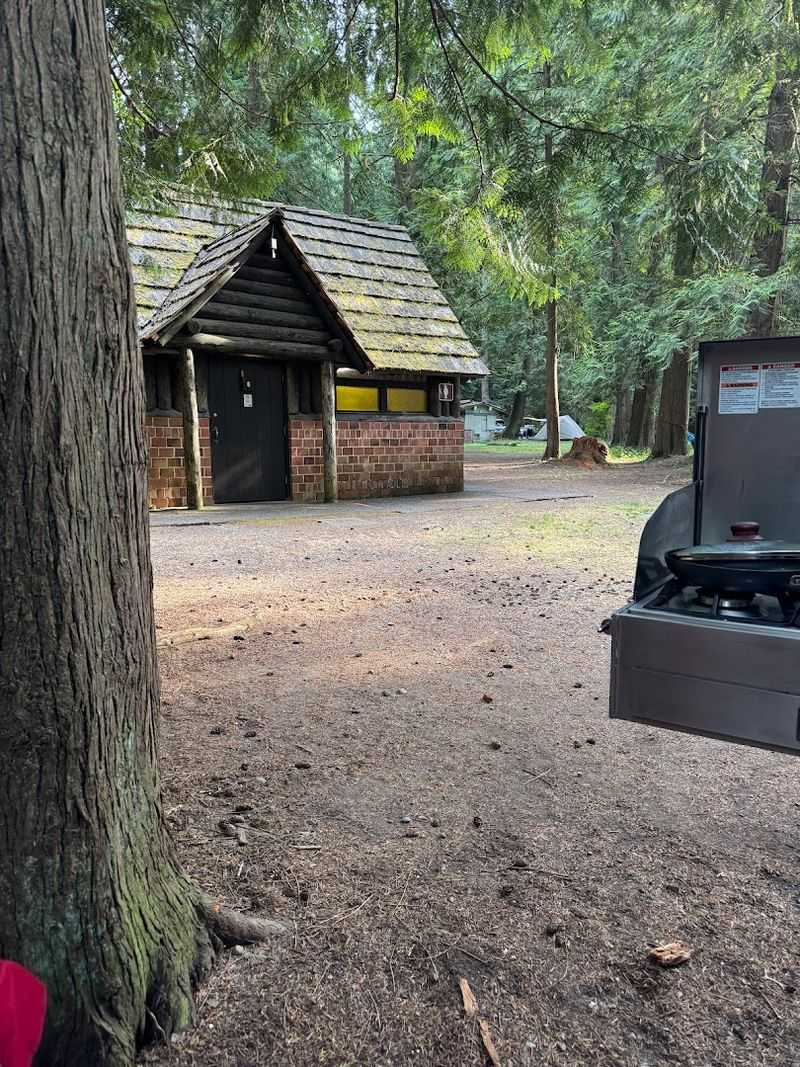
Camping at Twanoh feels like the kind of experience that reminds you why camping exists in the first place. The campground operates year-round, offering 25 standard campsites and 22 full-hookup sites that can handle RVs up to 35 feet long.
The tree cover is dense enough to create that satisfying feeling of being tucked away from the world without actually being far from anything.
Between May 15 and September 15, campsites are reservable, which is worth planning ahead for during peak summer weekends. Outside that window, it is first-come, first-served, and winter visits carry a quiet, uncrowded appeal that regular campers tend to seek out.
The campground host sells packaged firewood, and restrooms with hot showers are available on site.
One important note for future planning: reservations at Twanoh are closed starting June 1, 2026, through spring of 2027 due to a shoreline restoration project. That project will improve the park long-term, but it is worth checking current availability before booking any trips during that window.
Wildlife, Views, And The Quiet Details That Make It Special
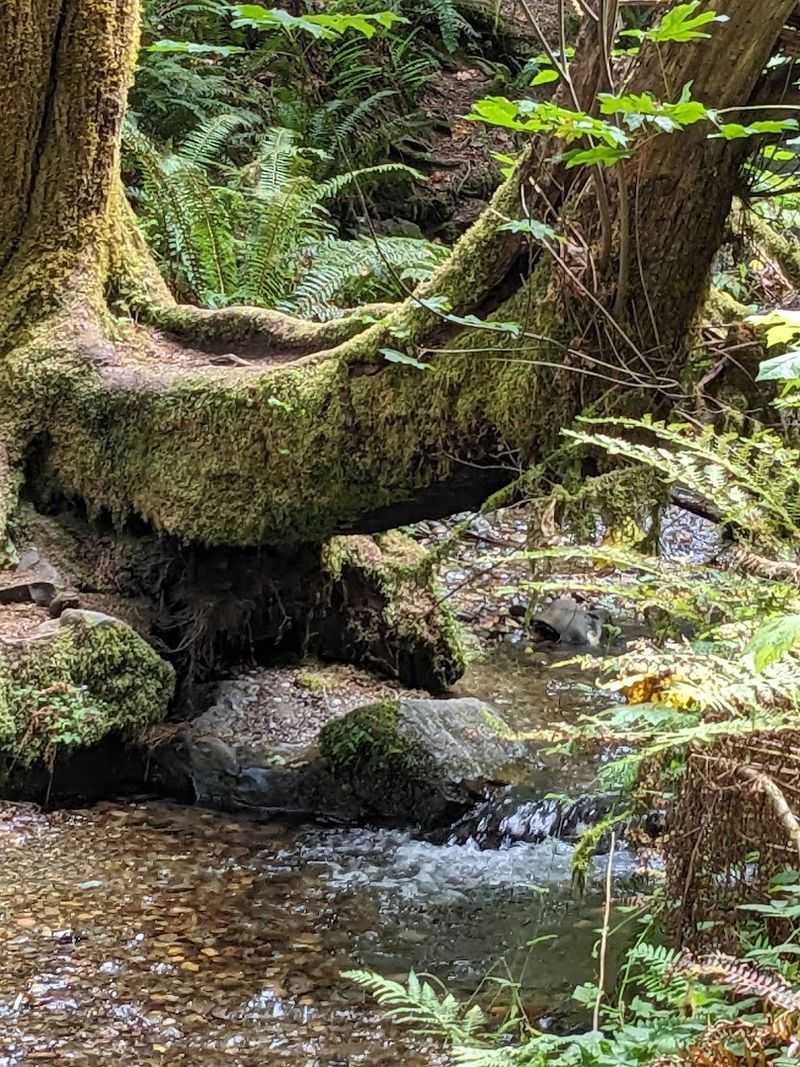
Beyond the beach and the trails, Twanoh State Park rewards the kind of visitor who slows down enough to notice the smaller things. Deer wander through the campground with a casual confidence that suggests they have long since decided humans are mostly harmless.
In late fall, chum salmon run through Twanoh Creek, and watching them push upstream is one of those quietly extraordinary moments that costs nothing and sticks with you.
The views of Hood Canal stretching toward the Olympic Mountains are the kind that make you reach for your phone and then put it back down, because no photo quite captures the scale or the stillness.
The intertidal zone holds sea stars and hermit crabs that delight kids and adults equally, and the 3,167 feet of saltwater shoreline means there is always a spot to find some solitude.
Picnic tables, barbecue grills, volleyball, tennis, and horseshoe pits round out the amenities for those who want more structured activity. A Discover Pass is required for day-use vehicle access, so keep that in your wallet before you arrive.
Picnic Spots And Pavilions That Bring People Together
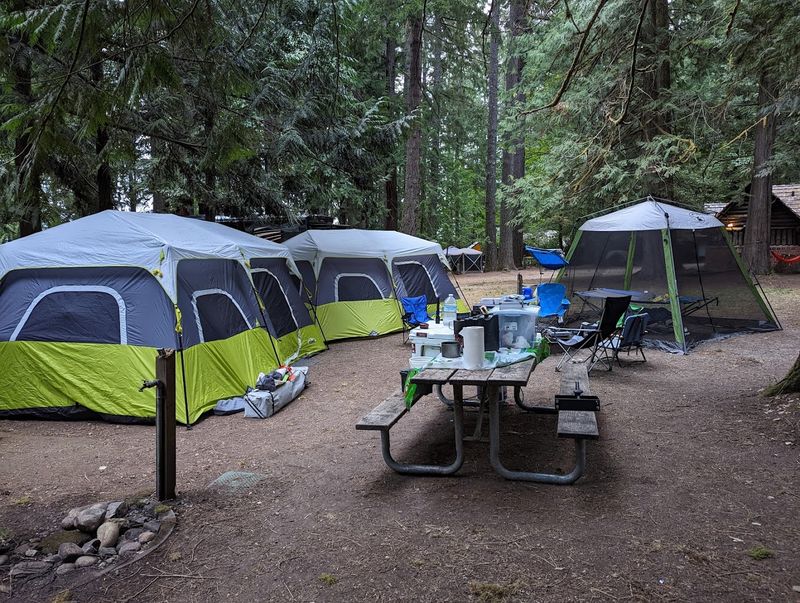
Some of the best moments at Twanoh happen not on the water or the trails, but right at the picnic tables scattered beneath the trees. The park has beautifully maintained pavilions and open-air shelters, many of them built by the Civilian Conservation Corps in the 1930s.
Weathered stone and sturdy timber give them a warmth that modern structures rarely match.
Families spread out here on summer weekends, and the atmosphere feels relaxed rather than crowded. Reserving a covered shelter ahead of time is a smart move during peak season. Even a simple lunch tastes better when the Hood Canal is sparkling just a few feet away.
There is something wonderfully old-fashioned about eating outside here, with the trees overhead and the water close enough to keep pulling your eyes away from the table. The setting turns an ordinary picnic into the kind of slow afternoon people remember after the cooler is packed up.
Kids can wander, adults can settle in, and everyone gets that rare feeling of having nowhere better to be. It is simple, peaceful, and exactly the kind of park moment that makes Twanoh feel so easy to love.