
This Hidden Florida Highway Feels Like A Journey Through Europe
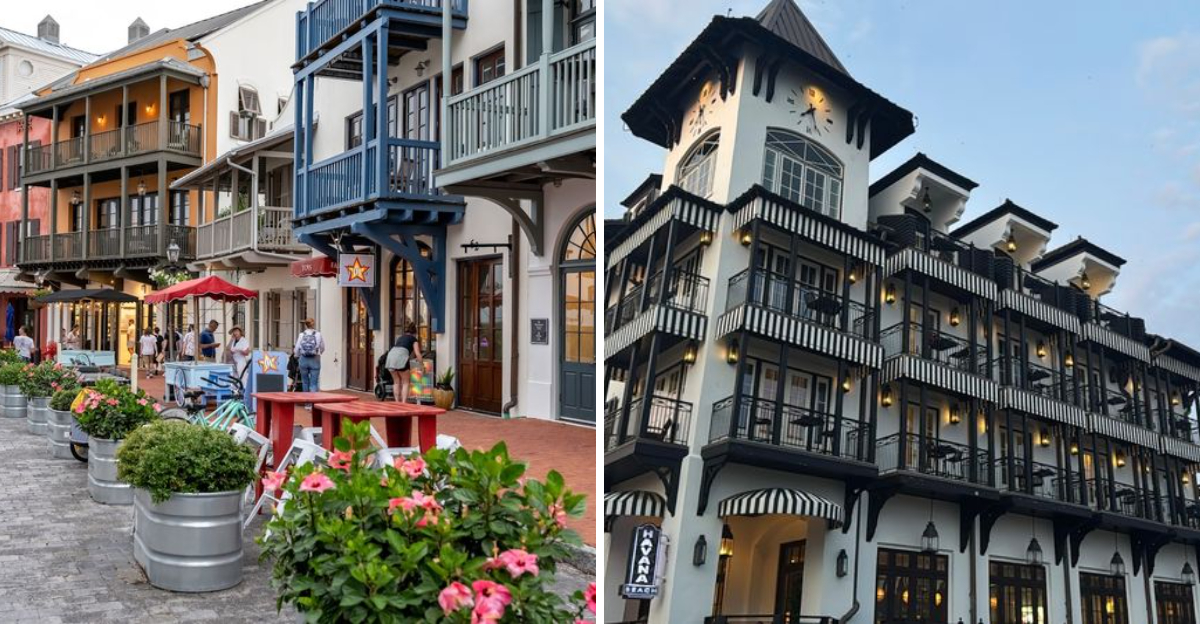
This Florida beach town has a habit of making people check their location twice.
The white sand says Florida.
Everything else feels like Europe.
Cobblestone streets wind between elegant buildings. Wrought-iron balconies overlook quiet courtyards.
Hidden pathways lead to cafés, shops, and plazas that look like they belong on another continent entirely.
Then you catch a glimpse of the Gulf.
And suddenly it all makes sense.
Rosemary Beach is one of those rare places that feels completely different from the Florida most people expect. There are no giant neon signs.
No endless strip malls. No rush to get anywhere.
Instead, visitors slow down.
They wander.
They explore.
And before long, they find themselves wondering why they didn’t discover this place sooner.
For travelers searching for a more charming, walkable, and surprisingly European side of Florida, Rosemary Beach feels like one of the state’s most delightful surprises.
Architecture Borrowed From Distant Shores
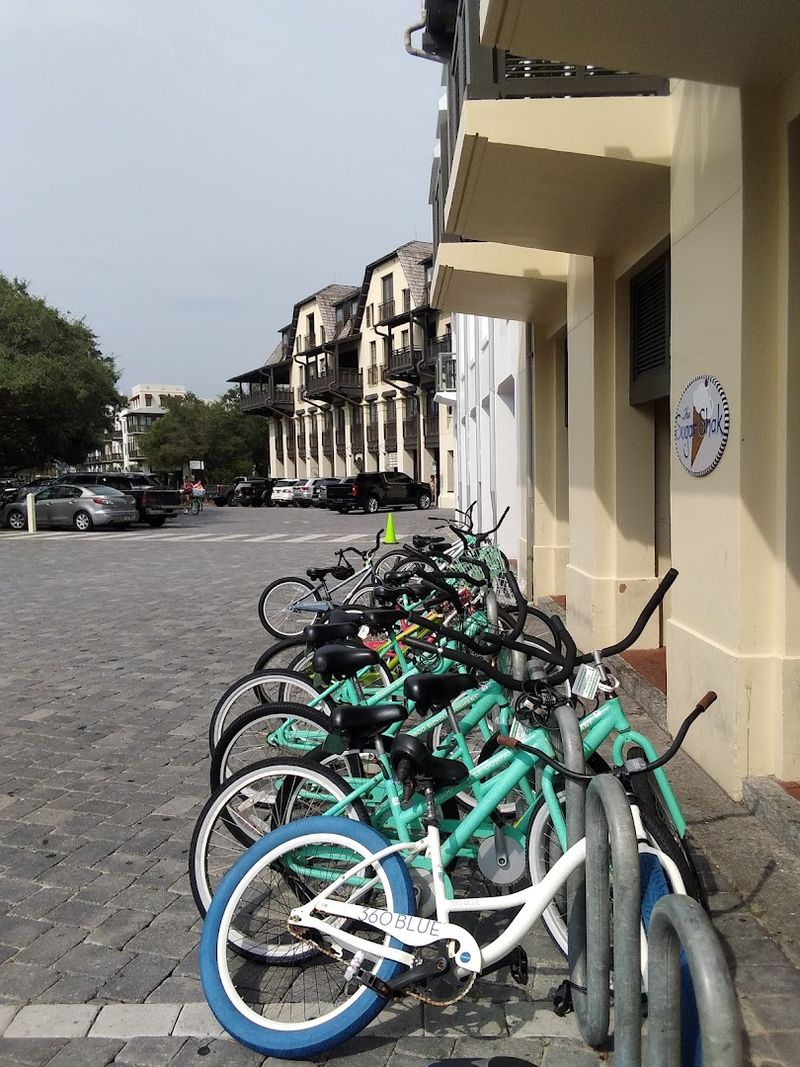
Strolling through Rosemary Beach, I kept forgetting I was still in the Florida Panhandle because every building looked like it had been airlifted from a village along the Amalfi Coast.
The New Urbanism design philosophy here borrowed heavily from European and Caribbean towns, creating narrow streets, hidden courtyards, and buildings that sit close together in a way American suburbs usually avoid. Carriage houses perch above street-level shops, balconies jut out with ornate railings, and every corner reveals another archway or covered passage that invites exploration.
I noticed how the architecture forces you to slow down and actually look around instead of speeding past in a car.
Pastel pinks, creamy yellows, and soft blues wash across the facades, while red tile roofs and wooden shutters complete the old-world effect.
Walking these streets feels like participating in a European vacation without the jet lag, and I found myself taking photos of doorways and staircases just because they looked too charming to ignore.
Coastal Highway With Continental Flair
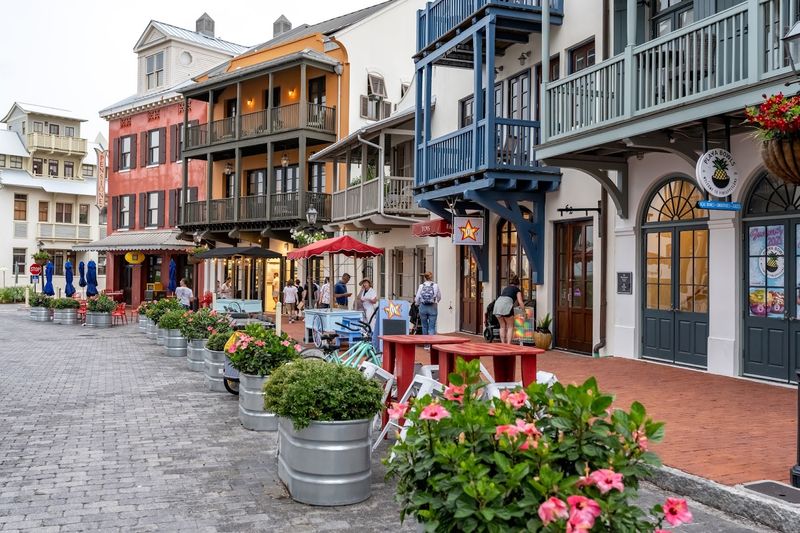
Highway 30A curves along the Gulf Coast like a ribbon someone laid down without much concern for straight lines, and that gentle meandering pace sets the tone for everything around it.
I drove this route expecting typical beach highway chaos, but instead found a two-lane road where the speed limit stays low and the scenery demands frequent pullover stops. Rosemary Beach sits right along this stretch, bisected by the highway in a way that makes the community feel integrated with the coast rather than hidden behind it.
The road itself feels more like a French coastal route than a Florida thoroughfare, with bike lanes, pedestrian crossings, and an atmosphere that prioritizes strolling over rushing.
Cafes and boutiques line sections of 30A, their outdoor seating spilling onto sidewalks in a decidedly European fashion.
I watched cyclists pedal past in both directions, families crossed with beach gear, and drivers actually waved at pedestrians instead of honking.
This highway proves that American roads can encourage community interaction when designed with people in mind instead of just cars.
Town Squares That Encourage Lingering
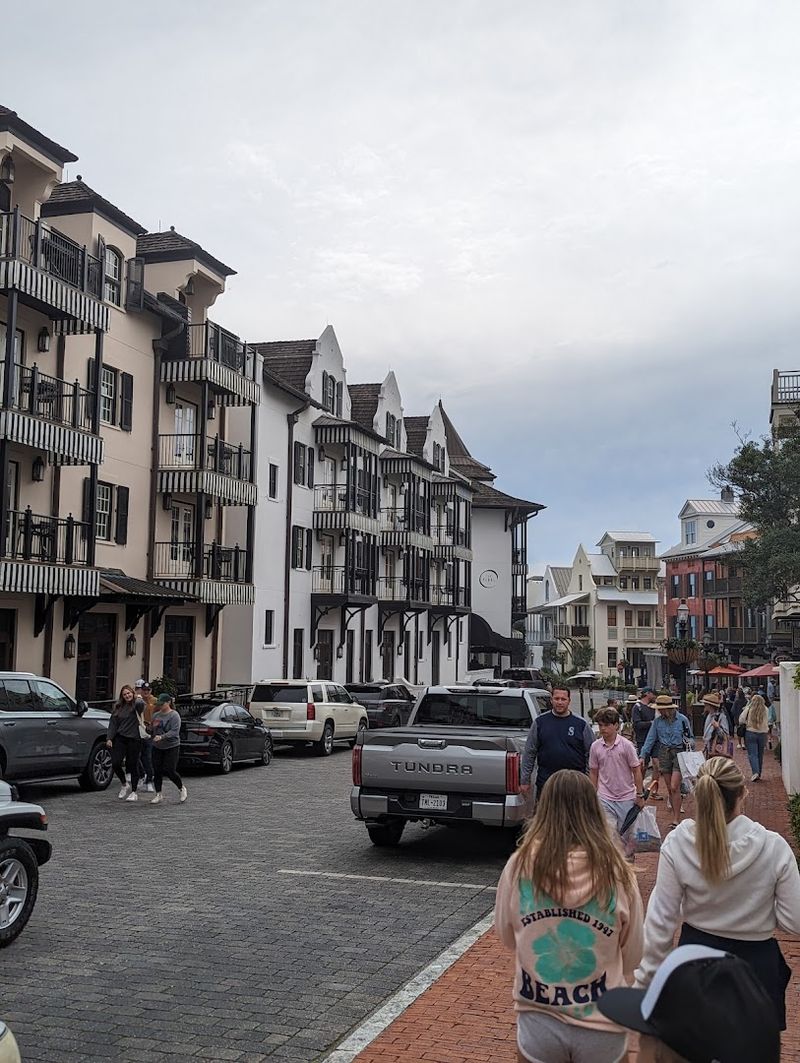
Rosemary Beach scatters small plazas and gathering spaces throughout the community, each one designed to make you want to sit down with a coffee and people-watch for an hour.
I found myself drawn to these squares because they felt genuinely functional rather than decorative, with shaded benches, central fountains, and enough foot traffic to create that pleasant urban hum you find in European piazzas. The town center plaza became my favorite spot, where brick pavers radiate outward from a central feature and surrounding buildings create an enclosed, intimate feel.
Unlike the vast, empty plazas common in American developments, these spaces stay human-scaled and actually get used by locals and visitors throughout the day.
I watched kids chase each other around the fountain while their parents chatted on benches, exactly the kind of spontaneous community interaction these spaces were designed to foster.
The European influence shows in how the squares connect to surrounding streets, creating natural gathering points rather than isolated parks.
Sitting there, I understood why good urban design matters so much to daily quality of life.
Pedestrian Pathways Over Parking Lots
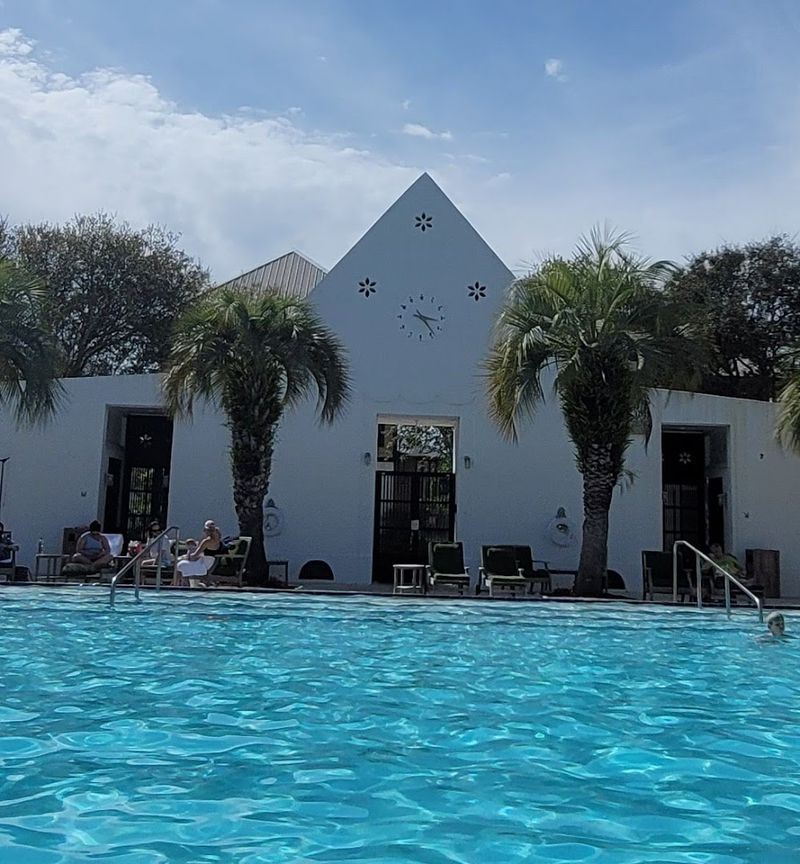
Walking became my preferred transportation method in Rosemary Beach because the community actually rewards exploring on foot instead of punishing it.
The designers created a network of pedestrian-only passages, covered walkways, and narrow lanes where cars simply cannot go, giving priority to people in a way that feels revolutionary for modern American development. I discovered hidden courtyards, shortcuts between streets, and shaded arcades that only revealed themselves when I abandoned my car and started wandering.
This pedestrian-first approach mirrors old European towns where streets evolved for foot traffic and horse carts rather than SUVs.
Brick and stone paving underfoot adds texture and slows your pace naturally, while the buildings lean in close enough to create shade and shelter without feeling claustrophobic.
I noticed how these pathways connect residential areas to commercial zones seamlessly, making it genuinely convenient to walk to dinner or the beach.
Parking exists but stays tucked away in less prominent spots, reversing the typical American pattern of front-and-center parking lots surrounded by afterthought sidewalks.
Gulf Coast Views With Riviera Vibes
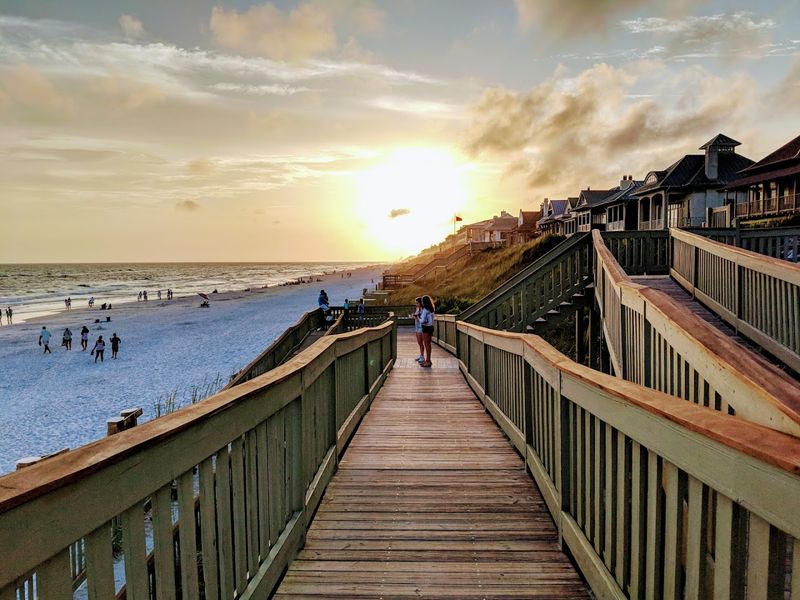
The beach access points in Rosemary Beach feature boardwalks and pavilions that look more like something you would find in Nice than Northwest Florida.
I walked down wooden pathways flanked by sea oats and native vegetation, emerging onto sugar-white sand that stretches toward emerald water in both directions. The Gulf Coast delivers the natural beauty, but the community enhances it with thoughtful design that feels European in its restraint and elegance.
Beach pavilions offer shaded gathering spots with architectural details that match the town’s overall aesthetic, avoiding the generic concrete bunkers common at other beach access points.
I spread out my towel and watched the waves roll in, struck by how the combination of natural setting and intentional design creates something greater than either element alone.
The beaches here stay relatively uncrowded compared to other Panhandle destinations, partly because Rosemary Beach controls access and maintains a quieter, more refined atmosphere.
Sitting there watching the sunset paint the sky, I felt transported to a Mediterranean coastline despite being firmly planted in Florida sand.
Boutique Shopping In Compact Quarters
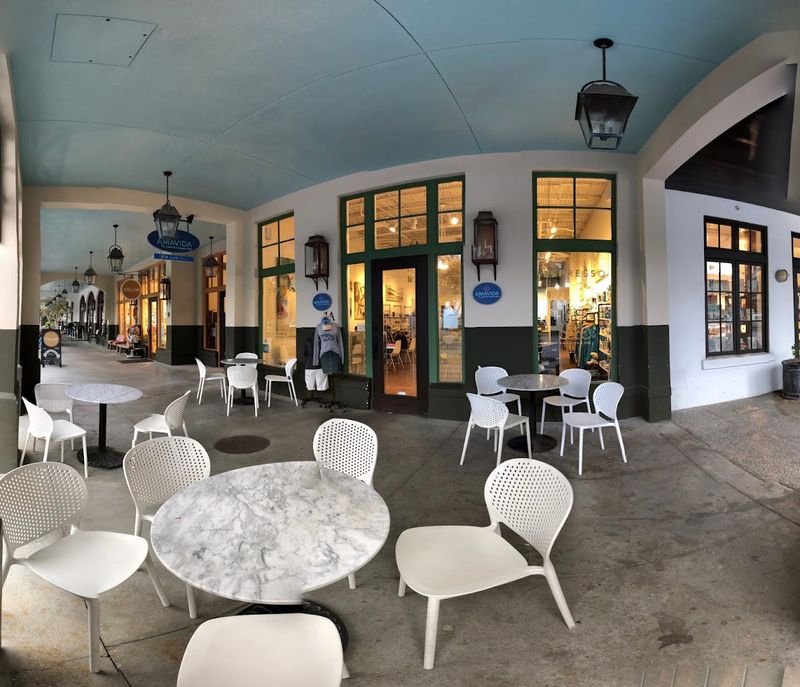
Shopping in Rosemary Beach happens in small, independently-owned boutiques tucked into street-level spaces beneath residential units, exactly like you find in French or Italian coastal towns.
I browsed through shops selling beachwear, home goods, jewelry, and art, each one occupying maybe 800 square feet and relying on personality rather than square footage to attract customers. The retail spaces integrate into the community fabric instead of dominating it, with display windows that open directly onto sidewalks and encourage casual browsing.
I appreciated how the scale stays intimate and walkable, letting you visit multiple shops without getting back in your car or hiking across massive parking lots.
Store owners often work their own counters, creating personal interactions that feel authentic rather than scripted.
The European influence shows in how retail, dining, and residential uses mix freely within the same buildings and blocks, creating the vibrant street life that single-use zoning typically destroys.
I found myself buying things I did not need simply because the shopping experience felt so pleasant and human-scaled compared to the usual big-box alternative.
Dining Spaces That Spill Outdoors
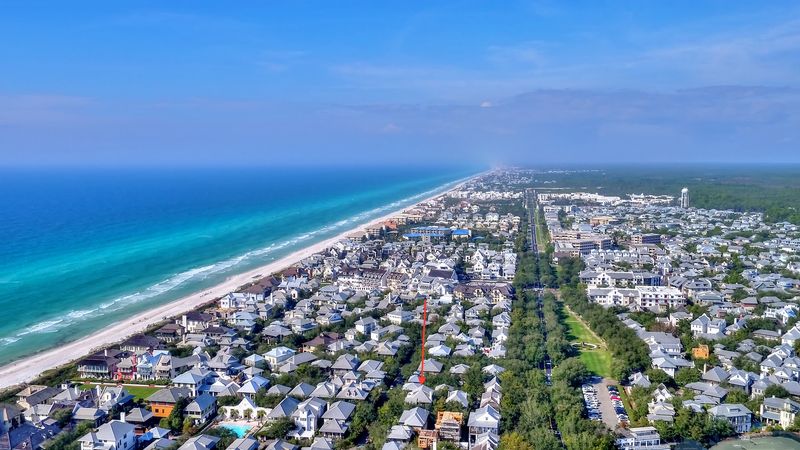
Restaurants in Rosemary Beach embrace outdoor dining with an enthusiasm that feels distinctly Mediterranean, placing tables on sidewalks, balconies, and courtyards wherever space allows.
I ate most of my meals outside during my visit, enjoying the people-watching and pleasant Gulf breeze that made indoor dining seem wasteful. The climate certainly helps, but the community design actively encourages this outdoor dining culture through wide sidewalks, covered arcades, and plaza spaces that restaurants can claim for seating.
I noticed how diners become part of the street scene rather than hidden away inside, creating the kind of urban vitality you find in European cities where cafe culture thrives.
Tables cluster under umbrellas, string lights illuminate evening meals, and the boundaries between restaurant space and public space blur in the best possible way.
Servers navigate between indoor kitchens and outdoor tables with practiced ease, while diners linger over meals without feeling rushed.
Eating outside here feels like the natural choice rather than a special occasion, and I found myself stretching meals longer just to soak in the atmosphere and watch the community flow past.
New Urbanism Principles In Practice
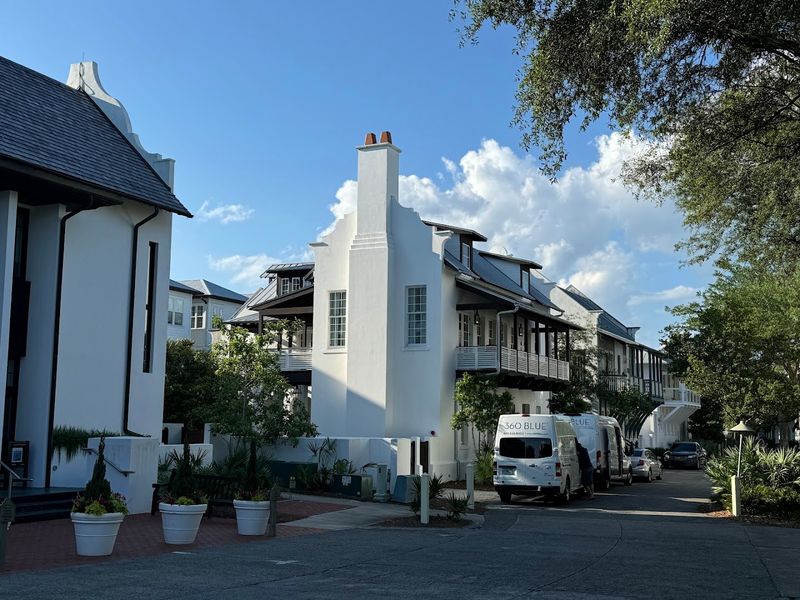
Rosemary Beach serves as a living example of New Urbanism planning principles, demonstrating how communities can prioritize people over cars without sacrificing modern conveniences.
I studied urban planning in college and spent years reading about these concepts, but walking through Rosemary Beach let me experience them firsthand in ways textbooks never could. The development incorporates mixed-use buildings, diverse housing types, walkable streets, and public gathering spaces according to traditional neighborhood design principles that predate car-dependent suburban sprawl.
I observed how these elements work together to create genuine community interaction, with neighbors encountering each other naturally during daily activities rather than isolating in separate-use zones.
The grid street pattern, short block lengths, and connected pathway network make navigation intuitive and encourage walking for practical purposes rather than just recreation.
Front porches, narrow setbacks, and street-facing entrances foster the kind of casual social contact that suburban cul-de-sacs actively prevent.
Watching Rosemary Beach function as intended convinced me that better community design remains possible when developers commit to principles beyond maximizing density and parking ratios.
Seasonal Rhythms Along The Coast
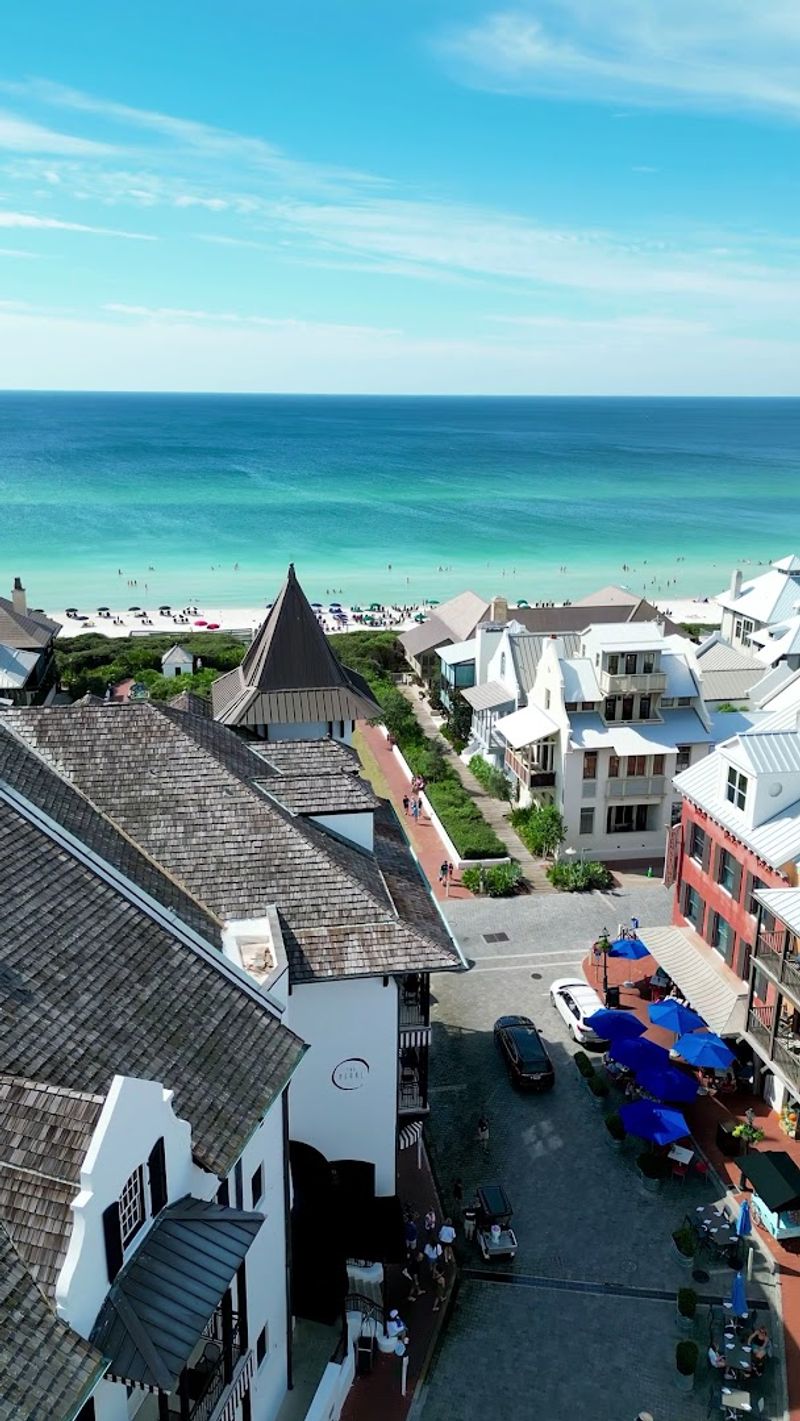
Visiting Rosemary Beach during different seasons revealed how the community transforms while maintaining its essential character throughout the year.
I first arrived in summer when families packed the beaches and every restaurant required reservations, then returned in fall when the crowds thinned and a quieter, more local vibe emerged. The European atmosphere actually strengthens during shoulder seasons when you can stroll the streets without navigating tourist bottlenecks, and the Gulf water stays warm enough for swimming well into October.
Winter brings cooler temperatures but also festivals, holiday decorations, and a cozy charm that makes outdoor dining under heat lamps feel perfectly reasonable.
Spring arrives early here, with flowers blooming in February and beach weather returning before most of the country thaws out.
I learned to appreciate how the community adapts to seasonal changes without losing its identity, offering different experiences depending on when you visit.
The 30A corridor stays active year-round thanks to a growing population of full-time residents who ensure restaurants and shops remain open even during slower months.
Preserving Scale In A Growing Region
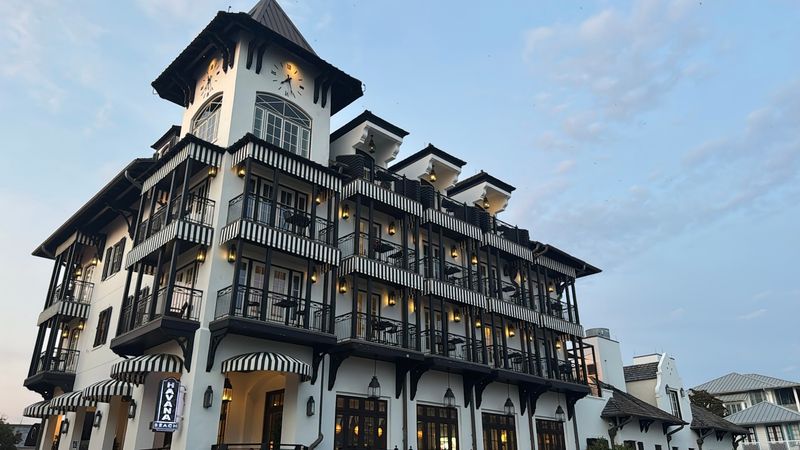
Rosemary Beach maintains its intimate European character despite sitting in a region experiencing explosive growth and development pressure.
I watched construction cranes dot the horizon along other parts of 30A, where high-rise condos and sprawling resort complexes threaten to overwhelm the area’s original low-key charm. Rosemary Beach resists this trend through strict architectural guidelines, height restrictions, and a commitment to the original New Urbanism vision that prioritized quality over quantity.
The community covers only about 100 acres, staying deliberately compact and walkable instead of sprawling outward to accommodate more units.
I appreciated how this restraint preserves the pedestrian scale and prevents the kind of density that would destroy the very atmosphere that makes the place special.
Buildings max out at a few stories, maintaining sight lines to the Gulf and keeping the skyline human-scaled.
Green spaces, courtyards, and parks interrupt the built environment, providing breathing room and natural gathering spots.
Walking through Rosemary Beach reminded me that sustainable growth means knowing when to stop expanding and focus on maintaining what already works.