
This Hidden Montana Island Is Home To Wild Horses, Bighorn Sheep, And Bald Eagles
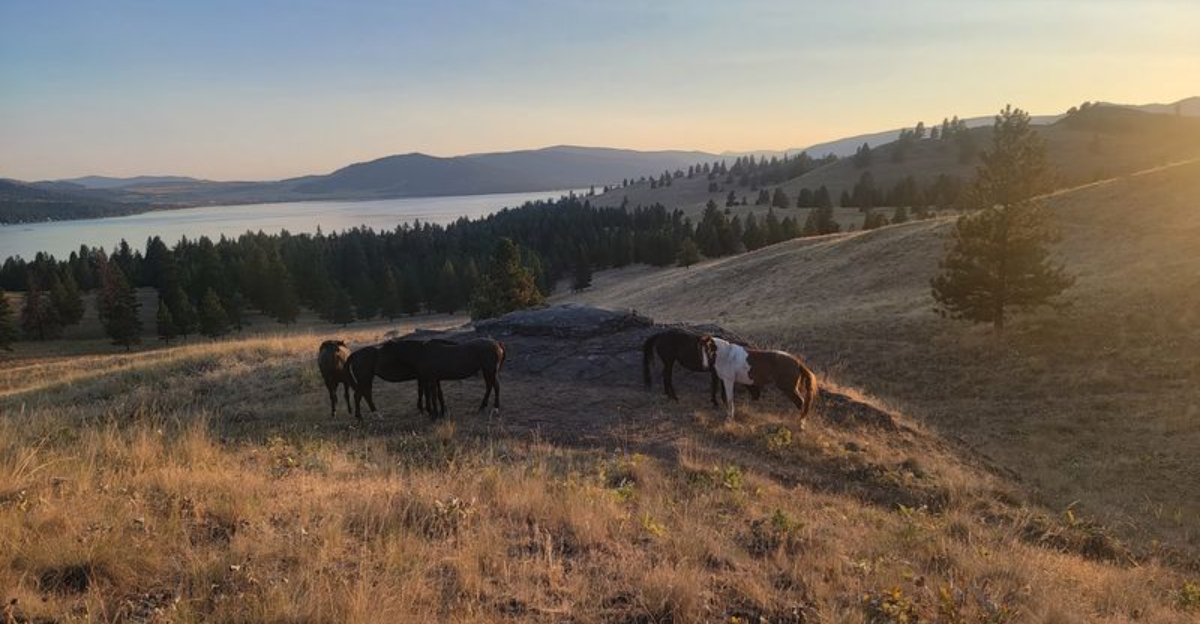
When we think of wild horses, we think of freedom first. Of open ground, fast air, and movement without limits.
When we think of bighorn sheep, we picture stillness and strength. Sharp cliffs, perfect balance, and green slopes that feel untouched and pure.
When we think of bald eagles, we think of sky. Of height, silence, and a kind of calm power that comes only with flight.
Somewhere in Montana, all of this exists in one place. And deep down, we already know what that means.
This is untouched nature, still living on its own terms.
Wild Horses Roaming Free
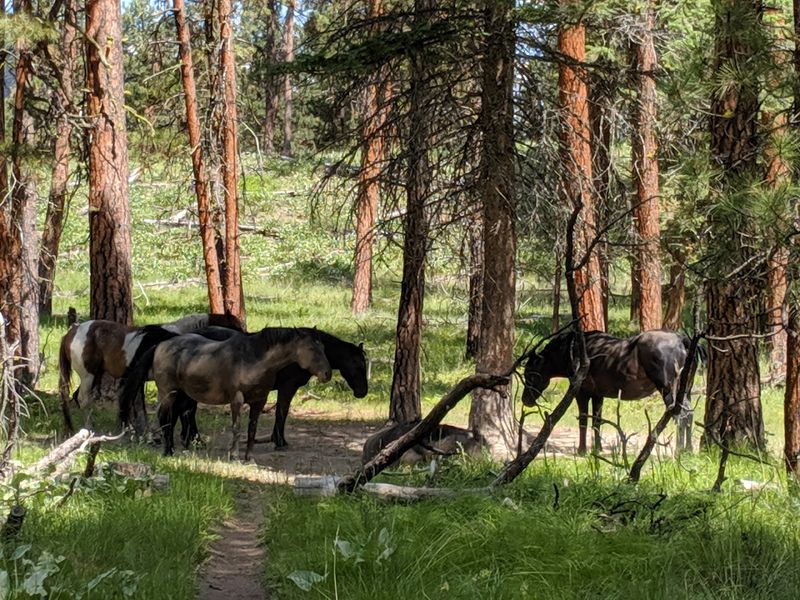
Few things stop you in your tracks quite like spotting a wild horse grazing peacefully on an open hillside. On Wild Horse Island, that moment is absolutely real.
The island’s name is not just a cool label.
It comes from a long and meaningful history tied to the Salish-Kootenai people, who pastured their horses here to keep them safe from theft. The island’s natural boundaries made it the perfect place to protect something precious.
Today, a small herd of wild horses still calls the island home. Seeing them wander freely through the Palouse prairie grasslands is a surreal and humbling experience.
These are not tame horses. They move on their own schedule, graze where they please, and remind every visitor that nature does not need permission to be magnificent.
The best way to spot them is to hike quietly along the island’s trails and scan the open meadows. Early morning visits tend to offer the best wildlife sightings.
Bring binoculars, keep a respectful distance, and resist every urge to approach. Watching wild horses live freely on an island surrounded by Montana’s biggest freshwater lake is the kind of memory that sticks with you forever.
Bighorn Sheep Champions
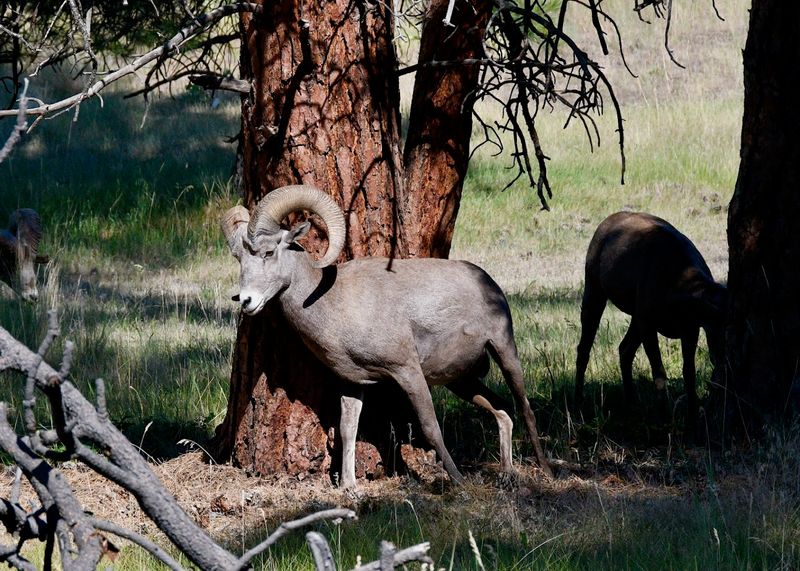
If wild horses are the island’s headliners, bighorn sheep are the unsung legends that completely steal the show. Wild Horse Island has one of the most impressive bighorn sheep populations in the entire state.
First introduced to the island back in 1939, the herd has grown into a thriving community estimated between 160 and 200 animals. That is a lot of horns in one place.
What makes this herd truly remarkable is its track record. Wild Horse Island has produced world-record bighorn rams, and the population has served as a critical source for reintroducing bighorn sheep to other herds across Montana and other western states.
Essentially, this little island has been quietly saving a species for decades.
Spotting bighorn sheep here is almost guaranteed if you spend enough time on the trails. They navigate rocky slopes with casual confidence, balancing on ledges that would make most humans dizzy.
Their thick, curled horns and muscular frames are genuinely impressive up close. Watching a ram stand silhouetted against Flathead Lake is one of those pure, unscripted wildlife moments that no camera can fully capture.
Bald Eagles Owning The Sky
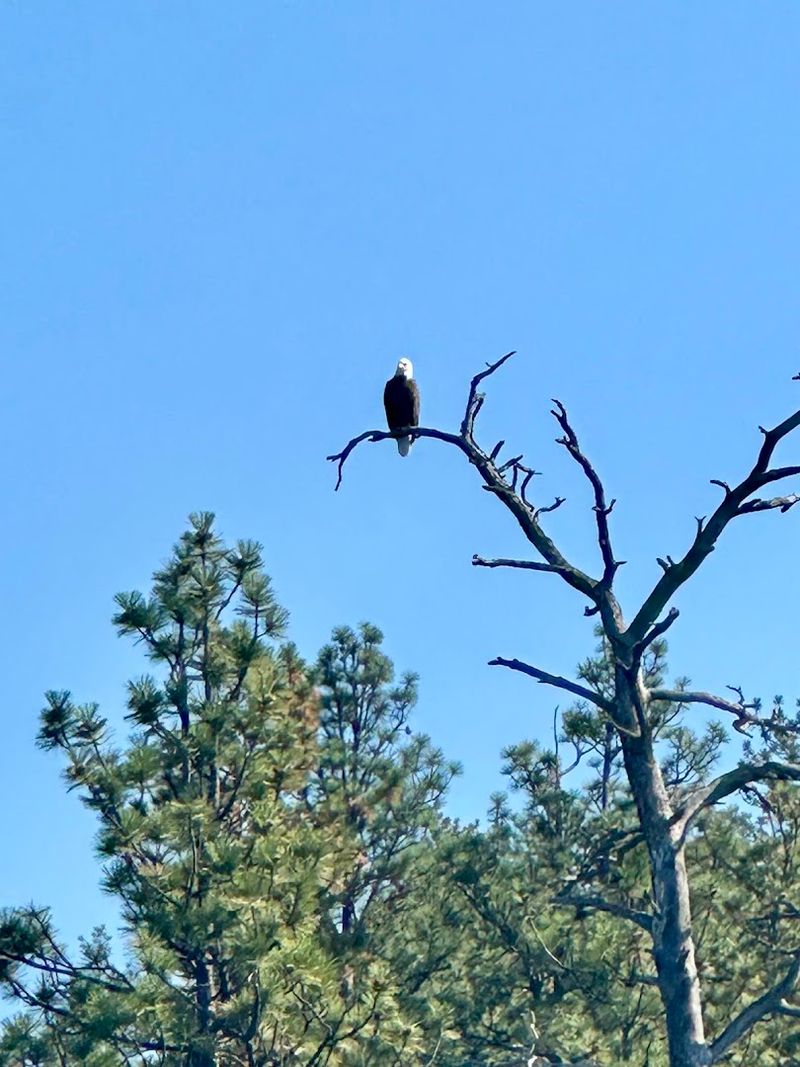
There is something undeniably powerful about watching a bald eagle ride a thermal current high above a glittering lake.
On Wild Horse Island, that scene plays out regularly, and it never gets old. Bald eagles are a resident species in Montana, thriving near large bodies of water where fish are plentiful and the views are excellent.
Flathead Lake checks every single box on their wish list.
These birds are federally protected under the Eagle Act and the Migratory Bird Treaty Act, which means they have been given the respect and legal backing they deserve.
Spotting one perched in an old-growth Ponderosa pine near the shoreline is a genuinely electric moment. Their white heads and intense yellow eyes make them look like they are constantly judging your life choices, and honestly, fair enough.
Birdwatchers visiting the island often describe the bald eagle sightings as a highlight that surpasses even their expectations. Bring a telephoto lens if you have one.
Watching an eagle drop from a high branch and snatch something from the lake surface is a masterclass in natural precision. Wild Horse Island reminds you that some of the best wildlife encounters in America happen far from the famous tourist trails.
Flathead Lake’s Largest Island
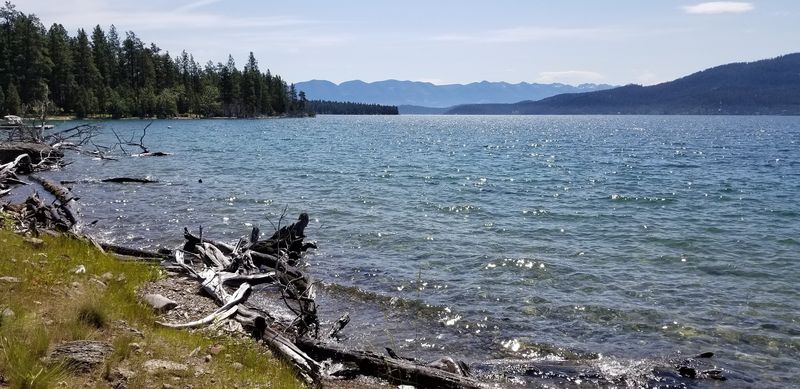
Scale matters when you are talking about Wild Horse Island. At roughly 2,160 acres, this is the largest island on Flathead Lake, which itself holds the title of largest freshwater lake west of Minnesota.
So you are essentially visiting the biggest island on one of the most impressive lakes in the entire western United States. That combination alone is worth the trip.
The island rises dramatically from the lake’s surface, featuring a varied landscape that shifts from open prairie grasslands to dense Ponderosa pine forests.
The terrain is rugged in the best possible way, offering sweeping views of the Mission Mountains and the surrounding lake from almost every high point. It feels like a world completely separate from the mainland, even though the shoreline is only a short boat ride away.
Because the island is only accessible by boat, it maintains a natural quietness that most state parks can only dream about.
There are no roads cutting through the habitat, no parking lots, and no concession stands. Just raw, protected wilderness sitting in the middle of one of Montana’s most beloved natural landmarks.
The sheer size and beauty of Wild Horse Island make it feel like discovering a secret that the rest of the world has not caught up with yet.
Old-Growth Ponderosa Pine Forests
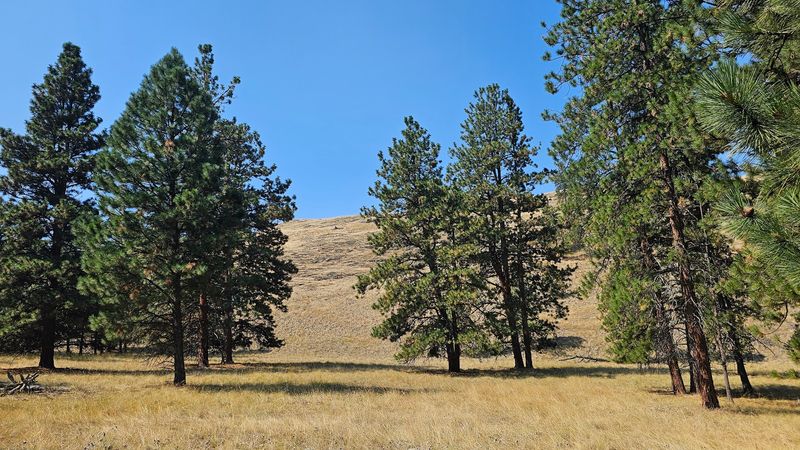
Walking beneath old-growth Ponderosa pines feels like stepping into a cathedral that took centuries to build. Wild Horse Island is home to some genuinely impressive stands of these iconic western trees, their thick, plated bark glowing amber in the afternoon sun.
The smell alone, a warm, vanilla-like scent that rises from the bark on hot days, is worth the boat ride over.
Ponderosa pines are built for endurance. Their thick bark helps them resist fire, and their deep root systems allow them to thrive in the dry, rocky soils that cover much of the island.
Walking through these forests gives you a sense of deep time, of landscapes that have been quietly doing their thing long before anyone thought to name them.
The forest provides critical habitat for the island’s diverse wildlife. Eagles nest in the upper canopy.
Mule deer browse the forest edges.
Songbirds fill the branches with sound from sunrise onward. The Ponderosa pine stands connect seamlessly with the open grasslands, creating a mosaic of habitat types that supports an unusually rich collection of species.
Spending time beneath these trees is a genuinely grounding experience, the kind that resets your internal clock and reminds you what quiet actually sounds like.
Palouse Prairie Grasslands
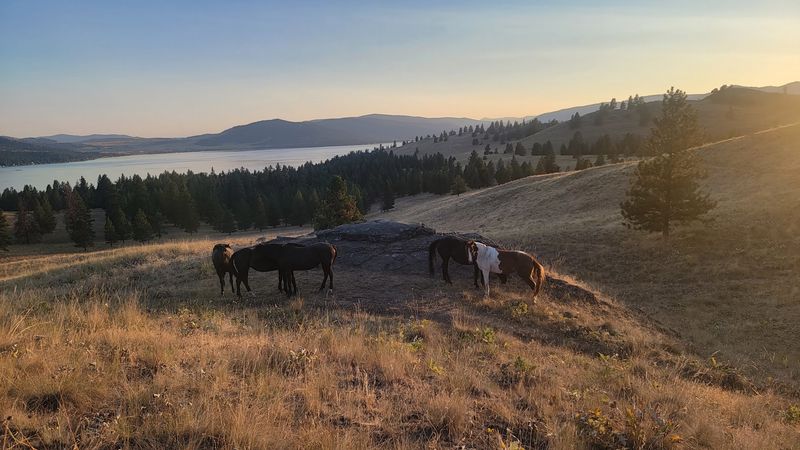
Not many people associate Montana with prairie grasslands, but Wild Horse Island holds one of the state’s last remaining examples of short-grass Palouse prairie.
This is genuinely rare terrain. The Palouse prairie once stretched across large portions of the inland Pacific Northwest, but most of it has been converted to agriculture over the decades.
What survives here on the island is precious and worth protecting.
Walking through these grasslands feels different from hiking through a forest. The openness is expansive and a little bit breathtaking.
Wind moves through the grasses in visible waves. Rare and endangered plant species grow quietly among the more common vegetation, and the whole ecosystem hums with a kind of understated beauty that rewards patient observation.
The grasslands are also prime wildlife habitat. Wild horses graze here naturally.
Bighorn sheep move through the open terrain with ease. Ground-nesting birds use the tall grasses for cover.
The prairie sections of the island offer some of the best panoramic views across Flathead Lake, especially from the higher elevation points.
Standing in the middle of a short-grass prairie on an island in Montana, surrounded by mountains on every horizon, is one of those experiences that makes you want to immediately cancel all future plans and just stay.
Getting There By Boat
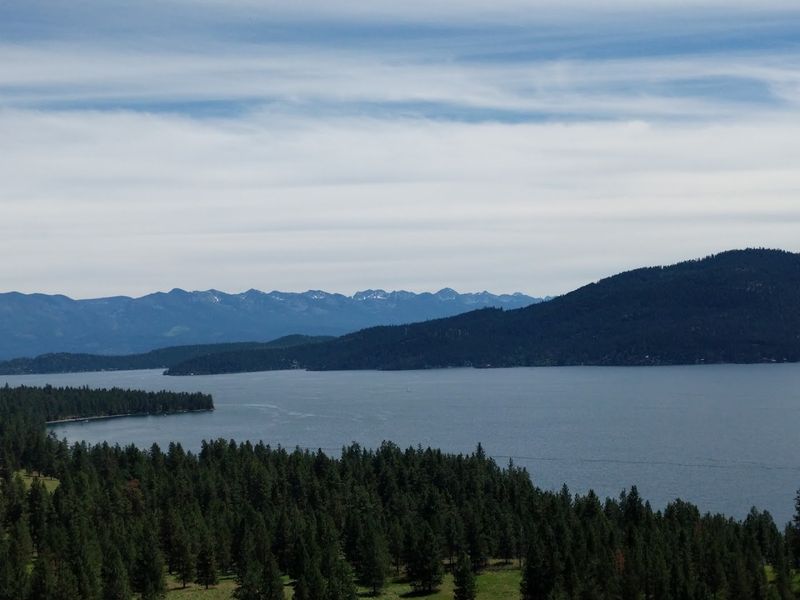
The only way to reach Wild Horse Island is by boat, and that single fact does more for the island’s magic than almost anything else.
There are no bridges, no ferries with set schedules, and no roads leading to a trailhead parking lot. You charter a boat, paddle a kayak, or sail across from the nearby towns of Big Arm or Dayton, and the effort immediately sets the tone for the whole experience.
Boat rentals and guided tours are available near the lake, making the trip accessible even if you do not own your own watercraft.
Kayaking across is popular with more adventurous visitors, offering a slower, more immersive approach to the island.
The crossing gives you time to take in the scale of Flathead Lake, which can feel almost ocean-like on a breezy day with the mountains reflected in the water.
Because Wild Horse Island operates as a day-use park only, camping is not permitted. Visitors arrive, explore, and return to the mainland before dark.
That structure keeps the island’s ecosystem protected and gives every visit a natural beginning and end. Planning your arrival time thoughtfully, especially aiming for early morning when wildlife is most active, will make the whole journey feel intentional and rewarding.
Hiking Trails And Wildlife Viewing
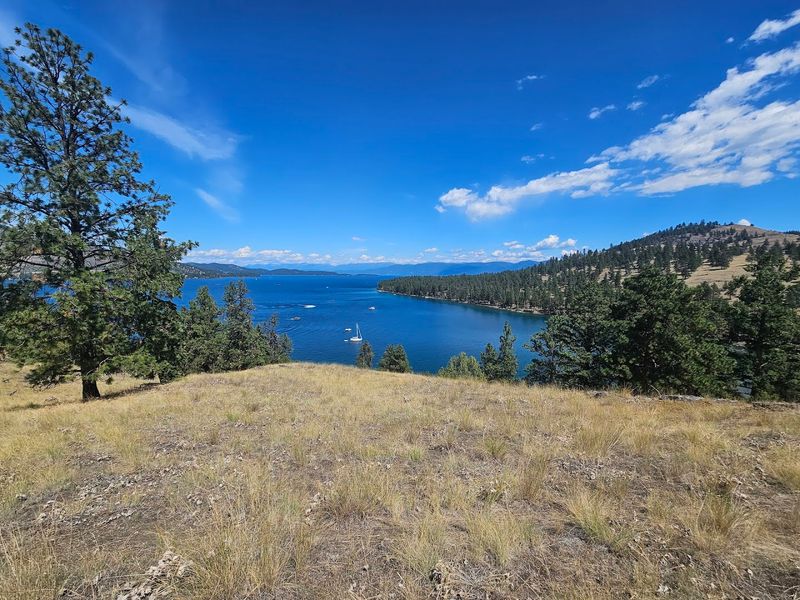
Wild Horse Island rewards the curious hiker with a trail system that winds through multiple distinct habitat zones. From open grasslands to pine forest ridgelines, the paths cover a range of terrain that keeps every step interesting.
The island has approximately six miles of trails, and the elevation changes offer genuinely rewarding views at multiple points along the way.
Wildlife viewing here operates on a first-come, first-lucky basis, which is part of the charm. Bighorn sheep are frequently spotted near rocky outcrops and open slopes.
Wild horses tend to appear in the meadow areas, often grazing calmly as if completely unbothered by the concept of human visitors. Bald eagles and osprey are regularly seen soaring over the lake or perched in the tallest trees near the shore.
Photography enthusiasts consistently describe Wild Horse Island as one of the most rewarding wildlife photography destinations in Montana.
The variety of species, the open landscape, and the absence of urban noise create ideal conditions for capturing authentic wildlife moments.
Mule deer, waterfowl, falcons, and songbirds round out the wildlife roster, ensuring that no two hikes ever look exactly the same. Pack water, wear sturdy footwear, and give yourself a full day to really absorb everything the island offers.
Tribal Heritage And Protected Status
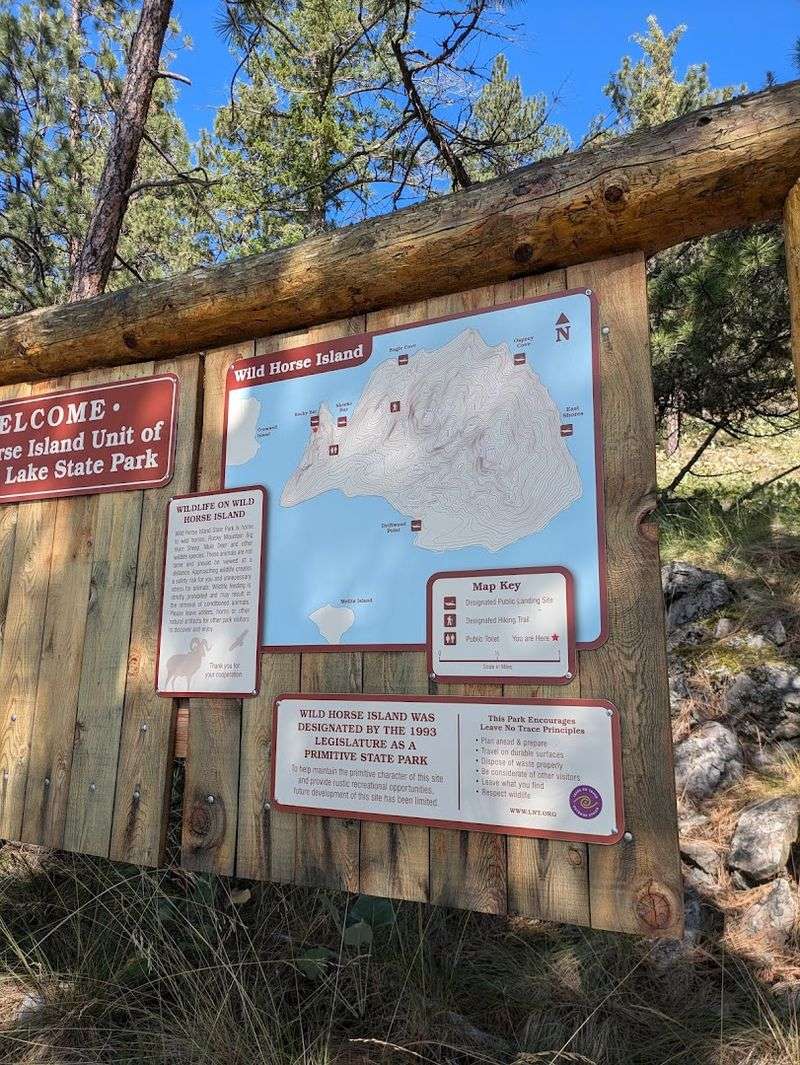
Wild Horse Island carries a history that runs much deeper than its status as a state park. The island sits within the Flathead Indian Reservation, and its connection to the Salish-Kootenai people is woven into its very name.
Tribal members historically used the island as a natural paddock for their horses, relying on the surrounding lake as a barrier to keep the animals secure. That relationship between people and place shaped what the island is today.
Because the island falls within reservation boundaries, visitors are required to carry a tribal fishing license when fishing in the surrounding waters.
This is a straightforward regulation that reflects the ongoing sovereignty and stewardship of the Confederated Salish and Kootenai Tribes over this landscape. Respecting those rules is part of visiting responsibly.
The island’s protected status as a Montana state park adds another layer of conservation oversight, ensuring that the ecosystem, the wildlife populations, and the rare prairie habitat remain intact for future generations.
Pets are not allowed on the island, which helps protect the wildlife from unnecessary stress and disturbance. Wild Horse Island is a place where history, ecology, and protection all work together.
Visiting it with awareness of that context makes the experience richer, more meaningful, and honestly a lot more interesting than just another hike.