
This Hidden North Florida Farm Sanctuary Lets You Cuddle Rescued Pigs And Cows And Even Go Glamping
Most people never think about where farm animals end up.
This place makes you stop and feel it.
Hidden down a quiet dirt road in North Florida, there is a sanctuary where animals that were once part of the food system now live out their lives in peace.
No cages. No rush.
Just space, quiet, and a second chance.
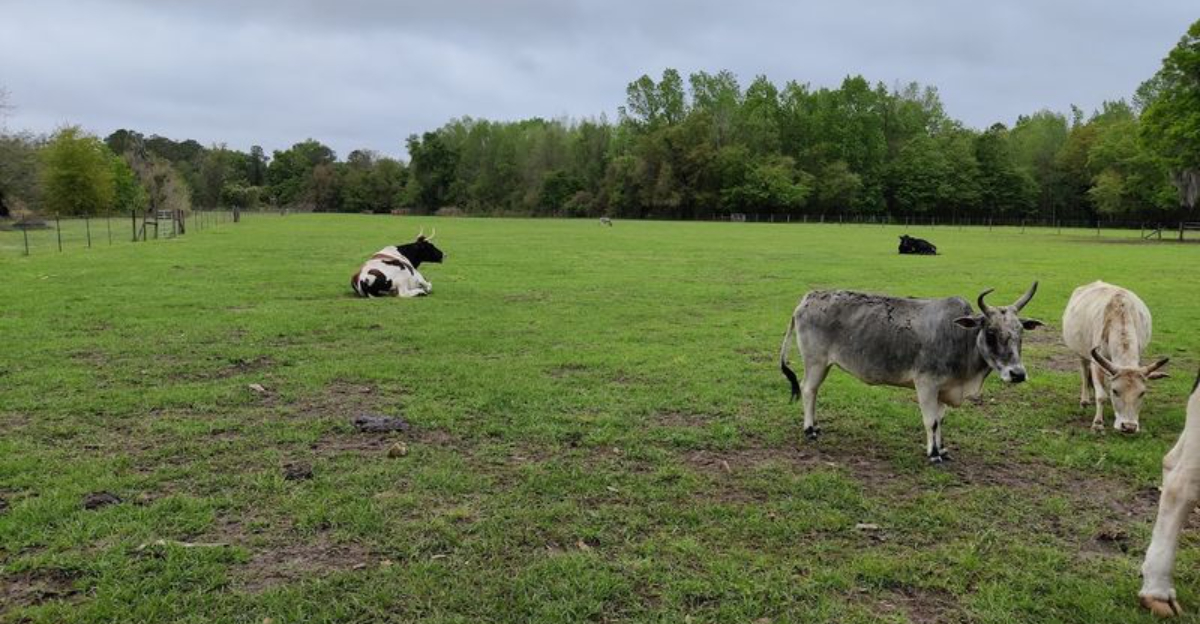
Walk through the property, and everything feels different. Cows move freely across open land.
Pigs stretch out in the shade like they finally have time to rest. Even the air feels slower.
And then you get closer.
You meet them. You pet them.
You realize how curious, gentle, and aware they actually are.
I spent an afternoon here feeding cows, standing next to water buffalo, and watching pigs roll around in complete contentment.
By the time you leave, it is not just a visit anymore.
It is something that stays with you.
Rescued Farm Animals Living Their Best Lives
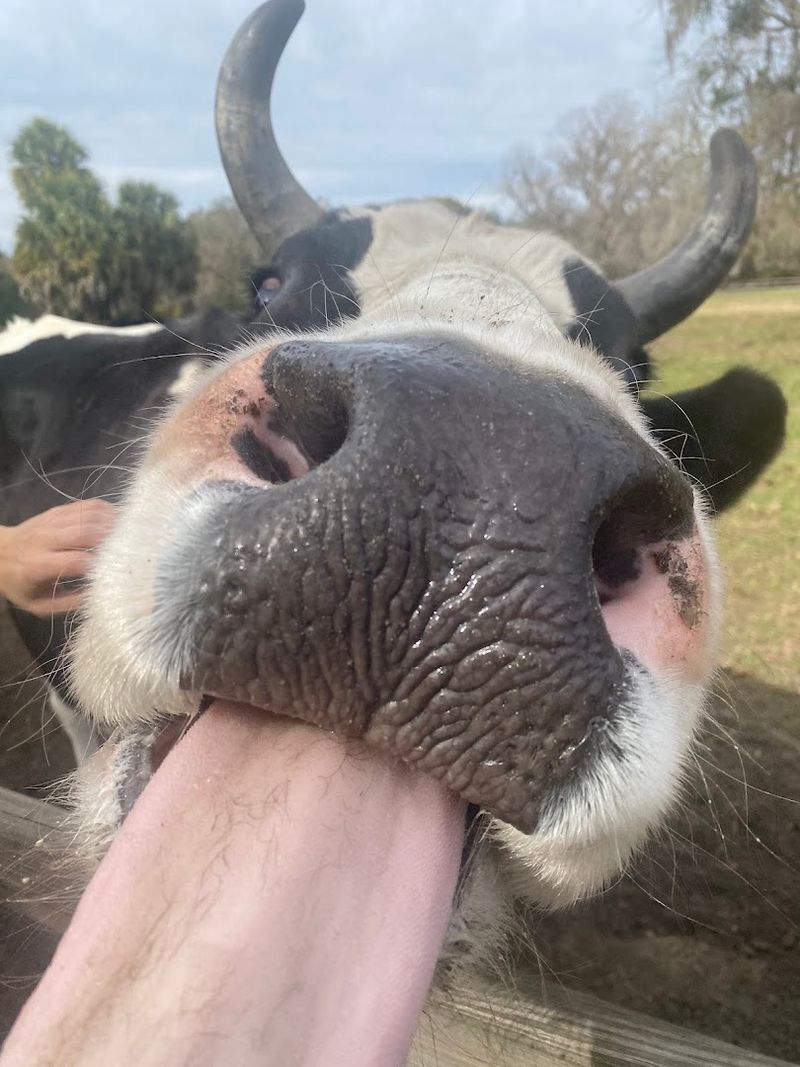
Walking through the sanctuary grounds, I watched a female cow lead her herd across the pasture like she owned the place, because honestly, she does. The animals here came from dairy operations, meat processing facilities, and situations where they faced an uncertain future, but now they spend their days doing exactly what they want.
A water buffalo named after his dramatic rescue lounges near the fence, completely unbothered by visitors, while pigs root around in the dirt and cows form friendships that will last the rest of their lives. Every resident has a story, and the volunteers love sharing how each animal arrived and what makes them special.
The sanctuary maintains natural conditions across the property, letting the animals behave the way they would in the wild rather than forcing them into entertainment roles. I found myself standing at the fence for over an hour, just watching a group of cows interact with each other, and realizing I had never actually seen farm animals just being themselves before this visit.
The Monthly Farmer’s Moo-ket Experience
On the first Sunday of most months, the sanctuary transforms into something between a farmers market and a festival, and I made sure to time my visit to catch it. The Moo-ket runs from 1pm to 4pm, bringing together vegan vendors, local artists, craft makers, and food options that prove plant-based eating can be absolutely delicious.
I wandered between booths selling handmade jewelry, organic produce, baked goods, and artwork while music played in the background and families spread out across the grounds. The best part is knowing your suggested donation at the entrance goes directly to feeding and caring for the animals you can see grazing nearby.
They skip the summer months of June, July, and August when Florida heat becomes too intense, but the cooler season events draw crowds that fill the unpaved driveway and overflow the parking area. I grabbed food from one of the trucks, found a shady spot, and spent the afternoon moving between shopping and visiting with the cows who came up to the fence looking for attention and treats.
Hands-On Animal Interactions
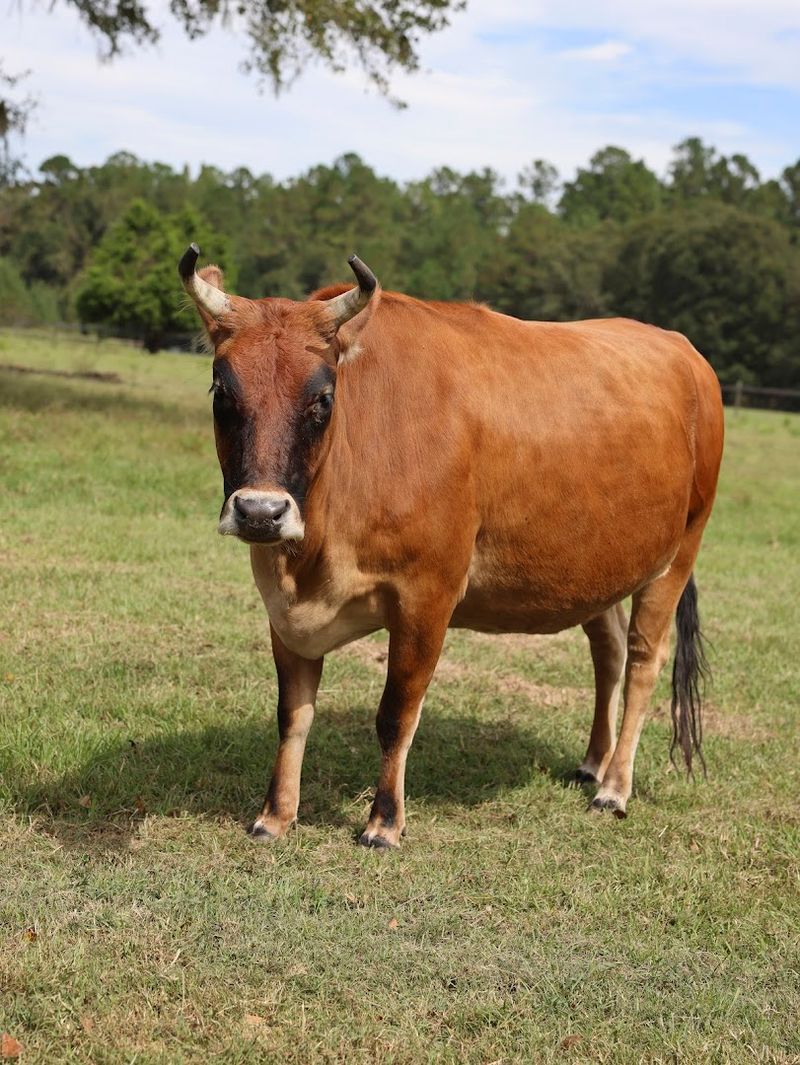
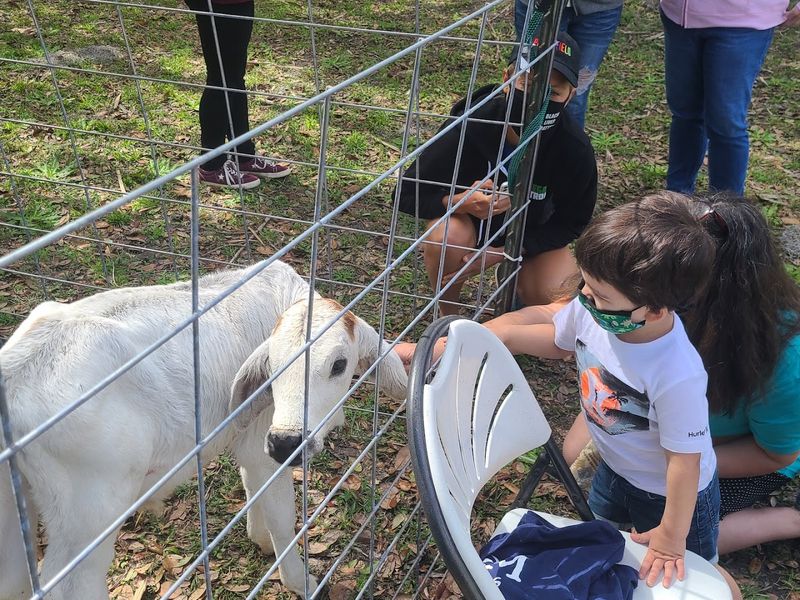
Most people never get to touch a cow, let alone have one enthusiastically lick their entire hand while munching on treats. The sanctuary provides biscuits specifically for feeding the cattle, and these gentle giants crowd the fence the moment they see visitors approaching with snacks.
I felt a rough tongue wrap around my fingers as a massive bull delicately took a biscuit from my palm, and I understood immediately why reviewers mention bringing hand sanitizer and paper towels. The pigs allow petting when they feel like it, wandering over for scratches behind the ears before returning to their mud wallows.
You cannot force interactions here, which makes every moment feel more special because the animals choose to engage with you on their own terms. A water buffalo might ignore you completely one minute, then amble over for attention the next, and that unpredictability keeps the experience feeling authentic rather than staged.
I recommend wearing boots or shoes you do not mind getting dirty, because you will be standing in areas where farm animals live, and they do not worry much about keeping things tidy.
Glamping Opportunities On Sanctuary Grounds
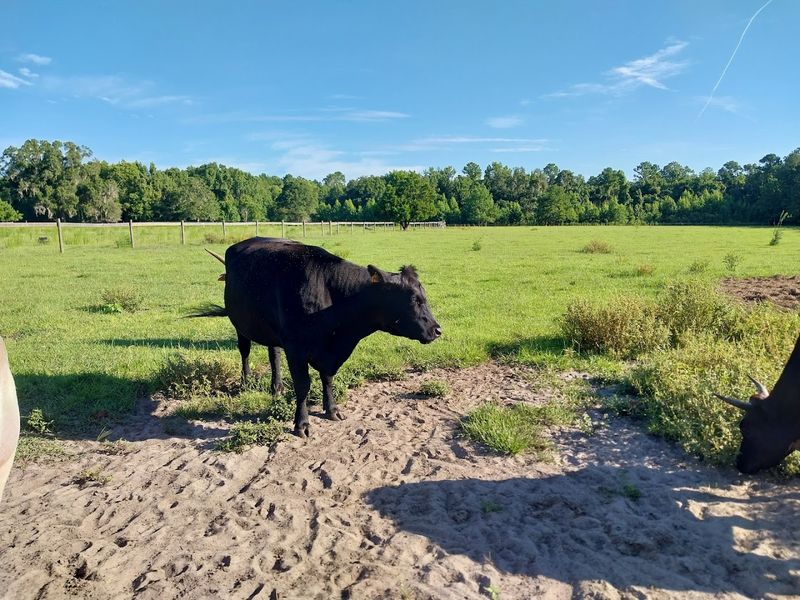
Beyond day visits, the sanctuary offers overnight glamping experiences that let you fall asleep to the sounds of contented animals settling in for the night. I spoke with staff who mentioned they host special camping events, giving visitors a chance to experience the property after the day crowds leave and the sanctuary takes on a completely different atmosphere.
The accommodations blend outdoor camping with enough comfort to make the experience accessible to people who might not consider themselves hardcore campers. You wake up to morning sounds of cows calling to each other and birds singing in the protected forest that borders the property.
These overnight options remain limited and tied to special events, so checking their website or social media ahead of time helps ensure you do not miss opportunities when they open up. The sanctuary continues expanding what they offer, with staff hinting at more programs coming in the future.
Spending a night here means you get the property almost to yourself once regular visitors leave, and I heard from people who did it that watching the sunset over the pastures with rescued animals nearby creates memories that stick with you long after you pack up and head home.
Protected Natural Forest Surroundings
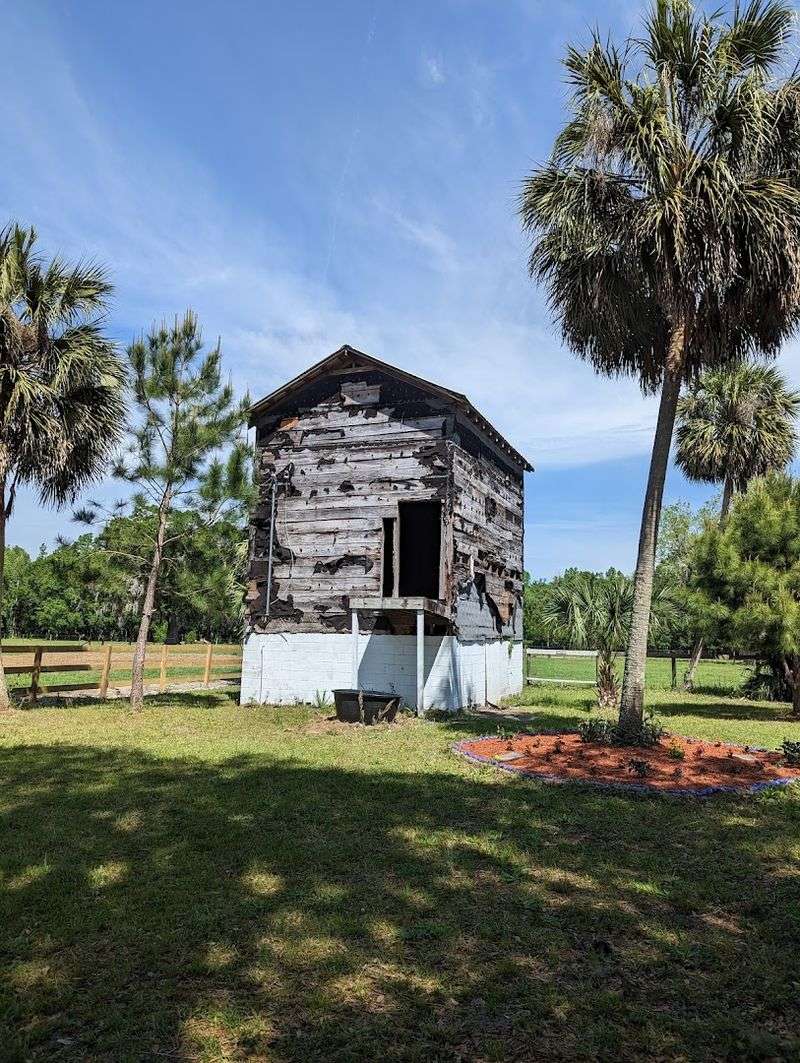
The sanctuary sits adjacent to permanently preserved forest land, creating a buffer of wild Florida habitat that will never be developed. I walked along the edge where pasture meets woodland and appreciated how the protected acres ensure the animals have natural surroundings rather than being hemmed in by suburban sprawl.
Native trees provide shade across the property, and the forest serves as home to local wildlife that coexists with the sanctuary residents. This setup gives the rescued animals more than just safety from slaughter; it gives them an environment where they can express natural behaviors like seeking shade, exploring varied terrain, and living in herds the way their species evolved to do.
The preservation agreement means future generations will find this place exactly as it exists now, rather than watching it disappear under parking lots and strip malls. I found the commitment to land conservation as impressive as the animal rescue work, because both address the same core belief that living beings and natural spaces deserve protection.
Standing under those old trees with a cow chewing grass nearby, I felt grateful that someone had the vision to create this permanent refuge in an area experiencing rapid development pressure.
Volunteer-Powered Compassionate Care
Every interaction I had at the sanctuary involved someone who volunteers their time because they believe in the mission, not because they collect a paycheck. These dedicated people clean enclosures, prepare food, give tours, answer questions, and provide the daily care that keeps dozens of large animals healthy and content.
A volunteer named Chris spent time explaining the sanctuary’s philosophy to a curious visitor, and I overheard conversations about each animal’s personality, dietary needs, and favorite scratching spots. The volunteer community creates the backbone that makes everything else possible, from the monthly markets to the daily feeding schedules.
Andre, who several reviewers mentioned by name, brings what people described as a spiritual approach to the work, treating each animal as an individual worthy of respect and kindness. The staff and volunteer team maintain a welcoming atmosphere where newcomers feel comfortable asking questions and learning about animal agriculture issues.
I left with deep respect for people who show up regularly to shovel, haul, feed, and care for animals that society typically views as products rather than individuals deserving of compassion and retirement.
Special Events Throughout The Year
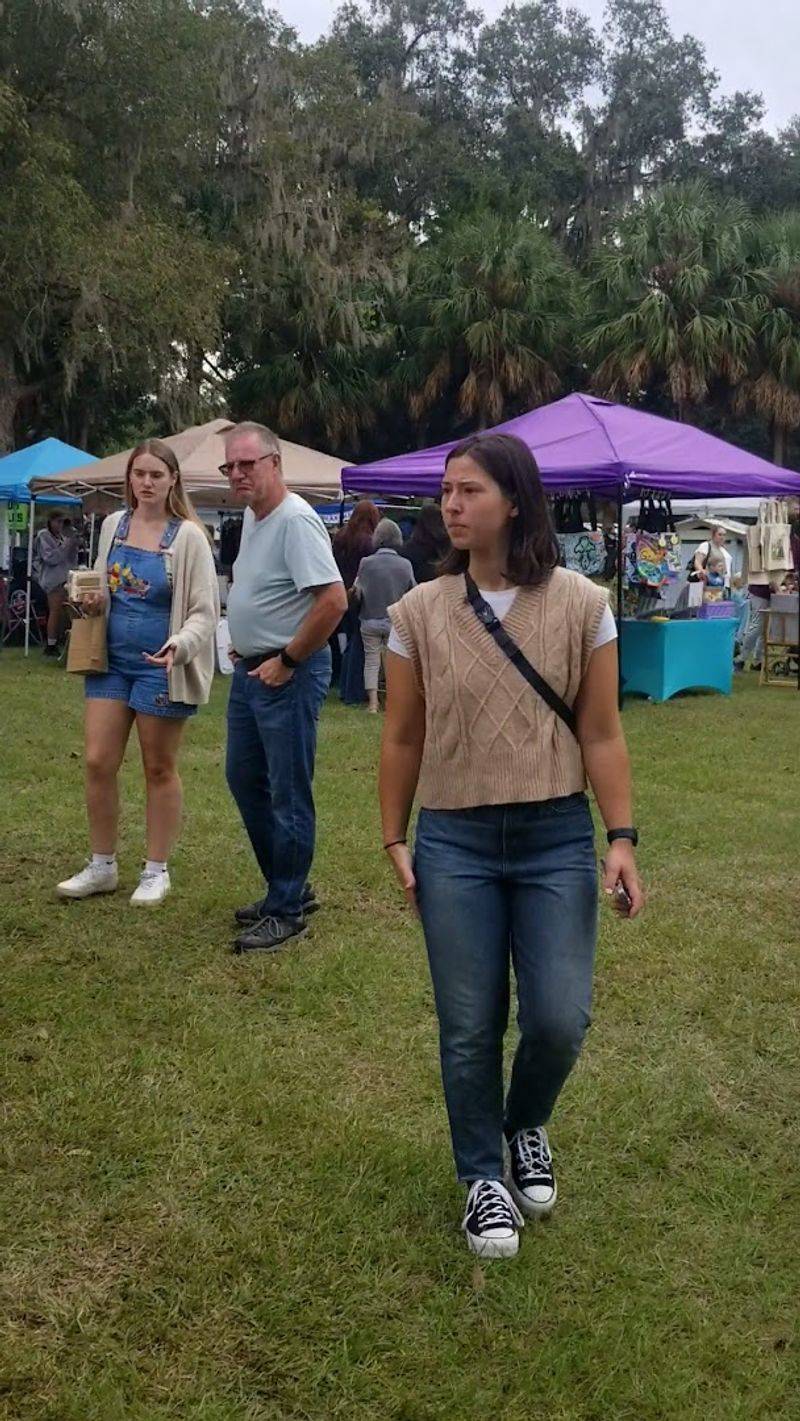
Beyond the monthly Moo-ket, the sanctuary hosts unique gatherings like the Thanksgiving Turkey Trot that draw people out to the property for specific celebrations. I heard about events that combine fundraising with fun, giving supporters reasons to visit repeatedly rather than treating the sanctuary as a one-time destination.
The Turkey Trot lets participants run or walk the property while knowing they are supporting a place where turkeys live out their natural lives instead of ending up on holiday tables. Other special events pop up throughout the year, often announced through social media and the sanctuary website.
These gatherings serve multiple purposes: they raise awareness about farm animal welfare, generate donations to cover operating costs, and build a community of people who share values around compassion and animal rights. I noticed that events attract families, couples, solo visitors, and groups of friends, creating a diverse crowd united by interest in the sanctuary mission.
The property handles crowds well despite the single-lane driveway, though arriving early helps avoid the traffic backups that happen when the place gets really popular during peak events like the cooler-weather markets.
Practical Visiting Tips And What To Bring
After my visit, I wished someone had told me a few things before I arrived, so let me save you the learning curve. The driveway is unpaved and narrow, meaning you might need to pull to the side to let oncoming traffic pass, especially during events when cars stream in and out continuously.
Cell phone signal gets spotty on the property, so vendors sometimes struggle with card readers, making cash your most reliable payment option. I recommend bringing bottled water because Florida heat hits hard even in cooler months, and you will be walking around outdoors with limited shade in some areas.
Wear boots or old sneakers you do not mind getting muddy or dusty, and dress in clothes suitable for a working farm rather than your nicest outfit. Hand sanitizer and paper towels come in handy after cows lick your hands during feeding time, though that slobber feels like a badge of honor after the fact.
The sanctuary requests suggested donations rather than charging admission, with five dollars being a common amount that goes directly to animal care, and parking can fill up quickly during popular events, so arriving early gives you better options.
Vegan Philosophy And Food Options
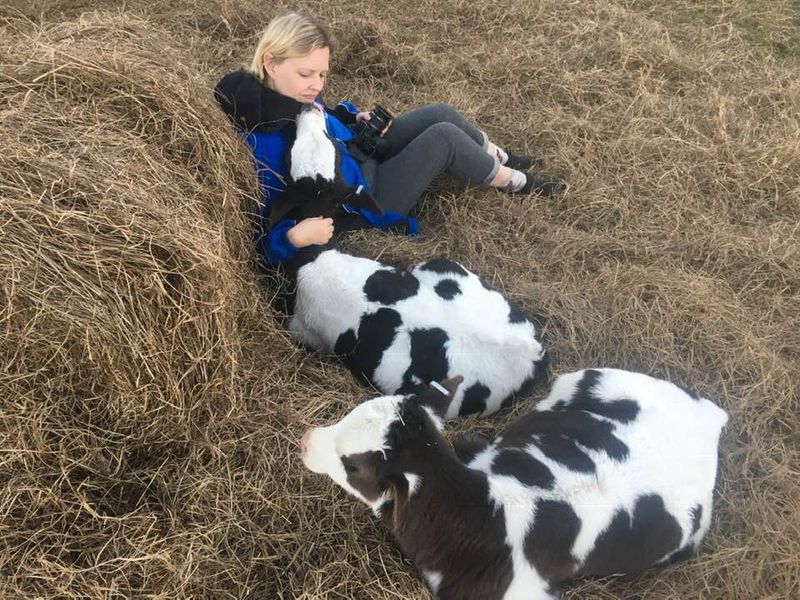
The sanctuary operates from a vegan philosophy that views animals as friends rather than food, and that perspective shapes everything from the rescue mission to the vendors allowed at the Moo-ket. I tried food from the plant-based trucks and vendors, discovering that vegan options have come a long way from the bland stereotypes some people still believe.
Every food item sold on the property during events follows vegan guidelines, meaning no meat, dairy, or eggs, and the variety surprised me with flavors and creativity that made me forget I was eating exclusively plant-based meals. The consistency in values extends to craft vendors too, with products avoiding animal materials whenever possible.
For visitors new to vegan eating, the market provides a low-pressure way to try different foods while surrounded by the animals who benefit from those dietary choices. I watched people who probably eat meat regularly trying vegan versions of familiar foods and expressing genuine surprise at how good everything tasted.
The sanctuary never pressures or lectures visitors about their food choices, but being there and meeting the animals creates a natural space for people to think about connections between what they eat and who they meet at the fence.
A Place Where Animals Actually Matter
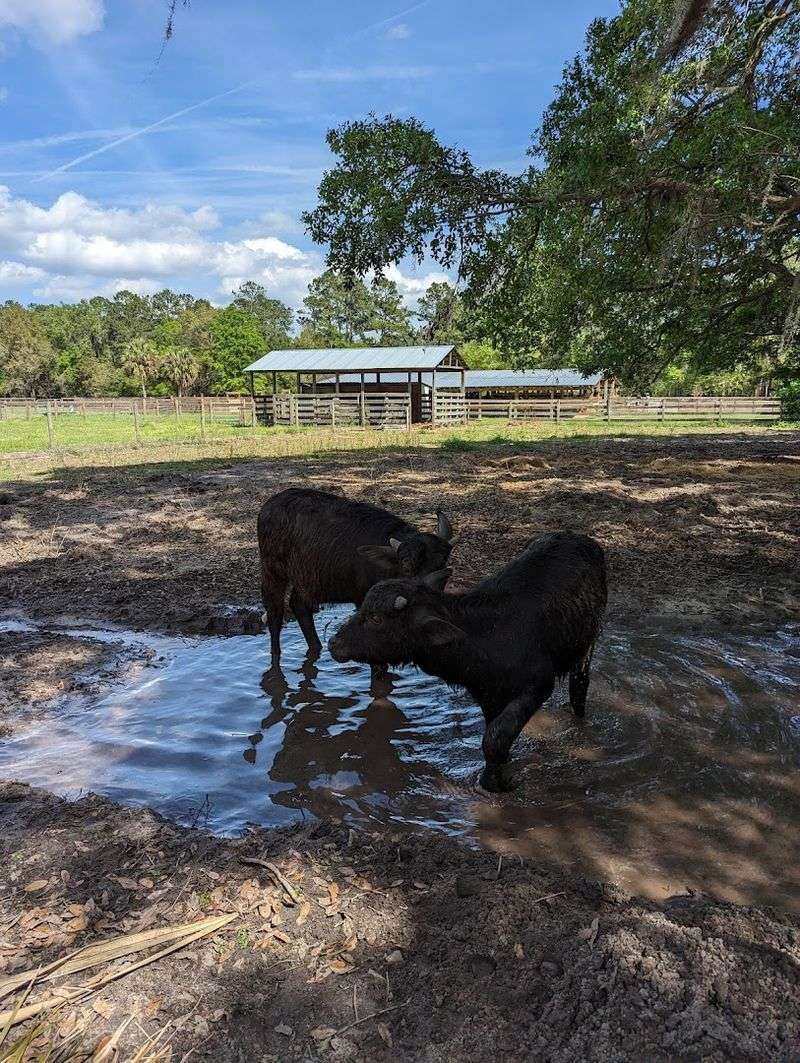
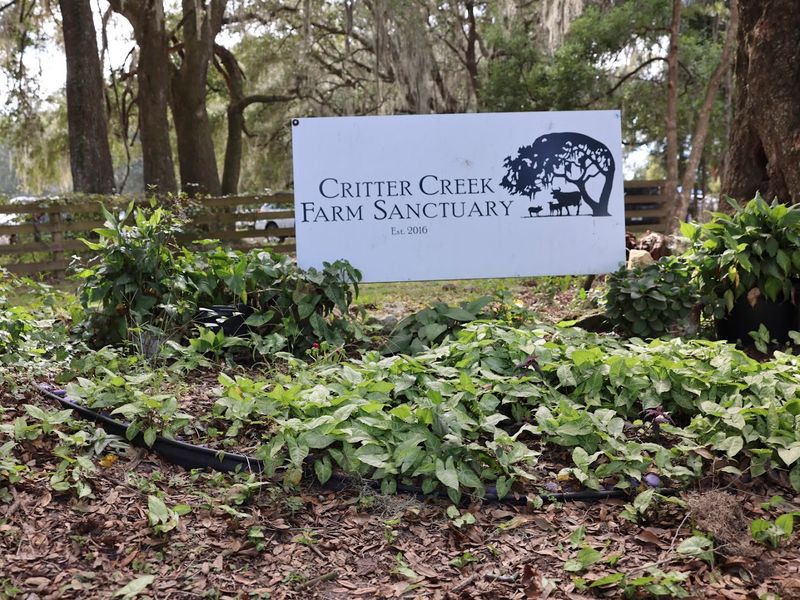
Most farm animals in America never experience a single day where their comfort, happiness, or individual personality matters to anyone. At Critter Creek Farm Sanctuary, I watched a pig choose the exact spot where she wanted to nap, a cow refuse to share her favorite shady area with the rest of the herd, and a water buffalo ignore everyone until he decided company sounded nice.
These small moments of autonomy represent something radical in a world where farm animals exist primarily as production units measured by efficiency and profit. The sanctuary gives each resident the chance to make choices, form relationships, and live without fear of being loaded onto a truck headed somewhere they will not return from.
I left thinking about the difference between seeing animals and actually recognizing them as individuals with preferences, friendships, and personalities as distinct as any dog or cat. The sanctuary staff will tell you stories about each animal if you ask, and those stories transform how you see the faces looking back at you through the fence, turning statistics about animal agriculture into real lives that got a second chance at a beautiful ending.