
This Hidden South Carolina Beach Is A Paradise For Sea Glass Hunters

South Carolina has plenty of beautiful beaches, but some of the best coastal treasures aren’t waiting in the water. They’re hiding right beneath your feet, just waiting for someone curious enough to spot them.
Forget crowded boardwalks, noisy beach bars, and rows of colorful umbrellas. At the quiet southern end of one charming coastal island, the real excitement comes from taking a slow walk along the sand.
Colorful seashells. Tiny shark teeth.
And if you’re especially lucky, a smooth piece of sea glass polished by years of tumbling waves.
On one side, the Atlantic Ocean stretches toward the horizon. On the other, peaceful marshes and winding creeks create a scene that feels wonderfully untouched.
There’s no need for fancy equipment or expensive attractions. Just bring comfortable shoes, a little patience, and a sharp eye for hidden treasures.
Here are ten reasons this peaceful South Carolina beach deserves a spot on every coastal treasure hunter’s bucket list.
A Tiny Lot At The End Of The Road
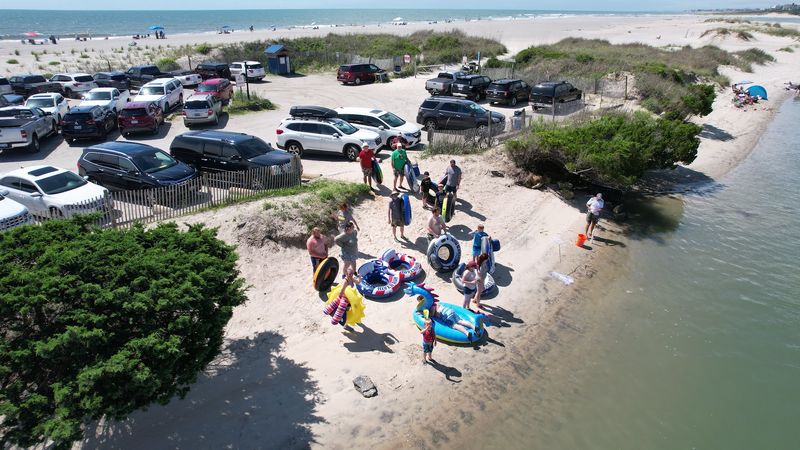
The drive feels like a secret. You roll south along the narrow island road, past stately beach houses and peeks of marsh, until the pavement simply runs out at a small public lot.
The official address is 764 County Rd S-22-104, Pawleys Island, and it sits at the very southern tip of the island in Georgetown County. Visitors estimate the lot holds around 30 cars, which is not many at all.
Parking is free, and that alone makes plenty of beachgoers smile.
Here is the honest truth, though. On sunny summer days, the lot fills fast, and there is no street parking nearby.
The surrounding spaces belong to vacation rentals, so do not try your luck there.
If the lot is full, you will need to drive back up the island to other public beach accesses. Several reviewers describe waiting in a slow line for someone to leave, which can work if you are patient.
The smartest plan is simple. Arrive early in the morning, especially on weekends and holidays.
Many fans of this spot say the small lot is actually a blessing, because it keeps the crowds thin and the beach feeling wonderfully calm.
Ocean On The Left, Marsh On The Right
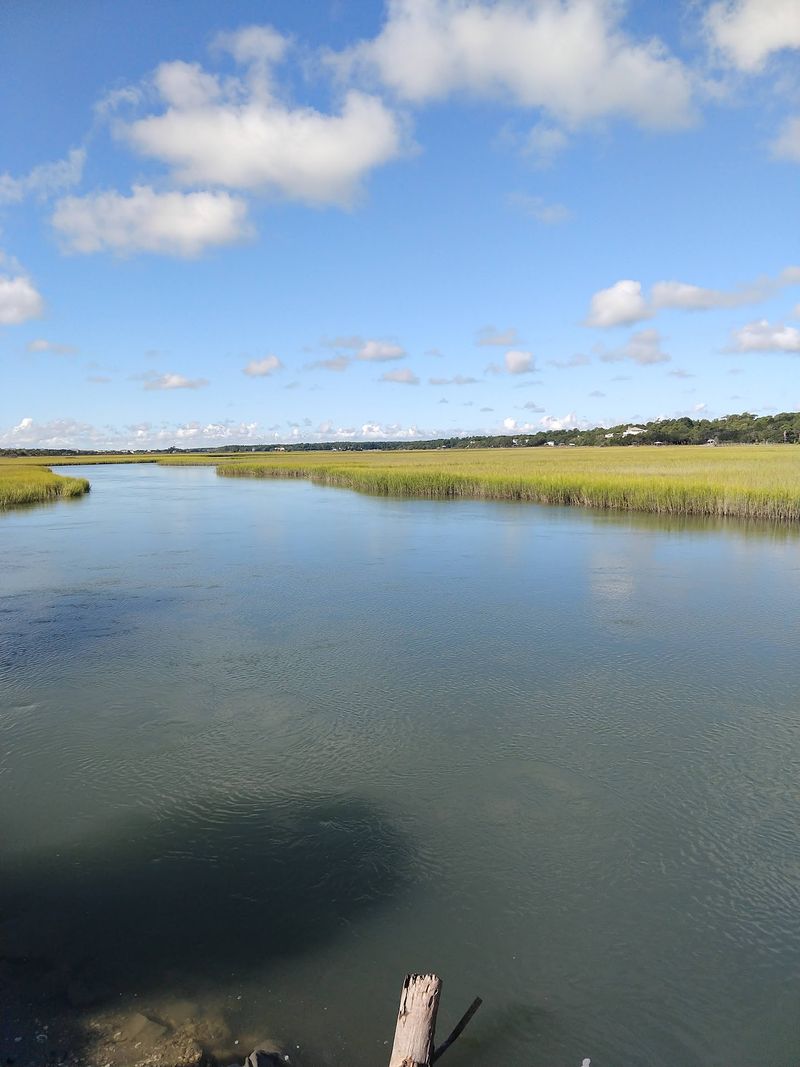
Picture yourself stepping off a short sandy path and suddenly having to choose between two worlds. Turn left, and the Atlantic stretches out blue and wide.
Turn right, and the Lowcountry marsh glows green and gold beside a winding tidal creek.
That double view is what people rave about most. The path from the parking lot to the sand is short and mostly level, so the big reveal comes quickly.
The ocean side has wide, powdery sand with plenty of room to spread out a towel. Waves tumble in with a steady rhythm, and pelicans often glide low over the water in neat little lines.
Over on the creek side, everything slows down. The water is calmer, the air smells salty and earthy, and you might spot herons standing perfectly still in the shallows.
Fiddler crabs scurry along the muddy edges like tiny commuters late for work.
Walking between the two sides feels like visiting two beaches for the price of one, and that price is zero. Bring a camera for both views, because the light hits the ocean and marsh in very different ways throughout the day.
The Truth About Sea Glass Here
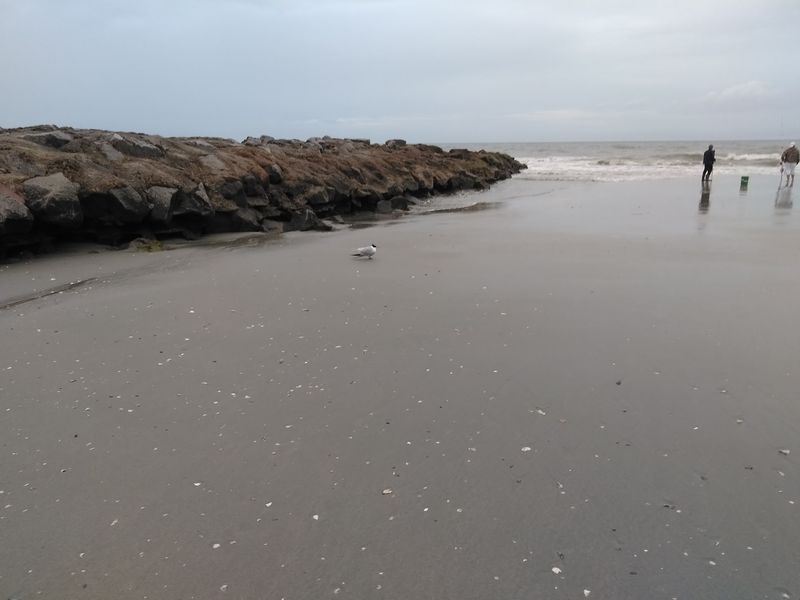
Sea glass is like a message from the past, smoothed by years of rolling waves. Each frosted piece started as a bottle or jar and slowly turned into a soft, cloudy gem.
So, is this beach packed with it? Honestly, no. Sea glass along the South Carolina coast is fairly rare, and finding it here takes patience, sharp eyes, and a bit of luck.
That rarity is exactly what makes a find feel so exciting.
Your best chances come after storms or very low tides, when the waves stir up new material. Look along the wrack line, the strip of seaweed and shell bits left behind by high tide.
Glass tends to hide among broken shells and pebbles.
Colors matter too. Brown, white, and green pieces are the most common.
Blue, purple, or red bits are the lucky prizes collectors dream about.
Walk slowly with the sun behind you, so any glass catches the light. Even on days without a single shard, you will likely leave with shells, a sunburned nose, and a happy mind.
Treat every piece of glass like a bonus, not a guarantee.
Shark Teeth Hiding In Plain Sight
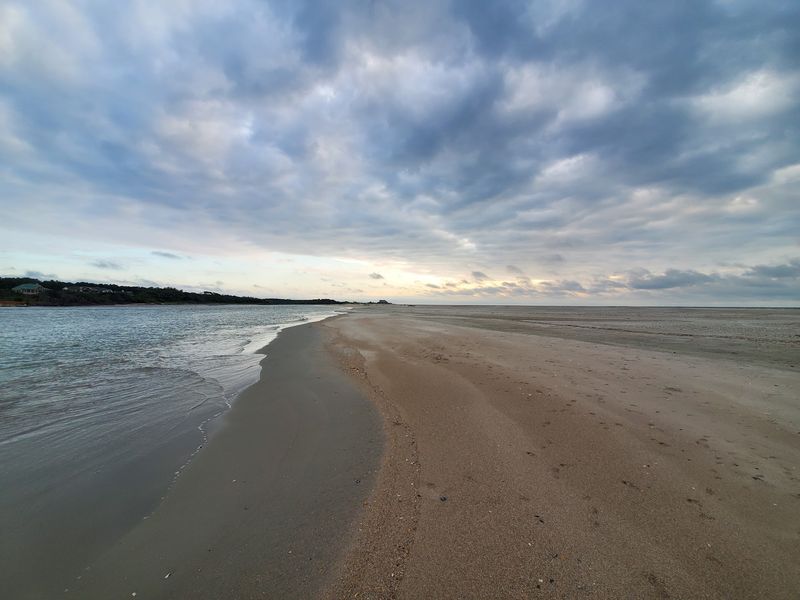
Ask a seasoned beachcomber what they found at the south end, and you might hear a surprising answer: shark teeth. Several visitors have reported scooping up these tiny black triangles right alongside their shells.
Most of the teeth you find on South Carolina beaches are fossils. They turned dark over thousands of years as minerals soaked into them, which is why they look nothing like the white teeth in a living shark’s mouth.
Spotting them is a fun challenge. Look for small, shiny, dark shapes with a pointed tip and a slightly wider root.
They often show up in patches of crushed shell near the water line.
Kids especially love this game. Give them a small cup or bag, set a friendly contest for who finds the first tooth, and watch them get serious about it.
A low tide after rough weather can make the hunt more rewarding.
Here is a helpful trick: kneel down and scan an area the size of a dinner table instead of wandering around. Your eyes adjust, and suddenly those little teeth start popping out like they were waiting for you.
Shells That Change With Every Tide
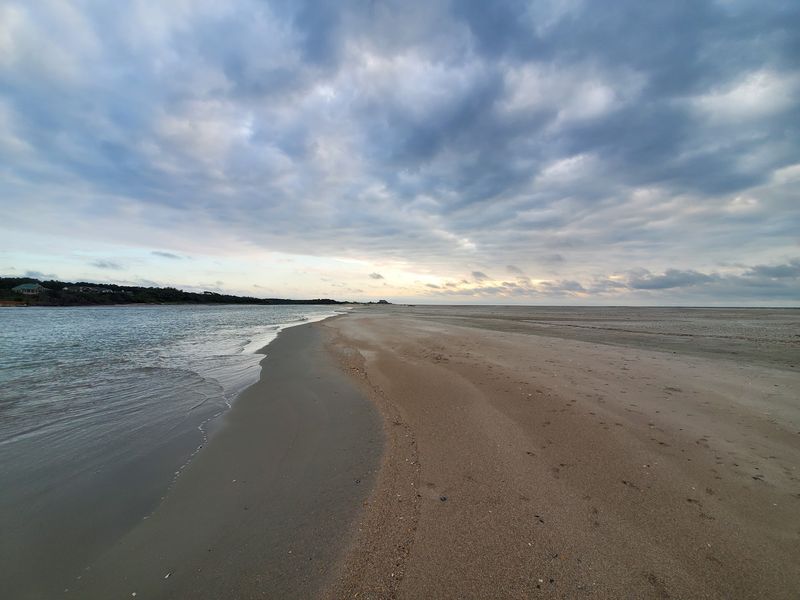
One morning the sand looks bare. By the afternoon, the tide has dropped off a fresh batch of shells like a delivery truck that only works on ocean time.
Shells are one of the most talked-about features of this beach. Some visitors leave with pockets full of treasures, while others say they barely found any.
That is not a contradiction, it is just how tides work.
The landscape here shifts constantly as water moves in and out of the inlet. Sandbars appear, pools form, and new shells wash up in different spots.
One reviewer put it well, noting that the scenery changes with the tide.
For the best shelling, check a tide chart before you go and plan to arrive about an hour before low tide. Walk toward the inlet, where moving water often sorts and drops shells.
Keep an eye out for whelks, cockles, clam shells, and tiny colorful coquinas. Before you take any shell home, give it a gentle look to make sure nothing is living inside.
Empty shells are fair game, but live creatures belong in the water, not on your bookshelf.
Where The Inlet Calms The Waves
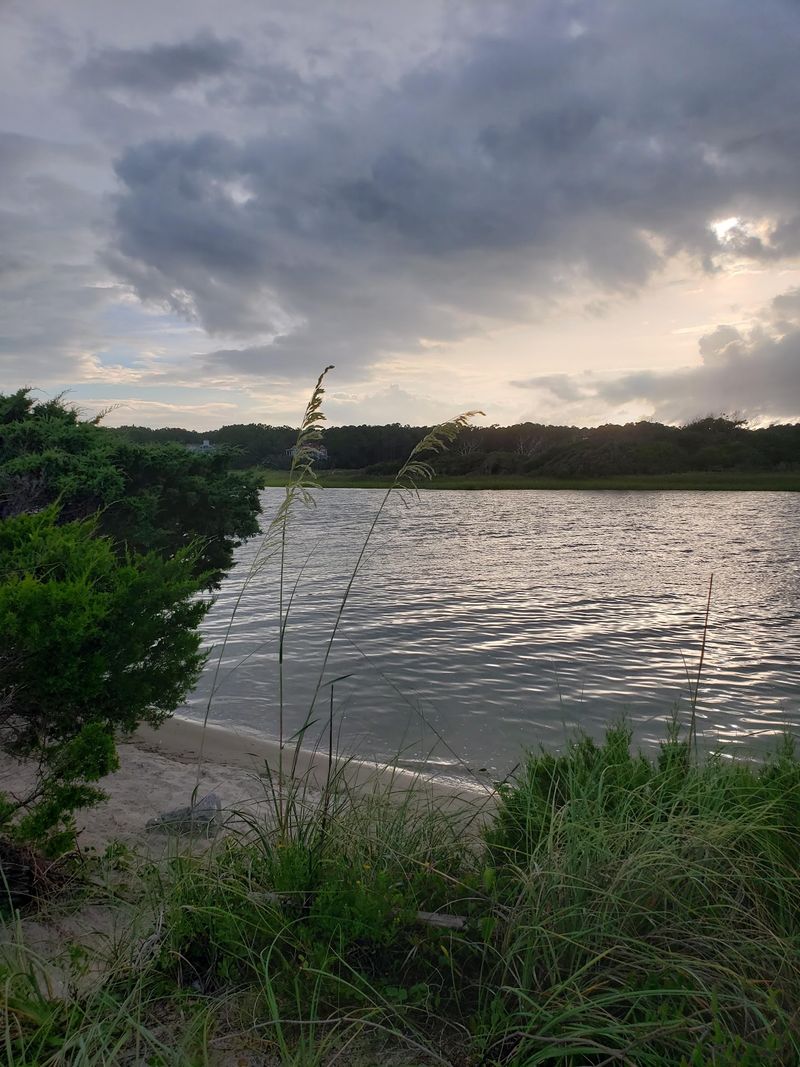
Not everyone loves crashing waves. If you prefer water that behaves more like a lazy river, the inlet at the south end may become your new favorite place.
From the main beach, a pleasant walk takes you around the tip of the island to where the ocean meets the creek. The water here is often calmer than the open surf, and visitors mention it as a great spot for relaxed swims and wading.
Families like this area because younger kids can splash around with less wave action. Still, inlets come with their own risks.
Tides move water in and out with real strength, and currents can pull harder than they look.
Stay aware of the tide schedule and keep little ones close. There may be no lifeguard watching this stretch, so you are in charge of your crew’s safety.
When conditions are gentle, though, it feels wonderful. Warm shallow water, soft sand underfoot, and the marsh grass whispering in the breeze create a scene that feels miles away from busy tourist strips.
Pack water shoes too, since shells and oyster bits can be sharp along the creek edges.
Rods, Crabs, And Early Risers
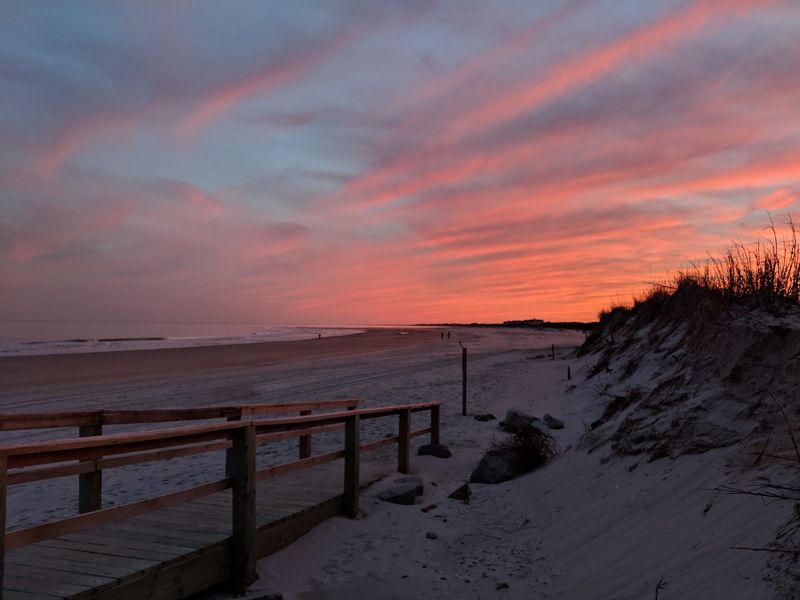
The sun is barely up, coffee is still hot, and a line of fishing rods already stands in the sand. Anglers know this spot well.
Fishing comes up again and again in visitor reviews. Some people cast into the surf, while others try their luck along the creek and inlet, where fish move with the tides.
One early bird mentioned showing up at 5:30 in the morning to fish.
Crabbing is another big hit, especially with kids. A simple line, a chicken neck for bait, and a net can turn into hours of entertainment along the marshy edges.
Watching a blue crab sideways-shuffle toward your bait is surprisingly thrilling.
Before you cast, check South Carolina fishing license rules. Saltwater fishing generally requires a license for many anglers, and size and catch limits apply to certain species.
The state Department of Natural Resources website has current details.
Bring a bucket, sunscreen, and a little patience. Even if the fish are not biting, you get front-row seats to birds diving, tides shifting, and the sky turning from pale pink to bright blue.
That alone makes the early wake-up worth it.
Sunrise, Sunset, And Golden Hour Magic

Few places let you watch both the sunrise and the sunset with such wide-open views. Thanks to its spot at the tip of the island, this beach offers both.
Mornings are pure gold. The sun lifts out of the Atlantic, painting the wet sand in shades of peach and orange.
Shorebirds race the foam, and the air feels cool and fresh before the day heats up.
Evenings bring a different mood. As the sun drops, the marsh side glows warm and soft, and the creek turns into a shimmering mirror.
One reviewer even recommended it as a great spot to photograph cars against the sunset, which tells you how good the light gets.
Photographers, bring a camera during golden hour. The low light brings out textures in the sand ripples and makes the marsh grass look like it is lit from inside.
A quick tip: the lot reportedly closes around 11 PM, though posted hours may change, so check signs when you arrive. Plan to watch the colors fade, pack up slowly, and head out before closing.
You will drive home feeling calmer than when you came.
A Beach With Old Soul And Quirky Legends
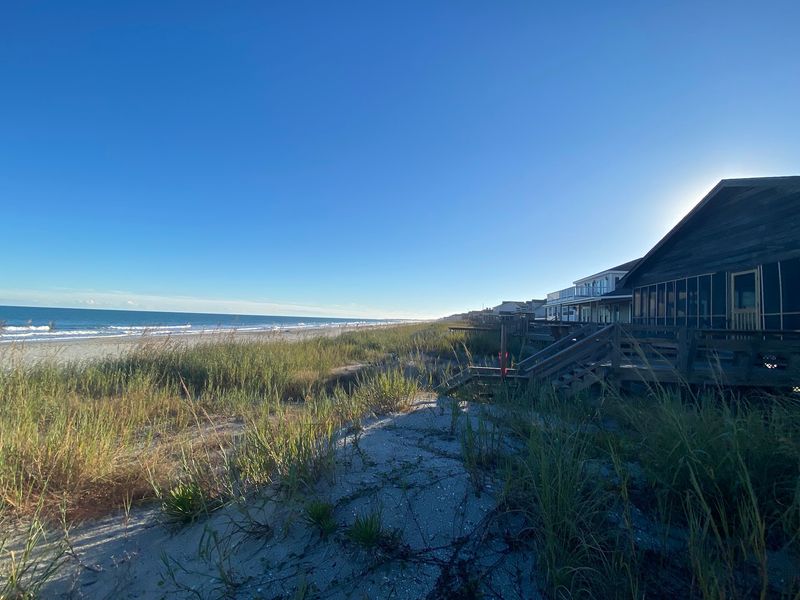
Did you know Pawleys Island is often called one of the oldest summer resorts on the East Coast? Long before air conditioning, wealthy rice planters brought their families here to escape the hot, buggy summers inland.
Many of those old wooden cottages still stand, and much of the island is part of a historic district listed on the National Register of Historic Places. Locals proudly describe the island’s style as arrogantly shabby, a fun way of saying it prefers simple charm over flashy glitz.
The island also gave the world a famous rope hammock. The Pawleys Island hammock was created in the late 1800s, and it is still sold in shops near the island today.
Swinging in one feels like a requirement for any true visitor.
Then there is the Gray Man. According to local legend, a ghostly figure appears on the beach before big hurricanes to warn residents to leave.
People who claim to have seen him say their homes were spared.
As you drive toward the south lot, notice the raised beach houses and quiet lanes. You are rolling through more than a century of coastal history.
Know Before You Go
A little planning turns a good beach day into a great one. Here is what regular visitors wish they had known the first time.
Restrooms are basic. Reviews mention portable toilets at the lot, though one visitor reported none during their trip, so plan for limited facilities.
There are no showers, and you will not find snack stands, so pack plenty of water, food, and sunscreen.
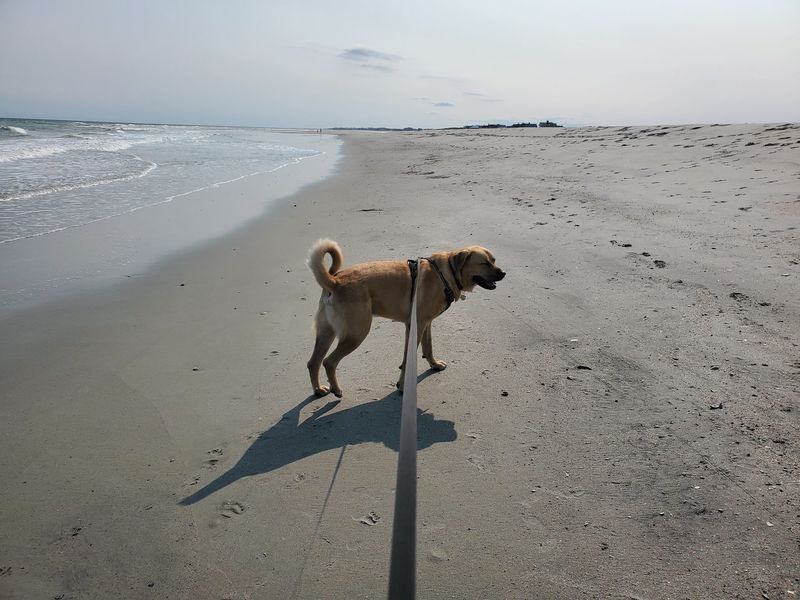
Dogs are welcome, which delights many pet owners. The Town of Pawleys Island has leash and seasonal rules for dogs, so check the town website before you bring your furry friend.
Always clean up after your pup.
Accessibility is fairly friendly. The walk from the lot to the sand is short and mostly level, though soft sand can still be tricky for wheelchairs and strollers.
Beach wagons with wide wheels help a lot.
Watch for jellyfish, which sometimes wash up in numbers. Give them space, even if they look dried out, because they can still sting.
Most importantly, leave no trace. Pack out every wrapper and bottle cap.
That small effort keeps this peaceful, uncrowded gem special for the next family pulling into that tiny lot.