
This Is Where Michigan Locals Actually Go To Buy Craft Fabric Without Breaking The Bank
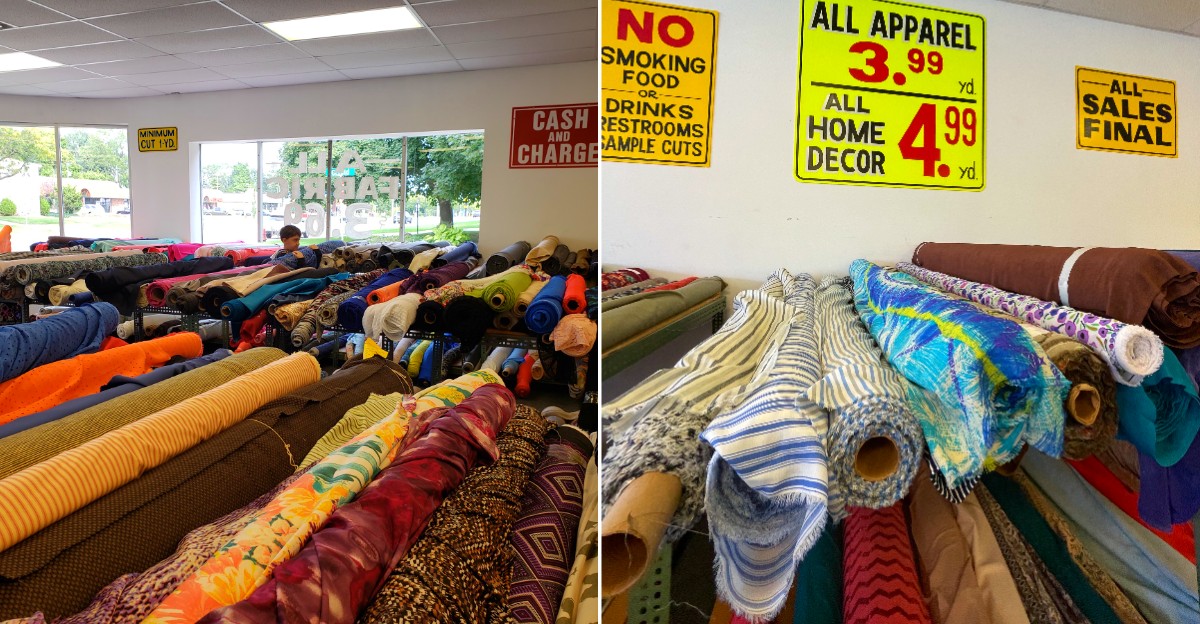
When the big fabric chains started closing stores across the country, sewers and quilters in southeast Michigan lost their go-to spots. This Clawson shop stepped in and kept the bolts coming.
Over seventy-five thousand yards of fabric fill the shelves at two flat price points. Apparel fabrics run four ninety-nine a yard. Home decor and upholstery run nine ninety-nine.
No coupons, no loyalty cards, no corporate pricing games to figure out. Just aisle after aisle of cottons, knits, fleece, chenille, and drapery bolts stacked floor to ceiling.
The store has been voted the best fabric shop in Michigan five years running. Staff know the difference between broadcloth and batiste by touch. New shipments arrive every week without fail.
The space feels more like a warehouse than a boutique, which is exactly what fabric hunters want. Michigan crafters finally have a store that treats their hobby like something other than an upsell opportunity.
Bring Measurements And A Project Plan
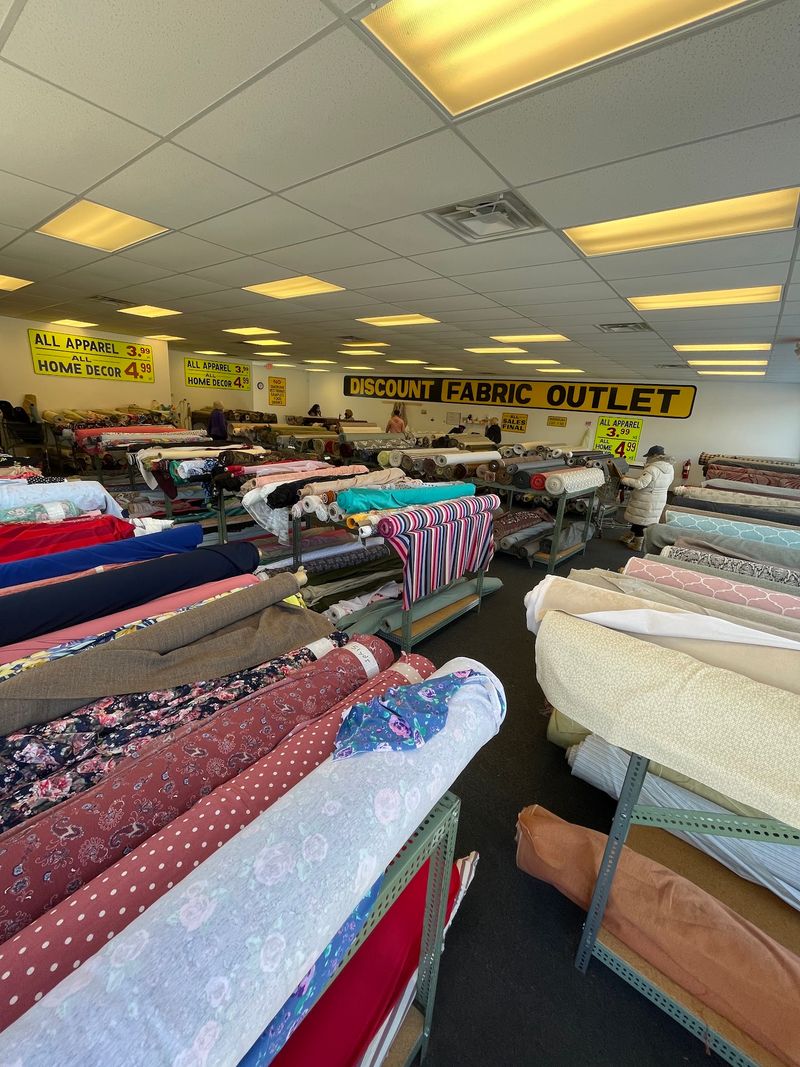
A scribbled measurement sheet can save more money than the cleverest coupon. Record the finished dimensions, seam allowances, pattern width, fabric direction, and required yardage before visiting.
Add a little extra for matching prints, shrinkage, mistakes, or pieces that must face the same direction.
Discount Fabric Outlet carries many materials on wide rolls, which may change how much your project needs. Bring the pattern envelope, a cushion cover, paint sample, or clear photograph when color and texture matter.
Staff can use those clues to narrow a large field into sensible options. Still, make the final choice according to your pattern and intended use.
Buying inexpensive fabric that cannot drape, stretch, or withstand wear properly creates another shopping trip instead of real savings later.
The Fabric Stop Sits Right On 14 Mile
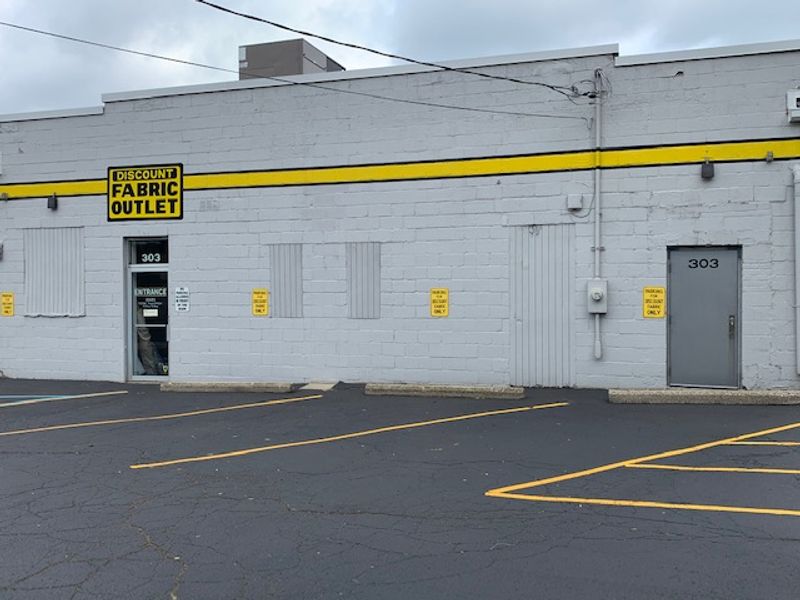
Discount Fabric Outlet sits at 303 W 14 Mile Road in Clawson, Michigan, just west of the city center. Fourteen Mile is the road to stay with on the final approach, with the shop set directly along the commercial corridor rather than buried inside a neighborhood.
The final stretch is lined with low storefronts and local businesses, so the 300 block is the useful clue. Once you are just west of downtown Clawson, slow down and watch for the fabric shop frontage along 14 Mile.
Pull into the property and use the customer parking serving the store. From there, it is only a short walk to the entrance.
Learn The Two Main Price Levels
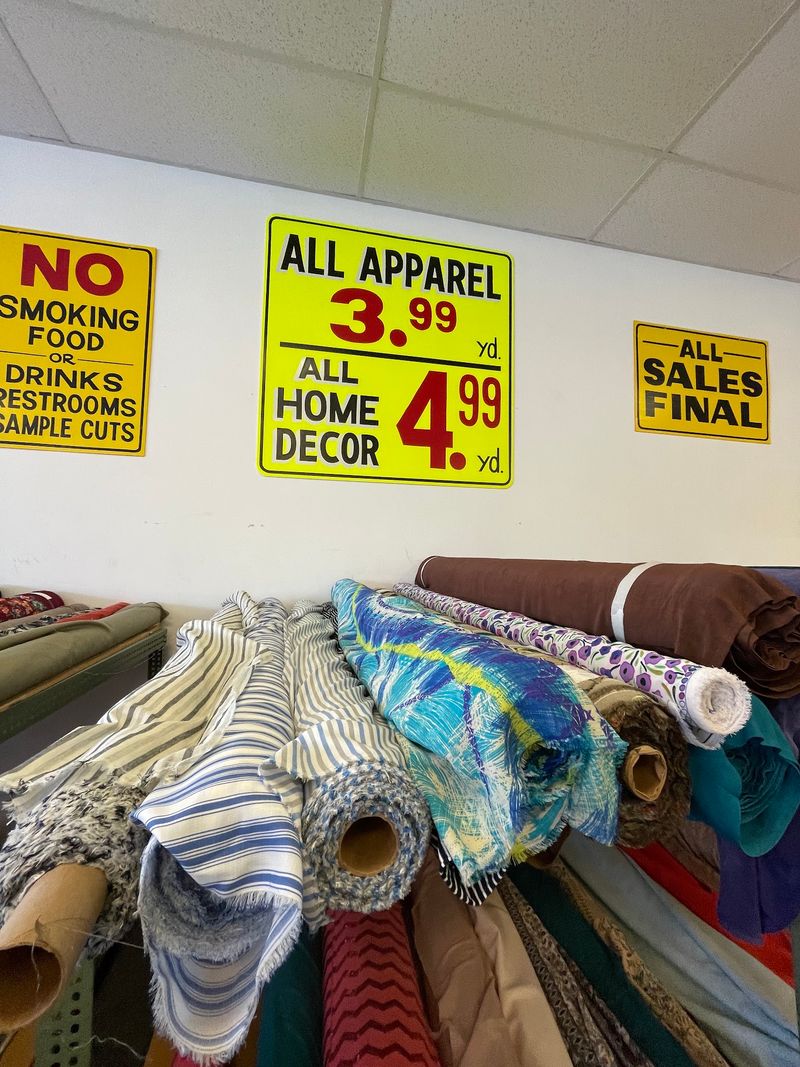
Simple pricing removes much of the usual mental gymnastics from a fabric run. Current information lists apparel fabrics at $4.99 per yard and home decor materials, including upholstery choices, at $9.99 per yard.
Confirm posted prices in the store because retail details can change over time.
Those two broad levels make early budgeting surprisingly easy. Multiply the pattern yardage by the correct rate, then include enough money for any additional material your design requires.
Remember that low cost does not make every bolt interchangeable. Apparel cloth may need suitable stretch, weight, or drape, while upholstery fabric should match the expected wear.
I compare the projected total before falling for a color. That small pause keeps a charming bargain from becoming an unsuitable pile in the sewing room.
Treat The Selection Like A Treasure Hunt
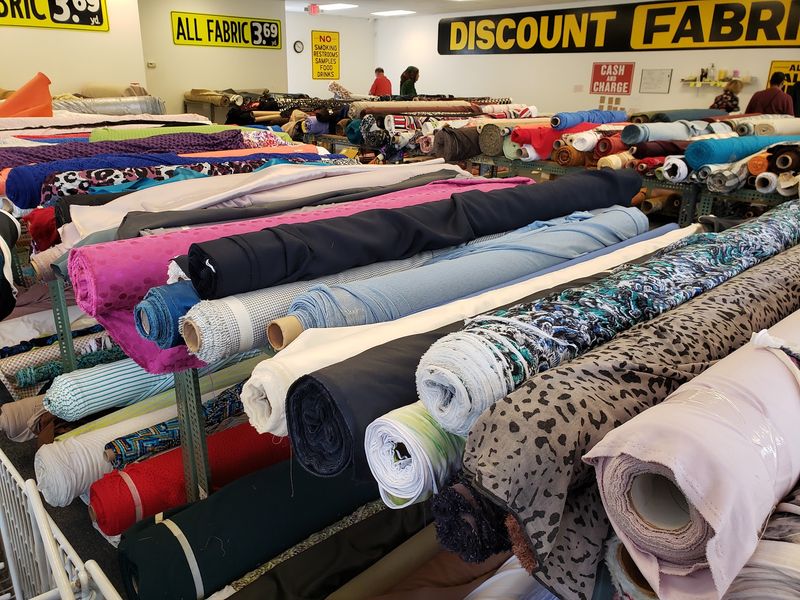
One aisle may hold practical twill while the next offers lace dramatic enough to start an entirely new costume idea. Inventory changes as mill ends, overruns, and leftover production materials arrive, so the experience differs from shopping through a permanent catalog.
That unpredictability is part of the store’s appeal.
Walk through every relevant section before deciding, even when the first option seems good. Compare weight, surface, stretch, width, color, and how the material hangs when unrolled.
A phone note can track promising bolts without relying on memory. Keep expectations flexible because a precise print or shade may not appear that day.
Shoppers who focus on useful qualities rather than one exact design usually have better odds of finding an affordable substitute that still serves the project beautifully.
Buy Enough When A Find Works
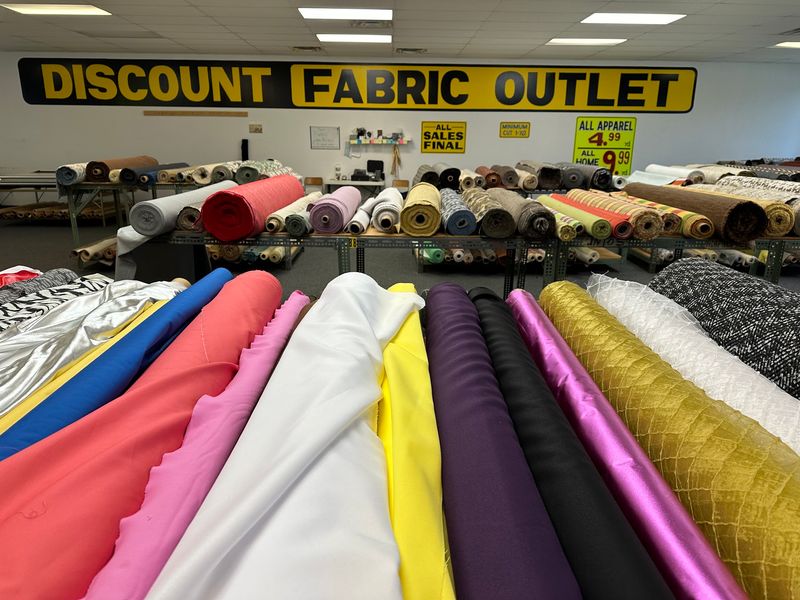
Finding the right textile here comes with one small catch: the same material may not remain available later. Changing stock means a return visit could reveal fresh choices but no trace of yesterday’s favorite.
When a fabric truly fits, calculate carefully and purchase enough for the complete job.
Include pattern matching, directional designs, hems, test pieces, repairs, and possible cutting errors in that total. Upholstery projects deserve special care because several cushions or chairs should look consistent together.
Ask whether the visible roll holds your required yardage before building plans around it. Avoid panic buying, though.
Check fiber feel, width, stretch, flaws, and intended use first. The smart move sits between hesitation and impulse: verify the material, confirm the amount, then act while it remains available.
Ask Staff To Unroll Heavy Fabrics
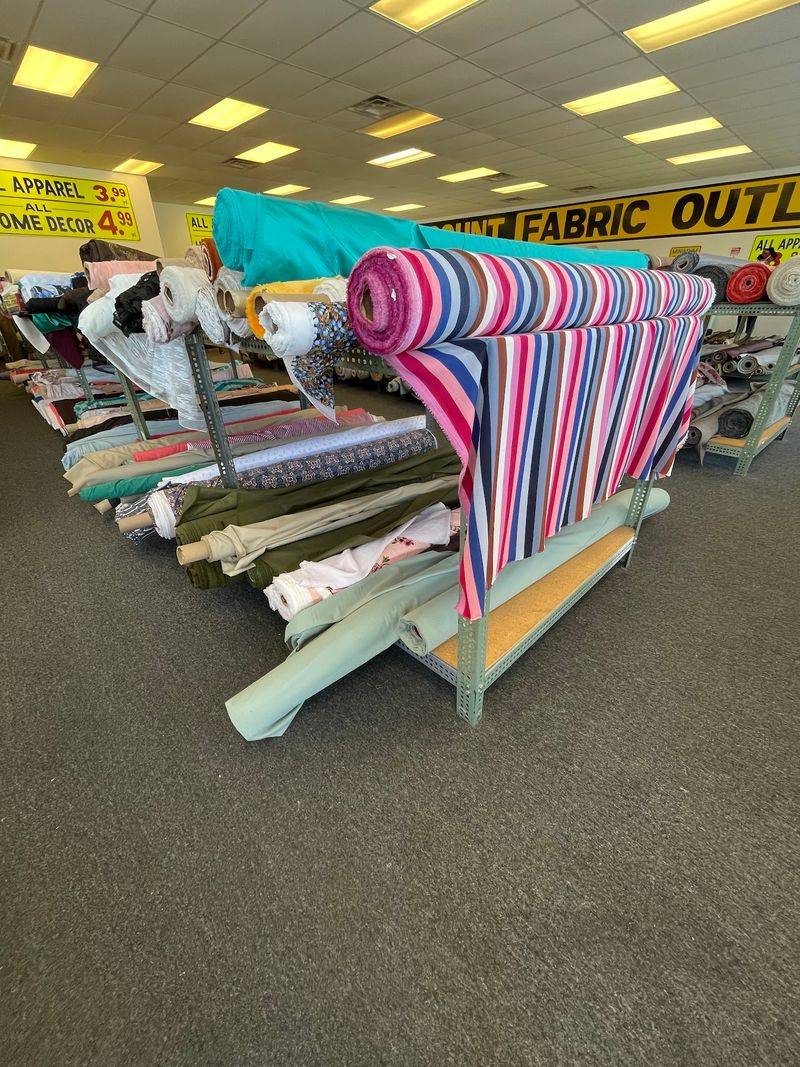
Upholstery rolls can be awkward, heavy, and surprisingly secretive when only their outer layer is visible. Ask staff to lift or unroll material rather than wrestling with it alone.
Seeing a larger section reveals pattern scale, color movement, texture, and flaws that a narrow glimpse might hide.
Assistance is especially useful for visitors with lifting restrictions or anyone comparing fabric against a photograph or sample. Explain whether the project involves seating, curtains, clothing, costumes, or another craft, then share the qualities that matter most.
Clear details produce more useful suggestions than simply requesting something nice. Staff can present several possibilities, but take time to touch and inspect each one yourself.
A helpful conversation speeds the search without replacing your judgment about comfort, care, durability, or appearance.
Look Beyond The First Color
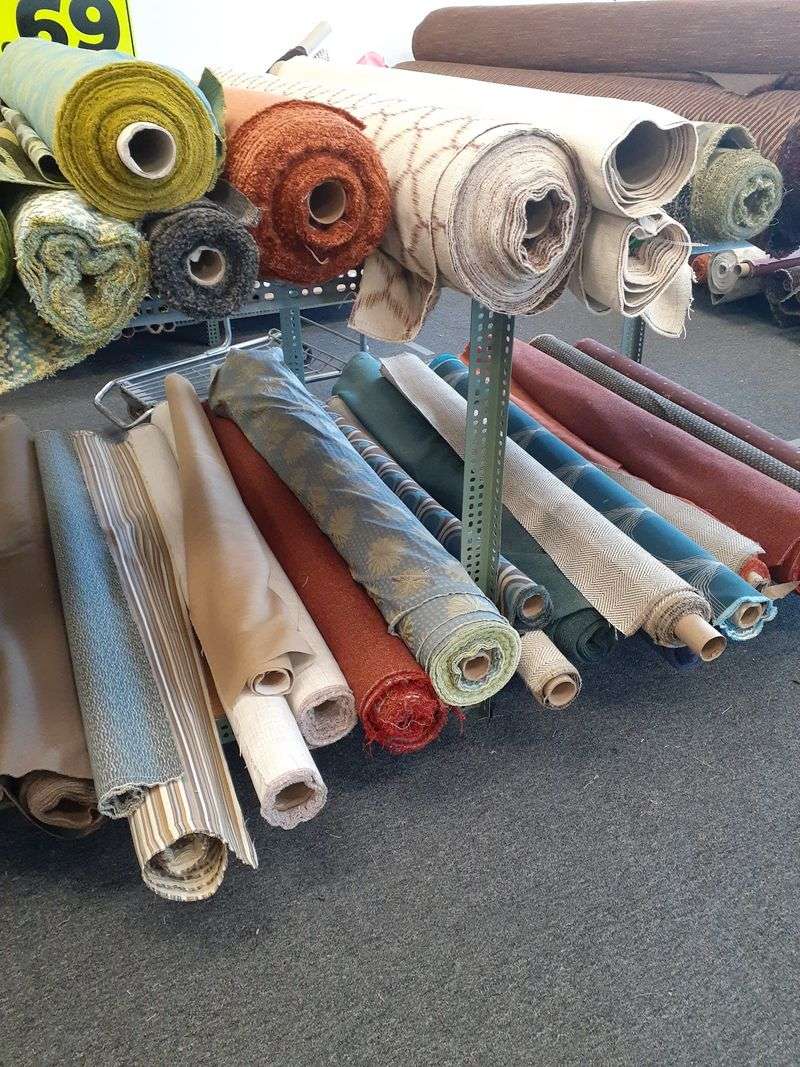
Color catches the eye first, but behavior decides whether cloth succeeds. Pinch a small fold to judge thickness, let an unrolled section hang to study drape, and gently test stretch where permitted.
A beautiful shade cannot rescue material that fights the pattern or feels wrong.
Consider how the finished piece will be washed, worn, handled, or placed in a room. Dresses may need movement, athletic items require suitable stretch, and frequently used furniture calls for a practical surface.
Layering can also change the result; lace over a contrasting base looks quite different from lace viewed alone. Bring supporting fabric when planning such combinations.
These quick checks cost nothing and reduce waste. They also help separate an exciting price from a genuinely useful purchase you will enjoy cutting and sewing.
Use The Fabric Width To Save
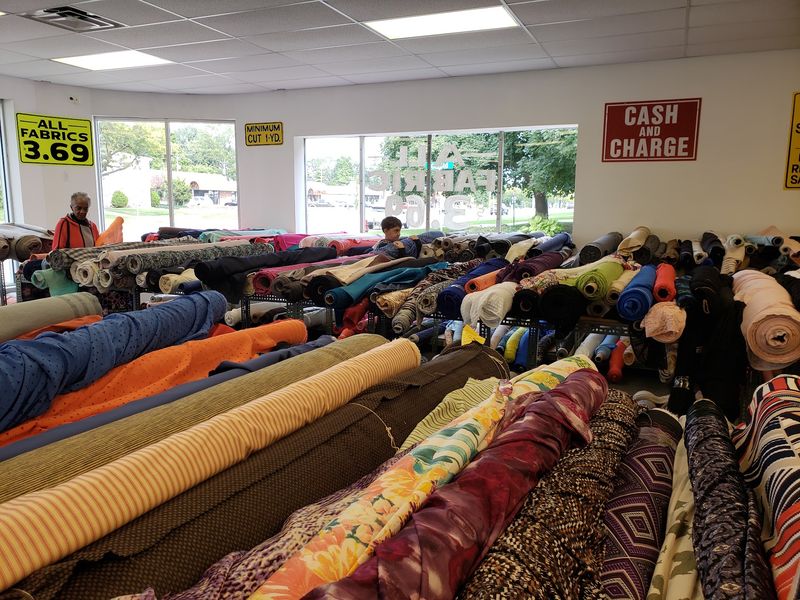
Wide fabric is the quiet budget hero hiding behind an attractive price per yard. Many materials at Discount Fabric Outlet are rolled rather than folded, and the selection can include widths around 60 inches or greater.
More width may let pattern pieces sit together efficiently and reduce required yardage.
Check the usable width yourself because selvages, flaws, or a directional print can limit the workable area. Compare that measurement with the layout suggested by your sewing pattern instead of assuming the widest option automatically saves money.
Home decor projects also benefit when broad cloth covers cushions, panels, or furniture sections with fewer seams. I sketch a rough cutting layout before ordering.
Five thoughtful minutes can prevent buying extra length, while rolled storage may also mean fewer deep creases to press out later.
Plan For Parking And Accessibility
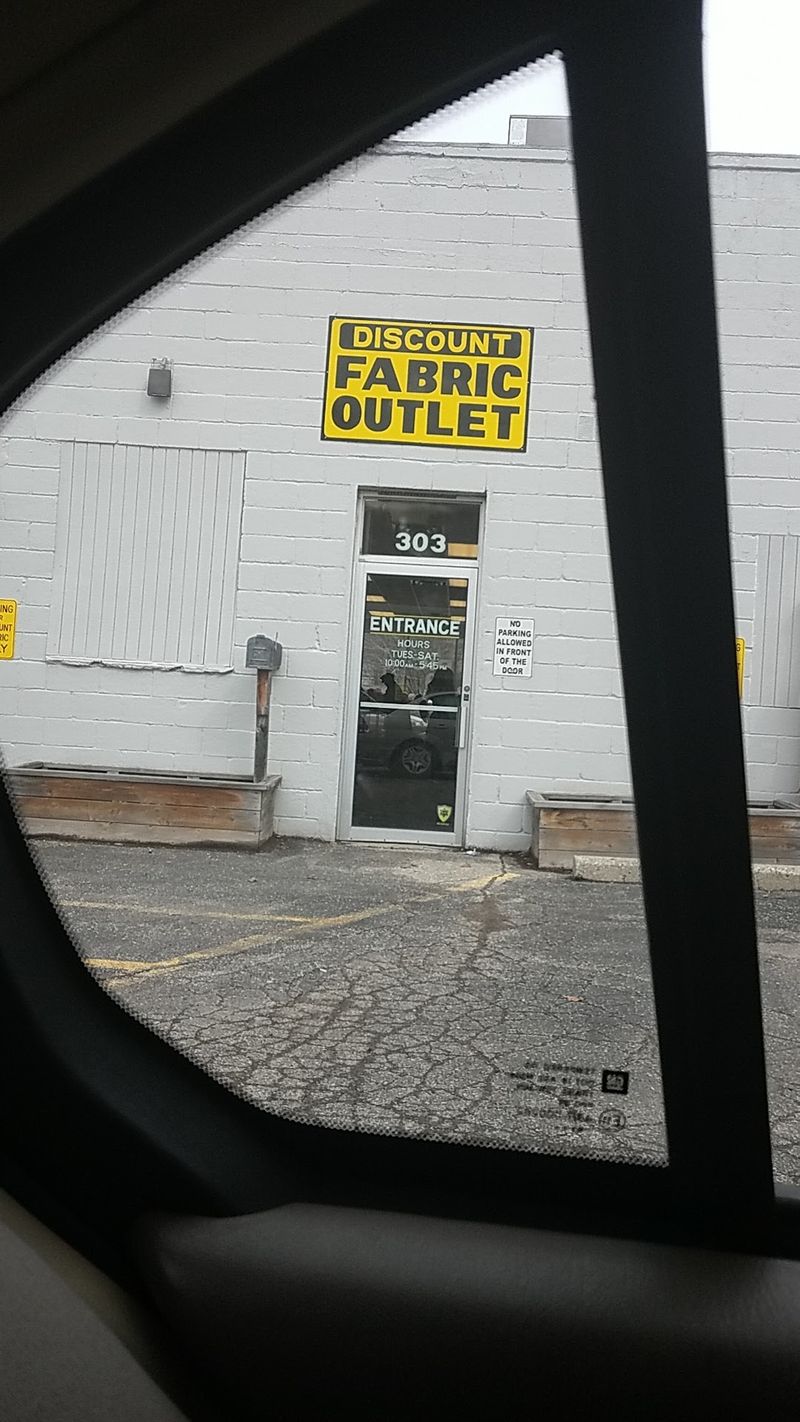
A smooth visit begins outside the fabric racks. Discount Fabric Outlet provides access to street and private-lot parking at its West 14 Mile Road location.
The store is also wheelchair accessible, with an entrance designed to avoid a large step, making arrival easier for many shoppers.
Choose a parking spot that gives you room to load bulky rolls or several bags after checkout. Visitors with limited strength can ask staff for help handling and opening heavier bolts instead of risking strain.
One practical detail deserves advance planning: the business has a posted no-public-restroom policy. Stop somewhere appropriate before arriving, particularly when traveling a long distance or shopping with family.
Sorting out these basic needs leaves more energy for comparing textures, checking yardage, and making careful choices rather than cutting the visit short.
Watch For New Inventory Alerts
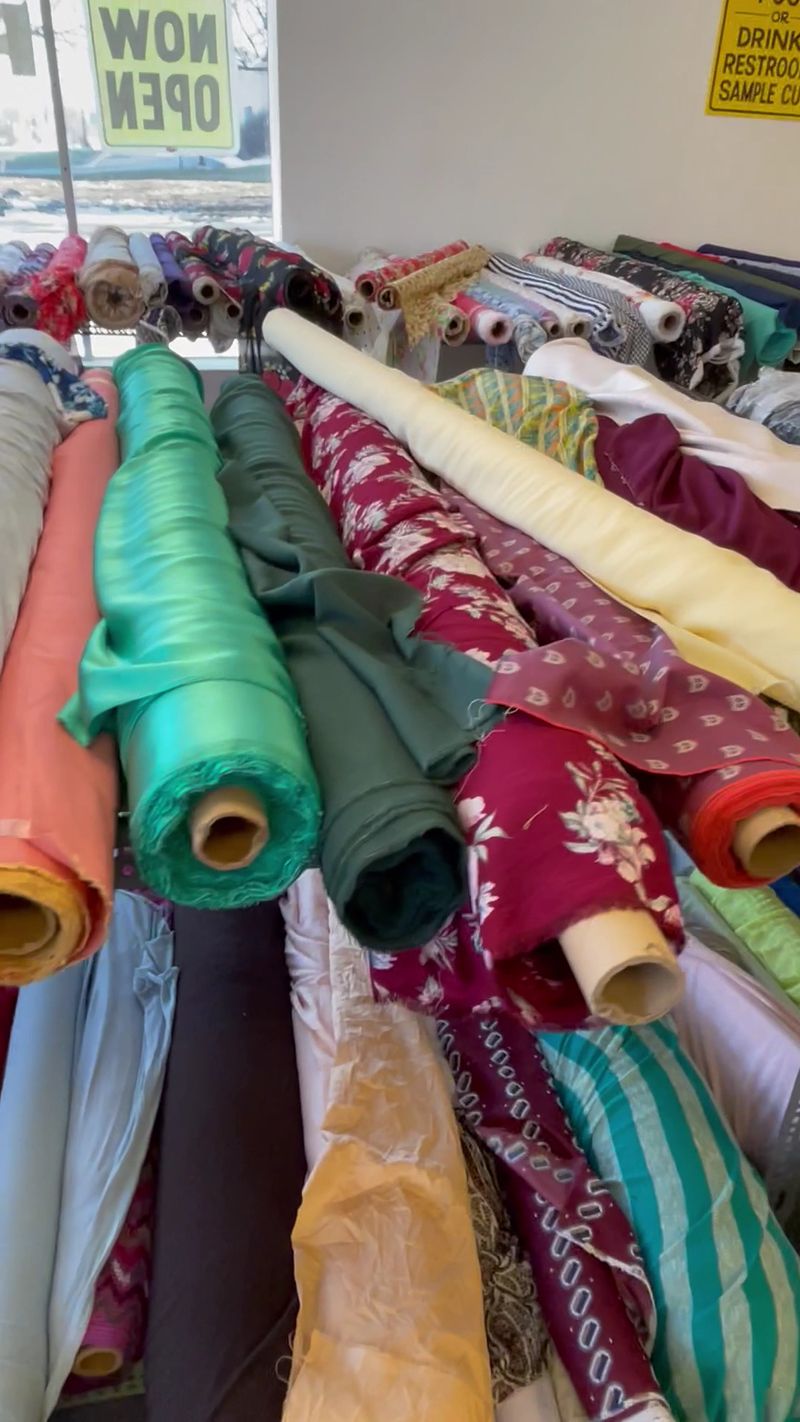
Fresh shipments can transform the floor faster than a seasonal display change. The store receives new fabric regularly, sometimes in very large quantities, while older choices may disappear.
Signing up for its text alerts can provide notice when new inventory lands and help time a return visit.
Follow the business Facebook page as another source for current announcements, closures, and stock highlights. Alerts are most useful when treated as signals, not guarantees that one exact fabric will remain available.
Visit promptly if a shipment matches an upcoming project, then inspect the material before purchasing. Keep a short list of future makes on your phone so unexpected cloth has a sensible destination.
That habit encourages creative discoveries without turning every exciting arrival into an unplanned expense or overcrowded storage shelf.
Pay Easily And Check Every Cut
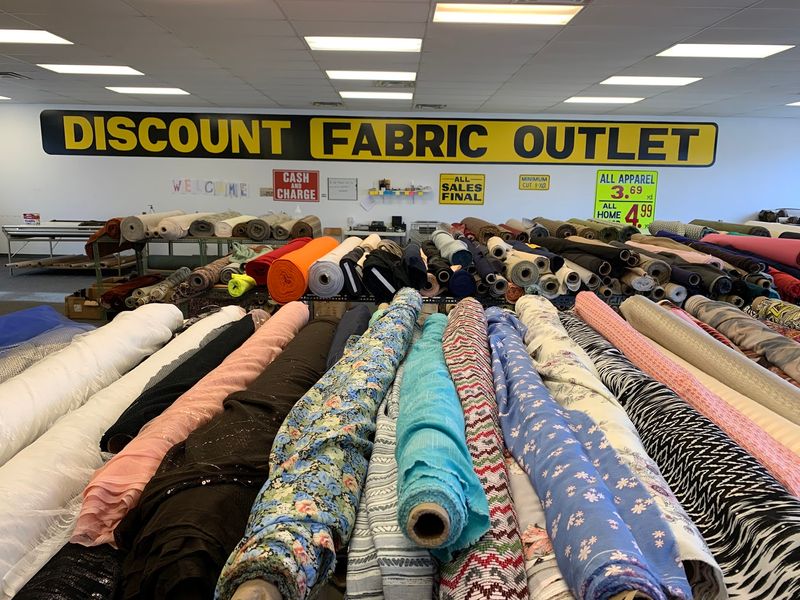
The final few minutes deserve as much attention as the colorful search. Discount Fabric Outlet accepts credit cards, Apple Pay, and Android Pay, giving shoppers several convenient ways to complete a purchase.
Before payment, confirm the fabric name or description, total yardage, unit price, and final amount.
Watch the material as it is unrolled and measured, especially when a project needs one continuous piece. Notice runs, marks, holes, or unusual sections and discuss any concern before the cut is finished.
Keep your receipt with pattern notes, care details, and a small labeled swatch after reaching home. That scrap becomes handy when selecting thread, lining, trim, or replacement material.
Careful checkout habits are not fussy; they protect a bargain and make the sewing stage calmer, quicker, and far less mysterious.