
Thousands Of Stars Fill The Sky At Kitt Peak National Observatory Near Tucson, Arizona, Where The Milky Way Feels Close Enough To Touch
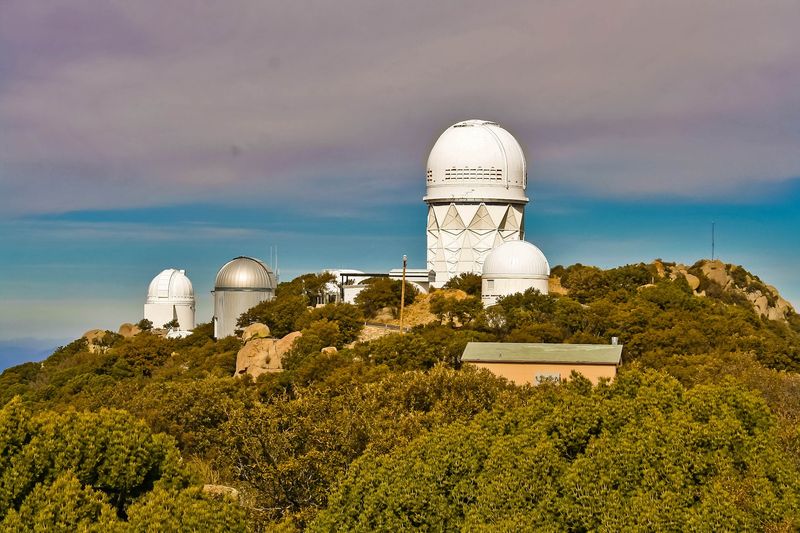
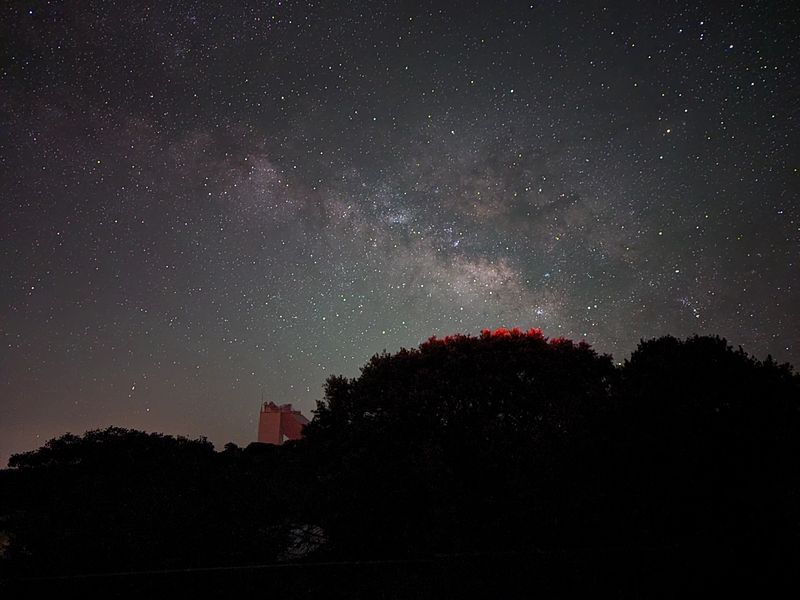
Nearly 7,000 feet above the Sonoran Desert, the air gets so clear that the Milky Way stretches overhead like spilled sugar across black velvet. About an hour southwest of Tucson sits a mountaintop where scientists have studied the universe since 1958, and where regular folks can peer through powerful telescopes after dark.
You do not need any astronomy background to feel your jaw drop here. For anyone who has ever wished on a star, this Arizona spot delivers thousands of them at once.
A Mountaintop Perch Above the Sonoran Desert
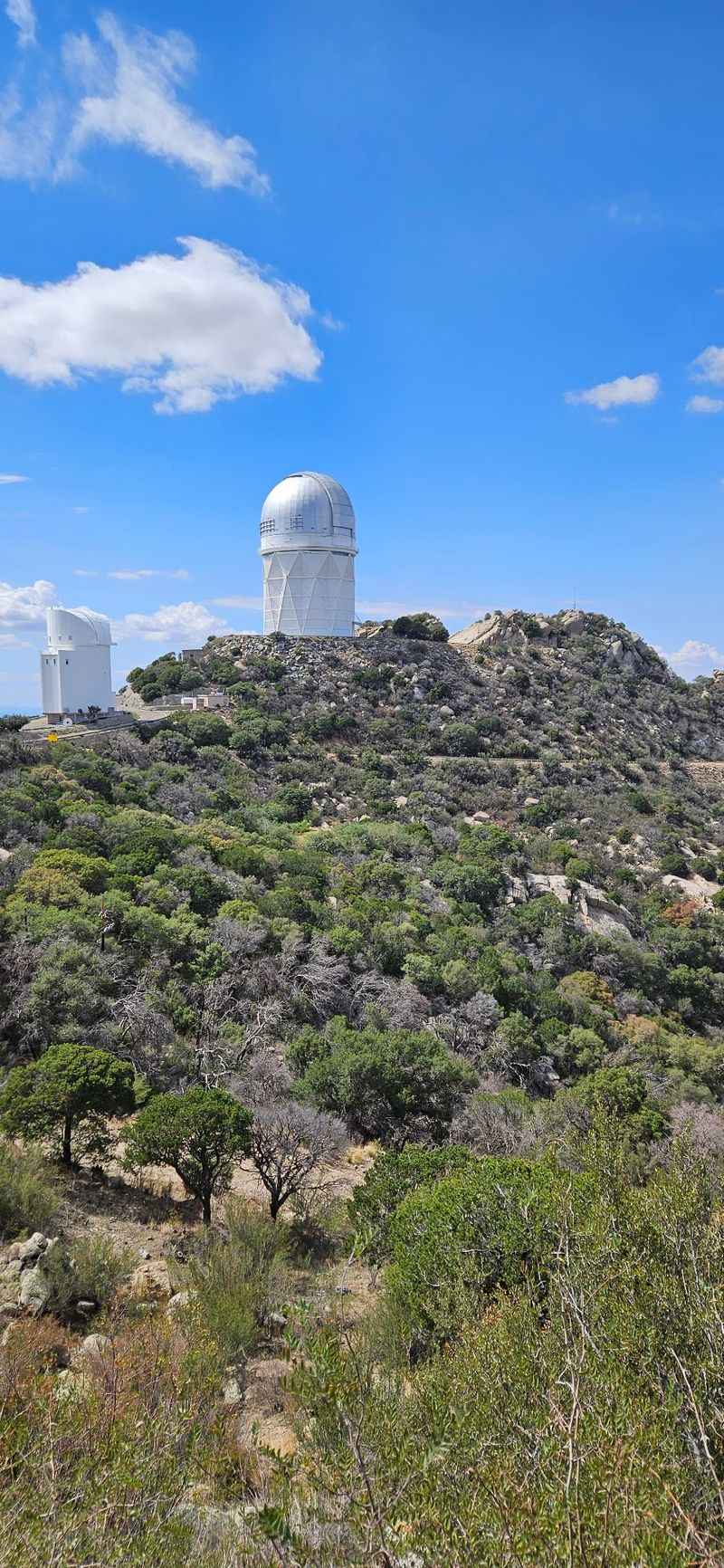
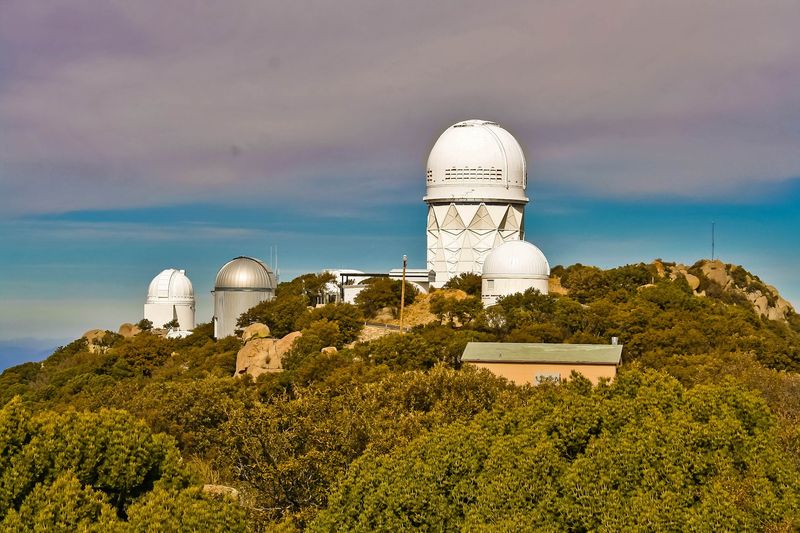
Roughly 54 miles southwest of Tucson, a cluster of gleaming white domes crowns a peak that rises nearly 7,000 feet out of the desert floor. Kitt Peak National Observatory sits in the Arizona-Sonoran Desert, high enough that the summit air feels noticeably cooler than the valley below.
The elevation is the whole point. Thin, dry mountain air combined with distance from city lights gives southern Arizona some of the darkest, clearest skies anywhere in the country.
What you find on top is essentially a science town in the clouds. More than two dozen optical and radio telescopes are scattered across the ridge, making this one of the largest and most varied collections of research instruments on Earth.
Visitors consistently describe the setting itself as a reward, even before the sky show begins. Watching a sunset paint the distant desert, sometimes with rain sweeping across faraway ranges, feels like a private preview.
Getting up there is easy in good weather, though the final climb hugs the mountainside. The payoff, waiting quietly overhead, is a universe most people never truly get to see.
The First National Observatory and a Sacred Mountain
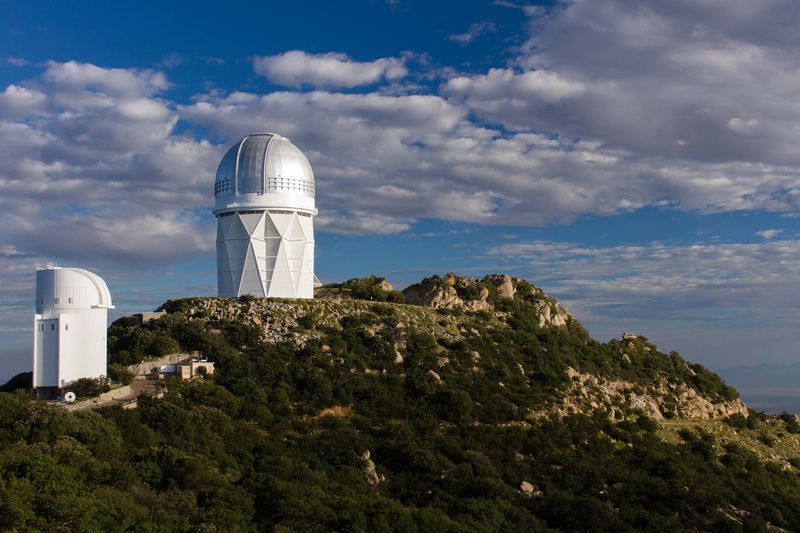
Born in 1958, Kitt Peak earned the title of the first national astronomical observatory in the United States, a milestone that shaped how America studies the stars. Decades of discovery have happened on this ridge, and guides love sharing how the site connects to universities across the country.
There is a deeper layer to the story, too. The observatory rests within the Schuk Toak District on the Tohono O’odham Nation, on a mountain the community regards as sacred.
Astronomers operate the facility with genuine respect for that heritage, and the partnership is part of what makes a visit feel meaningful rather than merely scientific. You are a guest on land that carries generations of significance.
Arizona itself has become a haven for skywatchers, holding more certified International Dark Sky Places than any other state and enjoying more than 300 clear nights a year across its southern half.
Standing among the domes, you get the sense of being somewhere that matters on two levels at once. Long before telescopes arrived, people looked up here.
Now everyone gets a turn.
The Nightly Observing Program That Steals the Show
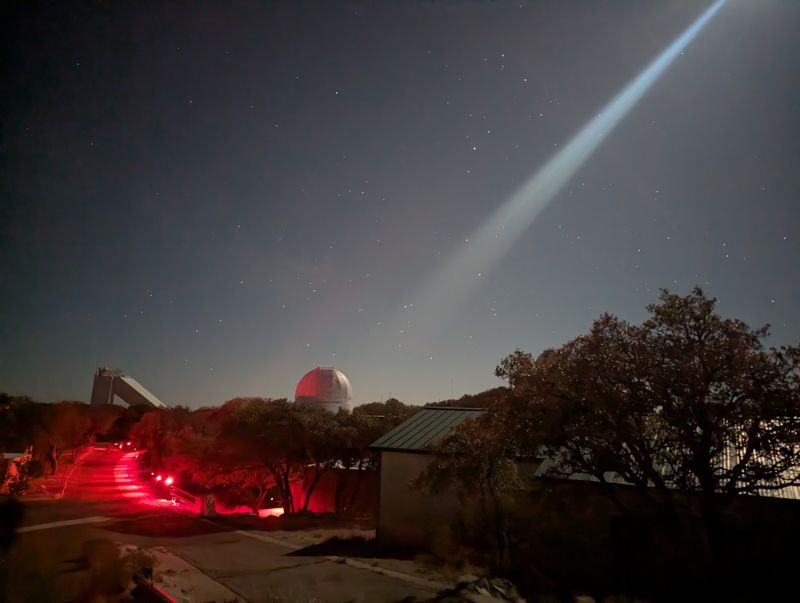
Ask around about the single best experience on the mountain, and one program keeps coming up: the Nightly Observing Program, or NOP. Running year-round and lasting roughly four to five hours, it walks total beginners from first curiosity to genuine wonder.
The evening builds in stages. A light meal, a bit of history, then a sunset, followed by spotting stars and constellations with high-powered binoculars before you step into a dome for a look through a serious telescope.
Families rave about it. Parents mention bringing kids as young as ten who stayed glued the entire time, so absorbed in the telescopes and sky that nobody wanted to leave when the night ended.
The price runs around $89 per person, though it can vary, and many visitors call it worth every penny. Some return in a different season just to try another package.
Guides carry the whole experience, blending humor with real knowledge and making cosmic ideas feel relatable to non-astronomers. Even on cloudy nights, groups report the discussions and exhibits kept things captivating until the clouds parted.
Sleeping Under the Stars as a Visiting Astronomer
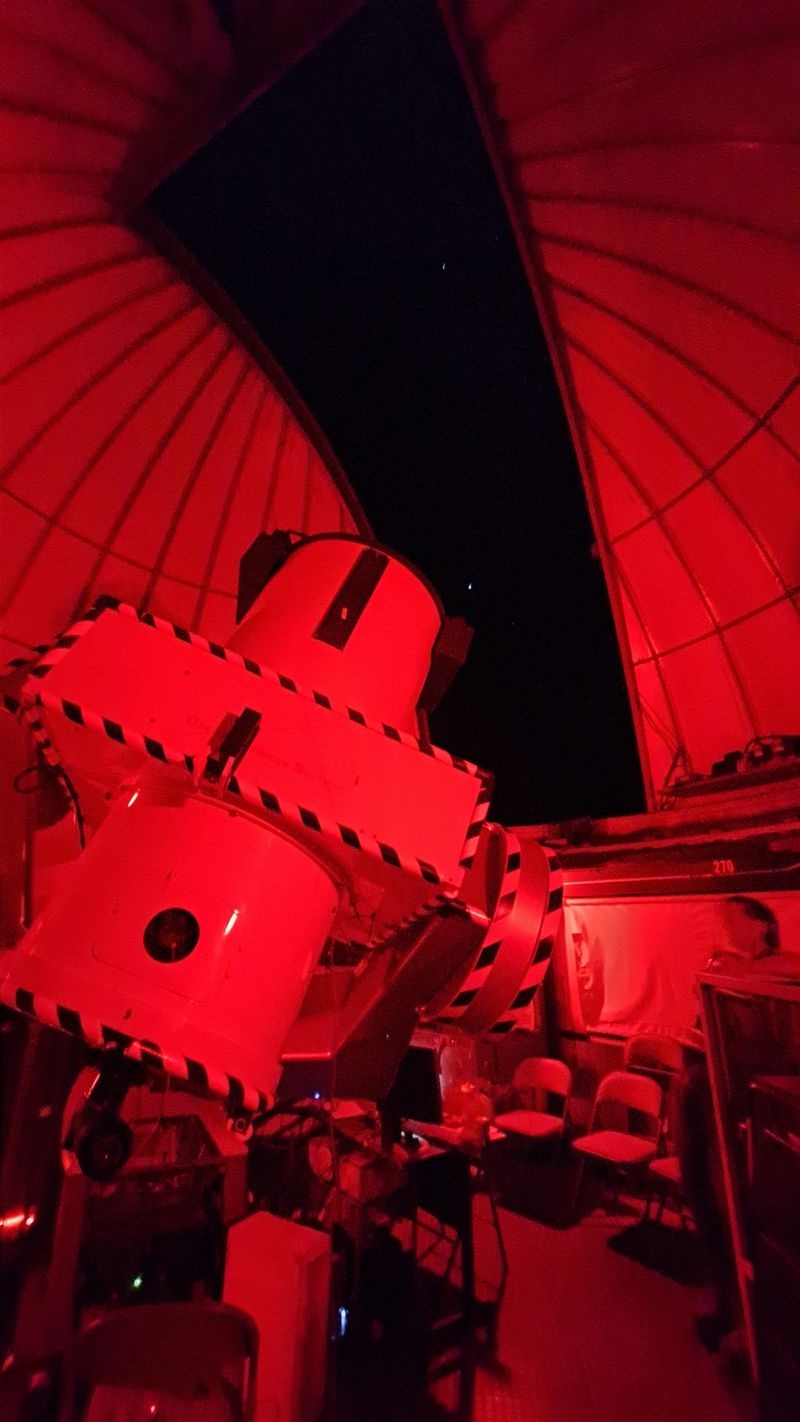
For the truly star-struck, there is a rare chance to live the astronomer’s life for one full night. The Overnight Telescope Observing Program hands up to four guests the keys to an authentic research experience most people only imagine.
You get dedicated time with a visitor center telescope, a telescope operator guiding you through the sky, meals, and an on-site dorm room so you can chase objects deep into the darkest hours.
It is the premium tier, ranging from about $1,000 to $1,400, and clearly built for a special occasion or a serious bucket-list moment. Split among a small group, it becomes a shared adventure nobody forgets.
Imagine having the mountaintop mostly to yourself long after the day crowds have gone. No rushing, no schedule squeezing you along, just you and the endless sky.
Because only a handful of guests can book it, spots vanish fast. If a full night among the domes sounds like a dream worth splurging on, this is the program that turns amateurs into honorary sky researchers for an evening.
Moon Nights and Beginner-Friendly Sky Tours
Not every program aims for faraway galaxies. The Magnificent Moon Program zooms in on our closest neighbor, offering focused telescopic and binocular views around the time of the full moon, when craters and ridges leap into sharp detail.
There is real charm in giving the Moon center stage. It is bright, familiar, and endlessly fascinating up close, making it a warm entry point for anyone new to looking up.
During summer and fall, the Astro 101 binocular tour offers another gentle introduction, guiding you across the night sky and teaching you how to find things for yourself with nothing fancier than binoculars.
These lighter programs prove you do not need a giant telescope to feel amazed. Visitors describe learning to spot constellations, star clusters, and colorful stars they never knew existed overhead.
The variety means repeat visits never feel repetitive. Try a moon night one trip, a dark-sky evening the next, and the mountain hands you a completely different show each time.
For families easing kids into astronomy, these tours hit a sweet spot between fun and genuine learning.
Daytime Tours Among Giant Research Telescopes
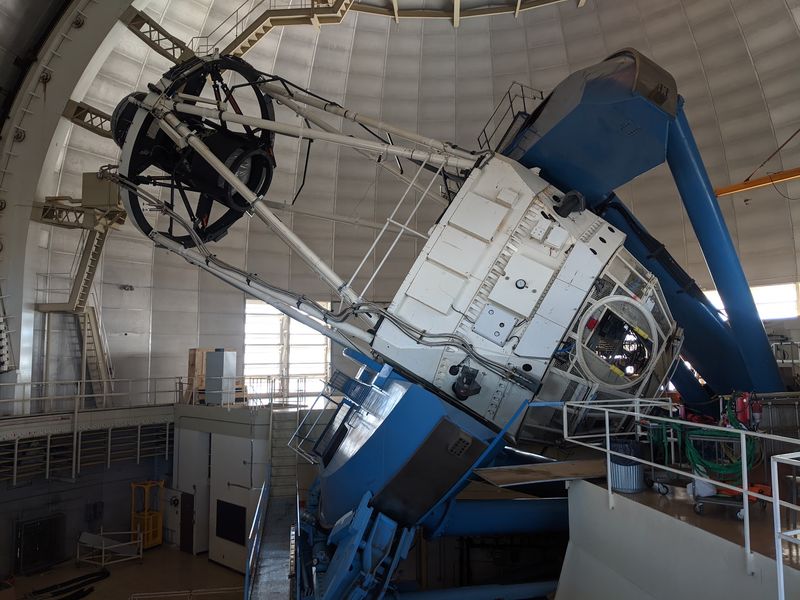
Sunlight reveals a different kind of magic on Kitt Peak. From 9 a.m. to 4 p.m. daily, the Visitor Center welcomes guests, and guided daytime tours run seven days a week for anyone wanting a closer look at working science.
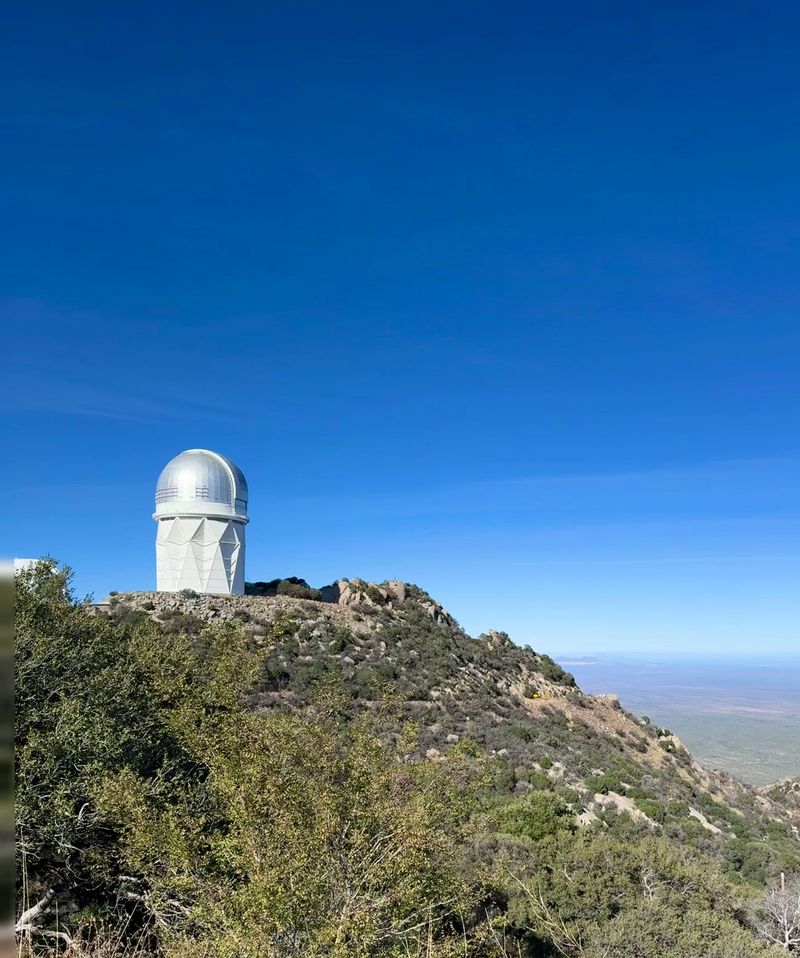
Docent-led tours last about an hour and take you past some of the observatory’s most impressive machines. You might stand beneath the Nicholas U.
Mayall 4-meter Telescope or the towering McMath-Pierce Solar Telescope, once the largest solar telescope in the world.
The guides earn steady praise for being knowledgeable, patient, and genuinely kind, fielding endless kid questions and sparking fresh curiosity about the universe.
A regular daytime tour runs $19.95, with discounts for seniors, groups, military members, and students. General admission to the exhibits costs $14.95.
Some longtime visitors do note the site is more structured than it once was, with access beyond the Visitor Center now tied to paid tours. Even so, most walk away calling it well worth the time, especially with that mountain elevation offering a cool break from desert heat.
The New Science Center in a Former Solar Control Room
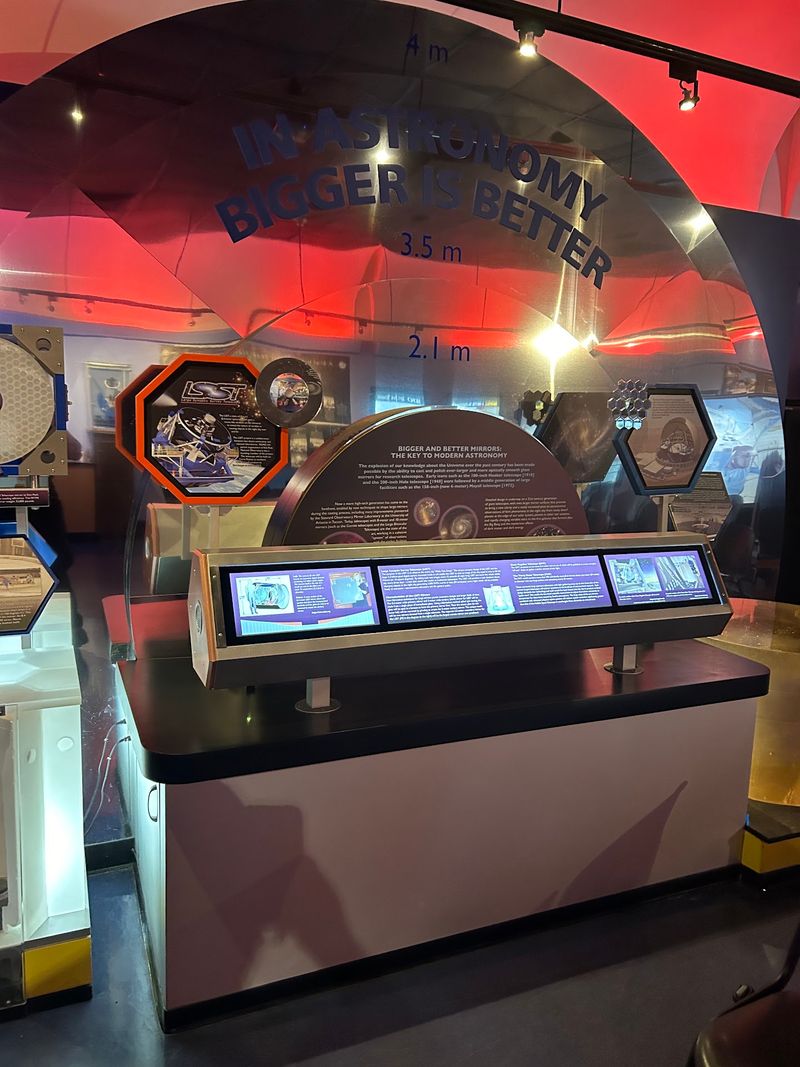
One of the freshest additions on the mountain lives inside history. The new Taṣogida Ki: Center for Astronomy Outreach occupies the former control room of what was once the world’s largest solar telescope, now reborn as a public learning space.
General admission of $14.95 gets you into the exhibits and this science center, where the McMath-Pierce Solar Telescope is being transformed from a research tool into a hands-on outreach destination.
Visitors describe the space as top-notch, a polished modern addition that makes big astronomical ideas approachable for everyday guests and curious kids alike.
There is something poetic about a room that once helped scientists study the Sun now inviting families to explore the cosmos together. The bones of serious research surround you while you learn.
A friendly tip worth remembering: give yourself time here. A few guests have felt rushed through on tighter tours, so arriving early or building in extra minutes lets you actually soak up the displays.
Pair it with a stop at the gift shop, which stocks locally made crafts alongside the usual souvenirs.
An Experience Built for Families and First-Timers
Something special happens when kids look through a real telescope for the first time. Grandparents bring twin teenagers, parents haul along the whole crew, and again and again the youngest visitors turn out to be the most enthralled.
You will hear stories of a 14-year-old on his first visit enjoying every minute, and of children so hooked on the telescopes that good behavior came naturally because they simply did not want to miss a thing.
No experience is required, which is the beauty of it. Guides make the science relatable for regular people, answering questions patiently and turning strangers into a curious little community for the evening.
The programs split larger groups into small rotating stations, so everyone gets real time at the eyepiece rather than waiting in a long line. Kids and adults alike come away having actually seen planets, star clusters, and colorful stars.
It ranks high on family highlight lists, with several folks calling it one of the coolest things to do around Tucson. For sparking a lifelong love of the sky, few outings compete.
Dressing for the Chill and Planning the Drive
Here is the tip nearly every visitor stresses: bring layers. At almost 7,000 feet, evenings turn cool even in warmer months, and standing still under the stars for hours amplifies the chill.
Pack pants, closed-toe shoes, and something warm to throw on, plus maybe a hat. Some nights stay mild in the low 50s, while others get breezy, and one group even had a program adjusted around strong winds.
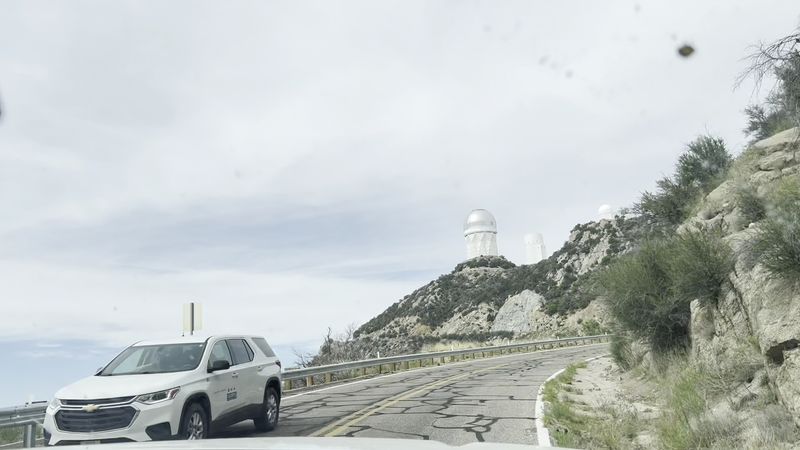
The journey up is half the adventure. The drive from Tucson rolls through gorgeous Sonoran Desert, and those final twelve miles climbing the mountain deliver views people describe as phenomenal.
If heights make you nervous, the winding road can feel a touch dramatic, though most find it manageable in good conditions. Wildlife sightings along the way are a common bonus.
Because the summit sits so high, guests with health concerns affected by elevation should plan accordingly. After evening programs, an observatory vehicle safely leads visitors down part of the dark, twisting road, so you are never guessing your way in the dark.
Booking Ahead and Whether It Earns the Trip
Plan early or risk missing out entirely. Tours and nighttime programs run on limited space and often fill up weeks or even months ahead, so advance reservations are essential rather than optional.
The Visitor Center keeps daily hours of 9 a.m. to 4 p.m., but the marquee experiences happen after dark, and those are exactly the ones that sell out. Locking in your date is the single smartest move you can make.
So is it worth it? The steady chorus points to yes.
People describe seeing the Milky Way stretch clearly overhead, watching Jupiter, Saturn, the Andromeda Galaxy, and the Orion Nebula swim into view, and even catching a rocket launch in the distance.
Yes, it costs money, and yes, the site is more structured than the free-roaming days of decades past. Even so, the overwhelming feeling is one of genuine awe and value for a truly bucket-list night.
For anyone within driving range of Tucson who has ever wondered what the universe really looks like, this mountaintop delivers thousands of stars and a memory that lingers long after you head home.