
This Little-Known Maine Landmark Feels Like A Walk Through History
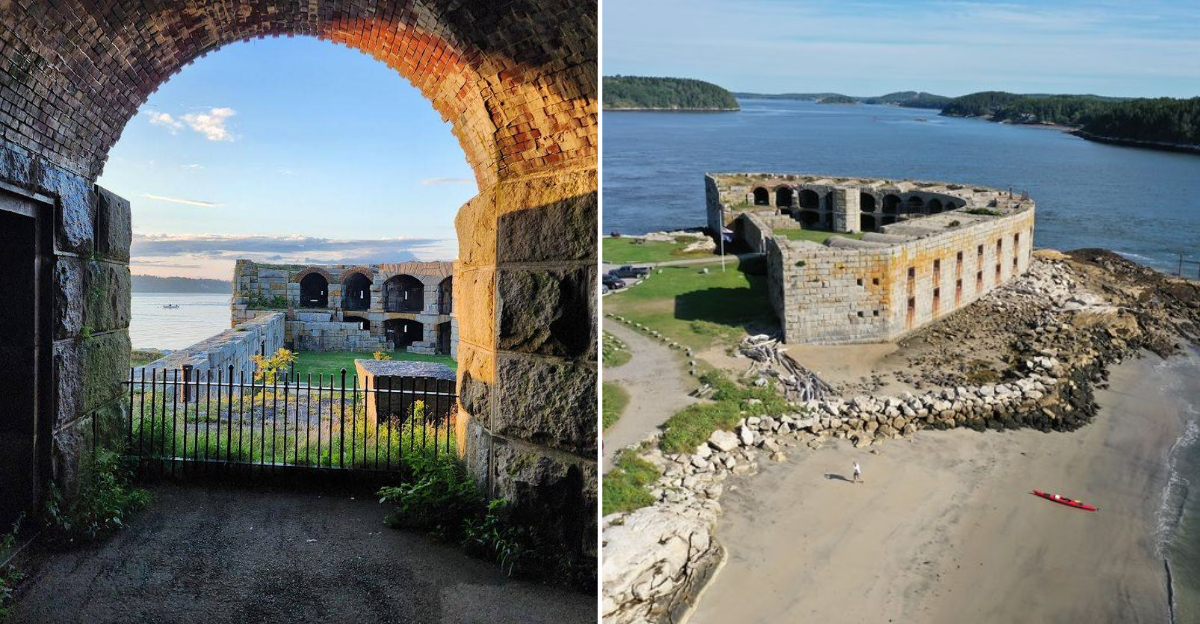
Maine has plenty of coastal stops that look beautiful on a postcard, but this one feels like something discovered by accident and remembered for years.
At the tip of a quiet peninsula, old granite walls stand beside restless Atlantic water, creating a scene that feels part fortress, part secret overlook, part forgotten chapter of history.
I first noticed it on a road trip map tucked inside a visitor center brochure, then nearly passed it by. That would have been a serious mistake.
The setting feels cinematic, the history runs deeper than most travelers expect, and the sea air gives the whole place a strange stillness that makes every step feel slower. It is the kind of Maine detour that asks for curiosity, rewards patience, and turns a simple coastal drive into something much harder to forget.
Granite Guardian Of The Kennebec
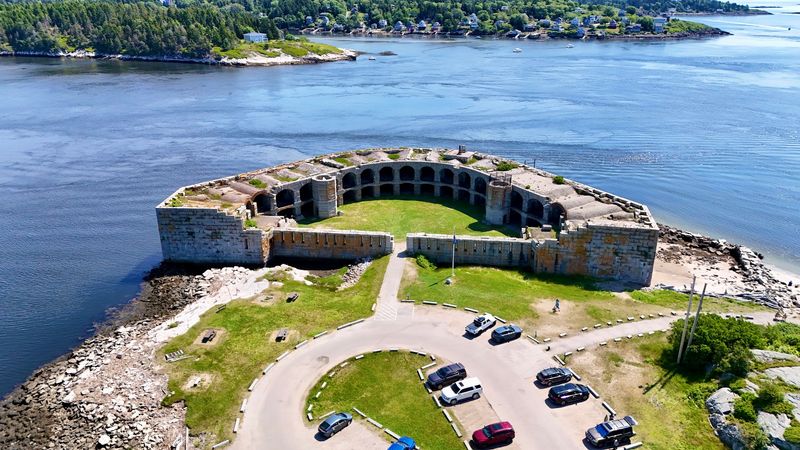
Standing at the mouth of the Kennebec River, Fort Popham was constructed during the Civil War era to defend Maine’s coastline from potential naval attacks.
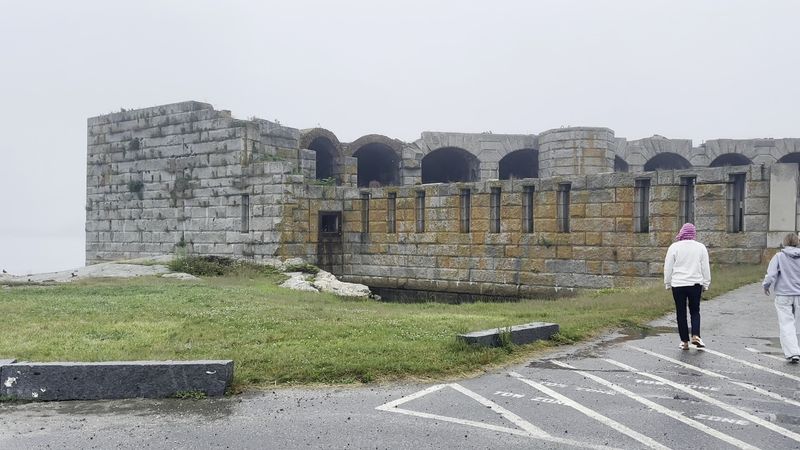
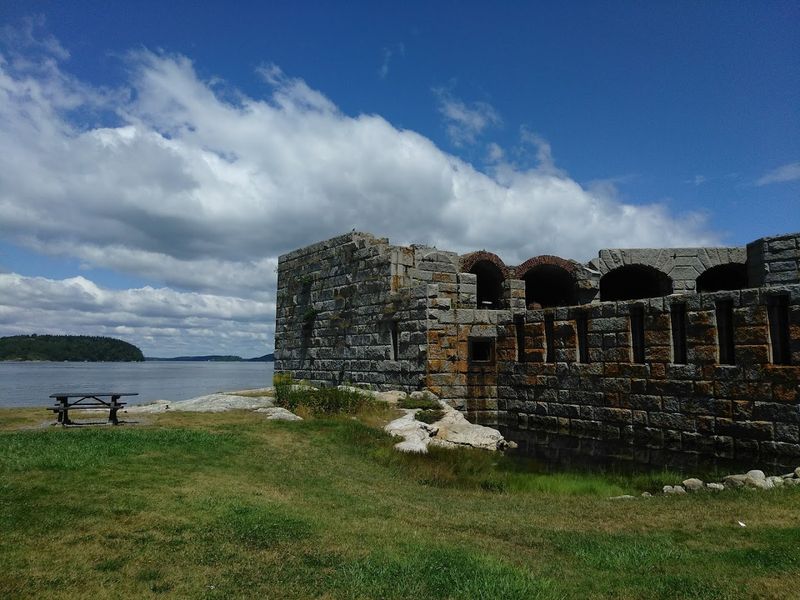
Work began on the fort in the early Civil War years, commonly dated to 1861 or 1862 depending on the source, and while it was never fully completed, what stands today is an impressive semicircular granite structure with thick, layered walls that feel almost otherworldly in their scale.
The fort sits at 219 Popham Rd, Phippsburg, ME 04562, right where the Kennebec River meets the open Atlantic Ocean. That geographic position was no accident.
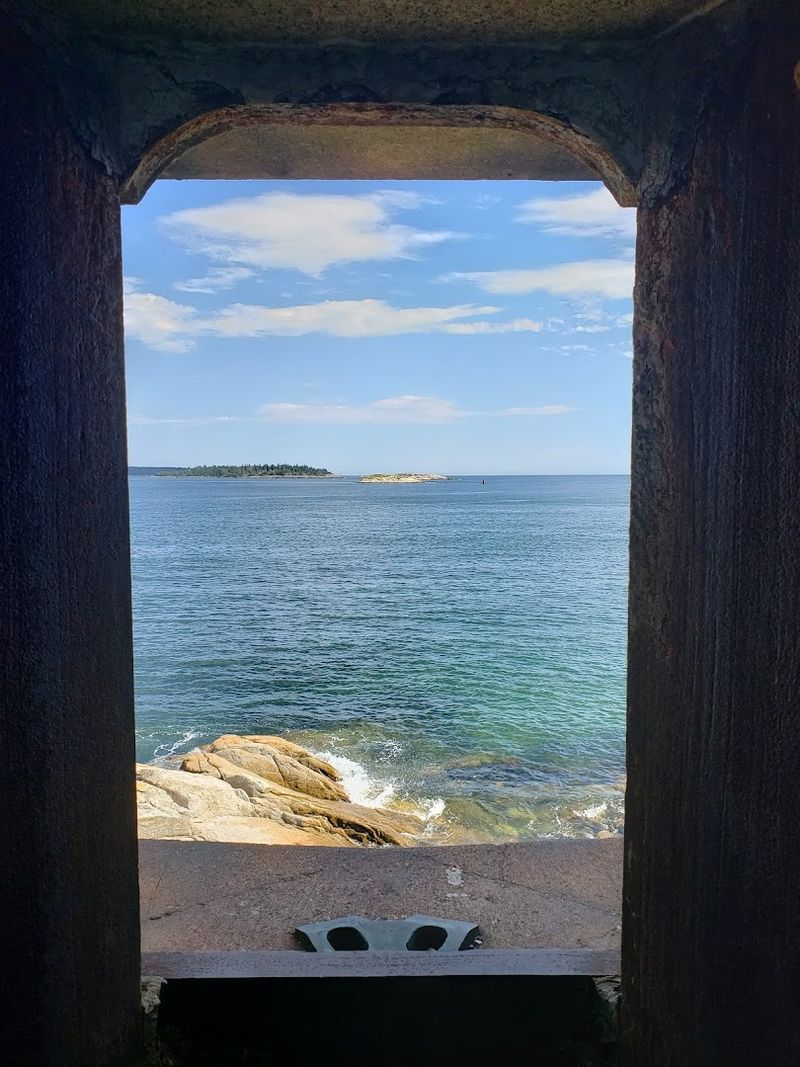
Military planners chose this spot specifically because any ship approaching the river would have to pass directly within firing range of the fort’s cannon ports.
Walking along the interior, you can still see the original iron fittings where cannons were once mounted. The craftsmanship in the stonework is extraordinary, and every carefully cut granite block tells a quiet story about the skilled laborers who shaped this coastal defense one heavy stone at a time.
Maine’s Forgotten 1607 Colony
Long before the Civil War fort was even imagined, this stretch of Maine coastline witnessed one of the earliest English settlement attempts in North America.
The Popham Colony arrived in 1607, the same year as the more famous Jamestown settlement in Virginia. Most people know Jamestown, but the Popham Colony rarely gets the recognition it deserves.
The colonists, sponsored by the Virginia Company of Plymouth, built a small settlement and even constructed a vessel called the Pinnace Virginia, believed to be the first English ship built in the Americas. That alone is a remarkable piece of history hiding in plain sight on this quiet peninsula.
The colony ultimately did not survive past 1608, but its legacy shaped how European explorers understood the region.
Visiting Fort Popham today puts you physically close to where those early settlers struggled through a brutal Maine winter, making the landscape feel layered with stories that textbooks rarely tell in full detail.
Why The Fort Looks So Strange
Fort Popham belongs to a style of military design known as a Third System fortification, a category that includes some of the most architecturally impressive military structures ever built in the United States.
What makes this style visually striking is the use of massive granite masonry shaped into curved, tiered walls designed to absorb cannon fire rather than simply block it.
The semicircular layout of the fort means there are no sharp corners for enemy fire to exploit. Every surface is angled to deflect impact, and the thickness of the walls would have made a direct breach nearly impossible with 19th-century weapons.
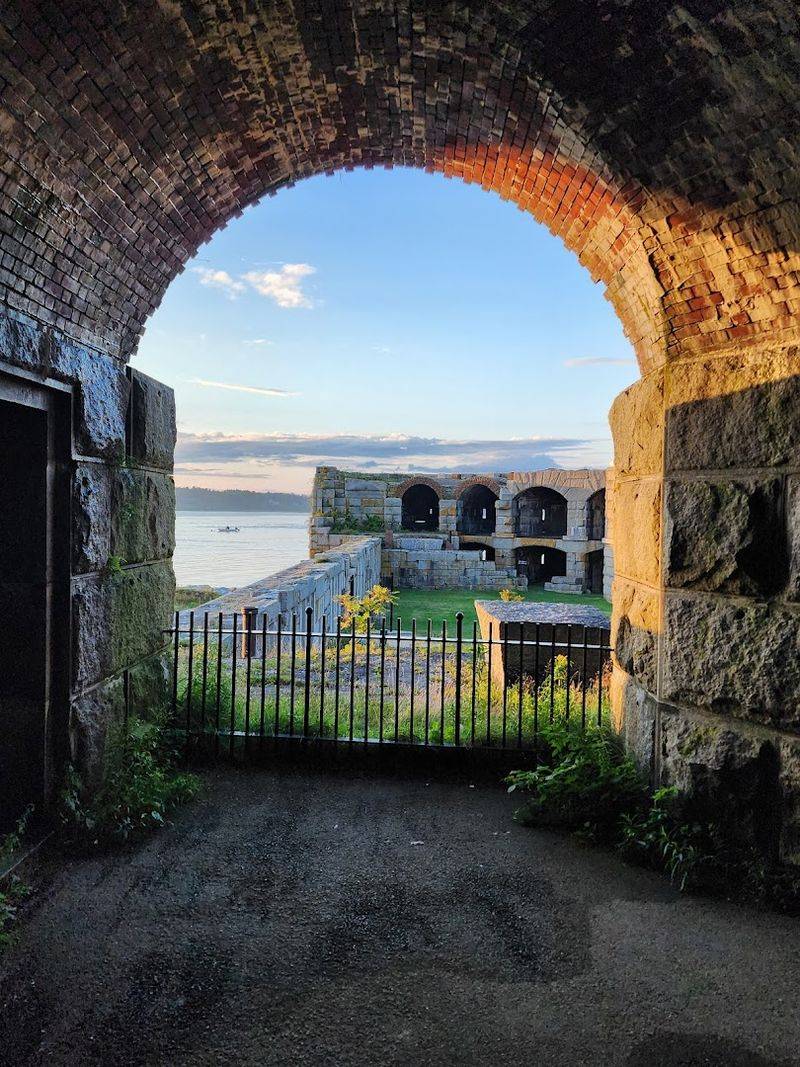
Walking through the arched passageways and peering through the original gun ports, you can feel how deliberately every detail was designed.
The fort was never finished, which means some sections remain open to the elements in ways that actually make exploration more interesting. You get a clear sense of what was planned versus what was completed, and that contrast adds a fascinating architectural puzzle to the whole visit.
The View From The Granite Stairs
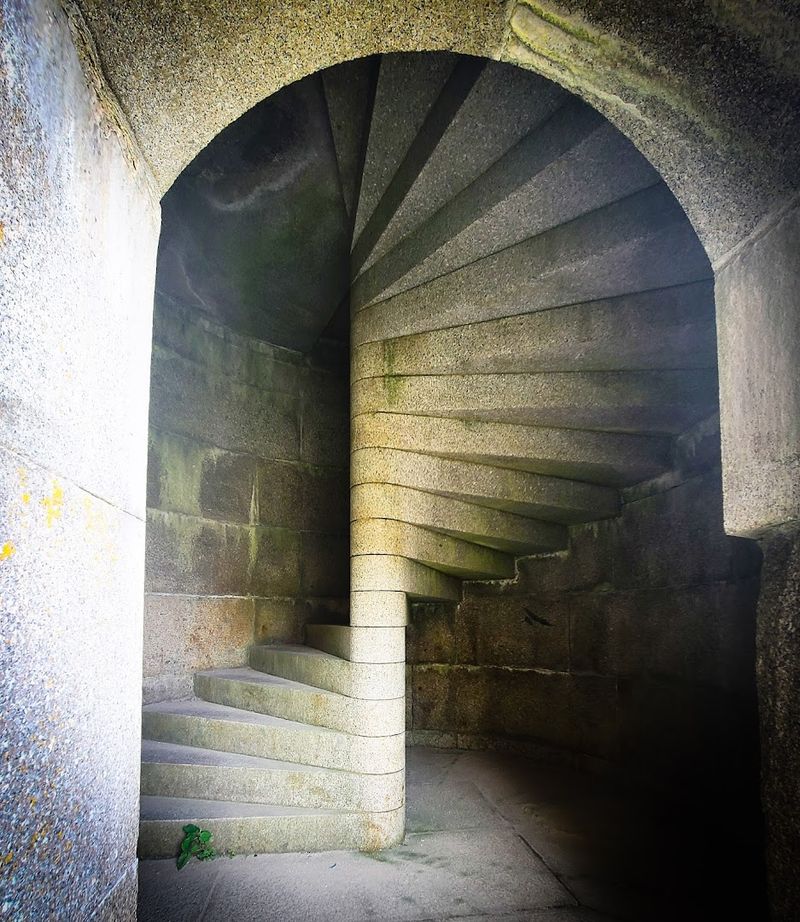
One of the most rewarding moments during a visit to Fort Popham happens when you find the spiral staircase tucked inside the tower and decide to climb it.
The stairs are narrow and worn smooth from years of foot traffic, and the ascent requires a little patience, but what waits at the top is absolutely worth every careful step.
From the upper level, the panoramic view stretches across the Kennebec River, Atkins Bay, and the surrounding coast. On a clear day, the water seems to go on forever, and the Maine coastline curves away in both directions with a beauty that photographs struggle to capture honestly.
The wind up there tends to be brisk, so a light jacket is a smart idea even in warmer months. Below the tower, you can also walk along the second level of the fort’s walls, which gives you a completely different perspective on the surrounding landscape.
That elevated walkway is one of the best spots in the entire park to simply pause and take everything in.
The Beach Beside The Fort
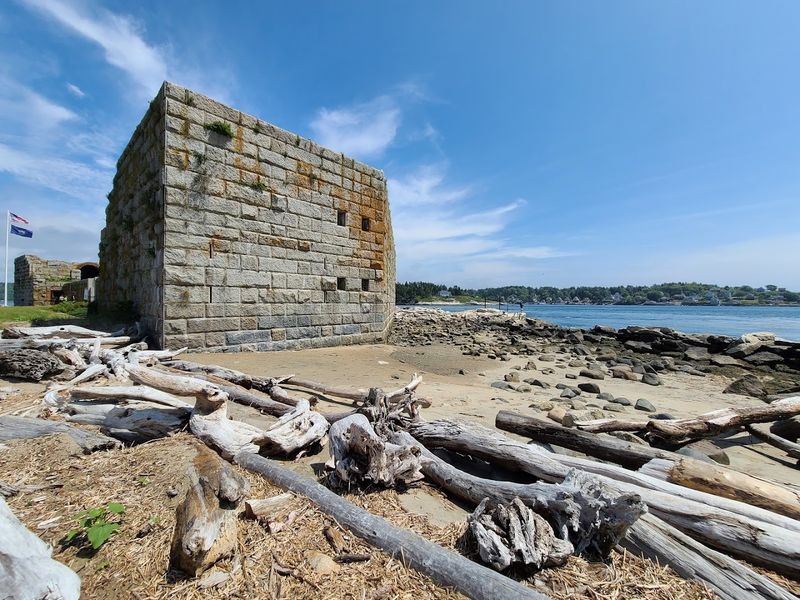
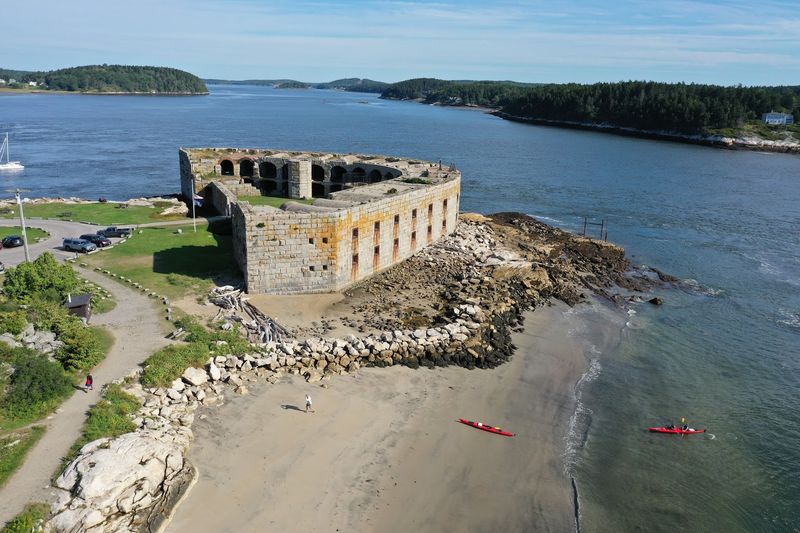
Most people who plan a trip to Fort Popham are thinking about history, and that is completely fair. But the small beach sitting right next to the fort is a bonus that catches nearly everyone off guard in the best possible way.
The sand is clean, the water is clear, and the setting, with the old granite walls rising just a short walk away, creates a scene that feels almost unreal.
Swimming is possible during warmer months, though Maine ocean water has a reputation for being refreshingly cold even in July. Plenty of visitors simply prefer to walk the shoreline, collect stones, or sit and watch the water move.
The beach also offers a great angle for photographing the fort itself, particularly in the late afternoon when the light turns golden and the granite takes on a warmer tone.
Seals have been spotted near the shoreline on multiple occasions, and the area around the fort is a solid spot for casual wildlife watching. Basking sharks have also made appearances near the water, adding an unexpected thrill to an already memorable afternoon.
Seals, Shorebirds, And Sea Air
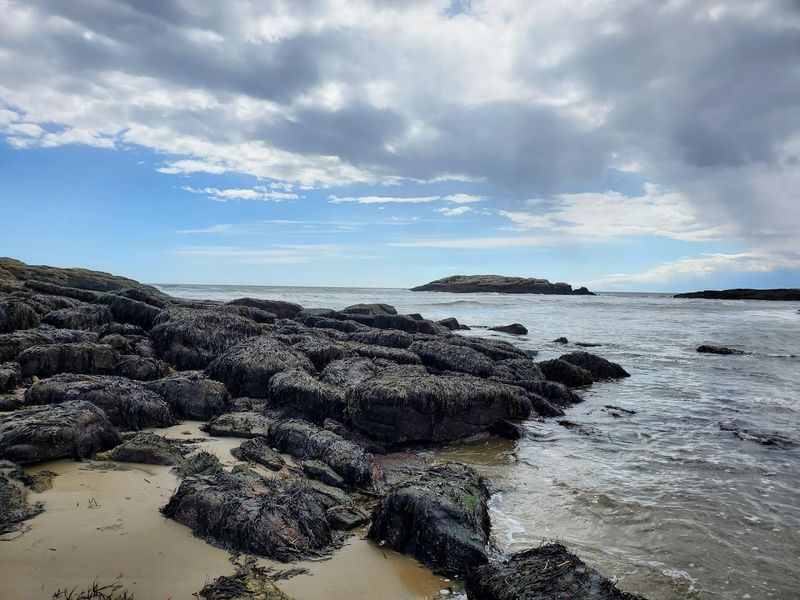
History is not the only thing worth paying attention to at Fort Popham. The peninsula surrounding the site is genuinely alive with wildlife, and if you take your time wandering the paths and shoreline, you are likely to encounter more than you expected.
Harbor seals are regular visitors to the waters nearby, often popping their heads up just offshore with an expression of mild curiosity toward the humans on the beach.
Basking sharks, which are large but completely harmless filter feeders, have also been seen in the waters around the point. Spotting one of those enormous fins cutting through the surface is the kind of moment that sticks with you for a long time.
Shorebirds are abundant throughout the warmer months, and the rocky outcroppings near the fort attract various species worth watching.
The surrounding landscape includes coastal vegetation and walking paths that wind around the perimeter of the site, giving birdwatchers and casual nature lovers plenty of reason to linger well beyond what the fort itself might suggest.
This place rewards the patient visitor in a quietly spectacular way.
Easy To Explore
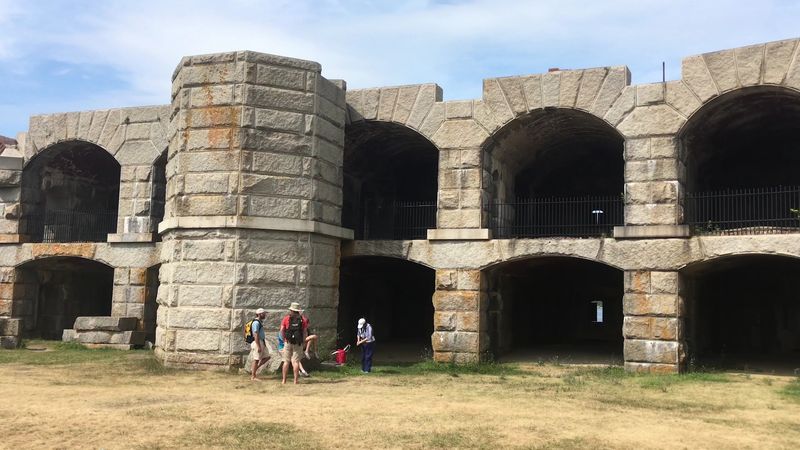
Here is a fact that genuinely surprises most first-time visitors: there is no admission fee to enter Fort Popham.
You can walk in, explore the interior, climb the tower, wander the beach, and spend as long as you like, all without spending a single dollar on entry. For a site with this much history and this much natural beauty, that feels almost too good to be true.
The fort is open Monday through Friday from 9 AM to 4:30 PM. The open layout means you can move through the space entirely at your own pace, doubling back through archways and gun ports as many times as curiosity leads you.
There are no guided tours required, and visitors can generally explore at their own pace while respecting any posted closures or restricted areas.
Parking is available nearby, though it can fill up quickly during peak summer weekends, so arriving earlier in the day is a practical move.
The phone number for the site is +1 207-389-1335 if you want to check conditions before heading out. That easygoing access is a huge part of what makes this place so genuinely refreshing to visit.
Cast A Line By The River
Beyond the fort walls and the beach, Fort Popham offers something that outdoor enthusiasts tend to appreciate enormously: a wharf where fishing is not just allowed but genuinely enjoyable.
Fishing is listed as one of the activities at Fort Popham, and anglers can enjoy access to the Kennebec River area while following current Maine saltwater fishing rules.
Striped bass are a prized catch along the Maine coast, and the waters around the fort’s peninsula are known to hold good numbers of them when conditions are right.
Whether you are a seasoned angler or just someone who enjoys casting a line while watching the river flow past, the pier at Fort Popham delivers a relaxed and rewarding experience without requiring much planning.
The combination of fishing access, beach swimming, fort exploration, and wildlife watching means that Fort Popham functions almost like a full outdoor recreation day on its own. Families especially tend to appreciate how many different activities are available within such a compact and beautiful stretch of Maine coastline, all without a complex itinerary.
When The Fort Feels Best
Timing your visit to Fort Popham makes a real difference in the kind of experience you take home. Summer weekends bring the largest crowds, particularly because the adjacent beach draws beachgoers who sometimes compete with history seekers for the limited parking spots near the site.
Arriving before 10 AM on a summer morning gives you a much calmer, more personal experience of the fort.
Weekday visits during the shoulder seasons of May, June, and September are genuinely magical. The light in early fall is especially flattering on the granite, and the cooler temperatures make climbing around the fort’s interior far more comfortable than a humid July afternoon.
The fort has been visited on cold and windy days with tremendous results, because the drama of the weather actually adds something to the atmosphere of the old walls.
Winter visitors should check ahead, as hours may vary outside the main season. The site opens at 9 AM from Monday through Friday, so planning around that schedule ensures you arrive when the gates are ready to welcome you without a wait.
Why Fort Popham Stays With You
Maine has no shortage of beautiful places, but Fort Popham occupies a category all its own.
It combines genuine military history, remarkable architecture, coastal scenery, wildlife, a beach, a fishing pier, and completely free access into a single destination that most travelers driving through the state never even know exists. That combination is genuinely rare.
The site sits at a spot where American history runs especially deep, from the Popham Colony of 1607 to the Civil War construction that shaped the current structure.
Every layer of that history is visible in the landscape if you look carefully, and the informational signs posted throughout the fort help connect the physical details to the broader story.
Fort Popham State Historic Site is the kind of place that earns a permanent spot in your memory long after the drive home. The granite walls, the river light, the sound of the Atlantic just beyond the point, all of it adds up to something genuinely worth making time for on any Maine adventure.