
This Scenic State Park In Washington Is One Of The State’s Best-Kept Secrets
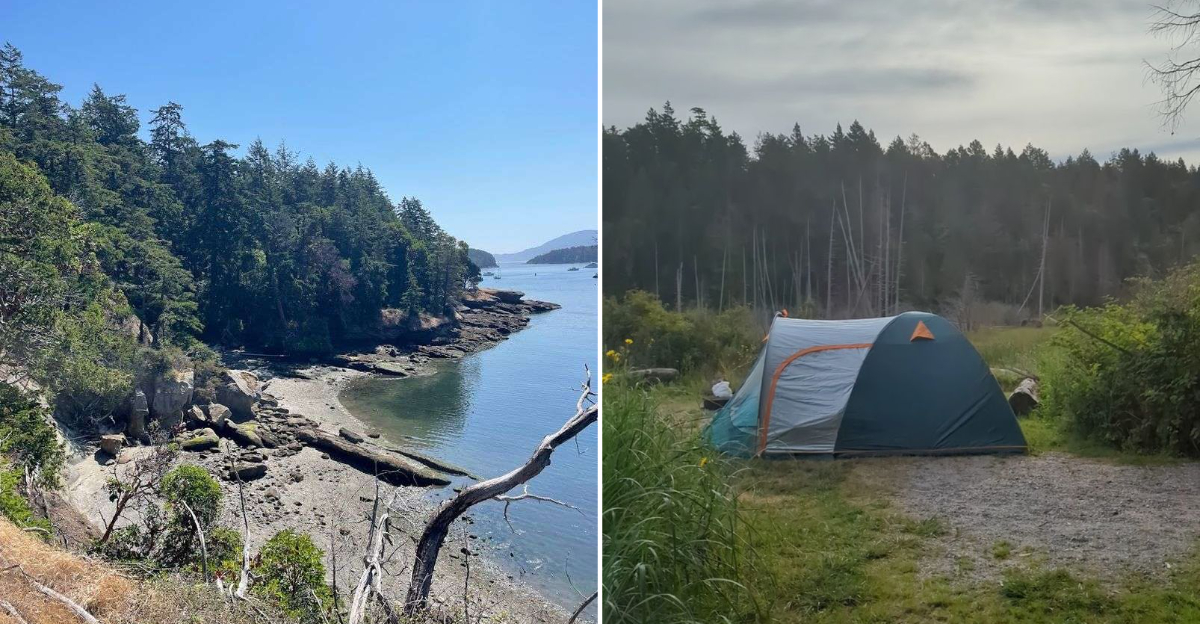
Getting stranded on a remote island is usually the premise of a survival horror movie, but when the island looks like this, I consider it a stroke of pure, unadulterated luck.
Washington is packed with natural wonders, yet few possess the hushed, cinematic beauty of this tucked-away escape, where the forests practically lean over to dip their boughs into the sea. I spent my first afternoon here staring at the horizon, realizing that the lack of cell service wasn’t a tragedy-it was an invitation.
There is a specific, jagged grace to the geology here that humbles even the most seasoned adventurer. If you have been searching for a place to trade your emails for tide pools, look no further; just promise to keep your voice down so we don’t spoil the stillness.
Only reachable by boat, this 814-acre park rewards those willing to make the trip with wild beauty, fascinating geology, and a peaceful atmosphere that feels miles away from the everyday world.
The Boat-Only Adventure That Sets The Tone
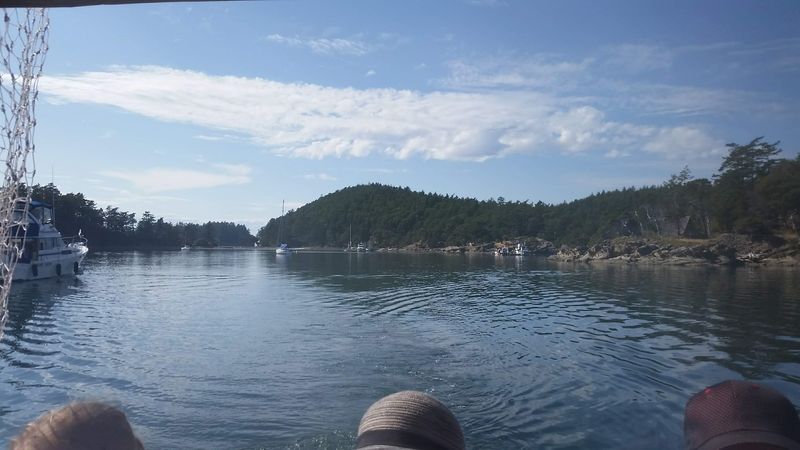
There’s something genuinely thrilling about knowing that a car can’t take you where you’re going. Sucia Island is not served by Washington State Ferries, which means every single visitor arrives by private boat, charter, or water taxi.
That one logistical detail is exactly what keeps the crowds manageable and the atmosphere wonderfully unhurried. When I motored into Fossil Bay for the first time, the act of tying up at one of the park’s 48 mooring buoys felt like earning a reward.
The park also offers two docks for those who prefer a more secure tie-up, though moorage fees apply regardless of where you land. Planning ahead is smart, especially during summer weekends when buoys fill up fast.
Charter services operate out of several nearby towns, including Bellingham and Anacortes, so you don’t need to own a boat to visit. The journey itself, cutting through the cool saltwater air of the San Juans, sets the mood perfectly for everything that follows.
Sandstone Shoreline Sculpted By Ancient Forces
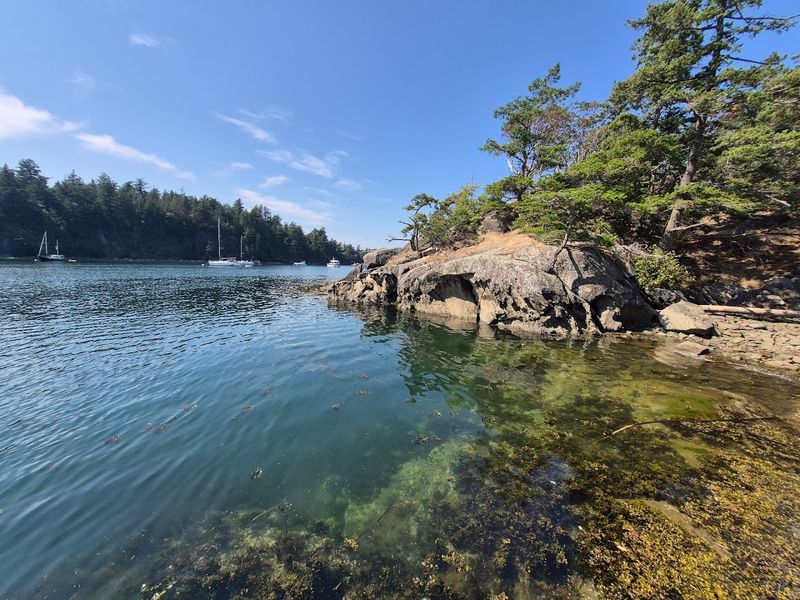
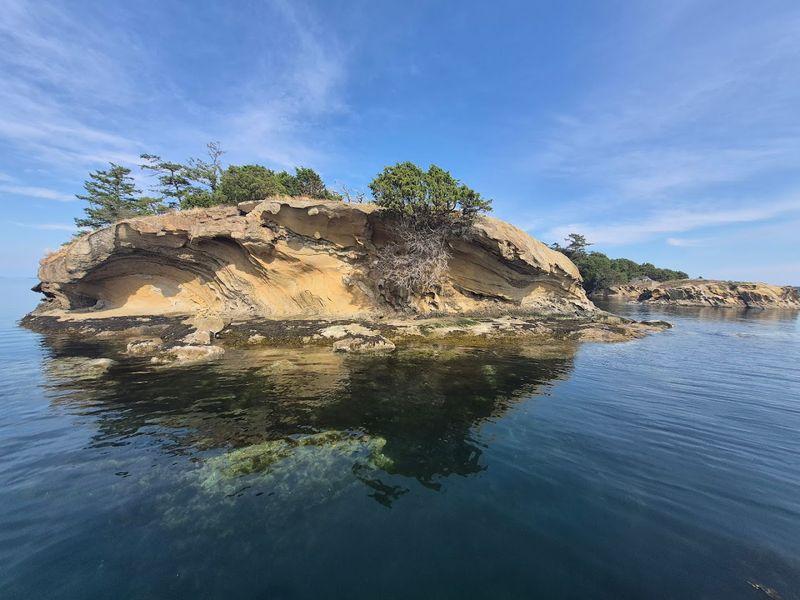
Honestly, no photograph fully prepares you for what Sucia Island’s shoreline looks like up close. The sandstone has been carved over thousands of years into smooth curves, honeycomb hollows, rounded arches, and dramatic overhangs that look almost too artistic to be natural.
One standout feature is an eight-foot mushroom-shaped rock formation that seems to defy gravity in the most satisfying way.
Geologically, Sucia is a fascinating outlier in the San Juans. While most neighboring islands are made of older crystalline rock, Sucia is an ancient uplifted seafloor and riverbed, shaped by glaciers into a distinctive form that locals describe as a hand with fingers.
That finger-like layout creates a series of lacy inlets and hidden coves that beg to be explored from the water.
Walking the shoreline at low tide reveals even more texture and detail, with tidal pools tucked into rocky pockets. Running your hand along the warm, sun-baked sandstone feels like touching a piece of deep time.
Fossil Bay And The Dinosaur Bone
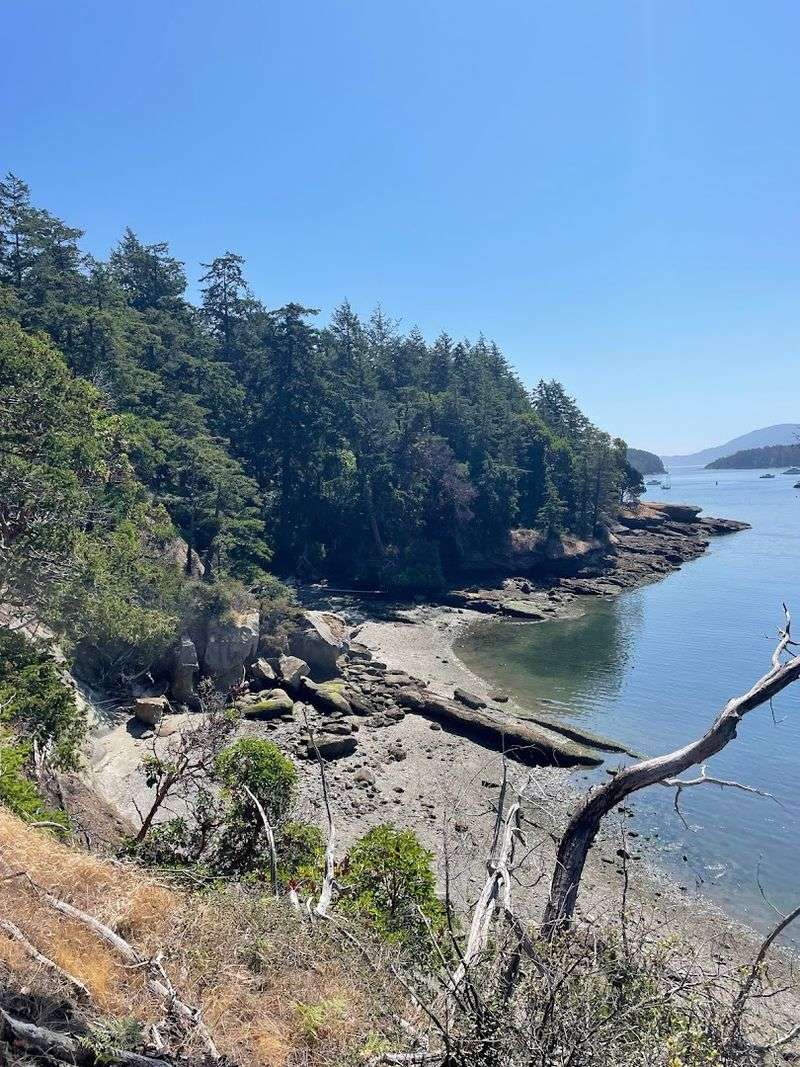
In 2012, a discovery at Fossil Bay quietly put Sucia Island on a very different kind of map. Researchers uncovered an 80-million-year-old femur bone belonging to a theropod dinosaur, making it the only known dinosaur bone ever found in Washington State.
For a park already rich in natural wonders, that find added a layer of prehistoric mystique that I couldn’t stop thinking about while walking the bay’s rocky edge. Fossil Bay is also one of the most sheltered and visually striking anchorages in the entire San Juan Islands.
The calm water, framed by forested slopes and pale sandstone beaches, creates a scene that feels almost staged in its perfection. It’s a popular mooring spot for good reason, and arriving early in the day gives you the best chance of securing a buoy.
Even without the dinosaur connection, this bay would be worth visiting just for its quiet, protected atmosphere. The prehistoric bonus simply makes every footstep feel a little more charged with wonder.
Wildlife Encounters You Won’t Forget
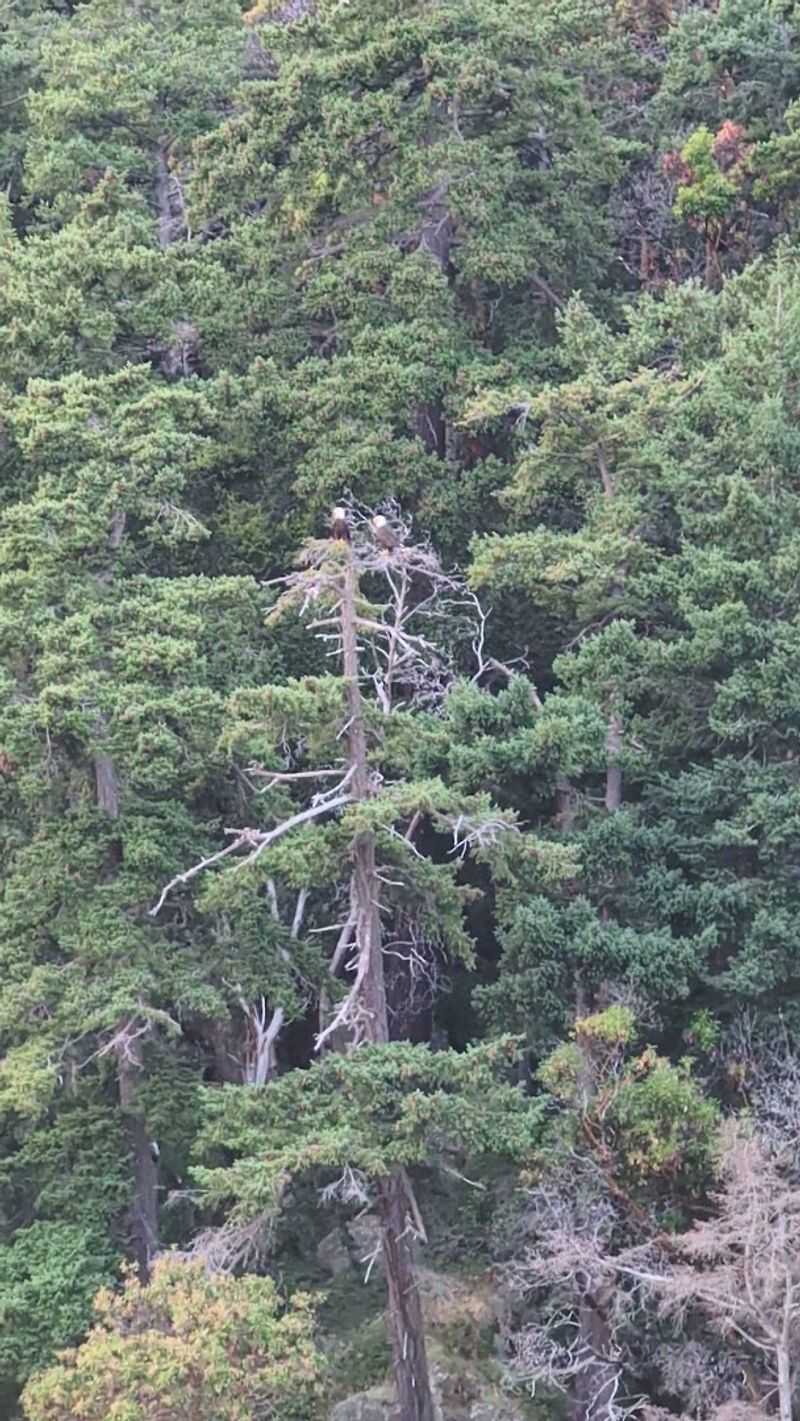
Few places in the Pacific Northwest pack this much wildlife into one relatively small area. During my visit, I spotted harbor seals lounging on sun-warmed rocks within the first hour, their wet, spotted coats gleaming in the afternoon light.
Sea lions and porpoises make regular appearances in the surrounding waters, and if you’re patient, you may catch a glimpse of orcas passing through the wider San Juan channel. Above the waterline, birdwatchers are in for a treat.
Bald eagles are practically a regular fixture here, circling overhead or perching in the tall firs with the casual confidence of creatures that own the place.
Black oystercatchers, pigeon guillemots, and rhinoceros auklets round out a birdwatching list that serious birders travel far to check off.
Beneath the surface, starfish and sea anemones decorate the rocky seafloor in vivid colors. Bringing a pair of binoculars and a waterproof camera is genuinely one of the best decisions you can make before boarding your boat.
Hiking Trails With Views That Stop You In Your Tracks
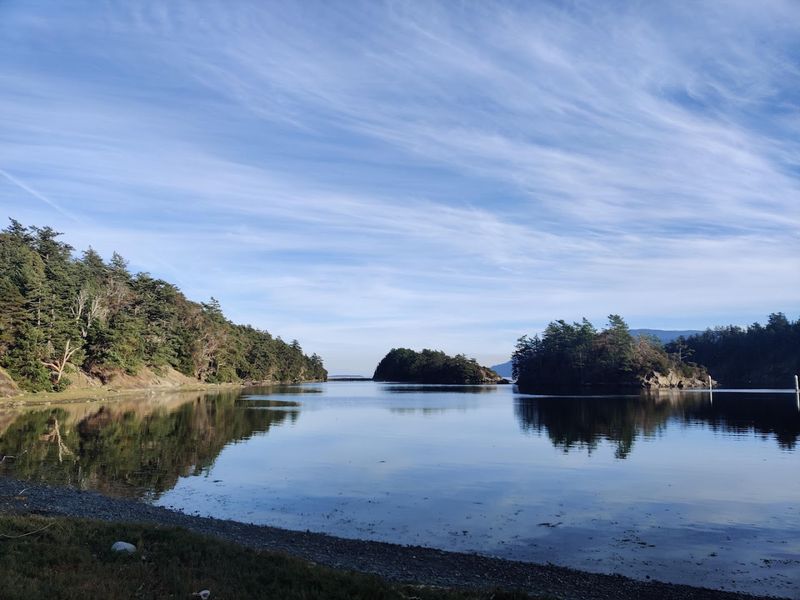
Ten miles of well-maintained hiking trails wind across Sucia Island, and almost every one of them delivers a payoff that justifies every uphill step.
The trails range from easy shoreline walks to more rugged paths that climb through dense Pacific Northwest forest before opening onto panoramic views of the rugged coastline and the distant Canadian Gulf Islands.
What I appreciated most was how each trail felt distinctly different. One stretch hugs the water so closely that waves practically brush your boots at high tide, while another cuts inland through a cathedral of towering Douglas firs where the light filters down in long, golden shafts.
The variety keeps the hiking experience feeling fresh across multiple days of exploration. Sunrise and sunset are the most rewarding times to be on the trails.
The western-facing viewpoints are particularly famous for their magnificent sunsets, when the sky turns shades of orange and pink that reflect off the smooth sandstone below. Pack sturdy shoes, a water bottle, and no particular hurry.
Water Activities That Make The Most Of The Marine Setting
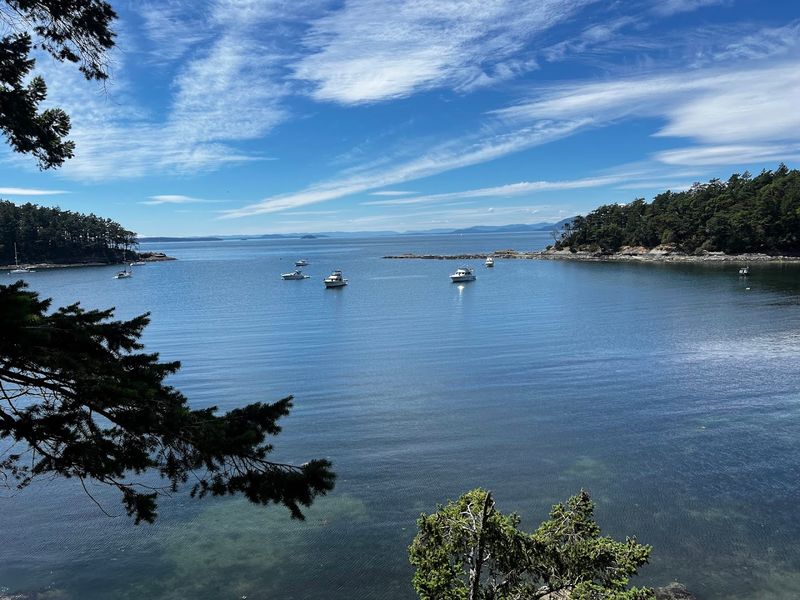
Sucia Island’s marine environment is genuinely world-class, and the activities available on and under the water reflect that.
Snorkeling here is considered among the best in Washington State, with clear water, abundant sea life, and the kind of underwater scenery that makes you forget how cold Pacific Northwest water can be.
The underwater scuba park adds another dimension for certified divers looking for a structured but breathtaking experience.
Clamming and crabbing are popular pastimes for visitors who want to combine outdoor activity with a fresh seafood reward. A Washington State recreational license is required for crabbing, so sorting that out before your trip saves time and keeps things legal.
Saltwater fishing is also productive in the surrounding waters, with various species available depending on the season.
Kayaking is one of the finest ways to explore the island’s many lacy inlets and hidden coves, especially the ones that are too shallow for larger boats. Paddling quietly into a secluded cave while a seal watches from a nearby rock is the kind of moment that stays with you long after you’ve returned home.
Camping Under Stars Far From City Lights
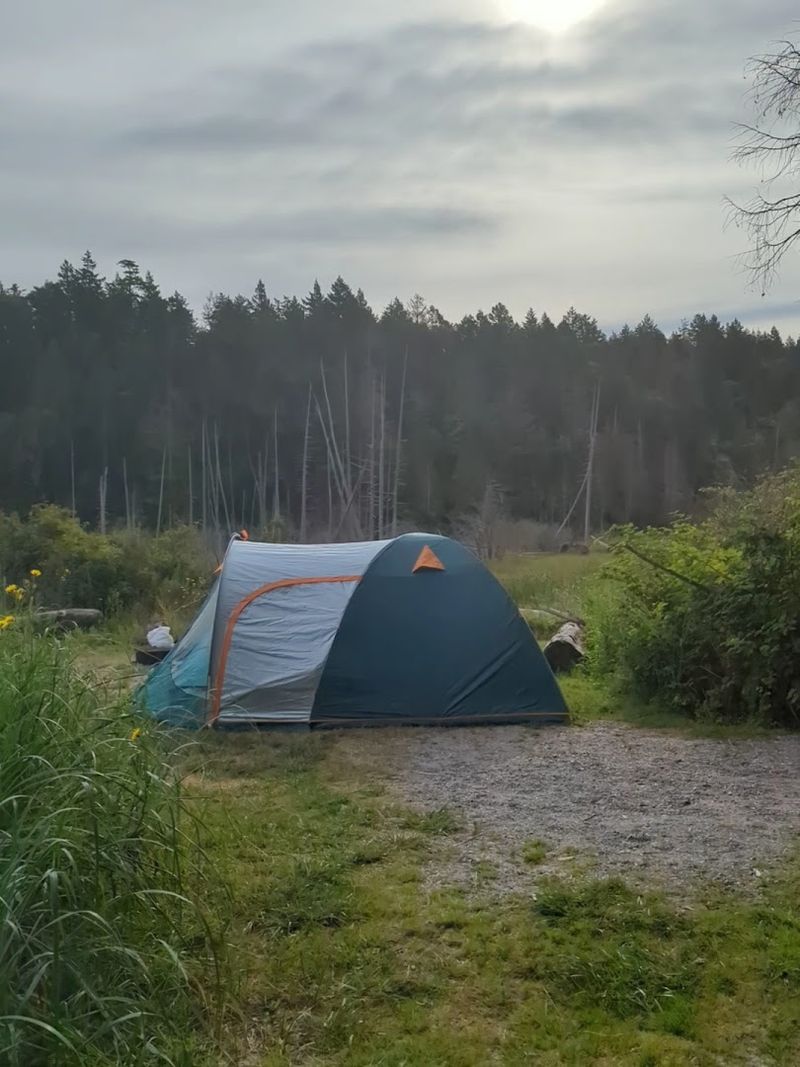
Spending a night on Sucia Island is a completely different experience from a day trip, and I’d argue it’s the only way to truly appreciate what this park offers.
The island has between 39 and 60 primitive campsites spread across its various inlets and bays, giving visitors plenty of options for finding a spot that feels private and connected to nature at the same time.
Four reservable group camps are available for families or friend groups who want to secure their spot in advance, which is a smart move during the busy summer months.
The campsite atmosphere is refreshingly low-key, with no road noise, no streetlights, and no cell service to interrupt the rhythm of the tides. Falling asleep to the sound of water lapping against the hull of nearby boats is a deeply satisfying experience.
Picnic sites are also scattered around the island for those who prefer a daytime visit with a proper lunch break. Packing everything in and out is part of the deal at a primitive park, but the effort feels entirely worthwhile by the time the stars come out.
History, Legend, And The Name That Tells A Story
The name Sucia comes from the Spanish word meaning dirty or foul, a label given by explorer Francisco de Eliza in 1791 when he encountered the island’s turbulent waters and treacherous reefs.
That name has stuck for over two centuries, carrying with it a hint of danger that feels oddly fitting for such a dramatically beautiful place.
The island also carries a shadowy legend tied to an area known as China Caves. Local stories suggest that these sea caves once sheltered illegal laborers in the late 1800s, adding a layer of human history to the geological wonder.
Walking past those caves with that context in mind gives the shoreline a noticeably different energy. The park itself became an official Washington State Park in 1972, established through a combination of state acquisition and generous donations from private citizens and yacht clubs.
That community-driven origin story feels very much in keeping with the spirit of the place, which still relies on thoughtful visitors to keep it pristine for future generations.