
This Maine Beach Hides A Fascinating Shipwreck Visible From Shore
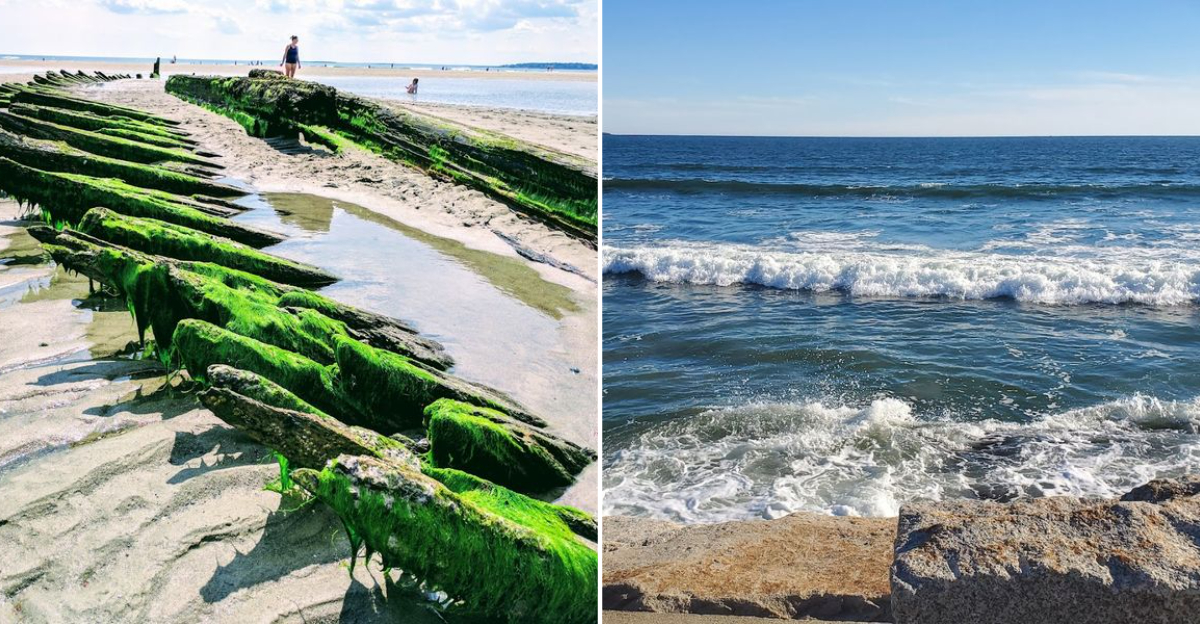
Some Maine beaches offer sand, surf, and a pretty view. This one hides something stranger in plain sight.
Along the southern coast in Cumberland County, a small shoreline with a quiet neighborhood feel holds a secret many visitors miss during an ordinary beach walk. At low tide, the remains of an old shipwreck appear in the sand, turning a simple stroll into a coastal treasure hunt.
Add cold Atlantic water, rocky tide pools, shorebirds, surf culture, and layers of local history, and this modest stretch of Maine coast starts feeling far more mysterious than its size suggests. It is not loud, flashy, or packed with boardwalk distractions.
Its charm works more slowly.
A Wreck Beneath Your Feet
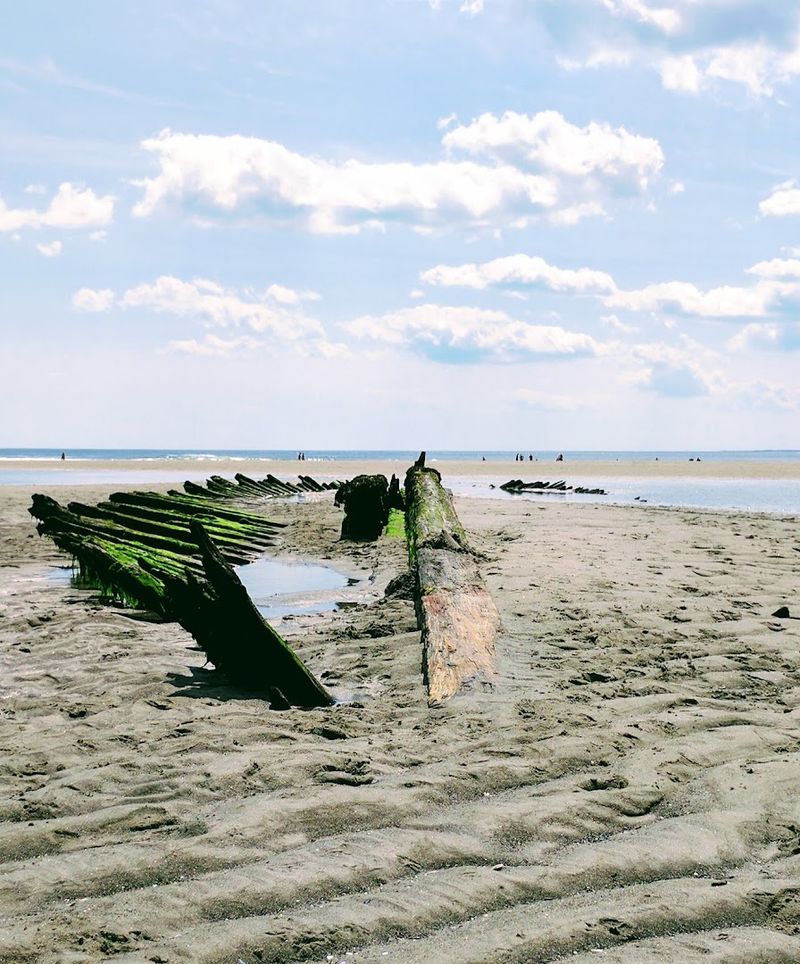
Not many beaches can claim a shipwreck visible from shore, but Higgins Beach pulls it off with quiet confidence. The visible wreck at Higgins Beach is the remains of the Howard W. Middleton, a coal schooner that wrecked here and its remains can be seen in the sand at low tide.
The Howard W. Middleton ran aground in 1897 and became one of the beach’s best-known historic landmarks.
Over time, the sea and sand left only visible remnants of the wooden schooner, turning the wreck into a memorable coastal landmark.
It has become one of the most photographed features of the beach, especially during golden hour when the metal catches the fading light.
Locals know exactly when to look. Timing your visit around low tide gives you the best view, and on calm days, the outline of the hull is surprisingly clear from the shoreline.
It is the kind of unexpected detail that transforms a beach walk into something that feels more like an adventure than a stroll.
The Quiet Town Behind The Shore

Higgins Beach sits within the town of Scarborough in Cumberland County, Maine, a community that blends suburban calm with genuine coastal character.
Scarborough is not a loud or flashy destination, and that restraint is exactly what makes it appealing to people who prefer their beach trips without the boardwalk chaos.
The town is positioned north of Prouts Neck and Old Orchard Beach, and south of Crescent Beach State Park, placing Higgins Beach in a stretch of coastline that rewards those willing to look past the more advertised spots.
Scarborough itself has a long history tied to fishing, farming, and maritime life, giving it roots that go deeper than seasonal tourism.
Getting to Higgins Beach means driving through quiet residential streets lined with older cottages and newer homes side by side. The address is Scarborough, ME 04074, and the relaxed neighborhood feel right up to the water’s edge is part of what gives this place its distinctive, unhurried personality.
Small Beach, Big Breathing Room

One of the most refreshing things about Higgins Beach is that it never feels like a theme park. Even on warm summer weekends, the crowd here stays manageable, and finding a quiet patch of sand is rarely a struggle.
That is a rarity along the Maine coast in July and August.
Part of the reason is size. Higgins Beach is genuinely small, and its location between more well-known spots like Old Orchard Beach to the south means that day-trippers chasing carnival rides and dense boardwalk energy tend to skip right past it.
That filtering effect works entirely in favor of anyone who shows up here. The atmosphere is calm, almost meditative, with the sound of waves doing most of the talking.
Families set up low-key camps with chairs and umbrellas, kids run toward the water, and nobody seems to be in much of a hurry. If peaceful is what you are after, this beach delivers that feeling reliably and without much effort on your part.
The Bracing Maine Plunge
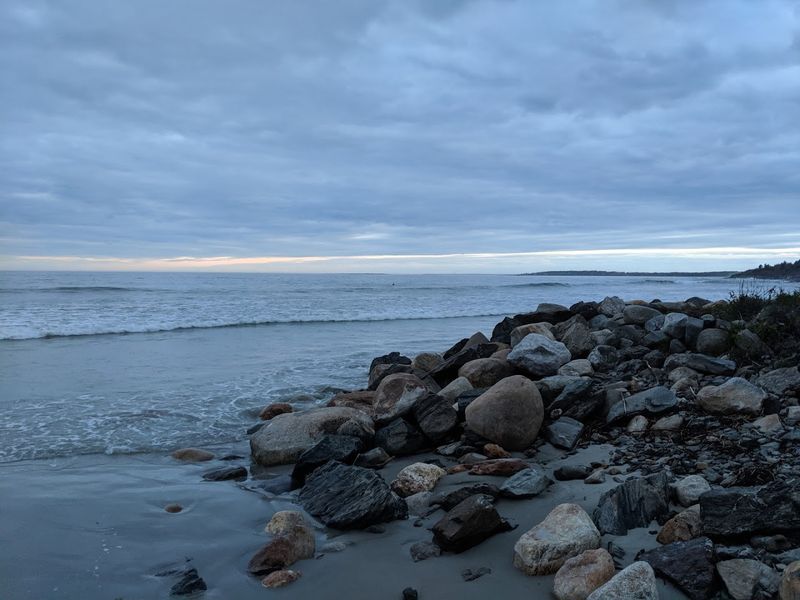
Maine water is cold. That is not a complaint or a warning so much as a defining feature of the entire coastal experience here, and Higgins Beach is no exception.
Even in peak summer, the Atlantic off Scarborough hovers in the low to mid-60s Fahrenheit on a good day, and some years it never quite gets there.
Swimmers who commit to it tend to develop a kind of pride about the whole thing. There is a certain bracing clarity to jumping into genuinely cold ocean water that warmer beaches simply cannot replicate.
Your body wakes up fast, and the world suddenly feels very immediate and real.
For those who prefer to stay dry, the cold water is just part of the scenery. Watching waves roll in with that particular deep-green Maine hue is satisfying on its own.
The temperature also keeps jellyfish populations low compared to warmer coastal regions, which is a quiet bonus most people do not think to appreciate until they are already in the water.
Tiny Worlds At Low Tide

At the edges of Higgins Beach, where the sand gives way to exposed rock at low tide, a completely different world opens up. Tidal pools here are packed with marine life that most people walk right past without crouching down for a closer look.
That is their loss, honestly.
Periwinkles, green crabs, sea anemones, and the occasional small fish make their homes in these shallow pockets of trapped seawater. Children tend to find them immediately and with great enthusiasm, but adults who slow down long enough to look are usually just as captivated.
There is something genuinely fascinating about watching a miniature ecosystem function inches from your feet.
Low tide is the best time to explore them, and a quick check of a tide chart before your visit will help you plan accordingly.
Bring rubber-soled shoes if you plan to scramble over the rocks, because the surfaces are slippery in ways that sneak up on you. Leaving everything undisturbed is the right call for the health of the habitat.
Maine Surf, No Hype

Higgins Beach has a surf culture that surprises most first-time visitors. Maine is not the first place that comes to mind when people think about surfing, but the swells that roll in here, particularly in fall and early winter, are legitimate.
Locals have been riding waves at this beach for decades.
Wetsuits are non-negotiable given the water temperature, but the surfers who show up here regularly treat that as a baseline fact rather than a deterrent.
The beach has a small but dedicated surf community, and watching them work the waves on a gray October morning is one of the more memorable things you can witness on the Maine coast.
Summer swells are gentler and more forgiving, making those months better for beginners or those just curious about whether the waves are worth it.
The beach does not have a surf shop directly on-site, so coming prepared with your own gear is the practical move. The payoff for that extra planning is a surfing experience that feels raw, real, and entirely uncurated.
Golden Hour Without The Crowd

Late afternoon at Higgins Beach has a quality that is hard to put into words without sounding like a postcard. As the sun drops toward the water, the light shifts from sharp and bright to something warmer and more forgiving, and the whole beach takes on a different mood entirely.
The western orientation of the shoreline means that sunsets here are front and center rather than happening somewhere behind you. On clear evenings, the sky layers up in shades of pink, orange, and deep red, and the water below mirrors all of it back in a way that feels almost theatrical without trying to be.
Photographers show up specifically for this window of light, and even casual visitors tend to linger longer than planned once the colors start building.
Bringing a blanket and sitting on the sand as the temperature drops is a simple pleasure that requires zero planning or equipment. It is the kind of ending to a beach day that stays with you longer than the sunburn does.
History In The Sand
Higgins Beach carries history in ways that are not always obvious at first glance. The surrounding area has been inhabited and used for centuries, with Indigenous Wabanaki peoples having a long relationship with this stretch of the Maine coast long before European settlers arrived in the region.
By the late 1800s and early 1900s, the beach and its surrounding neighborhood became a destination for summer visitors from Portland and beyond.
Modest cottages went up along the roads leading to the water, and many of those structures still stand today, giving the neighborhood an architectural character that feels genuinely old rather than artificially preserved.
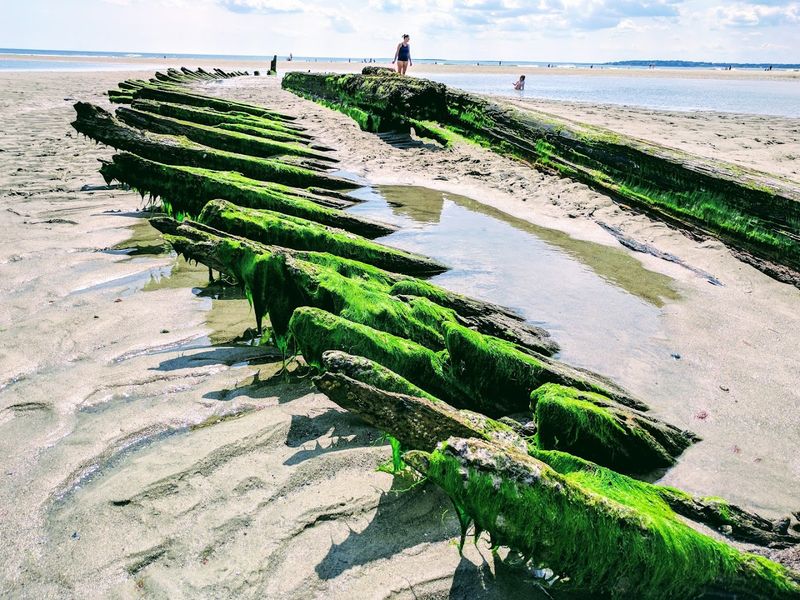
The shipwreck offshore is its own chapter in that history, a physical reminder that this coastline was once a working maritime corridor, not just a recreational backdrop.
Standing on the sand and knowing that layers of human activity stretch back beneath your feet and out into the water adds a dimension to the visit that a simple beach trip rarely offers. History has a way of making places feel more alive, not less.
Wildlife Encounters
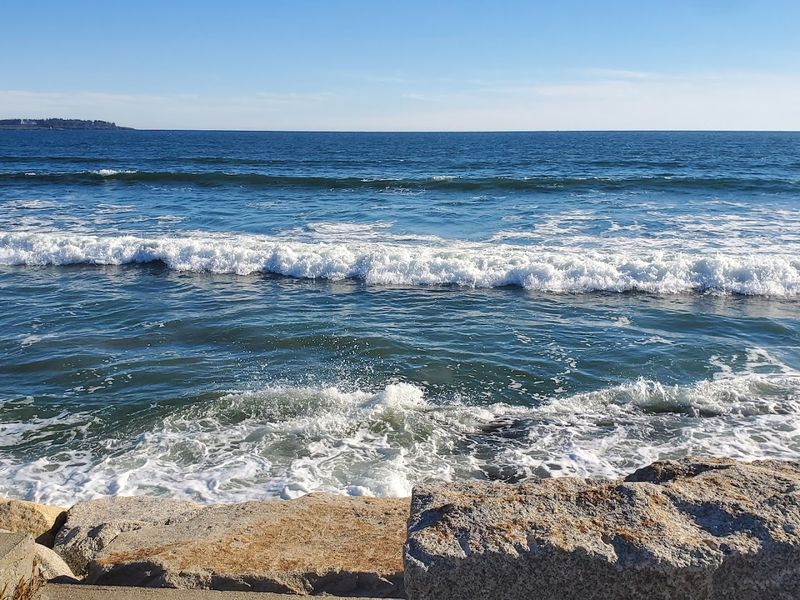
Sharing the beach with wildlife is a normal part of any visit to Higgins Beach. Shorebirds work the tide line with focused efficiency, probing the wet sand for invertebrates with a seriousness that makes human beachgoers look comparatively aimless.
Sanderlings, semipalmated sandpipers, and great blue herons are all regular presences depending on the season.
Seals occasionally haul out on rocks near the water, particularly in the colder months when human foot traffic drops and they feel less pressure to stay offshore.
Spotting one from a respectful distance is the kind of quiet thrill that does not require any special equipment or advance planning, just patience and a willingness to look.
Migratory birds pass through in spring and fall, making those seasons particularly interesting for anyone with even a casual interest in birdwatching.
Keeping noise low and staying off the dunes helps protect nesting areas and keeps the wildlife comfortable enough to stick around. The beach rewards visitors who move through it gently rather than loudly, and the animals make that point clearly.
Tips For Planning A Visit

Parking at Higgins Beach is limited and fills up quickly on summer weekends, so arriving early in the morning is the most reliable strategy.
The surrounding streets are residential, and neighbors are understandably protective of their neighborhood, so parking considerately and respecting posted signs is a basic courtesy that goes a long way.
There are no large commercial facilities directly at the beach. Restrooms are available seasonally, but bringing your own water, food, and sunscreen is a smart baseline.
The beach does not have lifeguards on duty year-round, so swimming awareness and personal responsibility matter more here than at more staffed beaches.
Fall and early spring visits offer a completely different experience from summer. The crowds are gone, the light is extraordinary, and the beach takes on a moody, cinematic quality that summer simply cannot match.
Dogs are welcome during off-season months, which makes it a popular destination for people traveling with pets. Checking local regulations before you arrive will save you any surprises at the gate.