
This Maine Coast Historic Gem Is The Perfect Place To Spend An Afternoon
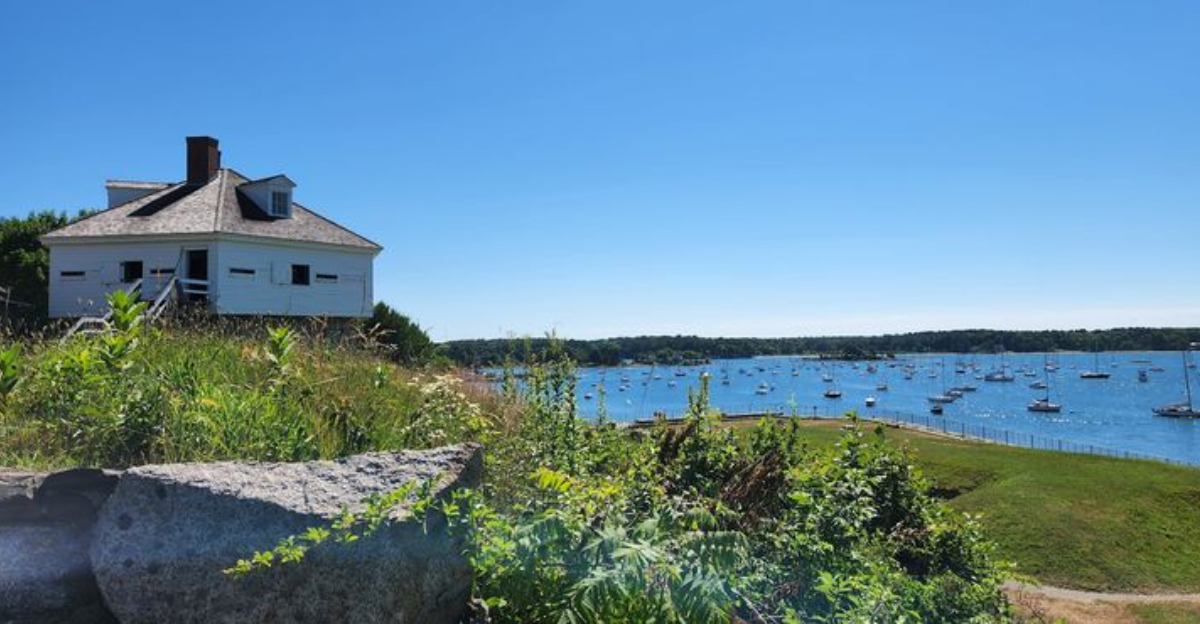
A six-sided wooden sentry still watches over one of Maine’s most dramatic harbor views, and most travelers rush past without realizing it is there.
This compact historic site on a grassy bluff along the southern coast blends salty air, colonial-era defenses, and wide-open water scenery in a way that feels almost cinematic.
A centuries-old military past lingers in the blockhouse, earthworks, and interpretive signs scattered around the grounds, while boats drift through the harbor below.
Families can slow down on the lawn, history lovers can trace layers of coastal defense, and casual explorers can enjoy a quick stop that feels richer than its size suggests.
It is the kind of Maine place that turns a simple afternoon drive into a story worth remembering.
Where Maine Stood Guard
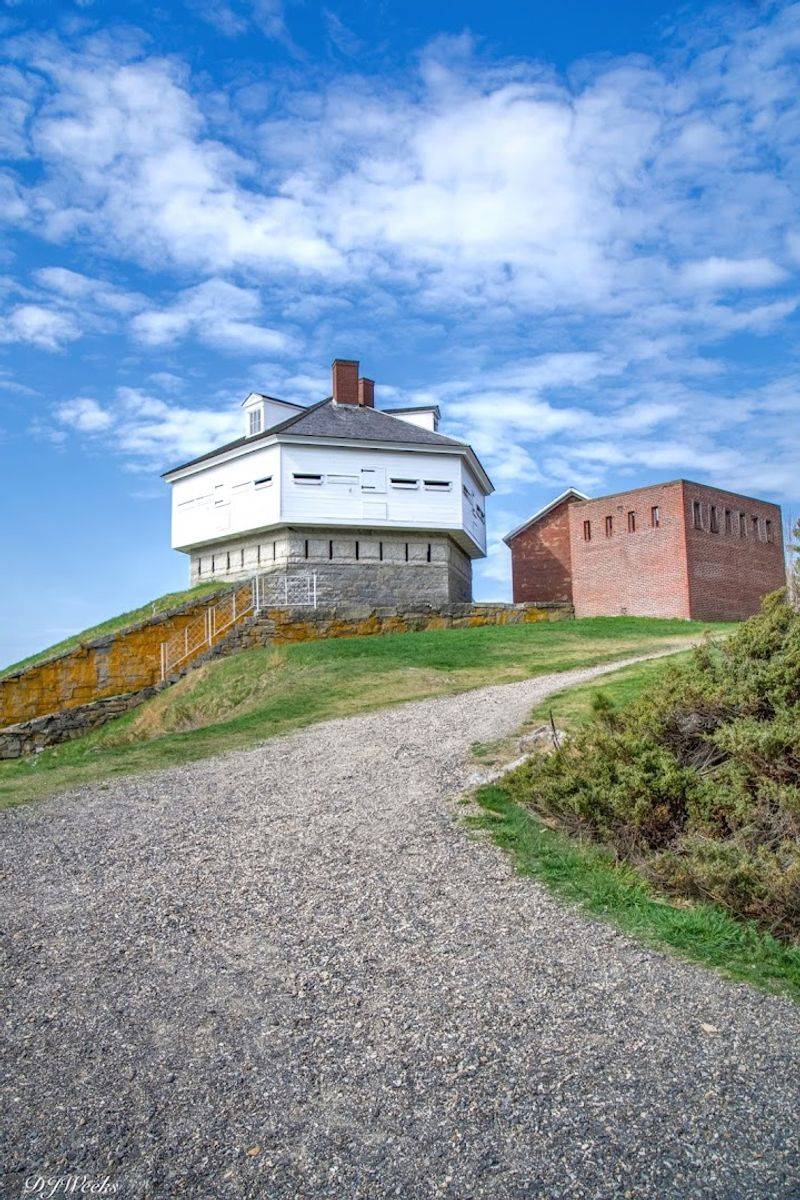
Long before Maine was even a state, soldiers were standing watch at this very spot. Fort McClary has roots stretching back to the early 1700s, when English colonists first built a garrison here to protect the Piscataqua River and its busy harbor traffic from potential threats.
The site was manned during several major conflicts, including the Revolutionary War, the War of 1812, the Civil War, the Spanish-American War, and World War I.
Each era left its mark on the landscape, making the grounds a layered timeline of American military history that you can actually walk through and touch.
The fort is named after Major Andrew McClary, a New Hampshire hero who was fatally wounded at the Battle of Bunker Hill in 1775. Knowing that backstory while standing on these grounds gives the whole visit a deeper, more personal meaning that no textbook could quite replicate.
The Iconic Hexagonal Blockhouse
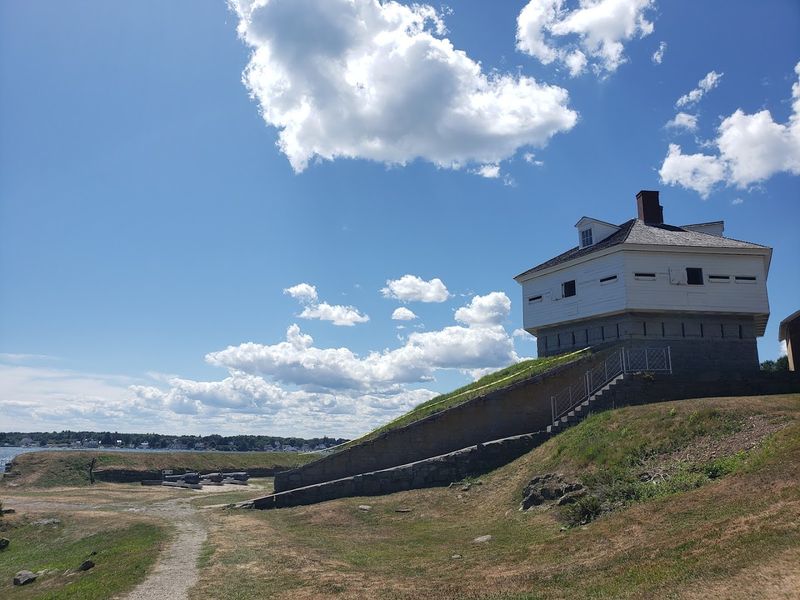
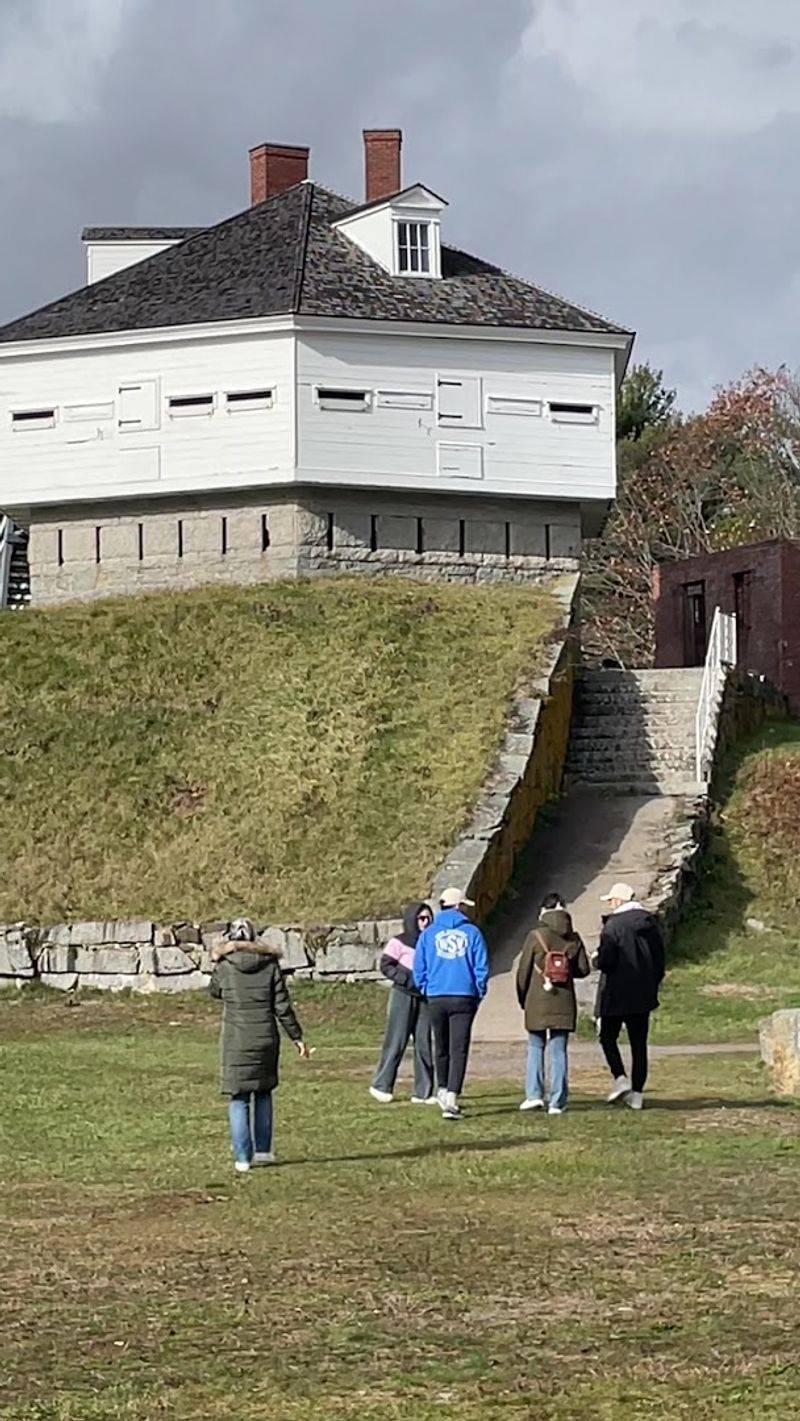
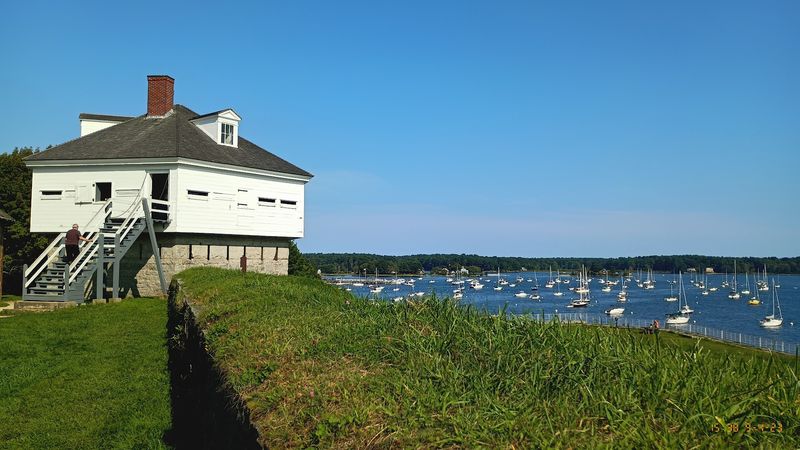
There is one structure at Fort McClary that stops many visitors in their tracks, and that is the six-sided blockhouse dating to the mid-1840s.
Its unusual hexagonal shape made it easier to defend from multiple angles, a smart design choice from an era when military engineers had to think carefully about every detail.
Built with a granite lower story and an overhanging wooden upper story, the blockhouse has a rugged, no-nonsense look that perfectly matches its purpose. The upper story overhangs the lower level slightly, a classic feature that allowed defenders to fire downward at anyone trying to breach the walls below.
Standing beneath it and looking up, you get a real sense of how seriously early Americans took coastal defense. The structure is remarkably well-preserved, and when you step inside during open season, the creaky floorboards and thick wooden walls make the past feel genuinely close.
Harbor Views That Genuinely Impress
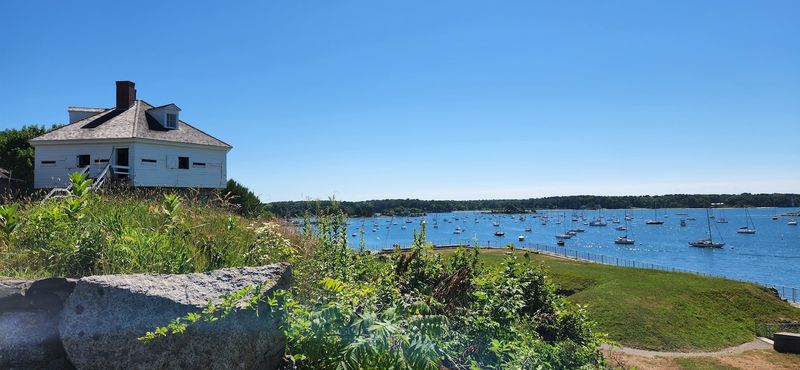
Honestly, the harbor views alone are worth the drive. From the elevated grounds of Fort McClary, you can look out over the Piscataqua River as it opens toward the Atlantic Ocean, and the scenery is the kind that makes you pause mid-sentence and just stare.
On a clear day, you can spot distant lighthouses across the harbor, including Portsmouth Harbor Lighthouse and Whaleback Lighthouse.
The light here shifts beautifully throughout the day. Morning visits offer a soft, golden quality over the water, while afternoon light turns everything crisp and vivid.
Photographers will find plenty to work with, and families will appreciate how easy it is for kids to stand at the railing and spot something new every few minutes.
Picnic-Perfect Grounds For Families
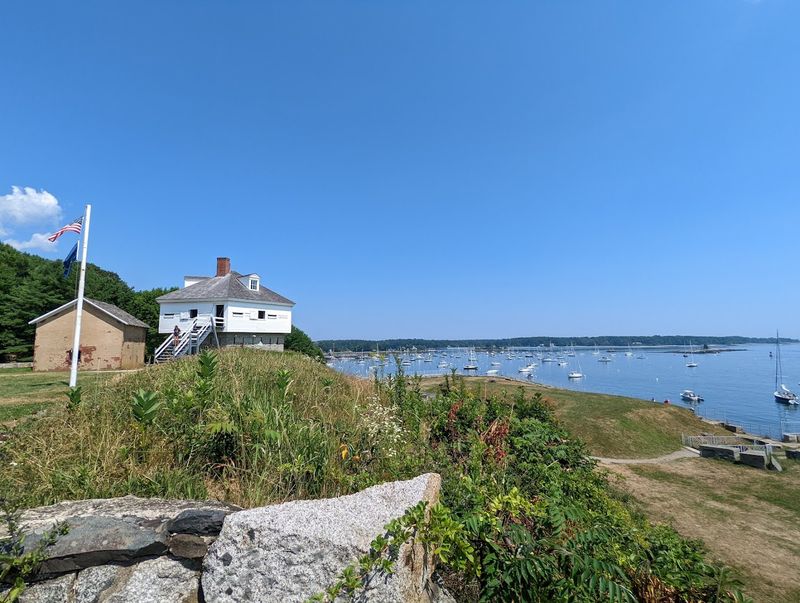
Fort McClary is one of those rare historic sites where you can actually relax and enjoy yourself rather than just walk quietly through a museum. The grounds are wide, well-maintained, and covered in soft grass that practically invites you to spread out a blanket and unpack a lunch.
Picnic tables are scattered around the property, positioned so that many of them face the water. Bringing snacks and spending an hour eating while watching boats drift across the harbor is a genuinely pleasant way to spend a weekday afternoon or a lazy weekend.
Kids have plenty of room to run around between the historic structures, and the open layout means parents can keep an easy eye on everyone without feeling cramped.
The combination of fresh air, harbor breezes, and interesting things to look at makes the grounds feel more like a park than a traditional historic monument, which is a very good thing.
Into The Fort’s Hidden Corners
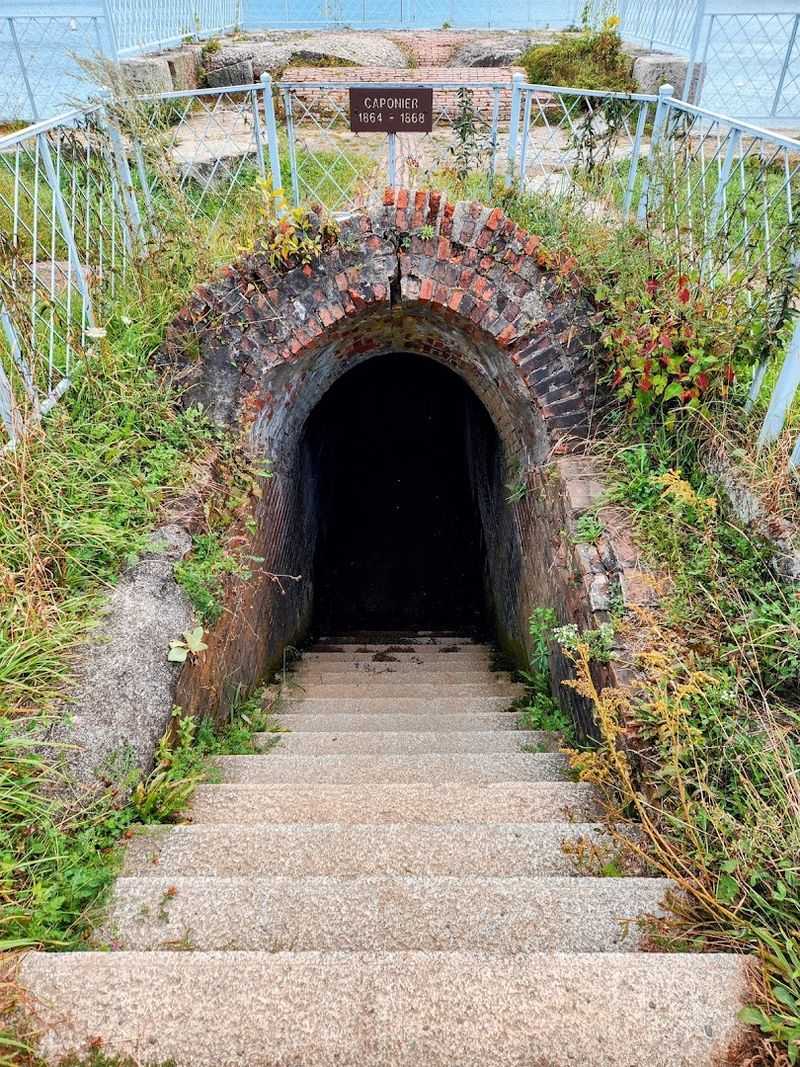
One of the most memorable features of Fort McClary is the old earthwork bunker tucked into the hillside on the property. Visitors can walk up to the entrance and peer inside, and during certain times of year, you can actually step in and look around.
These defensive features helped protect ammunition, supplies, and key parts of the fort complex during periods of military readiness. Standing at the entrance and letting your eyes adjust to the darkness gives you a striking sense of what it felt like to be stationed here during wartime.
It is a sobering and fascinating moment, especially for younger visitors who may be experiencing that kind of military history for the first time.
The bunker is one of those quiet, atmospheric spots that does not need a tour guide or a long explanation to make an impression. Sometimes a dark doorway into the past speaks for itself.
Maine’s Southern Watchpost
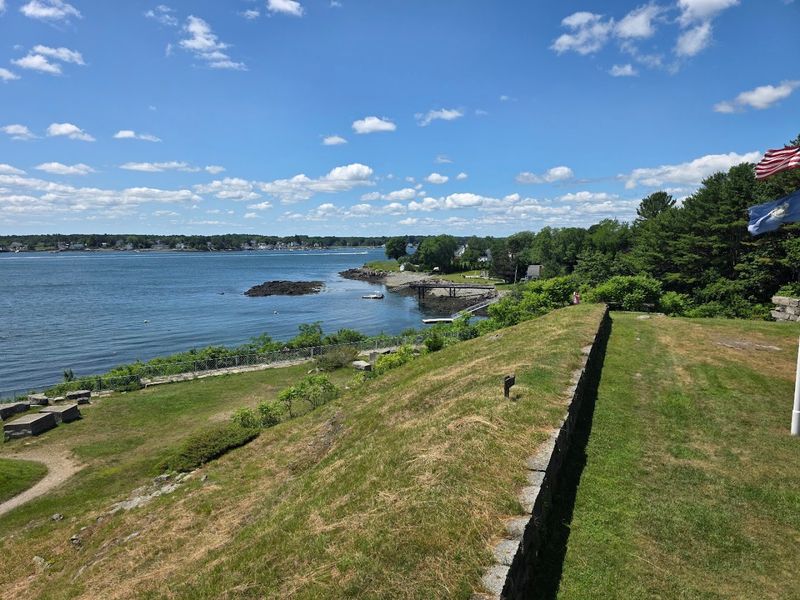
Fort McClary sits in Kittery Point, one of the southernmost coastal communities in Maine near the New Hampshire border. That border proximity is part of what makes the site so historically significant, since it guarded one of the most important river crossings in the entire region.
For travelers, the location is incredibly convenient. If you are coming from Portsmouth, New Hampshire, the fort is just a short drive across the bridge and up the coast, making it a natural add-on to any day trip in the area.
The scenic drive along Pepperrell Road to reach the site is worth enjoying slowly.
The surrounding neighborhood is full of charming older homes and quiet coastal scenery that sets the mood long before you arrive at the parking lot. And if you want to make a full day of it, the Kittery outlet stores are only about five to ten minutes away by car.
History Told On The Walk
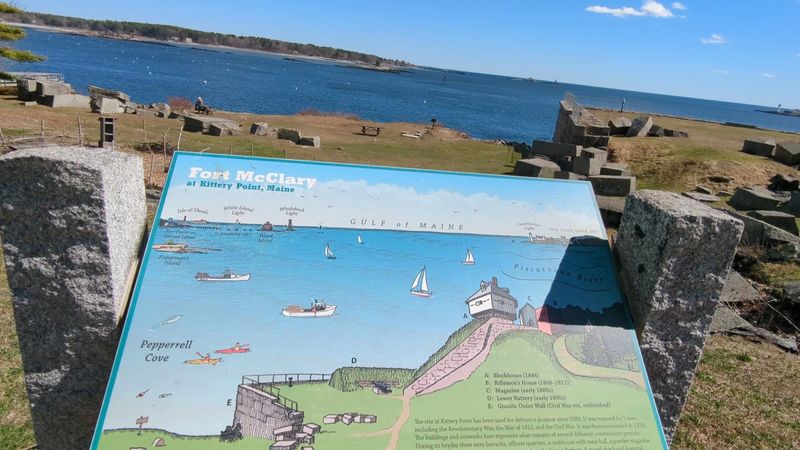
You do not need to book a guided tour or download a special app to understand what you are looking at here.
Fort McClary does a solid job of educating visitors through well-placed informational signs posted throughout the property, each one explaining a different aspect of the site’s history and military function.
The signs cover topics ranging from the original construction of the garrison to the role the site played during the American Revolution and later conflicts.
They are written clearly enough for middle schoolers to follow along, which makes the whole experience genuinely educational for families with kids of different ages.
Some signs include historical illustrations and maps that help you visualize what the fort looked like during its peak years of operation.
Walking the grounds while reading each one feels a bit like following a self-guided history lesson, and by the time you circle back to the parking lot, you leave knowing something real and interesting that you did not know before.
Practical Visitor Details
Getting to Fort McClary is straightforward, and the site is set up to welcome a wide range of visitors. The parking lot is reasonably sized and free to use, and the main grounds are accessible for wheelchairs and strollers on the flat, open lawn areas near the water.
It is worth noting that the interior of the blockhouse involves stairs, so the upper level may be challenging for visitors with limited mobility. However, the outdoor grounds offer plenty to see and enjoy without ever stepping inside a building, so the visit still feels complete.
There are basic restroom facilities on site, though they are outhouse-style without running water, so planning accordingly is smart.
The site is managed by Maine State Parks, and admission fees are minimal. Visiting during warmer months gives you the best chance of finding the blockhouse open and fully accessible, though the grounds themselves are enjoyable year-round in fair weather.
Where Birds Meet Battlements
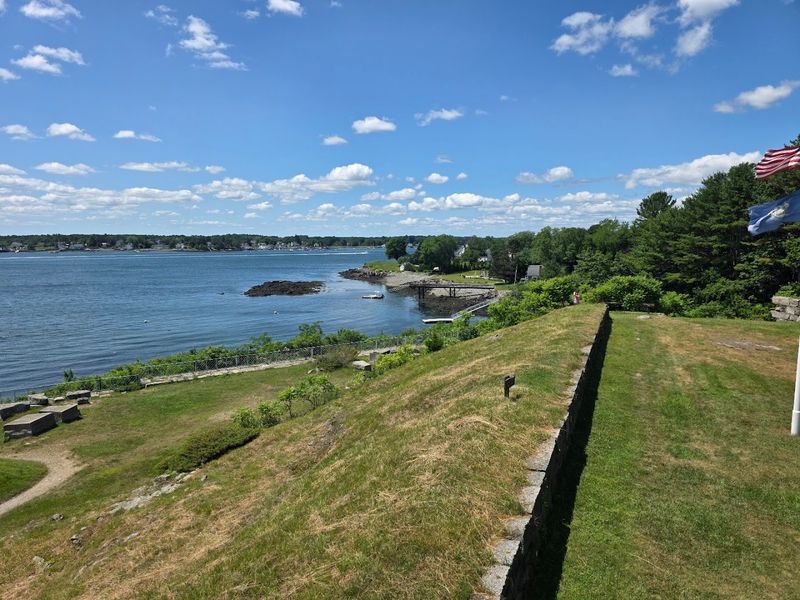
History is the main draw here, but the natural setting around Fort McClary deserves its own moment of appreciation. The grounds sit right at the edge of the Piscataqua River estuary, and the surrounding landscape mixes open grass, rocky shoreline, and glimpses of salt marsh that feel very classically Maine.
Seabirds are a constant presence, and if you spend any time near the water’s edge, you will likely spot cormorants, gulls, and the occasional great blue heron working the shallows. The plant life along the edges of the property adds color and texture to what might otherwise be a purely architectural visit.
On calm days, the water reflects the sky in a way that makes the whole scene feel almost painted. Bringing a camera with a zoom lens is a smart move, especially if bird photography is your thing.
The natural surroundings do not compete with the history here, they actually make the whole experience feel more grounded and memorable.
Make It A Kittery Day
Fort McClary works beautifully as the anchor for a full afternoon of exploring the Kittery area. After walking the grounds and soaking in the harbor views, you are in a great position to continue exploring one of southern Maine’s most historically rich and scenically rewarding communities.
The drive along the coast toward Kittery Point passes some genuinely lovely old homes and quiet inlets that reward a slow pace.
Fort Foster, another historic military site, is located further up the road and offers trails, beaches, and additional military structures for anyone who wants to keep the history theme going.
Kittery itself is known for its outlet shopping, its working waterfront, and its status as Maine’s southernmost town, all of which add practical appeal to any visit.
Fort McClary sits close enough to all of it that you can easily pair your history stop with a stroll along the water or a browse through the shops before heading home feeling like you made the most of your day.