
This Scenic Island Route In Washington Leads To Beaches, History, And Stunning Views
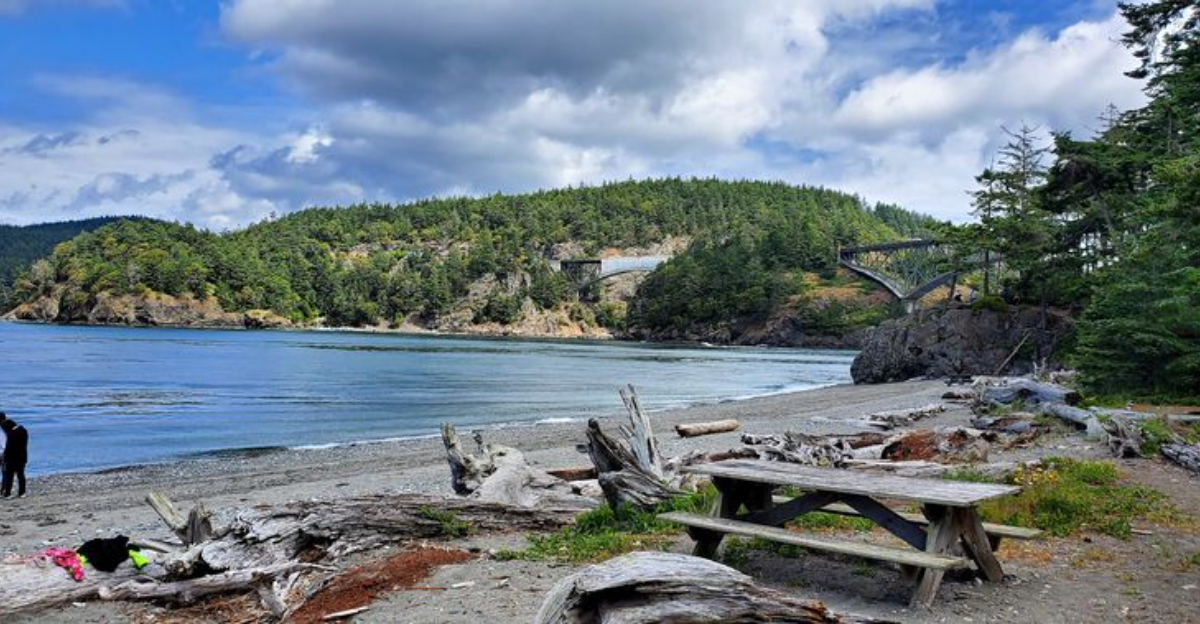
My GPS once tried to convince me I was about to drive off the edge of the world. Spoiler alert: the maps app was dramatically wrong, and I found myself on one of Washington’s most breathtaking island routes instead.
What started as a mistaken turn evolved into a day filled with sandy shores that stretched like golden blankets, rugged cliffs that demanded my fullest attention, and tiny towns where the locals shared stories as freely as the salty sea breeze.
Between panoramic viewpoints that made my camera work overtime and hidden historical gems tucked away behind weathered fences, this scenic stretch proved that getting gloriously lost sometimes leads to exactly where you need to be.
Bring comfortable shoes and an appetite for wonder-the island has both waiting in abundance. Located about an hour north of Seattle, this long, narrow island packs beaches, historic towns, dramatic cliffs, and unforgettable views into one easy road trip.
Start The Journey With A Ferry Ride To Clinton
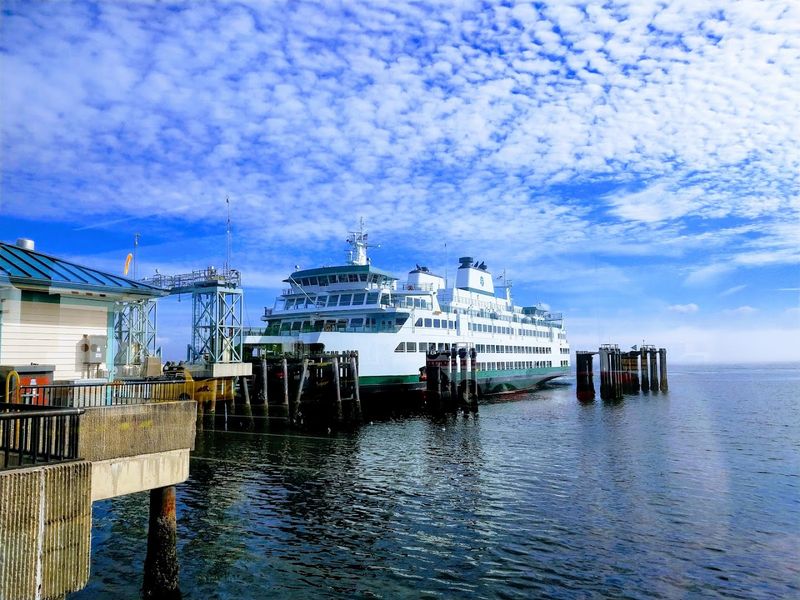
Before you even touch the island, the trip already feels like something special. The Mukilteo-to-Clinton ferry is a short crossing across Puget Sound, but those twenty minutes do something remarkable to your mood.
Salt air fills your lungs the moment you step out of your car onto the deck. Seagulls pace the ferry railing with impressive confidence, and sailboats drift lazily across the gray-blue water.
There is a quiet magic in watching the mainland skyline shrink behind you while the forested shoreline of Whidbey Island grows larger ahead. City noise, traffic stress, and to-do lists seem to dissolve somewhere in the middle of that crossing.
Washington State Ferries run the Mukilteo-Clinton route regularly throughout the day, making it easy to plan around. Tickets are affordable, and the views from the upper deck are worth every cent.
The ferry does not just transport you to Whidbey, it sets the entire tone for the drive ahead.
Wander Through The Charming Streets Of Langley
Perched above Saratoga Passage on the southern end of Whidbey Island, Langley is the kind of town that makes you slow your pace without even trying.
The streets are walkable, the storefronts are independent and quirky, and the flower boxes outside every shop look like someone actually cares about them deeply.
Boutiques carry handmade goods, art galleries showcase Pacific Northwest painters and sculptors, and cozy cafes serve strong coffee with homemade pastries that are absolutely worth the extra stop.
The views from the bluff above the water are calm and expansive, with Saratoga Passage stretching wide and blue beneath open sky.
Langley never feels crowded or rushed, which is a big part of its appeal. Locals chat on benches, dogs trot happily down sidewalks, and visitors move at a genuinely relaxed pace.
Spend an hour here browsing and snacking, and you will leave feeling like you actually exhaled for the first time all week.
Slow Down Along Whidbey’s Southern Beaches
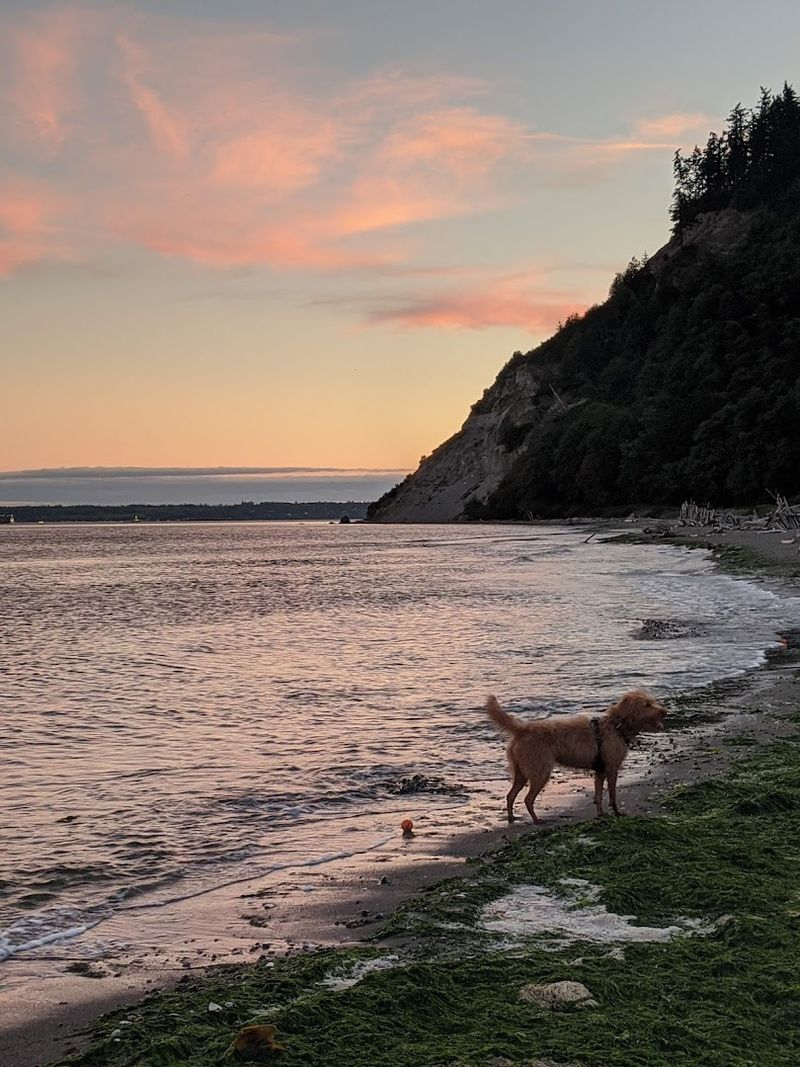
South Whidbey’s coastline has a rugged, unhurried beauty that feels nothing like a polished resort beach. The shoreline is scattered with smooth stones, twisted driftwood logs, and shells waiting patiently to be found.
Wide skies stretch in every direction, and cool breezes roll in off the water with a satisfying chill. Double Bluff Beach stands out as one of the island’s most beloved stretches.
The sand runs long and open, dramatic clay bluffs rise behind you, and on a clear day the Olympic Mountains sit across the sound like a painted backdrop. Dogs run freely here, kids hunt for treasures at the waterline, and adults find themselves staring at the horizon longer than planned.
Getting to Double Bluff Beach is easy, with a short trail leading from the parking area down to the shore. Bring layers, comfortable shoes, and a bag for shells. The beach is free, uncrowded on most weekdays, and genuinely restorative in the best possible way.
Cross Into The Drama Of Deception Pass
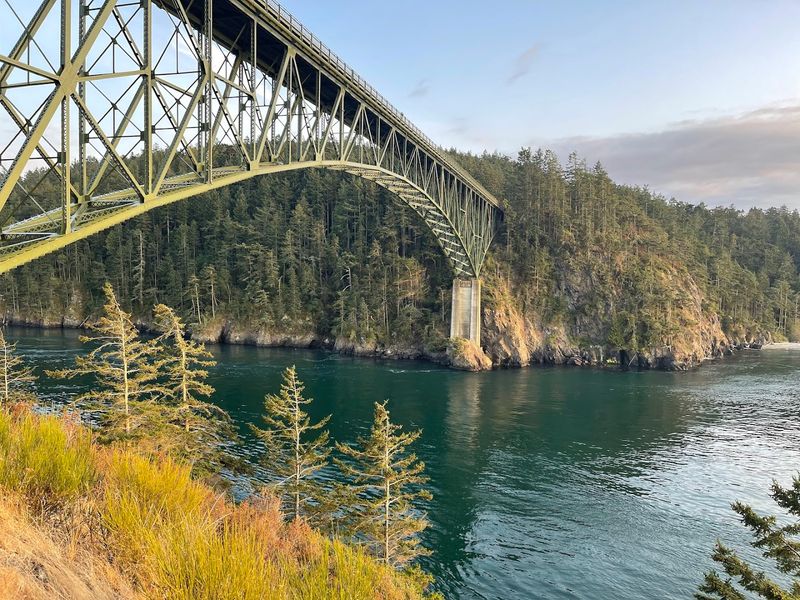
Nothing on the drive north quite prepares you for the moment Deception Pass comes into view. The bridge spans a narrow, rocky gorge where tidal currents swirl and churn with surprising force, and the drop from the railing to the water below is enough to make your palms tingle pleasantly.
Deception Pass State Park surrounds the bridge with miles of trails, sandy beaches, tide pools, and old-growth forest. You could spend a full day here without covering everything.
Wildlife sightings are common, with bald eagles, harbor seals, and great blue herons making regular appearances along the shoreline and in the treetops.
The park sits at the northern tip of Whidbey Island and connects to Fidalgo Island via the historic 1935 bridge. Parking fills quickly on summer weekends, so arriving early pays off. Deception Pass earns every bit of its reputation.
Step Into Small-Town History In Coupeville
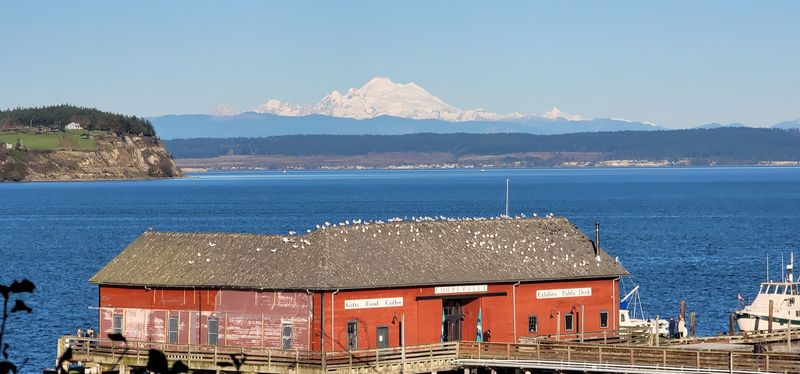
Coupeville feels like a town that decided a long time ago it did not need to change, and the result is genuinely charming.
Sitting along Penn Cove on State Route 20, it is one of the oldest towns in Washington, with 19th-century wooden storefronts that have been kept in beautiful condition without feeling like a museum display.
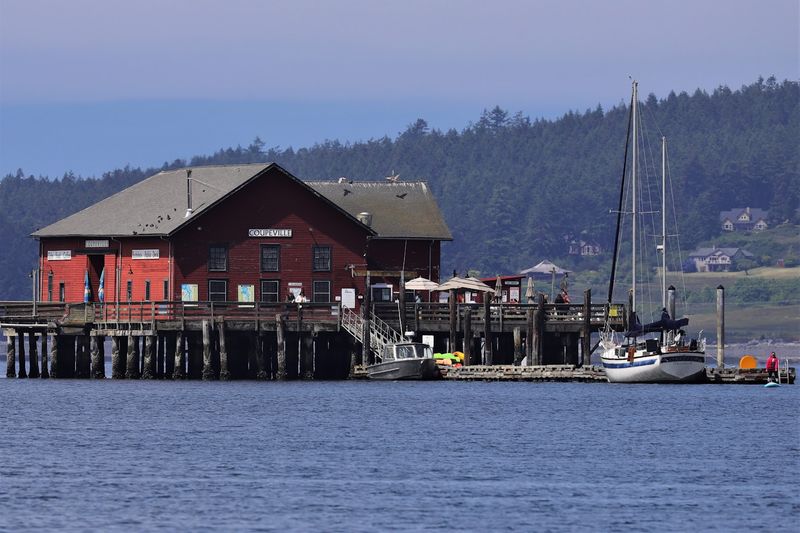
The waterfront wharf stretches out over Penn Cove, where small boats bob gently and the water reflects the surrounding hills.
Shops and restaurants line the main street, offering everything from handmade crafts to fresh Penn Cove mussels, which are famously good and locally harvested. Film fans may recognize the town from the 1998 movie Practical Magic, which used Coupeville’s streets and scenery as its atmospheric backdrop.
That connection gives the place a slightly magical reputation it absolutely lives up to in person. Stroll the waterfront, pop into a bakery, and let the town’s quiet, nostalgic energy settle over you like a favorite old sweater.
Explore The Military Past At Fort Casey
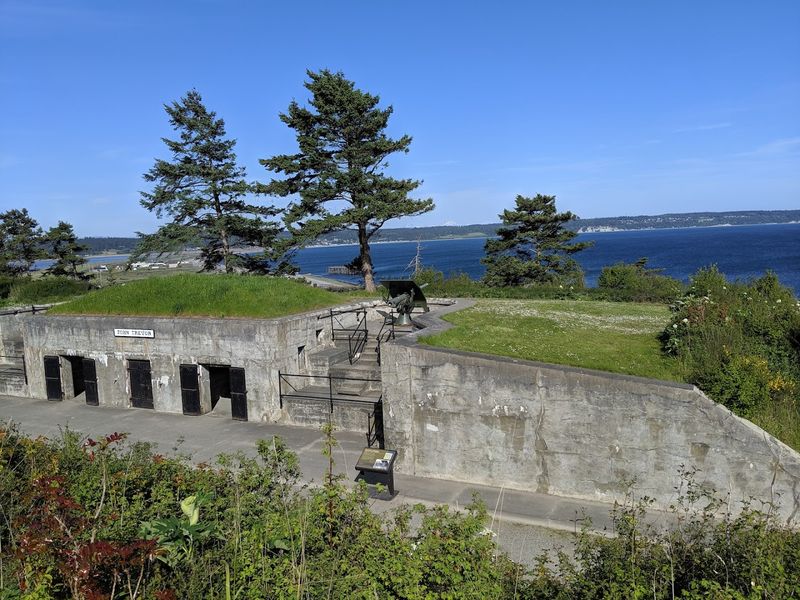
Fort Casey has the kind of quiet, open-sky atmosphere that makes history feel approachable rather than distant.
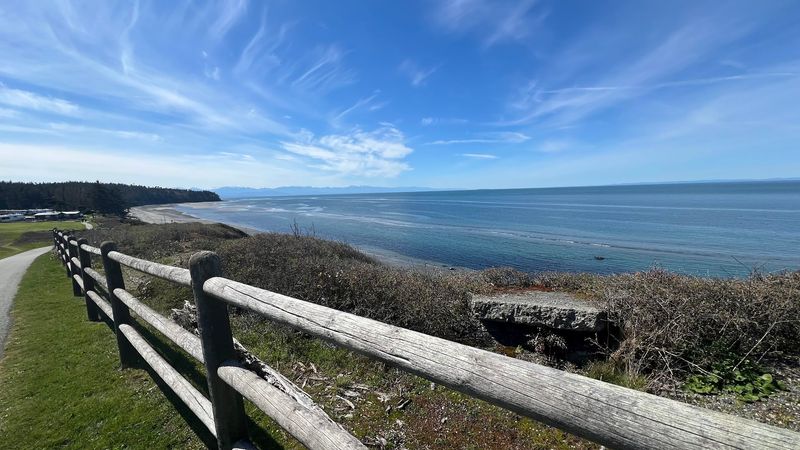
Perched on a bluff overlooking Admiralty Inlet and the Strait of Juan de Fuca, this former military post was built in the 1890s as part of a coastal defense system designed to protect Puget Sound from naval threats.
The concrete batteries and bunkers are still standing, and you can walk through them freely, climbing over artillery platforms and ducking into tunnels that once housed soldiers and ammunition.
The restored Disappearing Guns are a highlight, massive artillery pieces that would have been raised to fire and then lowered back below the bluff line.
Fort Casey is part of Ebey’s Landing National Historical Reserve, a federally protected landscape that preserves farmland, forests, and historic sites across central Whidbey Island. The reserve ties the fort into a much larger story about the island’s long human history.
Views from the bluff are sweeping and worth the stop alone, even if military history is not your primary interest.
Pick Up A Taste Of Italy Along The Way
Somewhere between the dramatic history of Fort Casey and the next coastal viewpoint, Whidbey Island throws in a delightful curveball in the form of an Italian market.
Honest to goodness imported goods, fresh handmade pasta, quality olive oils, cured meats, and regional Italian specialties line the shelves of this small but well-stocked shop.
It is the kind of stop you stumble across and immediately tell everyone about afterward. The aromas alone are worth pulling over for, a rich mix of dried herbs, aged cheese, and fresh bread that transforms a parking lot detour into a genuinely sensory experience.
Stock up on picnic supplies here and you will eat extremely well at whatever beach or bluff you visit next. Take-home treats make excellent souvenirs, and the staff tend to be knowledgeable and enthusiastic about what they carry.
Road trips benefit enormously from unexpected stops like this one, and on Whidbey Island, it fits perfectly into the easygoing, discovery-driven rhythm of the whole drive.
Such An Easy Washington Escape
By the time you loop back toward the ferry, the drive has covered ferry crossings, coastal towns, wild beaches, a dramatic bridge, historic forts, and an Italian market.
That is a remarkable amount of variety packed into one island that sits just an hour north of Seattle. Whidbey Island works as a day trip if you start early and move with purpose, but it rewards a slower pace even more generously.
Staying overnight in Langley or Coupeville means catching the morning light on the water, eating well at local restaurants, and waking up without the pressure of a return ferry deadline.
The island never tries too hard to impress you, and that relaxed confidence is exactly what makes it so satisfying. Every stop feels genuinely earned rather than manufactured for tourists.
On Whidbey, the journey really does matter as much as the destination, and that is a rare thing to find so close to a major city.