
This Massive Stone Fortress Is One Of Illinois’ Most Underrated Historic Sites
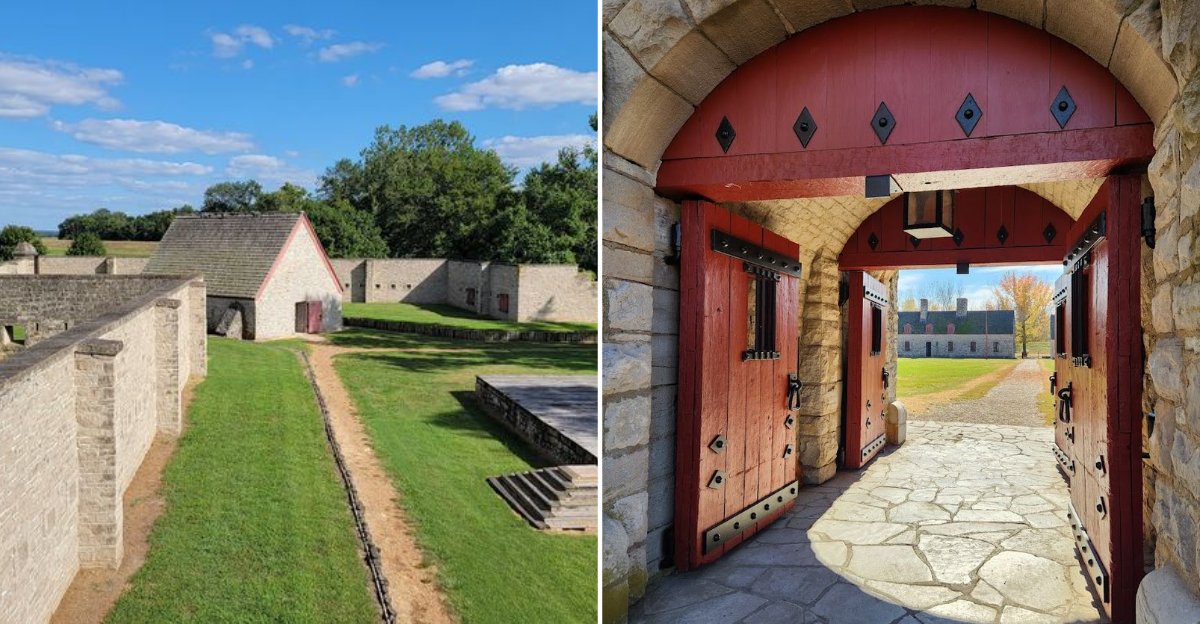
Most people drive through southwestern Illinois without realizing there’s a colonial stone fortress hiding just a few miles away.
Near the Mississippi River, surrounded by open fields and quiet rural scenery, its limestone walls still hint at a time when European empires were fighting for control of the continent’s interior.
The French built this remarkable place in the early 1700s, and it became much more than a military stronghold. It was a center of power, trade, and colonial ambition in the Illinois Country.
Floods, shifting borders, and centuries of change nearly erased it, but parts of its story are still standing. For anyone who loves overlooked history, this hidden Illinois landmark feels like a real discovery.
Built By The French In The Early 1700s
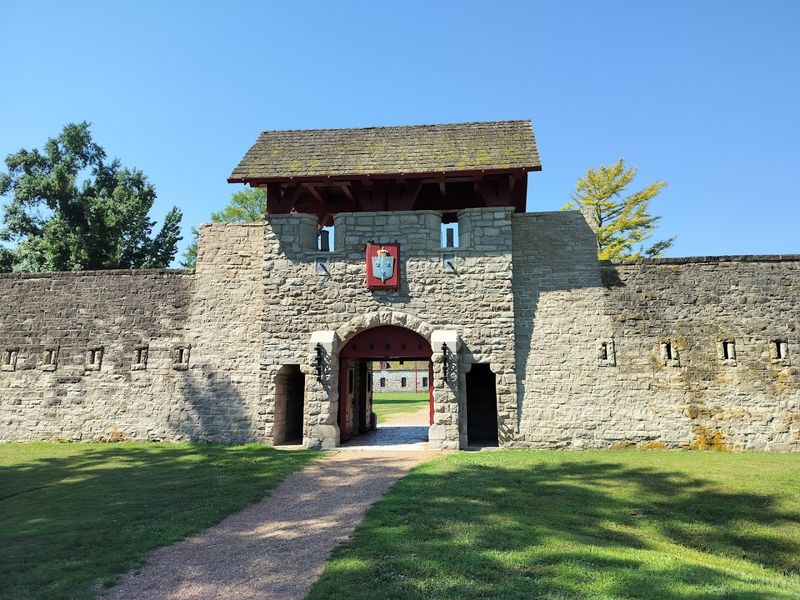
Long before the United States existed, France was busy claiming massive stretches of North American land, and Fort de Chartres was one of the crown jewels of that ambition.
Construction on the earliest Fort de Chartres began around 1720 near the Mississippi River in what is now southwestern Illinois, about four miles west of Prairie du Rocher. The French wanted a strong military and administrative base to control the Illinois territory and protect their trade routes.
The original structure was actually built from wood, but repeated flooding from the nearby Mississippi River caused serious damage. The French rebuilt it using thick limestone walls, creating a far more durable and impressive structure.
That decision to use stone is a big reason why portions of the fort still stand today.
At the time, building a European-style stone fortress in the middle of the American frontier was an extraordinary engineering achievement. For the local Native American communities who had never seen stone construction, it must have been a genuinely striking sight to behold.
Once The Largest Colonial Fortification
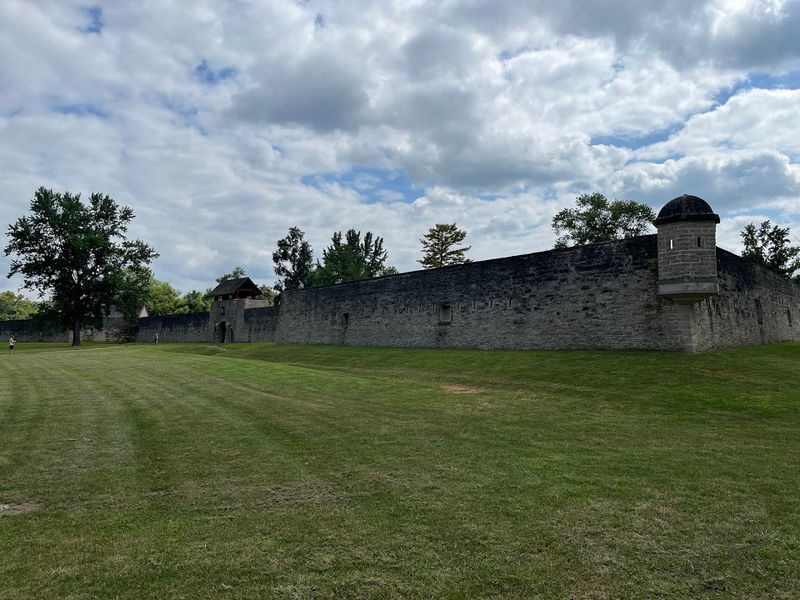
Fort de Chartres was not just big by frontier standards. At its peak, it was considered the largest colonial fortification in all of French Louisiana, a territory that once stretched from Canada down to the Gulf of Mexico.
That is a staggering fact when you consider how vast that region actually was.
The fort covered roughly four acres and featured walls that were two feet thick and fifteen feet high. Inside those walls, there were barracks, a chapel, a prison, a powder magazine, and quarters for officers and government officials.
It functioned as both a military base and the administrative center for the entire Illinois territory under French rule.
Thinking about that scale while standing inside the partially reconstructed walls today gives you a completely different sense of the place. What looks like a quiet park in rural Illinois was once a buzzing hub of colonial power, diplomacy, and military strategy at the edge of a vast empire.
Illinois’ Oldest Survivor
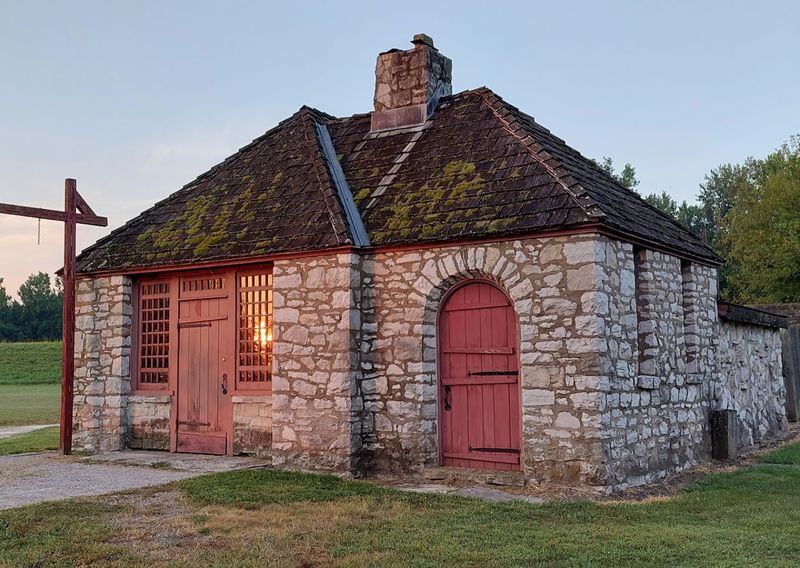
Here is a fact that genuinely surprises most visitors: the powder magazine at Fort de Chartres is widely recognized as the oldest standing building in the entire state of Illinois.
That small, sturdy limestone structure has been quietly sitting on the grounds for roughly 300 years, outlasting almost everything around it.
A powder magazine was used to store gunpowder and ammunition, so it had to be built to withstand both physical threats and the risk of accidental explosion.
The thick stone walls and carefully designed ventilation made it one of the most solidly constructed buildings on the entire site. That careful craftsmanship is a huge part of why it survived when so much else did not.
Walking up to it today, you get a real sense of just how serious the French were about this outpost. There is something quietly powerful about standing next to a building that has been there since before the country you live in even had a name.
Rebuilt Against The River
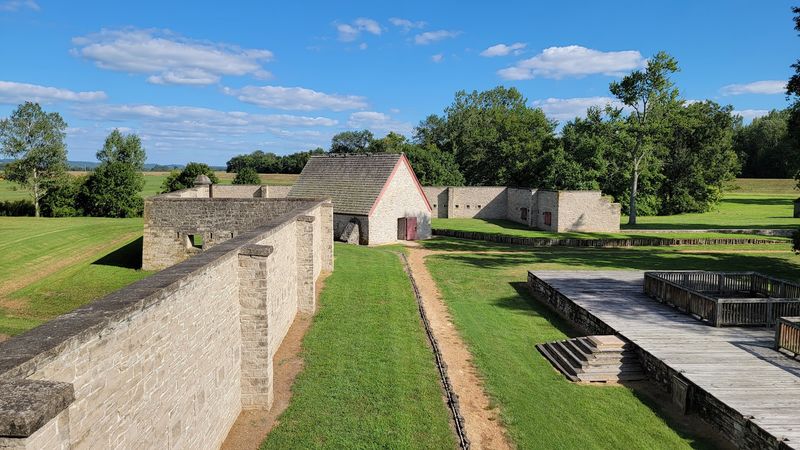
Living next to the Mississippi River in the 1700s came with serious consequences, and the French at Fort de Chartres learned that lesson the hard way.
The original fort, built from wood around 1720, was repeatedly damaged and undermined by flooding from the nearby river. It was not a small inconvenience but a recurring crisis that threatened the entire operation.
The French actually built and rebuilt the fort multiple times before committing to the final limestone version, which was completed around 1756.
That version was far more flood-resistant, though the river eventually won the long game anyway, eroding the land and causing significant deterioration over the following centuries.
Today the fort sits about a mile from the river’s current course, which tells you just how dramatically the Mississippi has shifted its channel over time.
The history of flooding here is not just a footnote but a central part of understanding why the fort looks the way it does and why so much of it had to be reconstructed in modern times.
From French To British Hands
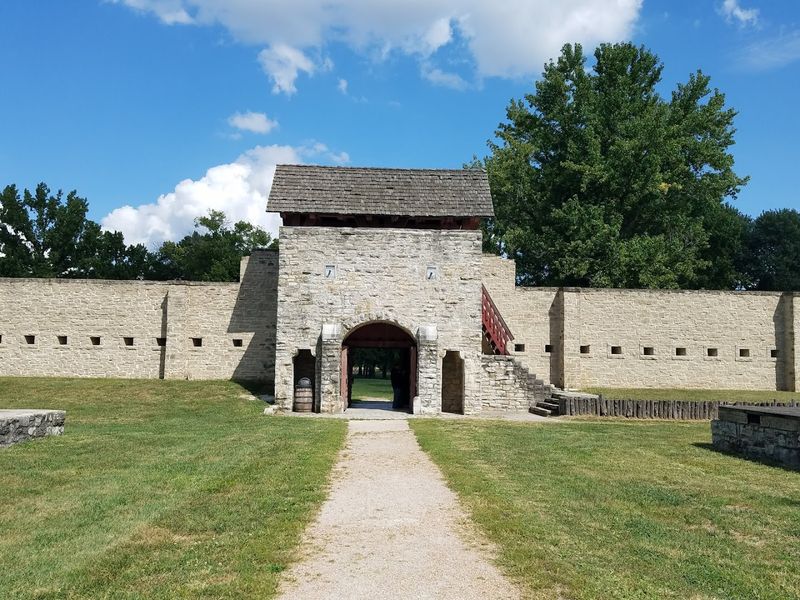
The French and Indian War, which ended in 1763, reshaped North America in ways that most people only partially understand.
One of the biggest consequences was that France handed over enormous territories to Britain, including the Illinois country where Fort de Chartres stood. British forces took control of the fort in 1765, though the French garrison delayed the handover for as long as possible.
Under British control, the fort was renamed Fort Cavendish, though that name never really stuck in the historical memory the way Fort de Chartres did.
The British made some modifications but struggled with the same environmental challenges that had plagued the French, particularly the relentless pressure from the nearby river.
By 1772, the British abandoned the fort entirely, partly because of flood damage and partly because it no longer served a practical military purpose. That abandonment marked the end of the fort as an active military installation, leaving it to slowly crumble until preservation efforts began centuries later.
History Rebuilt In Stone
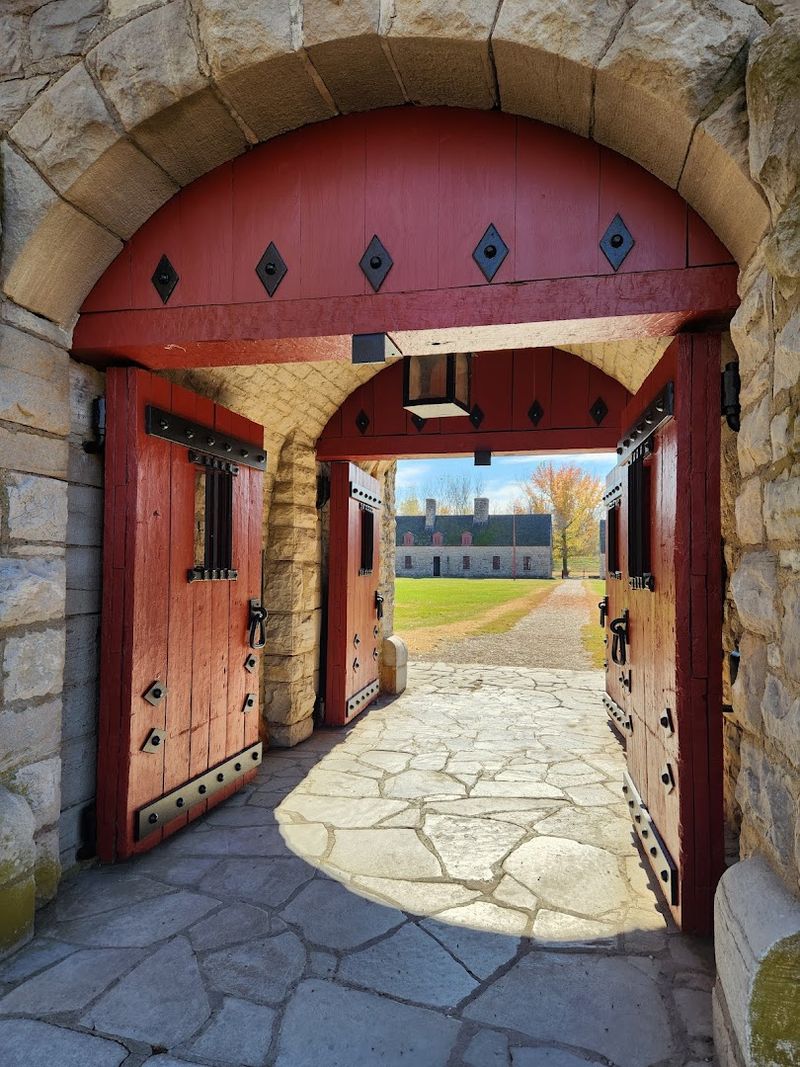
By the time serious attention turned back to Fort de Chartres in the early 20th century, much of the original structure had either crumbled or been swallowed by the landscape.
The state of Illinois took on the ambitious task of partially reconstructing the fort based on historical records, archaeological findings, and surviving architectural details. That effort transformed a field of ruins into something visitors can actually walk through and experience.
The reconstruction focused on rebuilding key sections of the massive limestone walls, the gatehouse, and several interior buildings.
Historians and archaeologists worked together to make the reconstruction as accurate as possible, using period-appropriate materials and techniques wherever they could. The powder magazine, which survived largely intact, served as a key reference point for understanding the original construction style.
The result is a site that feels genuinely immersive without pretending to be something it is not. Signs and exhibits are honest about which elements are original and which have been rebuilt, giving visitors a transparent and educational experience that respects the real history of the place.
A Free Walk Into History
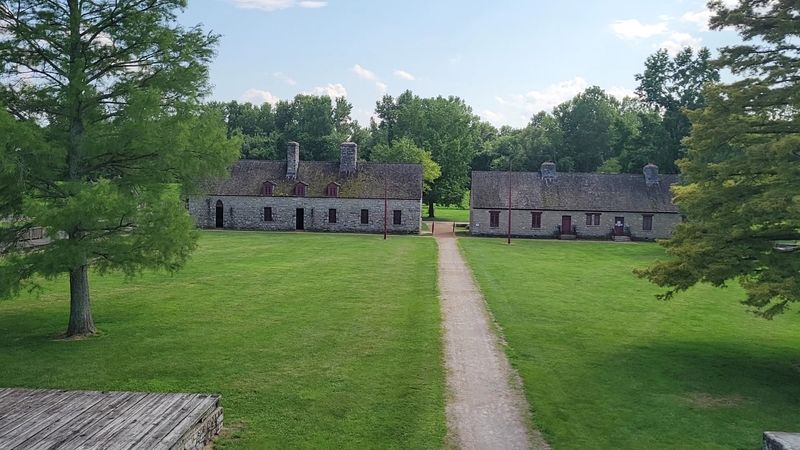
One of the most refreshing things about Fort de Chartres State Historic Site is that it costs nothing to visit. Admission is free, and the site operates on a donation basis, making it accessible to families, students, history enthusiasts, and curious roadtrippers alike.
That open-door approach feels perfectly in keeping with a place that wants to share its story with as many people as possible.
The fort is located at 1350 State Route 155 in Prairie du Rocher, Illinois, and is managed by the Illinois Department of Natural Resources. It is open Wednesday through Sunday from 10 AM to 4 PM, so planning your visit around those hours is worth a quick check before heading out.
The grounds also include picnic tables and shaded areas, which makes a packed lunch a genuinely good idea.
Bringing kids along is a natural fit here. The open grounds, climbable guard towers, and hands-on museum atmosphere make it the kind of place where younger visitors stay genuinely engaged rather than restless and ready to leave.
Artifacts Inside The Walls
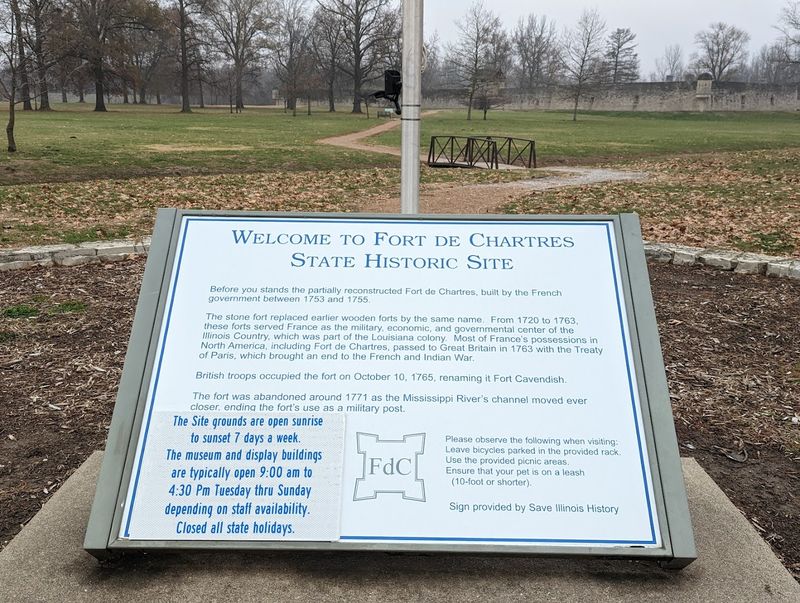
The small museum inside Fort de Chartres punches well above its weight in terms of what it offers.
Packed with authentic artifacts from the French colonial period, the exhibits cover everything from military equipment and trade goods to maps, pottery, and personal items that once belonged to the people who lived and worked at the fort.
It is the kind of collection that makes history feel tangible rather than textbook-dry.
Bilingual signage throughout the site, written in both English and French, adds an extra layer of authenticity and acknowledges the French heritage that defines the fort’s entire identity.
The displays are thoughtfully organized and genuinely informative, walking visitors through the fort’s construction, its role in colonial politics, and its eventual abandonment.
A small gift shop near the museum carries pottery, books, and other items related to the site’s history. Even if you are not a big shopper, browsing the selection gives you a few extra minutes with the story before heading back out into the Illinois sunshine and fresh air.
The Fort Comes Alive

Twice a year, Fort de Chartres transforms from a quiet historic site into a fully immersive living history event called the Rendezvous.
Participants from across the region arrive dressed in period-accurate 18th century clothing, set up authentic camps, demonstrate traditional crafts, and recreate the sights and sounds of French colonial frontier life. It is one of the most ambitious and entertaining historic events in the entire Midwest.
The Rendezvous typically includes demonstrations of blacksmithing, cooking, musket firing, and other period skills that bring the fort’s history to life in a way that no museum display ever fully can.
Vendors sell handcrafted goods, traditional foods, and items that fit the 18th century aesthetic, creating an atmosphere that feels genuinely transported in time.
For families with kids, the event is particularly memorable. Watching someone in full French colonial dress explain how a flintlock musket works or demonstrate how candles were made by hand is the kind of educational experience that sticks with you long after the drive home.
Ruled By The River
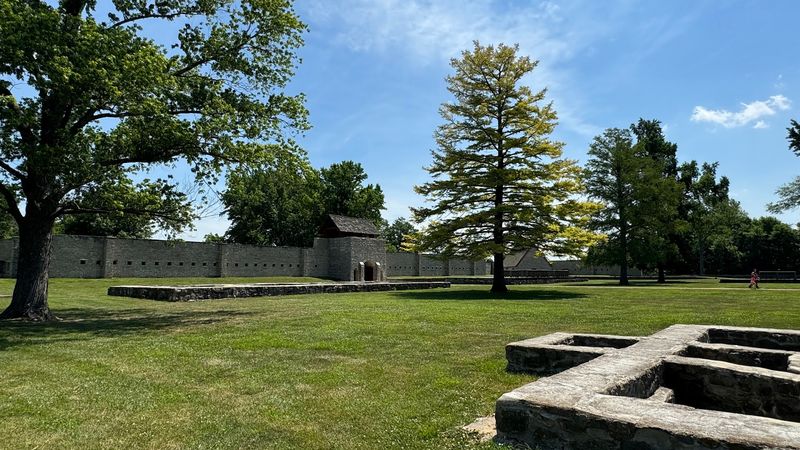
Beyond the walls and the museum, Fort de Chartres offers something that many visitors overlook entirely: a mile-long trail that winds through the surrounding landscape and leads down to the Mississippi River.
That short walk adds a completely different dimension to the visit, connecting the stone walls of the fort to the natural environment that shaped its entire history.
The Mississippi River was not just a backdrop for Fort de Chartres. It was the reason the fort existed in the first place, serving as the main artery for trade, communication, and military movement throughout French Louisiana.
Walking that trail and seeing the river up close gives you a much more grounded sense of why this specific location mattered so much to the French colonial project.
The surrounding countryside is genuinely pretty, with open fields, mature trees, and a quietness that feels rare. Whether you are a history enthusiast or just someone who enjoys a good walk in a peaceful setting, that trail is absolutely worth adding to your visit before heading back to the car.