
This Michigan Bird Sanctuary Welcomes Dads Free On Father’s Day For A Walk Among Raptors And Songbirds
Some fathers already have every tie, gadget, grilling tool they will ever need. For the dad who would rather spend his special morning outside than anywhere else, there is a quiet stretch of wetland in southwest Michigan where the gift is simply the chance to stand still, watch, listen.
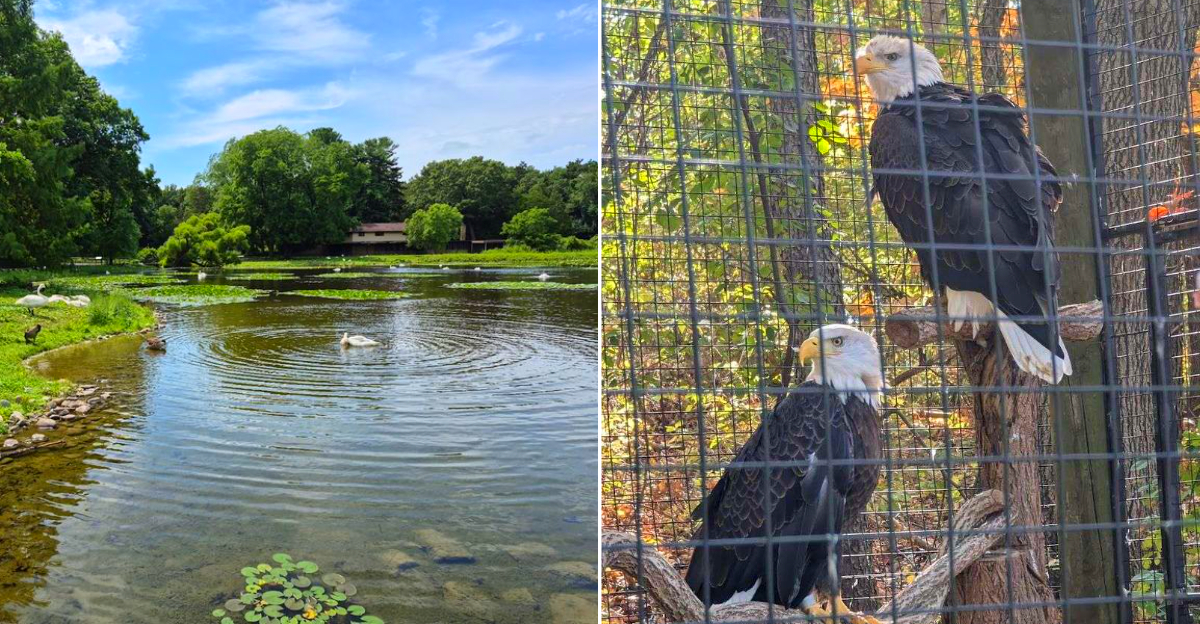
On Father’s Day, the sanctuary opens its gates to dads at no charge, inviting them to stroll paved paths that wind past open water, marshy inlets, groves of mature trees where songbirds call from the canopy.
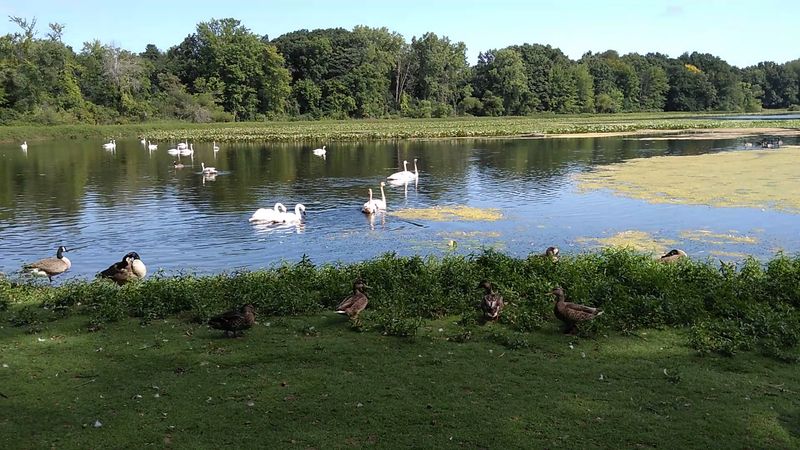
Trumpeter swans glide across the ponds while hawks perch on elevated platforms within easy view of the walking trail.
Kids, grandparents can walk the same loop at whatever pace suits them, pausing at interpretive signs that explain what makes each species unique.
Families looking for a Father’s Day tradition in Michigan that replaces the usual brunch with something a little wilder will find this sanctuary delivers.
Know The Father’s Day Window
Father’s Day here comes with one clear perk: dads visiting with their families receive free admission. The promotion typically runs from 9 a.m. to 5 p.m. on Father’s Day Sunday, and no registration is required.
That simplicity matters, because it keeps the visit feeling like a spontaneous outing instead of a managed event.
Everyone else pays standard admission unless covered by membership. Regular rates are $6 for adults, $5 for seniors ages 62 and up and students, and $4 for children ages 2 through 17, while children under 2 are free.
I would still check the sanctuary’s website before leaving, just in case seasonal hours or holiday closures affect your plan.
Finding The Bird Sanctuary
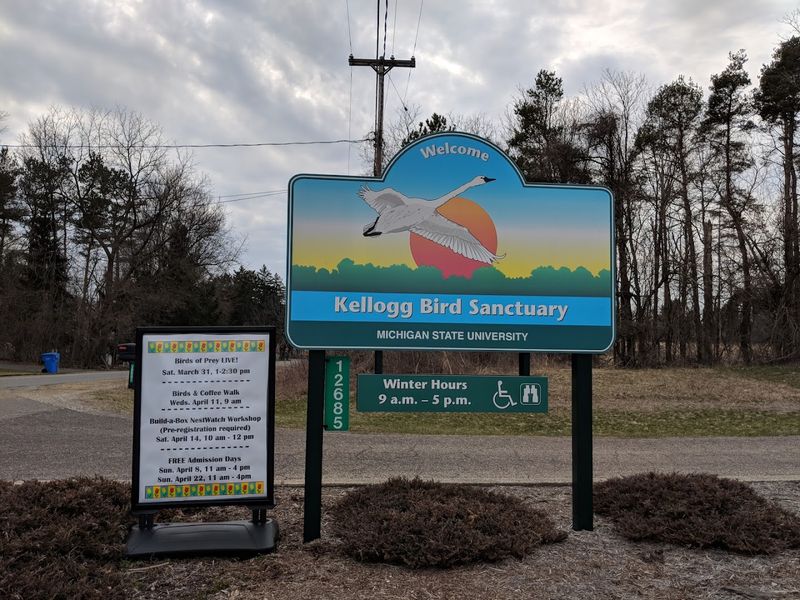
W.K. Kellogg Bird Sanctuary is the kind of quiet Michigan stop where the road starts lowering its voice before you even arrive.
Head toward Augusta with enough time to slow down, because this is not a place for storming in like you are late to a board meeting; the birds will not be impressed.
The address is 12685 East C Ave, Augusta, MI 49012, which puts you near Wintergreen Lake and into that softer countryside rhythm where trees, water, and open sky begin handling the atmosphere for you. Give yourself a little extra time, because sanctuary visits work best when you are not treating swans, cranes, and walking paths like errands.
Once you arrive, do not rush straight through with your eyes stuck to the trail map. Look around, listen for wings, let the lake do its calm little performance, and accept that at least one bird may appear to have stronger opinions about your presence than you expected.
Make Time For The Raptors
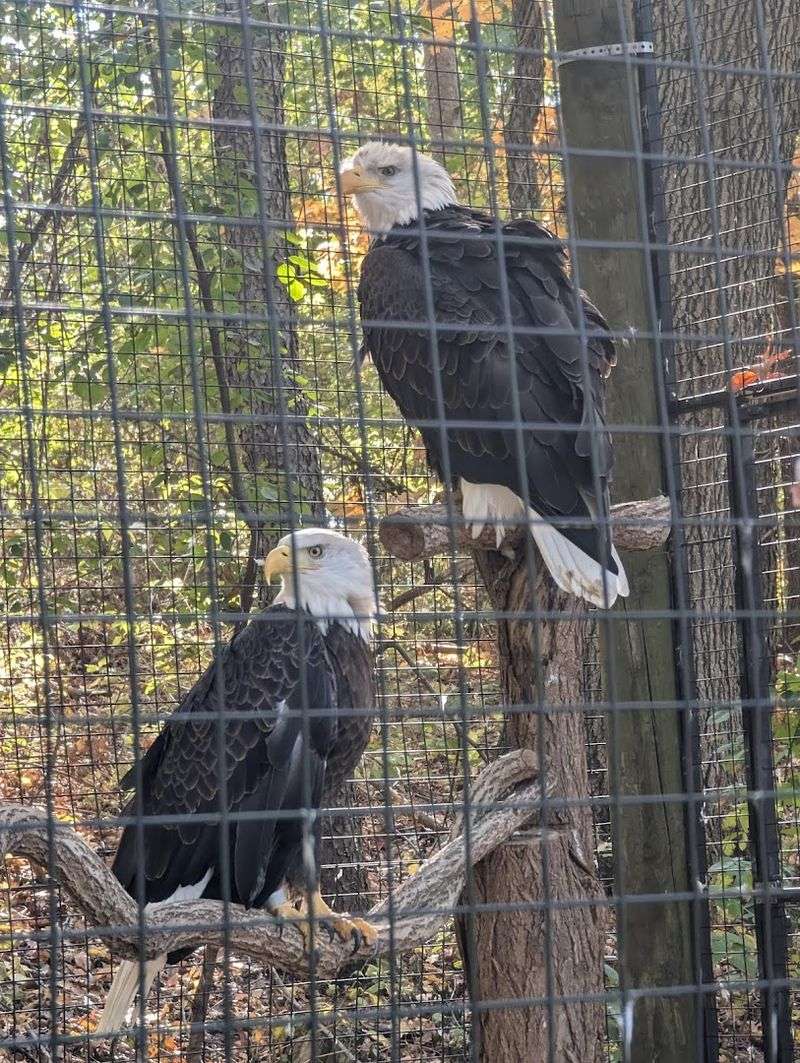
The raptor area gives the sanctuary its emotional weight. Seeing Bald Eagles, Red-tailed Hawks, and Eastern Screech Owls up close is impressive in any season, but it lands differently when you remember many of these birds are rehabilitated individuals that cannot return to the wild.
The encounter feels less like spectacle and more like a lesson in limits, care, and adaptation.
That tone suits the sanctuary’s broader mission of conserving native habitat for migratory and resident birds. If you arrive expecting only a casual family walk, this section deepens the day.
Stand still a little longer than usual, because raptors change the atmosphere simply by looking back at you, and the silence around their enclosures can be oddly memorable.
Let Wintergreen Lake Set The Pace
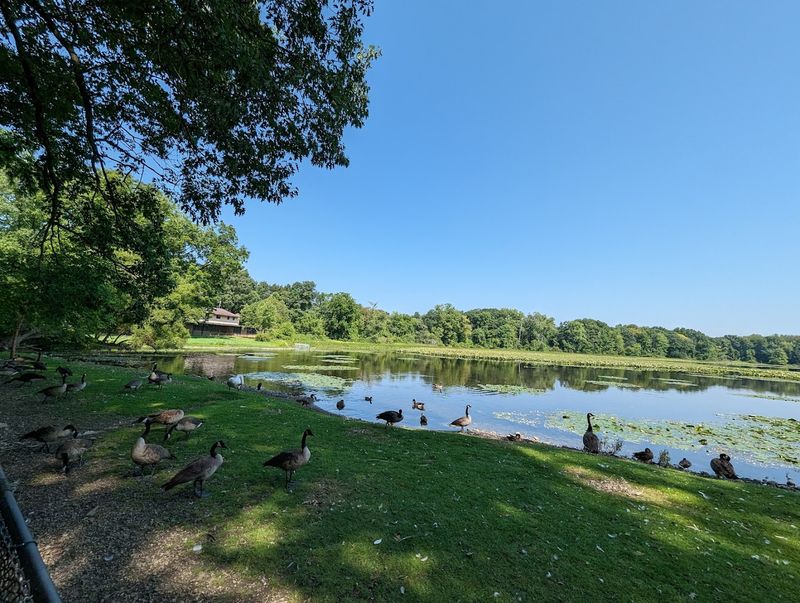
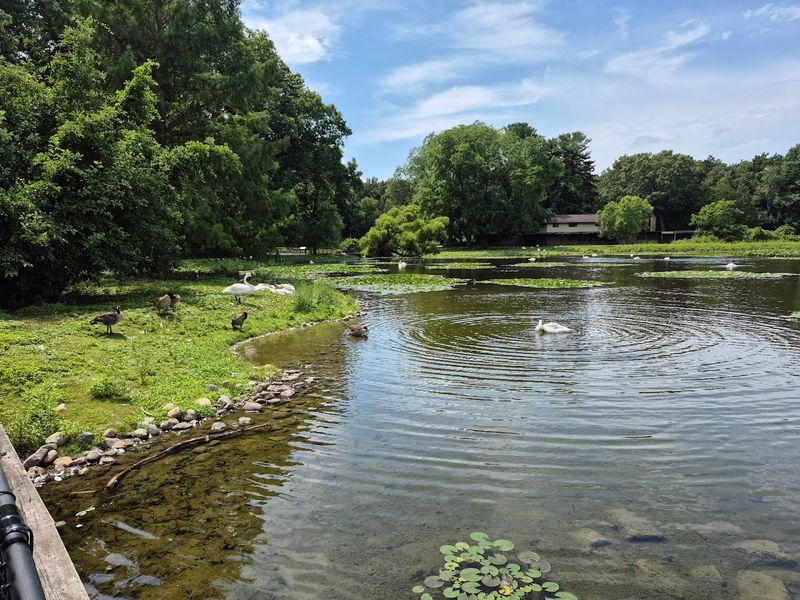
Wintergreen Lake is the sanctuary’s anchor, and the landscape keeps pulling your attention back to it. The preserve covers about 180 acres, with the 40-acre lake shaping views, bird movement, and the mood of the walk.
What looks at first like a simple birding stop gradually reveals itself as a carefully protected patchwork of habitat.
Waterfowl often claim the scene, but the real pleasure is how the lake organizes your wandering without making it feel directed. On a bright day, the open water reflects sky and reeds so cleanly that distances become a little deceptive.
I like circling the shoreline slowly, because the sanctuary gets more interesting the less you rush to the next sign or enclosure.
Use the Resource Center well
The Resource Center is one of those practical details that can quietly improve the whole visit. It is open from March 1 until Thanksgiving and closes 30 minutes before the grounds, which means timing matters if you want to browse, borrow binoculars, or look through guidebooks.
For families with uneven attention spans, that little pause indoors can reset the day nicely.
It also adds context without turning the sanctuary into a museum stop. If someone in your group suddenly wants to know the difference between a hawk silhouette and an eagle silhouette, this is where curiosity gets useful.
I would stop in early rather than saving it for the end, when closing time has a way of arriving faster than expected.
Plan Around The Weekly Schedule
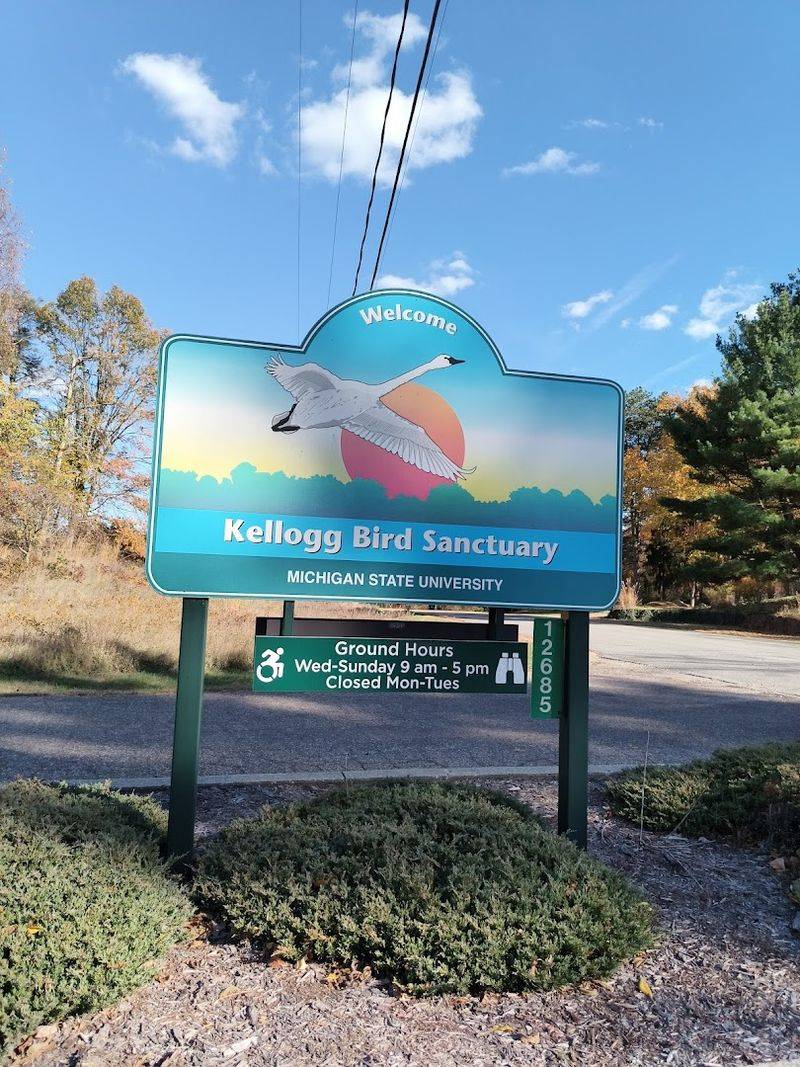
A small scheduling detail can spare you a frustrating driveway turnaround. The sanctuary is generally open Wednesday through Sunday, with standard hours of 9 a.m. to 5 p.m. on Wednesday, Friday, Saturday, and Sunday, plus a later Thursday close at 7 p.m.
Mondays and Tuesdays are closed, which gives the place a pleasing sense of reset.
Season shifts matter too. Winter hours typically run from Thanksgiving to the first weekend of March, with shorter weekend times than the rest of the year.
Specific holidays also close the grounds, including Memorial Day, Independence Day, Labor Day, Thanksgiving, and the stretch from Christmas Eve through New Year’s Day. It is a simple place, but it rewards people who read the hours first.
Bring Water, Not Bird Snacks
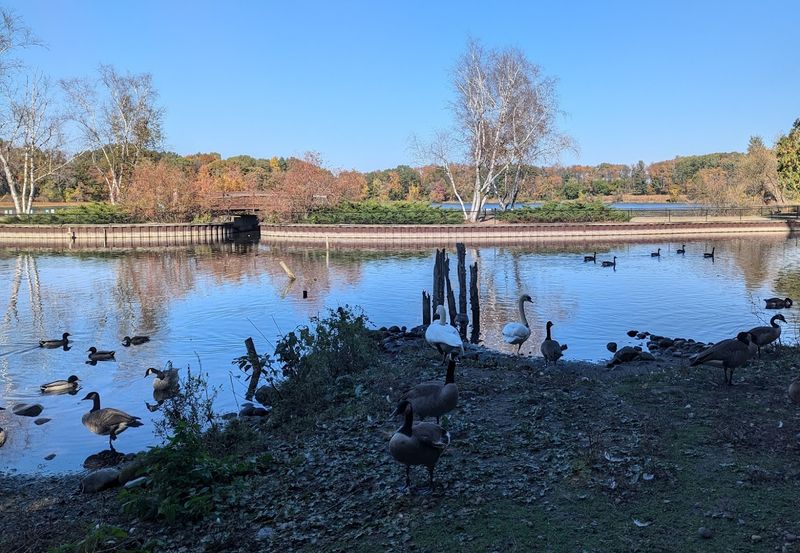
The sanctuary works best when visitors remember it is managed habitat, not a petting area with feathers. You are encouraged to dress for the weather and bring your own water bottle, but feeding waterfowl or other wildlife with outside food is not allowed.
That rule makes sense once you see how much of the site depends on careful stewardship rather than casual interaction.
Other restrictions are equally straightforward. Pets are not allowed on sanctuary grounds, and bicycles, rollerblades, skateboards, firearms, tobacco products, and drones are prohibited on the property.
Those guidelines keep the place quieter than many public parks, which is part of its charm. The birds do not need our creativity nearly as much as they need our restraint.
Notice The Gardens Near The Buildings
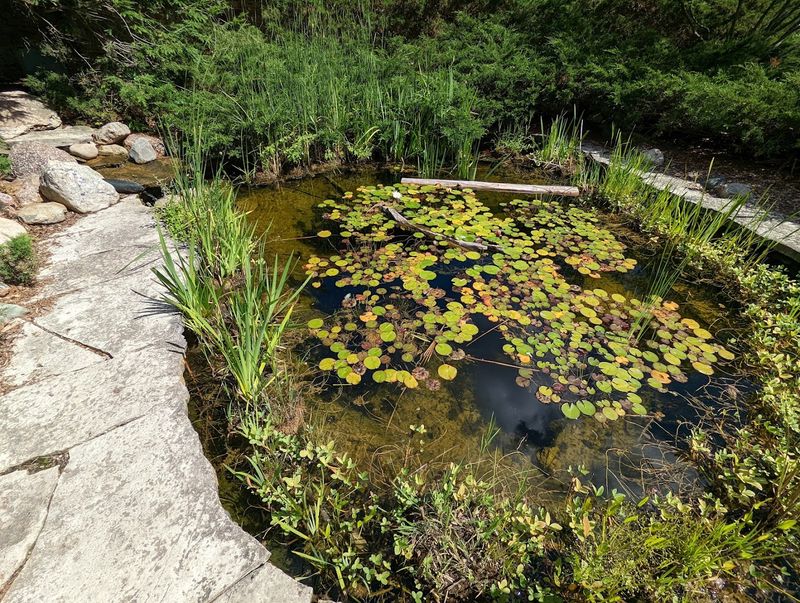
Near the main visitor areas, the pollinator and rain gardens add a different kind of attention training. After spending time scanning water and sky for movement, your eyes suddenly drop to flowers, insects, and plant structure.
That shift is subtle but satisfying, like the sanctuary reminding you that birds are only part of a larger ecological conversation.
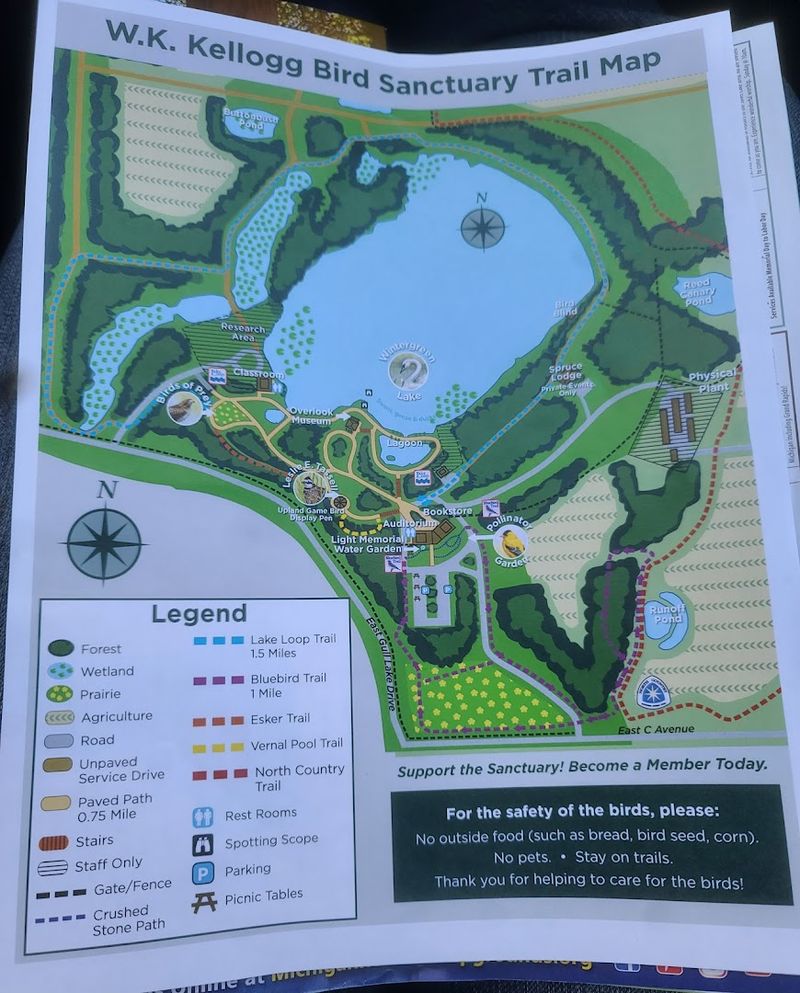
The built spaces around here are practical rather than grand, yet they frame the landscape well. Public restrooms are located near the Auditorium building, and the large picnic area gives families room to regroup without leaving the grounds.
I appreciate that these amenities feel present but not intrusive, which is harder to pull off than it sounds at a heavily visited nature site.
Choose A Trail That Fits Your Group
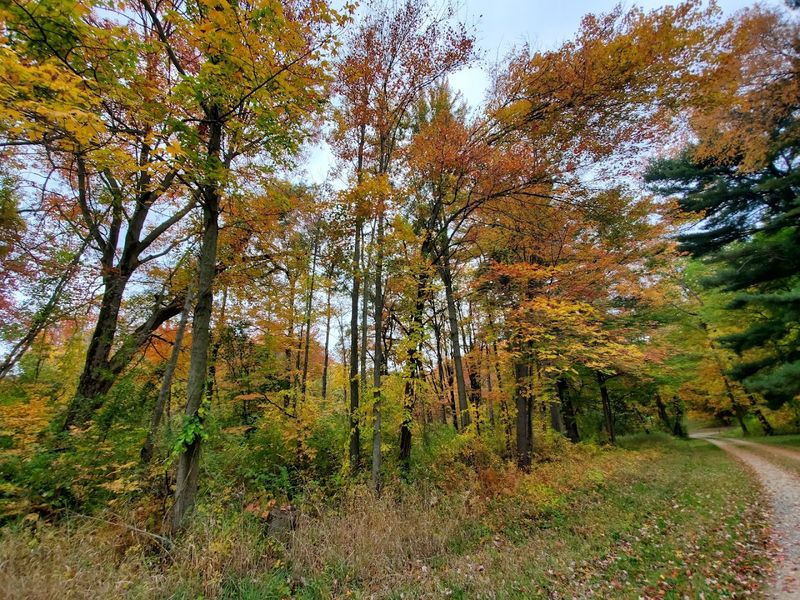
The sanctuary is small enough to feel manageable and varied enough to justify choosing a route on purpose. The Lake Loop, at about 1.4 miles, offers a fuller sense of the water and open habitat, while the 1-mile Blue Bird Trail gives a more rustic change in texture.
Neither feels like wilderness theater, which is exactly why both are appealing.
If your group is mixed in age or energy, make peace with splitting expectations early. Some people want the shortest path to raptors and swans, while others want a proper walk with more quiet between sightings.
I have learned that this place rewards honesty better than ambition. Pick the trail that suits the slowest walker, and everyone usually enjoys more of it.
Consider A Membership If You Will Return
For a one-time Father’s Day outing, regular admission is perfectly reasonable. But if the sanctuary clicks for your family, membership starts making practical sense quickly because it includes unlimited free admission, guest passes, discounts, and free or reduced program rates.
At a place that changes with season, weather, and migration, repeat visits are not just pleasant, they reveal more.
That seasonal variability is part of the sanctuary’s personality. Grounds are open in all four seasons, and the atmosphere shifts from bright, busy waterfowl days to quieter cold-weather walks with a leaner, clearer look at habitat.
A membership suits people who enjoy revisiting familiar places when they are not performing their prettiest version of themselves, which this sanctuary handles especially well.
Treat It As A Slow Outing, Not A Checklist
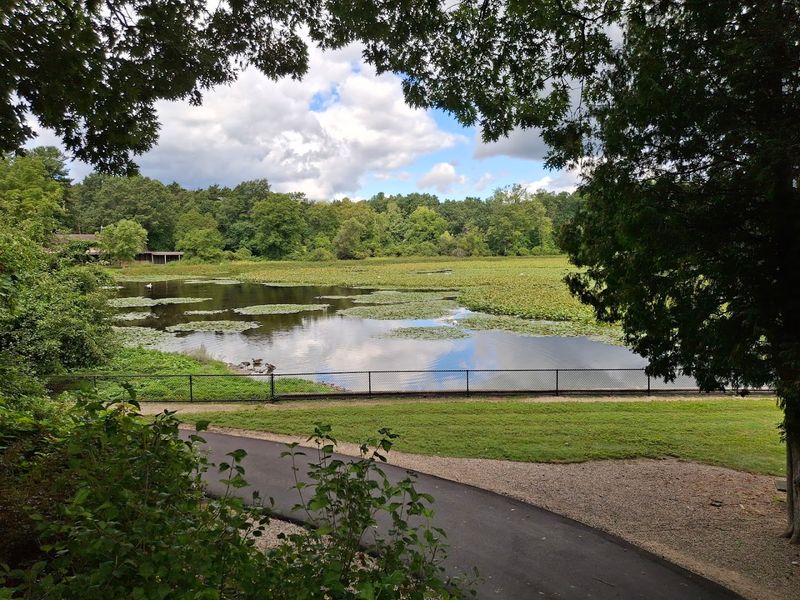
The best approach is to resist turning the sanctuary into a scavenger hunt. Yes, there are headline birds, easy paths, and enough structure to keep children engaged, but the place becomes more distinctive when you allow for pauses, detours, and a little idling by the lake.
It is not enormous, yet it has a calm elasticity that can fill an hour or a half day.
That is why the Father’s Day offer feels so smart. Free admission for dads invites families in, but the sanctuary itself does the harder work of holding attention once everyone arrives.
I came away thinking less about a single standout sighting and more about the texture of the visit: raptors, reeds, paved paths, and the peculiar dignity of birds going about their business.