
This Michigan Japanese Garden Wraps Koi Ponds And Maple Paths Around Peaceful Water Features
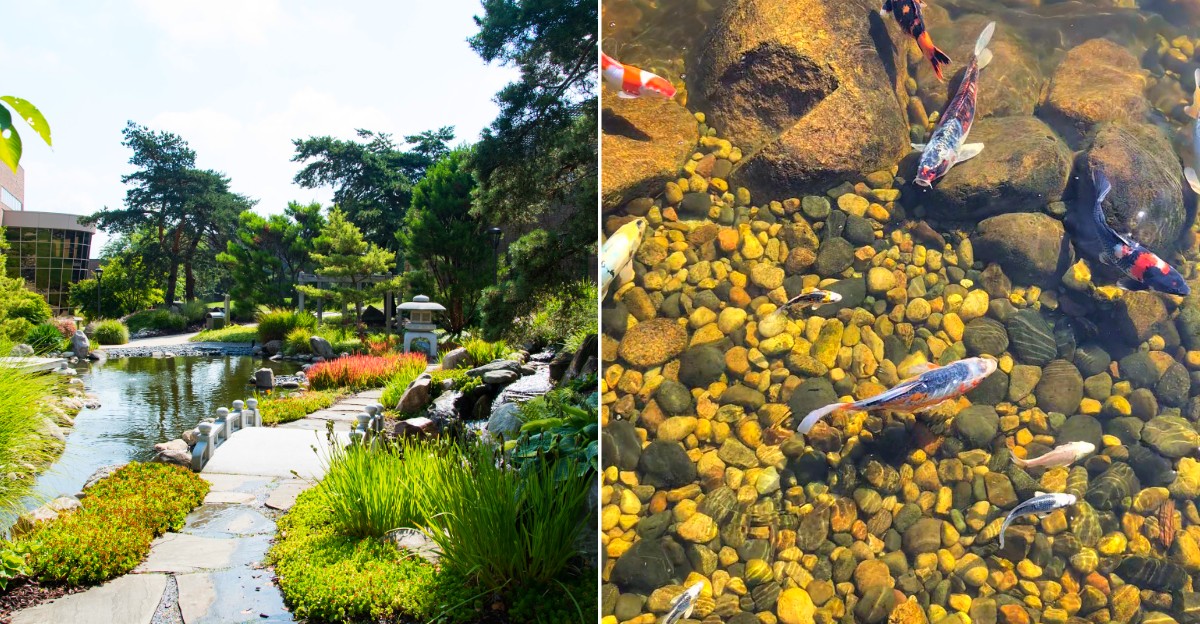
College campuses are not where I usually expect to find a pocket of calm, but this Lansing garden makes a convincing case for wandering off the main path. Water, stone, trees, and carefully framed views create a space that feels much farther from city traffic than it really is.
A pond, waterfall, and seasonal plantings give you plenty to notice, but the story behind the landscape adds even more meaning.
Created to celebrate international friendship, this peaceful Michigan garden turns a small campus corner into a thoughtful connection between Lansing and Japan.
That purpose changes the experience for me. It is not just pretty landscaping, but a place built around memory, education, and cultural exchange.
The best way to visit is without rushing. Follow the paths, pause near the water, and give the details time to register. Sometimes the smallest gardens are the ones that reset your pace most completely.
A Memorial With An International Story
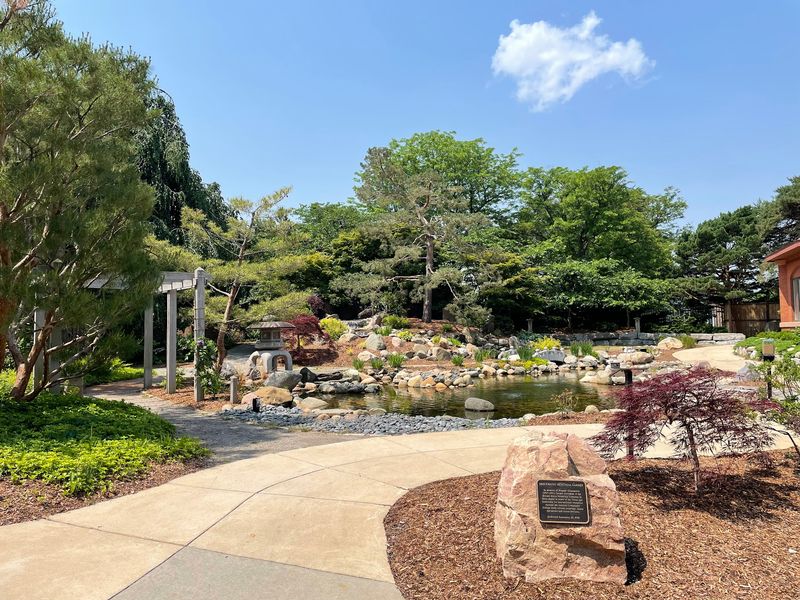
Behind the pond and carefully placed stones is a story about people, not just landscaping. Established in 2006, Shigematsu Memorial Garden honors Megumi Shigematsu, who helped foster international education connections between Lansing Community College and Japan.
Knowing that background changes the visit a little. The garden becomes a place to consider how learning can cross borders, even while your feet stay firmly in downtown Lansing.
Look for the memorial information and take a moment to read it before wandering farther. There is no need to turn your break into a history exam.
One useful detail is enough: this peaceful space carries a lasting connection between a Michigan college and Japan, expressed through thoughtful design rather than a classroom lecture.
Find The Garden Beside Dart Auditorium
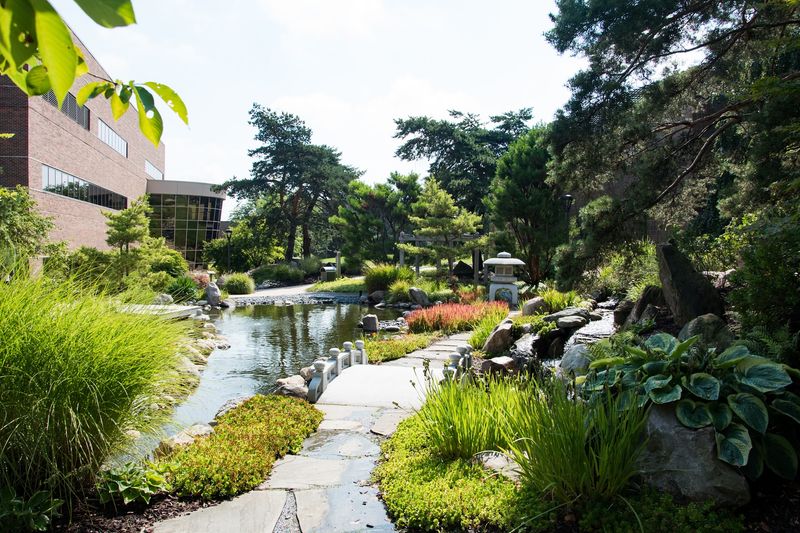
Shigematsu Memorial Garden sits on Lansing Community College’s Downtown Campus in Lansing, Michigan.
Head toward the central campus blocks around Capitol Avenue and Shiawassee Street, with the college’s historic Herrmann House and Rogers-Carrier House serving as the useful landmarks once you are close.
The final approach is best handled on foot. The garden is tucked between those two historic campus houses, so once you leave the busier streets and enter the pedestrian core, look for the stone memorial and landscaped Japanese garden rather than a separate building entrance.
Use visitor parking in the Gannon Ramp or another designated LCC visitor area, then walk across campus toward Herrmann House and Rogers-Carrier House. The garden sits directly between them, making the two buildings the easiest way to find it without wandering the entire campus.
Water Without A Single Splash
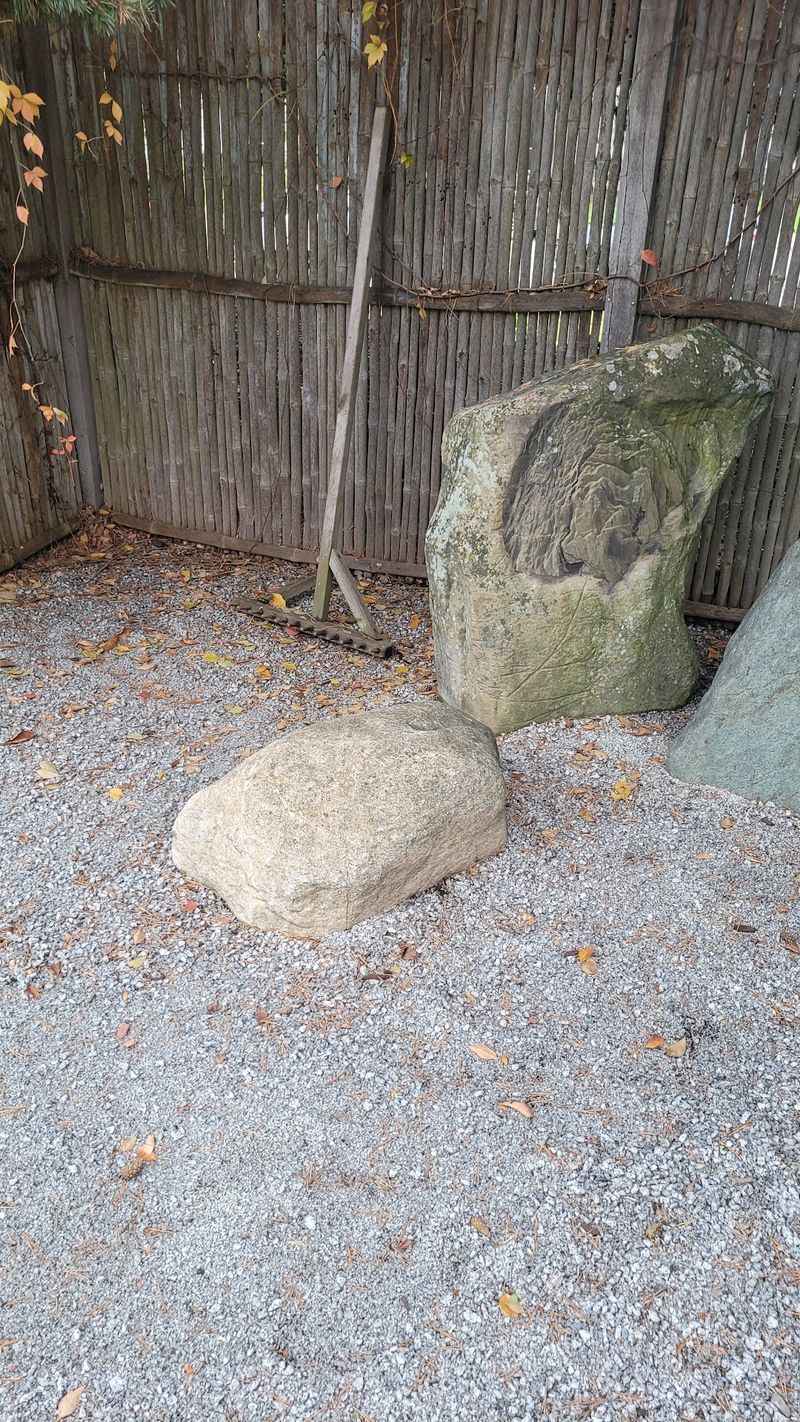
Gravel can suggest an entire sea without getting your shoes wet. In the garden’s dry landscape, known as karesansui, arranged gravel represents water, while larger stones suggest mountains or islands.
That contrast is worth a pause before heading toward the actual pond. Instead of searching for a single correct picture, notice the spaces between stones and the way the surface guides your eyes.
Stay outside the gravel display and leave its patterns undisturbed. A photograph taken from the path can capture the arrangement without stepping into it.
This is also a good place to put your phone away briefly: the scene asks very little of you, apart from looking closely and letting a few ordinary thoughts settle on their own.
Notice The Coin Shaped Water Basin
Near the entrance, a water basin offers a detail that deserves more than a passing glance. Its shape recalls an ancient Japanese coin, bringing a small cultural reference into the larger garden scene.
Look at the basin’s outline, its surface, and how it fits beside the surrounding plants and stones. Small features like this help set the mood before the pond and waterfall draw most of your attention.
Keep your visit hands off unless posted guidance says otherwise. A garden basin is not automatically drinking water or an invitation to toss in coins.
For a useful photo, move your camera rather than any object nearby. The best souvenir here is noticing something you might otherwise have walked straight past.
Lake Biwa In A Smaller Frame
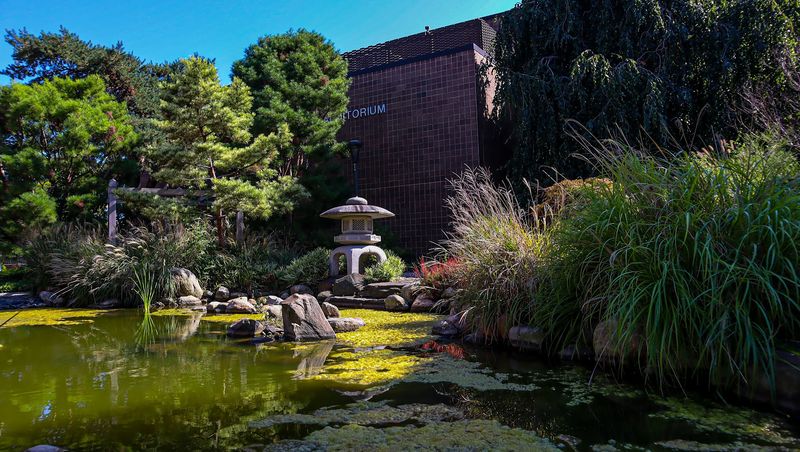
Japan’s Lake Biwa provides the inspiration for the shape of the garden’s lily pond. That connection gives this compact water feature a much larger landscape to echo, without requiring visitors to recognize the outline immediately.
The pond also includes two islands associated with a crane and a tortoise, symbols of longevity in Japanese tradition. Think of them as details to observe, not shapes you must solve like a puzzle.
Choose a clear view from the established path and let your eyes move from the shoreline toward the islands. Reflections can make the scene look different as light changes.
Avoid leaning over the edge for a better photograph; a patient look from safe ground usually reveals more than an awkward reach.
Give The Koi Time To Appear
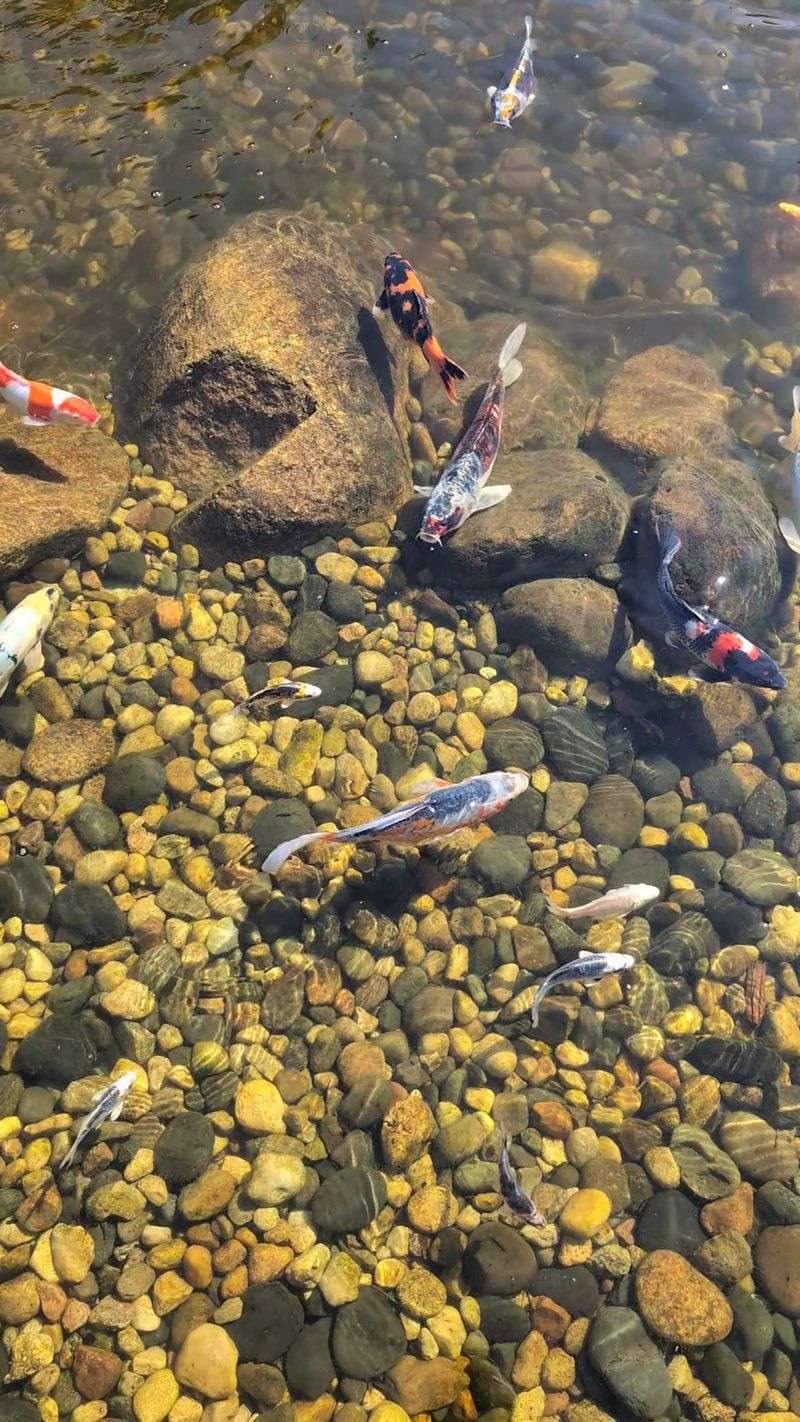
A pond does not work on a visitor’s schedule, and neither do its fish. Koi have been a familiar part of Shigematsu Memorial Garden, but their presence and visibility can change with garden conditions and maintenance.
Pause at the water’s edge rather than expecting an instant display. Look beneath reflections, and avoid tapping, splashing, or tossing food into the pond to attract attention.
Garden information has described a coin operated feeding option costing 25 cents. Treat that as something to check on arrival, not a guaranteed service, and use only approved food if feeding is currently allowed.
Even without a fish sighting, watching the water offers its own reward: movement, reflected leaves, and a reason to stand still a little.
Let The Waterfall Set The Pace
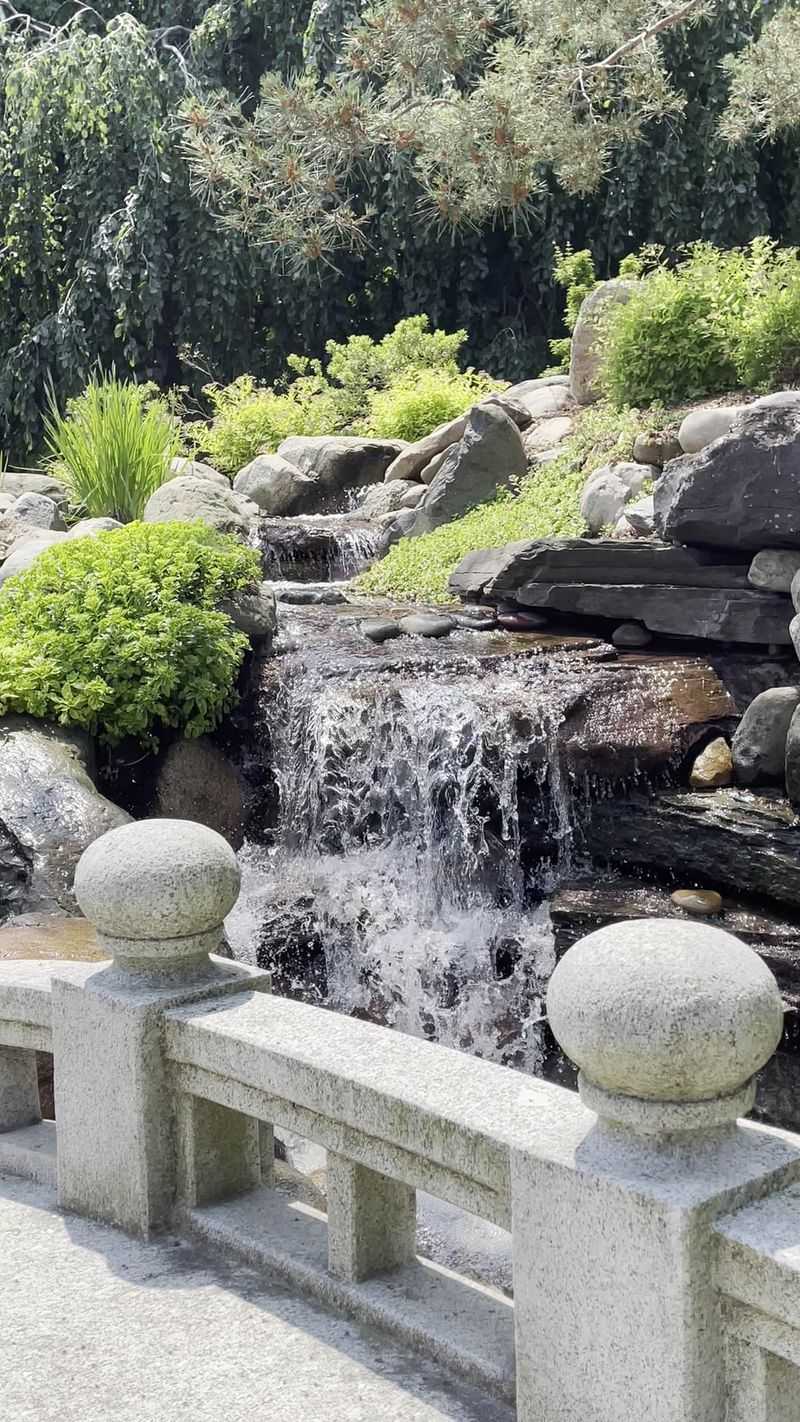
Running water gives the garden a different rhythm from the streets outside. The waterfall feeds the lily pond, adding sound and movement to a setting where many other features remain deliberately still.
When the water feature is operating, stop nearby and listen before reaching for your camera. Notice how the sound changes when you shift position along the path, without leaving the walking area.
Water features can be affected by seasons or maintenance, so avoid building your entire visit around a promised splash. If it is quiet, study the stones and the route water takes instead.
Keep a respectful distance from wet edges, which may be slippery. A comfortable, unhurried stop is better than chasing the closest possible view of flowing water.
Maple Paths Reveal The View Slowly
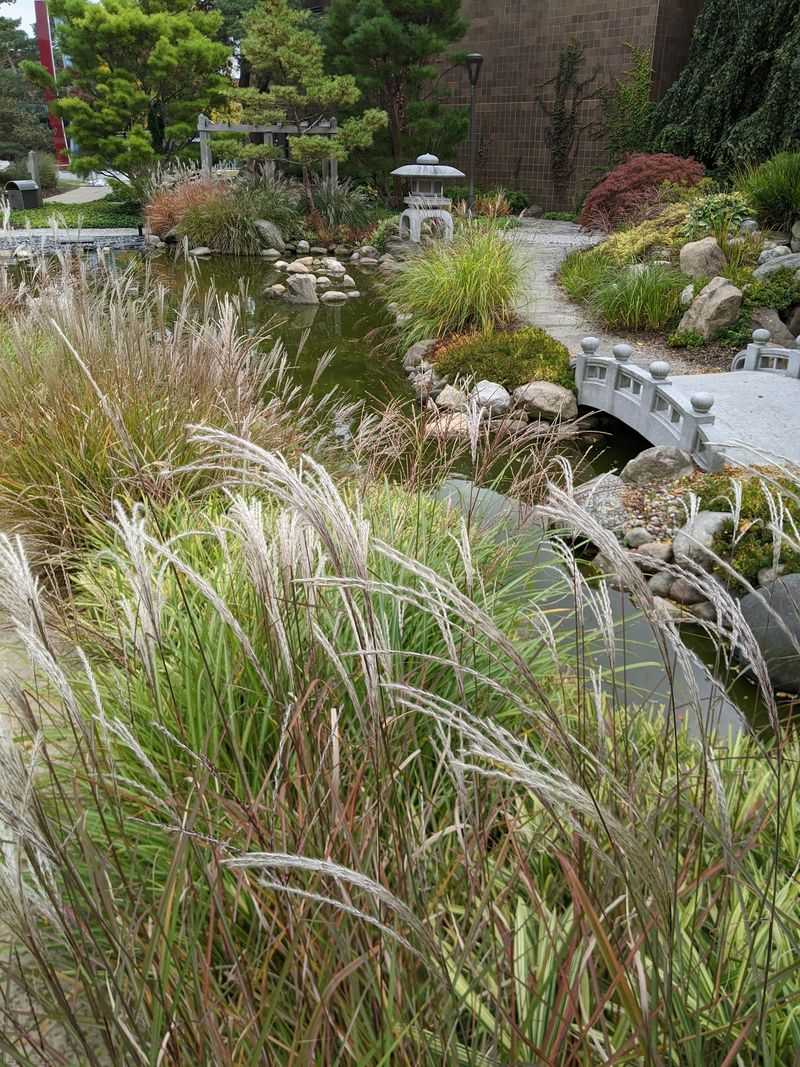
Some garden views make more sense a few steps later. Paths at Shigematsu Memorial Garden reveal scenes gradually, following a Japanese design approach that invites discovery instead of presenting everything at once.
Japanese maples and cherry trees bring seasonal changes to that experience. Spring and fall can offer striking color, but weather and timing decide what you will actually find on a particular day.
Walk slowly enough to notice how a branch frames the water or partly hides a stone feature. Then look back: the return view may feel quite different.
Wear shoes with reliable grip, especially when fallen leaves or damp surfaces are present. Staying on the path protects the plantings and keeps this carefully arranged sequence intact for the next visitor.
A Hill That Carries Mountain Meaning
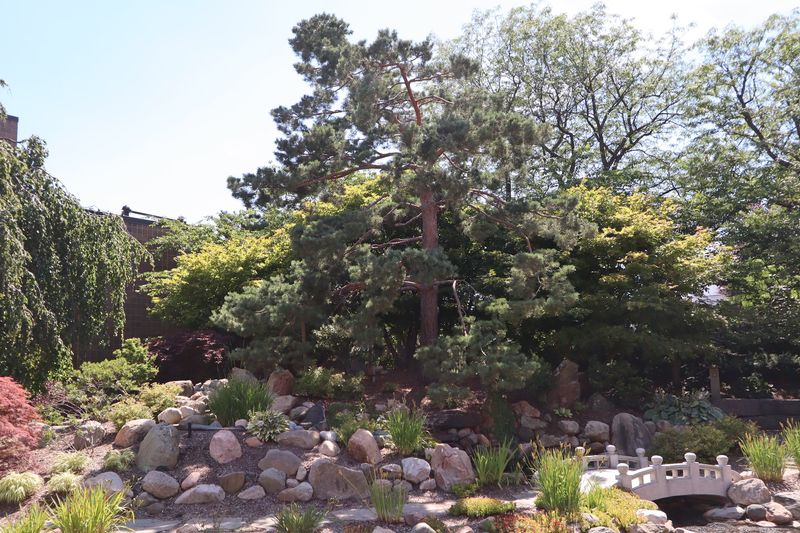
A modest rise in the landscape carries a mountain sized idea. The garden’s central hill represents Japan’s Mount Hiei and Mount Hira, bringing distant landforms into a small downtown setting.
A large pine anchors the hill, with plantings chosen to reflect seasonal change around it. In Japanese symbolism, the pine is associated with everlasting life, making its steady green presence more than a background color.
View the hill from the path rather than climbing it for a photograph. Notice how its height changes the balance between water, stones, and trees.
During a season when flowers are scarce, this feature still gives your eyes somewhere to rest. It is a useful reminder that garden beauty does not always depend on bright blooms.
The Moon Viewing Deck Offers Perspective
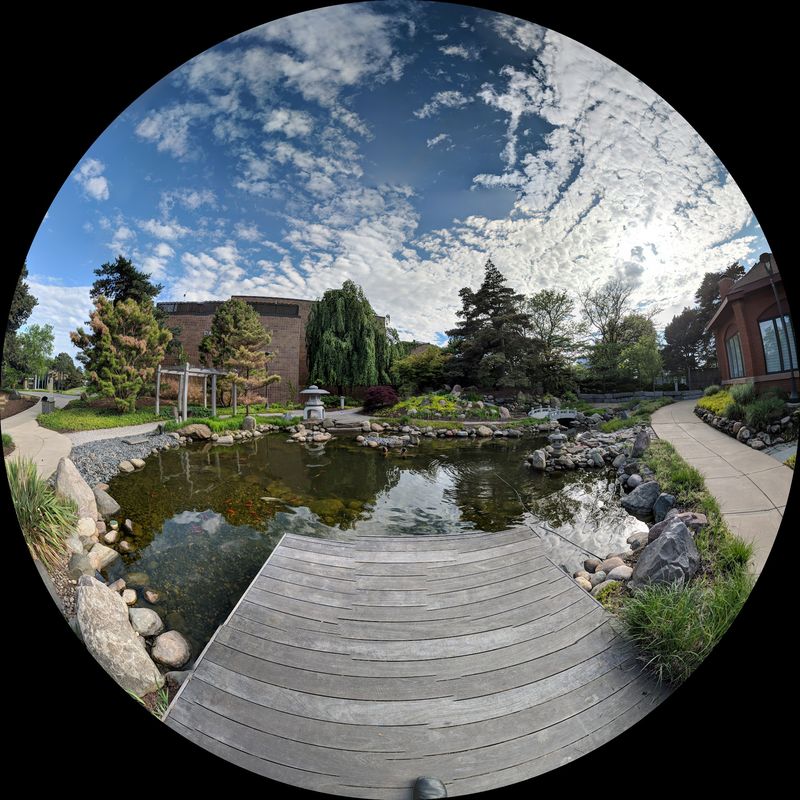
The moon viewing deck gives the pond another angle, even when the moon is nowhere in sight. Extending over the water, it provides a place to observe reflections and, when present, koi below.
Use it as a pause in your walk rather than simply a destination for a quick picture. Watch how leaves, sky, and water share the same surface, sometimes hiding what lies underneath.
Keep access clear for other visitors, and follow any posted restrictions or temporary closures. A deck associated with moon viewing does not guarantee nighttime lighting or a scheduled evening event.
Daylight offers the easiest introduction to its setting. Before stepping away, turn toward the rest of the garden and notice how the raised viewpoint changes the scene.
Stone Lanterns Reward A Second Look
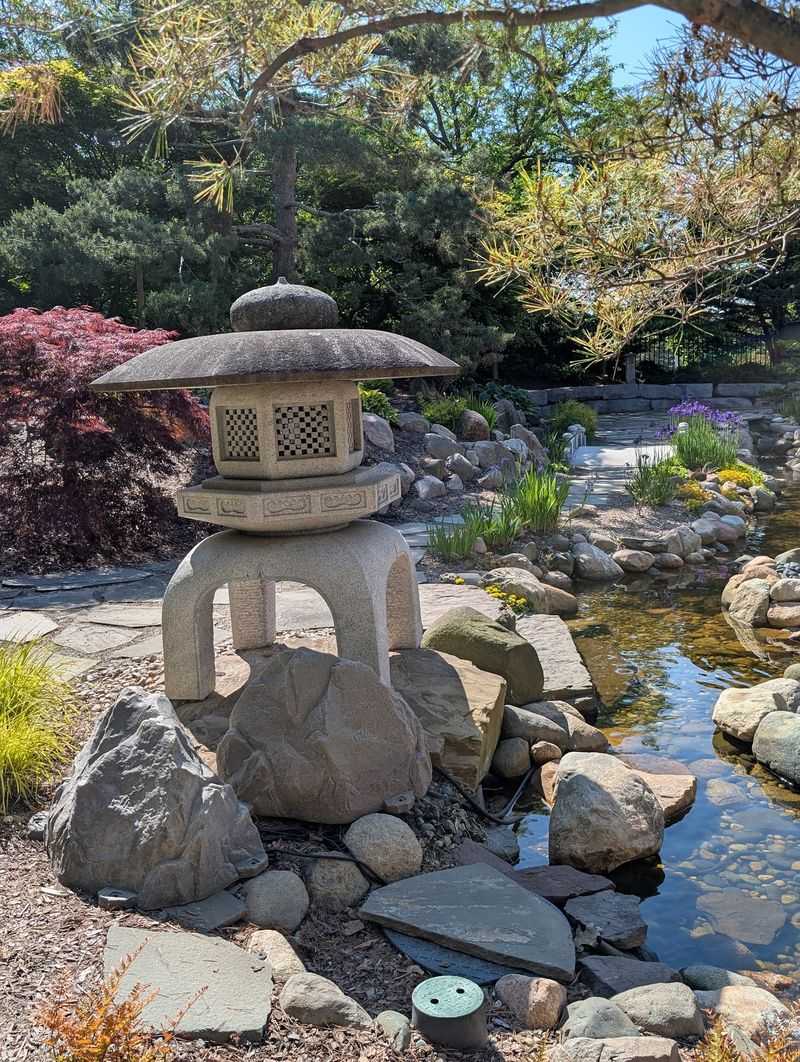
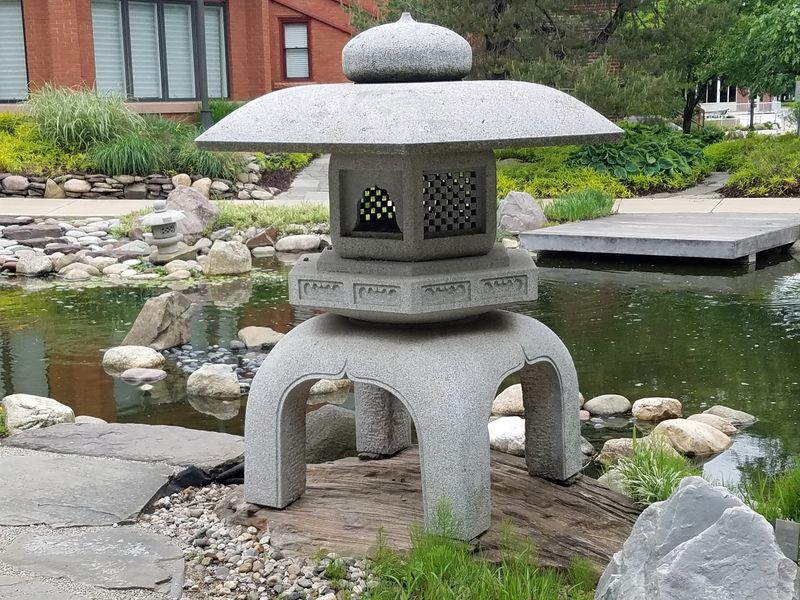
Two stone lanterns add quiet character without needing to steal the scene. The larger yukimi is a snow viewing lantern, while the smaller misaki is known as a cape lantern.
Look at their different proportions and how each sits within the planting. Their shapes offer another reason to revisit the garden across seasons, especially when leaves no longer fill every gap.
Although the lanterns are sometimes lit, do not assume illumination will be part of your visit. They are worth studying in daylight, when stone textures and surrounding details are easier to see.
Avoid climbing, touching delicate parts, or moving nearby objects for photos. Finish with one more slow look around: small features often become clearer after the larger pond has claimed your attention.