
This Michigan Museum Recalls Forgotten History Through Tiny Diorama Scenes
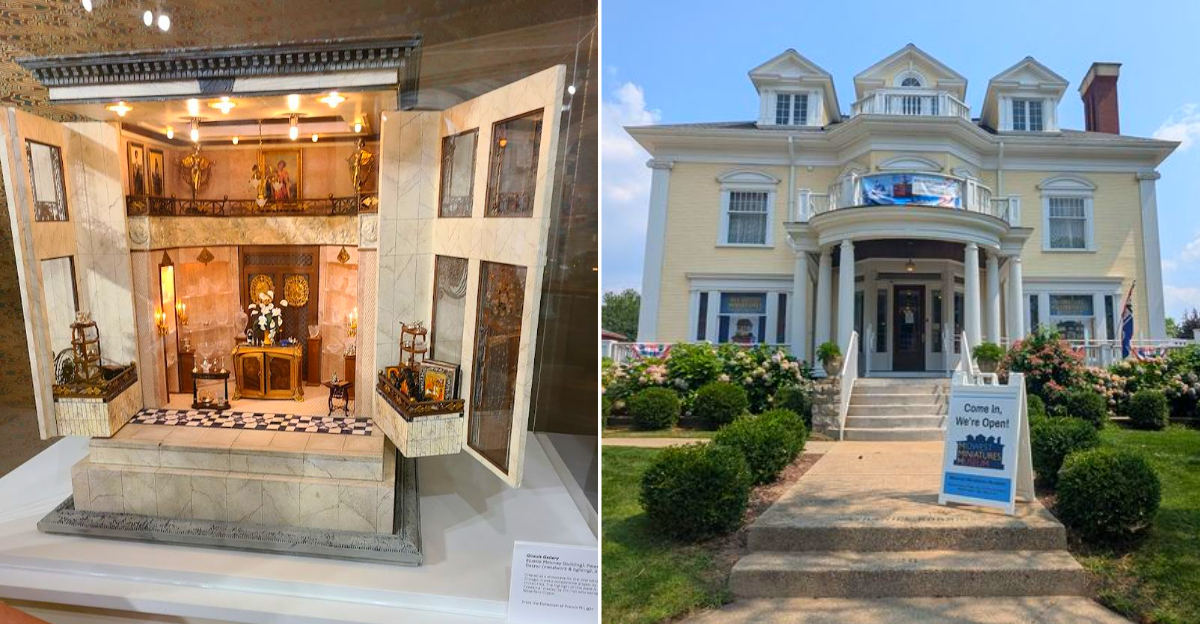
Peering into a glass case at this Michigan museum, you will find an entire world frozen mid-action: soldiers crouched behind barricades, cannons aimed across miniature hillsides, tiny figures locked in moments that shaped a nation.
The dioramas are built to scale, each one painstakingly arranged so that a single glance tells a story most history books compress into a paragraph or two.
There are parlors, kitchens, workshops, storefronts, each one a window into daily life from another century. Walking from case to case feels like flipping through a three-dimensional encyclopedia where every entry is small enough to hold in your hands but detailed enough to study for an hour.
Michigan has no shortage of large-scale attractions, but this quiet gallery proves that sometimes the most powerful stories come in the smallest packages.
Treat Miniatures Here As Fine Art, Not Novelty
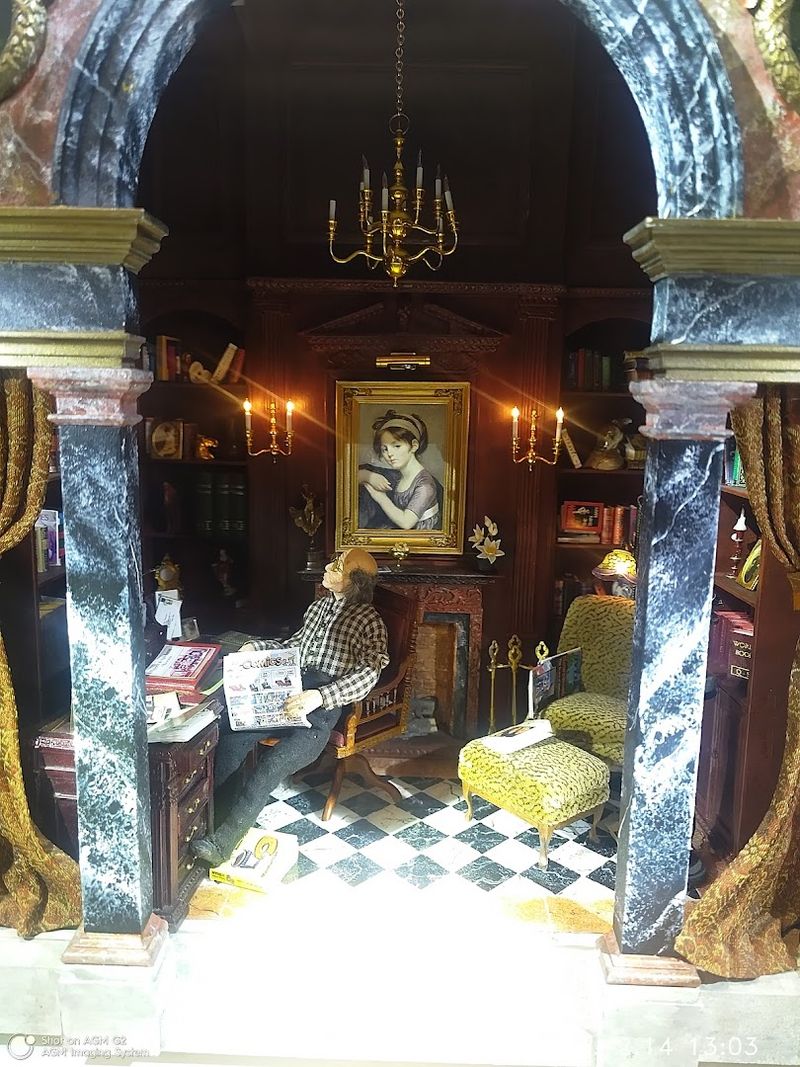
One of the museum’s clearest achievements is persuading you to slow down. Its mission is to present miniatures as fine art, and the collection supports that claim through historical reproductions, room boxes, and vignettes that reward patience more than quick scanning.
Nothing feels tossed in for a cheap wow. The craftsmanship carries the argument. Across scales ranging from 1:12 to 1:144, artisans build convincing textures, proportion, and mood, making tiny interiors feel inhabited even when no figure appears.
If you arrive expecting cute dollhouse charm alone, the precision and seriousness of the work will gently correct you.
Finding The Tiny Worlds
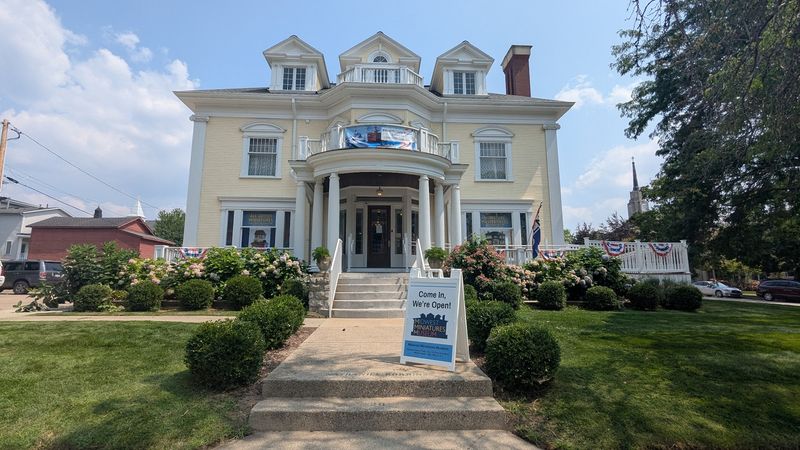
Getting to Midwest Miniatures Museum feels like heading toward a normal Grand Haven address and accidentally discovering that someone has hidden entire little worlds inside a historic mansion.
Aim for downtown with enough curiosity to slow down, because this is not the kind of museum that announces itself with giant drama.
The address is 20 S 5th St, Grand Haven, Michigan 49417, close enough to the heart of town that you can pair it with a downtown wander before or after your visit.
Parking is accessible from Franklin Avenue or Fifth Street, which is helpful when your brain is already preparing to inspect furniture smaller than your thumb.
Once you arrive, do not rush in like you are checking off a regular museum stop. Let the old house set the mood, then step inside ready for tiny rooms, tiny objects, and the strange feeling that your sense of scale has quietly been replaced by a very detailed dollhouse conspiracy.
Use The Titanic Pieces To Grasp The Museum’s Range
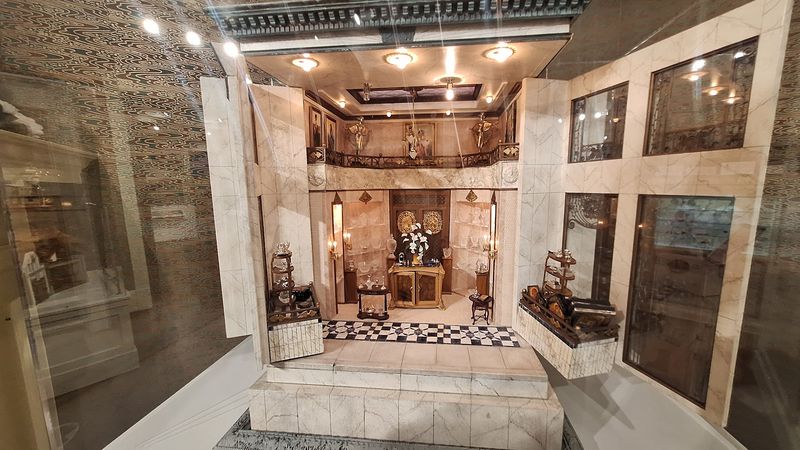
A useful way to understand the museum’s range is to stop at the Titanic material. There is a miniature of the ship’s Grand Stairway, plus a 10.5-foot Titanic model made from 75,000 toothpicks, part of the museum’s maritime history expansion.
Those two works speak in very different visual languages. One offers elegance through interior detail, while the other impresses through scale, labor, and improbable material. Together they show that the collection is not limited to one type of miniature or one mood.
You are seeing history interpreted through architecture, engineering, memory, and a surprising amount of hand discipline.
The contrast also gives the room a quiet emotional pull. The Grand Stairway miniature draws you close, asking you to notice refinement and atmosphere, while the toothpick model rewards patience from a distance before revealing its obsessive construction. That shift in viewing feels almost theatrical.
Look For Rooms That Preserve Ordinary Professions
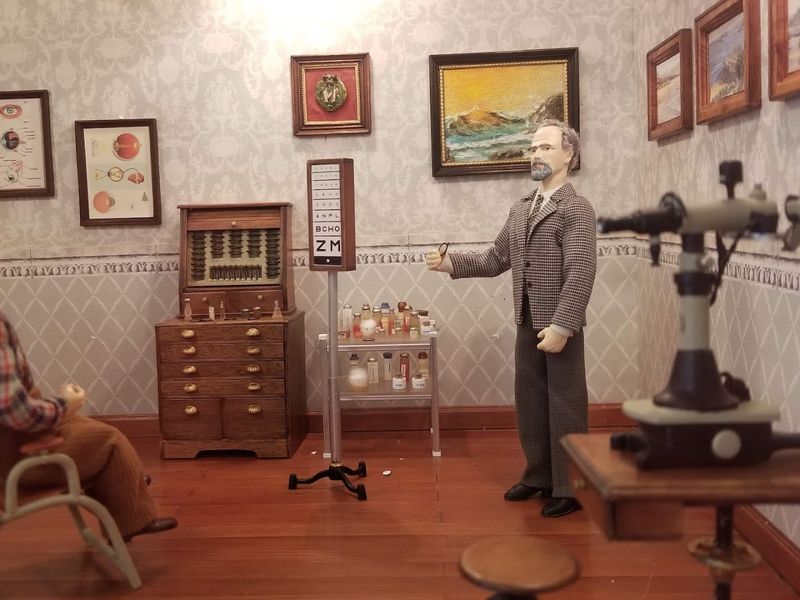
Some of the most affecting displays are not grand at all. The historically accurate medical rooms, recreated at 1:12 scale, include a turn of the century doctor’s office, an ophthalmologist’s room, an obstetrician’s, a dentist’s, and a newborn baby wing.
They preserve working life, not just decorative taste. That shift gives the museum quiet depth. Instead of reducing history to famous names or luxurious interiors, these scenes suggest how communities were treated, examined, and cared for in everyday settings.
I lingered over cabinets, instruments, and wall details longer than expected, partly because these spaces feel both familiar and strangely remote.
Do Not Skip The Van Gogh And European Scenes
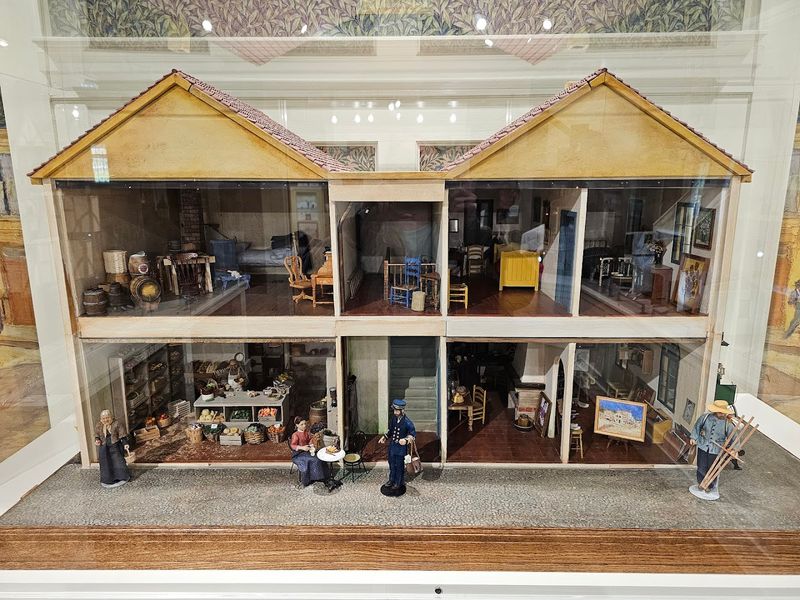
The museum moves comfortably across geography as well as time. A recreation of Vincent van Gogh’s Yellow House and bedroom appears alongside pieces like a 15th-century affluent family’s townhouse from Lubeck, Germany, reminding you that miniatures can carry art history and architectural history at once.
The juxtapositions are smart. What I liked most was the change in atmosphere from one case to the next. You shift from the recognizable intimacy of Van Gogh’s room to the dense historical character of a northern European townhouse, and your eye adjusts accordingly.
It keeps the visit from settling into one tempo or one interpretive frame.
The movement makes the display feel less like a lineup of dollhouses and more like a condensed atlas. Each miniature becomes a small doorway into another social world, with its own light, scale, habits, and imagined daily life inside it.
Give Yourself Time For The Kachina Collection
Another section changes the rhythm entirely: the museum’s collection of more than 200 Kachina dolls representing spirit beings of the Hopi Tribe.
After rooms and buildings, this concentration of figures introduces a different visual cadence, with repetition, variation, and symbolism taking over from architectural enclosure. It is worth approaching slowly.
Because the collection is so substantial, it can be tempting to summarize it too quickly with a glance. Resist that urge and let the individual forms, colors, and expressions separate themselves in your mind.
The effect is less like browsing miniatures and more like reading a compact visual archive, one carefully arranged shelf at a time.
Ask About The Scavenger Hunt If You Want Sharper Eyes
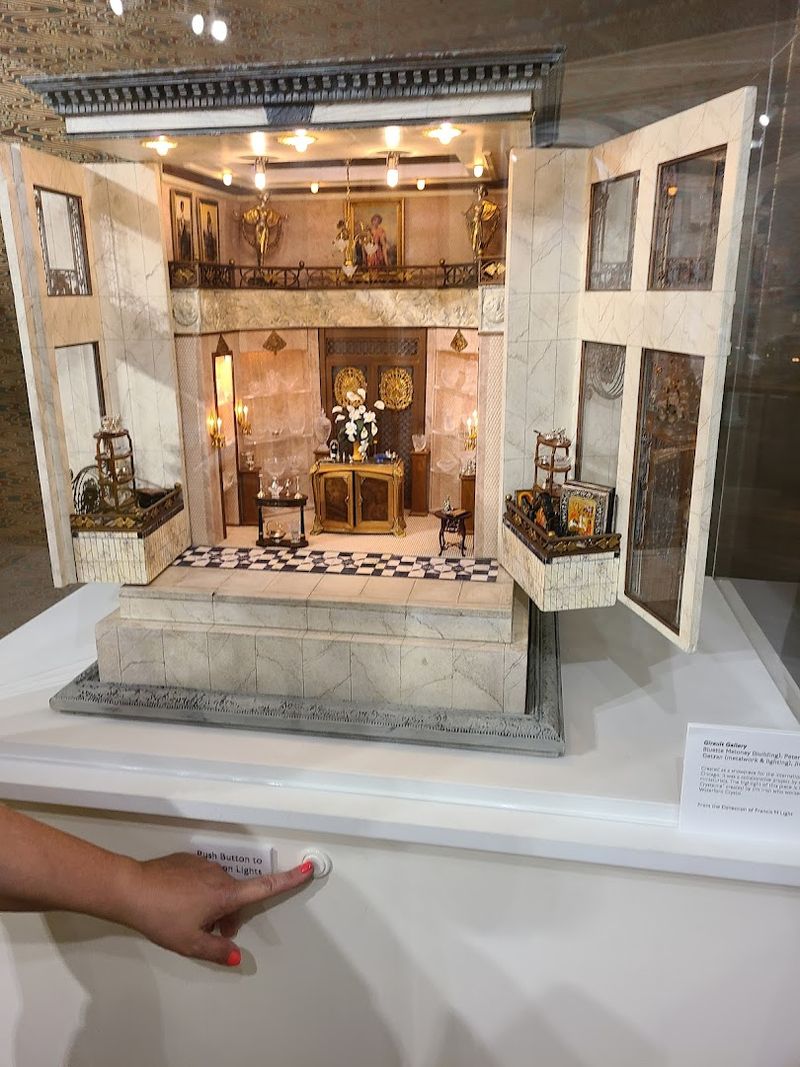
If your eyes tend to skim, the scavenger hunt is a clever correction. The museum offers scavenger hunt activities that push you to search cases with more concentration, turning passive looking into a kind of visual detective work without making the place feel childish.
It suits adults surprisingly well. That change in pace can transform the visit. Tiny books, tools, trim, and gestures that might have blurred into background suddenly become the point, and the makers’ patience becomes easier to appreciate.
I would especially recommend this if you are visiting with older children or anyone who claims they are not usually museum people.
Plan around the current footprint and hours
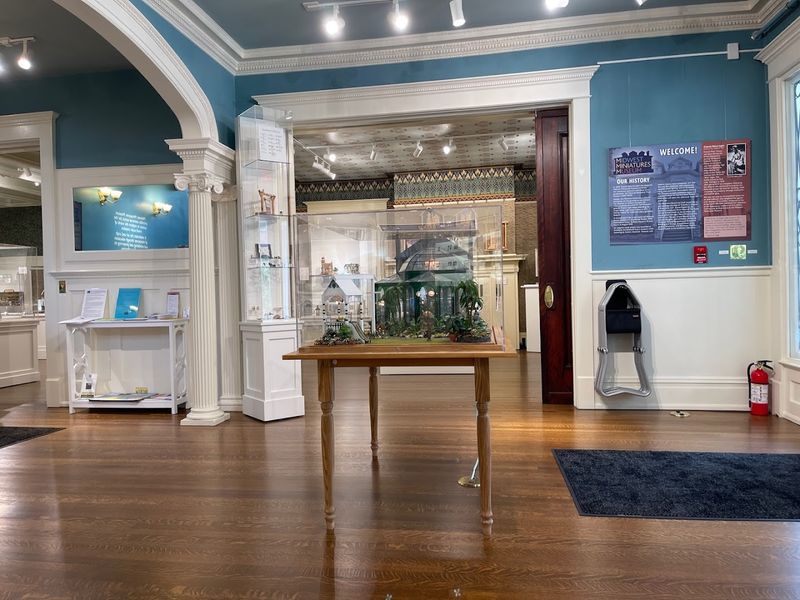
Practical expectations help here. The museum is generally open Wednesday through Saturday from 11 AM to 5 PM and Sunday from 12 PM to 4 PM, with Monday and Tuesday closed, and it is wise to confirm hours on the website before going.
The visit is manageable without feeling rushed. At present, the first floor is ADA accessible, while broader accessibility depends on a planned elevator project and future expansion.
The context explains why the museum can feel compact even though the collection and ambition are larger than the current footprint suggests. On-site parking, accessible from Franklin Avenue or Fifth Street, makes arrival pleasantly simple.
Notice How The Old House Shapes Your Mood
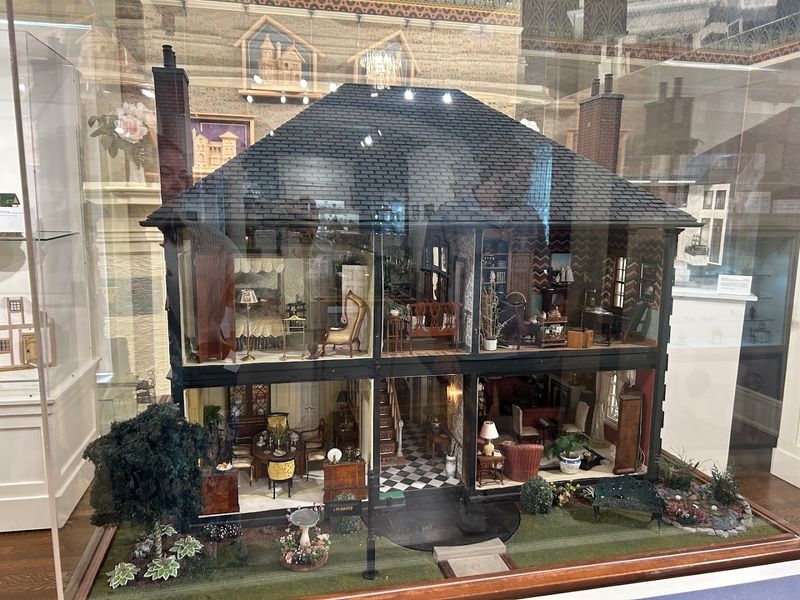
The oddest pleasure of this museum may be emotional scale. Because you are in an old house rather than a sprawling institution, the displays feel close to you, almost conversational, and the transition from room to room carries the hush of domestic space instead of the sweep of a formal museum wing.
Intimacy changes how history lands. A meticulously furnished vignette in a former residence can feel less like a specimen and more like a memory made visible, even when the subject is centuries away.
You may find yourself lowering your voice without meaning to, as if the tiny scenes deserve the same courtesy as real rooms.
There is also a nice tension between the building’s lived-in proportions and the even smaller worlds inside it. The museum keeps asking you to notice scale twice: first in the house around you, then in the careful rooms held behind glass.
Budget For A Small Museum That Rewards Lingering
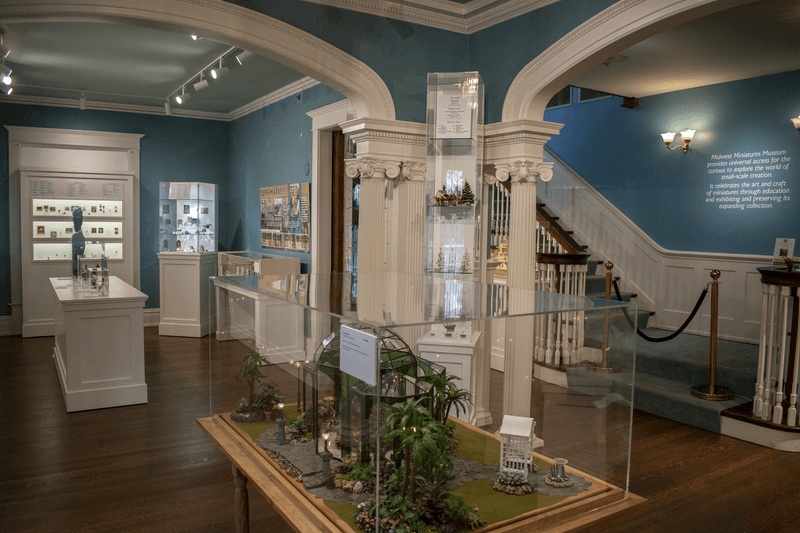
Admission is refreshingly straightforward: $8 for adults ages 18 and up, $5 for youth ages 6 to 17, and free for children 5 and under. For a museum of this size, that price feels reasonable, especially because the pleasure here depends less on square footage than on how attentively you look.
Some people move through in about an hour, but the museum invites a slower pace if detail delights you. I would leave margin for doubling back, comparing scales, and peering into cases a second time after your eyes adjust.
There is also a small gift shop, which fits the place’s modest, thoughtful character.
See It As A History Lesson Disguised As Wonder
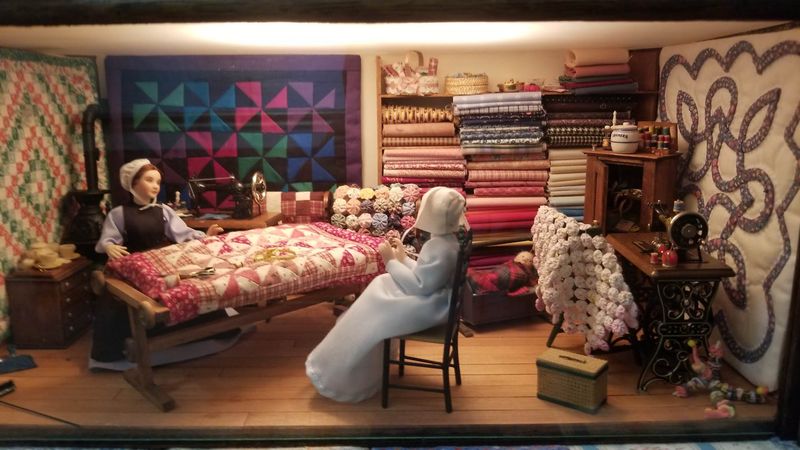
What stays with me most is the museum’s argument that history can be understood through painstaking smallness. By presenting architectural styles, historical periods, and lived spaces in miniature, it lets you study how people organized beauty, labor, status, and belief without the distance that larger monuments sometimes impose.
This is why the place feels more substantial than its footprint. You leave not merely impressed by dexterity, but nudged into thinking about human character and changing philosophies, exactly the territory the museum says it wants to explore.
In Grand Haven, where the horizon usually does the dramatic work, this inward-looking precision feels wonderfully unexpected.