
This Remote Washington Ghost Town Feels Like It Belongs To Another Era
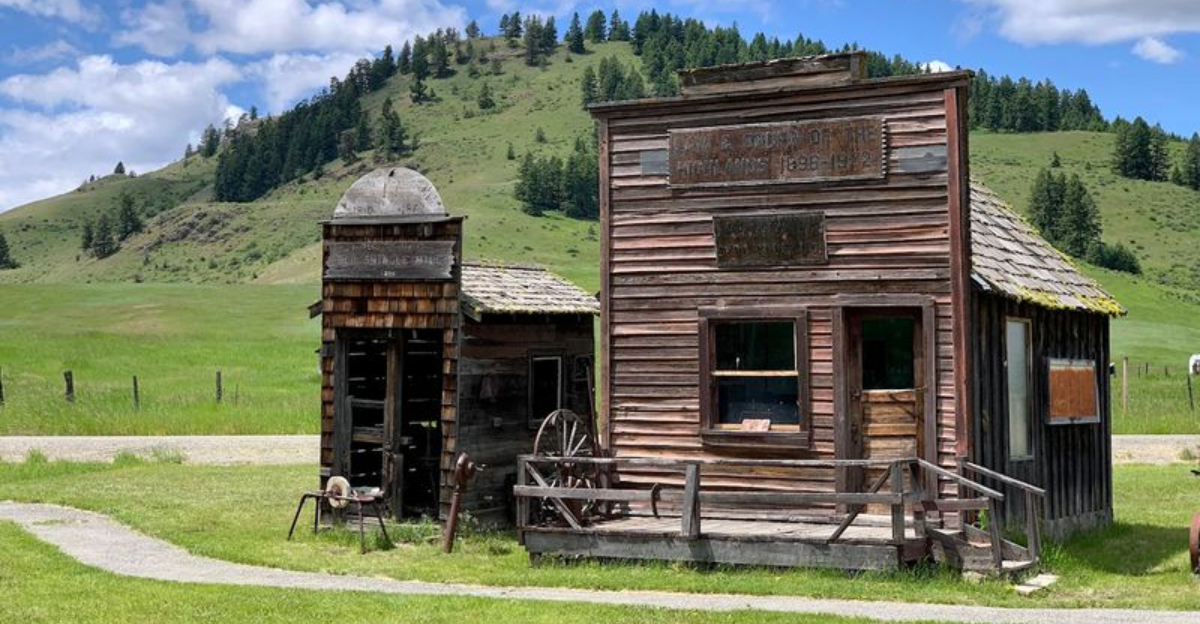
I have a habit of dragging my car onto roads that look suspiciously like they lead to nowhere, but this time, the “nowhere” was actually a goldmine, metaphorically speaking, of course. I stumbled upon a historic site that looks exactly like a film set designed to make me feel nostalgic for a time I never actually lived through.
Wandering through these weathered, sun-bleached buildings reminded me that while Washington is famous for its rain and coffee, it’s also hiding these incredible, dusty remnants of grit and ambition.
It’s just me, some peeling paint, and a whole lot of empty space, which is honestly the most refreshing company I’ve had in months. If you’re looking for a place to lose your mind in the best way possible, start here.
Established as an outdoor museum in 1960, this gem sits roughly 15 miles northeast of Oroville and just 1.7 miles south of the Canadian border, making it one of Washington State’s most remote and remarkably preserved ghost towns.
The Unlikely Birth Of A Frontier Boomtown
Few towns in Washington State had a more dramatic entrance onto the historical stage than Molson. Founded in 1900 by promoter George B. Meacham and investor John W.
Molson of the Canadian Molson family, this remote outpost in Okanogan County exploded almost overnight from an empty stretch of high desert into a lively settlement of around 300 people.
The town grew so fast that many early residents simply lived in tents because carpenters could not put up buildings quickly enough to keep pace with the rush.
At its peak, Molson boasted a newspaper, three general stores, a doctor, a drugstore, an attorney, a dance hall, a livery barn, a blacksmith shop, an assay office, and a three-story hotel called Hotel Tonasket.
That remarkable energy, however, came with an expiration date. When the Molson Company pulled its $170,000 investment, the population crashed to just 12 residents by June 1901. It was a spectacular rise and an equally spectacular stumble, all within a single year.
A Town That Literally Picked Up And Moved
Around 1905, optimism returned to Molson when residents heard that the Great Northern Railroad was planning a route through the area. People rebuilt their hopes and their businesses, expecting the railroad to finally bring lasting prosperity to this isolated corner of Washington.
The excitement hit a wall when homesteader J.H. McDonald claimed legal ownership of the land that Old Molson sat on, creating serious title disputes that made property ownership uncertain.
Rather than fight it out in court indefinitely, the community made a bold and frankly jaw-dropping decision: they physically moved the entire town half a mile north across the railroad tracks to a new location, which they called New Molson.
New Molson even earned a notable distinction, as its railroad station sat at an elevation of 3,708 feet, making it the highest station in Washington State at the time.
Unfortunately, that chapter also faded during the Great Depression, and the railroad tracks were removed in the mid-1930s, leaving the landscape quiet once again.
Walking Through The Outdoor Museum Today
Stepping onto the grounds of Old Molson Historic Site today feels less like visiting a museum and more like stumbling onto a perfectly frozen moment in time.
Harry Sherling established the outdoor museum in 1960 at the original townsite, and the place has retained an honest, unpolished authenticity that indoor museums rarely achieve.
The site is free to visit year-round during daylight hours, with a donation box available for those who want to support its upkeep. There are no roped-off exhibits, no audio guides, and no gift shop crowds.
You simply show up and explore at your own pace, which is honestly the best way to absorb a place like this.
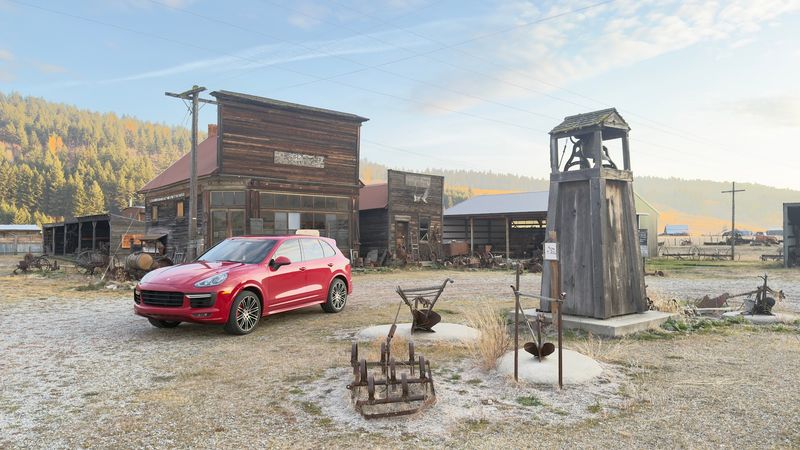
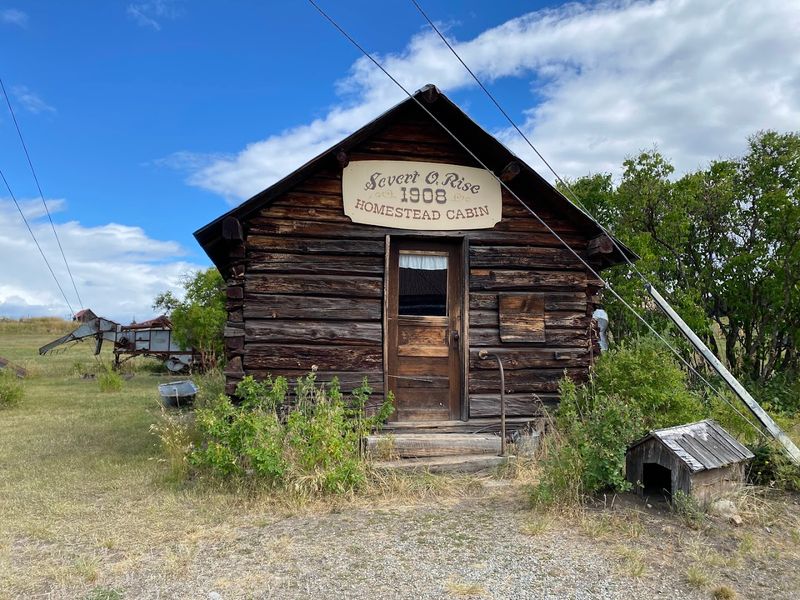
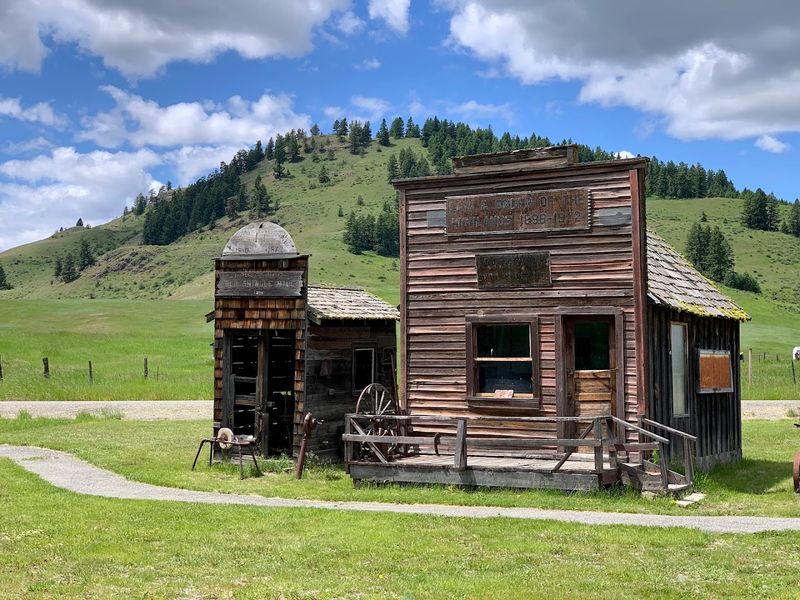
Wandering among the preserved structures, you will encounter the old Molson bank, staged pioneer cabins, a saloon, a law office, and a machine shed packed with antique farm equipment that looks ready to tell its own story.
Every corner of the property rewards a slow, curious visitor who takes time to notice the small details.
The Buildings That Survived The Decades
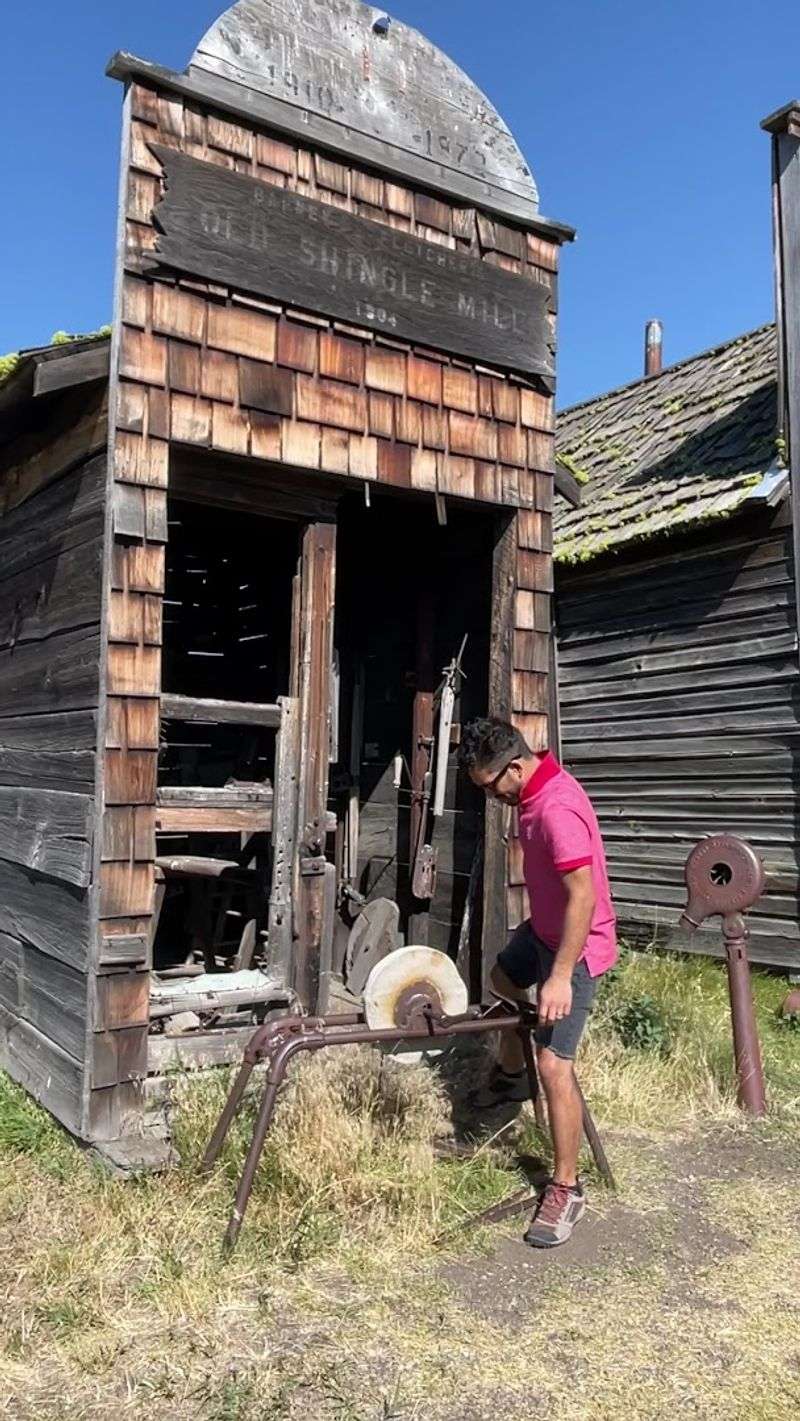
Not every ghost town manages to hold onto its physical bones the way Old Molson has. Several original and period-appropriate structures still stand on the property, each one carrying the kind of character that only genuine age can produce.
The old Molson bank is one of the most photographed features on the site, its faded facade giving off an unmistakable frontier energy. The assay office from the Poland China Mine sits nearby, a reminder of the mining activity that once drove the local economy.
A saloon, a law office, and pioneer cabins round out the collection of buildings, each one preserved in a state that honors their original use without turning them into a polished theme park attraction.
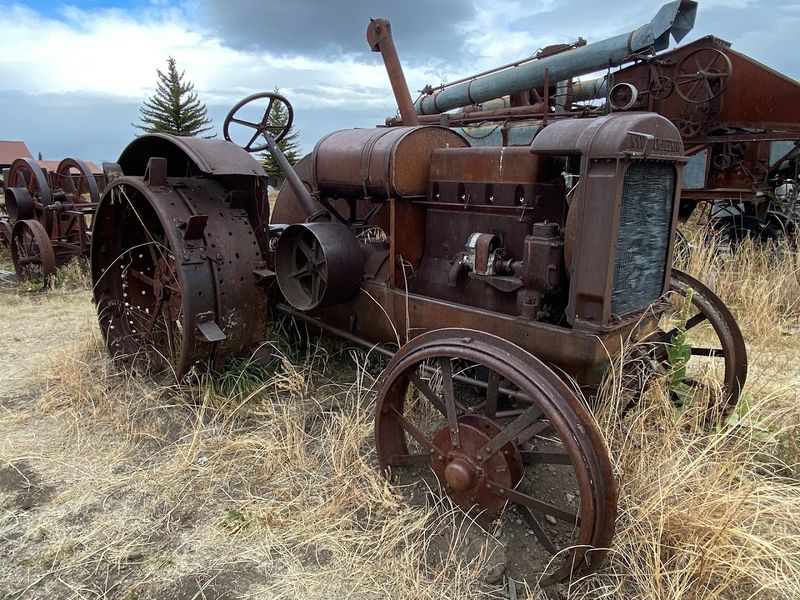
The machine shed is a particular highlight for anyone interested in agricultural history, housing a remarkable collection of antique farm equipment that was once essential to daily life in this remote corner of northeastern Washington.
Rust, wood grain, and cracked leather tell stories that no placard could fully capture.
The Molson Schoolhouse Museum
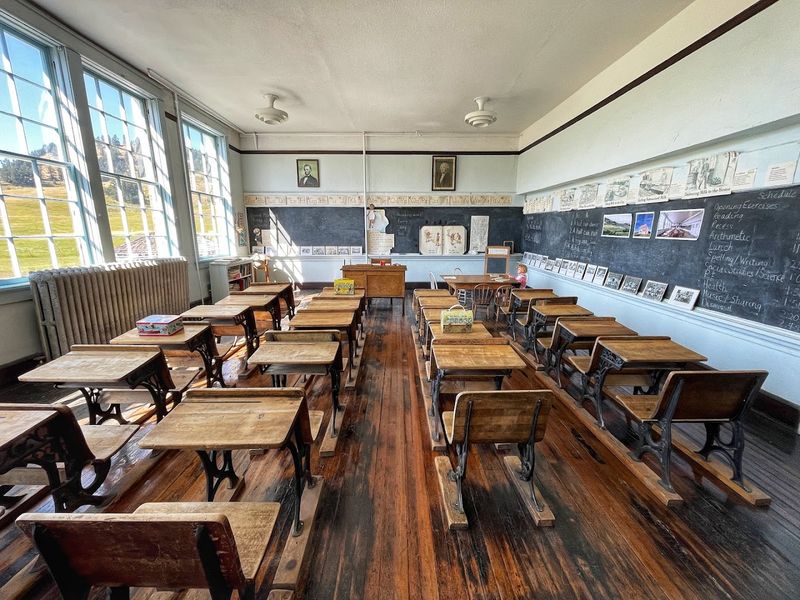
About two blocks from the main outdoor museum site, the Molson Schoolhouse Museum adds another rich layer to the area’s story. Located in what is known as Central Molson, this restored schoolhouse gives visitors a completely different but equally compelling window into frontier life.
Inside, a restored classroom has been set up to reflect what education looked like for children growing up in this remote part of Washington in the early 1900s. Wooden desks, a chalkboard, and period-appropriate school supplies create a scene that feels genuinely lived-in rather than staged for effect.
Beyond the classroom, the schoolhouse also displays an original library collection, hand tools, household artifacts, and a thoughtful selection of historical photographs that document the community’s evolution across generations.
For visitors who want context and stories behind the weathered buildings they just walked through at the main site, the schoolhouse museum provides exactly that kind of grounding. It is a small building that carries an impressive amount of local memory.
The Atmosphere That Sets This Place Apart
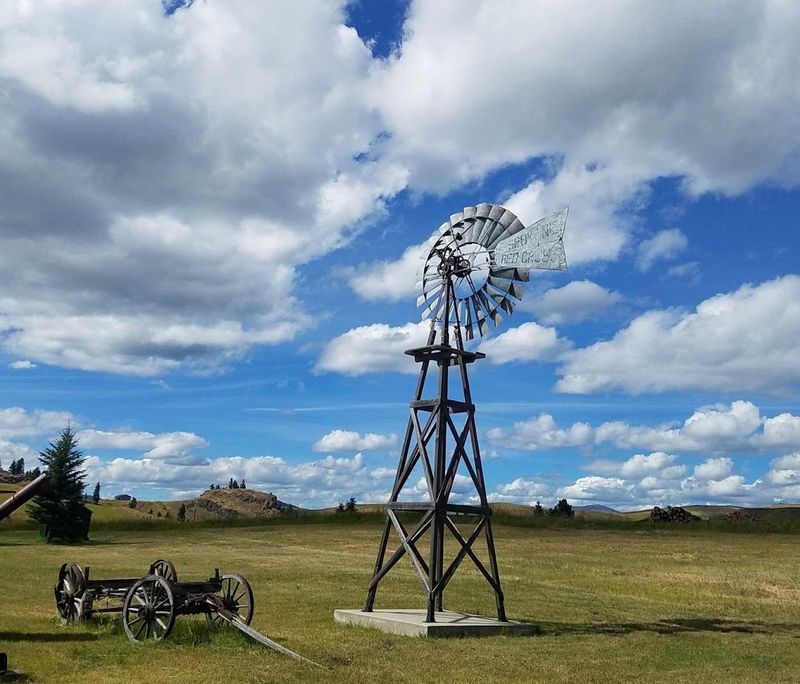
There is something about Old Molson that photographs struggle to fully capture. The combination of wind, silence, sagebrush, and slowly aging wood creates a sensory experience that is deeply atmospheric in a way that feels entirely unscripted.
Standing in the middle of the property on a clear afternoon, with the Canadian border just 1.7 miles to the north and the nearest town a good 15 miles away in Oroville, the remoteness of the place settles over you in a way that feels almost meditative.
No traffic noise, no crowds, no background hum of modern life. Just the creak of old wood and the occasional gust of high desert air moving through the empty spaces between buildings.
That solitude is not accidental. It is baked into the geography and the history of this corner of Okanogan County. The isolation that once made Molson a hard place to sustain a thriving economy is now precisely what makes it such a memorable and quietly moving place to spend an afternoon.
Planning Your Visit To Old Molson
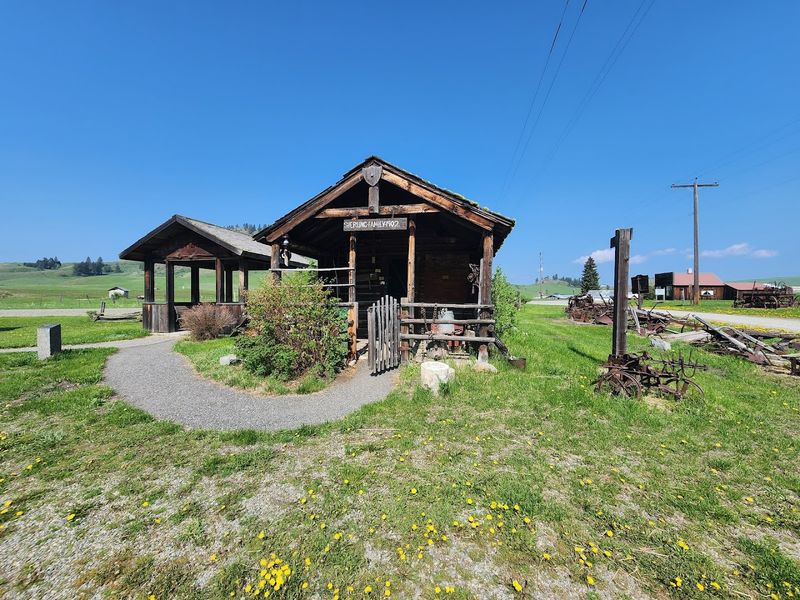
Getting to Old Molson requires a bit of planning, but that effort is a big part of what makes the visit feel rewarding. The site is located in Okanogan County in northeastern Washington, approximately 15 miles northeast of Oroville near the Canada-United States border.
Roads in the area can be unpaved and rough in sections, so checking conditions before you go is a smart move, especially in early spring or after heavy rain. The site is open year-round during daylight hours and is completely free to visit.
A donation box on the property helps support ongoing preservation efforts, and leaving a few dollars is a meaningful way to contribute to keeping this remarkable place intact for future visitors.
Bring water, wear comfortable shoes, and plan to spend at least an hour or two exploring. The combination of the main outdoor museum and the nearby Molson Schoolhouse Museum in Central Molson makes for a full and satisfying half-day excursion.
Early morning visits offer the best light for photography and the most peaceful experience overall.
The Stories Locals Still Pass Down Today
History books only tell part of the story. In Molson, the rest lives in the memories of local families whose grandparents and great-grandparents actually walked those streets, ran those businesses, and argued over land claims in heated town meetings.
Oral histories passed through generations add color and personality to what might otherwise be just crumbling wood and faded photographs. Locals in the Okanogan Highlands region take genuine pride in Molson’s quirky, stubborn past.
Some families still own land nearby and can point to buildings their ancestors constructed with bare hands. Hearing these firsthand accounts transforms a simple road trip into something deeply meaningful and surprisingly personal.
That living connection gives Molson a warmth that many abandoned places never quite manage. The stories make the empty rooms feel less empty, as if the town is still speaking through the people who remember it.
Even small details, like where a store once stood or which family lived next door, help rebuild the place in your imagination. Molson may look quiet today, but its past still has plenty of local voices attached to it.