
This New Mexico Ghost Town Is Creepy, Beautiful, And Full Of Stories
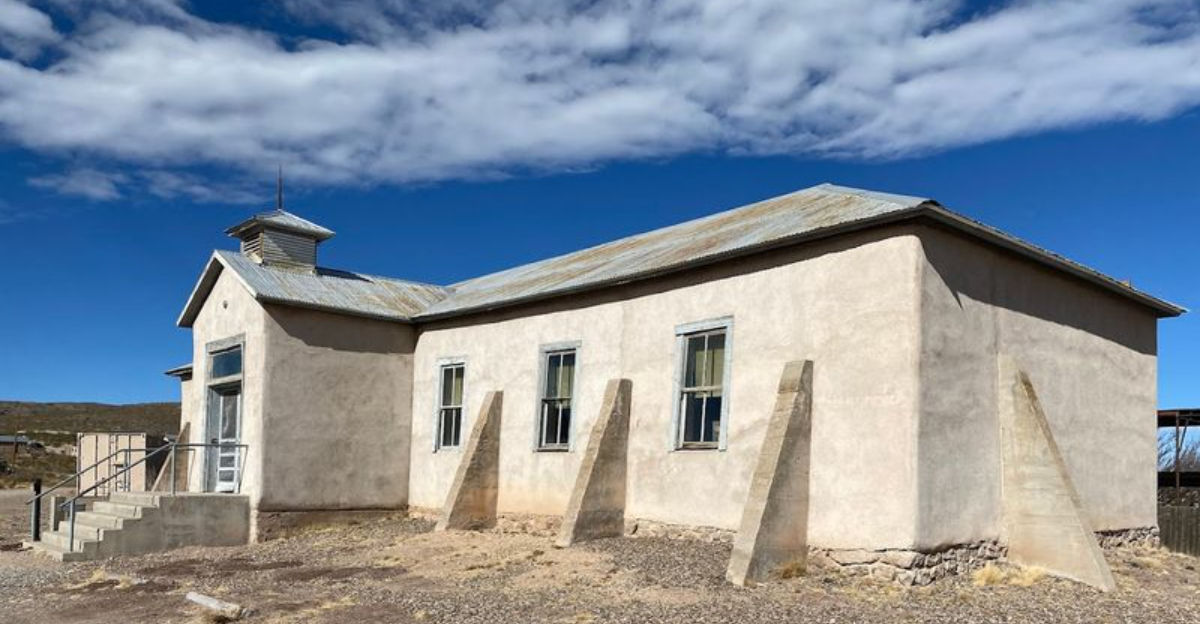
What makes a ghost town truly unforgettable? Is it the empty streets, the weathered buildings, or the stories that seem to linger long after the last residents have gone?
Hidden in the New Mexico desert is a forgotten place where history, mystery, and breathtaking scenery come together in a way that feels almost unreal.
Once filled with ambition, hard work, and the promise of a better future, this old mining town now stands as a quiet reminder of another era. But don’t mistake the silence for emptiness.
Every abandoned structure and dusty pathway holds clues about the people who built their lives here. Beautiful, eerie, and full of untold stories, this hidden gem proves that sometimes the places left behind have the most fascinating tales to share.
Where Silver Dreams Were Born
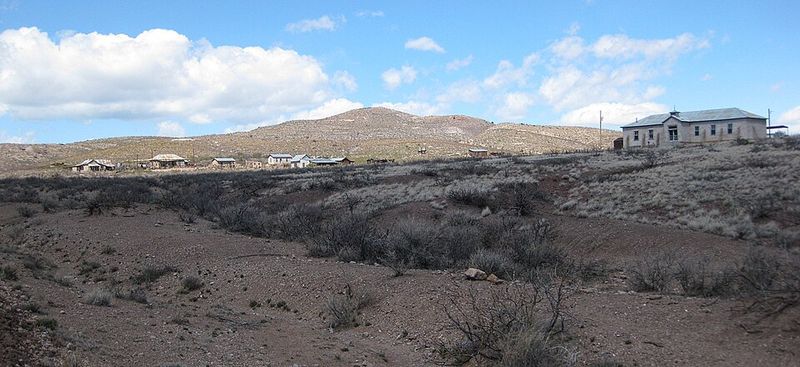
Some discoveries change everything in an instant, and the Bridal Chamber was exactly that kind of moment.
Found only 40 feet below the surface in 1882, this extraordinary mine pocket became the stuff of legend almost immediately. The sheer concentration of silver ore found here was unlike anything prospectors had ever encountered in the American Southwest.
A single chunk of ore from the Bridal Chamber made the journey to the 1882 World Exposition in Denver. It was valued at a staggering $7,000, an almost unimaginable sum at the time.
That one exhibit put Lake Valley on the map in the most spectacular fashion possible.
The mine ultimately produced around 2.5 million ounces of silver, a number that still makes historians pause and shake their heads in amazement.
It single-handedly transformed a quiet desert settlement into a full-blown boomtown. The Bridal Chamber did not just create wealth, it created an entire community, a culture, and a legacy that echoes across the New Mexico desert to this very day.
Lake Valley’s story begins and ends with this one breathtaking underground discovery.
From Dusty Crossroads To Booming Town
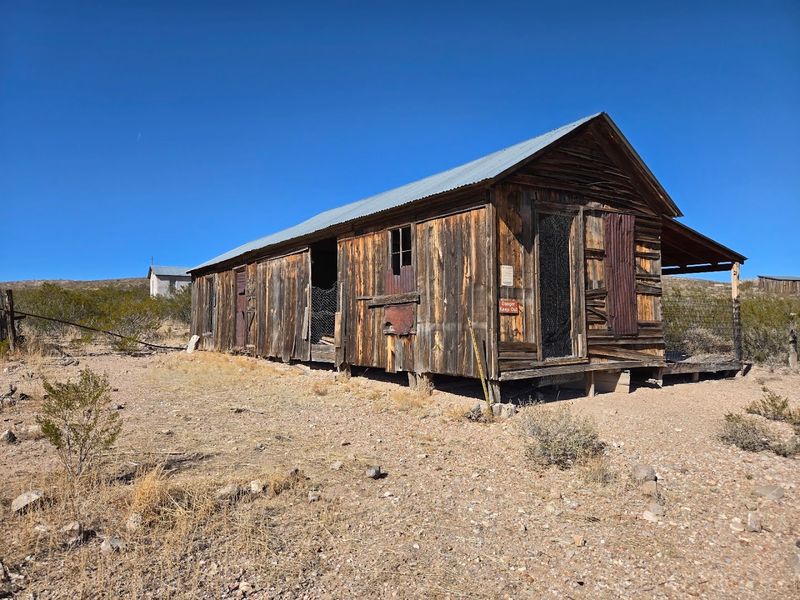
Lake Valley went from a whisper to a roar faster than almost any town in New Mexico’s history. Silver was first discovered in the area around 1878, but it was the Bridal Chamber find in 1882 that truly ignited the fuse.
Within just a few years, the population swelled to thousands of hopeful souls chasing fortune in the desert sun.
By 1884, the railroad had arrived, chugging proudly into town and connecting Lake Valley to the wider world. Supplies rolled in, silver rolled out, and the town hummed with ambition.
Churches, a schoolhouse, shops, and community spaces filled the landscape where only scrubby desert had existed before.
Then came the silver panic of 1893, a financial earthquake that shook boomtowns across the entire West. President Grover Cleveland moved the country toward a gold standard, and silver prices collapsed almost overnight.
Main Street suffered a devastating fire in 1895, and unlike the optimistic early days, nobody rebuilt.
The town that had risen so spectacularly simply exhaled, slowly and quietly settling into the desert like a forgotten dream. That dramatic arc makes Lake Valley one of the most compelling stories in all of New Mexico.
The Schoolhouse That Time Forgot To Erase
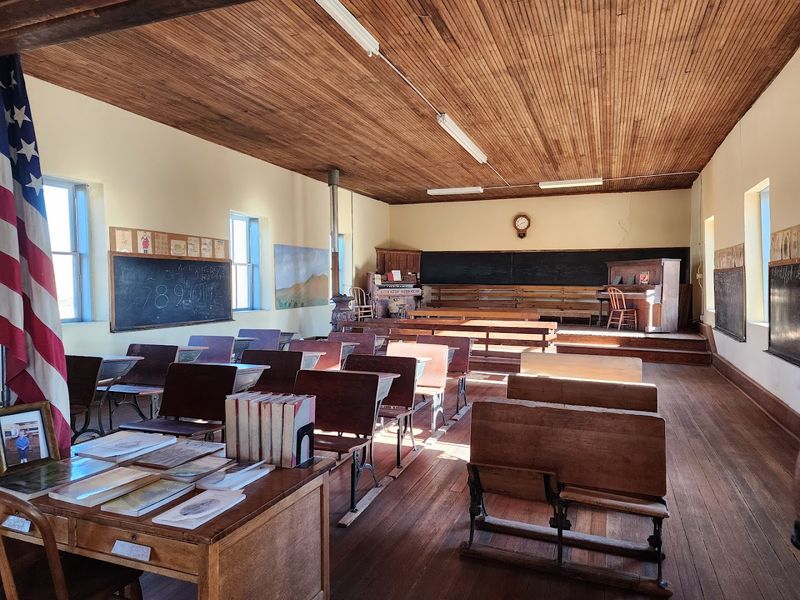
Walking into the Lake Valley schoolhouse feels like opening a time capsule someone forgot to seal properly. Built in 1904, this sturdy little building served the community’s children for more than five decades, finally closing its doors in 1960.
The Bureau of Land Management has since restored it with real care and attention to detail.
Step inside and you can almost hear the scratch of chalk on a blackboard. The space captures the simplicity and seriousness of early 20th-century frontier education in a way that no museum display ever quite manages.
It is genuinely moving to stand in a room where generations of young minds absorbed the world around them.
What makes this schoolhouse particularly special is how it anchors the entire townsite with a sense of everyday humanity.
Ghost towns can sometimes feel abstract, full of grand industrial stories about mines and railroads. The schoolhouse brings it back to something deeply personal, the quiet, ordinary ambition of parents who wanted their children to learn and grow even in the middle of the desert.
That everyday determination is its own kind of treasure, and this humble building carries it beautifully.
The Little Chapel That Still Stands Tall
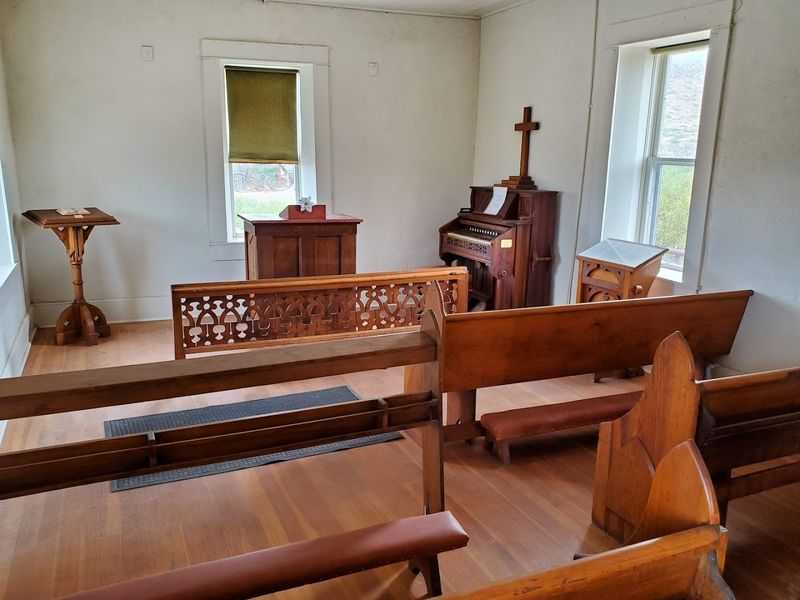
There is something quietly powerful about finding a chapel standing firm in the middle of an abandoned town. Built in 1920, the Lake Valley chapel has weathered nearly a century of desert heat, wind, and silence with remarkable grace.
The Bureau of Land Management has preserved it carefully, and visiting feels genuinely special.
Push open the door and you are greeted by wooden pews still arranged in patient rows. An upright piano sits in the corner, holding its ground like a loyal old friend.
The interior is simple, spare, and somehow deeply comforting in a way that elaborate architecture rarely achieves.
This chapel served as a spiritual and social gathering point for residents during Lake Valley’s quieter years, long after the silver rush had faded.
Community gatherings, moments of celebration, and quiet reflection all happened within these adobe walls.
Today, it offers visitors something slightly different but equally valuable: a space to slow down, breathe in the desert air, and appreciate the resilience of the people who built a meaningful life here.
The chapel does not just preserve history; it radiates a warmth that lingers with you long after you have driven away.
A Living Archaeological Puzzle
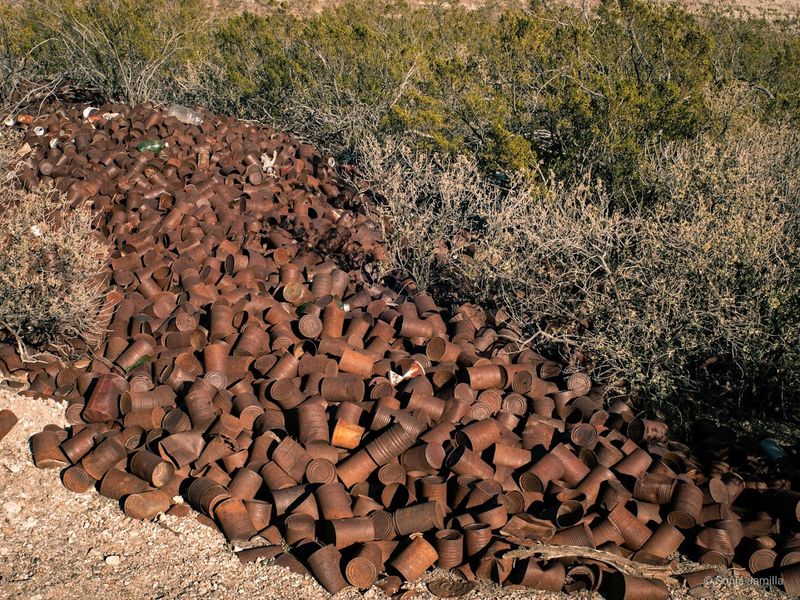
Here is something that separates Lake Valley from a lot of historic sites: the ground itself is part of the experience.
As you walk the townsite, you will notice fragments of glass, ceramic, and metal scattered across the desert floor. These are not decorations placed for effect.
They are genuine remnants of everyday life from over a century ago.
The Bureau of Land Management has a firm and important rule about these artifacts: look, but absolutely do not touch or remove anything. Taking items from a federally managed archaeological site is a serious offense.
That rule exists because every fragment in its original position tells researchers something valuable about how people lived here.
Think of the whole site as a giant puzzle that archaeologists are still working to understand. Every shard of glass, every rusted nail, every piece of broken pottery is a clue waiting to be properly studied and interpreted.
Visiting Lake Valley with that mindset completely transforms the experience. You stop being a tourist and start feeling like a detective reading the landscape.
The stories are literally beneath your feet, and the best way to honor them is to leave everything exactly where you found it.
A Drive Worth Every Mile
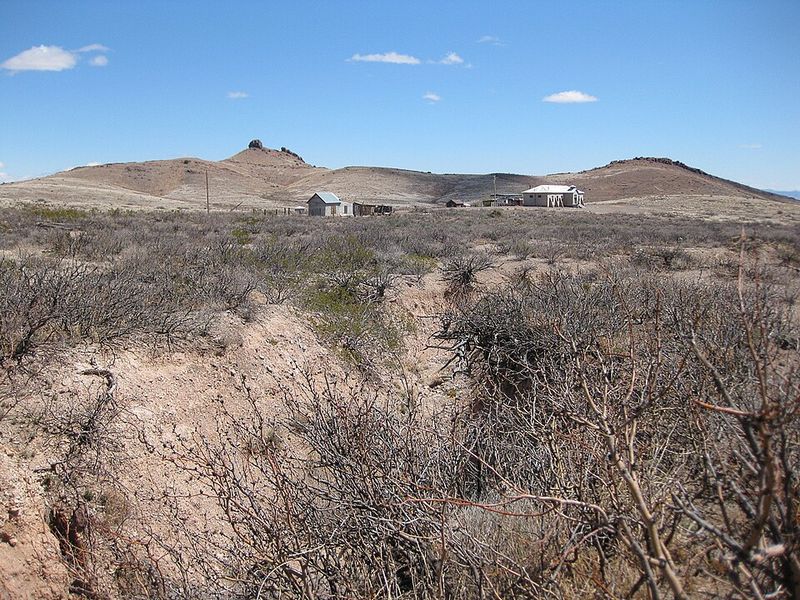
Getting to Lake Valley is genuinely half the adventure, and the Lake Valley Backcountry Byway makes sure of that.
This 48-mile scenic route winds through some of the most spectacular and underappreciated desert landscapes in all of New Mexico. It connects Nutt to Hillsboro, threading through ranching and mining country that feels completely untouched by modern life.
The drive unfolds between the Mimbres Mountains and the Caballo Mountains, with the rugged Cooke’s Range adding dramatic texture to the horizon. Wildlife sightings along the route are genuinely common.
Pronghorn antelope, mule deer, and various raptors have all been spotted by travelers making this journey at a thoughtful pace.
What makes the byway so satisfying is the way it builds anticipation. You are not just driving to a destination.
You are transitioning into a different headspace, one that is slower, more observant, and more open to wonder.
By the time Lake Valley appears on the horizon, you are already primed for discovery. The landscape has done its work, peeling away the noise of daily life and leaving you genuinely ready to absorb everything this remarkable ghost town has to offer.
It is a perfect setup for an unforgettable experience.
Frontier Lawlessness And The Wild Spirit Of Lake Valley
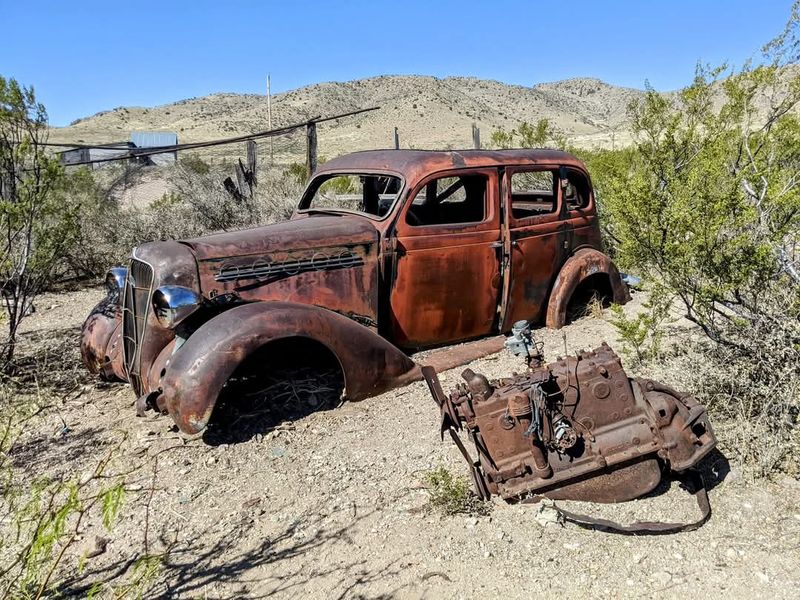
Lake Valley was never exactly a quiet, orderly little town. Rapid growth and sudden wealth have a way of attracting all kinds of characters, and this place was no exception.
Along with prospectors and merchants, the town drew players, opportunists, and people looking to write their own rules in a place where rules were still being figured out.
The surrounding region was also shaped by genuine frontier tensions. Apache raids were a documented reality in this part of New Mexico during the early 1880s.
One particularly dramatic story involves George Daly, a mine promoter reportedly caught in an Apache raid on the very same day the Bridal Chamber was discovered. That kind of collision between triumph and hardship captures the raw, unfiltered energy of life on the frontier.
What is fascinating about Lake Valley’s wilder history is how it coexisted with the town’s more civilized aspirations: the schoolhouse, the chapel, the railroad, the community gatherings.
People were simultaneously building something and navigating genuine uncertainty every single day.
That tension between ambition and chaos is what gives Lake Valley its magnetic, slightly electric atmosphere. You can still feel it when the desert wind picks up and the old walls creak.
Where History Gets A Second Chance
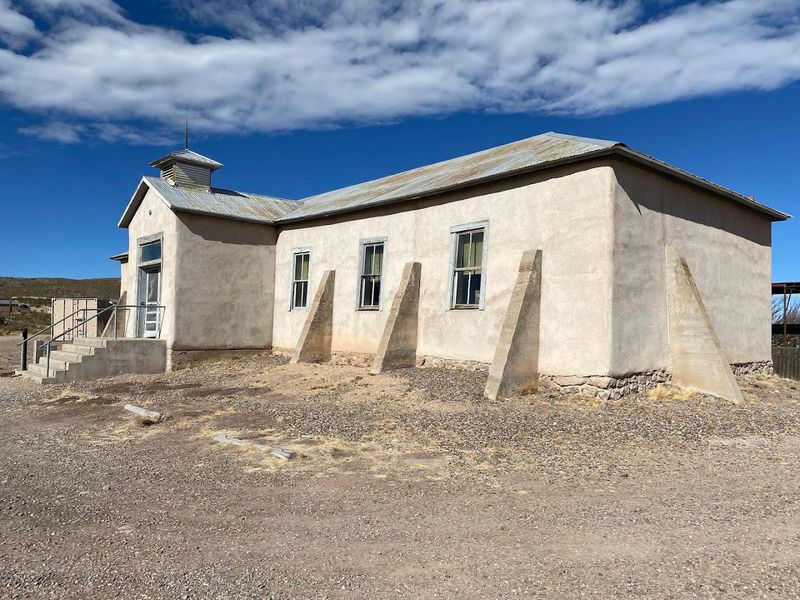
Not every ghost town gets a second chance, but Lake Valley has the Bureau of Land Management firmly in its corner.
The BLM manages this site as both a historic and archaeological treasure, working steadily to stabilize remaining structures and slow the natural process of deterioration. The restored schoolhouse and chapel are the crown jewels of that effort.
A self-guided walking tour lets visitors explore the townsite at their own comfortable pace. Informational markers guide you through the key points of interest, connecting the physical remains to the broader story of Lake Valley’s rise and fall.
Practical amenities including drinking water and a restroom near the schoolhouse make the visit genuinely accessible for everyone.
The site is typically open for guided access on Fridays, Saturdays, and Sundays, though the grounds themselves can be walked on other days as well.
That kind of open, respectful access is exactly what good preservation looks like. Lake Valley is not locked behind glass or reduced to a pamphlet.
It is a living, breathing landscape that rewards curiosity and rewards presence.
So the real question is: when are you finally going to make the drive out and let this incredible slice of New Mexico history tell you its story in person?