
This Peaceful Florida Wildlife Drive Near Titusville Brings Manatees, Gators, And Birds Right Outside Your Window
Imagine driving down a quiet Florida road when something bright pink suddenly catches your eye. You slow down, roll down the window, and there it is.
A bird that looks like a flamingo borrowed a spoon for a beak and decided to go fishing.
And that’s just the beginning.
In one extraordinary corner of Florida, alligators lounge beside the water, manatees glide beneath the surface, and ospreys patrol the skies like they own the place.
The wildest part? Just beyond this peaceful landscape, rockets prepare to blast into space.
Where else can you spend the morning watching ancient-looking reptiles and the afternoon witnessing the future of space exploration?
No expensive safari ticket. No long hike into the wilderness.
Just miles of scenic roads, remarkable wildlife, and the kind of unexpected encounters that make you forget to check your phone.
Bring your binoculars, keep your camera ready, and don’t be surprised if a simple afternoon drive turns into your favorite Florida adventure.
A Wild Neighbor To The Rockets
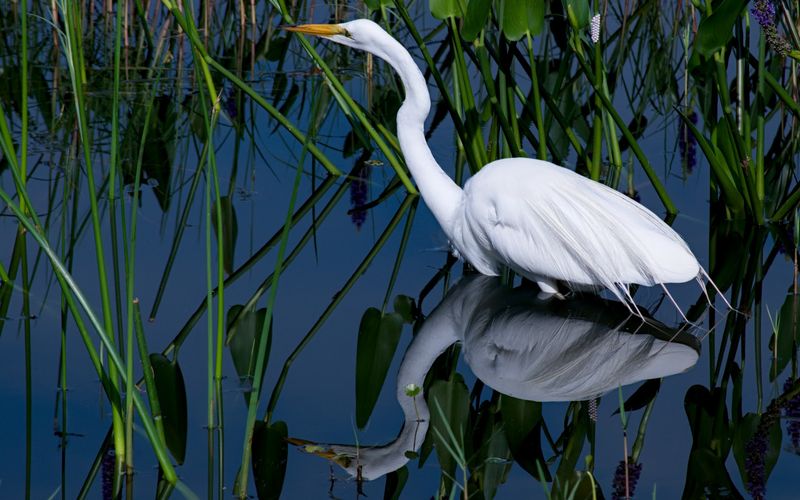
Few places on Earth let you watch a heron hunt for breakfast while a rocket launch pad sits on the horizon. Merritt Island National Wildlife Refuge exists because of the space program.
When NASA bought land for Kennedy Space Center in the early 1960s, it only needed a small part of it for launches.
In 1963, the leftover land became a national wildlife refuge, managed by the U.S. Fish and Wildlife Service.
That buffer zone turned into a safe home for wildlife. Today the refuge covers roughly 140,000 acres of marsh, lagoon, scrub, and hammock along Florida’s Space Coast.
That mix is what makes a visit feel so unusual. One minute you are staring at a mangrove shoreline, and the next you notice the giant Vehicle Assembly Building rising in the distance.
Visitors often call it a perfect blend of nature and science.
Here is a fun bonus. Because launch areas need lots of empty space, huge chunks of the refuge stay quiet and undeveloped.
That is good news for the birds, gators, and turtles. Just remember that some areas can close before and during launches, so checking the refuge website before you drive out is always a smart move.
Your First Stop On Scrub Jay Way
Smart explorers start at 1987 Scrub Jay Way, and there is a good reason. The visitor center is where you get maps, tips, and the latest news on which animals are showing off that day.
Many guests say the friendly volunteers here made their whole trip better.
Inside, you will find exhibits about the refuge’s habitats and animals. They help you understand what you are about to see, from salt marshes to scrubby oak land.
Kids usually love spotting animals in the displays before trying to find the real ones outside.
The center is generally open Tuesday through Saturday from 8:30 AM to 4 PM, and closed Sunday and Monday. Hours can change with the seasons, holidays, or staffing, so call ahead at 321-861-0669 if you are unsure.
The trails and drives often keep different hours than the building itself.
Parking is easy, with plenty of spaces right out front. Restrooms are available, which matters more than you think once you start a long wildlife drive.
Ask the staff for a recent sightings update. They often know exactly where the manatees or spoonbills have been hanging out lately.
Boardwalk Magic Right Out Back
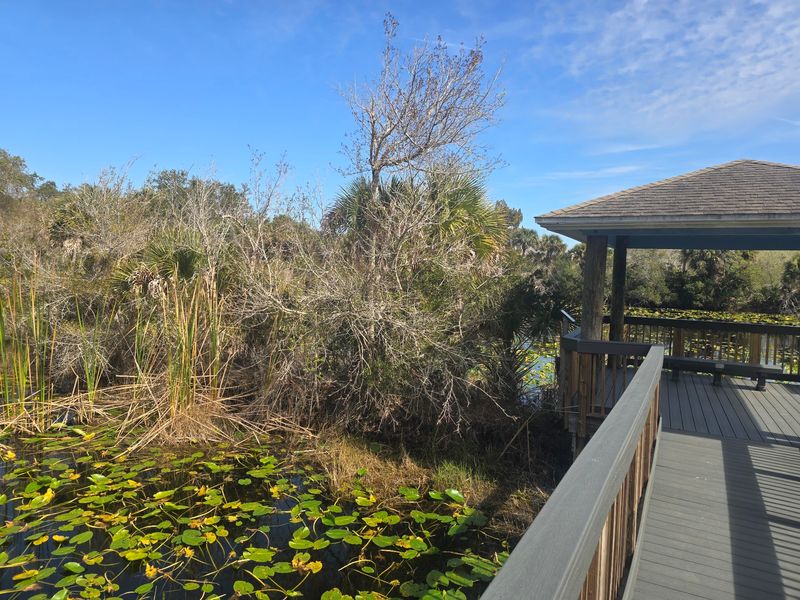
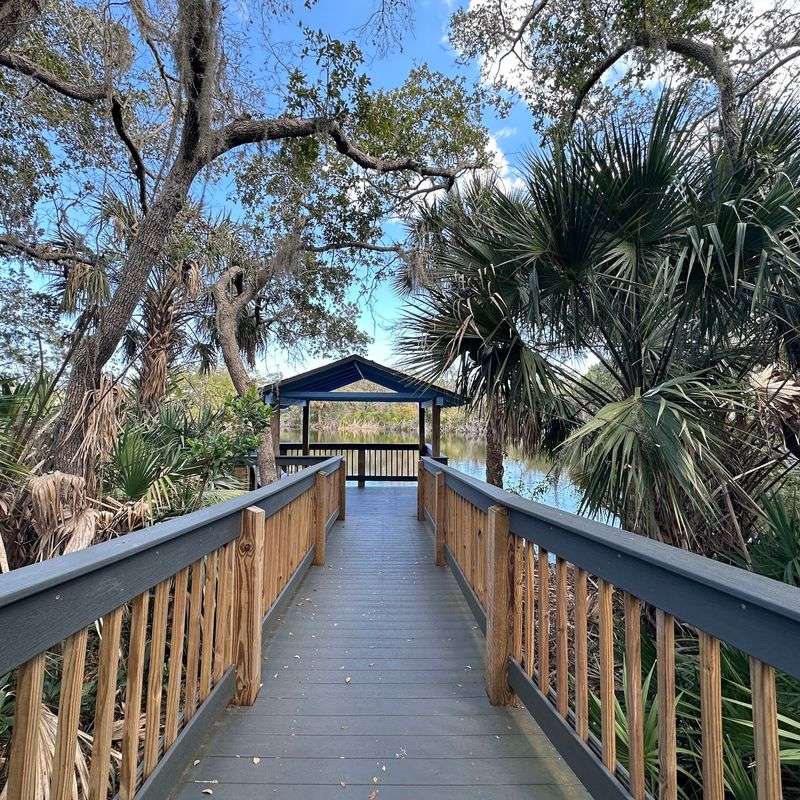
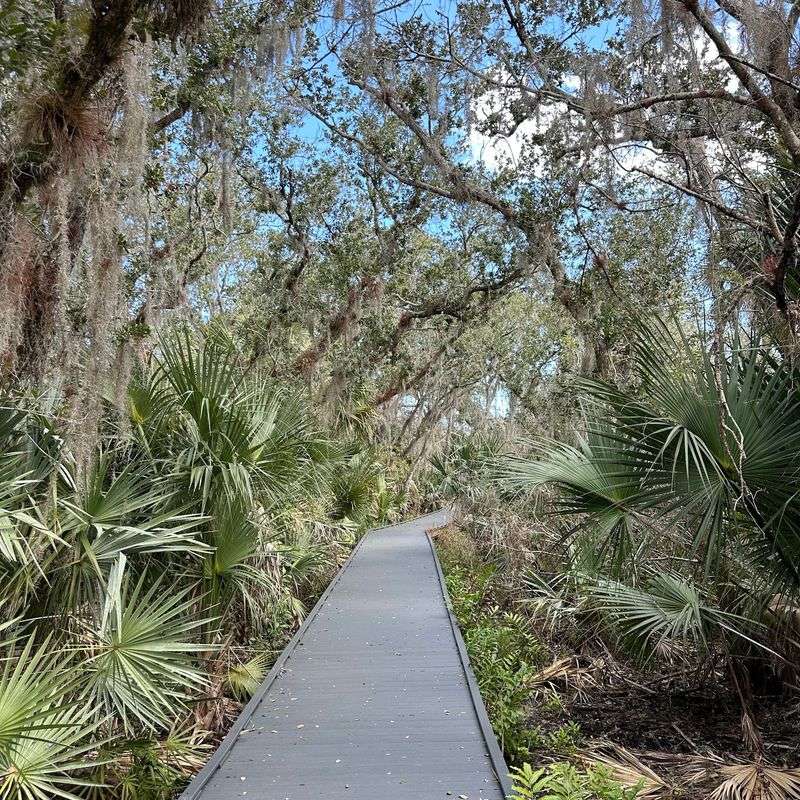
Stretch your legs before the big drive, because something special waits behind the visitor center. A wooden boardwalk loops over a pond and through shady woods.
Visitors describe it as roughly a quarter mile to three quarters of a mile, depending on the path you take.
It may be short, but it packs in a lot. Turtles stack themselves on logs like pancakes.
Herons stand so still you might mistake them for statues, until one suddenly snaps up a fish.
Listen closely as you walk. You will hear frogs, buzzing insects, and the soft splash of something moving under the water.
On a warm morning, the air smells earthy and green, with a hint of salty breeze drifting in.
Because the boardwalk is flat, it is a friendly choice for families with strollers and many visitors with limited mobility. Benches give you places to rest and watch.
Bring binoculars if you have them, since small songbirds love the trees along the edges.
Gators can show up in the pond too. Enjoy them from the boardwalk and never feed them.
A fed gator loses its fear of people, and that never ends well.
Seven Miles Of Slow-Motion Safari
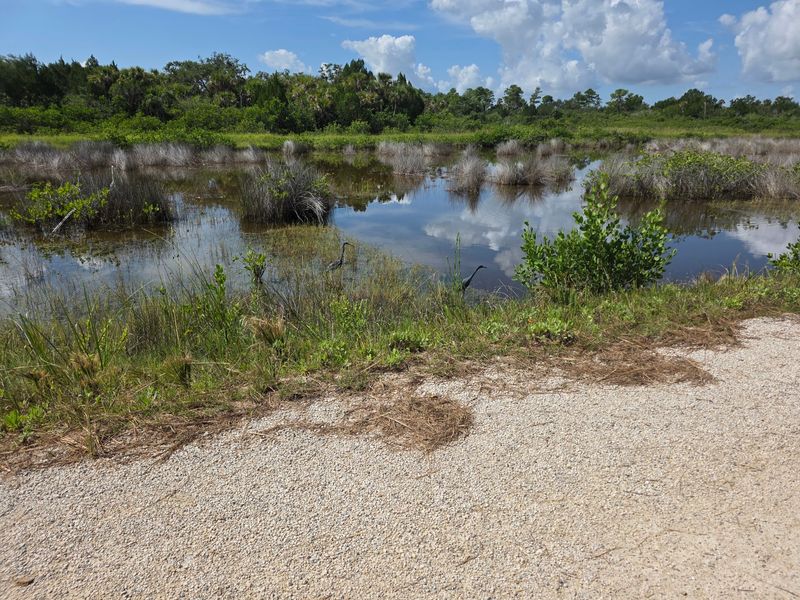
Forget speed. The star attraction here is Black Point Wildlife Drive, a one-way, roughly seven-mile gravel loop through shallow marsh pools.
One longtime visitor suggests driving about 5 miles per hour, and honestly, that is the right mindset.
The road follows old dikes built for mosquito control. Water sits on both sides, so birds and gators appear right next to your car.
It feels like a safari where you never have to leave your seat.
Expect a small fee to enter the drive. The refuge has used a daily vehicle pass of around ten dollars, with longer passes available, and federal recreation passes are often accepted.
Prices can change, so check before you go.
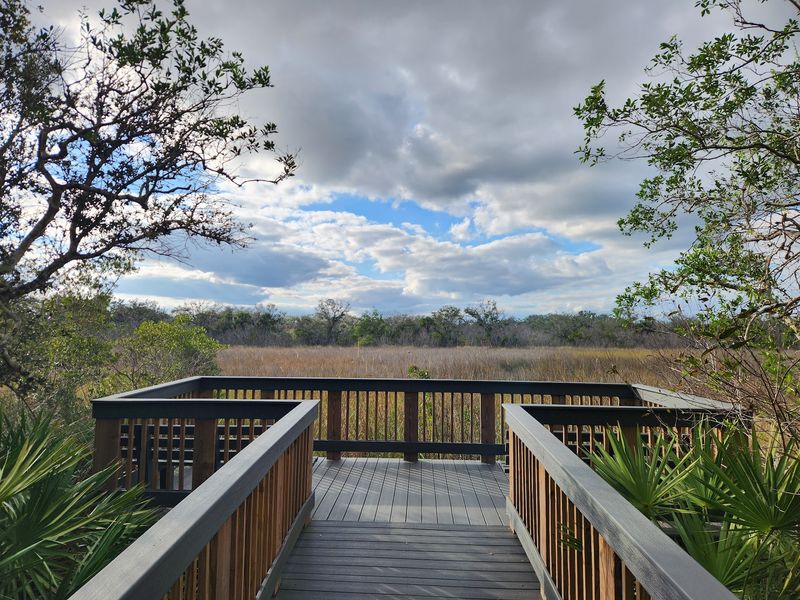
Pull-offs let you stop, step out, and stretch. A short trail near the halfway point offers a chance to walk deeper into the marsh.
Grab the self-guided tour info so you know what the numbered stops mean.
Since the road is single lane, patience matters. Photographers sometimes stop to grab a shot, so traffic slows.
Treat it like part of the fun. Early morning is a favorite time, when the light is soft and the birds are busy.
Gator Spotting Without Leaving Your Seat
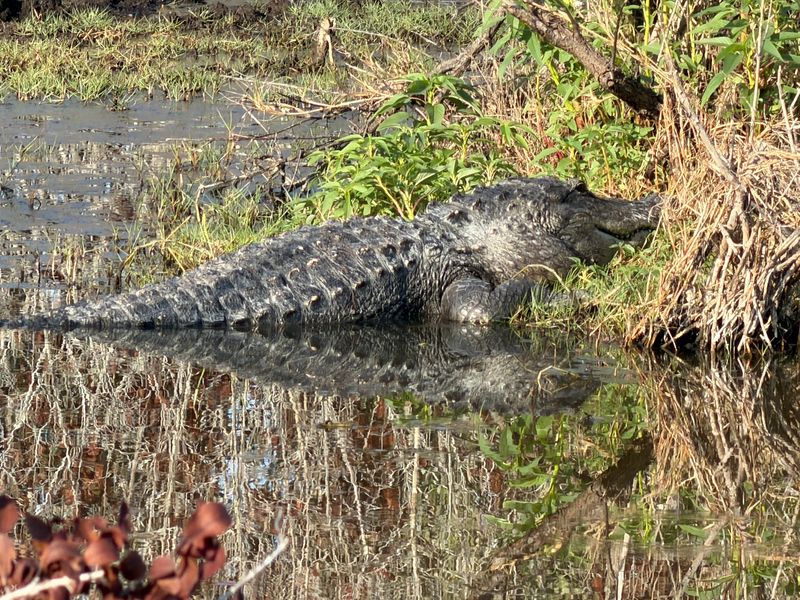
“Is that a log?” Nearly every first-timer asks that question, and about half the time the answer is no. American alligators are everywhere at Merritt Island, lounging on banks and gliding through canals with only their eyes and snouts showing.
Sunny days are your best bet. Alligators are cold-blooded, so they climb out of the water to warm up.
On cooler mornings after a chilly night, you might spot several stretched out in a row like sunbathers at the beach.
Hot summer afternoons can be a different story. One visitor noted that on a very hot day, the gators were nowhere to be found.
They often stay hidden in cool water when temperatures spike.
Size varies a lot. You could see a tiny hatchling no longer than a ruler, or a giant that looks older than your grandpa.
Baby gators often have yellow stripes, which fade as they grow.
Safety is simple. Stay at least several car lengths away, keep pets close, and never toss food.
Your car is a terrific viewing blind, so roll down the window, stay quiet, and enjoy one of Florida’s most famous residents doing absolutely nothing at all.
Pink Feathers And Pelican Parades
Bird lovers, brace yourselves. More than 300 bird species have been recorded at the refuge, which makes it one of the top birding spots in the country.
Reviewers mention herons, egrets, kingfishers, and hundreds of ospreys.
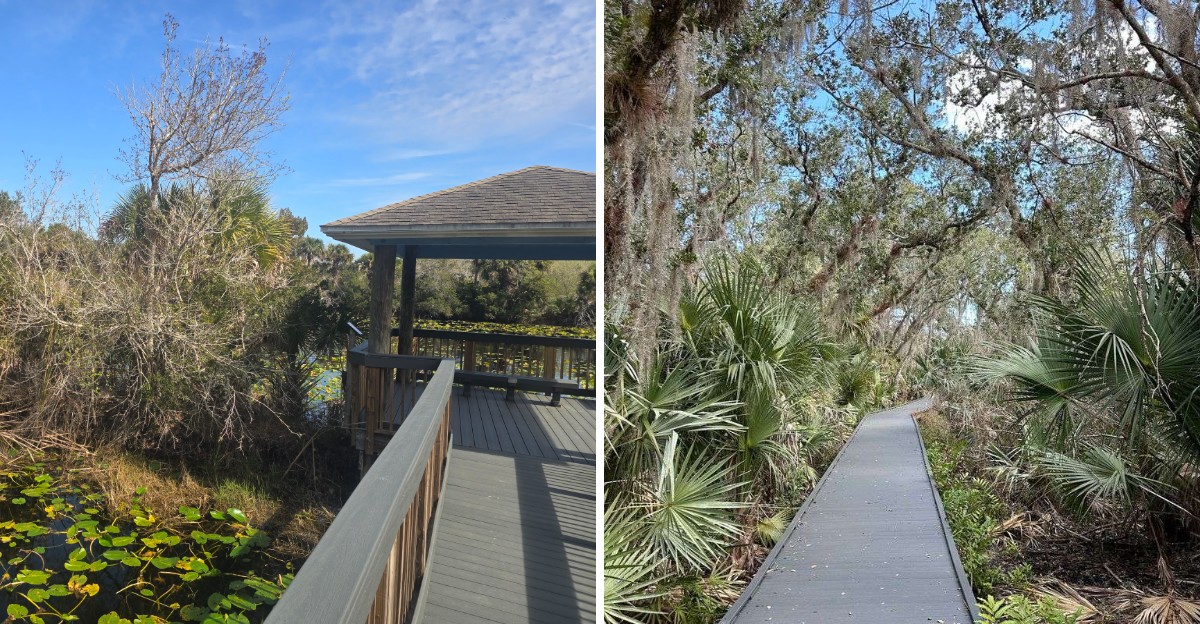
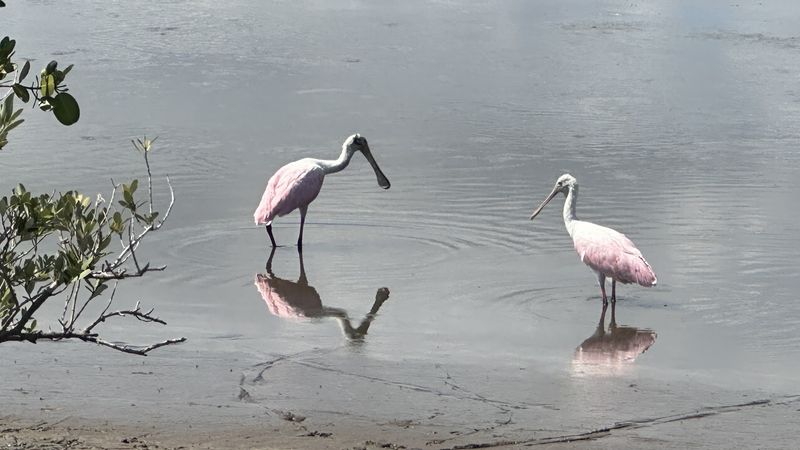
The roseate spoonbill steals the show. Its feathers glow bubblegum pink, and its flat bill looks like a big spoon.
Watch it swing that bill side to side through the water, scooping up tiny shrimp and fish.
Winter brings even more color and crowds of feathers. Migrating ducks arrive by the thousands, and huge American white pelicans float together in bright white groups.
Many visitors say late fall through early spring is the best birding season.
Ospreys are fun to watch year-round. These fish hawks dive feet first into the water and fly off with dinner in their claws.
One visitor even photographed an osprey carrying a half-eaten fish at sunset.
Bring binoculars and a simple bird guide or app. Kids enjoy making a checklist and racing to find tricolored herons, wood storks, and great egrets.
Even if you cannot name a single bird today, you will probably leave knowing at least five.
Manatees With Pancake Tails
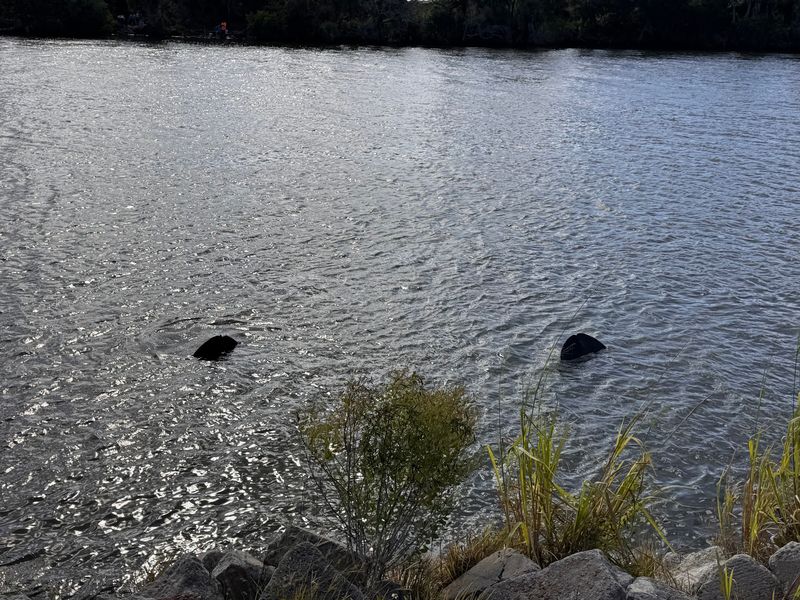
Gentle, round, and slow as a lazy Sunday, manatees win hearts fast. The best place to find them is the Manatee Observation Deck near Haulover Canal, on the north side of the refuge.
Ask at the visitor center for directions.
One visitor counted around twenty manatees there in late October. They were feeding on the river bottom, and their wide, paddle-shaped tails looked like giant pancakes.
Every few minutes, a whiskered nose popped up for a breath.
Manatees are sometimes called sea cows, which fits. They spend hours munching sea grass, and adults can weigh more than a thousand pounds.
Yet they move so calmly that watching them feels almost like meditation.
Timing helps. Spring through fall often brings good sightings near the canal, while cold weather pushes many manatees toward warmer water elsewhere.
Still, sightings are never guaranteed, since these are wild animals on their own schedule.
Keep eyes open for dolphins too. Some visitors have spotted them rolling through the same waters.
Remember, manatees are protected, so never touch, feed, or chase them. A quiet deck and a little patience usually pay off with a truly unforgettable moment.
Scrub-Jays And Secret Trails
Notice the street name on the visitor center address? Scrub Jay Way honors a very special bird.
The Florida scrub-jay lives only in Florida and nowhere else on the planet, and Merritt Island is one of its important homes.
These blue and gray birds live in dry, sandy scrub filled with short oaks. They are curious and smart, and they hide acorns to eat later.
The species is listed as threatened, so seeing one is a real treat.
The refuge offers several hiking trails beyond the boardwalk. Trails wind through scrub, pine flatwoods, and shady hammocks, each with its own feel.
Some are short and easy, while others take longer and feel delightfully remote.
Pack water, sunscreen, and bug spray before heading out. Florida sun is strong, and the mosquitoes here earned their famous reputation long ago.
A hat makes a big difference too.
Please do not feed the scrub-jays, even if one hops close. Feeding hurts their health and natural behavior.
Just watch them bounce from branch to branch. Spotting a bird found in only one state is a story you can brag about for a long time.
Glowing Water After Dark
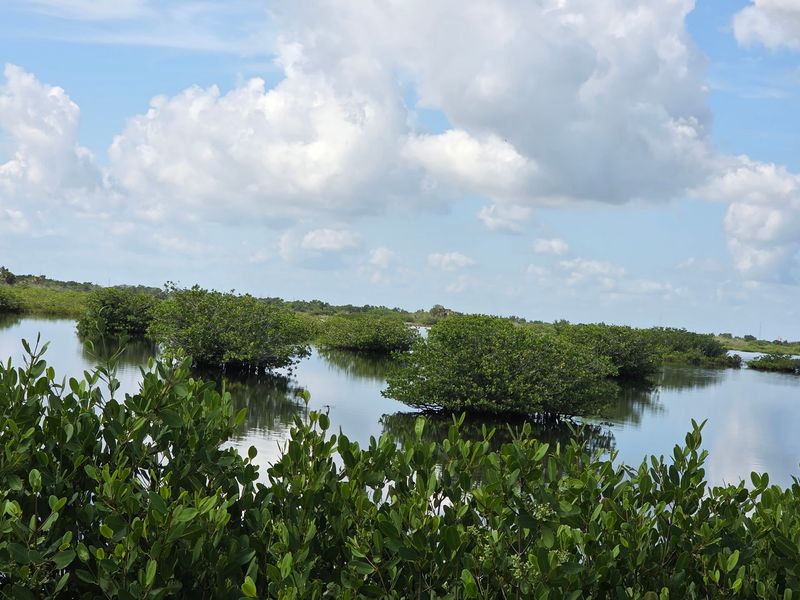
Imagine dipping a paddle into dark water and watching it light up in glowing blue-green swirls. That is bioluminescence, and the lagoons around Merritt Island are famous for it.
One visitor called it a true life-list experience.
The glow comes from tiny living things in the water. In summer, comb jellies and small plankton called dinoflagellates give off light when disturbed.
Fish darting below leave sparkling trails like underwater fireworks.
Most people experience it on a guided night kayak tour run by local outfitters. These tours are not run by the visitor center, so book ahead with a licensed company.
Summer months, roughly late spring through early fall, tend to bring the brightest shows.
Darker nights work best, so trips planned away from a full moon often glow more. Clouds and weather can affect things too.
Your guide will know the best timing.
Come prepared. Wear long sleeves and pants, and bring bug spray, because evening bugs love kayakers.
Waterproof bags help protect phones. Photos rarely capture the magic anyway, so let yourself simply float, swirl your hand in the water, and enjoy the light show.
Insider Tips For A Perfect Visit
Ask any regular and you will hear the same advice: go early. Morning brings cooler air, softer light, and busier animals.
One fan suggests starting on Black Point Wildlife Drive right after sunrise.
Plan more time than you think. Many visitors say they could have spent days here, with roughly 140,000 acres to explore.
A half day lets you see the visitor center, the boardwalk, and one drive without rushing.
Season matters. Winter is the sweet spot for birds and comfortable weather, while summer can be steamy and buggy.
Hot afternoons may leave the marsh looking quiet.
Accessibility is a strong point. The one-way drives let people with limited mobility enjoy amazing wildlife from their cars.
The visitor center and boardwalk are also friendly for many guests.
Bring snacks, water, a full gas tank, and binoculars, since services inside the refuge are limited. Keep the radio low so you can hear birds calling.
Check the website for launch closures, fees, and hours before leaving home.
Finally, think about pairing your trip with nearby Playalinda Beach. A morning of gators and spoonbills followed by an afternoon on the sand might just be a perfect Florida day.