
This Remote Michigan Ski Jump Opens For Just Six Sundays Of Fall Color Views
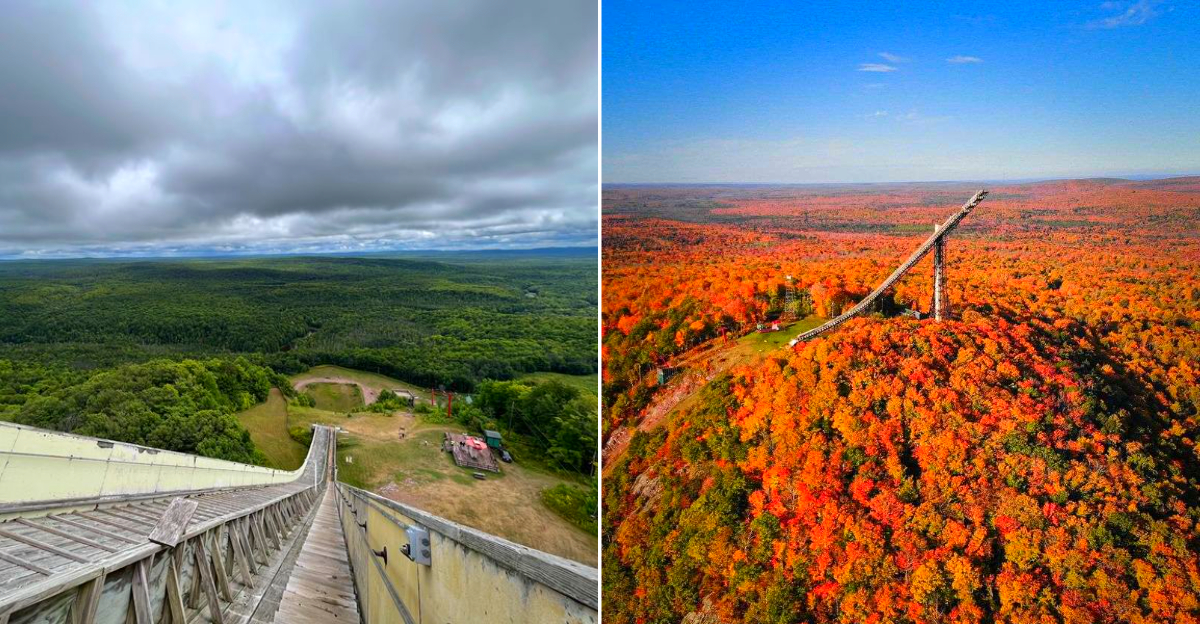
Western Upper Peninsula fall color hits differently when you are suddenly rising above it. Near Ironwood, this towering steel landmark turns a simple foliage trip into an adventure: first a chairlift, then an elevator, then a final climb that makes the view feel earned.
This Upper Peninsula fall attraction combines panoramic autumn scenery, historic engineering, and one of Michigan’s most unusual seasonal adventures.
What surprised me most was the scale. Forest rolls toward Lake Superior in every direction, and on a clear day you may spot parts of Wisconsin, Minnesota, and even Canada.
The structure itself is part of the fun, especially if you enjoy places that feel improbable.
In 2026, the Adventure Ride is scheduled for only six Sundays, from September 13 through October 18. That narrow window makes planning essential, but the payoff is enormous: crisp air, wild color, and a viewpoint few Michigan fall drives can match.
Arrive Before The Rush
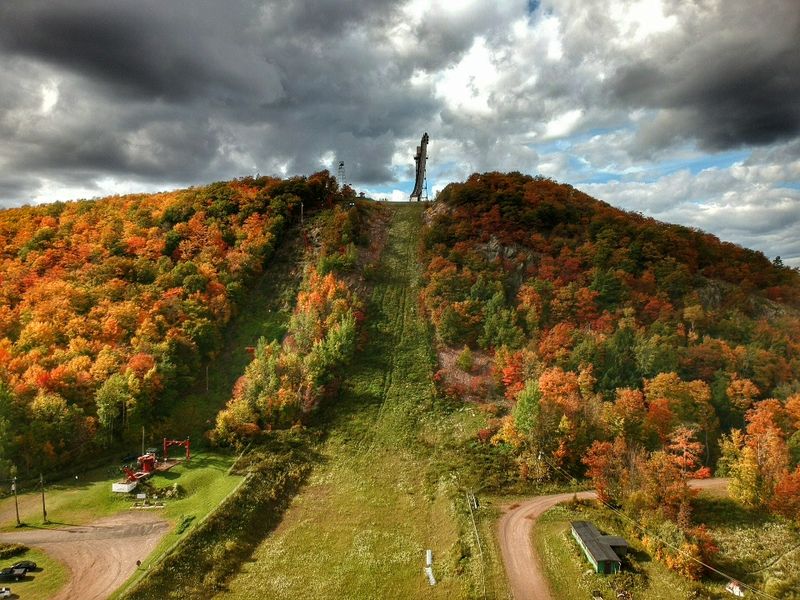
Early light gives Copper Peak a quieter personality, before the parking area fills and the chairlift begins carrying a steady line uphill. Arriving near the 9:30 a.m. opening also leaves breathing room if tickets, loading, or the elevator take longer than expected.
The limited Sunday schedule may draw more visitors during peak foliage, especially in October. Buy tickets first, listen closely to loading instructions, and keep the afternoon flexible rather than squeezing the ride between distant stops.
Earlier visits can also provide extra time for photographs without watching the 4:00 p.m. last-ticket deadline approach.
Should clouds interrupt the distant view, a longer visit may reward patience as shifting Upper Peninsula weather briefly uncovers Lake Superior or the surrounding forested ridges beyond the tower.
Black River Road Climbs Toward The Giant Jump
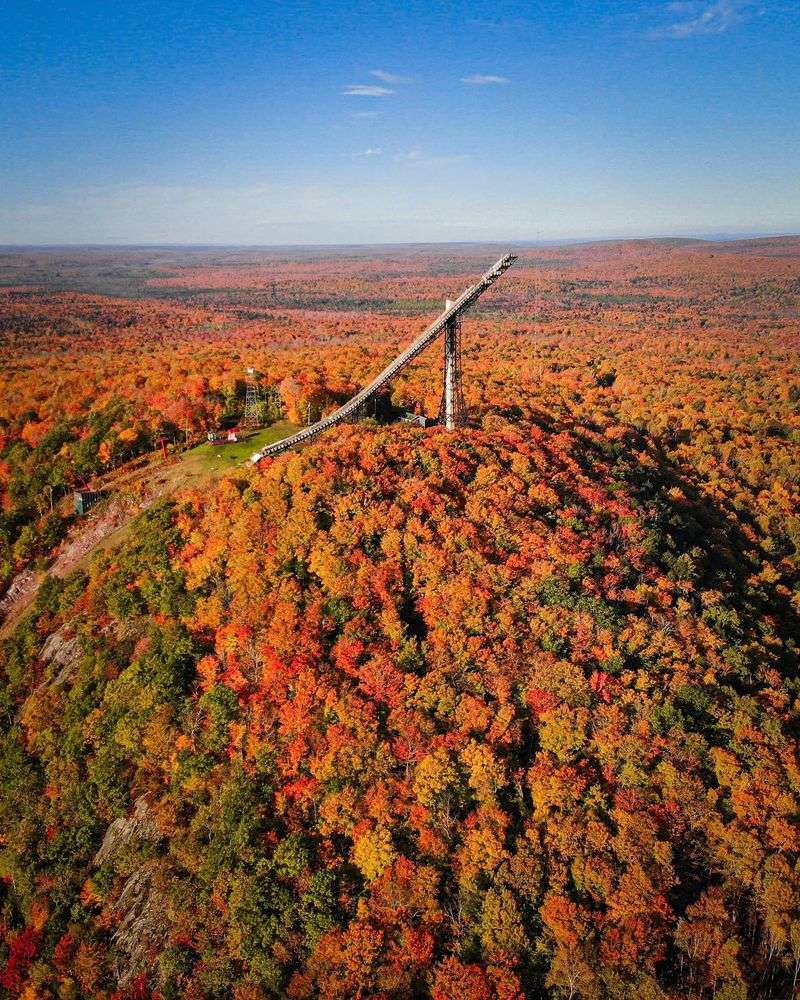
Copper Peak Adventure Ride sits at N13870 Copper Peak Road north of Ironwood, Michigan. From US-2, turn north onto Powderhorn Road, continue toward Black River Road, then follow the route toward Copper Peak Road and the ski jump.
The fall ride operates on just six Sundays in 2026: September 13, 20, and 27, followed by October 4, 11, and 18, from 9:30 a.m. to 4:30 p.m. Central Time.
Follow Copper Peak signs through the wooded final stretch, and check for weather closures before making the drive.
Turn onto Copper Peak Road and continue to the ski-jump grounds, where parking and pedestrian routes may be adjusted because of ongoing construction. Follow the posted directions when you arrive, then walk to the chalet to purchase your Adventure Ride ticket before heading to the chairlift.
Check Weather Before Driving
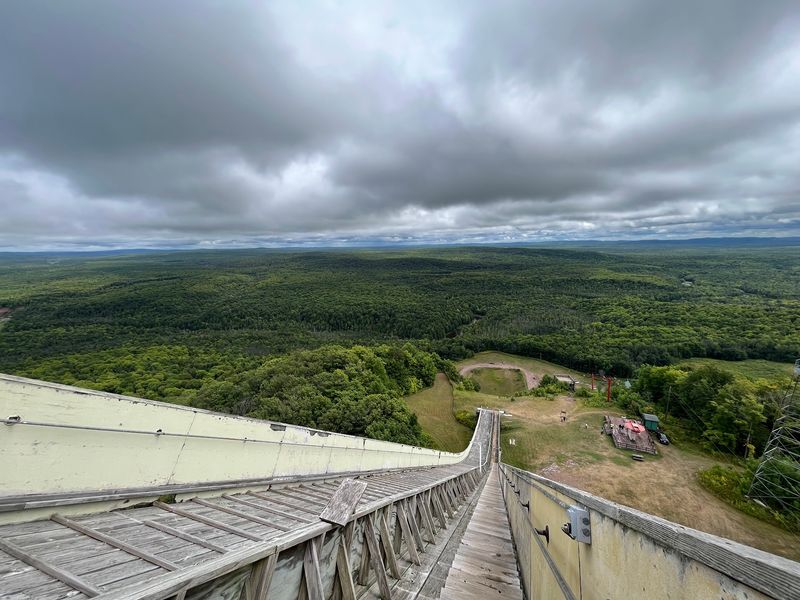
Clouds can turn a vast panorama into a gray curtain with impressive speed. Before driving to N13870 Copper Peak Road, review the local forecast and Copper Peak’s official updates for wind, rain, construction changes, or a weather-related closure.
Clear conditions offer the best chance of seeing across the broad landscape, but even a bright forecast deserves some caution. Weather near Lake Superior changes quickly, and conditions at the exposed observation areas can feel colder than those at ground level.
Choose the clearest Sunday available if your schedule allows, while remembering that fall color timing varies with temperature and weather. Peak foliage often arrives during early to mid-October, although nature keeps its own calendar and declines to provide refunds for late leaves or stubborn morning fog.
Dress For The Higher Air
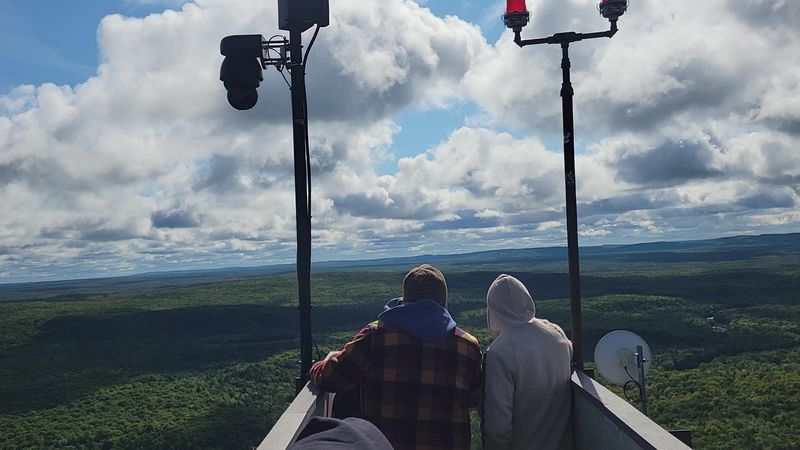
A warm parking lot does not promise a warm tower. The observation areas sit high above the forest and remain exposed to moving air, so a jacket or wind-resistant outer layer belongs in your day bag even when Ironwood feels mild.
Use layers that are easy to add without juggling loose clothing near stairs and platforms. Secure hats, glasses, phones, and other belongings before boarding the chairlift or stepping into stronger wind higher up.
Gloves can make cool railings more comfortable during a late-season visit, although bulky gear may complicate photographs. I prefer zipped pockets here because the view encourages constant turning, pointing, and reaching for a camera.
Sensible clothing lets you study the horizon longer instead of retreating early because autumn has found your sleeves.
Prepare For Three Stages
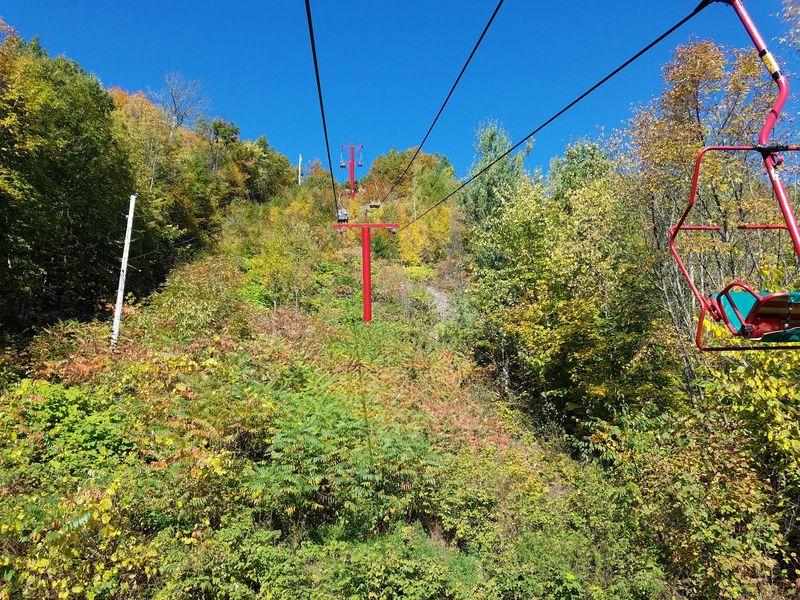
Copper Peak does not reveal its grand view in one neat motion. The trip begins with an 800-foot chairlift ride up Chippewa Hill, continues inside an elevator rising through the ski-jump structure, and finishes with optional stairs toward the highest platform.
Knowing that sequence makes the outing easier to judge for children, older relatives, and anyone uneasy with heights. The chairlift is open to the air, while the elevator carries visitors roughly 18 stories higher.
Reaching the former starting-gate area requires another eight flights of stairs, so the full experience asks for patience as well as steady legs. Pause during transitions, follow staff directions, and avoid treating the route like a race.
Each stage changes the angle, scale, and mood of the landscape below you.
Respect The Open Stairs
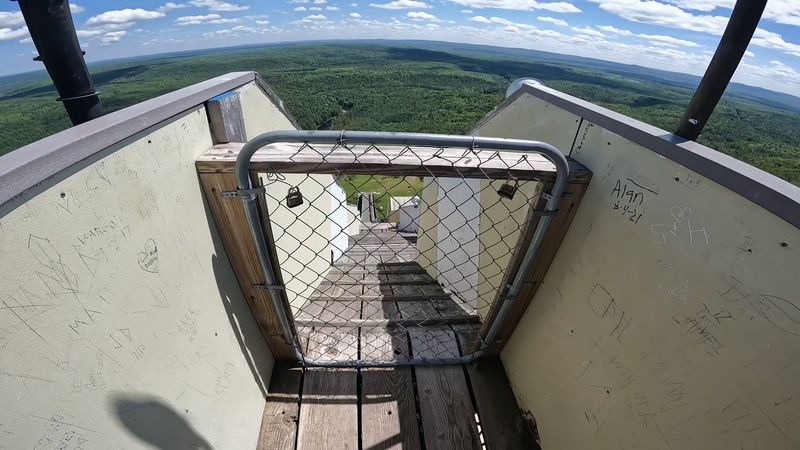
Steel grating has a mischievous habit of showing exactly how far the ground has fallen away. The optional upper climb includes eight flights of stairs, and their open construction may feel intense for visitors who dislike heights or looking through steps.
Wear shoes with firm soles and dependable grip, keep both hands available, and move at a comfortable pace. People with knee, balance, or mobility concerns should decide carefully whether the final climb suits them.
Reaching the elevator-level observation area still provides an elevated view, so skipping the uppermost platform does not erase the experience. Avoid pressuring companions to continue, particularly when wind adds another layer of uncertainty.
Courage at Copper Peak can mean climbing higher, but it can equally mean recognizing a personal limit without apology.
Watch The Forest Change
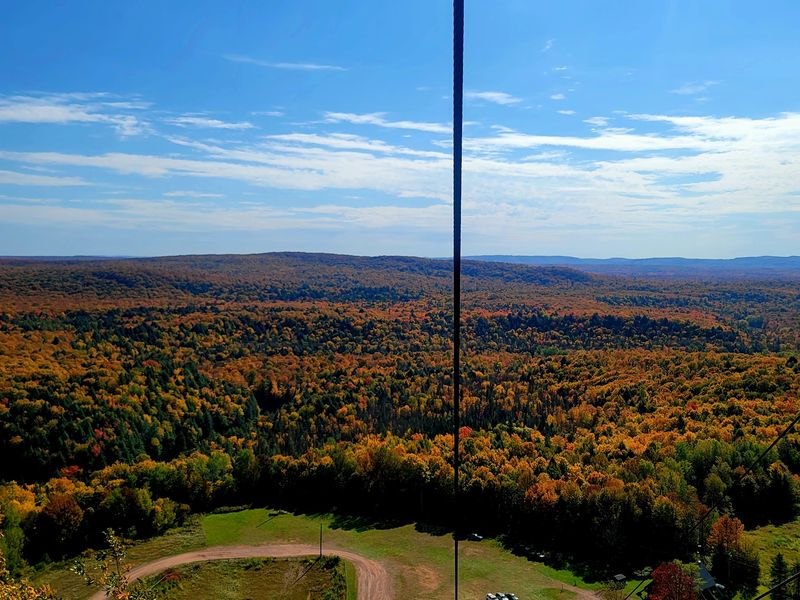
Autumn spreads below Copper Peak in patches rather than one tidy blanket. Reds, oranges, yellows, and lingering greens cover the surrounding hills, creating enough variation that the forest seems textured even from the tower’s remarkable height.
Foliage commonly reaches its strongest color during early to mid-October, with October 12 through 15 often falling within the most promising period. Yet temperature, rainfall, wind, and elevation can shift the display from year to year.
Earlier Sundays may bring mixed green and gold, while later dates can reveal rusty tones and wider views through thinning leaves. Check regional color reports before choosing a Sunday, then accept a little uncertainty.
Watching the seasonal change from above is fascinating even when the trees refuse to match a forecast perfectly.
Read The Far Horizon
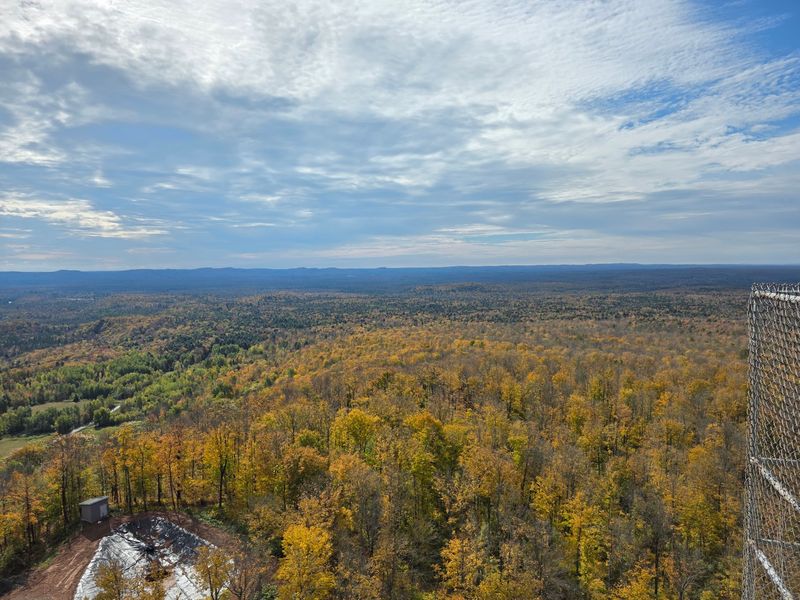
Distance becomes the main attraction once the forest floor drops from sight. Copper Peak says the panorama can cover more than 2,500 square miles, with parts of Michigan, Wisconsin, and Minnesota visible when the atmosphere remains especially clear.
Lake Superior adds a cool blue band to the autumn palette, and Canada may appear across the water under favorable conditions. Do not expect every landmark to announce itself, since haze can soften borders and distant shorelines.
Study an area map before arriving, ask available staff for orientation, and photograph both wide scenes and recognizable features. Binoculars can help, provided their strap remains secure.
The pleasure lies partly in realizing how many familiar map lines disappear when woods, water, and sky share one enormous frame.
Notice The Mining Name
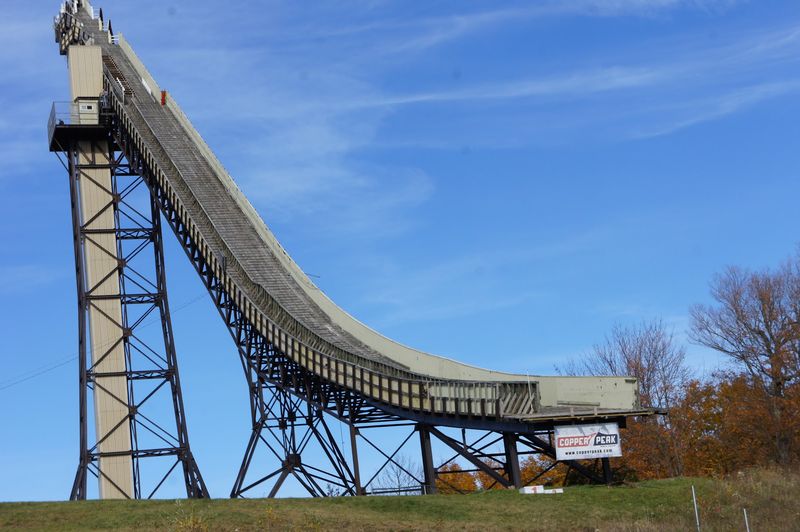
The name suggests a successful copper mine, but the hill tells a less profitable story. Exploratory mining took place on Chippewa Hill as early as 1845, and copper was discovered without appearing in quantities large enough for commercial production.
That abandoned possibility gave the later recreation site a wonderfully practical name. Chippewa Hill itself is a natural volcanic outcrop, providing the dramatic foundation beneath the towering man-made jump.
Look for the contrast between old rock, dense forest, and angular steel while moving through the property. It explains why the place feels part geological landmark and part giant machine.
Remembering the mining chapter also adds depth to the visit: Copper Peak existed as a local idea long before skiers launched from its remarkable upper structure into open air.
Picture The Ski Flyers
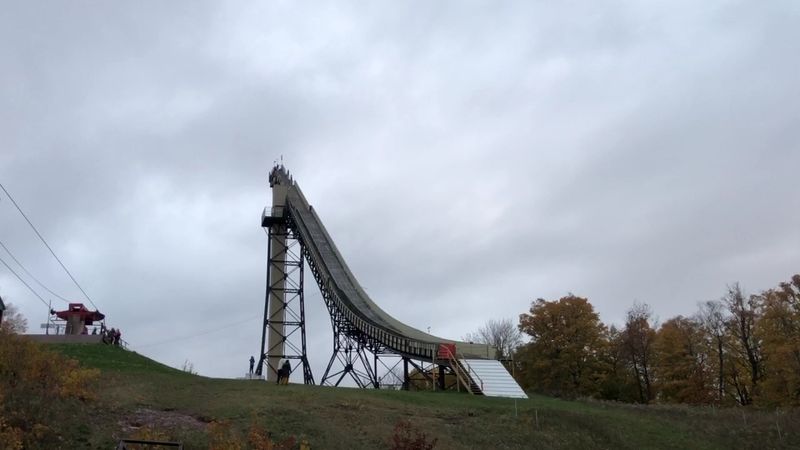
Standing near the former starting gate makes ski flying seem less like sport and more like an argument with gravity. Built in 1969 through an effort led by members of the Gogebic Range Ski Club, Copper Peak became the world’s largest artificial ski-jump hill.
It remains the only ski-flying hill in the Western Hemisphere and hosted ten official International Ski Federation competitions before closing to competition in 1994. Historic recognition arrived early: Michigan designated the site in 1971, followed by National Register listing in 1973.
Take time to examine the structure rather than treating it only as a camera perch. Its height, narrow framework, and steep profile show the nerve demanded by athletes who once began their flights far above the surrounding woods.
Expect A Site In Transition
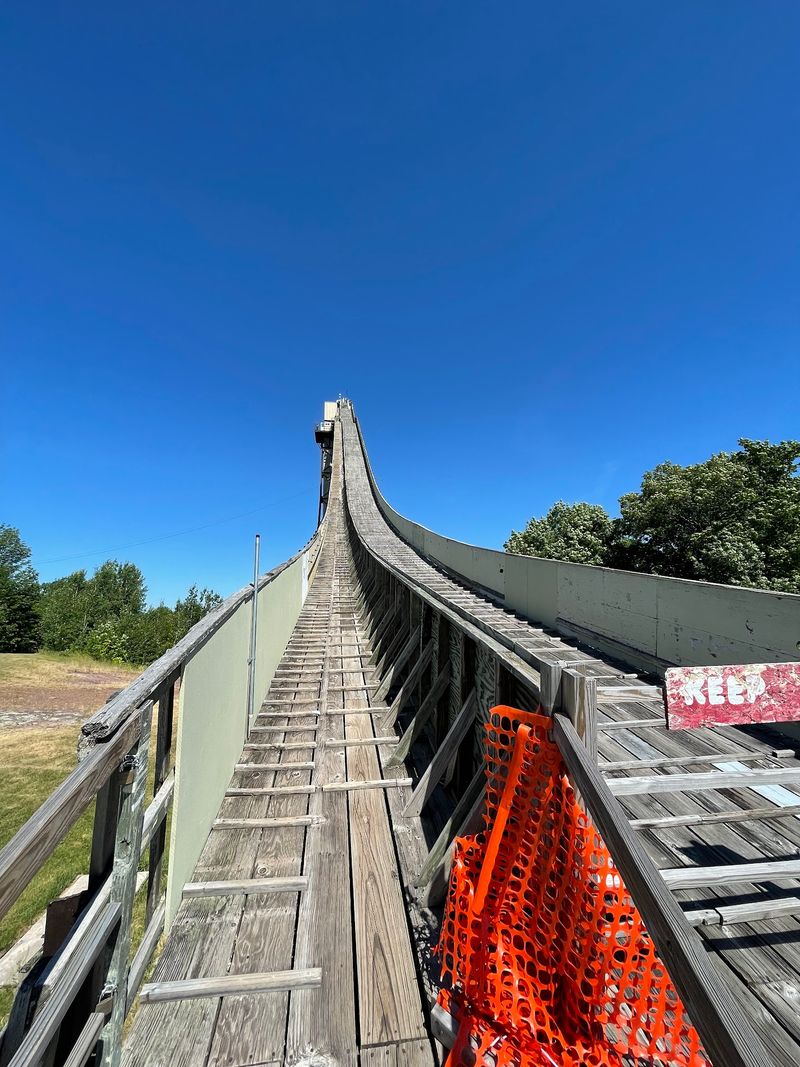
Construction gives Copper Peak an unusual double identity: historic landmark on one side, ambitious future sports venue on the other. A state grant of $20 million supports redevelopment within a larger project expected to cost more than $40 million.
Plans include reinforcing the steel tower, improving the elevator, and adding spectator facilities as the site works toward FIS-certified, year-round ski jumping.
The International Ski Federation has committed to six World Cup competitions, split between winter and summer, with events targeted as early as 2028.
During a 2026 visit, expect barriers, work areas, or operational changes, and follow every posted direction. Rather than spoiling the scene, the activity offers a rare look at a famous Upper Peninsula structure preparing for an entirely new chapter in its life.