
This Sleepy Arizona Town Has Everything You Want (Locals Hope You Never Find Out)
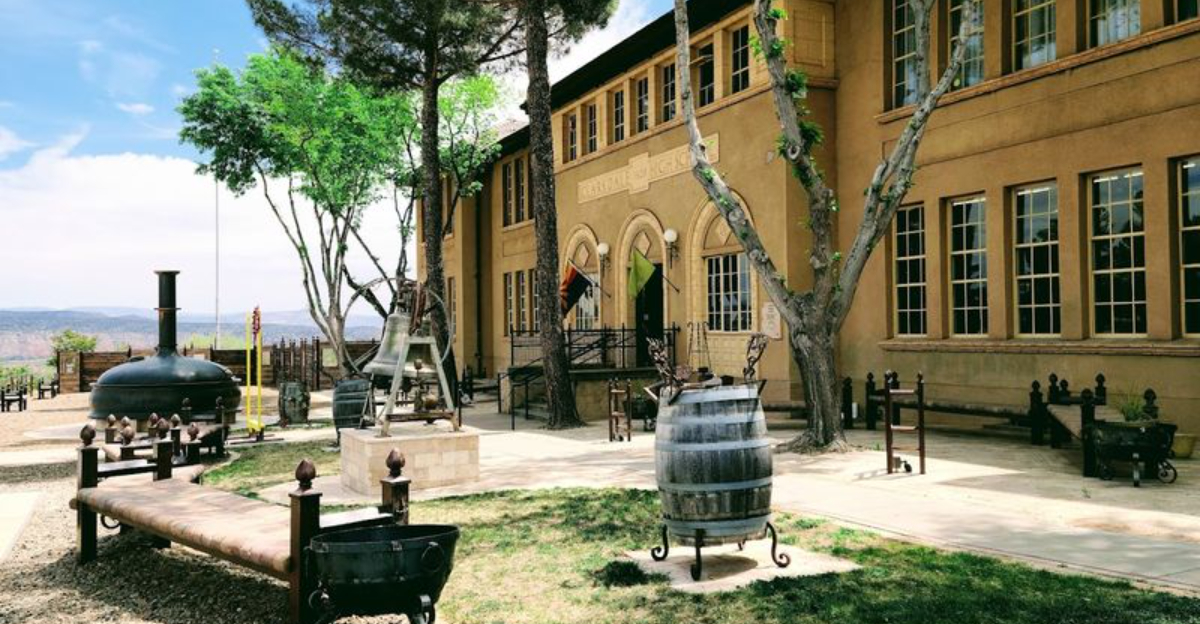
I knew this Arizona town was different the moment the road started to quiet down. The noise fell away, the hills opened up, and suddenly the whole place felt like a rare desert bloom waiting at the end of a long, dusty drive.
There is nothing polished or overly packaged about it, and that is exactly the charm. Life here seems to move by sunset, porch conversations, and the slow decision of which trail, overlook, or historic street deserves your attention next.
It is the kind of place where the buildings still seem to remember old stories, where the rugged hills give the town a little mystery, and where locals know the best views without needing signs to point them out. You come for the scenery, but you end up noticing the quieter details.
A weathered storefront. A valley view that makes you stop mid-sentence. The feeling that you found somewhere real before the rest of the world fully caught on.
The secret may be getting harder to keep, but for now, this peaceful Arizona escape still feels simple, beautiful, and deeply worth protecting.
The Verde Canyon Railroad: A Ride Through Arizona
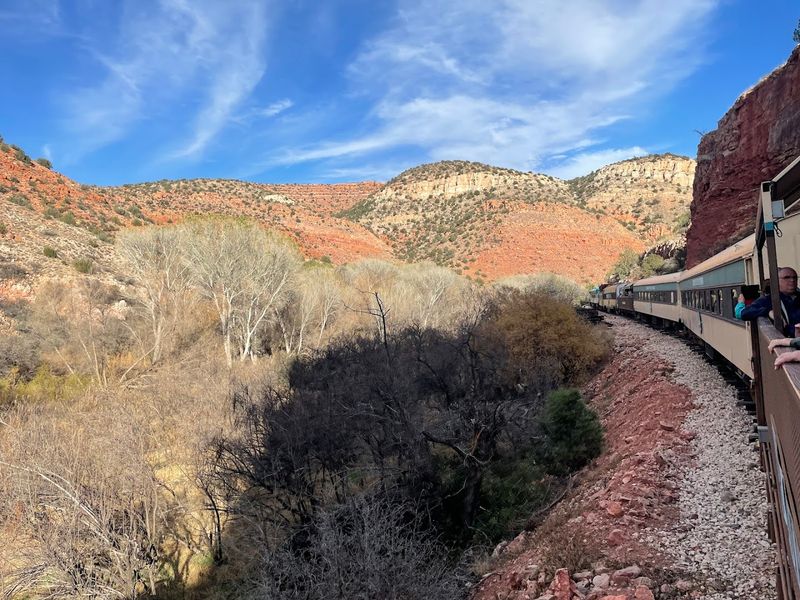
Some train rides are just transportation. The Verde Canyon Railroad is something else entirely.
Boarding in Clarkdale, this four-hour round-trip excursion runs on a historic rail line through the Verde River corridor and the edge of the Sycamore Canyon Wilderness Area, and the scenery builds with every passing mile.
I sat in an open-air car as the train curved through tunnels carved into canyon walls, watching bald eagles circle above the river below.
The Verde River, one of Arizona’s last perennial flowing waterways, shimmers alongside the tracks in a way that feels almost unreal against the surrounding desert terrain.
The railroad has been running scenic excursions for decades and operates year-round, making it a solid choice in any season. Wildlife sightings are genuinely common here, not just a marketing promise. Great blue herons, deer, and javelina all make regular appearances.
For anyone visiting Clarkdale, this train ride is the kind of experience that sticks with you long after the trip ends.
Tuzigoot National Monument
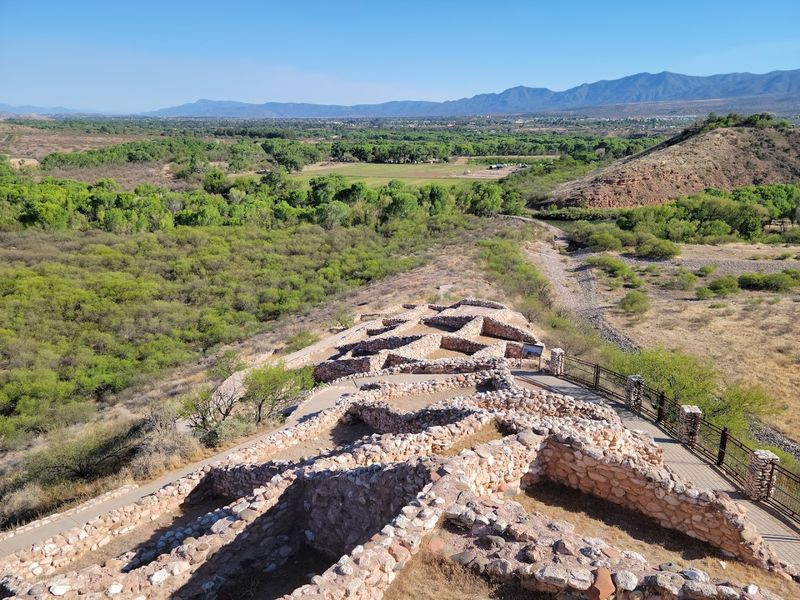
Standing on the hilltop at Tuzigoot National Monument, I kept thinking about how smart the Sinagua people were when they chose this spot.
The two- and three-story pueblo they built here around 1000 AD commands a sweeping view of the Verde Valley in every direction, and the breeze up top feels like a reward for making the short climb.
The monument is located just outside Clarkdale and is managed by the National Park Service. A small but well-organized museum on-site helps visitors understand who the Sinagua were, how they farmed this challenging landscape, and why they eventually moved on around 1400 AD.
The artifacts inside are genuinely fascinating rather than dusty and forgettable.
Families with kids find the ruins especially engaging because you can walk right among the ancient stone walls and peer into room openings.
The trail around the site is easy and accessible, and the views of the Verde River wetlands below make every photo feel effortless. Budget about ninety minutes for a satisfying visit.
Clarkdale Historic District
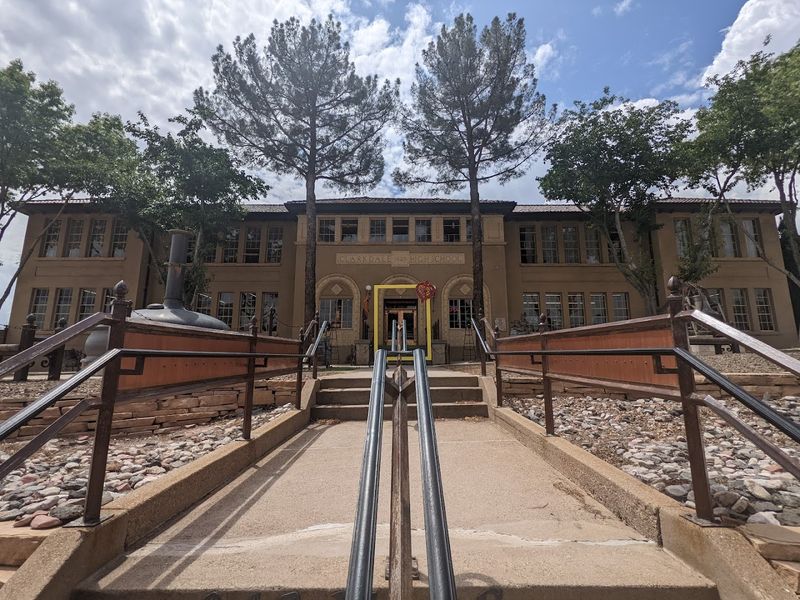
Most people do not realize that Clarkdale holds a genuinely impressive distinction: it was Arizona’s first master-planned community.
William A. Clark, the copper magnate behind the nearby Jerome mine, founded the town in 1912 with underground utilities, paved streets, electricity, running water, and telephone service built in from the very beginning. That was remarkably forward-thinking for a desert mining camp.
Walking through the Clarkdale Historic District today, you can still feel the bones of that original design. The Clark Memorial Clubhouse, opened in 1927 and listed on the National Register of Historic Places, anchors the district and doubles as the town library.
The architecture is modest but dignified, the kind of buildings that age gracefully rather than awkwardly.
The district’s story is not entirely rosy, though. For much of its early history, Mexican and Mexican-American workers were segregated into a separate area called Patio Town, a sobering chapter worth understanding.
History here is honest, complicated, and told without flinching, which makes the visit more meaningful than a simple nostalgia tour.
Arizona Copper Art Museum
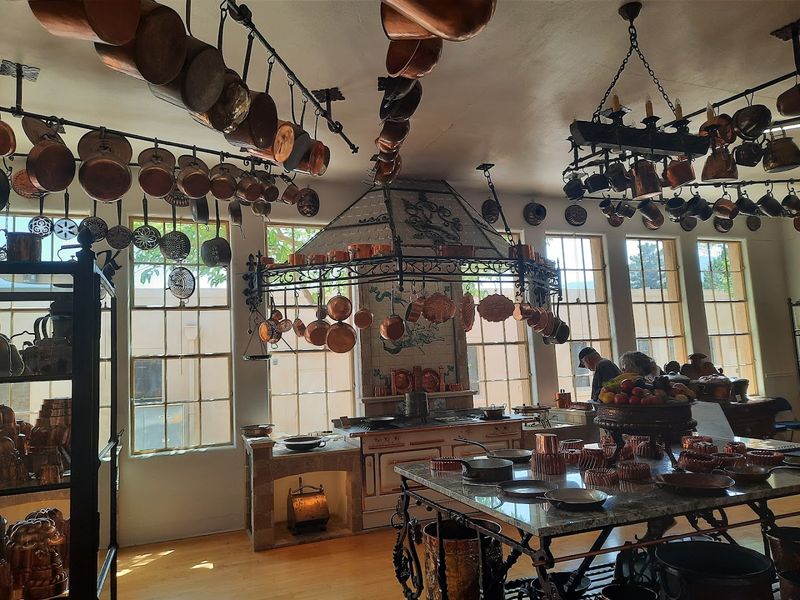
Honestly, I walked into the Arizona Copper Art Museum expecting to spend twenty minutes and leave politely. I stayed for over an hour.
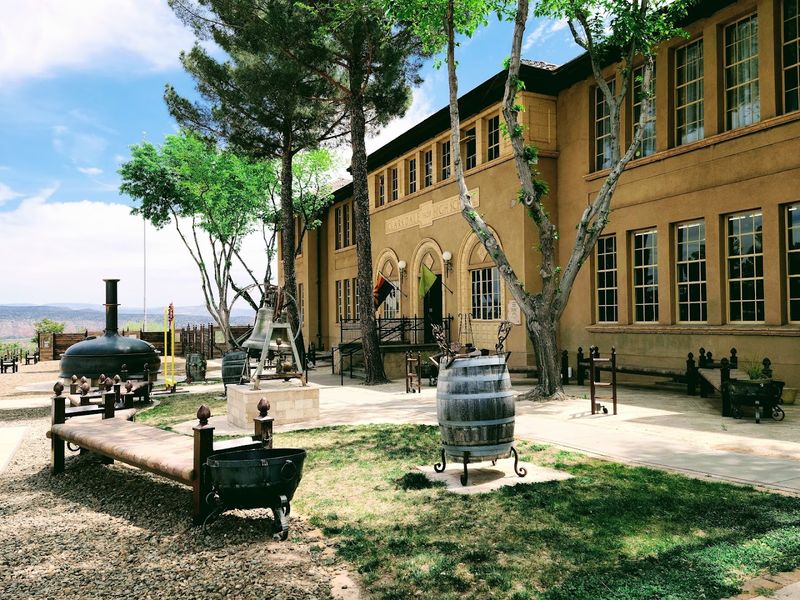
Housed inside the beautifully restored 1928 former Clarkdale High School, this museum displays one of the most unexpected and genuinely impressive collections I have encountered on any road trip through the Southwest.
The exhibits showcase copper artifacts spanning centuries and continents, from ancient ceremonial pieces to Art Deco masterworks to intricate modern sculptures. Copper is so woven into the identity of this region that exploring its artistic history here feels completely natural.
The building itself is part of the experience, with its original architectural details preserved and the high ceilings giving the galleries a dignified, airy feel.
Admission is affordable, the staff are enthusiastic and knowledgeable, and there is a gift shop where locally made copper pieces make for far more interesting souvenirs than the usual tourist trinkets.
If you have even a passing interest in craft, history, or regional identity, this museum earns a firm spot on your Clarkdale itinerary.
The Verde River: Kayaks And Rare Desert Treasure
Finding a perennial river in the middle of Arizona feels like stumbling onto something the desert forgot to dry up. The Verde River flows right through Clarkdale, and the town offers two easy public access points that make getting on the water or simply sitting beside it genuinely effortless.
Kayaking and canoeing are popular here, and the calm stretches near town are beginner-friendly. Fly fishing is another draw, with smallmouth bass and various native species making the Verde a legitimate destination for anglers.
Birders tend to arrive with long lists and leave with even longer ones, because the riparian corridor supports an extraordinary variety of species year-round, including nesting bald eagles in winter.
Even if you never touch the water, a walk along the riverbank on a warm morning is one of the most quietly satisfying things you can do in Clarkdale.
Cottonwood trees filter the light, herons stand motionless in the shallows, and the whole scene moves at a pace that makes the rest of the world feel very far away. That feeling is priceless.
A Ghost Town That Refuses To Quit
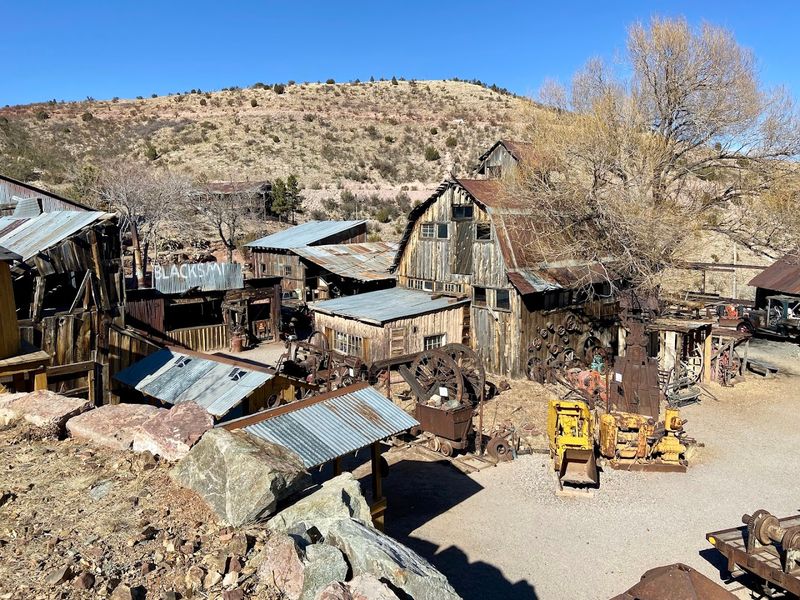
Just four miles up a winding mountain road from Clarkdale sits Jerome, a former copper boomtown that once housed 15,000 people and now holds about 450 very determined residents who clearly love a view.
Built on the steep face of Mingus Mountain, Jerome is one of the most dramatically situated towns in the American Southwest, and visiting it from Clarkdale makes for a perfect half-day adventure.
Jerome’s streets are lined with galleries, studios, quirky shops, and restaurants tucked into century-old buildings that tilt at angles suggesting the whole hillside is still slowly sliding downhill, which it actually is.
The Jerome State Historic Park, housed in the 1916 Douglas Mansion, tells the full story of the mining era with impressive artifacts and exhibits.
The connection between Jerome and Clarkdale is direct and historically significant. The ore extracted from
Jerome’s mines was processed at Clarkdale’s smelter for decades, making these two towns economic partners for nearly half a century.
Understanding one town makes the other richer, and visiting both on the same trip rewards the curious traveler considerably.
Small Town, Big Heart
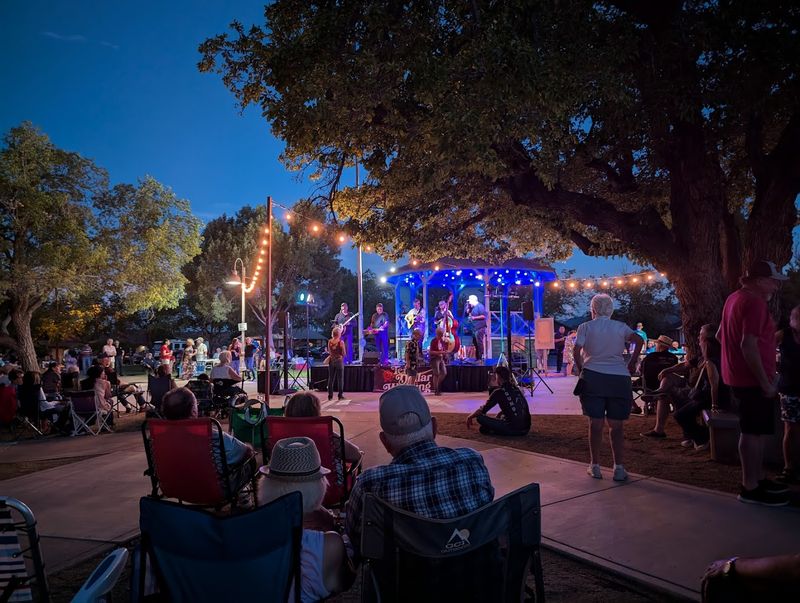
There is something deeply satisfying about a town that still gathers around a gazebo. Clarkdale Town Park is modest in size but outsized in community spirit, serving as the social hub for a town that clearly knows how to enjoy itself without making a big fuss about it.
Throughout the year, the park hosts free family-friendly concerts, seasonal festivals, and community events that draw locals and visitors together in the most unpretentious way possible.
I caught an evening music event during my visit, and the mix of retirees in lawn chairs, young families on blankets, and dogs wandering contentedly between groups felt like a postcard from a simpler era that somehow still exists.
Clarkdale’s median age hovers around 56, and the community reflects a retirement-friendly sensibility that prioritizes quality of life over hustle. But the park events attract a genuine cross-section of ages, and the atmosphere is welcoming rather than exclusive.
Pack a blanket, arrive early for a good spot under the shade trees, and let the evening unfold at whatever pace it chooses.
Gateway To Sycamore Canyon Wilderness
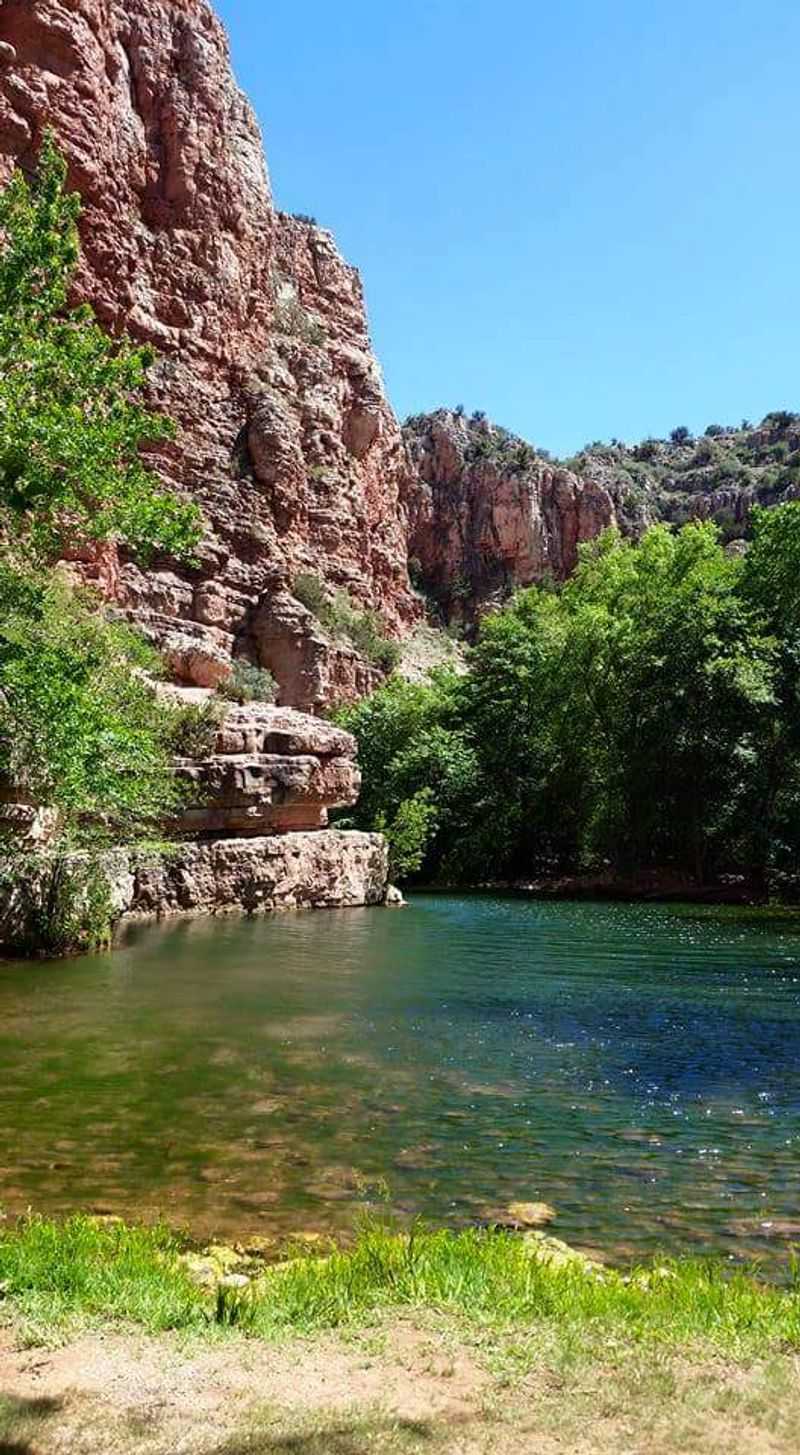
Clarkdale wears the title of gateway to the Sycamore Canyon Wilderness with quiet confidence, and the wilderness itself more than justifies the label.
At over 55,000 acres, Sycamore Canyon is the second-largest wilderness area in Arizona, and the trails leading into it from the Clarkdale side offer some of the most rewarding hiking in the entire Verde Valley region.
The landscape shifts dramatically as you move deeper into the canyon, from open grassland and juniper scrub to towering red rock walls and shaded creek beds lined with Arizona sycamore trees.
The canyon is a genuine wilderness, meaning no motorized vehicles, minimal signage, and a strong sense that you are earning whatever view you reach. That suits a certain kind of traveler perfectly.
Spring and fall are the most comfortable seasons for longer hikes, though early morning summer starts are manageable.
Birding along the canyon trails is exceptional, with species rarely spotted elsewhere in the state making occasional appearances. Clarkdale’s proximity to this wilderness is one of its most underrated advantages, and hikers who discover it tend to come back every single year.