
This Small Florida Harbor Town Rivals The Most Beautiful Villages In Europe
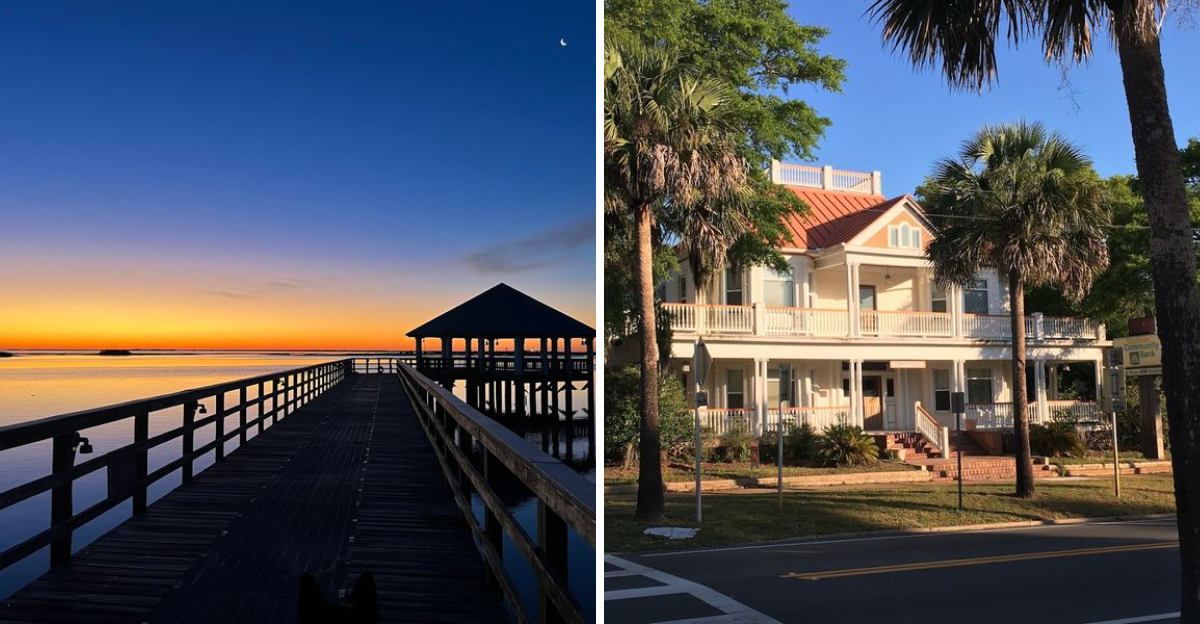
One of Florida’s most beautiful small towns feels like it belongs in another century.
That is exactly why people fall in love with it.
There are no towering hotels dominating the skyline. No endless traffic.
No rush to be anywhere. Instead, you’ll find historic streets, weathered fishing docks, waterfront sunsets, and a pace of life that reminds you vacations were never supposed to feel stressful.
That slower rhythm is becoming increasingly rare.
Florida has countless coastal destinations, but few preserve their character quite like this one. Every stroll feels a little more relaxed.
Every seafood dinner tastes a little fresher. And every sunset over the bay makes it easier to understand why so many visitors leave already planning their return.
Some destinations impress you.
Apalachicola stays with you.
A Waterfront That Could Pass For The French Riviera
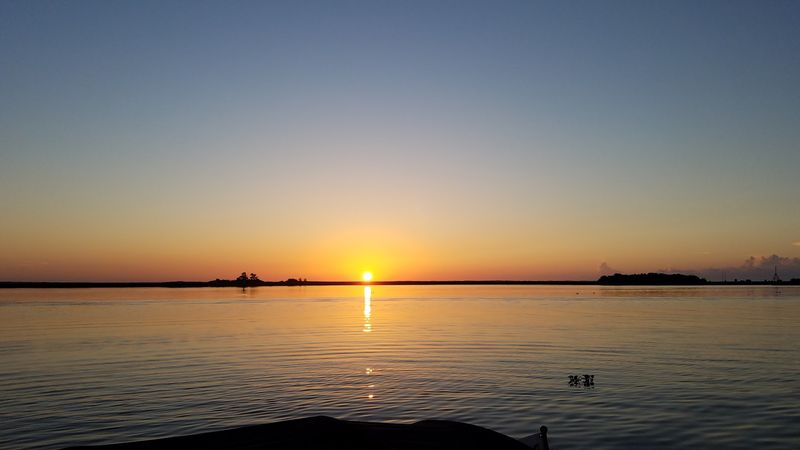
Standing on the Apalachicola waterfront as the sun dips low over the bay, it is genuinely hard to believe you are still in Florida.
The still water mirrors shades of copper and lavender, fishing boats rock gently at their moorings, and the air carries that salty, briny smell that reminds you exactly where you are in the best possible way.
Apalachicola Bay is a federally designated estuary, one of the most productive on the entire Gulf Coast, which means the scenery comes with serious ecological credibility.
Pelicans glide in low formation just above the surface while locals cast lines from the docks with zero urgency, and that unhurried pace is absolutely contagious.
The Battery Park area near the waterfront gives you a front-row seat to all of it, with shaded benches and a view that travel photographers would happily wait hours to capture.
Many European harbor towns charge admission for a view this good, but here the only cost is showing up.
Victorian Architecture That Belongs On A Postcard
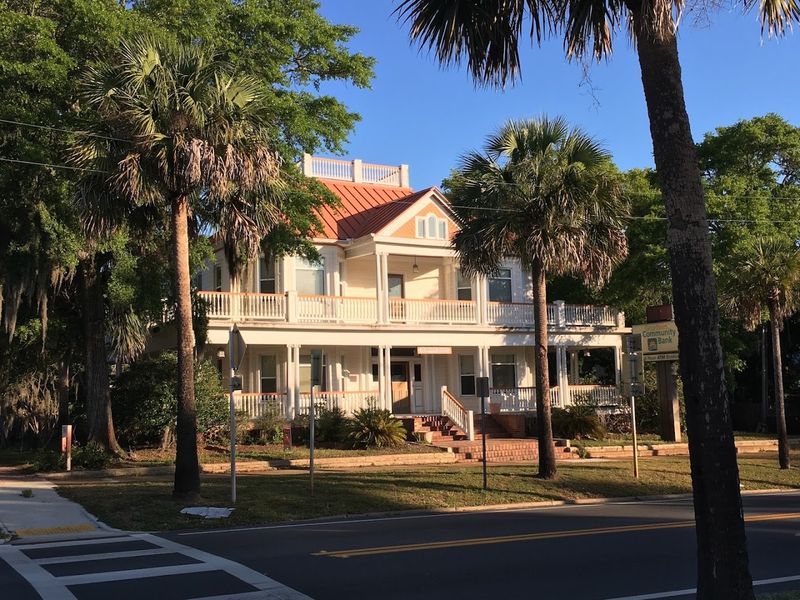
Walking down Avenue E or Commerce Street in Apalachicola feels like flipping through a beautifully preserved architecture catalog from the 1800s.
The town has more than 900 buildings listed on the National Register of Historic Places, which is a staggering number for a city this size and a fact that earns genuine respect from preservation enthusiasts worldwide.
Tall Greek Revival columns frame cotton merchant mansions that date back to the mid-19th century, when Apalachicola was one of the busiest cotton-shipping ports on the entire Gulf of Mexico.
Unlike theme park recreations of historic towns, every building here is the real thing, lived in, cared for, and quietly aging with dignity.
Wraparound porches, decorative gingerbread trim, and original heart pine floors are standard features rather than luxury upgrades in many of these structures.
Strolling through downtown without a camera feels almost irresponsible, because the light hitting those old facades in the late afternoon is something your eyes will want to remember.
Oysters So Famous They Have Their Own Festival
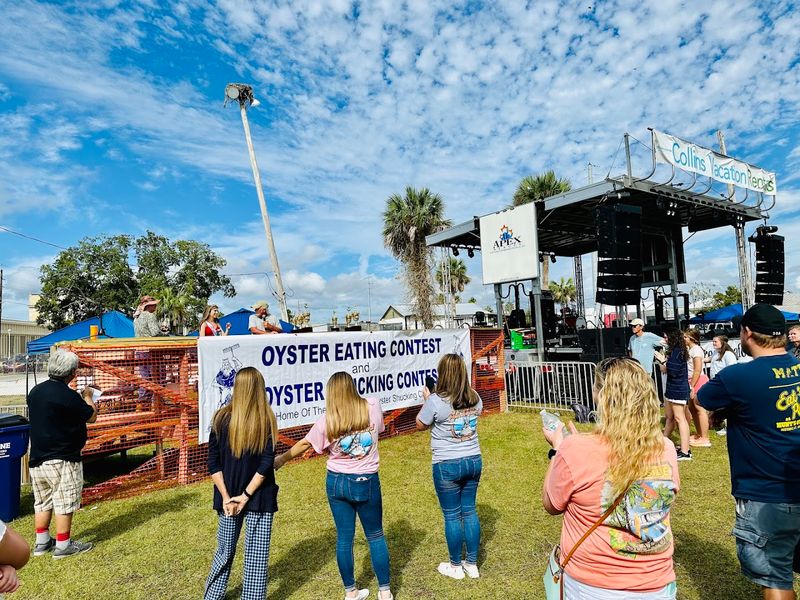
Apalachicola oysters have a reputation that travels far beyond Florida’s borders, and after tasting one straight from the bay, you will understand exactly why.
The unique mix of fresh river water and salt water in Apalachicola Bay creates a flavor profile that oyster lovers describe as clean, briny, and buttery all at once, which is a combination most coastal towns spend decades trying to replicate.
At its peak, the region produced about 90 percent of Florida’s oysters and around 10 percent of the nation’s entire supply, making this small harbor town a genuinely significant player in American seafood history.
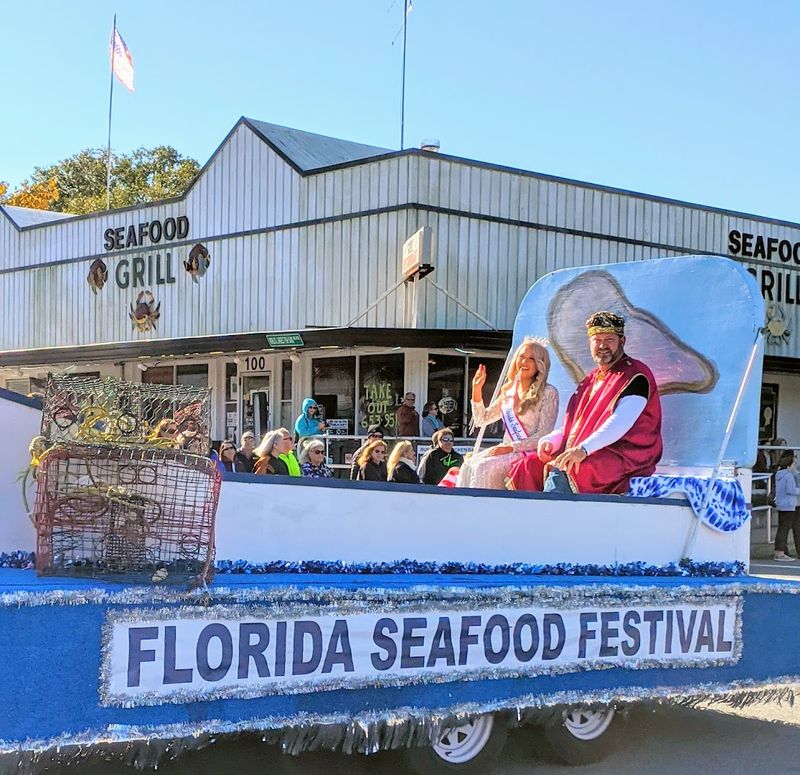
Every November, the Florida Seafood Festival transforms the waterfront into a celebration of all things fresh and local, drawing tens of thousands of visitors who come specifically for the oysters.
Raw bars like Up The Creek Raw Bar serve them simply on the half shell, letting the natural flavor do all the talking without any unnecessary fuss.
Honest, local, and delicious is a combination that never really goes out of style.
Streets Quiet Enough To Actually Hear Yourself Think
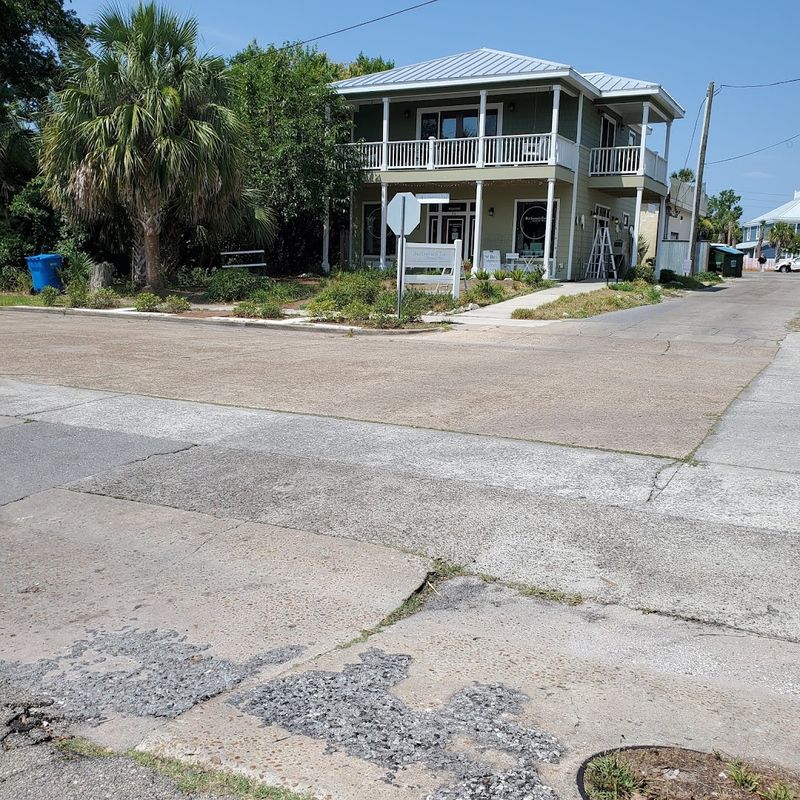
One of the first things you notice after arriving in Apalachicola is the absence of noise, and that absence feels like a gift.
There are no honking horns, no crowded sidewalks, and no long lines snaking out of restaurants because the town simply does not operate at that kind of frantic pace.
With a population hovering just above 2,300 people, the streets have a natural quiet that most American towns lost somewhere around the mid-20th century, and somehow Apalachicola held onto it.
That stillness makes even ordinary moments feel meaningful, like sipping a cup of coffee on a porch while watching a single truck roll slowly past an 1830s storefront.
European villages in Tuscany or Provence are praised for this exact quality, the ability to slow a person down simply by existing in a certain way, and Apalachicola delivers it without a passport requirement.
Slow travel, it turns out, does not always require a plane ticket.
A Living History Museum You Can Actually Walk Through
History in Apalachicola is not locked behind velvet ropes or displayed under fluorescent museum lighting.
It is right there on the sidewalk, embedded in the brickwork, carved into the wooden storefronts, and explained on the dozens of historical markers that dot the downtown area like a self-guided textbook you can read at your own pace.
The town played a central role in Florida’s antebellum economy, serving as a major port for cotton exports from the Deep South during the 1800s, and the architecture reflects that era of commercial ambition with remarkable authenticity.
The Apalachicola Historic District encompasses a huge swath of downtown, and walking through it is the kind of experience that makes history feel urgent and alive rather than dusty and distant.
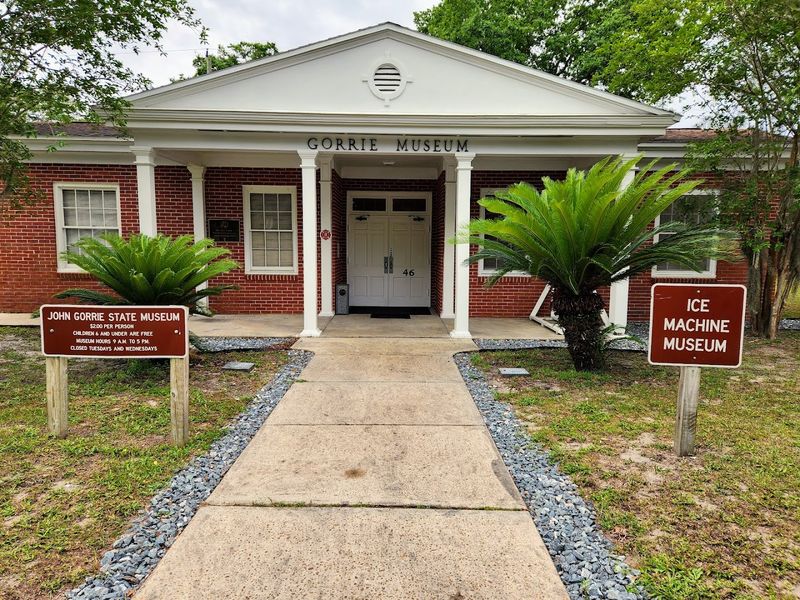
The John Gorrie Museum State Park, located at 46 Sixth Street, honors the physician who invented the ice machine here in the 1840s, a contribution that eventually made modern air conditioning possible.
Not bad for a town most people have never heard of.
Independent Shops And Art Galleries That Reward Slow Wandering

Big-box retail has not made much of a dent in Apalachicola, and the shopping scene is genuinely better for it.
Downtown is lined with independently owned boutiques, antique stores, and galleries that carry the kind of one-of-a-kind items you simply cannot order online, things made by local hands or sourced from the surrounding region with obvious care and intention.
The Apalachicola Center for History, Culture and Art showcases rotating exhibits that highlight the artistic and historical identity of the area, giving visitors a deeper sense of what makes Franklin County distinct from the rest of Florida.
Browsing here feels less like shopping and more like treasure hunting, because you genuinely do not know what you will find around the next corner, whether it is a hand-painted watercolor of the bay or a piece of antique nautical equipment.
Small towns in southern France and Portugal are celebrated for exactly this kind of locally rooted retail culture, and Apalachicola holds its own with no difficulty.
Every purchase feels like a story worth bringing home.
The Kind Of Sunsets That Make People Reconsider Their Life Choices
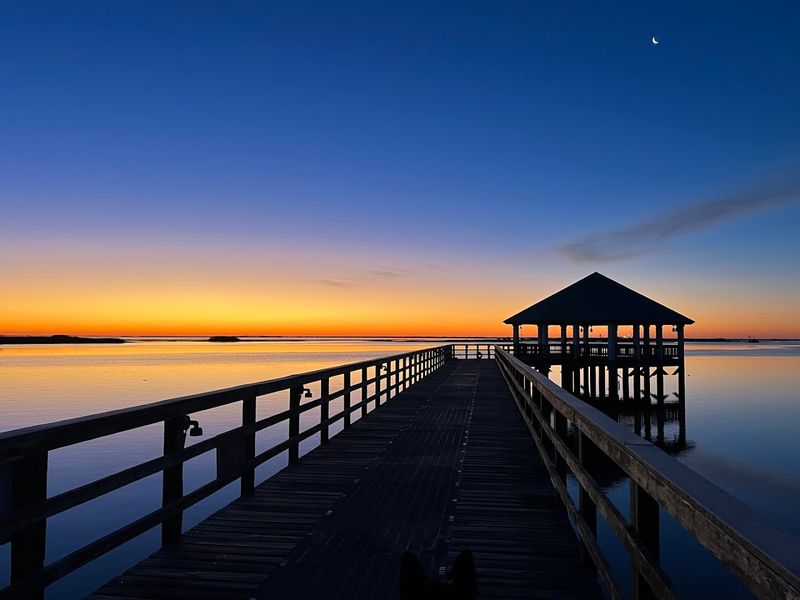
Sunsets in Apalachicola operate on a different level than most places, and that is not an exaggeration anyone who has seen one would disagree with.
Because the town sits on the bay rather than directly on the open Gulf beach, the water is calmer at dusk, which means the colors in the sky get a perfect mirror image below, doubling the visual drama without any extra effort.
Shades of deep orange, soft coral, and electric pink spread across the horizon in a slow, unhurried display that feels almost theatrical in its pacing.
Locals gather at the waterfront and at Battery Park almost every evening to watch, which tells you something important about the quality of the show.
Photographers, painters, and people who simply need a reminder that the world is genuinely beautiful all find what they are looking for here at the same time every day.
Some sunsets make you reach for your phone, but the best ones make you put it down entirely, and Apalachicola regularly delivers the latter.
Wildlife So Close It Practically Introduces Itself
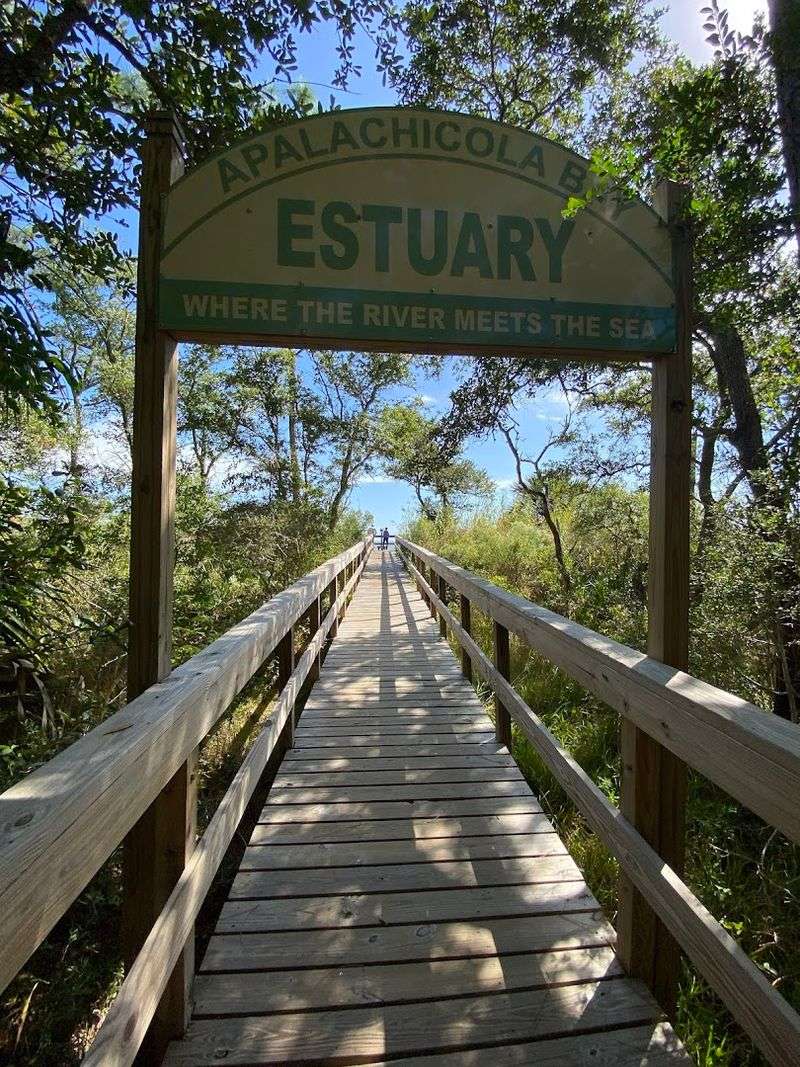
Nature in Apalachicola does not keep a polite distance, and that is one of the most charming things about the place.
The surrounding area includes St. George Island State Park, Tate’s Hell State Forest, and the Apalachicola National Estuarine Research Reserve, creating a network of protected habitats that supports an almost absurd variety of wildlife within a short drive of downtown.
Great blue herons stand motionless on dock pilings like feathered statues, ospreys circle overhead with suspicious focus, and bottlenose dolphins occasionally cruise through the bay in small groups that seem entirely unbothered by human onlookers.
Kayaking through the estuary puts you at eye level with the marsh grasses and tidal creeks where this ecosystem quietly thrives, and guided tours are available for visitors who want context along with the scenery.
The Apalachicola River itself is one of Florida’s most biologically diverse waterways, supporting over 300 species of fish, birds, and reptiles.
For wildlife enthusiasts, this town is basically a living field guide with better coffee.
Fresh Seafood That Spoils You For Everywhere Else
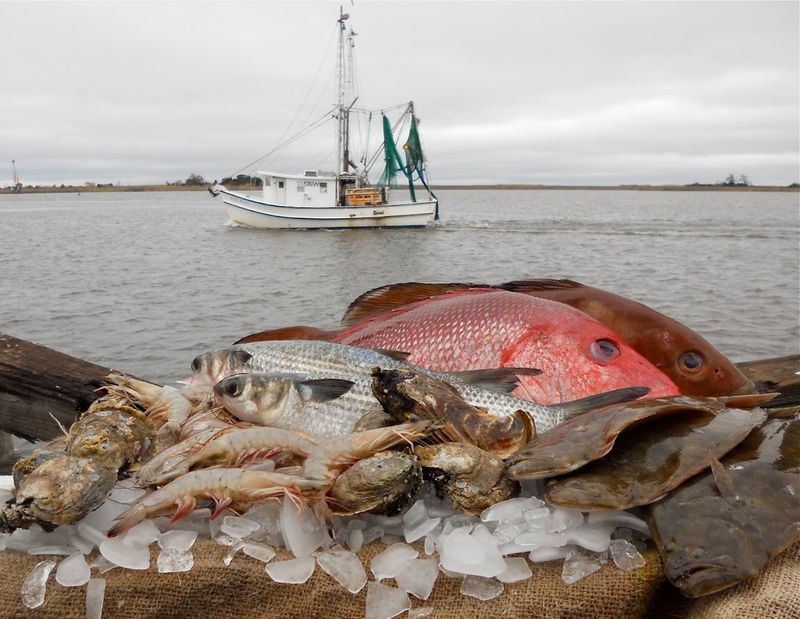
Eating in Apalachicola is one of those experiences that quietly ruins you for lesser seafood towns, and most visitors figure that out somewhere between the first shrimp and the second plate of grilled grouper.
Because the fishing boats operating out of Apalachicola Bay bring their catch in fresh daily, the seafood served at local restaurants has a quality and immediacy that frozen-at-sea alternatives simply cannot compete with.
Restaurants like Tamara’s Cafe, which has served the community for years, blend Gulf Coast ingredients with Southern cooking traditions to create dishes that feel rooted in place rather than assembled from a generic coastal menu.
Blue crab, Gulf shrimp, flounder, and of course the famous oysters rotate through menus depending on the season, which keeps things interesting and honest.
Eating this way, close to the source and guided by what is actually running, is the same philosophy that drives celebrated food cultures in coastal Italy and Spain.
Apalachicola just happens to do it with sweet tea on the side.
A Community Spirit That Makes Visitors Feel Like Neighbors
Small towns either make you feel welcome or they do not, and Apalachicola lands firmly and warmly in the first category.
There is a genuine community identity here built around the bay, the history, and the shared understanding that this place is worth protecting and celebrating, and that pride is visible in how residents interact with visitors.
Shop owners actually talk to you, not with scripted hospitality but with real curiosity about where you are from and what brought you to Franklin County.
Community events like the Florida Seafood Festival and the Apalachicola Historic Homes Tour bring locals and out-of-towners together in a way that feels organic rather than organized, which is a rare and genuinely appealing quality.
The town sits at Florida 32320, and reaching it requires a deliberate choice to head off the beaten path, which means the people who do show up tend to be the kind who actually want to be there.
That shared intention creates a warmth that no marketing campaign could ever manufacture.