
This Small South Carolina Town Tucked In The Blue Ridge Mountains Is Absolutely Stunning
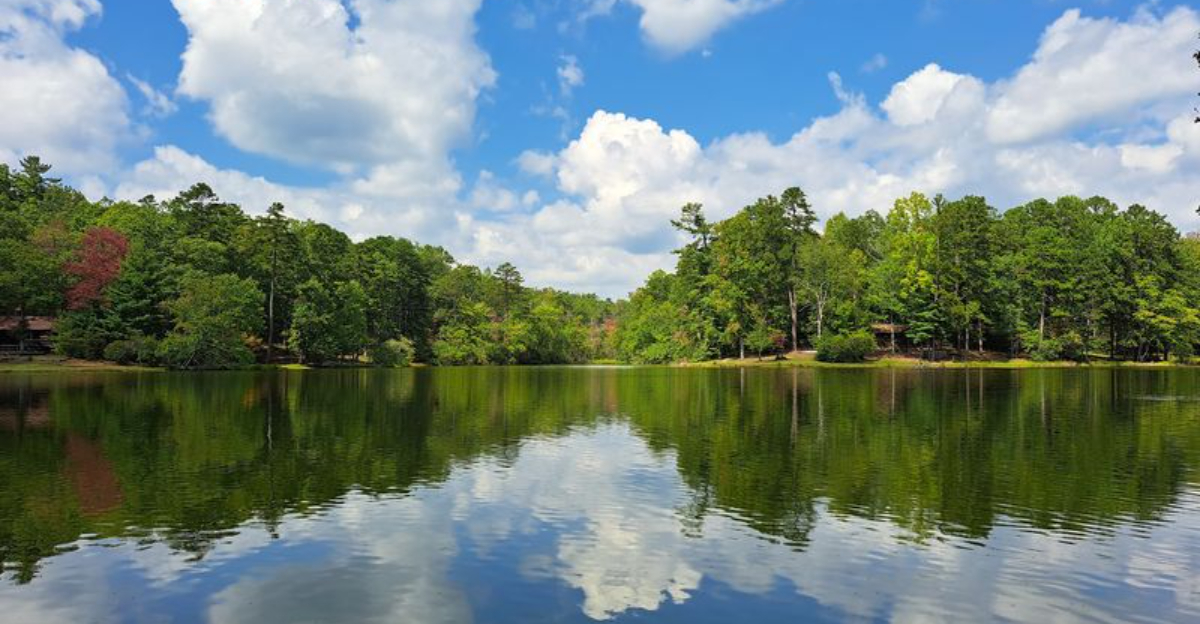
Some towns appear on a map as a small dot and then spend the visit proving the map underestimated them.
South Carolina has one of those places tucked where ridges begin rising above the Piedmont.
The scenery refuses to behave modestly.
Forest-covered slopes frame the horizon, waterfalls tumble through wilderness, and mountain roads curve toward views that make pulling over feel reasonable.
Even the air seems to slow the day down.
South Carolina is known for charm, but this corner of the state offers a kind of beauty.
It feels cooler, greener, and wonderfully removed from crowded itineraries.
History gives the town character.
Nature supplies the drama.
Friendly streets keep everything grounded.
You may arrive expecting a brief stop and leave wondering whether your schedule truly needs you elsewhere.
For travelers seeking mountains without losing small-town warmth, South Carolina hides a place where wild scenery and welcoming streets meet beautifully.
Founded by German Settlers With A Name Straight From Norse Mythology

Back in 1850, a group of German immigrants from the German Colonization Society of Charleston arrived in the South Carolina upstate and planted the seeds of what would become Walhalla.
They named their new town after Valhalla, the legendary hall of Norse mythology where heroes were said to rest, and the name has stuck proudly ever since.
The founders were drawn by the cool mountain air and fertile land, and they built a tight-knit community that still echoes in the town’s culture today.
Walking through Walhalla’s historic downtown, you can feel that original sense of purpose in the well-kept buildings and friendly faces.
The town was designated the county seat of Oconee County in 1868, giving it an official role that matched its already strong community identity.
Few small towns in South Carolina carry a backstory this layered, this international, and this genuinely fascinating all at once.
The Blue Ridge Escarpment Creates Scenery That Feels Almost Unreal
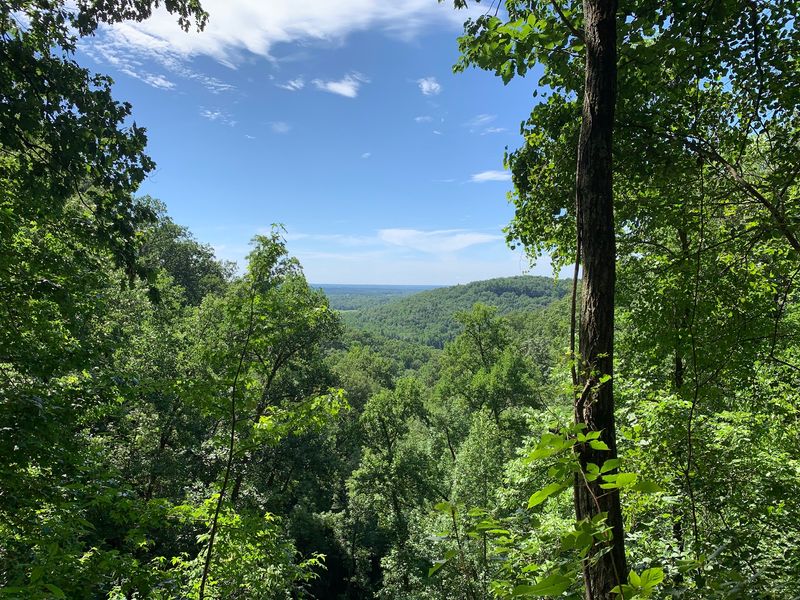
Walhalla sits right at the edge of the Blue Ridge Escarpment, one of the most dramatic geographic transitions in the entire eastern United States.
This escarpment is where the ancient Blue Ridge Mountains drop sharply toward the Piedmont plateau, creating steep gorges, rushing streams, and jaw-dropping overlooks within a short drive of town.
The sheer variety of landscapes packed into such a small area is genuinely surprising for first-time visitors who expect a quiet mountain town and instead find a natural wonderland.
On a clear morning, standing at an overlook near Walhalla, the layers of blue-green ridges stretch out so far that you start to lose count.
This geographic position also blesses the area with a rich diversity of plant and animal life, from wildflowers in spring to vibrant foliage in autumn.
The escarpment is not just scenery; it is the engine behind everything that makes Walhalla’s outdoor world so remarkably rich and rewarding.
Waterfalls Are Practically Around Every Corner Here
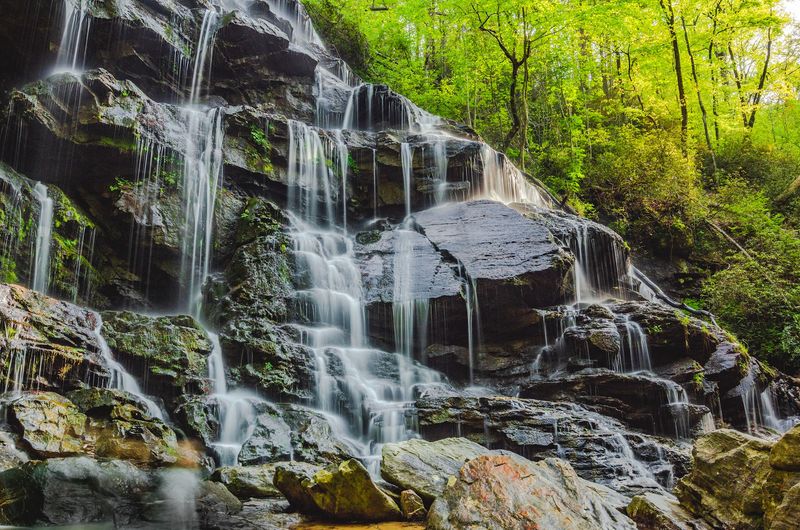
If waterfalls are your thing, Walhalla might just rearrange your entire travel priority list.
The area around Walhalla is home to an extraordinary number of waterfalls, including Issaqueena Falls, Station Cove Falls, and the famous Yellow Branch Falls, all within easy reach of the city.
Yellow Branch Falls, located in the Sumter National Forest, drops about 50 feet over a wide ledge of rock into a shallow pool, and the hike to reach it is genuinely enjoyable for most fitness levels.
Station Cove Falls sits inside Oconee State Park and rewards hikers with a dramatic multi-tiered cascade tucked deep in a hemlock and rhododendron forest.
Issaqueena Falls carries its own local legend, tied to a Cherokee woman named Issaqueena, adding a layer of storytelling to an already beautiful spot.
Chasing waterfalls around Walhalla never gets old, because each one has its own personality, its own sound, and its own kind of magic.
Oconee State Park Offers An Outdoor Playground Right Next Door
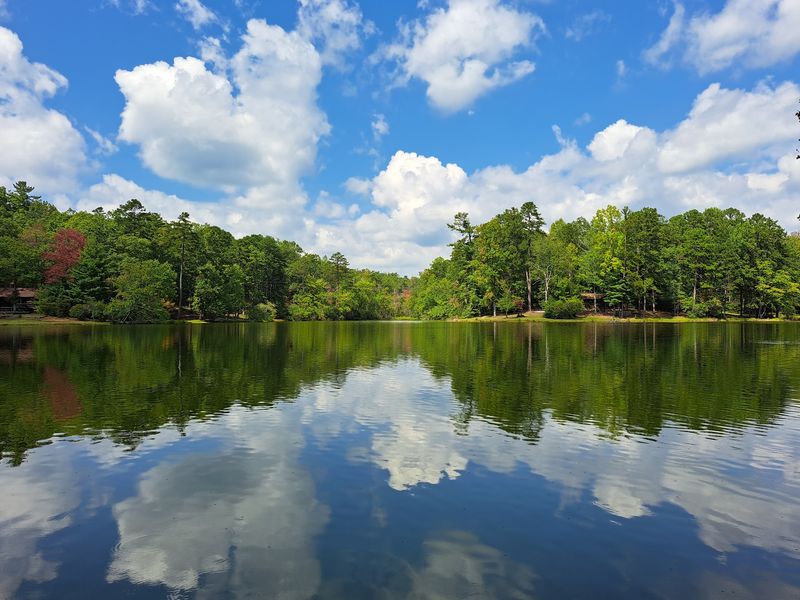
Just a short drive from downtown Walhalla sits Oconee State Park, a beloved outdoor retreat that has been welcoming visitors since the 1930s.
The park was built largely by the Civilian Conservation Corps during the Great Depression, and many of the original stone and timber structures still stand today, giving the park a timeless, rustic character.
Two lakes inside the park offer fishing, kayaking, and paddle boating, making it easy to spend a full day on the water without going anywhere near the ocean.
Hikers can explore trails that wind through dense forests, past mountain streams, and up to ridgeline views that make every step feel worthwhile.
Cabins and campsites inside the park fill up quickly during peak season, so booking early is a smart move if you want to stay overnight.
Oconee State Park is the kind of place that turns a weekend trip into a full-blown mountain memory you will be talking about for years.
The Stumphouse Tunnel Is One Of the Most Unusual Landmarks In The State
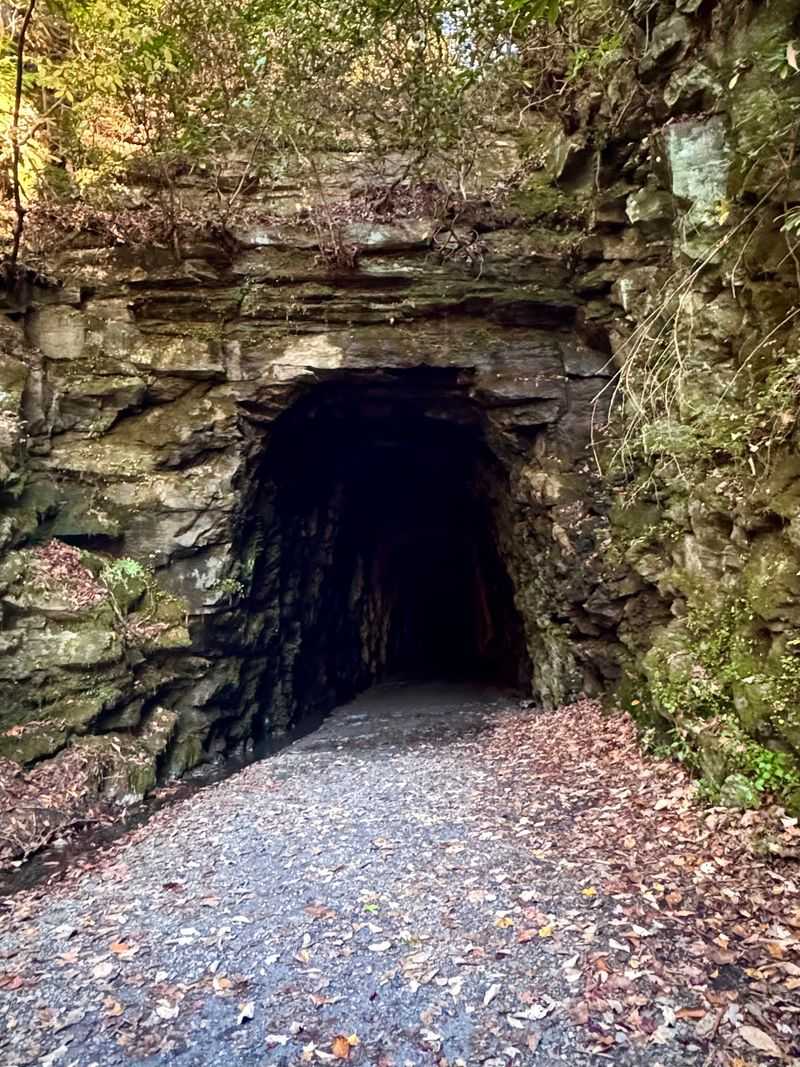
Hidden in the mountains just outside Walhalla is one of South Carolina’s most unexpected historical sites: the Stumphouse Tunnel.
Construction on this railroad tunnel began in the 1850s as part of an ambitious plan to connect Charleston to the Midwest by rail, but the project was abandoned before completion, leaving behind a 1,600-foot-long tunnel bored straight into the granite mountain.
Walking into the tunnel is a genuinely cool experience, both literally and figuratively, since the temperature inside stays around 50 degrees Fahrenheit year-round, which made it a perfect spot for Clemson University to age blue cheese there in the 1940s and 50s.
Right next to the tunnel entrance, Issaqueena Falls drops dramatically down the mountainside, giving visitors two remarkable sights in one short stop.
The tunnel is now part of Stumphouse Mountain Heritage Preserve and is open to the public free of charge.
Few places in South Carolina pack this much history, geology, and quirky cheese lore into one single parking lot.
Fall Foliage In Walhalla Turns The Mountains Into A Living Painting
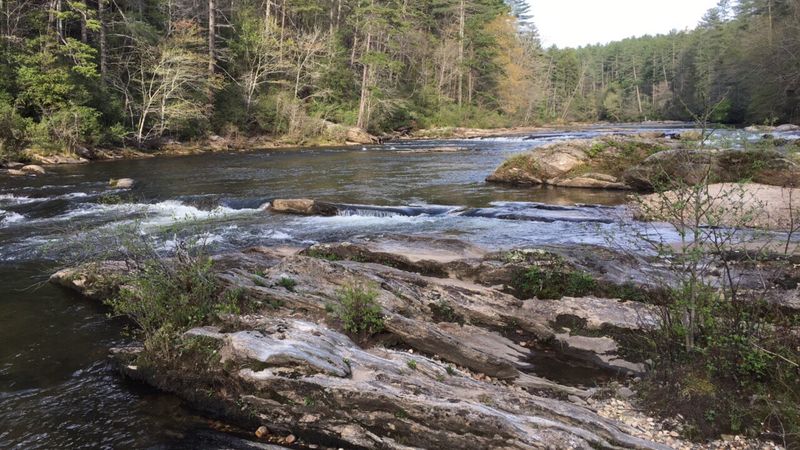
When autumn rolls through the Blue Ridge foothills, Walhalla transforms into one of the most visually stunning places in the entire Southeast.
The combination of elevation, diverse tree species, and the dramatic terrain of the escarpment creates a foliage display that rivals anything you will find in New England, and without the crowds.
Peak color in the Walhalla area typically arrives in mid to late October, when maples, oaks, sweetgums, and tulip poplars all compete to put on the most brilliant show.
Driving along Highway 28 or winding through the Sumter National Forest during this time feels like moving through a slow-motion fireworks display of color.
Hiking trails that are beautiful in summer become absolutely breathtaking in fall, with every overlook offering a new reason to stop, stare, and take far too many photos.
Locals will tell you that once you spend a fall in Walhalla, planning your return trip for next October becomes automatic.
The Chattooga River Runs Wild Along The County’s Edge

Adventure seekers have been heading to the Chattooga River for decades, and once you see it, the reason is immediately obvious.
This federally designated Wild and Scenic River forms the border between South Carolina and Georgia just west of Walhalla, and it is considered one of the finest whitewater rivers in the eastern United States.
The Chattooga’s rapids range from gentle floats to intense Class IV and V sections that demand real skill and respect, making it a destination for both casual paddlers and seasoned whitewater enthusiasts.
Fishing along the Chattooga is equally rewarding, particularly for trout, and the river’s clear, cold water draws fly fishermen from across the region throughout the year.
The surrounding forest along the riverbanks is stunning in every season, with towering hemlocks, rhododendron tunnels, and the constant sound of moving water setting the mood.
The Chattooga is the kind of river that earns a permanent spot on your outdoor bucket list after just one visit.
Walhalla’s Historic Downtown Has A Charm That Chain Stores Cannot Replicate

There is something refreshingly real about walking through downtown Walhalla on a quiet weekday morning when the town is just waking up.
The historic district features well-preserved 19th and early 20th century buildings that house local shops, restaurants, and community spaces, giving the area a lived-in authenticity that carefully curated tourist towns often lack.
The Walhalla Civic Auditorium, built in 1940, anchors the downtown area and still hosts community events, performances, and local gatherings that bring residents together throughout the year.
Independent eateries and small businesses line the main streets, offering everything from homestyle Southern cooking to locally made crafts and gifts worth taking home.
The Oktoberfest celebration held each fall is a direct nod to the town’s German heritage and draws visitors from across the region for food, music, and community spirit.
Downtown Walhalla is not a theme park version of small-town America; it is the real, breathing, slightly imperfect version, and that is exactly what makes it special.
Sumter National Forest Wraps The Town In Millions Of Acres Of Wild Beauty
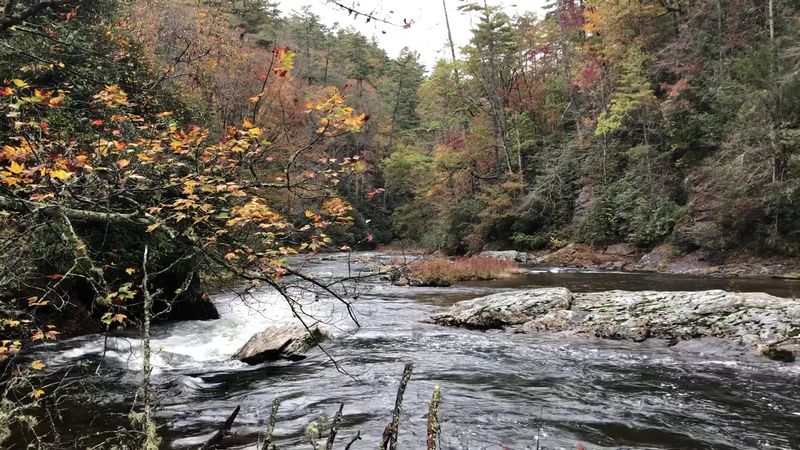
Walhalla does not just sit near a national forest; it is essentially wrapped in one, which changes the entire feel of the place.
The Andrew Pickens Ranger District of Sumter National Forest surrounds the Walhalla area with hundreds of thousands of acres of protected wilderness, offering hiking, mountain biking, camping, fishing, and wildlife watching on a grand scale.
The forest is home to white-tailed deer, black bears, wild turkeys, and countless bird species, making it a rewarding destination for wildlife enthusiasts at any time of year.
Trails inside the forest range from easy, flat walks along streams to challenging ridge climbs that reward hikers with sweeping mountain views and a satisfying sense of accomplishment.
The Foothills Trail, one of the most celebrated long-distance hiking trails in the Southeast, passes through the forest and offers serious hikers a multi-day adventure of exceptional quality.
Having this much protected wild land so close to a small town is a rare gift, and Walhalla wears it well.
Walhalla Is A Year-Round Destination With Something For Every Season
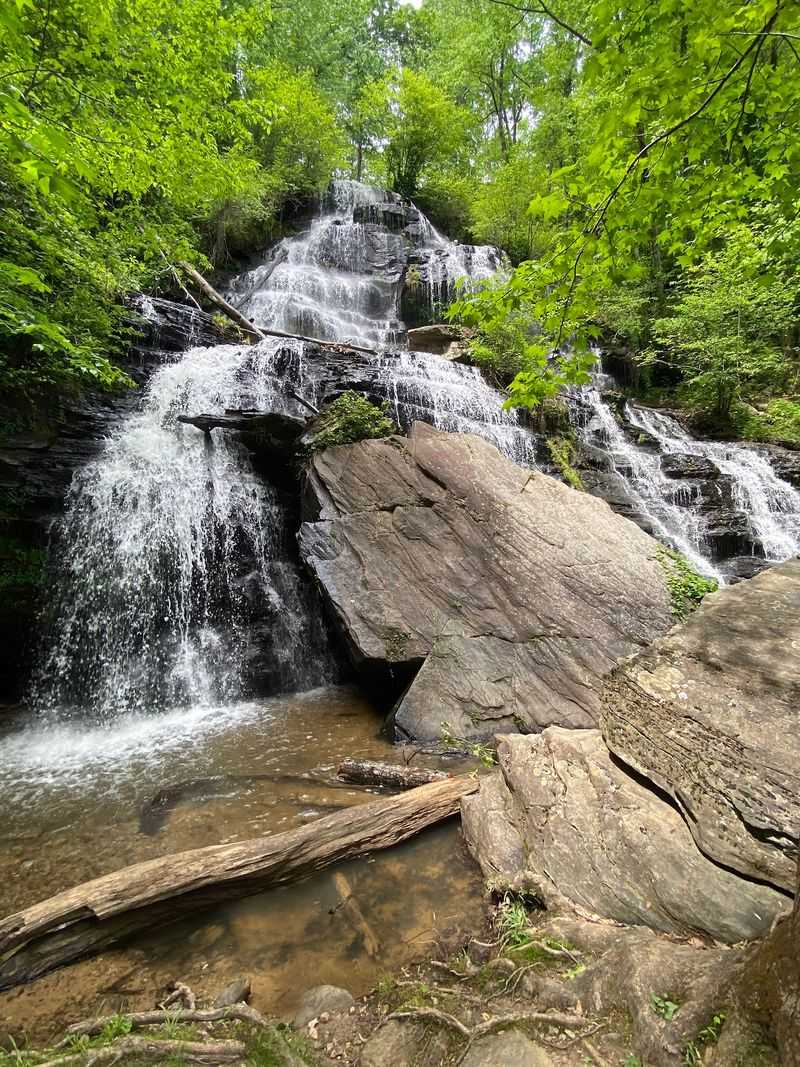
One of the most underrated things about Walhalla is that the calendar never runs out of good reasons to visit.
Spring brings an explosion of wildflowers, blooming rhododendrons, and rushing waterfalls swollen with mountain runoff, turning every trail into a sensory experience that feels almost too good to be real.
Summer offers cool relief from the lowland heat, with shaded forests, cold mountain streams perfect for wading, and long daylight hours that make it easy to pack multiple adventures into a single day.
Fall delivers that spectacular foliage show across the escarpment and surrounding hills, drawing photographers and leaf-peepers who return year after year for a front-row seat to nature’s best performance.
Winter in Walhalla is quiet and peaceful, with occasional light snow dusting the mountain ridges and a stillness in the forests that feels deeply restorative.
Whether you are planning a solo hiking trip, a family road trip, or a quiet getaway, Walhalla has a season with your name written all over it.