
This Stunning Michigan Glass Museum Feels Like Walking Through Light
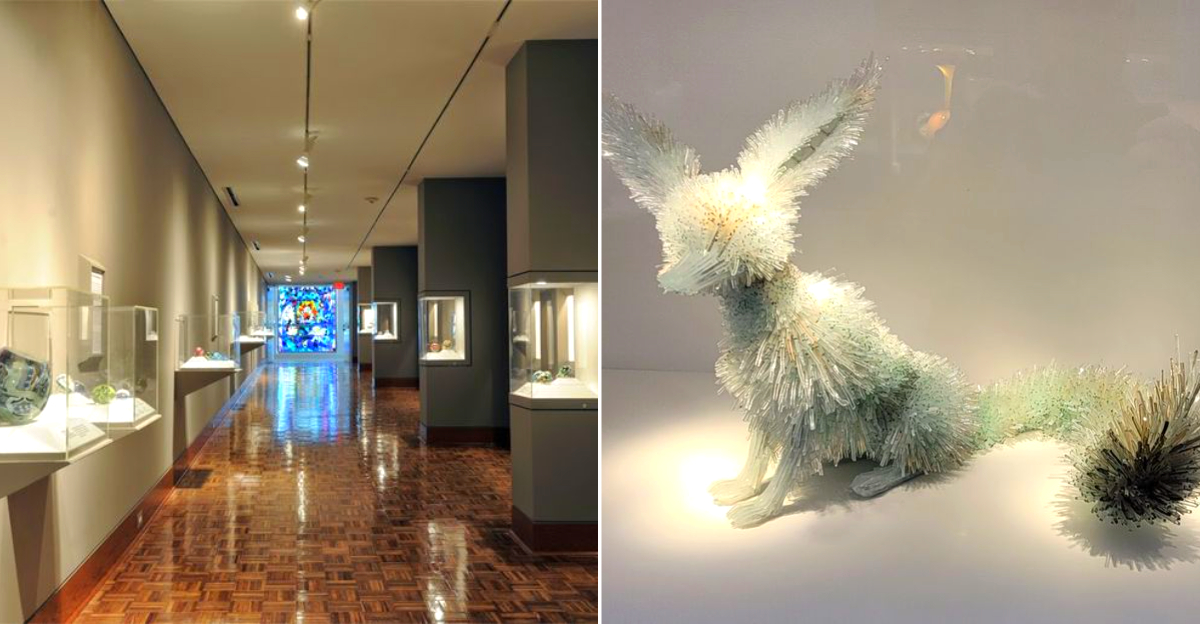
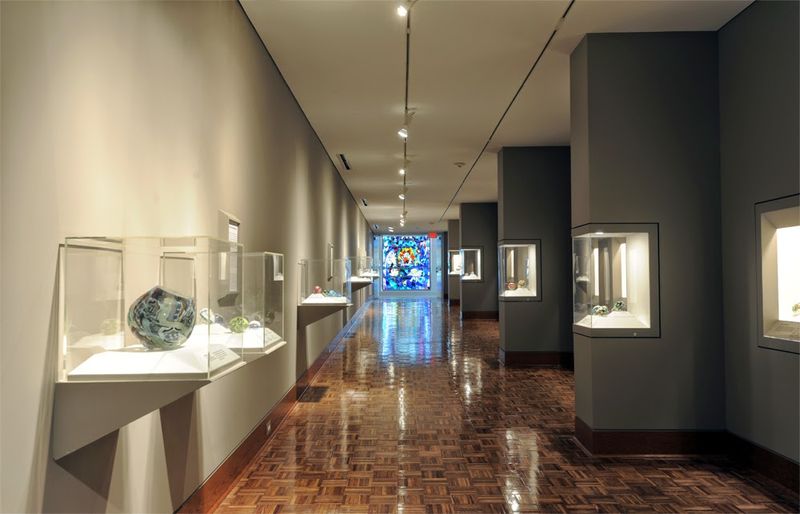
Glass museums can make you behave strangely: suddenly you are leaning toward a vase like it might blink first. Inside this Flint art stop, the galleries feel lit from within, all shimmer, shadow, and impossible patience.
I like rooms where craft refuses to stay polite. A bowl becomes a weather system; a sculpture looks liquid, frozen, botanical, alien, or all four before your brain catches up.
Michigan museum lovers will find luminous glass art, contemporary craft, technical showmanship, and quiet visual surprises that reward slow, curious looking. The best move is to stop speed-walking like culture has a deadline.
Let each case reset your eyes. Notice the surfaces, the balance, the tiny decisions hiding behind all that sparkle.
What seems effortless probably took heat, nerve, and obsession. You leave with the odd feeling that solid things can glow, and ordinary light has been showing off all along, quietly, for you.
Start In The Contemporary Craft Wing
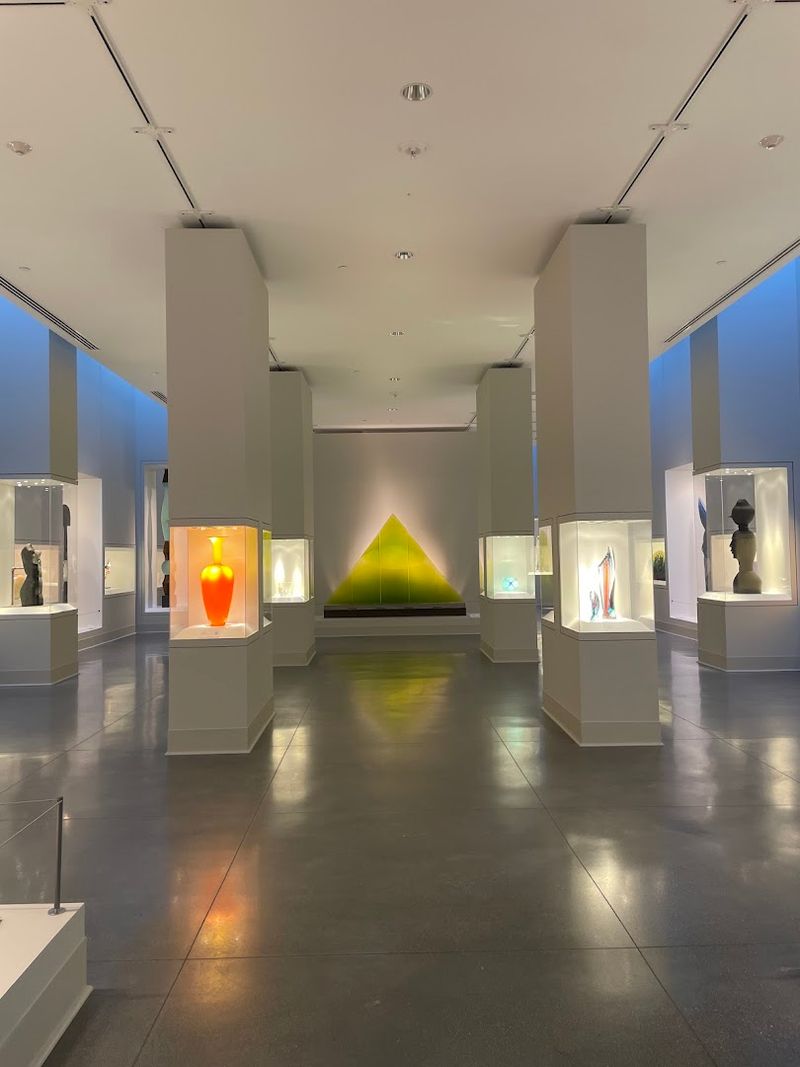
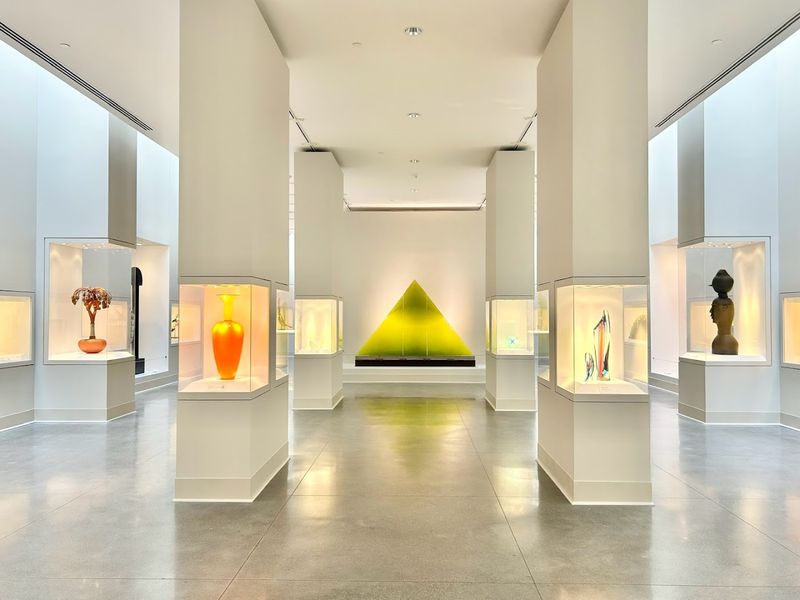
The surest way into the museum’s glass experience is the Contemporary Craft Wing, completed in 2018 and designed to present glass and ceramics as living contemporary art rather than decorative side notes. The spaces feel clean, modern, and generously scaled, which matters because glass needs room to breathe.
Light moves across the surfaces differently as you walk, so the galleries never look fixed.
This wing houses the long-term Sherwin and Shirley Glass Glass Collection from the Isabel Foundation, with work by artists from many countries. Begin here, before your attention gets scattered elsewhere in the museum.
The focused setting makes later detours richer, because you already understand the institution’s confidence in this medium.
The Gem Of Flint’s Art District
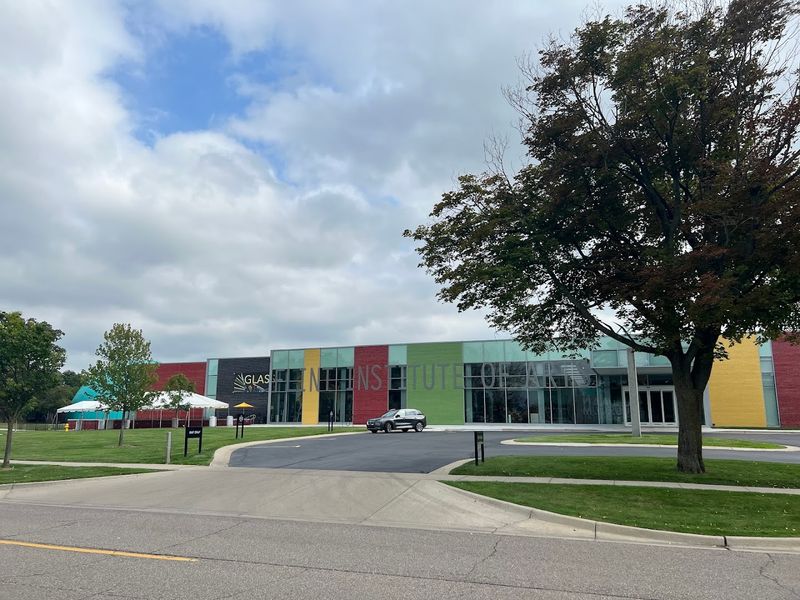
You will find the Flint Institute of Arts at 1120 East Kearsley Street, Flint, Michigan 48503, inside the Flint Cultural Center area, so this is a fairly easy museum stop to plan around.
Aim for East Kearsley Street and slow down once the cultural campus starts coming into view. This is more of a “find the right building and parking area” mission than a stressful downtown maze.
Give yourself a few extra minutes to park, especially if you are pairing the visit with nearby cultural stops. Once you are out of the car, the rest is simple: follow the museum energy and pretend you are not already judging which gallery gets your dramatic entrance.
Look For The Stars, Then Wander Beyond Them
Big names help orient the eye here. The collection includes works by Karen LaMonte, William Morris, Bertil Vallien, Lino Tagliapietra, Howard Ben Tré, Stanislav Libensky and Jaroslava Brychtova, Dante Marioni, Kari Russell-Pool, and Dale Chihuly, among others.
Knowing that in advance gives the galleries a map without making them feel like a checklist.
Still, the smartest approach is to let one famous piece lead you toward something less expected nearby. Karen LaMonte’s Dress Impression with a Train has the kind of hushed presence that stops a room, while Morris can trick the eye into seeing wood or ivory where there is only glass.
That tension between recognition and surprise is the visit’s real pleasure.
Do Not Skip Bertil Vallien’s Passage
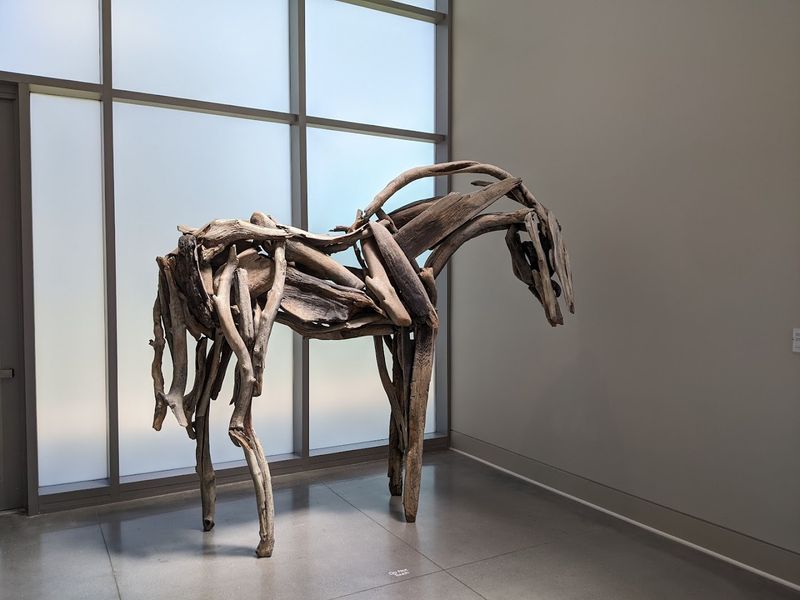
Some museum works ask for admiration, but Passage asks for a physical response. Bertil Vallien’s monumental installation has genuine weight and drama, yet it also carries that strange glass paradox of being massive and somehow ghostly at once.
The piece anchors the galleries without pinning them down, which is harder to achieve than it looks.
Stand back first, then move closer. From a distance, the installation reads as a unified event; up close, the surfaces and internal effects become more complex and more humanly made.
It is one of the clearest examples here of glass functioning as architecture, theater, and sculpture in the same breath, all while staying deeply material.
Watch The Hot Shop When It Is Running
The museum’s Hot Shop adds heat, sound, and timing to a visit that might otherwise stay purely contemplative. Public glassblowing demonstrations are offered on Saturdays from 11 AM to 4 PM and Sundays from 1 PM to 4 PM, and they are free to watch.
That schedule matters if you want to connect the finished gallery pieces to the labor behind them.
The room has stadium-style seating, so the action is easy to follow without jostling for position. Seeing molten glass gathered from a roughly 2100 degree Fahrenheit furnace changes how the galleries read afterward.
Delicate forms stop seeming effortless, and you leave with a sharper sense of both risk and choreography.
Notice How Many Techniques Are In The Room
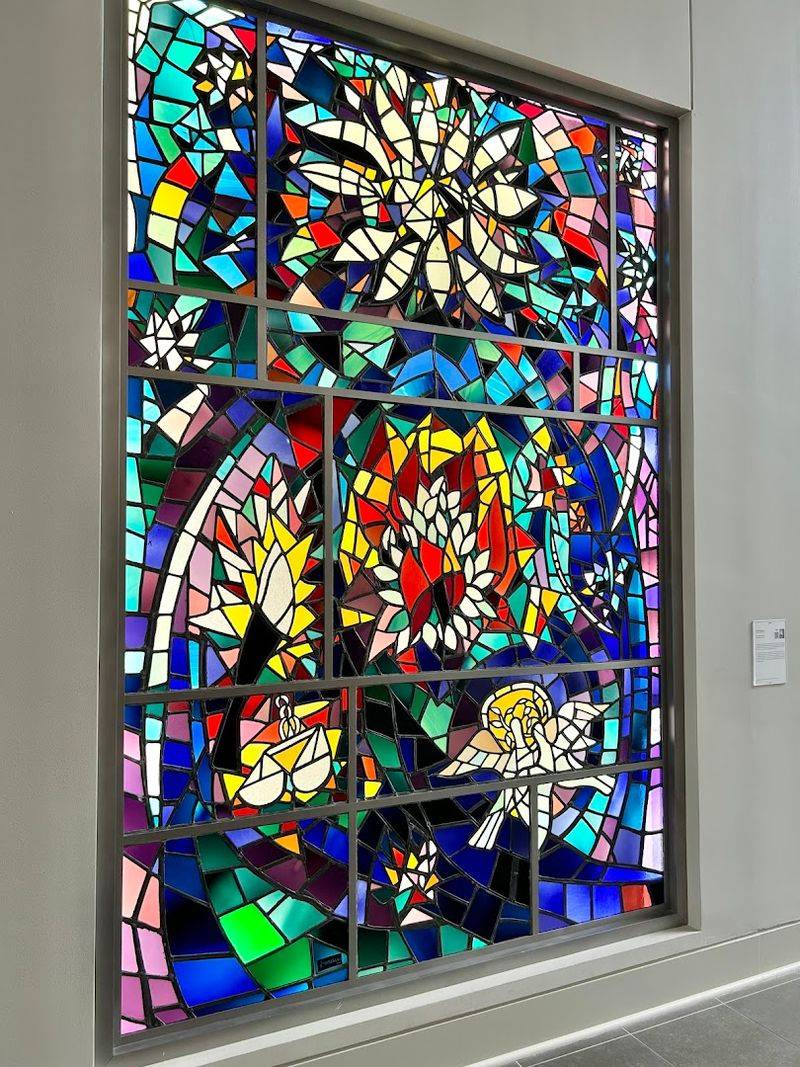
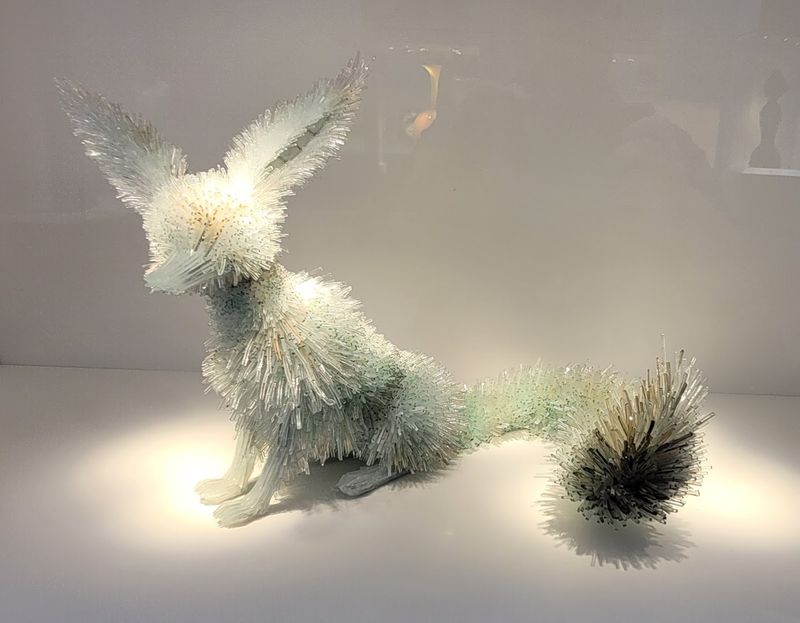
One of the pleasures here is realizing that “glass art” is not one trick wearing different outfits. Some pieces feel blown into being with breath and speed, while others look carved, cast, layered, fused, polished, or patiently built through processes that seem almost unreasonable.
That variety keeps the room alive. You are not just comparing colors and shapes; you are slowly noticing how each object carries a different relationship to heat, pressure, gravity, surface, and time.
Look for the pieces that confuse your expectations. A form may seem soft but be rigid, ancient but contemporary, heavy but strangely weightless.
The more techniques you notice, the less the gallery feels like a display case and more like a quiet argument for obsession.
Use The Audio Guide To Slow Your Eyes
Glass can seduce you into looking only at shine, contour, and color. The museum’s audio guides are helpful because they add process, context, and artist intention without forcing a classroom mood over the experience.
That extra layer is especially useful in galleries where abstraction and technical experimentation can otherwise blur together.
What works best is listening selectively rather than treating every stop like homework. A few well-chosen pieces explained in depth can recalibrate how you see the rest of the wing on your own.
When a form that first seemed merely beautiful suddenly reveals a casting method, an illusionistic trick, or a historical connection, the whole visit gains traction.
Check The Temporary Exhibition Gallery
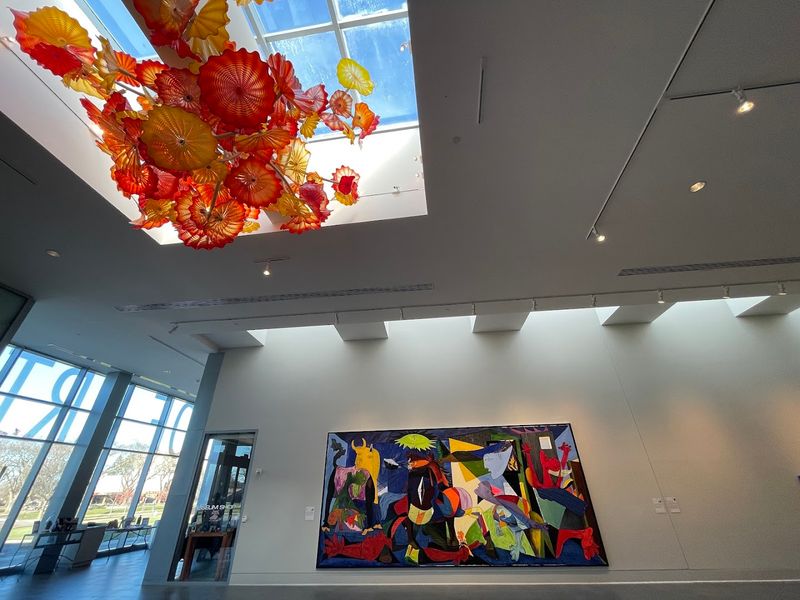
The permanent collection is strong enough to justify the trip on its own, but the temporary exhibition space in the Contemporary Craft Wing adds a useful sense of motion. Rotating shows keep the museum from feeling static and often sharpen your understanding of what the permanent galleries are doing.
It is worth checking the current schedule before you go.
That habit can change the shape of the day. A recent example is A Symphony of Glass: Paperweights From The Ellis Collection, on view from March 1, 2025 through June 14, 2026, which highlights another side of the medium altogether.
Smaller scale, different function, same demand for close looking. The contrast makes the bigger installations feel even more deliberate.
Time Your Visit For The Practical Advantages
Logistics here are unusually friendly, which makes lingering easier. The museum is at 1120 East Kearsley Street in Flint, with regular hours Monday through Thursday 10 AM to 5 PM, Friday 10 AM to 8 PM, Saturday 10 AM to 5 PM, and Sunday 1 PM to 5 PM.
Saturdays are especially attractive because general admission is free that day through Huntington support.
Late Friday hours are another useful option if you prefer a quieter evening rhythm. If you like to move slowly through reflective material, avoiding a rushed afternoon helps.
The glass galleries reward exactly that kind of unhurried attention, where noticing one edge, shadow, or color shift can turn into ten more minutes without any resistance.
Remember There Is A Working School Attached To The Museum
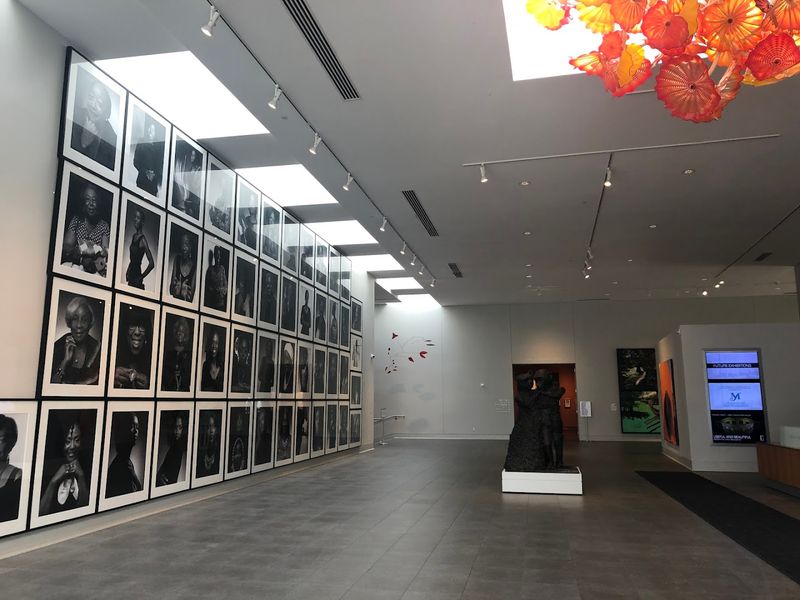
The building is not only a museum. It is also an art school, and that changes the atmosphere in a subtle but important way because making is never far from viewing.
The FIA Art School offers more than 100 classes and workshops in glass, from approachable make-and-take sessions to deeper study. That educational backbone keeps the glass program feeling active rather than commemorative.
Beyond the Hot Shop, the museum also points visitors toward the Cold Shop for finishing work and the Sahar Abdallah Flameworking Studio for torch-based processes. Even if you are not signing up for a class, knowing those spaces exist enriches the galleries.
The finished objects stop seeming miraculous and start looking wonderfully, painstakingly built.
End In The Lobby And Let The Visit Echo
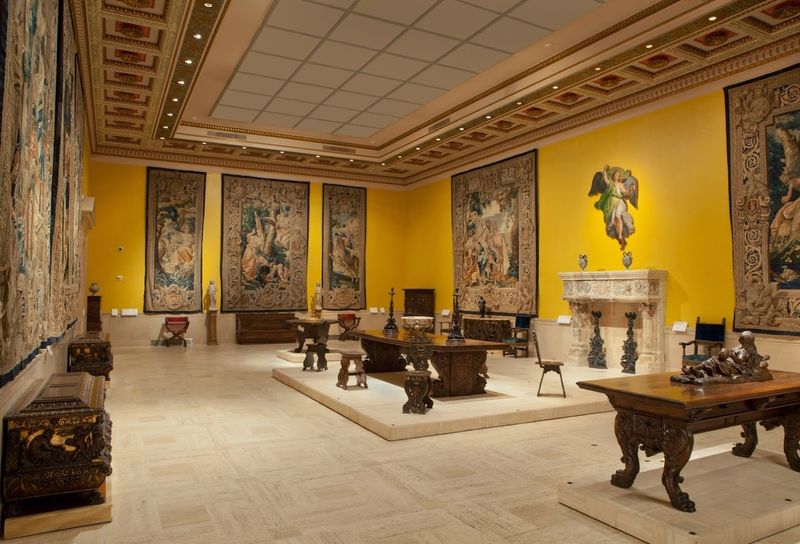
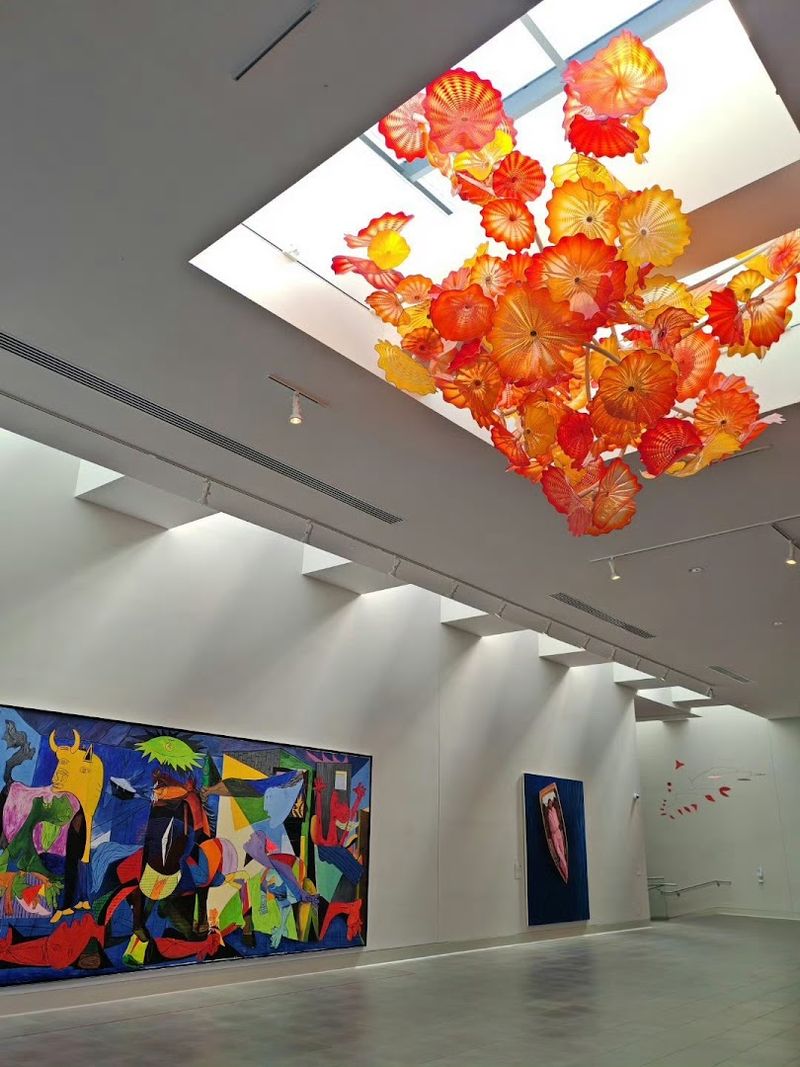
Before leaving, look up in the lobby. The Dale Chihuly Persian Chandelier is an ideal last note because it reminds you that this museum’s glass story does not stay politely contained in one wing.
It spills into the public spaces, catching people before they have even settled into a route. That generosity feels true to the institution.
By the end, the Flint Institute of Arts has usually done something sly to your sense of material reality. Hard things look vaporous, fragile things feel commanding, and color behaves like weather.
That is why the place lingers. You arrive expecting a strong regional museum and leave thinking about light itself, and how expertly this building has learned to hold it.