
This Tiny Florida Island Park Is Only Reachable By Boat And Completely Worth The Trip
The easiest beaches are usually the busiest.
Florida still has places that ask a little more of you.
There is no bridge.
No highway.
No shortcut.
Only a boat ride across calm water.
The mainland slowly disappears behind you.
The noise disappears with it.
That is when the trip really begins.
Florida is famous for lively beach towns, crowded shorelines, and endless rows of umbrellas. This island feels like it belongs to another time.
The sand stretches farther. The water looks clearer.
The only soundtrack is the breeze, the waves, and the occasional call of a seabird.
That is the difference.
Most Florida beaches invite you to arrive, find a spot, and settle in. This one makes you slow down before you even reach the shore.
By the time your feet touch the sand, the rush of everyday life already feels miles away.
Some places impress you the moment you arrive.
This hidden Florida island starts changing the way you feel long before you get there.
The Island Has No Road Access Whatsoever
Most Florida destinations involve a highway exit and a parking lot, but Caladesi Island flips that script entirely by being completely cut off from the mainland by water.
The only way to reach it is by private boat or the ferry that departs from Honeymoon Island State Park, just a short ride across St. Joseph Sound.
I remember standing at the ferry dock and realizing that the absence of a road was not just a quirk but the whole point, because that barrier is exactly what has kept the island so beautifully undisturbed.
No cars, no delivery trucks, and no drive-through lanes means the soundscape is nothing but wind, birds, and the soft rhythm of Gulf waves.
That isolation is not an accident or an oversight; it is a deliberate feature that preserves one of the last truly wild stretches of Florida coastline.
Getting there requires a small commitment, and the island rewards every bit of it generously.
Consistently Ranked Among America’s Best Beaches
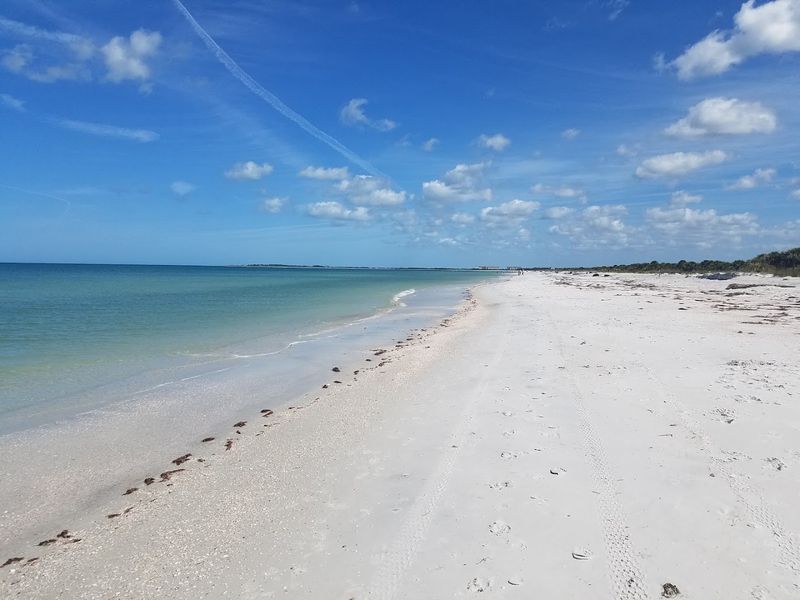
Back in 2008, coastal scientist Stephen Leatherman, widely known as Dr. Beach, ranked Caladesi Island as the number one beach in the entire United States, a title that turns a lot of heads when you first hear it.
That kind of recognition does not come from clever marketing; it comes from genuinely exceptional water clarity, soft quartz sand, and a shoreline that has not been paved over or cluttered with beach chairs for rent.
I walked nearly a mile along the beach without seeing a single piece of litter, which felt almost surreal compared to the crowded strips I had visited elsewhere in Florida.
The sand here has a fine, powdery texture that stays surprisingly cool even on hot afternoons, a small luxury that your bare feet will notice immediately.
Rankings come and go, but the qualities that earned Caladesi that top spot have not changed, because the island itself has barely changed.
Few beaches in America can honestly say the same thing.
The Ferry Ride Is Part Of The Experience
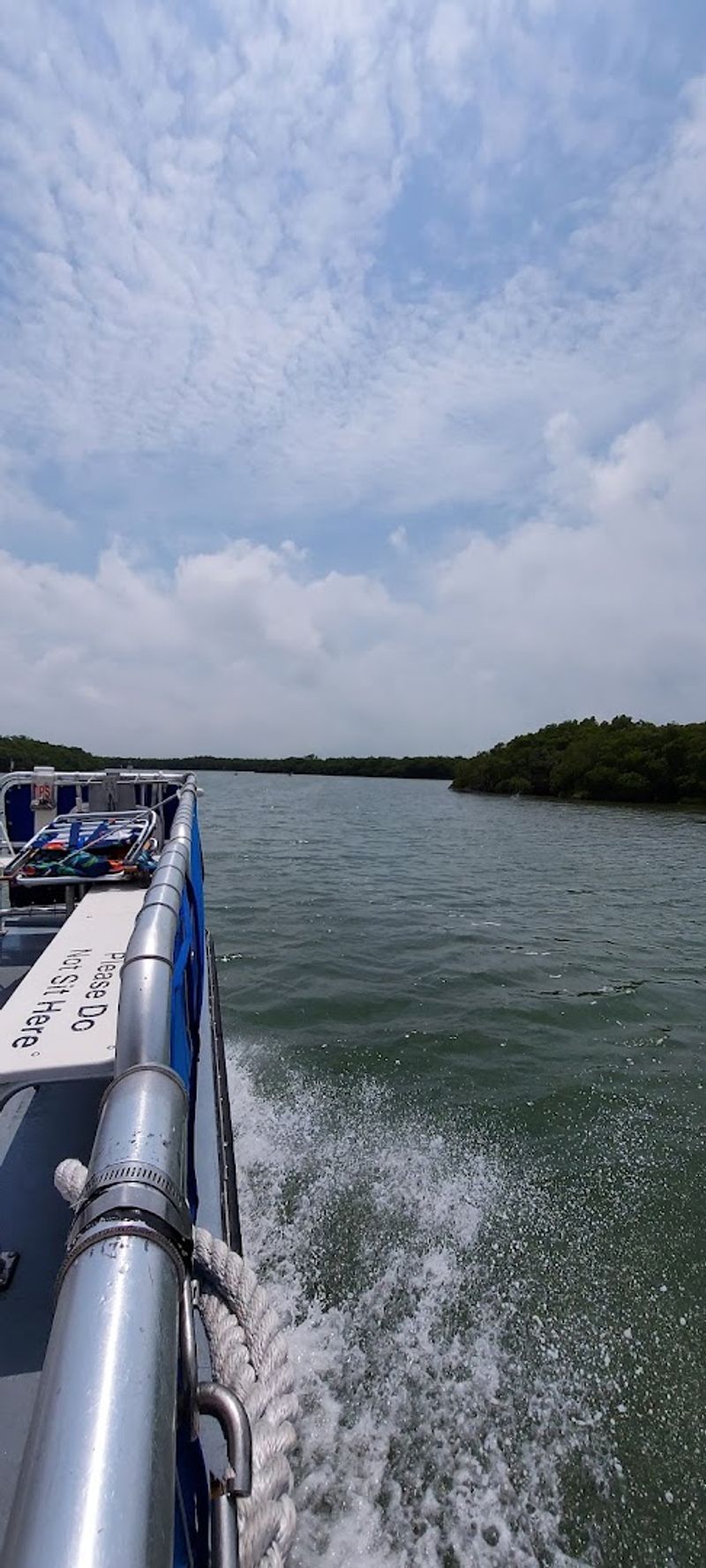
There is something about boarding a ferry that signals to your brain that a real adventure is beginning, and the short crossing to Caladesi delivers exactly that feeling.
The ferry departs from Honeymoon Island State Park and covers the distance in roughly fifteen minutes, which is just long enough to spot a pelican or two skimming the surface and feel the salt air settle into your hair.
I sat on the open-air deck on my visit and watched a family of dolphins pace alongside the boat for a solid two minutes, which made at least half the passengers gasp and scramble for their phones.
The ferry operates on a schedule with limited capacity, so arriving early and checking current departure times before your visit is genuinely useful advice rather than just filler.
That brief water crossing does something clever: it mentally separates you from the mainland in a way that a simple drive never could.
By the time you step off the boat, you are already in island mode.
Wildlife Thrives Here In Remarkable Numbers
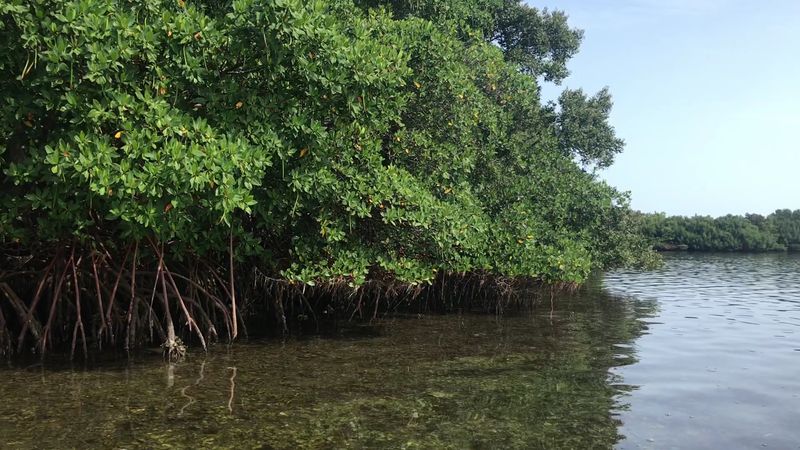
One of the quieter thrills of visiting Caladesi is realizing just how many animals have claimed the island as their territory long before any tourist arrived.
Gopher tortoises lumber across sandy trails with the unhurried confidence of creatures who know they have nowhere better to be, and osprey circle overhead so frequently that you stop pointing them out after the first hour.
I spotted a roseate spoonbill wading in a tidal pool near the mangroves, its flamingo-pink feathers almost too vivid to look real, and I stood still for a full five minutes just watching it feed.
The island also serves as nesting habitat for loggerhead sea turtles, which come ashore from May through October to lay eggs in the beach sand above the tide line.
Rangers work hard to protect those nests, marking them carefully and reminding visitors to keep their distance during nesting season.
Caladesi is not a zoo exhibit; it is a functioning, living ecosystem that happens to let you walk through it.
Three Miles Of Undeveloped Gulf Shoreline Await
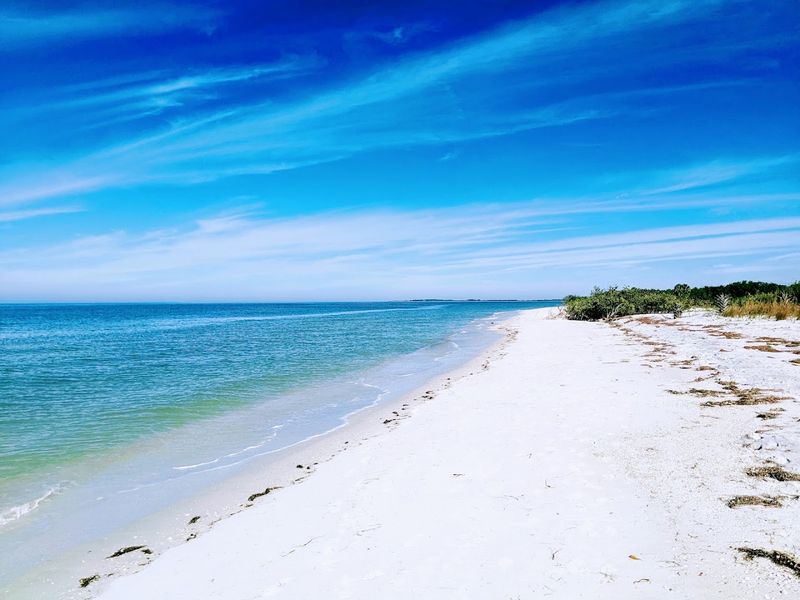
Stretching along the Gulf side of the island are roughly three miles of beach that look almost exactly the way Florida’s coastline looked before widespread development changed so much of it.
No hotels block the horizon, no vendors interrupt the view, and the only structures you will find are the small park facilities near the marina, kept well back from the natural beachfront.
Walking that stretch of shore on a weekday morning, I had long sections entirely to myself, which felt like a privilege that is increasingly rare in a state that attracts tens of millions of visitors each year.
The water along this coast runs in those layered shades of green and blue that people associate with the Caribbean, and the bottom stays shallow and sandy for a good distance out, making it comfortable for swimming at most tide levels.
Shelling is also excellent here because the beach receives fresh deliveries from the Gulf with every incoming tide.
That three-mile stretch rewards slow, unhurried exploration far more than a quick dash to the water’s edge.
A Kayak Trail Winds Through The Mangroves
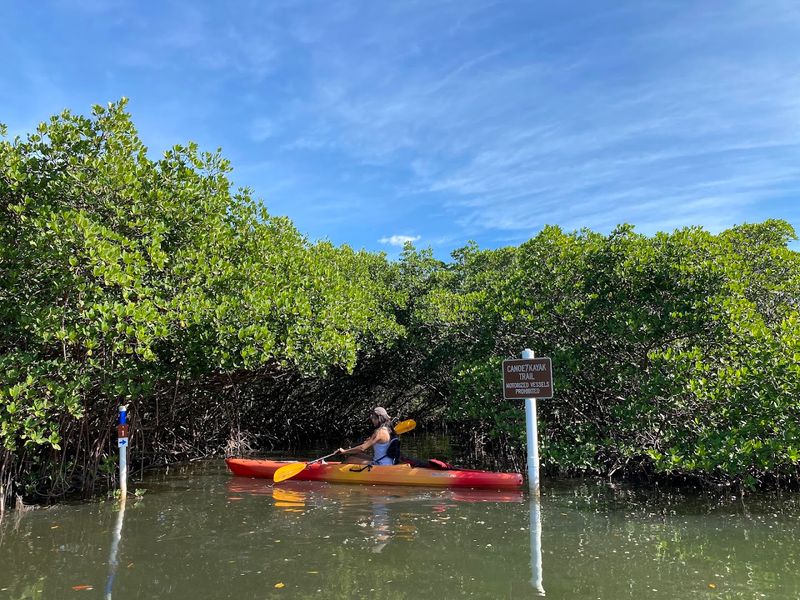
The beach gets most of the attention, but the three-mile kayak trail winding through the island’s interior mangrove system is the kind of hidden feature that turns a good visit into a genuinely memorable one.
Paddling through those tunnels of tangled roots and low-hanging branches feels like entering a completely different world from the open Gulf shoreline just a short distance away.
The trail is marked with numbered posts, which I appreciated because the mangrove channels all start to look alike after the first few turns, and getting turned around out there would be less charming than it sounds.
Kayak and canoe rentals are available at the marina, so you do not need to haul your own gear across on the ferry, which is a practical detail worth knowing before you pack.
I paddled slowly and spotted blue crabs, mullet, and what I am fairly certain was a young nurse shark resting on the sandy bottom beneath my kayak.
The mangrove trail is Caladesi at its most quietly spectacular.
The Park Has Been Protected Since 1967
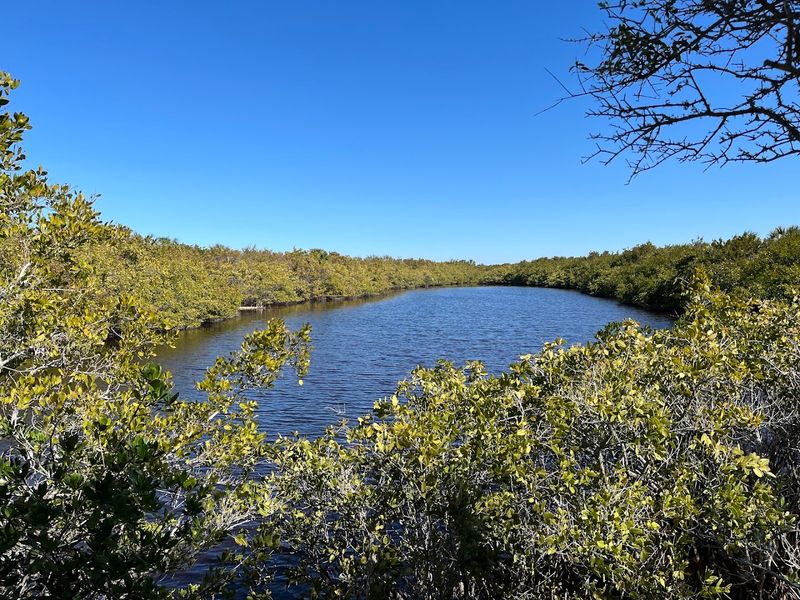
Florida designated Caladesi as a state park in 1967, which means the island has had more than five decades of active protection behind its current pristine condition.
That kind of long-term conservation commitment shows in every detail, from the healthy sea oat populations stabilizing the dunes to the dense mangrove forests that buffer the island’s interior from storm surge.
Before state protection arrived, the island had seen limited private development attempts, but none of them took permanent hold, and the land eventually came under public stewardship where it has remained ever since.
Rangers manage the park with a clear focus on keeping human impact as low as possible, which means some areas are intentionally left without trails or amenities so that wildlife can use them undisturbed.
I found that restraint refreshing, because not every beautiful place needs a boardwalk, a gift shop, and a selfie station to be worth visiting.
Caladesi’s history of protection is honestly a big part of what makes it so worth protecting still.
Sunsets Here Are Genuinely Unforgettable
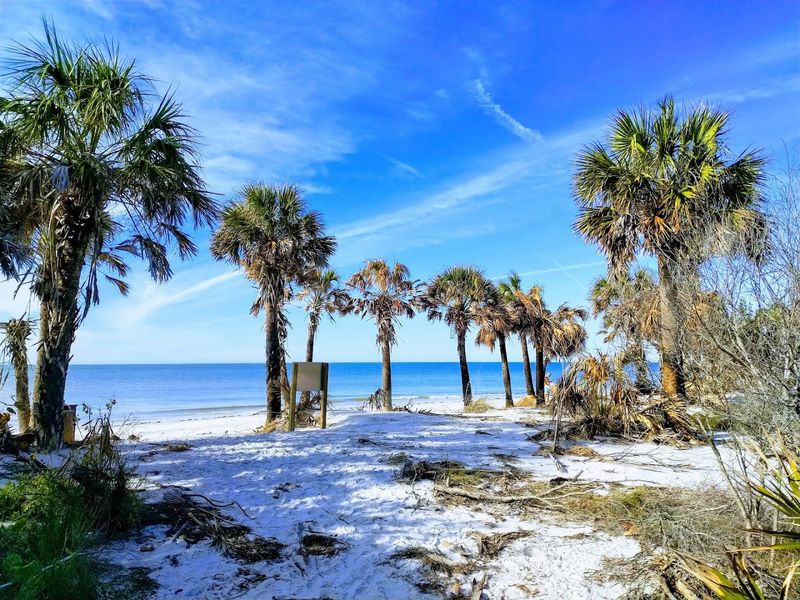
Sitting on a west-facing Gulf beach as the sun drops toward the horizon is one of those experiences that sounds like a travel cliche until you are actually there watching it happen.
Caladesi’s unobstructed western exposure means nothing interrupts the view, no high-rises, no piers, no watercraft traffic at that hour, just a full panoramic display of color spreading across the sky and reflecting off the shallow water.
On my visit, the sunset shifted through peach, deep orange, and a brief intense pink before fading into purple, and I noticed that everyone on the beach had gone completely quiet without anyone suggesting it.
The last ferry back to Honeymoon Island departs before dark, so planning your timing carefully will let you catch the last light without missing your ride back to the mainland.
Checking the exact sunset time and ferry schedule before your visit is one of those small planning details that pays off in a big way.
A Caladesi sunset is the kind of thing you describe to people back home and then feel mildly frustrated that words are not doing it justice.
The Marina Offers Docking For Private Boaters
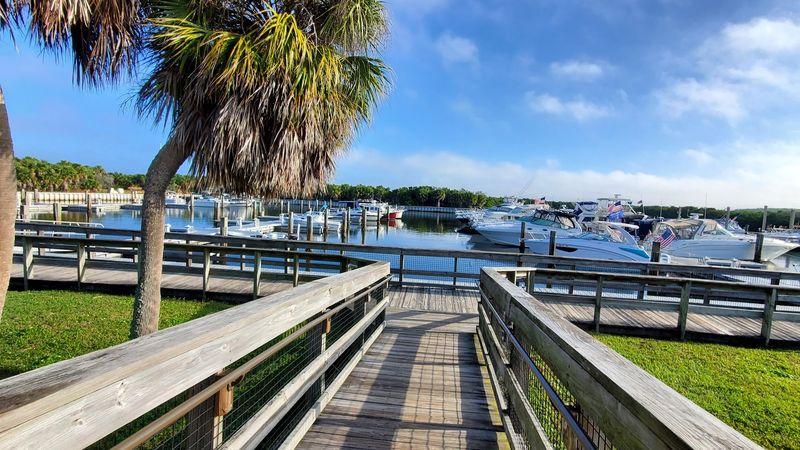
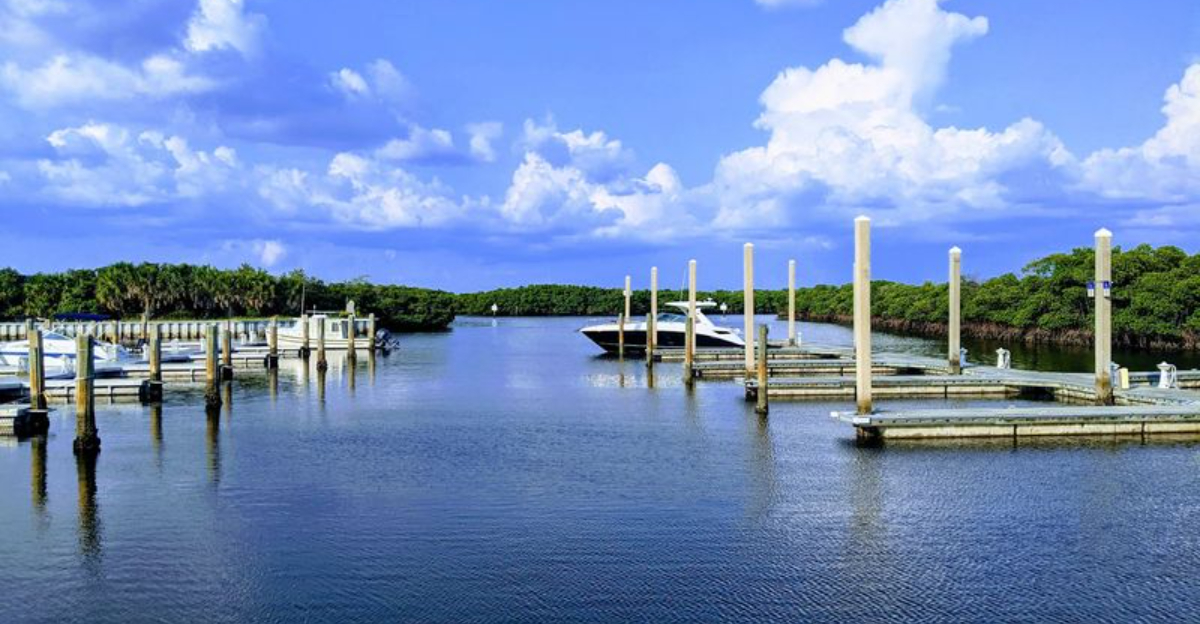
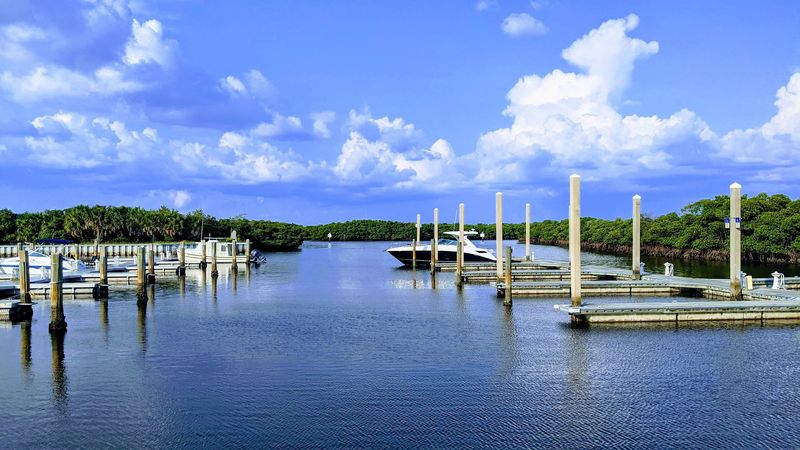
Visitors who own or charter a boat have a second option for reaching Caladesi beyond the ferry, because the park maintains a full-service marina with docking slips available on a first-come, first-served basis.
The marina can accommodate vessels up to about 60 feet in length, which covers a wide range of recreational boats, and the slips include water and electric hookups that make an overnight stay genuinely comfortable.
I spoke with a couple at the marina who had motored over from Clearwater and planned to spend two nights aboard their sailboat, using the island as a base for morning swims and afternoon kayaking, which sounded like a near-perfect itinerary.
Arriving by private boat also gives you more flexibility with timing, since you are not tied to the ferry schedule and can linger as long as you like before heading back.
The marina office can provide current slip availability and reservation information, and checking ahead during busy spring and holiday weekends is strongly recommended.
Arriving by water, in any form, always feels like the right way to approach an island.
Practical Tips That Will Make Your Visit Much Smoother
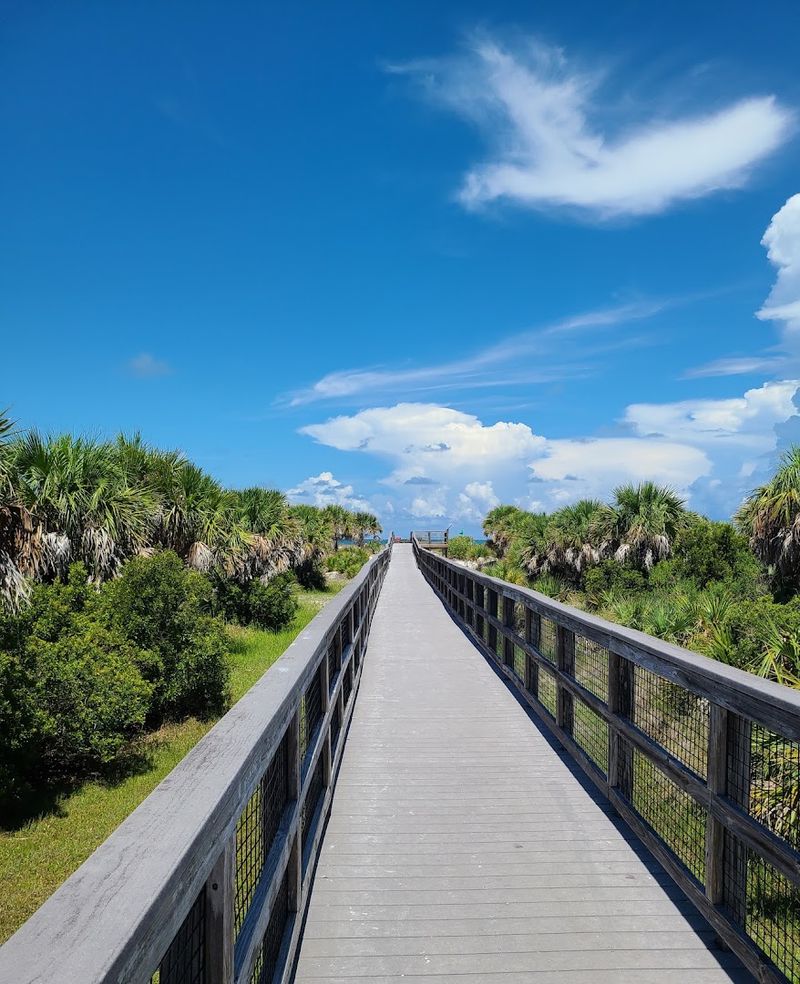
A few logistical details can make the difference between a smooth island day and a frustrating one, so here is what I wish someone had told me before my first visit.
Bring more water than you think you need, because the Florida heat on an open beach is not subtle, and the island’s food and beverage options are limited to a small concession stand near the marina that may not always be stocked the way you hope.
Sunscreen, a hat, and reef-safe insect repellent round out the essential supply list, especially if you plan to spend time in the mangroves where mosquitoes can be persistent in warmer months.
The park entrance fee applies whether you arrive by ferry or private boat, so budgeting for that cost plus the ferry fare gives you a realistic picture of the day’s expenses before you leave home.
Weekdays in the spring shoulder season tend to offer the best combination of good weather and manageable crowd levels.
A little preparation up front means you spend your time on the island actually enjoying it rather than wishing you had packed differently.