
This Washington State Park Blends Old-Growth Forest, Logging Lore, And Riverfront Charm For A Must-Visit May Escape
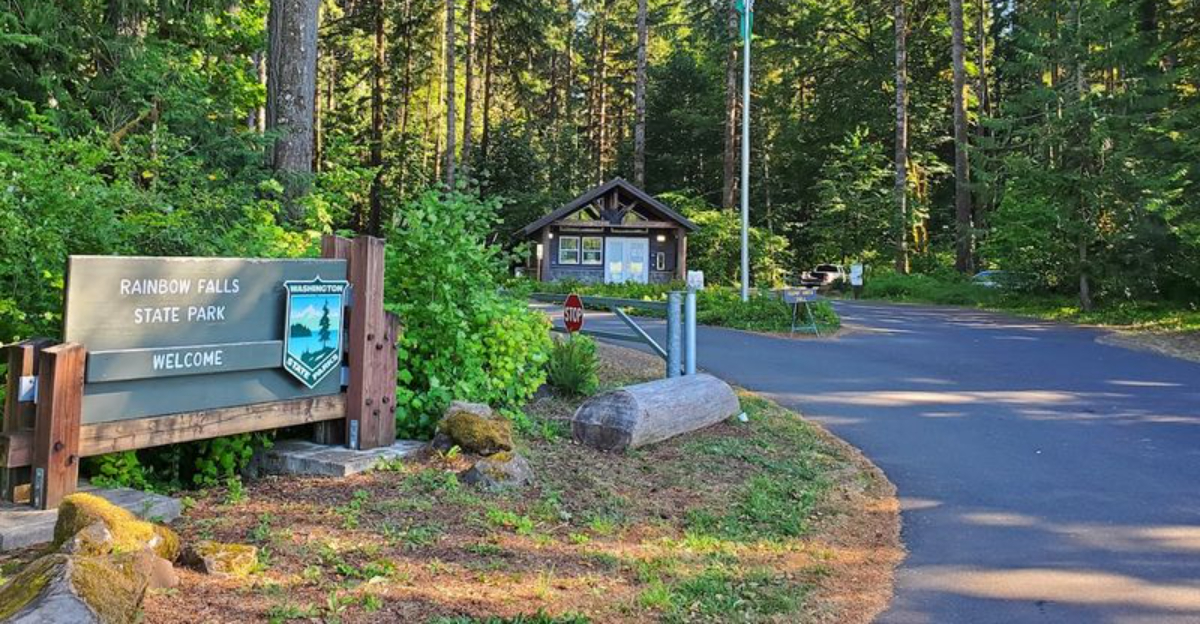
Sometimes you need a destination that gives you a little bit of everything, where forest therapy, outdoor adventure, and an unexpected history lesson all meet in one quietly beautiful place.
Washington has more natural treasures than one person could ever fully explore, yet this hidden state park still manages to feel special. It blends ancient forest ecosystems with rich logging heritage, creating the kind of stop that works just as well for nature lovers as it does for history buffs.
After spending a weekend wandering riverfront trails and looking up at towering timber relics, I am convinced this place deserves a permanent spot on any Washington travel list.
The waterfall scenery alone makes the drive worthwhile, but staying for the old-growth forest and sunset river views is where the experience really starts to linger.
The Park That Time Built: History And Origins
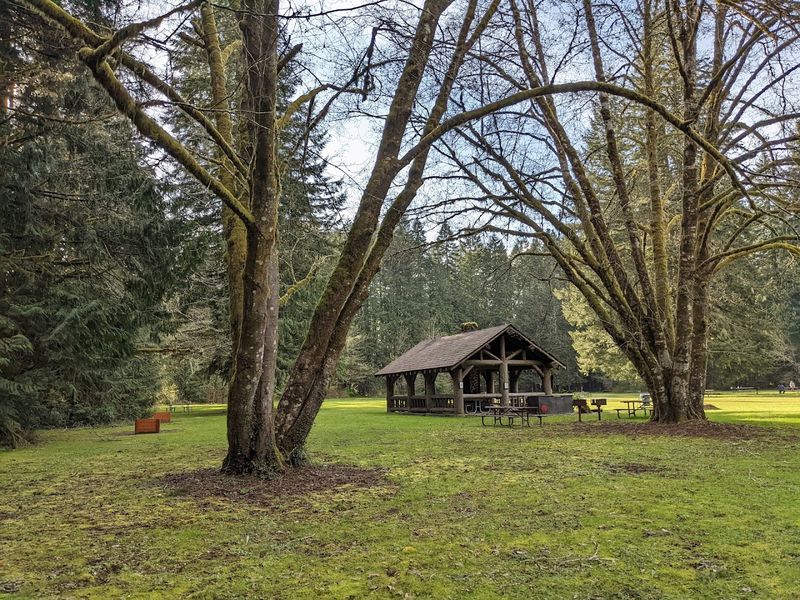
Back in 1935, a group of young men with the Civilian Conservation Corps rolled up their sleeves and got to work building something that would outlast them all. CCC Company 1633 constructed the log structures at Rainbow Falls State Park, and nearly a century later, those buildings are still standing strong along the Chehalis River.
The park covers 129 acres and sits approximately one mile east of Dryad, Washington, reachable via State Route 6. What makes the origin story especially interesting is how the land was secured in the first place.
The Pe Ell Kiwanis Club brokered a deal in the 1920s and 1930s involving the Schafer Bros. Logging Company and Leudinghaus Brothers Lumber Company, acquiring timber valued at over 3.6 million board feet.
That negotiation preserved a slice of the Chehalis Valley that might otherwise have been stripped bare.
Old-Growth Giants: The Forest That Survived
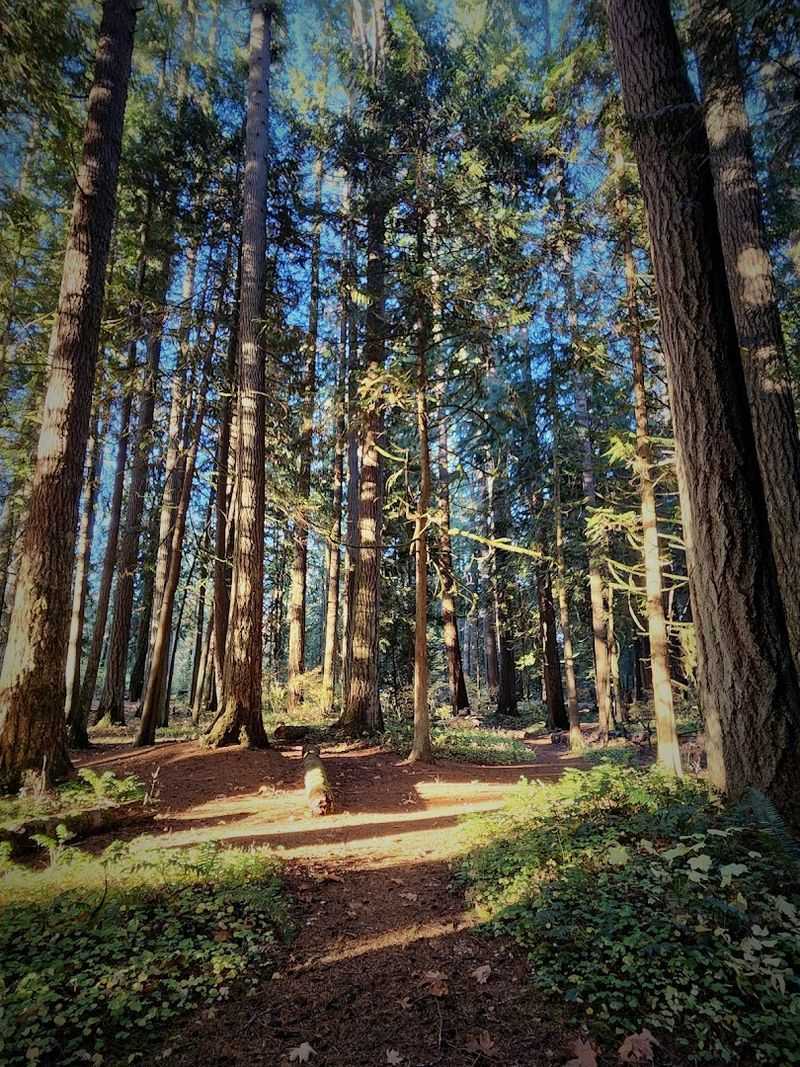
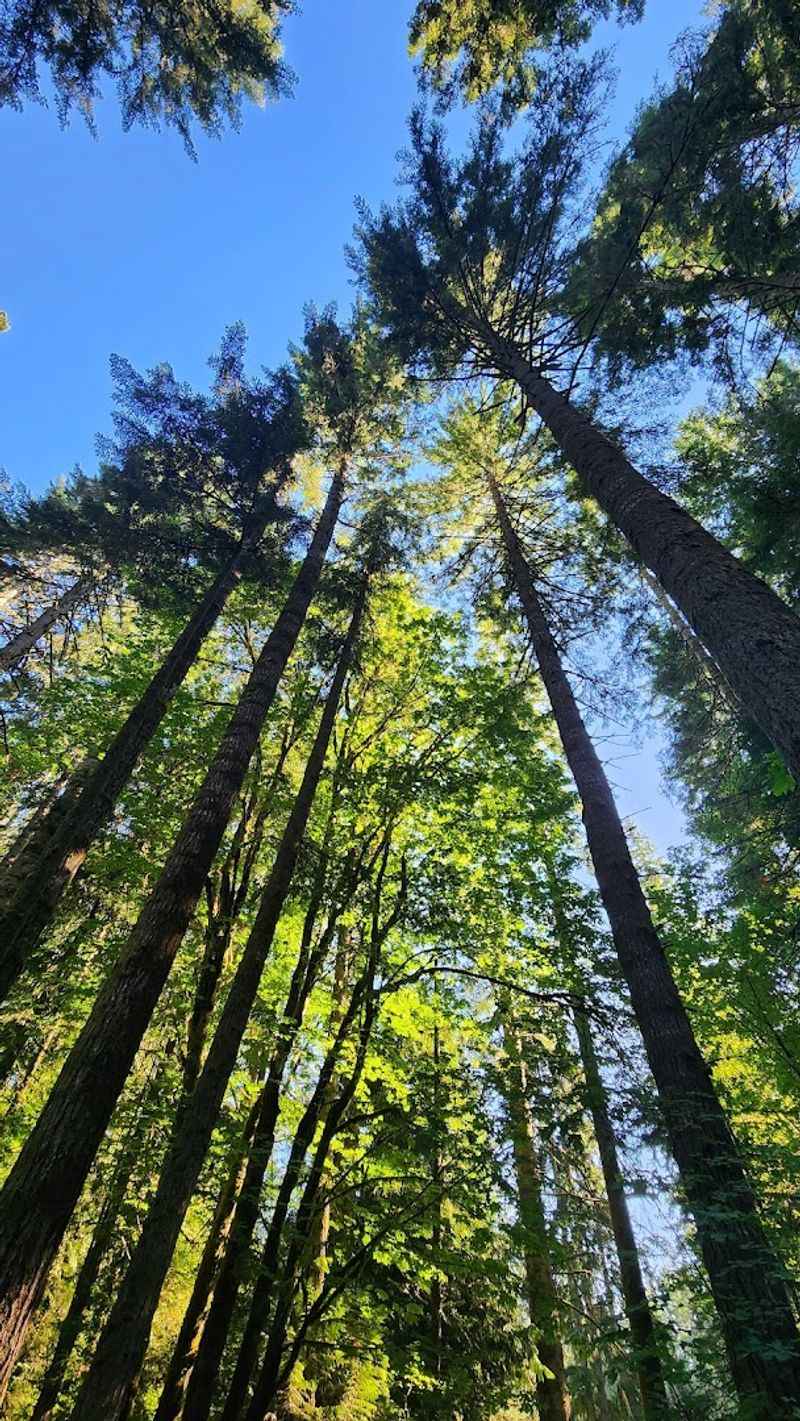
Some forests feel young and energetic. This one feels ancient and wise. Rainbow Falls State Park preserves some of the last remaining old-growth forest in the entire Chehalis Valley, and standing beneath a 200-foot Douglas fir has a way of rearranging your sense of scale pretty quickly.
Western red cedar and hemlock join the Douglas fir here, forming a canopy so thick that even on a bright afternoon the forest floor stays cool and shadowy. Moss clings to everything, ferns carpet the gaps between roots, and the air carries that deep, earthy smell that no candle or air freshener has ever successfully replicated.
For families with kids, this is the kind of forest that sparks genuine curiosity rather than boredom. For adults, it is the kind of place where you find yourself walking slower than you planned, looking up more than usual, and wondering how anything this untouched still exists this close to a highway.
The answer, of course, is that people fought hard to keep it this way.
The Chehalis River: Water, History, And Quiet Power
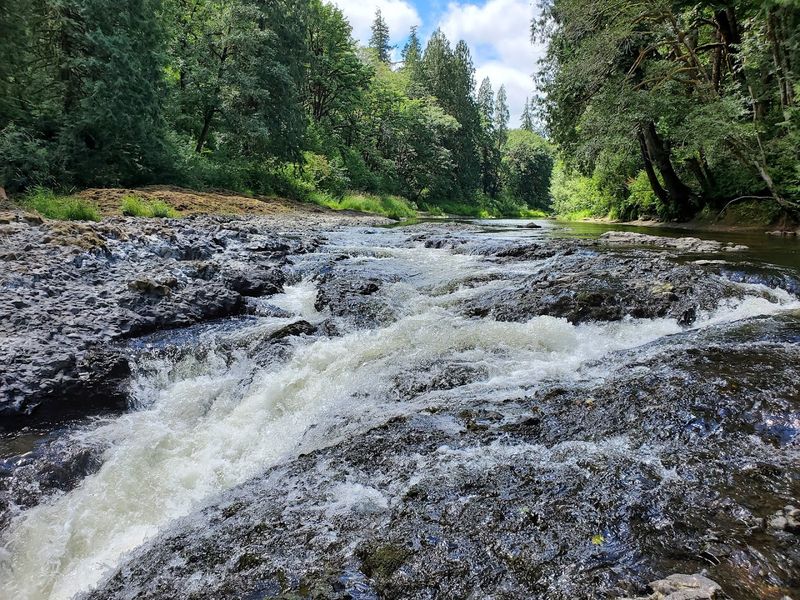
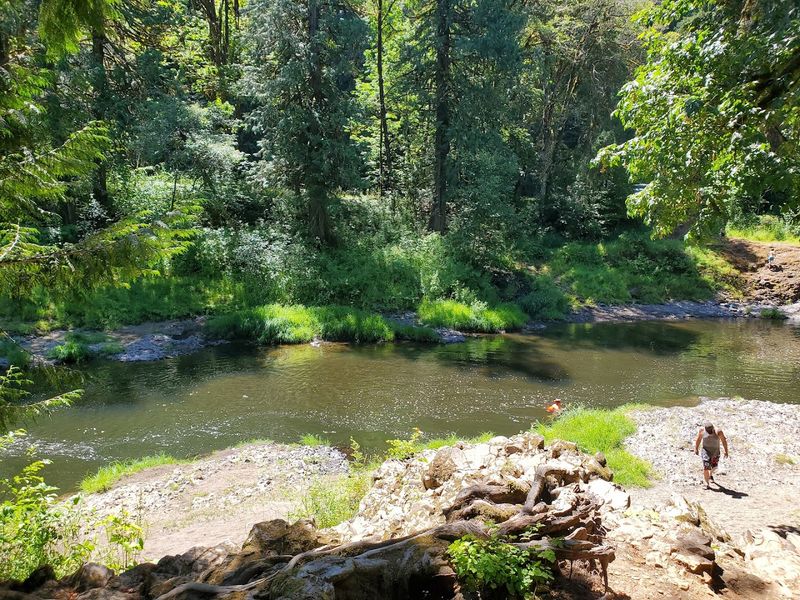
There is something hypnotic about watching the Chehalis River move through this park. It bends and rushes and occasionally pools into stretches so still you can count the pebbles on the bottom. The river is the beating heart of Rainbow Falls State Park, and every trail eventually leads you back to its banks.
Historically, this river has had a complicated relationship with the logging industry. As timber operations expanded through the Willapa Hills, log jams and severe flooding became recurring problems along the Chehalis.
The river has seen a lot, and the park itself stands as a reminder of what responsible land management can protect.
Today, the river draws anglers, swimmers, and people who simply want to sit on a rock and listen to the current for a while. Steelhead and trout are found in these waters, making it a popular fishing spot.
I spent about an hour just watching the water from a mossy bank, and I left feeling considerably less stressed than when I arrived.
Logging Lore: The Industry That Shaped This Land
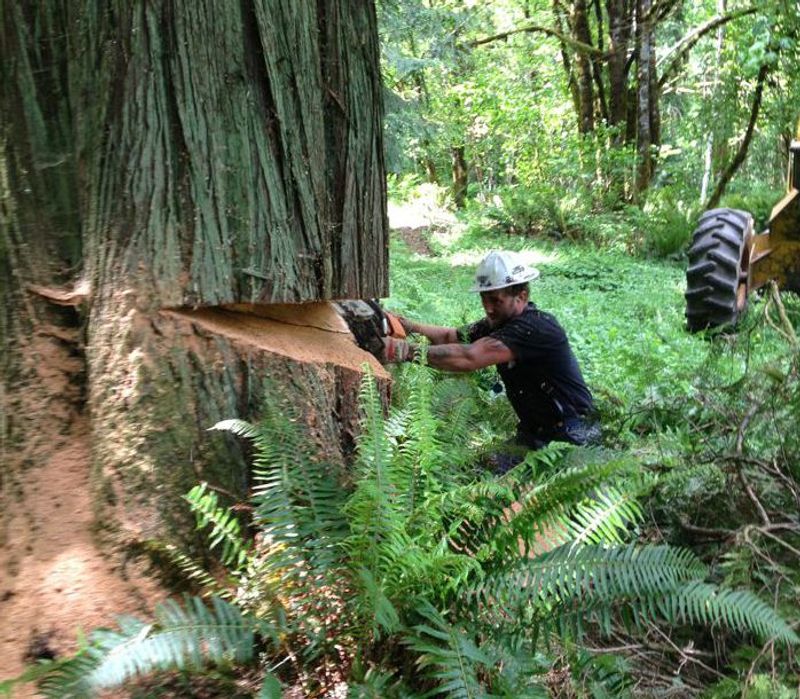
You cannot understand Rainbow Falls State Park without understanding logging. The Pacific Northwest timber industry was the economic engine of this entire region for generations, and Lewis County was right in the middle of it. The Schafer Bros.
Logging Company and Leudinghaus Brothers Lumber Company both had a hand in the very land the park now occupies.
What makes the logging lore here so compelling is the tension it represents. The same industry that cleared vast swaths of forest also, indirectly, helped create the conditions for this park’s preservation.
The Pe Ell Kiwanis Club negotiated with those very lumber companies to set aside the old-growth timber rather than harvest it, a deal that required both sides to see long-term value in conservation.
You occasionally spot massive old stumps that hint at what was taken before the deal was struck. Those stumps are not just decay, they are chapters in a story about how communities can redirect industrial momentum toward something lasting and worthwhile.
CCC Craftsmanship: Structures Worth Admiring
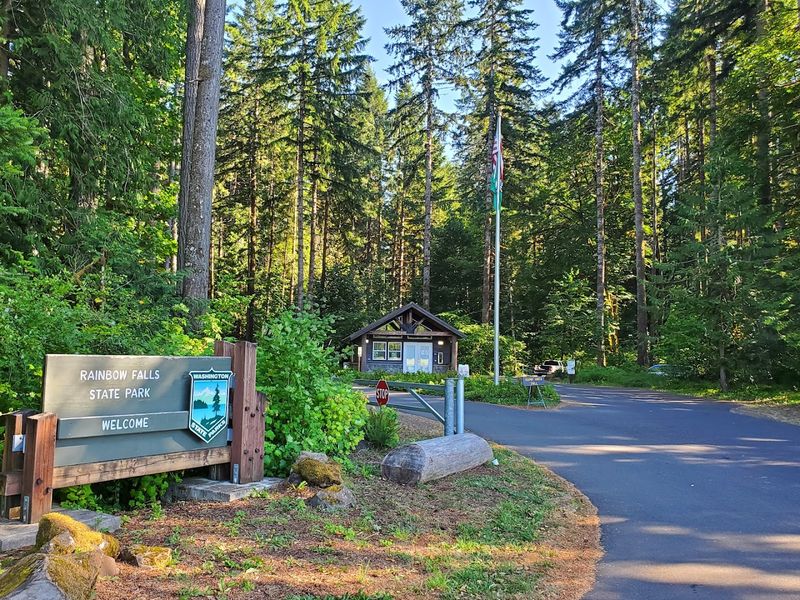
Not every park has architecture worth stopping to admire. Rainbow Falls is an exception. The log structures built by CCC Company 1633 in 1935 are genuinely impressive, with hand-hewn craftsmanship that makes modern prefab park facilities look a little embarrassing by comparison.
The Civilian Conservation Corps was a New Deal program that put unemployed young men to work building infrastructure across America during the Great Depression. At Rainbow Falls, they left behind picnic shelters, restroom facilities, and structural elements that have aged with real character.
The logs are massive, the joinery is careful, and the whole aesthetic fits the forest setting so naturally it looks like the trees grew around the buildings.
I spent more time than I expected just walking around and looking at the construction details. There is something satisfying about work built to last, especially when it has proven the point by surviving nearly ninety years of Pacific Northwest weather.
If you appreciate craftsmanship, budget extra time near these structures because the details reward a slow look.
Evergreen Playhouse: Live Theater Near The Trailhead
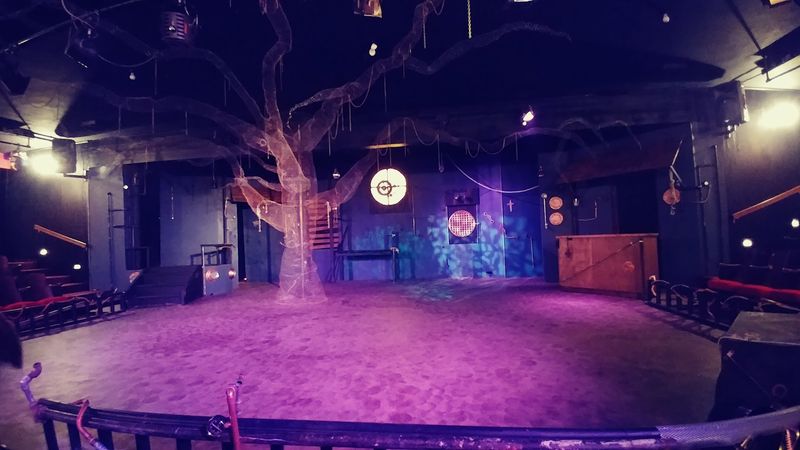
About 25 to 30 minutes east of Rainbow Falls State Park, the city of Centralia holds a community theater that has been running continuously since 1959. The Evergreen Playhouse has been putting on live performances for over six decades, and in 2025 it is celebrating its 66th season, which is a remarkable run for any regional theater.
Pairing a morning in the forest with an evening at the playhouse makes for a genuinely satisfying day trip. The contrast works surprisingly well. You spend the morning surrounded by trees and river sounds, and by evening you are seated in a cozy theater watching local talent bring a script to life.
Centralia itself has a well-preserved downtown with shops and eateries that fill the hours between.
The Evergreen Playhouse presents a mix of musicals, comedies, and dramas throughout its season, appealing to a wide range of tastes. If you are planning a visit to the park, checking the playhouse schedule ahead of time can easily turn a day outing into a full cultural experience worth the drive.
Planning Your Visit: Practical Tips For The Trip
Rainbow Falls State Park sits off State Route 6 in Lewis County, Washington, roughly 17 miles west of Chehalis and just east of the small community of Dryad. The park is open year-round, though spring and early fall tend to offer the most comfortable hiking conditions.
Summer brings families and campers, while winter visits reward those willing to brave the chill with near-total solitude. The park offers tent camping, RV sites, and standard day-use facilities.
Trails range from easy riverside walks to more immersive forest routes, making it accessible for most fitness levels. Fishing requires a valid Washington State license, so plan accordingly if that is part of your agenda.
Cell service can be unreliable in this area, which honestly adds to the appeal rather than detracting from it. Download any maps or trail guides before you arrive, pack a rain layer regardless of the forecast, and give yourself more time than you think you need.
Every visitor I spoke with said the same thing on the way out: they wished they had stayed longer.
Wildlife And Wildflowers: Nature Beyond The Trees
Most people come for the trees, but Rainbow Falls State Park quietly offers so much more growing and moving beneath the canopy. Spring and early summer bring bursts of trillium, bleeding heart, and wild violets along the hiking trails, turning the forest floor into something almost painterly.
White-tailed deer, great blue herons, and the occasional river otter share this landscape with patient visitors. Birdwatchers find the riparian zones especially rewarding.
Bringing a wildflower field guide or a simple bird checklist makes the walk feel more like discovery than exercise, and kids tend to stay curious the whole time.
Even the quieter stretches have small details worth noticing, from mossy logs to tiny mushrooms tucked near the trail edges.
The Chehalis River adds another layer of life to the park, drawing animals toward the water and giving hikers plenty of peaceful stopping points. On slower walks, the whole place starts to feel less like a quick outing and more like a living outdoor classroom.
That is what makes Rainbow Falls State Park so easy to underestimate in the best possible way.