
Thousands Of Giant Cranes Fill The Sky Over This Quiet Michigan Sanctuary At Sunset
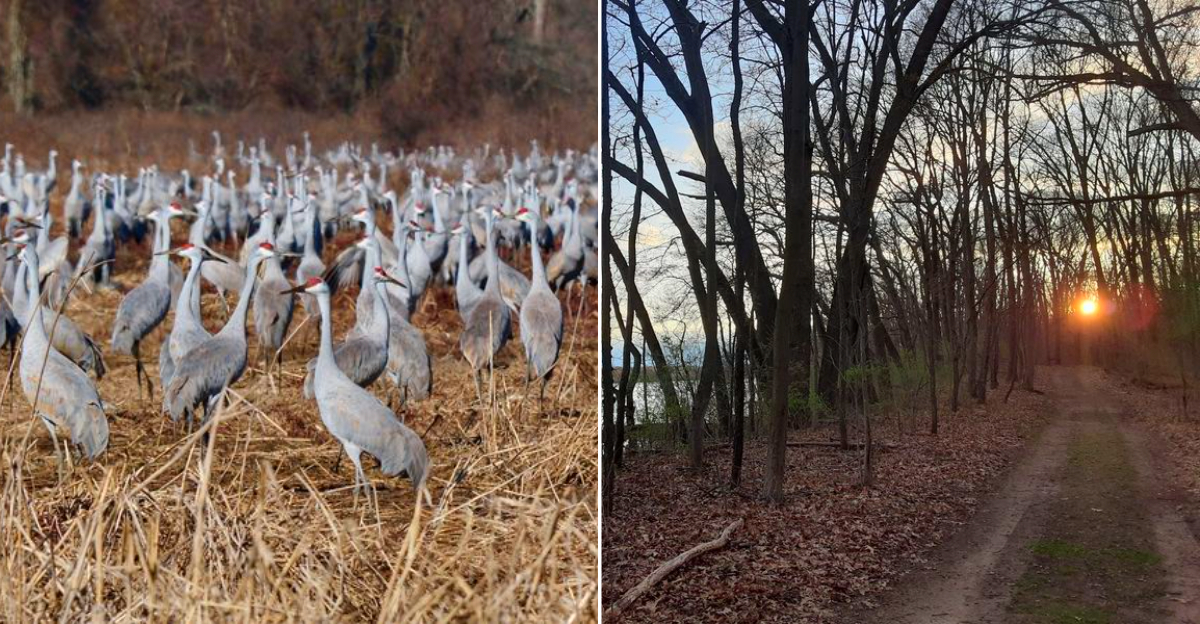
Last year, I drove out on an October evening not knowing what to expect. By the time I parked the car I could already hear them, a low trumpeting sound that seemed to come from everywhere at once.
The sanctuary sits at the end of a dirt road with a small observation platform plus a trail that cuts through marsh grass taller than my shoulders. I climbed the platform and watched the sky fill with sandhill cranes arriving in groups of ten, twenty, fifty.
Their wings caught the last orange light before they dropped into the marsh for the night. The sound was overwhelming in the best way, a constant rolling call that made conversation impossible plus made you stop trying.
A quiet sanctuary in Michigan fills with thousands of sandhill cranes each fall, and standing among them at dusk changes the way you hear the world.
Claim A Thoughtful Spot On The Berm
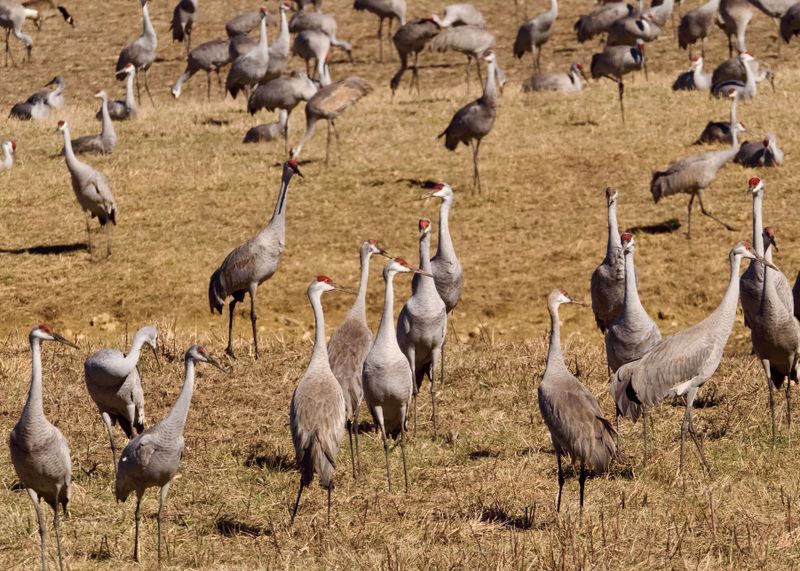
The raised viewing berm is the sensible place to watch the evening arrival. Its open sightline looks across Mud Lake Marsh, where cranes descend to roost.
Choose a spot without blocking anyone, then keep voices low and movements slow as flocks approach.
A folding chair can make the long wait easier, although staying compact helps neighbors share the limited viewing area. Avoid walking into closed habitat or trying to move nearer the birds.
Distance protects the cranes and often gives a better view, because the wide scene shows flight paths, changing formations, and landing patterns. I like to scan the horizon first, then follow one flock until its long legs drop and it glides toward the darkening water below quietly.
Fairlane Drive Points Across The Road
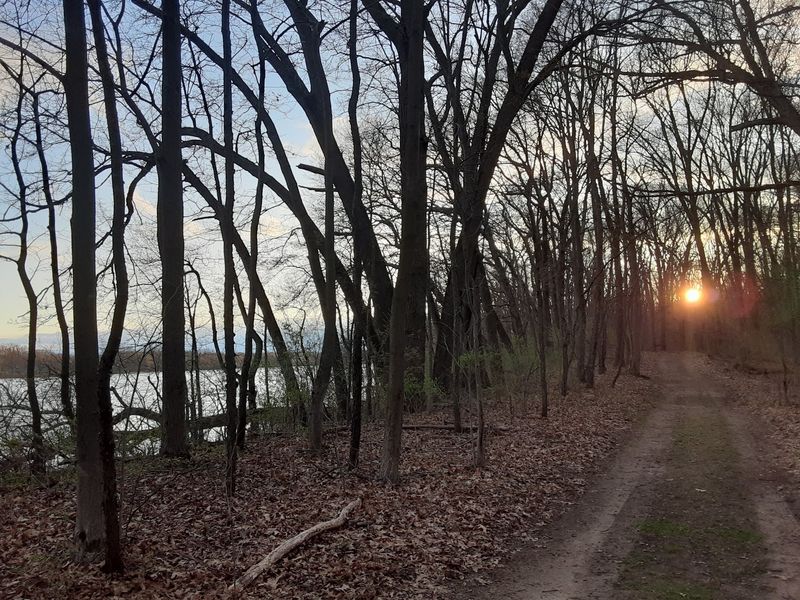
Phyllis Haehnle Memorial Sanctuary lies northeast of Jackson, Michigan, along the north side of Seymour Road near Waterloo Recreation Area. Approach on Seymour Road and aim for the Fairlane Drive intersection; the sanctuary entrance sits directly across the road from it.
The final approach is rural and easy to overshoot, so Fairlane Drive is the key landmark. The sanctuary is less than a mile east of Wooster Road, and the entrance leads off Seymour Road rather than Fairlane itself.
Pull into the small parking area off Seymour Road and look for the Wing Overlook information kiosk. From there, continue on foot along the maintained sanctuary trails toward the hilltop viewing area overlooking Mud Lake Marsh.
Bring Binoculars And Use Cameras Carefully
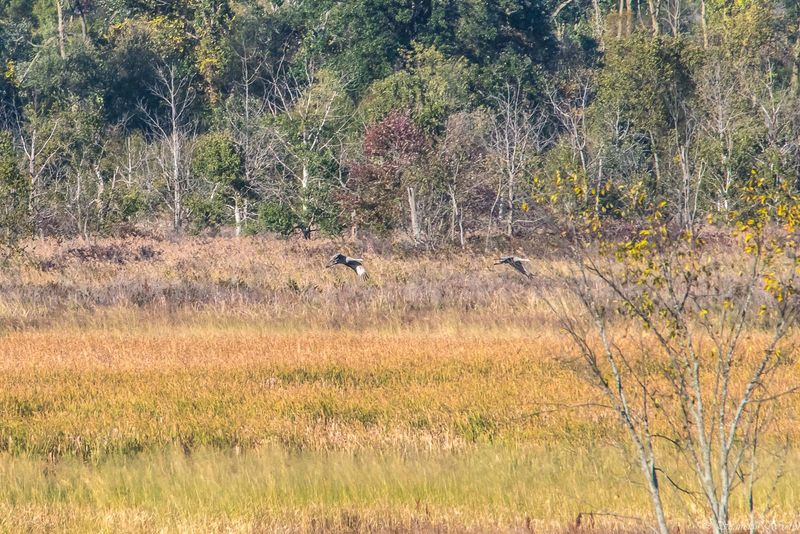
Tiny marks on the horizon become unmistakable cranes through binoculars. Bring a pair that feels comfortable in your hands, preferably with a neck strap, and focus it before the light begins fading.
Sandhill Cranes may stand about four feet tall and have wingspans near six feet, yet they can remain surprisingly distant.
A camera with a telephoto lens helps, but the sanctuary rewards watching more than chasing perfect pictures. Use a steady stance, avoid flash, and lower screen brightness so nearby visitors keep their night vision.
Phone cameras can capture the glowing sky and flock shapes, even when individual feathers disappear. Pack a lens cloth because wetland air can dampen glass.
Most importantly, sometimes look up without a screen entirely.
Dress For A Fast Evening Chill
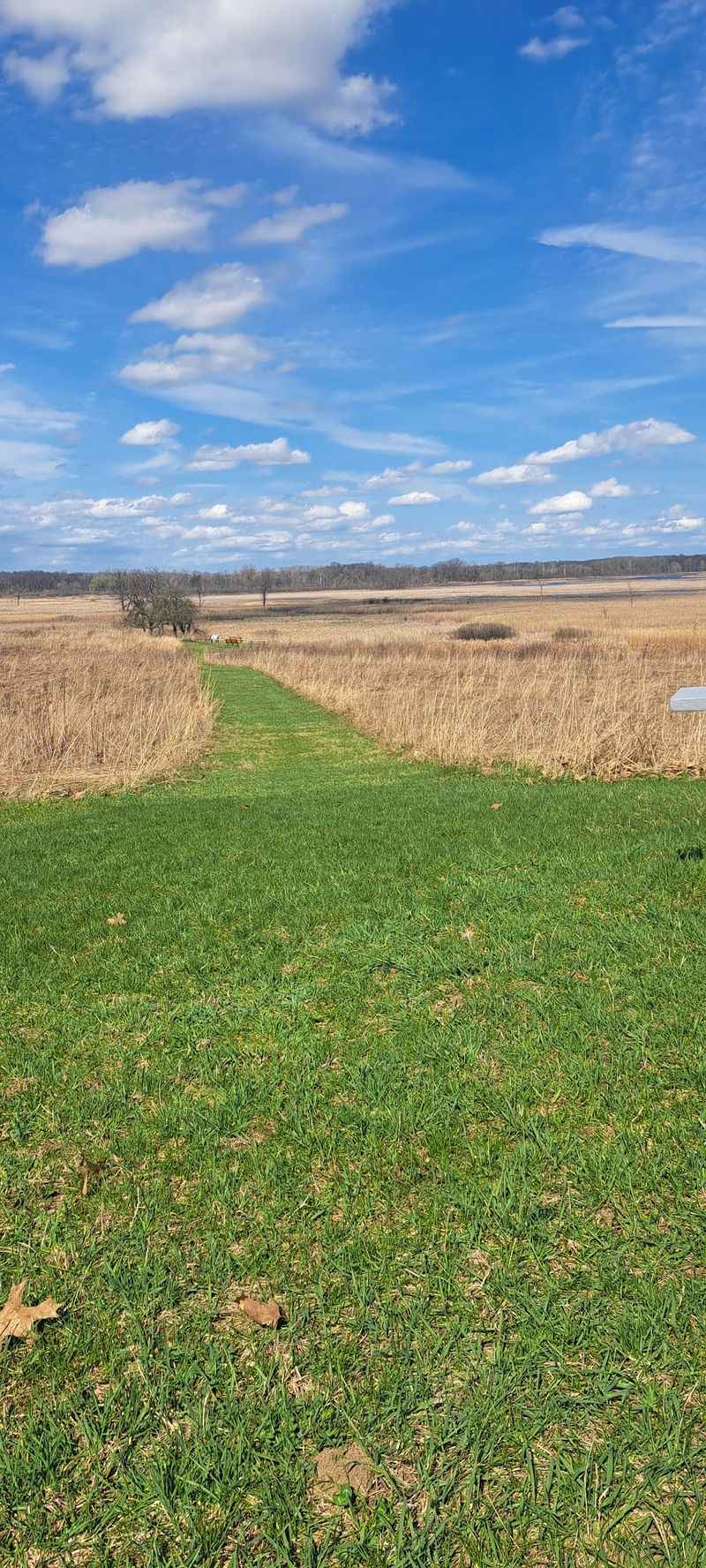
Sunset steals warmth quickly from an open Michigan wetland. Wear layers that can handle a mild afternoon and a chilly wait after the sun drops.
A hat, gloves, and wind-resistant outer layer are small comforts that feel wonderfully clever by dusk.
Footwear matters beyond warmth. Mowed or natural paths may be uneven, muddy, or edged with burrs, so choose sturdy shoes with useful grip rather than smooth soles.
Wetland insects can also be active during warmer weather; bring repellent and check for ticks afterward. Keep spare socks in the car, a humble trick that can rescue the ride home.
Dressing for conditions lets attention stay on cranes, not cold fingers, damp feet, or buzzing mosquitoes near your ears all evening.
Pause And Listen To The Crane Chorus
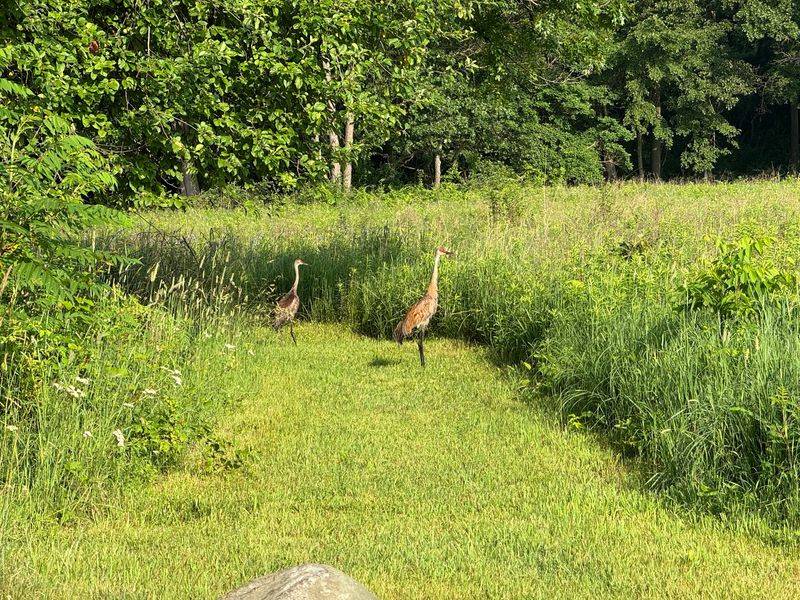
The sound arrives before the full spectacle: rolling, rattling calls crossing the marsh. Sandhill Cranes have powerful voices, and thousands gathering near their roost can turn a quiet evening into something wonderfully wild.
Pause your conversation when the first flocks appear and let the wetland provide the soundtrack.
Keep phones silent and avoid playing recordings, which can disturb birds and other wildlife. Volunteer naturalists are often present on fall weekend evenings and may explain migration behavior, counts, or habitat.
Ask questions between arrivals rather than talking over the experience. Children usually respond well to a simple challenge: listen for calls, wingbeats, and nearby waterfowl.
Respectful silence is not stiff etiquette here; it reveals how alive the sanctuary becomes after sunset.
Pack Light But Cover The Basics
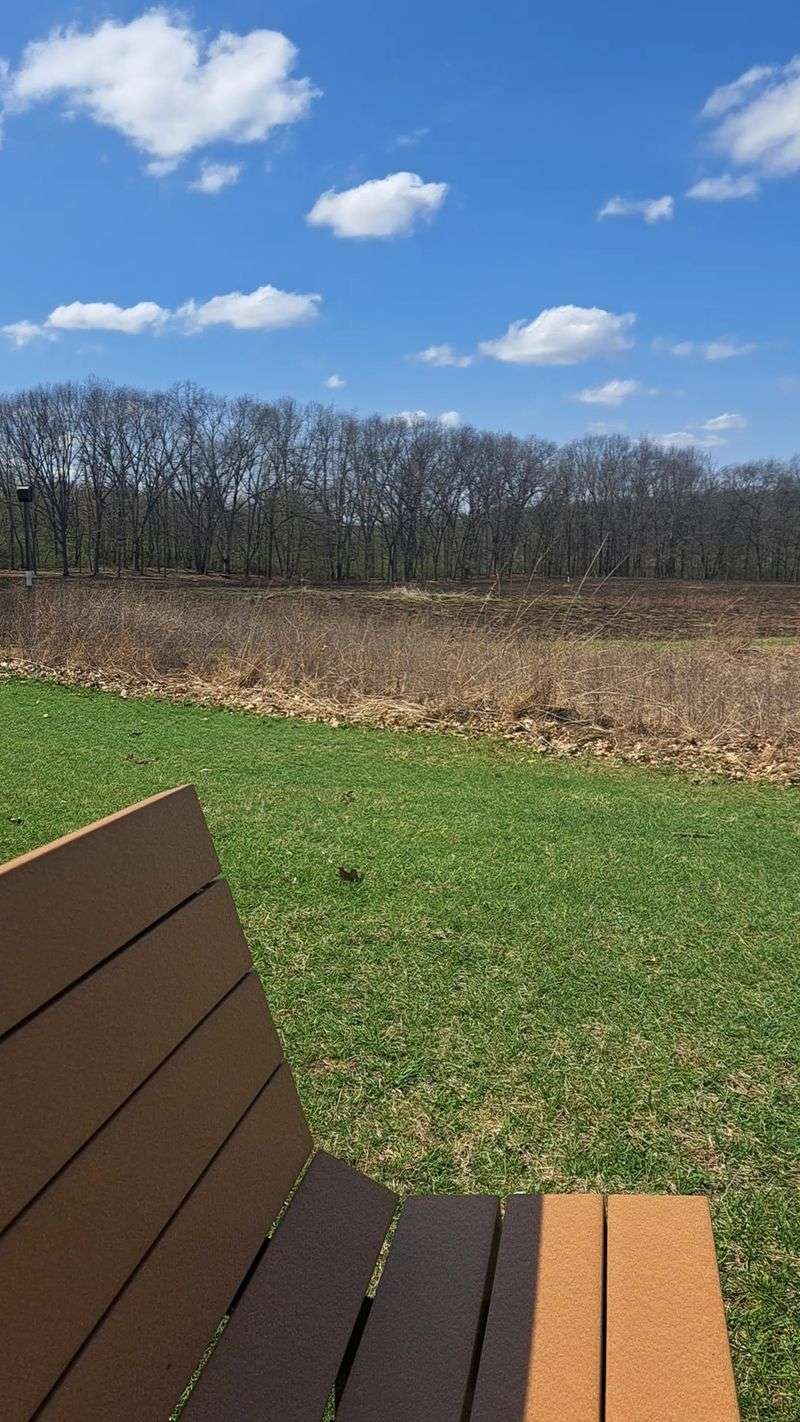
A small bag beats an overloaded expedition pack for this visit. Carry water, binoculars, insect repellent, a flashlight, spare layers, and perhaps a light folding chair.
Add a simple snack if needed, but keep every wrapper under control and take all trash home.
Facilities may be limited, so plan a restroom stop before reaching the sanctuary and never assume amenities will be available. Download directions or save the map while service is reliable.
A red-light setting on a flashlight preserves night vision better than a bright white beam, though any light should point down and away from wildlife. Leave bulky gear behind if it makes noise or crowds others.
The goal is simple: comfort without turning the overlook into camp.
Watch Carefully For The Rural Entrance
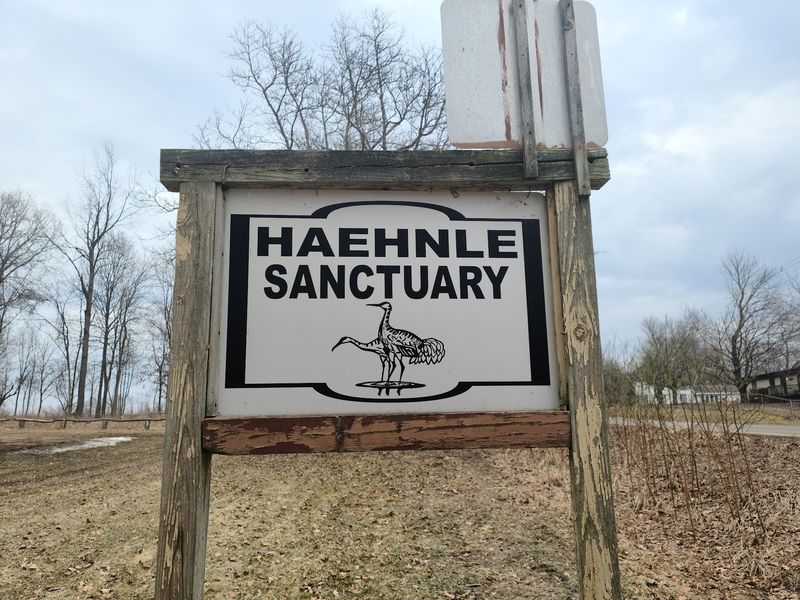
The sanctuary entrance can feel modest beside rural Seymour Road, so slow down and watch carefully for signs and the parking pull-off. Use the designated area rather than stopping along the road.
Arriving early reduces stress when migration-season visitors gather near sunset.
The main overlook is reached from the parking area and is intended to be accessible, but wider sanctuary trails may have uneven natural surfaces. Conditions can change with rain, maintenance, or seasonal growth, so check official guidance if mobility is a concern.
Move slowly near parked cars, use a light after dusk, and keep children close beside the roadway. At departure, patience matters again; letting the first rush clear can make the dark exit calmer and safer overall.
Return At Dawn For A Faster Show
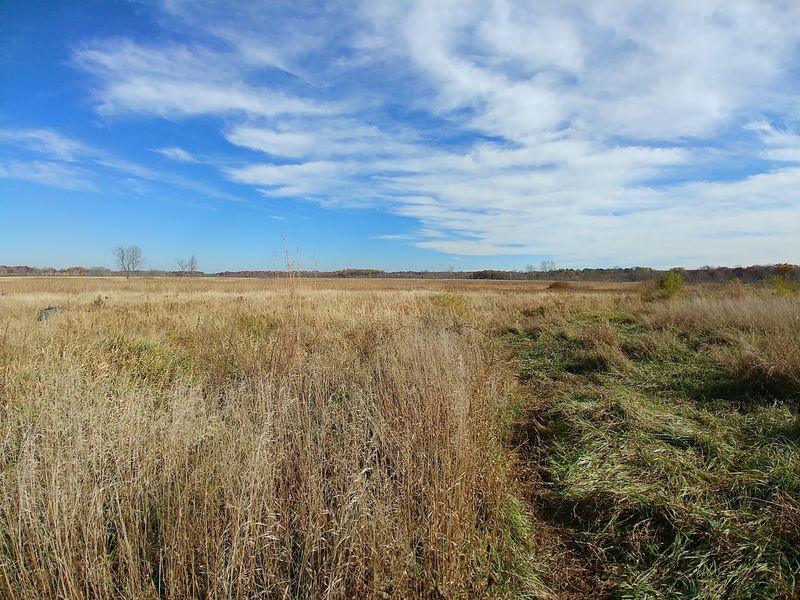
Dawn offers the sanctuary’s brisker second act. After spending the night in Mud Lake Marsh, cranes may leave soon after sunrise, sometimes in a concentrated burst rather than the evening’s long procession.
The sudden lift can feel startling as calls rise and flocks stream outward.
Reach the overlook before sunrise, dress more warmly than expected, and bring a dim flashlight for the approach. Opening times should be confirmed on the official website before an early trip.
Stand quietly and avoid shining light toward the marsh. Morning viewing also demands flexibility because fog, weather, and bird movement can alter the show.
Even a shorter departure rewards attention: daylight grows, wings flash pale, and the wetland wakes around you at once naturally.
Explore The Habitats Beyond The Cranes
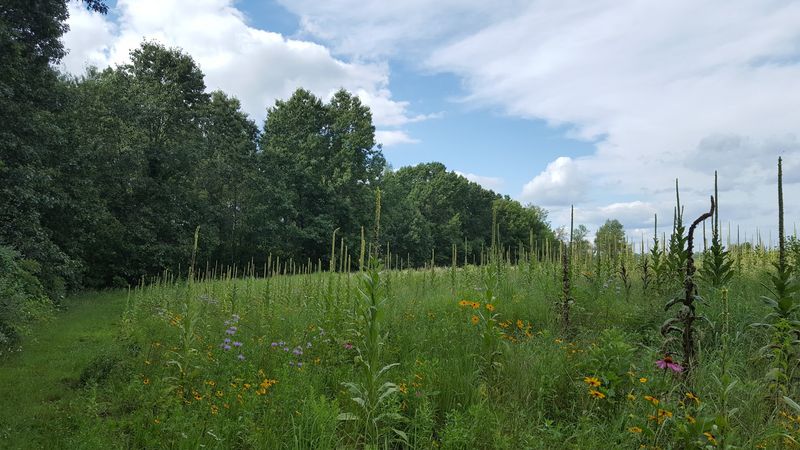
Cranes may headline autumn, but the sanctuary has a much larger cast. Its 1,008 acres include marsh, fen, grassland, deciduous forest, and hardwood swamp.
More than 200 bird species and over 270 plant species have been recorded across this varied landscape.
Walk the available trails earlier in daylight, then return to the overlook for the evening arrival. Scan for waterfowl, songbirds, butterflies, and seasonal wildflowers without leaving marked routes.
Natural surfaces can be muddy or rough, and wildlife may stay far away, which is normal in protected habitat. I find the quieter details sharpen the main event: a frog calling, leaves shifting, or one crane passing overhead.
Give the whole ecosystem time, not only the famous sunset gathering each fall.
Understand The Sanctuary’s Lasting Legacy
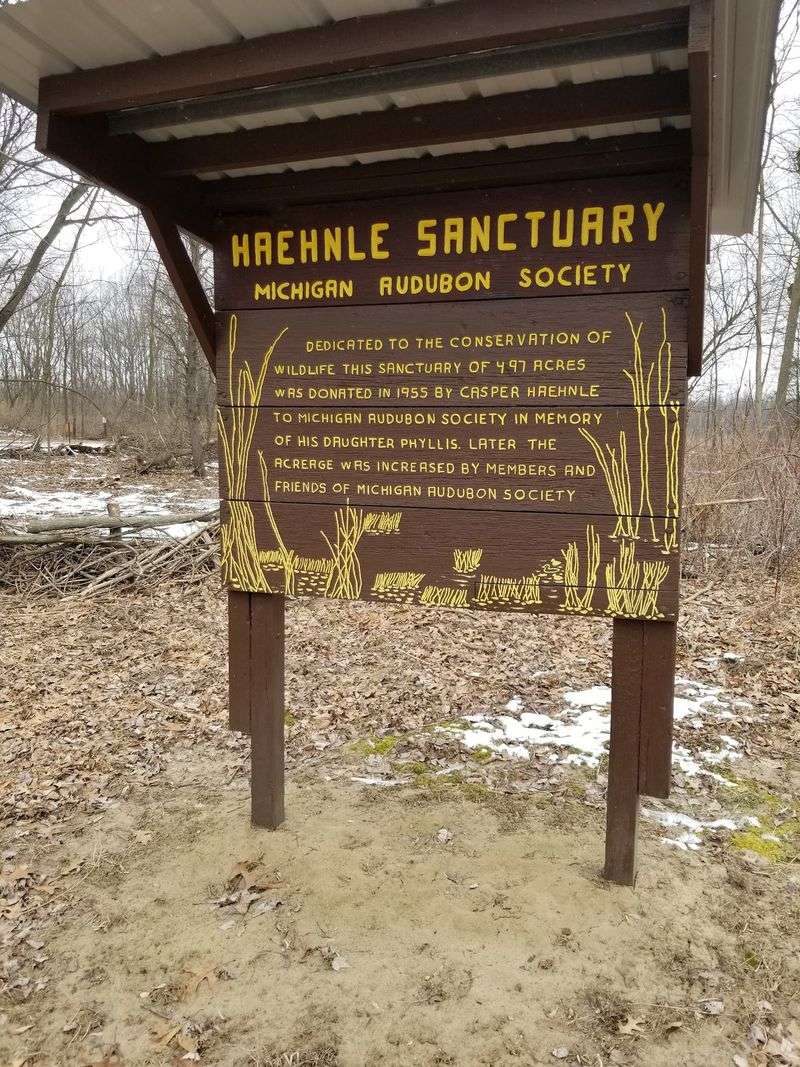
A family gift sits behind the sanctuary’s broad horizon. Established in 1955, it began with 497 acres donated by Casper Cap Haehnle and was named in memory of his daughter, Phyllis Haehnle Clancy.
Later additions expanded the protected area to 1,008 acres, now recognized as Michigan Audubon’s largest sanctuary.
Knowing that story changes the view. The marsh is not empty land waiting for use; it is carefully protected habitat where cranes rest and rebuild energy during migration.
Read posted information near the viewing area, and support posted rules even when no staff member is nearby. Staying on routes, carrying out litter, and leaving plants untouched are practical ways to honor decades of conservation.
The result feels generous, living, and quietly purposeful.
Let The Birds Set The Schedule
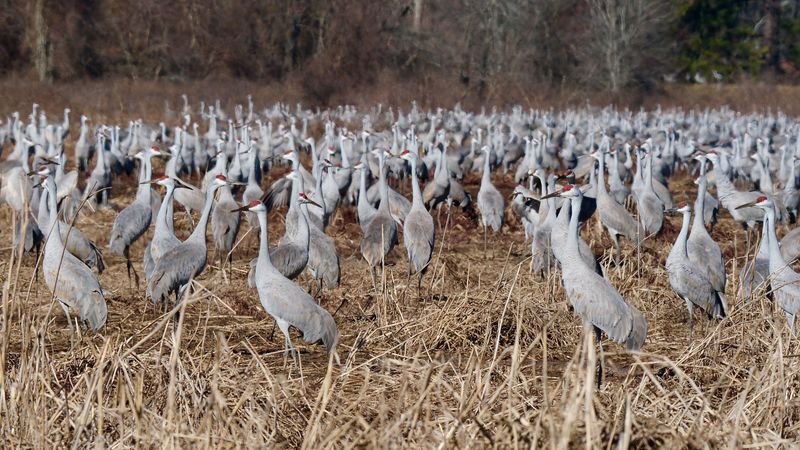
Some evenings begin with empty sky and stubborn silence. Crane numbers vary with season, weather, water levels, and feeding patterns, so no visitor can order thousands on cue.
Peak migration is commonly late October through mid-November, yet checking current counts before traveling gives a clearer picture.
Stay through the fading light if sanctuary hours allow, because distant groups can arrive late and quickly reshape the sky. Keep expectations roomy: a handful of close flyovers may be more memorable than a huge flock far across the marsh.
Never approach roosting birds or cross barriers to improve a photograph. Before visiting, confirm current hours, access, and migration updates through official sanctuary channels.
Nature keeps its own schedule, which is precisely the point.