
9 Virginia Springs With Historic Waters People Have Traveled To For Centuries
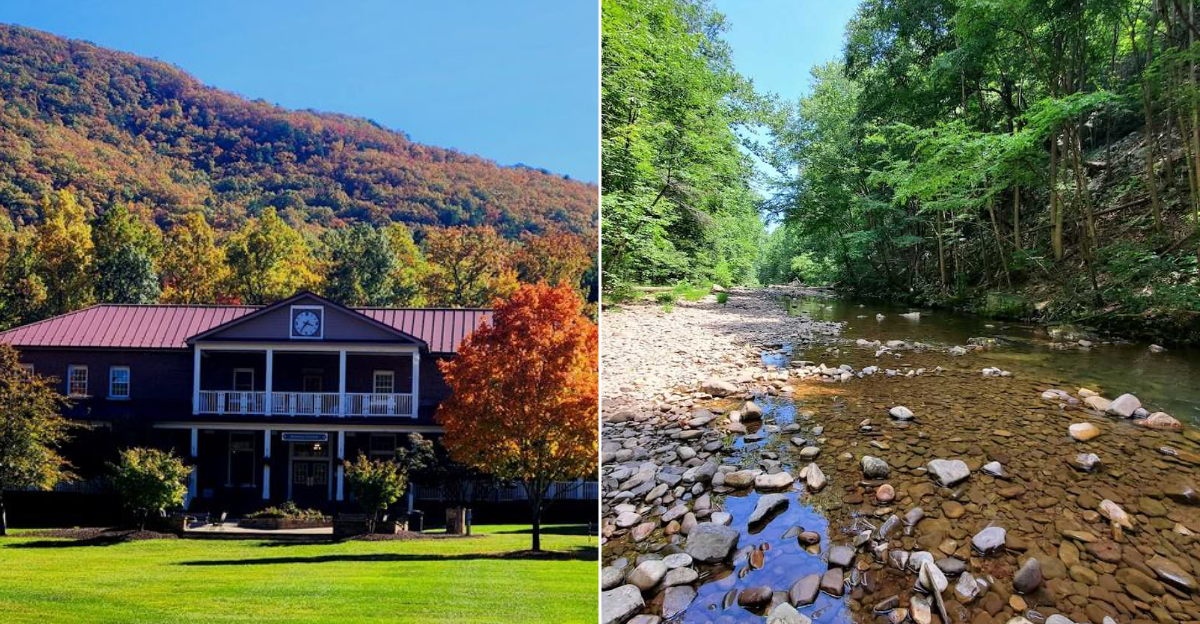
For centuries, people have been drawn to natural springs not only for their beauty but also for the sense of renewal they inspire.
Long before modern spas and wellness retreats existed, travelers journeyed great distances to visit mineral-rich waters believed to offer relaxation, healing, and a welcome escape from everyday life.
These springs became gathering places where history, nature, and local traditions flowed together.
Today, many of these remarkable destinations continue to attract visitors who are curious to experience the same waters that generations before them enjoyed.
In Virginia, a state rich in history and natural wonders, several historic springs have remained beloved landmarks for hundreds of years.
From secluded mountain settings to famous resort towns, these springs offer a fascinating glimpse into the past while providing a refreshing reason to explore some of Virginia’s most beautiful landscapes.
1. Warm Springs Pools At The Omni Homestead Resort
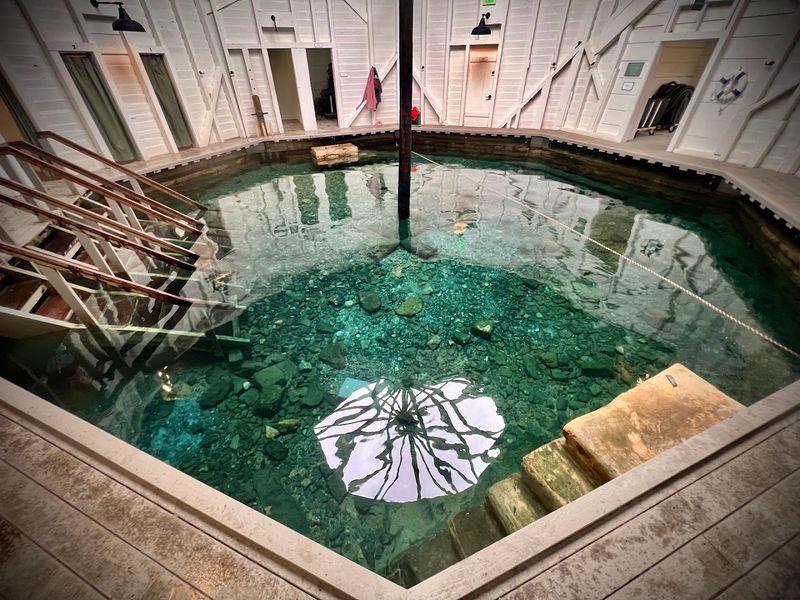
Some places carry a kind of quiet magic that hits you the moment you arrive. Warm Springs Pools, located at 7696 Sam Snead Hwy in Hot Springs, Virginia, is absolutely one of those places.
The octagonal stone pool was built in 1761, making it the oldest spa structure in the entire country.
That is not a small thing to wrap your head around.
Thomas Jefferson spent three weeks soaking here in 1819, hoping to ease his rheumatism. Presidents John Tyler and Franklin D. Roosevelt also visited over the years.
Indigenous communities used these thermal springs for rejuvenation more than 9,000 years before any resort existed around them.
The pools were lovingly restored and reopened in 2022 after a four million dollar renovation. The warm, naturally heated water stays around 98 degrees year-round, which feels less like a pool and more like the earth giving you a gentle hug.
The surrounding landscape of the Alleghany Highlands adds a dramatic, almost cinematic backdrop. History and nature collide here in the best possible way.
Standing in these waters, you feel connected to something much bigger than yourself. This is not just a swim, it is a centuries-old ritual you get to be part of.
2. Yellow Sulphur Springs
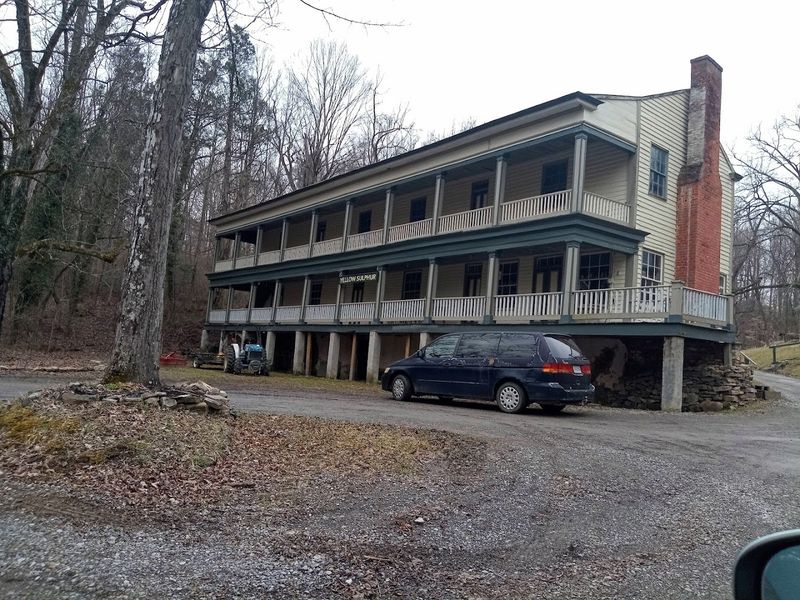
There is something undeniably fascinating about a place where people once traveled days by horse-drawn carriage just to drink the water.
Yellow Sulphur Springs, located at 3145 Yellow Sulphur Springs Rd in Christiansburg, Virginia, has that exact kind of legendary status. The springs were known for their distinct mineral-rich water, which visitors believed could restore health and energy.
The resort that grew around these springs became a popular destination throughout the 19th century. Guests came from across the region to experience the waters and enjoy the mountain setting of Montgomery County.
The spring house still stands as a reminder of just how significant this destination once was.
Yellow Sulphur Springs is listed on the National Register of Historic Places, which tells you everything about its cultural importance.
The grounds carry a peaceful, almost nostalgic atmosphere that makes it easy to imagine the lively resort life that once buzzed here.
Walking the property today feels like flipping through an old photograph album, each corner revealing a little more of the story.
The springs themselves remain a fascinating geological feature. For anyone who loves uncovering Virginia’s layered past, this spot delivers that rare combination of natural beauty and authentic history in one quietly remarkable package.
3. Massanetta Springs Camp And Conference Center
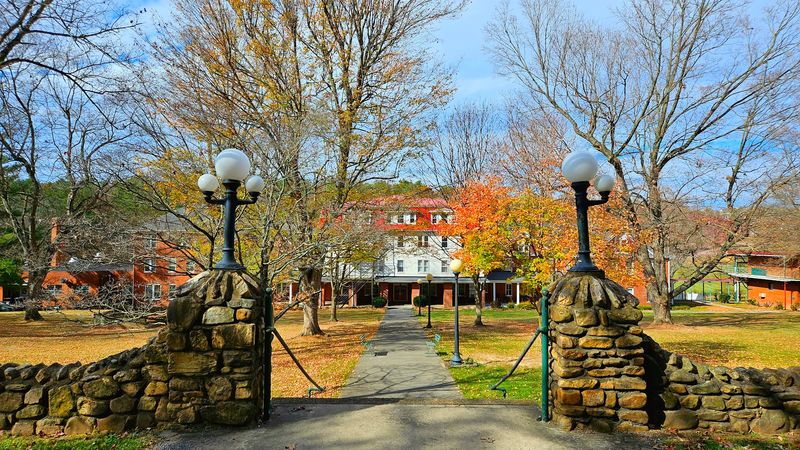
Not every historic spring turned into a ruin or a museum.
Massanetta Springs, located at 712 Massanetta Springs Rd in Harrisonburg, Virginia, is very much alive and thriving as a camp and conference center with deep roots in the region’s spring culture.
The mineral springs here were well known long before the property became an organized retreat destination.
The Shenandoah Valley setting gives Massanetta a lush, peaceful quality that feels both grounding and energizing.
The springs themselves are part of the property’s identity and history, connecting the modern-day campus to generations of travelers who came to these waters seeking restoration.
The name itself has a musical quality that somehow perfectly matches the flowing, spring-fed landscape.
Groups, families, and individuals have gathered here for decades, drawn by the combination of natural beauty and a sense of shared purpose. The historic spring waters remain a meaningful part of the site’s character, even as the property serves a broader community role today.
There is something special about a place that has managed to stay relevant and welcoming across so many generations.
Massanetta Springs proves that historic waters do not have to stay frozen in the past. They can keep flowing forward, carrying new stories while honoring everything that came before them.
4. Shrine Mont At Orkney Springs
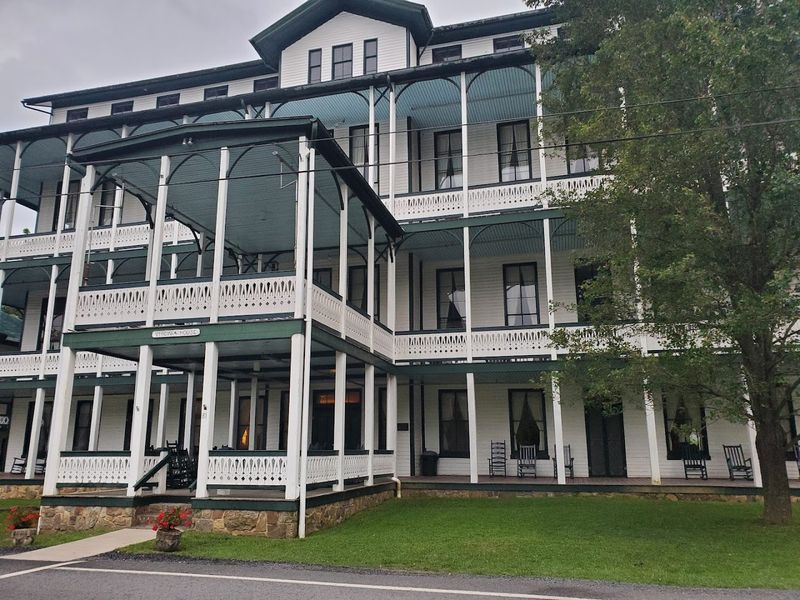
Tucked into a secluded mountain valley that feels like it belongs in a fairy tale, Shrine Mont at Orkney Springs is one of Virginia’s most atmospheric historic spring destinations.
Located at 217 Shrine Mont Cir in Orkney Springs, Virginia, this Episcopal conference and retreat center sits on land that was once a celebrated 19th-century resort.
The mineral springs here drew visitors from across the region during Virginia’s golden age of spa travel.
The Victorian-era architecture that still defines the property gives Shrine Mont an almost storybook quality. Walking the grounds feels like wandering through a beautifully preserved chapter of American resort history.
The springs contributed to Orkney’s reputation as a place of refreshment and renewal, both physically and spiritually.
Today the property operates as a retreat and conference center, welcoming groups throughout the year. The Shenandoah Valley views from the grounds are nothing short of spectacular, framed by rolling ridges and open sky.
The original spring culture may have evolved into something more contemplative here, but the sense of arriving somewhere meaningful has never left.
Shrine Mont has a way of slowing time down just a little, which might be exactly what those 19th-century travelers were looking for too.
History has a funny way of staying relevant when the place itself is this beautiful.
5. Rockbridge Alum Springs
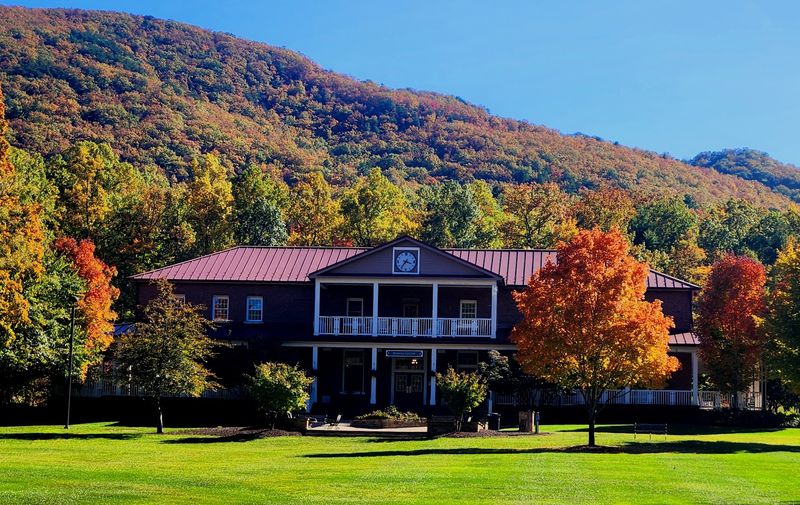
Picture a resort so popular in its day that it ranked second only to White Sulphur Springs in all of Virginia. That was Rockbridge Alum Springs, and its story is one worth knowing.
Located at 170 Spring House Rd in Goshen, Virginia, this former resort was among the most celebrated antebellum spa destinations in the entire American South.
The alum-rich mineral water here was believed to address a wide range of health concerns, drawing both the curious and the genuinely hopeful.
The resort opened in the 1830s and expanded significantly after 1852, eventually featuring a full complex of buildings, guest accommodations, and social spaces. It operated continuously until 1941, giving it over a century of active history.
The spring house still stands on the property today, offering a tangible connection to that remarkable past.
The surrounding landscape of Rockbridge County adds a naturally dramatic setting to the site. Dense forest and rolling terrain frame the spring house in a way that makes the whole place feel like a discovery.
The waters here were genuinely believed to treat conditions like dyspepsia and liver troubles, which sounds almost charmingly old-fashioned now but was taken very seriously at the time.
Rockbridge Alum Springs is the kind of place that rewards the curious traveler who takes the road less traveled.
6. Augusta Springs Wetlands Park
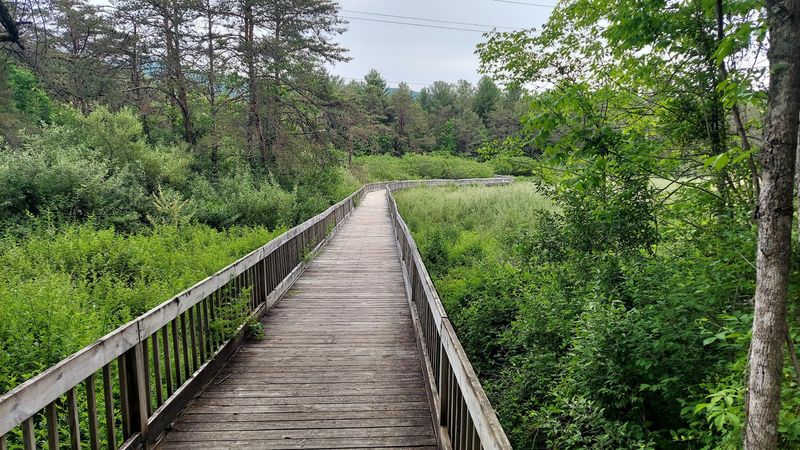
Not all historic spring destinations come wrapped in grand resort architecture. Augusta Springs Wetlands Park, found at 2735 Little Calf Pasture Hwy in Augusta Springs, Virginia, is a quieter and more natural kind of place, but no less significant for it.
The springs here feed a rich wetland ecosystem that has been part of this mountain landscape for far longer than any human record can fully capture.
The park sits within the George Washington National Forest, giving it a protected and genuinely wild character.
The spring-fed wetlands support a remarkable variety of plant and animal life, making it a favorite destination for birdwatchers and nature lovers.
The combination of historic waters and thriving ecology creates a layered experience that goes well beyond a typical park visit.
Walking the trails here means moving through a landscape shaped by water that has been flowing since long before Virginia was a state. The springs themselves feel alive in a way that is hard to describe but impossible to miss.
There is a meditative quality to this place, the kind that comes from being surrounded by something genuinely ancient and unhurried. Augusta Springs reminds you that not every historic water source needs a hotel attached to it.
Sometimes the most powerful experience is simply standing next to something that has been flowing for centuries.
7. Coyner Springs Park
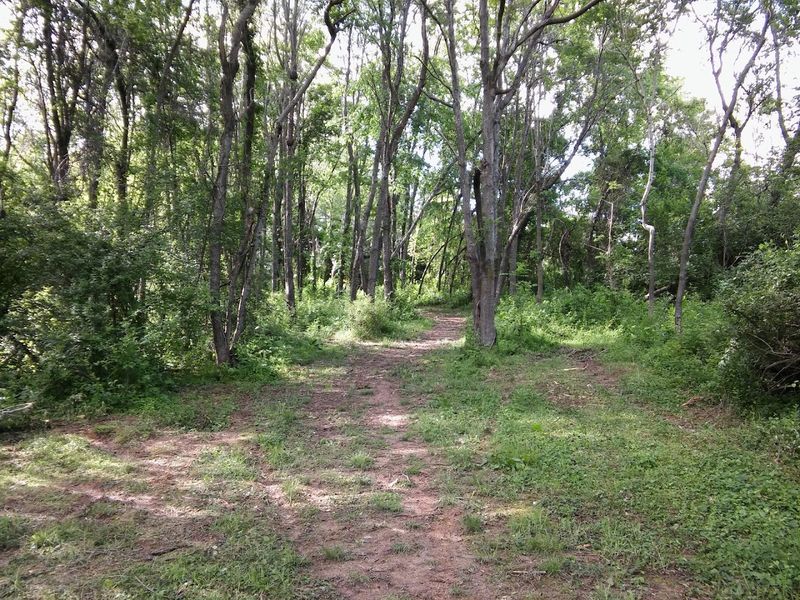
Every small town has a spot that locals have quietly loved for generations, and Coyner Springs Park is exactly that for Waynesboro.
Located at 2091 Lyndhurst Rd in Waynesboro, Virginia, this community park sits on land that has been associated with natural spring waters for well over a century.
The springs gave the park its name and shaped the character of the surrounding area long before the modern park infrastructure existed.
The grounds offer a pleasant mix of open space and natural features, making it a popular spot for outdoor recreation and community gatherings.
The historic connection to mineral springs adds a layer of depth to what might otherwise seem like a straightforward neighborhood park.
Knowing the water beneath these grounds has been flowing and attracting visitors since the 1800s changes how you see the place entirely.
Coyner Springs has a genuinely welcoming, unhurried atmosphere that makes it easy to spend more time here than you originally planned.
The mature trees, open fields, and natural spring features create a setting that feels both timeless and accessible. It is the kind of place where history does not announce itself loudly but reveals itself gently as you explore.
For anyone passing through the Waynesboro area, a stop at Coyner Springs is a simple but surprisingly meaningful detour into Virginia’s long relationship with its healing waters.
8. Riven Rock Park At Rawley Springs
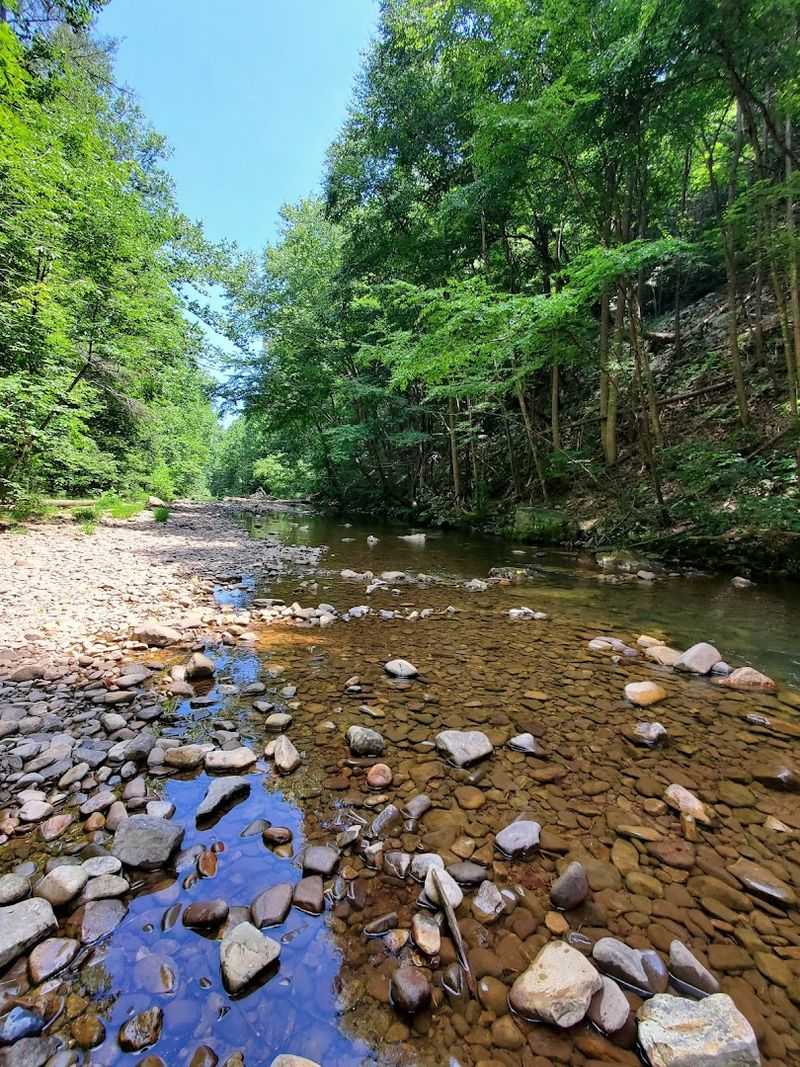
The name alone sounds like something out of an adventure novel, and the place itself does not disappoint.
Riven Rock Park at Rawley Springs, located at 6 Last Left Ln in Hinton, Virginia, occupies a stunning mountain setting where natural springs have been a draw for visitors since the 19th century.
Rawley Springs was once a well-known resort destination, pulling guests from across the region who came for the mineral waters and the mountain scenery.
The rocky terrain and forested landscape give the park a rugged, elemental quality that feels distinctly different from more manicured historic spring sites.
Rawley Run flows through the area, adding the constant, soothing sound of moving water to the experience. The combination of natural spring history and dramatic landscape makes this one of Virginia’s more underrated outdoor destinations.
The park today offers trails and natural exploration opportunities that connect visitors to the same landscape that once supported a thriving resort culture.
Standing near the spring areas, you can almost sense the echo of all those 19th-century travelers who made the journey here hoping the waters would do something wonderful for them.
Whether or not the springs delivered on every promise, the scenery alone would have made the trip worthwhile.
Riven Rock is proof that some places earn their reputation simply by being genuinely, undeniably beautiful.
9. Falling Spring Falls
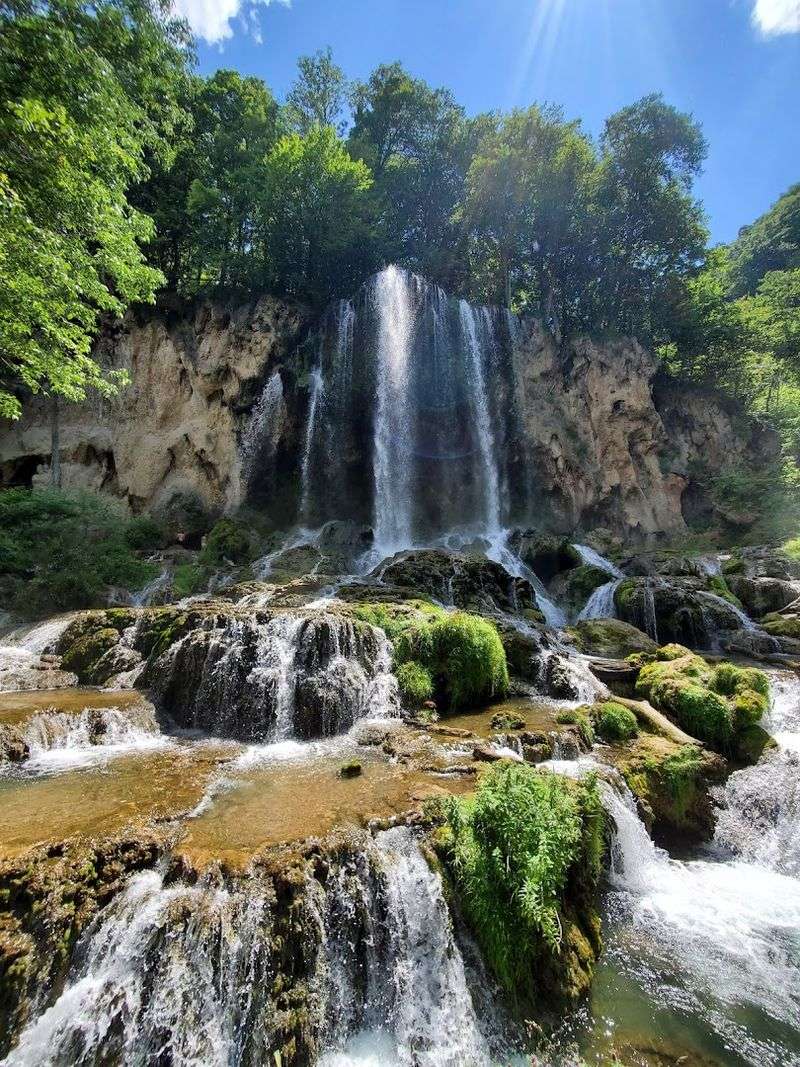
Thomas Jefferson called it the only remarkable cascade in the country, and honestly, that kind of endorsement does not fade with time.
Falling Spring Falls, located along US-220 near Covington, Virginia, is an 80-foot waterfall fed by a natural spring that has been flowing and astonishing visitors for centuries.
Jefferson mentioned it in his Notes on the State of Virginia in 1781, cementing its place in American natural history.
The land around Falling Spring has its own fascinating story. King George III granted 82 acres including the falls back in August of 1771.
Jefferson himself, serving as Governor of Virginia, later granted the property to Major Thomas Massie in 1780. Those layers of history give the falls a significance that goes far beyond their visual drama.
Pulling off along Route 220 to view the falls is one of those road trip moments that genuinely stops you in your tracks.
The water launches off the cliff edge and plunges into the gorge below with a force that you feel before you fully see it.
The surrounding Alleghany Highlands landscape frames the whole scene in deep green forest. Falling Spring Falls is the kind of place that reminds you Virginia has been hiding extraordinary things in plain sight for a very long time.
Have you started planning your springs road trip yet?