
11 Washington Campgrounds Hidden So Well Even Locals Don’t Know About Them
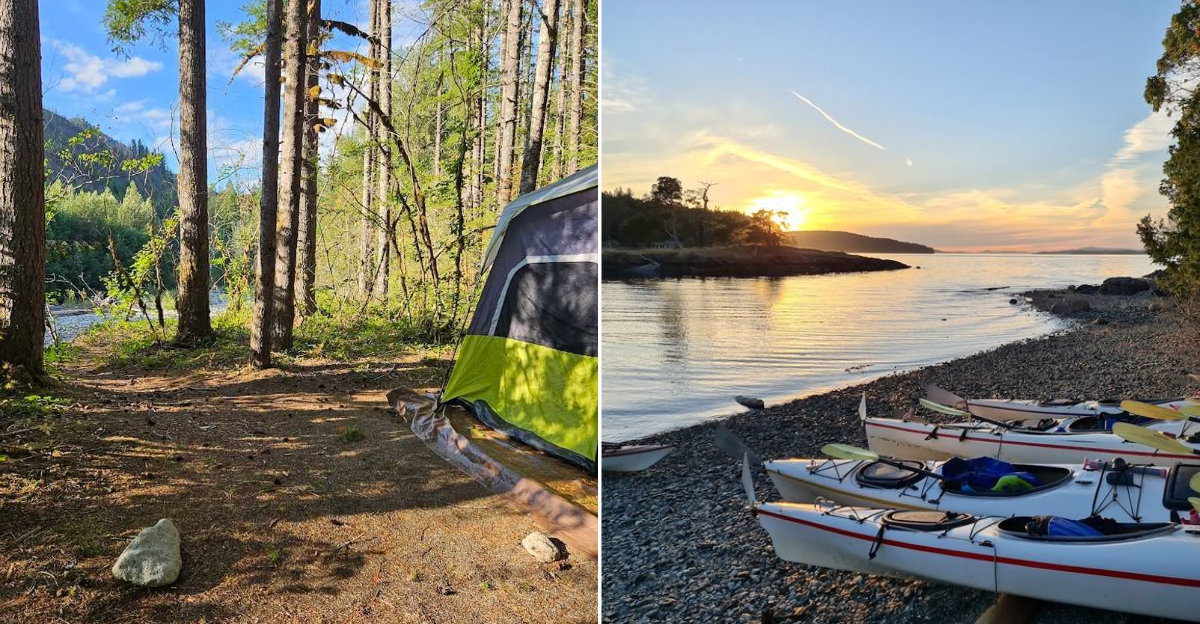
Washington State is packed with jaw-dropping scenery, from volcanic peaks to old-growth forest to saltwater shorelines, and most campers keep circling the same handful of well-known spots.
But behind rough access roads, reachable only by kayak, or sitting quietly in forgotten corners of national forests, there are campgrounds here that even lifelong Washingtonians have never heard of.
I spent time tracking down eleven of these under-the-radar sites, and what I found genuinely surprised me. Pack your tent, charge your headlamp, and get ready to discover camping spots that feel like your own private corner of the Pacific Northwest.
1. Jones Bay Campground, Lake Roosevelt National Recreation Area
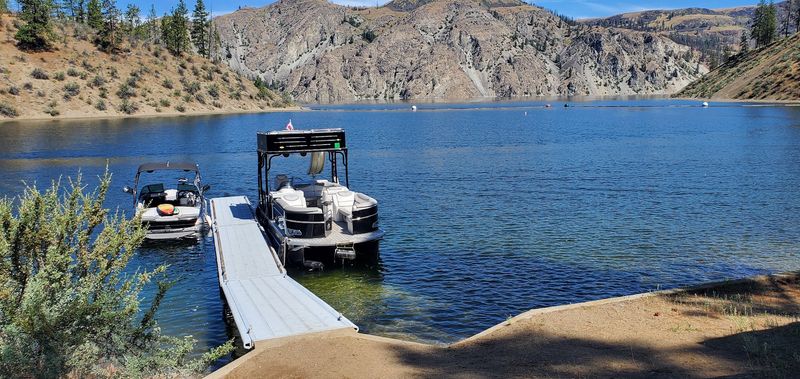
Getting here is part of the adventure. Jones Bay Campground sits along the shores of Lake Roosevelt in northeastern Washington, and Recreation.gov itself warns that the site “may be difficult to find.”
That kind of disclaimer is practically a welcome sign for campers who want fewer neighbors and more quiet.
You can reach Jones Bay by car or by boat, which already sets it apart from the average drive-in campground. The surrounding landscape is high desert meets shoreline, with scrubby pines framing wide water views that look almost too dramatic to be real.
Fishing, kayaking, and simply sitting by the water are the main activities here.
Because the access is genuinely tricky, the campground stays uncrowded even during summer weekends when every other site in the region fills up fast. Bring a paper map, a full tank of gas, and your patience.
There is no packed activity schedule competing for your attention, which is exactly the point. Jones Bay feels best when the day is allowed to stay simple: cast a line, watch the water shift color, and let the quiet do most of the work.
2. Doe Island Marine State Park, Olga
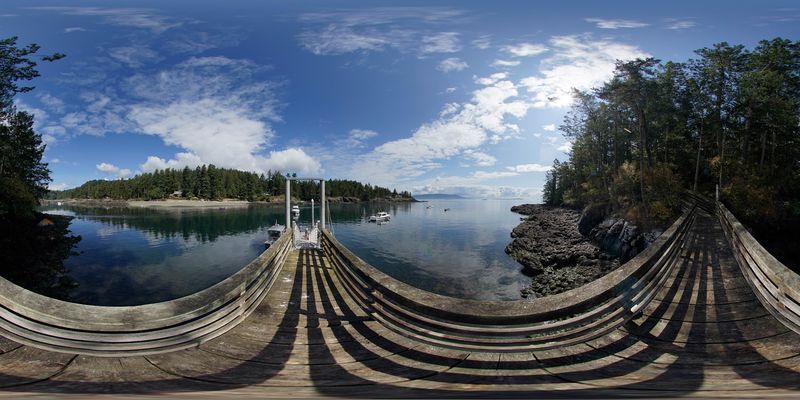
Tiny in size but enormous in atmosphere, Doe Island Marine State Park near Olga is one of those places that makes you feel like you discovered something truly special. The island sits just off the southeastern shore of Orcas Island in the San Juan Islands, and the only way to reach it is by boat or kayak paddle.
Once you arrive, you will find a handful of campsites tucked under a canopy of Douglas fir and madrone trees, plus a short hiking loop that circles the entire island in about thirty minutes.
The views across the water toward the surrounding islands are quietly spectacular, especially at sunrise when the light turns everything gold.
Because this spot requires a bit of effort and the right equipment to reach, the crowd level stays refreshingly low. Orcas Island is nearby if you need supplies before heading out.
The small scale is part of the magic, because every campsite feels close to the trees, the water, and the hush of the San Juans. It is the kind of place where even making coffee in the morning feels like part of the view.
3. Turn Island Marine State Park, Friday Harbor
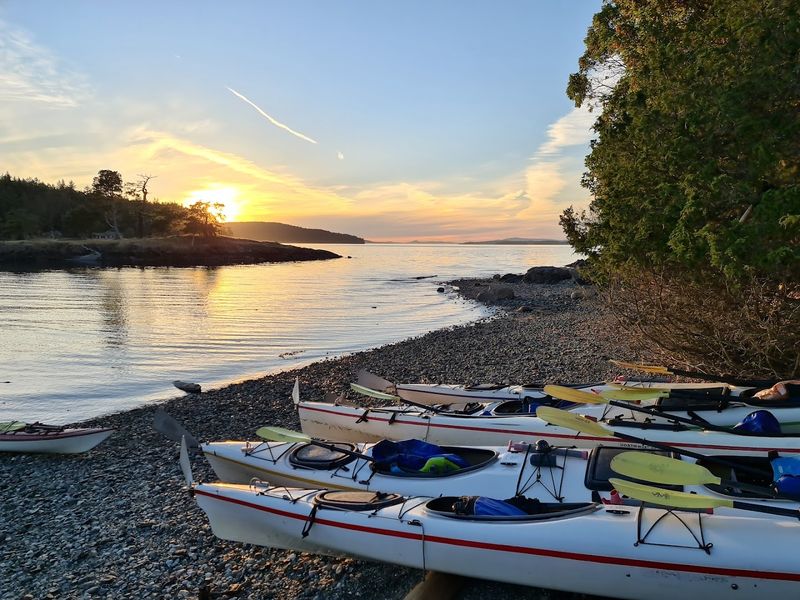
Pebble beaches, kayak-friendly landings, and shoreside campsites that put you close enough to hear the water lapping all night long. Turn Island Marine State Park, located just off Friday Harbor on San Juan Island, is one of the quietest camping experiences in the entire San Juan Islands chain.
The island is small and feels genuinely remote even though Friday Harbor is only a short paddle away. Campsites sit right along the shore, which means unobstructed water views from your tent door and easy access for morning swims or kayak explorations.
A short trail loops around the island if you want to stretch your legs.
Visiting outside peak summer weekends makes a noticeable difference here. The site is less crowded in late spring or early fall, when the light is softer and the ferry traffic on the surrounding water slows to a more peaceful pace.
The real reward, though, is how close everything feels to the water, from breakfast at camp to the last quiet look across the channel before bed. Turn Island has a stripped-down beauty that makes the whole trip feel less like camping near the San Juans and more like camping inside them.
4. Trout Lake Creek Campground, Gifford Pinchot National Forest
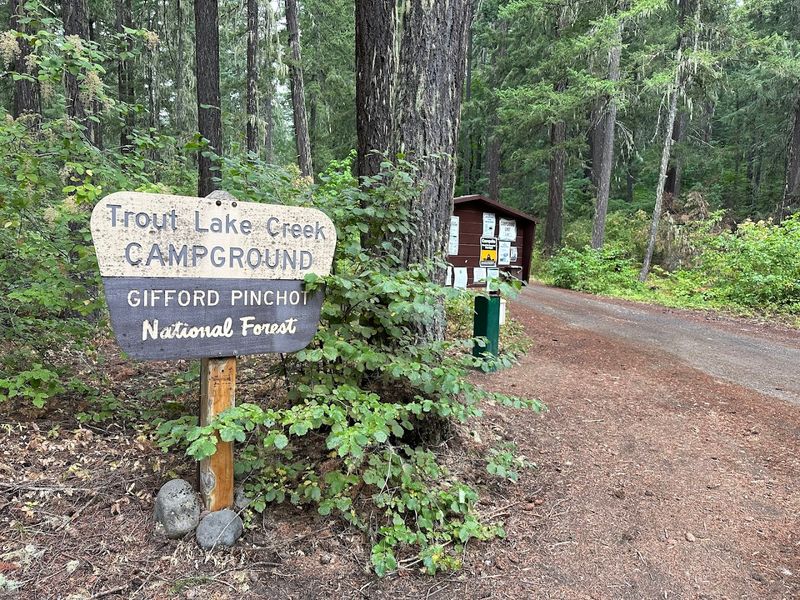
The sound of Trout Lake Creek running just a few feet from your campsite is the kind of natural white noise that makes sleeping outside feel genuinely restorative.
This small campground in Gifford Pinchot National Forest sits in the southern Washington Cascades, not far from the town of Trout Lake and within sight of Mount Adams on clear days.
Some campsites here are positioned right along the creek bank, which is a real treat for anyone who loves falling asleep to moving water. The access road is rough enough to keep larger RVs away, so this spot stays best suited for tent campers and smaller, high-clearance vehicles.
Trout Lake Creek Campground has no hookups, no camp store, and no crowds to navigate. Bring everything you need before leaving the highway, and settle in for a forest experience that feels genuinely off the beaten path.
The payoff is a campsite that feels refreshingly unplugged, where the creek sets the pace and the forest does the rest. Even during warmer months, the shade and moving water give the whole campground a cool, tucked-away feeling.
5. Goose Lake Campground, Gifford Pinchot National Forest
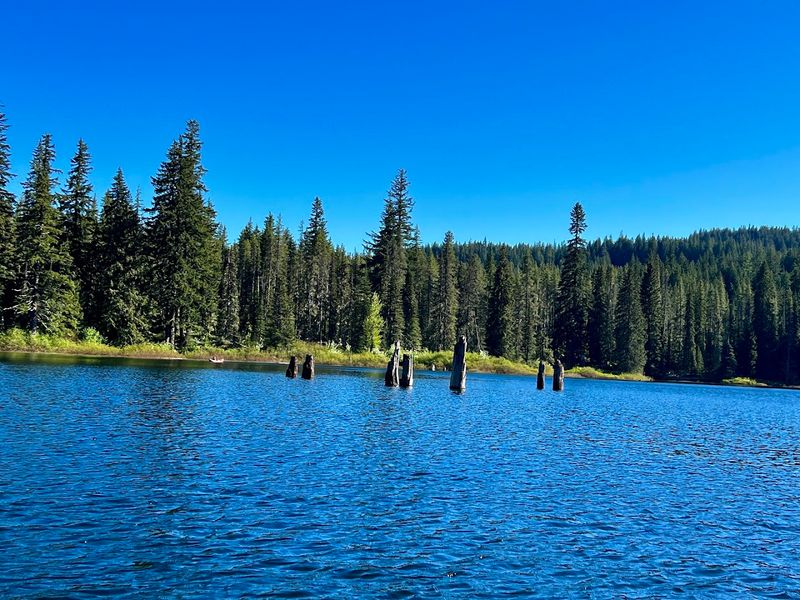
Walk-in tent sites, a calm mountain lake, swimming on warm afternoons, and stocked fishing that gives anglers a real reason to show up early. Goose Lake Campground in Gifford Pinchot National Forest checks a lot of boxes while somehow staying off most campers’ radar.
The campground sits in the southern Washington Cascades, surrounded by the kind of dense conifer forest that makes everything feel hushed and cool even in midsummer.
Because you carry your gear in rather than drive directly to your spot, the sites feel more private and the overall vibe is noticeably quieter than a standard drive-in campground.
Boating is allowed on the lake as well, which adds another layer of fun for families or groups.
Fishing here is a genuine draw, since the lake is stocked and the setting makes even a slow day on the water feel like a reward worth earning.
6. Boulder Creek Campground, Mt. Baker-Snoqualmie National Forest
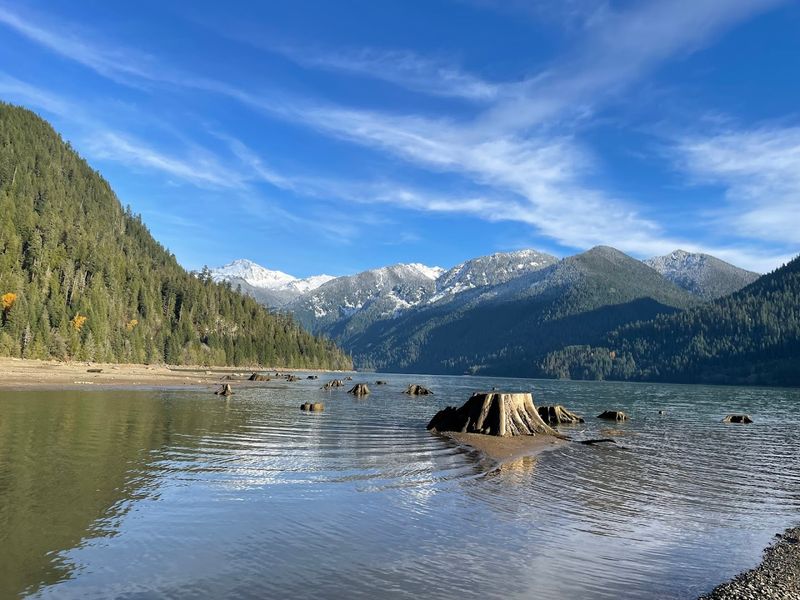
In beside Boulder Creek near Baker Lake, this small campground in Mt. Baker-Snoqualmie National Forest offers that rare combination of easy access from Highway 20 and a setting that still feels genuinely away from it all.
The creek provides steady background sound, and the surrounding old-growth forest keeps the canopy thick and the air cool. There are no hookups and no drinking water available on site, which is exactly why Boulder Creek Campground stays under the radar while its neighbors fill up on summer weekends.
Campers who come prepared with their own water and a flexible attitude will find this spot quietly rewarding. Baker Lake is just a short drive away if you want swimming or a longer hike.
The campground works best for tent campers and small setups that can handle a more rustic experience without missing the creature comforts too much.
That simplicity is part of the appeal, because the campground asks you to slow down instead of filling the day with too many plans. A morning here can be as easy as coffee by the creek, a short drive to the lake, and nowhere else you need to be.
7. Beckler River Campground, Mt. Baker-Snoqualmie National Forest
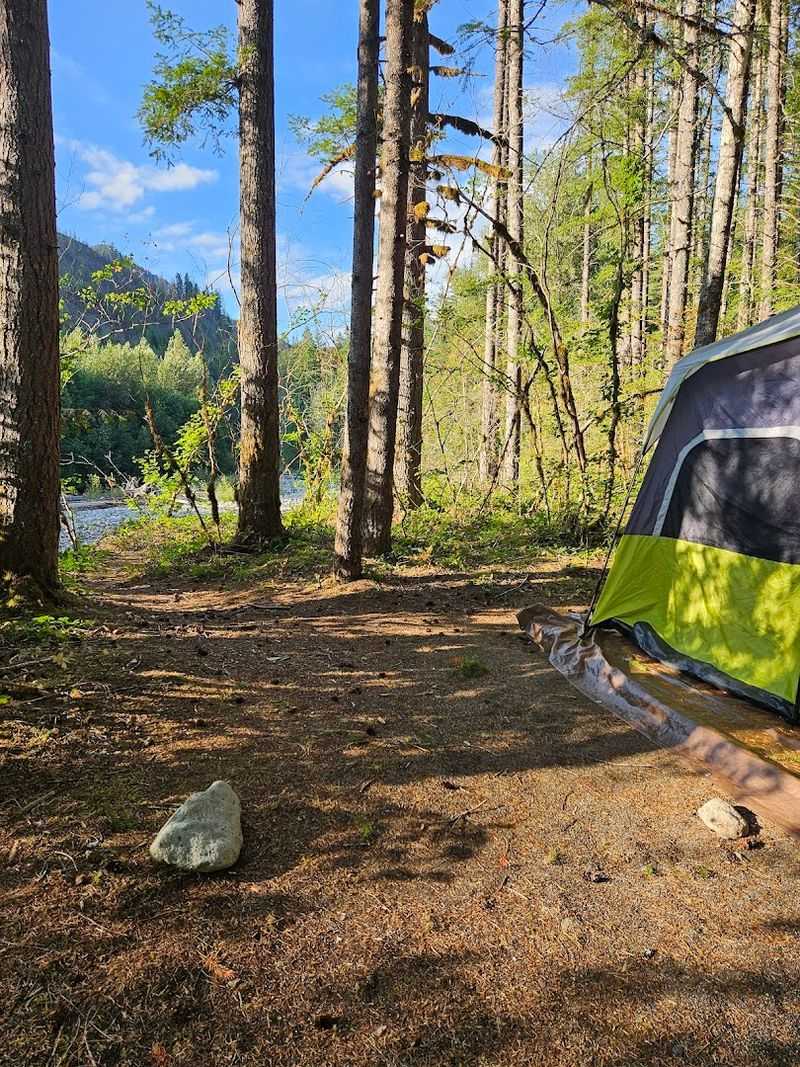
Old-growth trees and a clear, fast-moving river share the stage at Beckler River Campground, located in the North Fork Skykomish area of Mt. Baker-Snoqualmie National Forest.
The combination creates a setting that feels ancient and peaceful at the same time, which is not something every campground can pull off.
Campsites here are notably spacious compared to many forest campgrounds, and several are positioned close enough to the Beckler River that the water is practically part of your campsite.
The surrounding old-growth forest adds a dramatic sense of scale, with massive Douglas firs creating deep shade that keeps temperatures comfortable on warm summer days.
Highway 2 provides reasonably easy access, which makes this a solid choice for campers who want a remote feel without committing to a long, rough access road. The river is the real star, and it earns every bit of attention it gets.
8. Turlo Campground, Mt. Baker-Snoqualmie National Forest
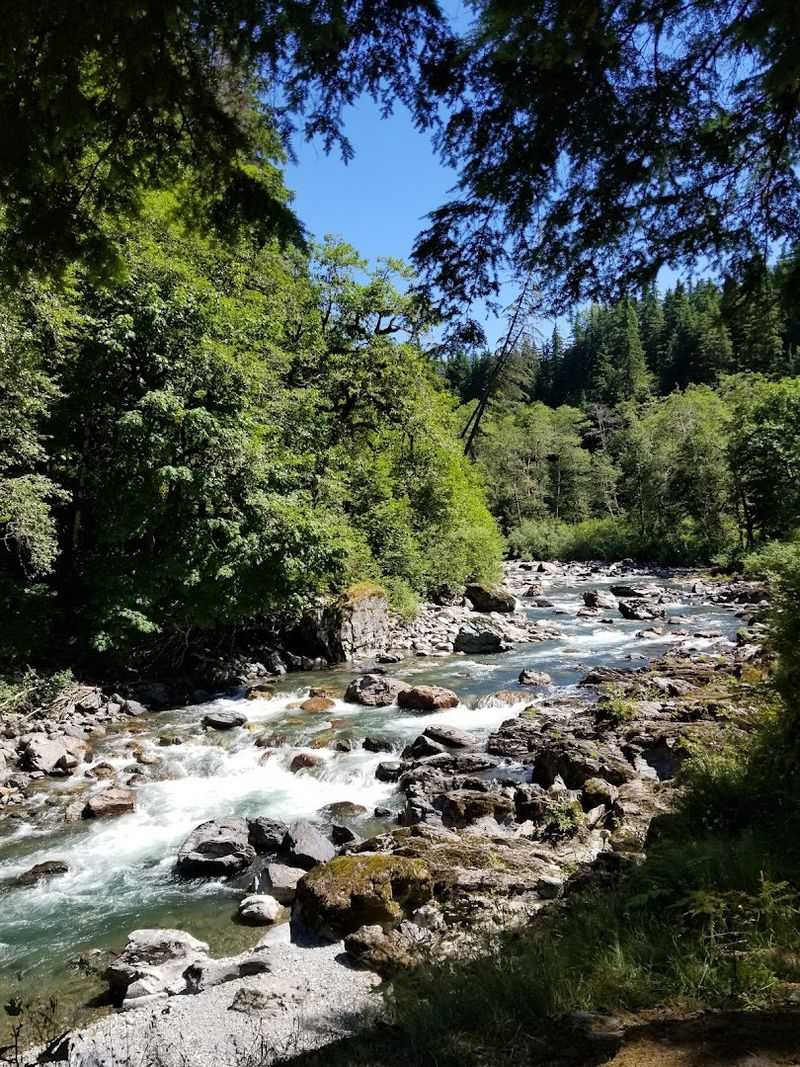
Riverside camping without the fanfare is exactly what Turlo Campground delivers. Sitting beside the South Fork Stillaguamish River in Mt. Baker-Snoqualmie National Forest, this campground has the kind of steady forest-and-river rhythm that makes a weekend feel genuinely restorative rather than just different from the workweek.
Mountain Loop Highway runs nearby, giving campers reasonable access without the campground feeling like a highway pull-off. The surrounding forest is dense and green in a way that is distinctly western Washington, all moss and ferns and filtered light coming through the canopy.
The river itself is shallow enough in places to wade and cool enough to feel refreshing even on the warmest summer days.
Turlo stays quieter than the headline parks in the region because it lacks the name recognition, and that is honestly its greatest asset. Fewer crowds, more river sounds, and a campfire that feels like yours alone.
9. South Fork Hoh Campground, Olympic Peninsula
One of Washington’s most celebrated landscapes, but most visitors follow the main road to the national park visitor center and never venture further.
South Fork Hoh Campground, managed by the Washington Department of Natural Resources, sits along the Hoh River on the Olympic Peninsula and takes a different, quieter route into that same magical rainforest world.
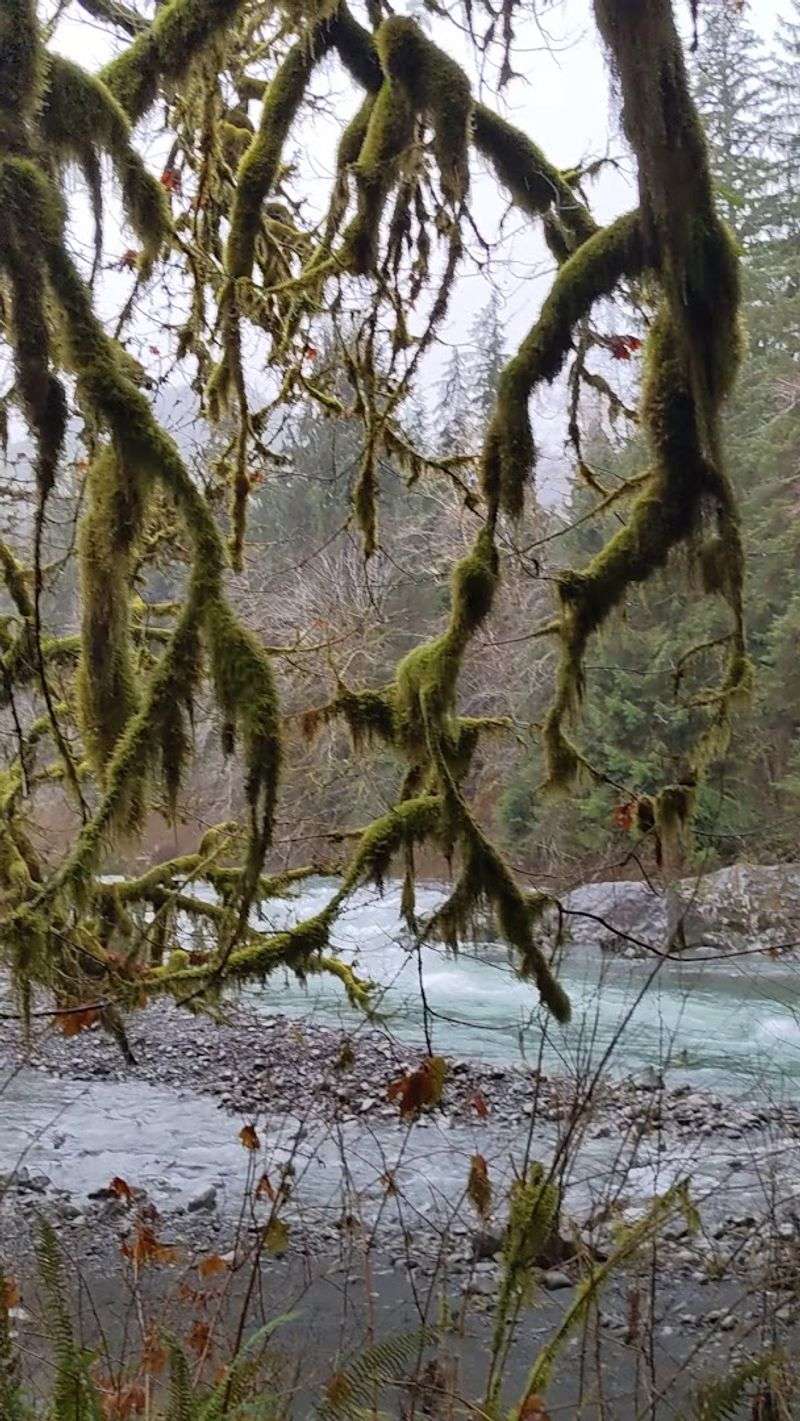
The access road is remote enough to discourage casual visitors, which keeps crowd levels noticeably low even during summer. Enormous bigleaf maples draped in club moss line the river corridor, and the forest floor is carpeted in ferns so thick they look almost tropical.
Camping here feels genuinely primitive in the best possible way.
DNR listings confirm South Fork Hoh as currently open. Bring water filtration, pack out everything you bring in, and prepare for a rainforest immersion that most Olympic Peninsula visitors never find.
There are no resort-style comforts trying to soften the edges, and that is exactly what makes the place so memorable. You fall asleep to river noise, damp forest air, and the feeling that the rainforest is still very much in charge.
10. Rock Lakes Campground, Loup Loup State Forest
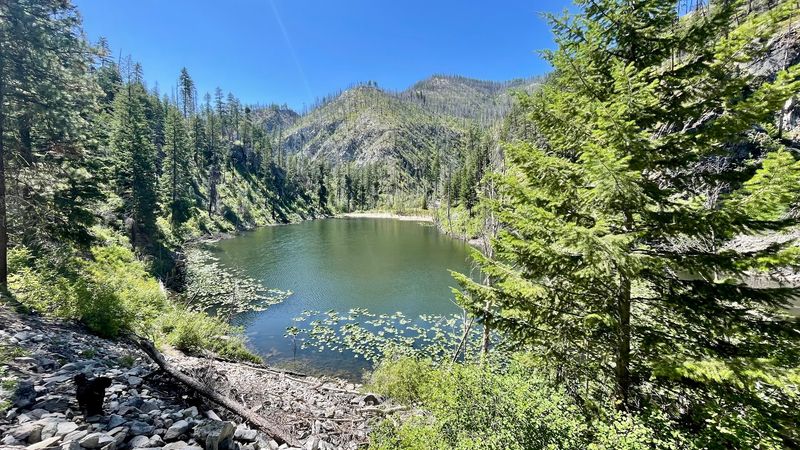
Eastern Washington camping has a completely different personality than the rainy, moss-covered west side of the Cascades, and Rock Lakes Campground in Loup Loup State Forest captures that personality beautifully.
Two small lakes anchor the site, surrounded by open ponderosa pine forest with the kind of wide sky and dry air that feels almost like a different state entirely.
Trails lead down to the lake access points, making this a pleasant spot for fishing, birdwatching, or just sitting at the water’s edge watching the light shift across the surface. The campground is primitive, meaning no hookups and no running water, which keeps the experience straightforward and the visitor count manageable.
Loup Loup State Forest sits between Twisp and Okanogan, putting it within reach of the Methow Valley without the summer crowds that gather around Winthrop. For a quieter eastern Washington camping story, this one is hard to top.
11. Penrose Point State Park, Lakebay
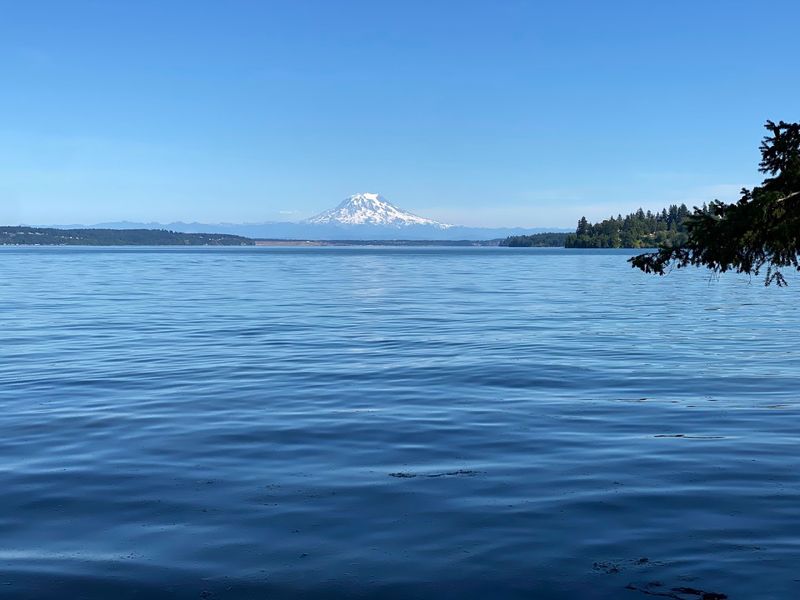
Penrose Point State Park near Lakebay on the Key Peninsula is not exactly a secret, but it is genuinely underrated in a way that amounts to the same thing.
While campers pile into the state’s more famous Puget Sound parks, Penrose Point sits quietly on its own forested peninsula with nearly two miles of saltwater shoreline and a campground shaded by some seriously impressive old trees.
Tidal flats at low tide reveal clams, crabs, and all kinds of marine life worth exploring, and the forested trails that wind through the park add a terrestrial layer to what is primarily a shoreline experience.
Moorage is available for boaters arriving by water, which gives this spot a pleasantly nautical atmosphere.
The drive from Tacoma takes about an hour, making Penrose Point a strong choice for a quick weekend escape that delivers far more than its low profile suggests. Bring a clamming license.