
Washington Town That Locals Say Is Tourist-Ruined Beyond Recognition
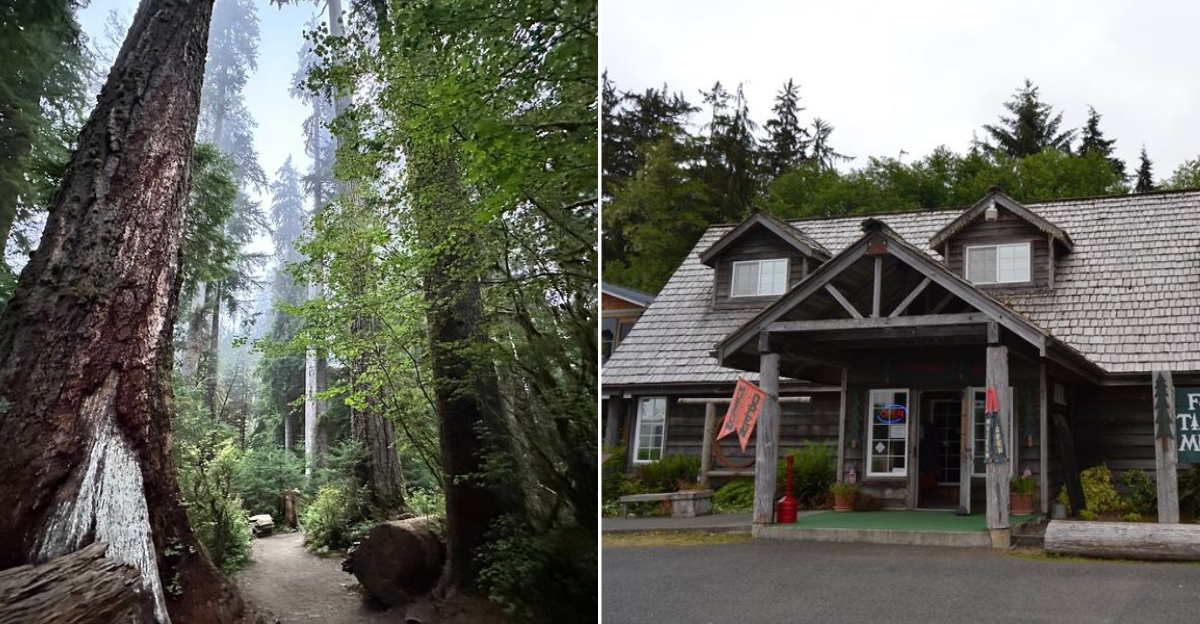
Forks, Washington sits on the western edge of the Olympic Peninsula wrapped in perpetual mist and the kind of green that makes you feel like you wandered into a painting.
Before the Twilight saga turned it into a pop culture pilgrimage site, it was a proud logging town where timber workers filled the diners and locals knew every face on the street.
Now, visitors outnumber residents by a staggering margin, and long-time Forks residents will tell you plainly that their town has changed in ways they never asked for.
This article walks you through nine defining aspects of modern Forks, from its rain-soaked rainforests to its vampire-themed storefronts, so you can see for yourself what has been gained, what has been lost, and why this small Washington town keeps drawing people from all over the world.
The Twilight Effect
In 2005, Forks was a quiet timber town with a modest 5,000 visitors per year. Then Stephenie Meyer published her first Twilight novel, and everything changed practically overnight.
By 2009, visitor numbers had rocketed to nearly 69,000, a figure that has since climbed past 90,000 in recent years.
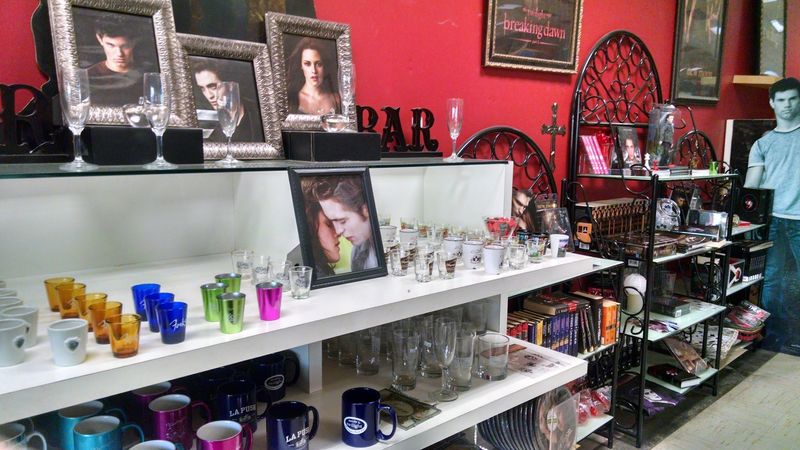
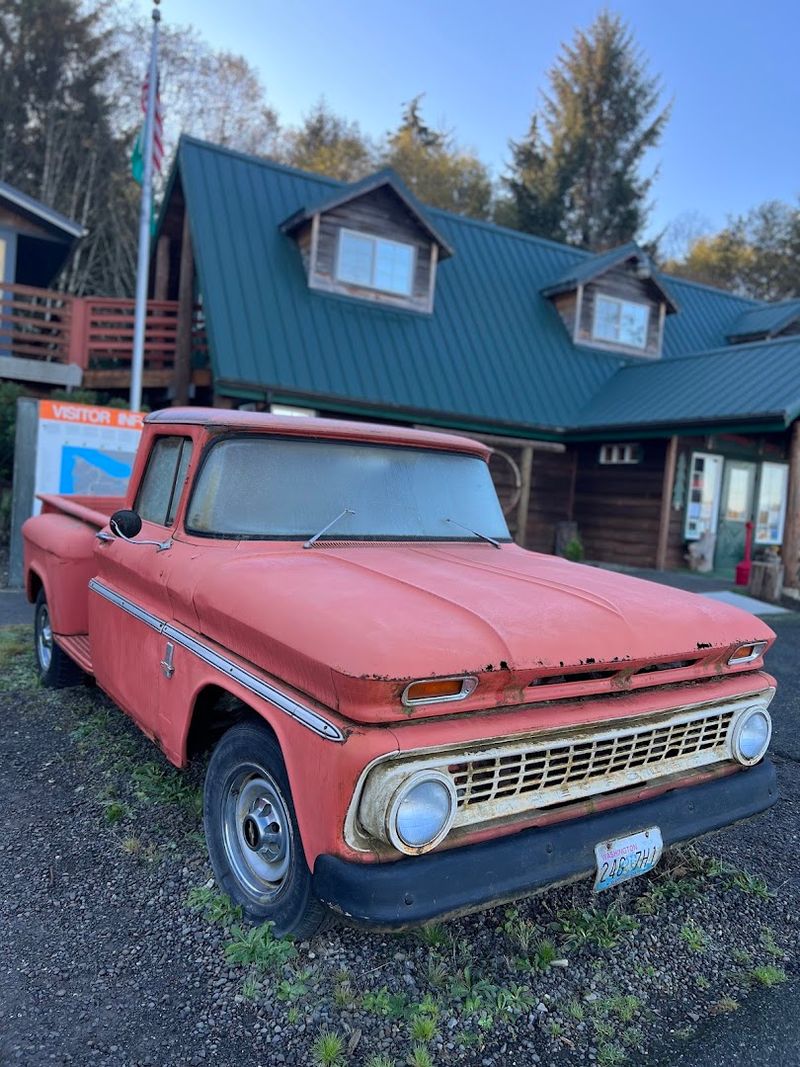
The town leaned into its new identity with remarkable speed. Shops rebranded, tour maps appeared at the Chamber of Commerce, and “Bella’s truck” replicas showed up at roadside photo stops.
For fans of the saga, this transformation feels like walking into a living tribute. For longtime residents, it represents something far more complicated. Many locals describe a sense of cultural displacement, watching their grocery runs turn into background scenes for tourist selfies.
The town’s rugged, working-class character has been layered over with vampire merchandise and fan festivals. Understanding this shift is the first step to truly appreciating what Forks has become and what it quietly mourns.
The Logging Capital That Time Nearly Forgot
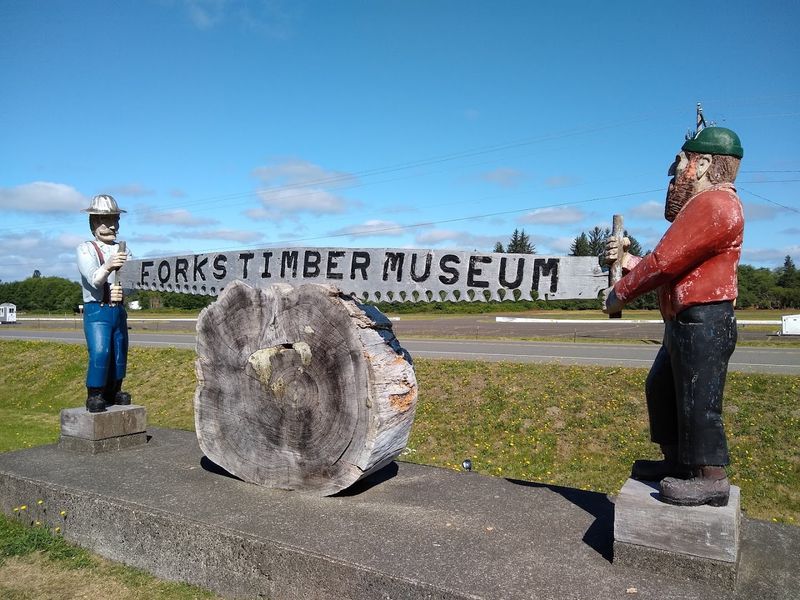
Long before vampires, Forks wore a different badge of honor. From the 1950s through the 1970s, it proudly called itself the Logging Capital of the World, and that title was no exaggeration.
Massive timber operations sustained families, filled schools, and kept local businesses thriving across the entire region.
The collapse of the timber industry during the 1980s and 1990s hit hard. Storefronts went dark, young people left for larger cities, and the town faced a genuinely uncertain future.
Walking through Forks today, you can still spot traces of that era in the weathered signage, old equipment displays, and the particular pride that older residents carry in their voices when they talk about those years.
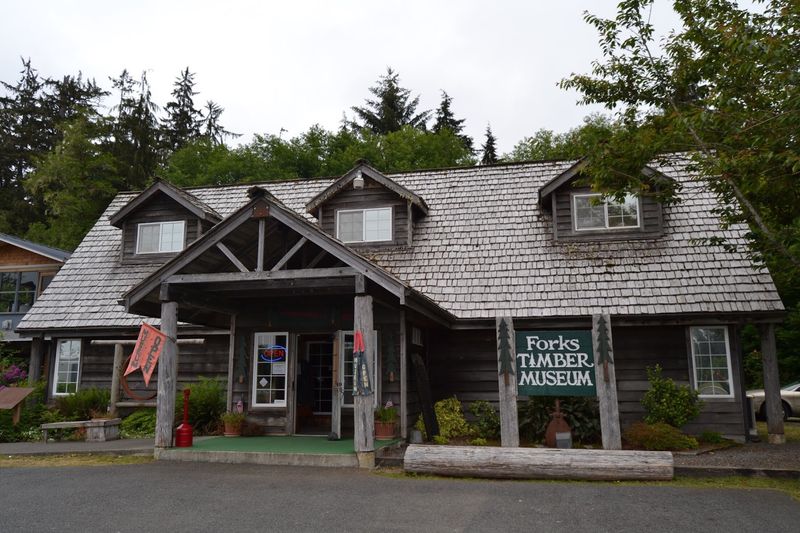
The Forks Timber Museum, located on South Forks Avenue, keeps this history alive with exhibits on logging tools, old photographs, and the stories of the families who built this community. Visiting it feels like a quiet act of respect for the town that existed before the cameras arrived.
Rainfall Records And The “City Of Rain” Reputation
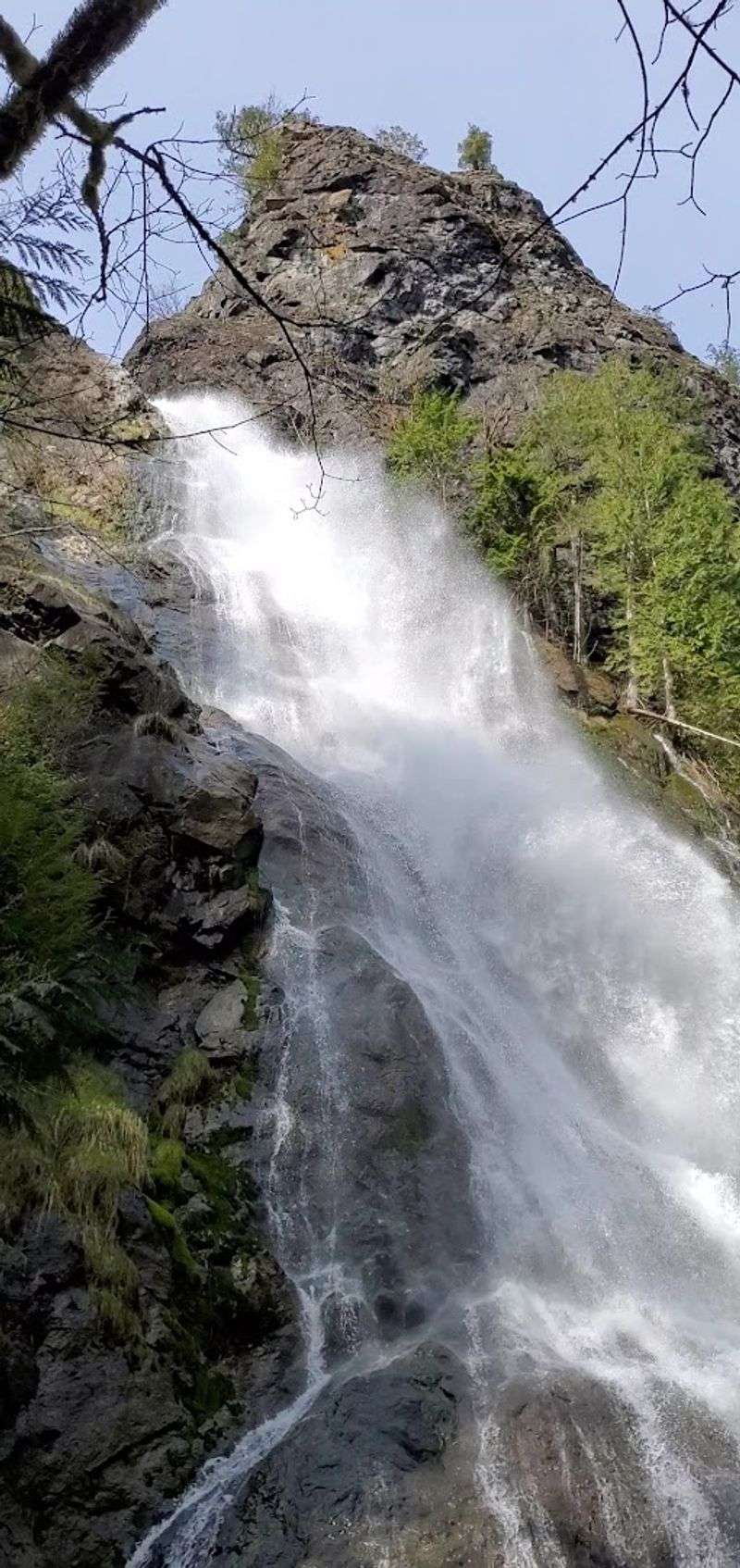
Forks averages around 120 inches of rain every year, making it one of the wettest towns in the contiguous United States. That is not a travel warning; for many visitors, it is the main attraction. The near-constant drizzle gives the town an atmospheric quality that photographs cannot fully capture.
Stephenie Meyer famously chose Forks precisely because of its relentless cloud cover, reasoning it was the perfect place for vampires who needed to avoid sunlight. So in a very real sense, the rain is responsible for the entire Twilight phenomenon.
Locals have mixed feelings about giving the weather credit for their current situation. Packing for a trip here means bringing waterproof boots, a solid rain jacket, and a genuine appreciation for grey skies.
The upside is that the moisture feeds the extraordinary forests surrounding the town, creating landscapes so lush and vivid they almost seem unreal. Rain, it turns out, has a way of making everything more beautiful when you stop resisting it.
Nature’s Cathedral Just Down The Road
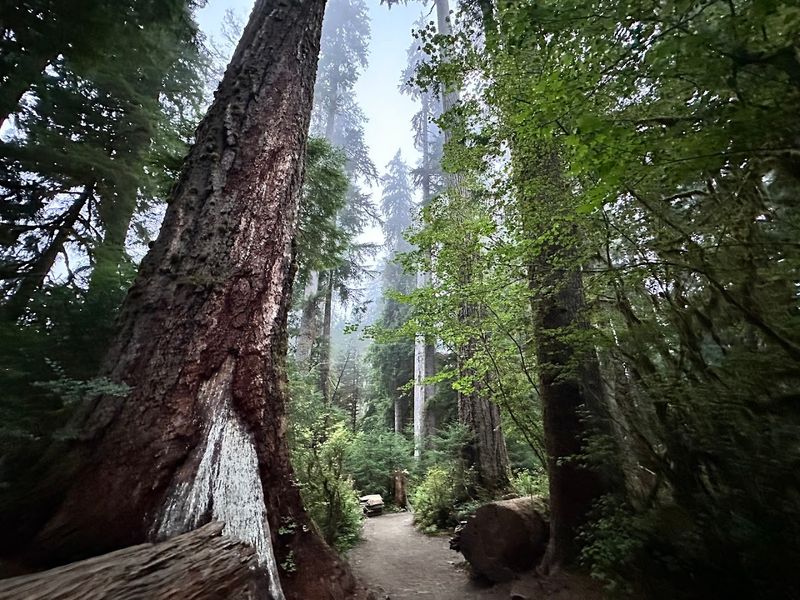
About 31 miles southeast of Forks sits one of the most breathtaking natural spaces in North America.
The Hoh Rainforest, part of Olympic National Park, is a UNESCO World Heritage site where ancient big-leaf maple trees wear thick blankets of hanging moss and the air smells like something primordial and alive.
The Hall of Mosses trail is the crown jewel of the experience, a short 0.8-mile loop that somehow manages to feel like an entirely different world. Even on a crowded day, the forest absorbs sound in a way that creates pockets of genuine stillness.
Birdsong, the drip of water from leaves, and the crunch of your own footsteps become the whole soundtrack. Longer hikes along the Hoh River Trail offer solitude and increasingly dramatic scenery for those willing to walk further.
The rainforest existed long before Twilight put Forks on the map, and it will outlast every trend. Visiting it is a reminder that the most compelling reason to come here has always been the land itself.
Rialto Beach And Ruby Beach
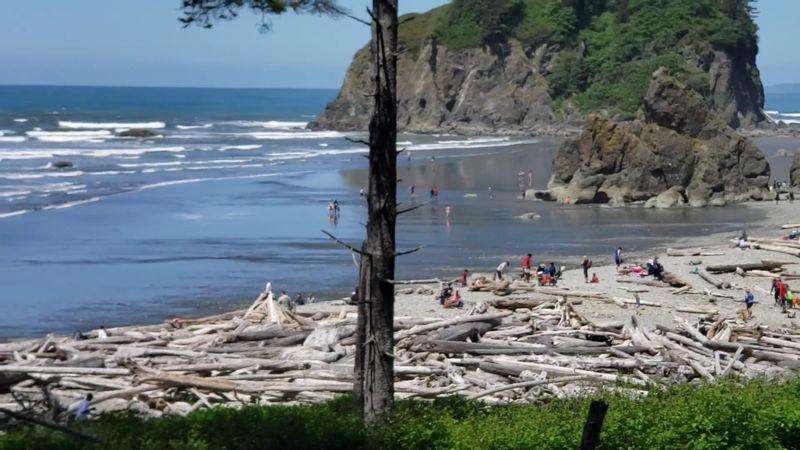
The Pacific coastline near Forks is the kind of scenery that makes you stop mid-sentence and just stare.
Ruby Beach and Rialto Beach, both accessible within a short drive from town, feature dramatic sea stacks, tide pools packed with starfish and anemones, and enormous driftwood logs that look like they were arranged by a sculptor with a very large budget.
Ruby Beach sits about 27 miles south of Forks along US Highway 101 and is consistently ranked among the most photogenic beaches in the entire Pacific Northwest. The reddish garnet crystals in the sand give it a faintly magical quality, especially when the light hits at the right angle.
Rialto Beach, closer to the town of La Push, offers a wilder, more exposed stretch of shoreline perfect for long contemplative walks.
Neither beach has been significantly altered by the Twilight tourism wave, which feels like a small miracle. Standing at the water’s edge with the Pacific crashing in front of you, it is easy to understand why people keep returning to this corner of Washington even after the fandom fades.
The Forever Twilight In Forks Festival
Every September, Forks transforms into something that even the most seasoned festival-goer will find hard to describe with a straight face.
The Forever Twilight in Forks Festival draws approximately 1,500 dedicated fans for a long weekend of themed activities, costume contests, cast appearances, and a level of collective enthusiasm that is genuinely infectious.
The event is organized with surprising professionalism, featuring guided tours of filming locations, panel discussions, and merchandise from vendors who travel specifically for the occasion. Fans arrive from dozens of countries, some planning their trips a full year in advance.
The local economy receives a noticeable boost during this weekend, which helps explain why the town continues to invest in the festival year after year.
For visitors who are not hardcore Twilight fans, the festival still offers an entertaining window into how powerfully a story can bond a community of strangers. Watching someone tear up at a replica of Bella’s truck is oddly moving, regardless of your feelings about the books.
Fandom, at its core, is just enthusiasm with a very specific address.
What Locals Actually Think
Ask a Forks resident under 30 what they think of the tourism boom and you will likely get a shrug and a practical answer about jobs and foot traffic.
Ask someone who raised their family here before the Twilight era and the response carries considerably more weight. The phrase I heard most often was some version of “my kids will never know the town I grew up in.”
There is real grief in that sentiment, and it deserves to be taken seriously rather than dismissed as resistance to progress.
The community that existed before 2005 had its own rhythms, its own gathering spots, and its own sense of identity rooted in timber, rain, and the quiet satisfaction of hard physical work. Much of that texture has been covered over by crimson-themed decor and selfie stations.
Notably, the economic benefits of Twilight tourism have not reached all corners of the community equally. Latino and Native American residents, who represent a significant portion of the local population, have largely been left out of the financial gains.
That imbalance is worth understanding before you buy your third Team Edward keychain.
The Twilight Museum And Merchandise Scene
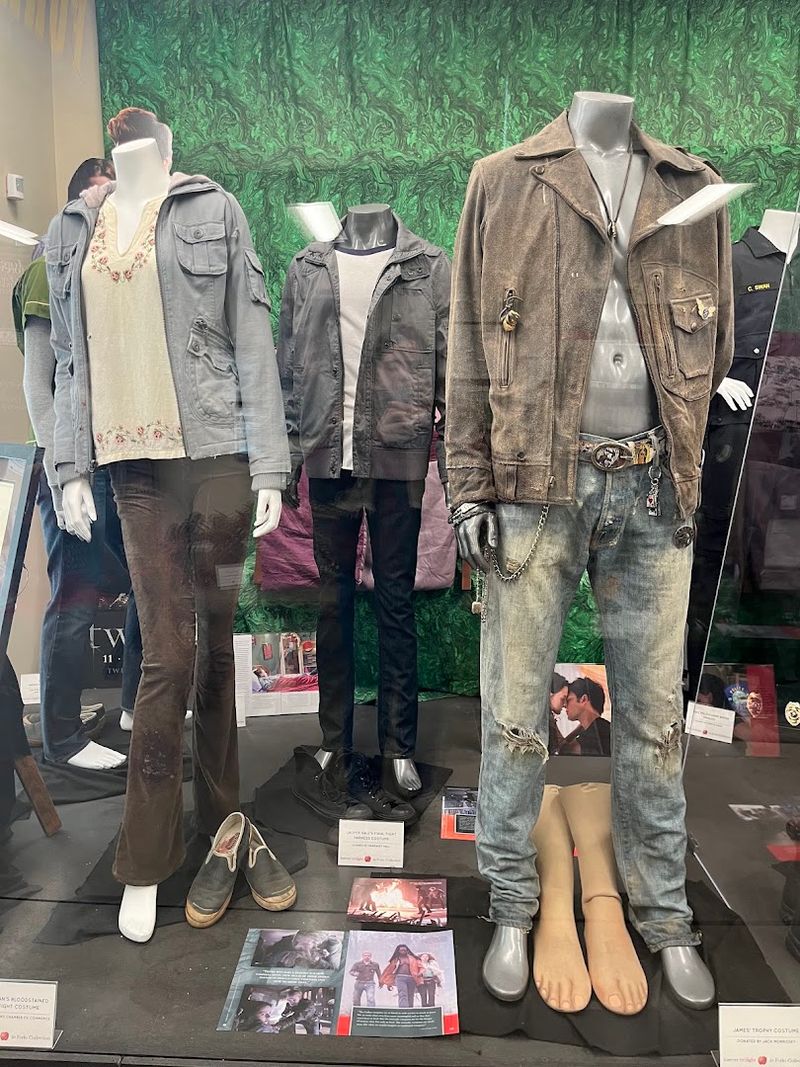
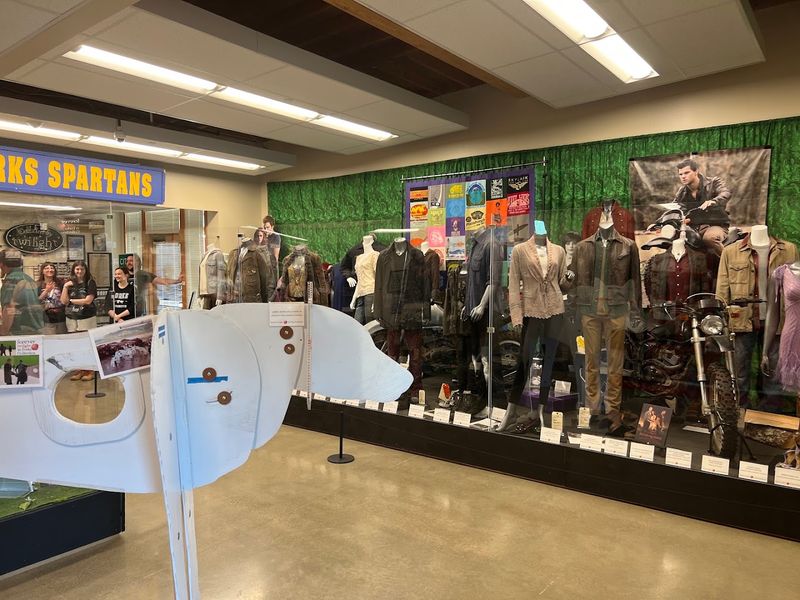
The Forever Twilight in Forks museum is a surprisingly well-curated stop for anyone even mildly curious about the franchise.
Authentic props and costumes from the film series are displayed with genuine care, including the notorious “Chuckesmee” doll that was replaced by CGI in the final movie. Seeing it in person is equal parts fascinating and bewildering.
Beyond the museum, the merchandise scene in Forks operates at a scale that feels almost surreal for a town of roughly 3,500 people.
Forks Outfitters, the local general store, stocks Team Edward and Team Jacob gear alongside actual groceries, which might be the most perfect metaphor for what this town has become.
You can buy mosquito repellent and a vampire cape in the same transaction. The Chamber of Commerce offers free self-guided tour maps that lead visitors through key filming and book-referenced locations around town.
For fans, this is the main event. For everyone else, it is an interesting study in how thoroughly a single piece of pop culture can reorganize a real community around an entirely fictional world.
Practical Tips For Getting The Most Out Of Forks
Forks sits along US Highway 101 in southwest Clallam County, Washington, about three hours west of Seattle by car. There is no commercial airport nearby, so driving is the most practical option.
The town itself is small enough to walk most of it in an afternoon, but the surrounding attractions require a vehicle and some advance planning.
The best time to visit depends entirely on what you want. Summer months from June through August offer the driest weather and the best conditions for hiking and beach exploration. September brings the Twilight festival and slightly cooler temperatures.
Winter visits are quiet, deeply atmospheric, and recommended only for travelers who genuinely enjoy rain as a companion rather than an obstacle.
Accommodation options include a handful of motels and vacation rentals, with the Forks Motel and Miller Tree Inn being among the most well-reviewed by visitors.
Book early if you plan to attend the September festival. Come with an open mind, leave the preconceptions at the trailhead, and Forks will offer you something real beneath all the vampire glitter.