
You Can’t Help But Fall In Love With This Wonderfully Odd Washington Town
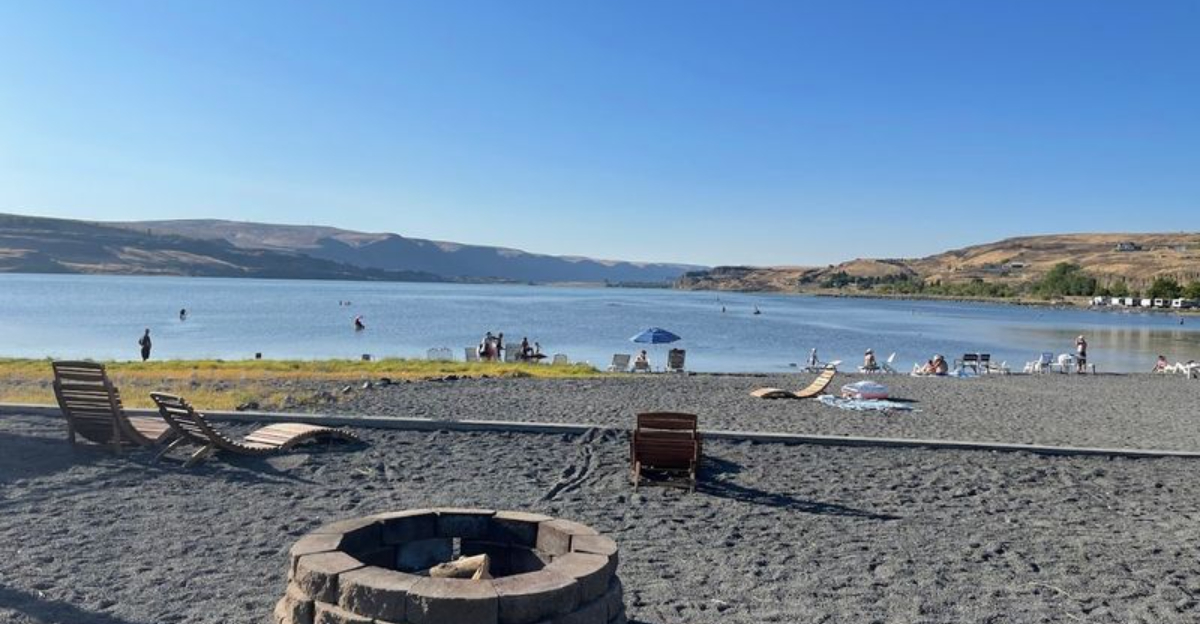
This is the kind of town that makes you do a double-take and then immediately pull over to find out more. The lake itself bubbles with 23 different minerals, the water feels slippery against your skin, and the town proudly calls itself a cure for the ordinary.
I visited expecting a quirky roadside curiosity and left genuinely charmed by its strange beauty, fascinating science, and the warmly eccentric community that calls this place home.
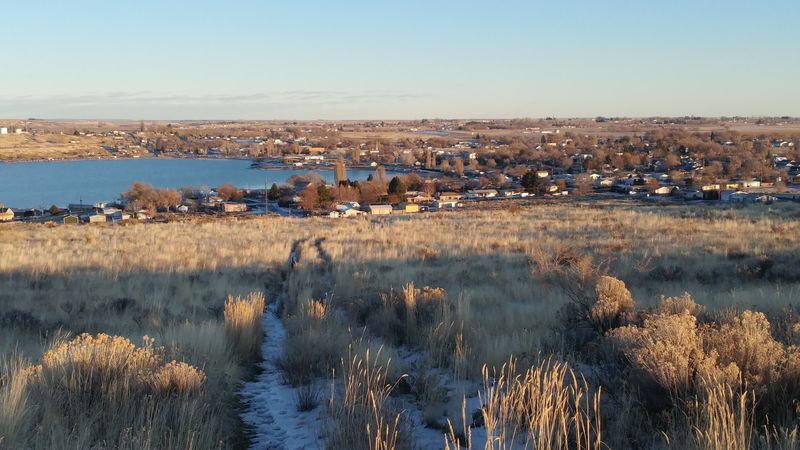
Even the quietest corners seemed to have a story attached, which made wandering around feel more like following clues than sightseeing. The desert light gave everything a slightly dreamy glow, especially near the water where the whole scene looked almost unreal.
There is a playful weirdness here that sneaks up on you in the best way, then makes you wonder why more places do not embrace their oddball side.
If you have ever wanted a Washington travel destination that surprises you at every turn, this small town delivers that feeling in spades.
The Soapy Science Behind The Lake
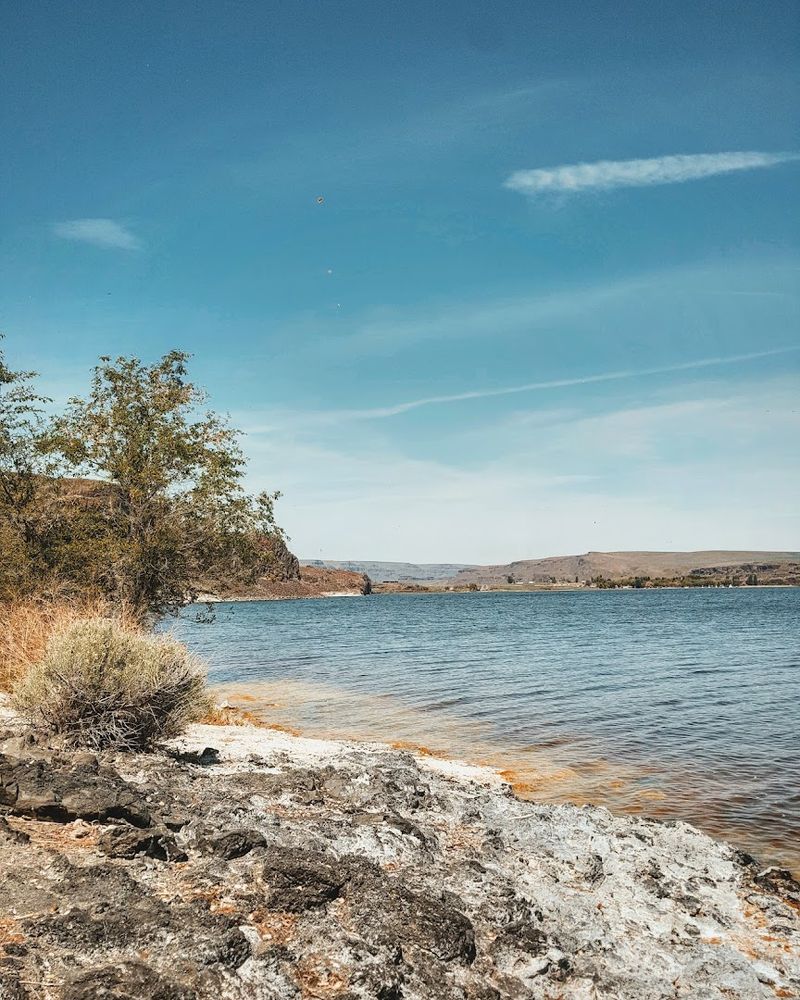
Most lakes just sit there looking pretty. Soap Lake, on the other hand, has a personality built on pure chemistry. The water contains 23 different minerals, and the naturally occurring foam that forms along the shoreline is what gave the lake its name long before any tourist ever showed up.
The lake is what scientists call meromictic, meaning its layers of water never mix. The deeper layer, known as the monimolimnion, is three to five times saltier than seawater, has zero oxygen, and carries a thick, syrupy consistency.
That lower layer has essentially been sealed off from the surface for thousands of years. Researchers from Central Washington University have studied the lake’s extreme alkalinity, which rivals conditions found on Jupiter’s moons.
Unique bacteria and algae thrive here, including haloarchaea that can turn the water a vivid pink. Some microbial species found in this lake exist nowhere else on Earth, making it a genuinely rare scientific treasure hiding in plain sight.
How The Missoula Floods Created This Unusual Place
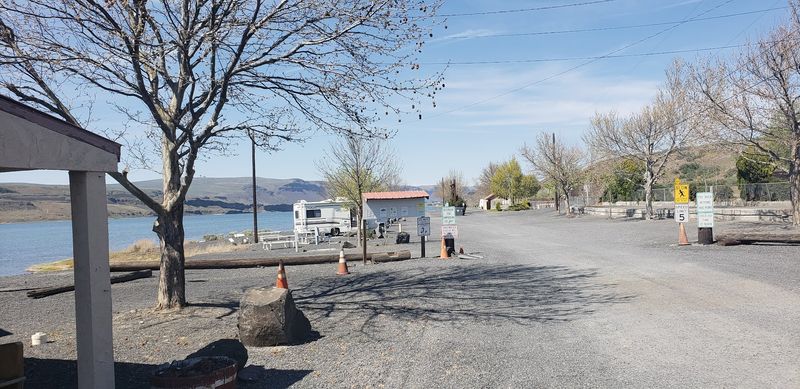
Standing on the shore and looking at the surrounding cliffs, you get a sense that something enormous happened here a very long time ago.
Soap Lake was formed by the Missoula Floods, a series of catastrophic glacial floods that ripped across the Pacific Northwest thousands of years ago, carving out the Grand Coulee and leaving this mineral-rich basin behind.
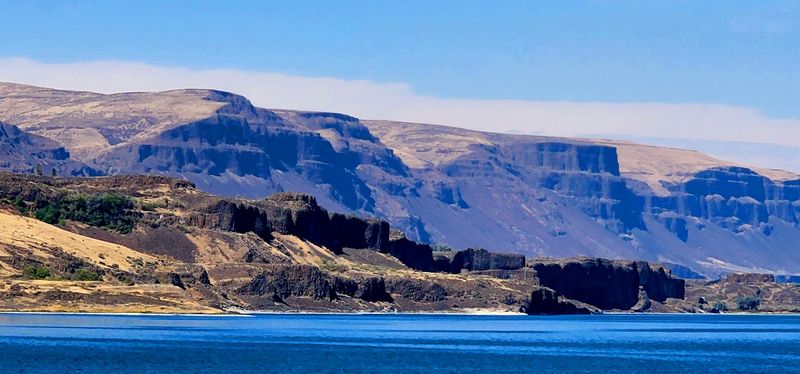
The lake sits at the foot of the Grand Coulee in the Columbia Basin, cradled by basalt walls that tell the story of geological violence on a scale that is hard to wrap your head around.
The same floods that shaped Dry Falls, one of the largest ancient waterfalls ever to exist, also filled this bowl with water that never fully drained.
Over time, minerals concentrated in the lake as water evaporated and the layers separated. Walking the shoreline, you can see white mineral deposits crusted along the rocks.
The landscape feels ancient and dramatic, and knowing its origin story makes every view feel just a little more earned.
The Indigenous Healing Tradition Of Smokiam
Long before health resorts and sanatoriums arrived, the lake was already famous for its healing powers. Indigenous tribes including the Colville knew this place as Smokiam, which translates to Healing Waters, and they traveled here for centuries to bathe themselves and their animals in the mineral-rich water.
The lake was considered sacred enough that rival tribes would call truces to visit its shores together. That kind of peace-making speaks to how powerfully meaningful this place was in the regional Indigenous worldview.
It was not just a lake; it was a destination of restoration and spiritual renewal.
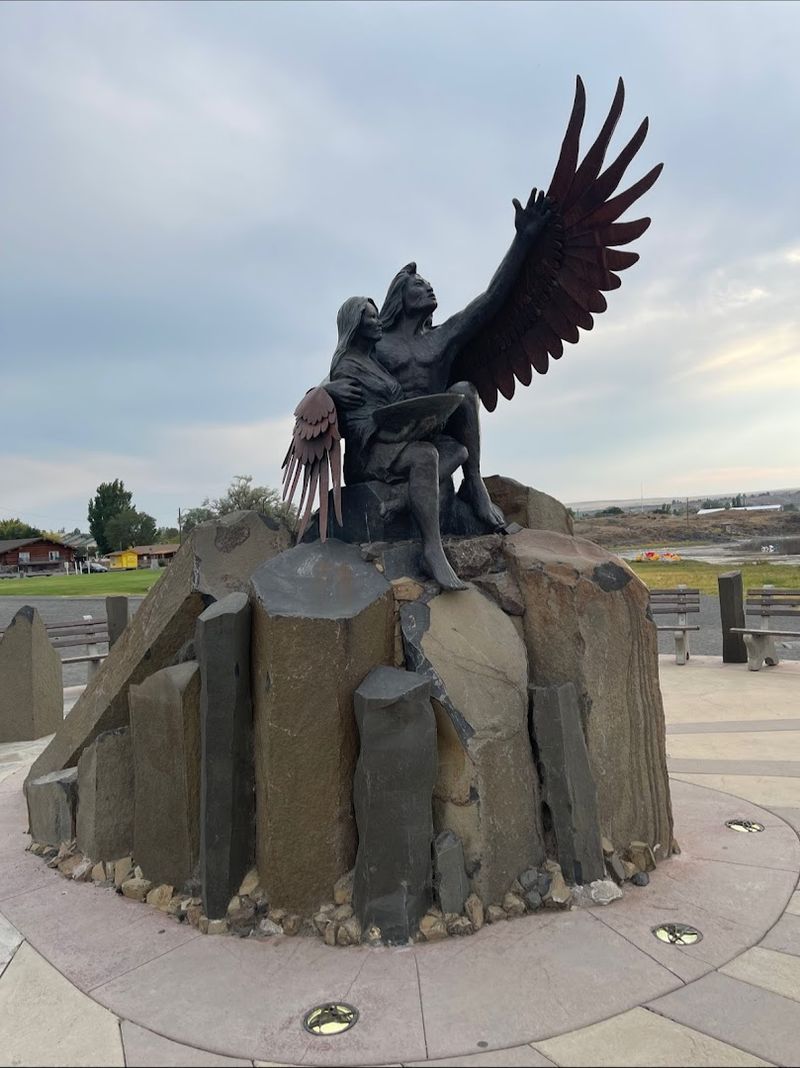
A striking sculpture called Calling the Healing Waters, created by artists David Govedare and Keith Powell, now stands near the lake and honors this long history. It also functions as a sundial, which adds a quietly poetic layer to its meaning.
Visiting the sculpture is a grounding experience that connects the town’s quirky modern identity to a much deeper, more reverent past.
The Sanatorium Era And Washington’s Health Resort
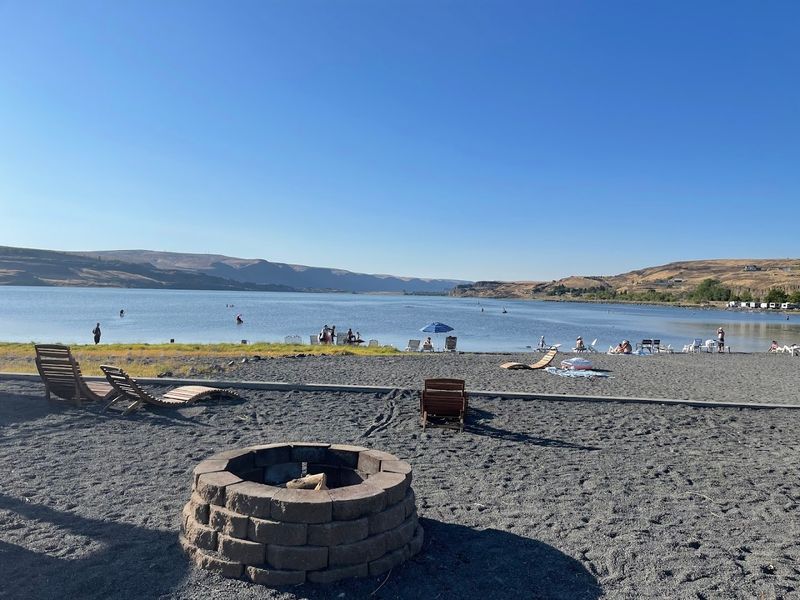
By the 1920s, word had spread far and wide that Soap Lake’s water could do remarkable things for the human body.
Washington State tourist guides were calling it the world’s greatest mineral sea, and visitors arrived in droves hoping the waters could treat ailments that conventional medicine had not yet figured out.
The town filled with sanatoriums, which were essentially health resorts where guests soaked in the mineral water as a form of therapy. Buerger’s disease, a condition affecting circulation in the limbs, was one of the main reasons people sought out the lake.
The Veterans Administration even built a hospital here in 1938, cementing the town’s reputation as a legitimate medical destination. The town was officially incorporated on June 9, 1919, right as this health tourism boom was getting started.
Walking around today, you can still feel echoes of that era in the architecture and in the Soap Lake Natural Spa and Resort, which lets modern visitors soak in private mineral water jacuzzis. History here is something you can literally feel on your skin.
The Legendary Lava Lamp That Never Got Built
Every truly odd town needs one truly odd dream, and Soap Lake has one that has captured imaginations for years. Townspeople have long aspired to build a giant lava lamp on the lakefront, a towering, glowing monument to the town’s wonderfully offbeat identity.
It has never been built, but the dream refuses to fade.
The idea fits Soap Lake perfectly. A lake where layers never mix, where water turns pink, and where the minerals have a syrupy quality deserves a lava lamp as its mascot.
The concept has been discussed, debated, and fundraised for over the years, and it remains one of those delightful small-town ambitions that says more about a community’s spirit than any completed project ever could.
Even unbuilt, the lava lamp has become part of Soap Lake’s identity. Locals talk about it with a mix of wistful humor and genuine hope.
If you visit and ask someone about it, prepare for a conversation that is equal parts funny and surprisingly heartfelt. That combination is pure Soap Lake.
Desert Sun, Blue Skies, And 320 Days Of Shine
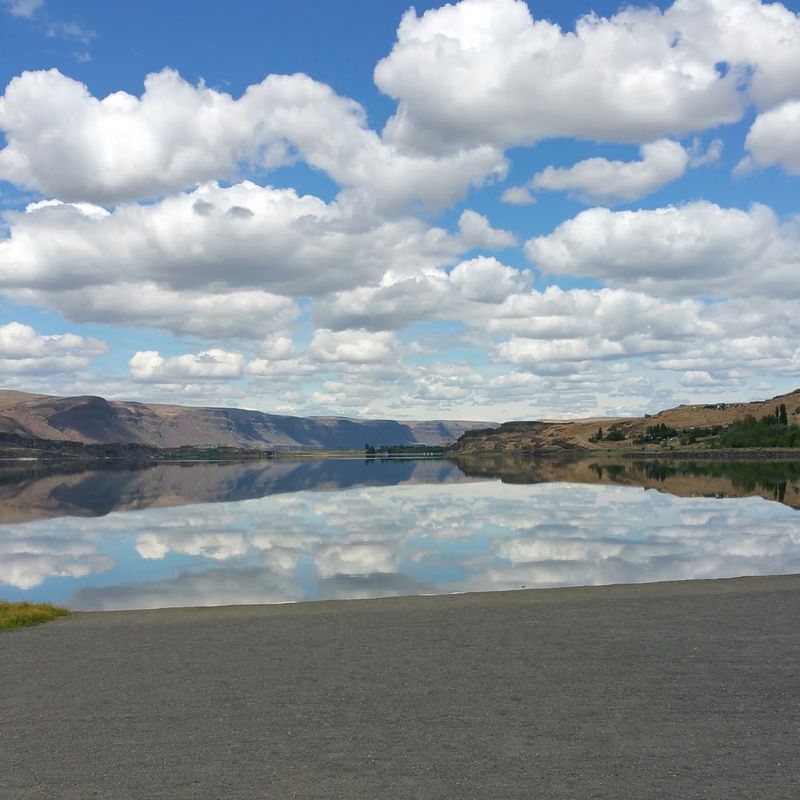
People often picture Washington State as a rainy, grey, perpetually damp place. Soap Lake is here to completely shatter that assumption. Sitting in the rain shadow of the Cascades, the town receives nine inches or less of rainfall per year and enjoys around 320 sunny days annually.
That number is not a typo. The desert setting gives Soap Lake a look and feel that surprises most visitors who arrive expecting Pacific Northwest greenery.
Sagebrush stretches across the surrounding hills, the light has that sharp, high-desert clarity, and the sunsets paint the basalt cliffs in shades of amber and copper that feel almost theatrical.
Summer visits mean long, warm days perfect for walking the lakefront or exploring the nearby Coulee Corridor Scenic Byway along Highway 17. The landscape carved by ancient Ice Age floods surrounds you at every turn.
Spring and fall bring cooler temperatures and softer light, making those seasons ideal for photography or simply sitting beside the lake and soaking in the stillness.
Nearby Wonders Worth The Extra Miles
Soap Lake punches well above its weight as a base camp for exploring some genuinely jaw-dropping scenery.
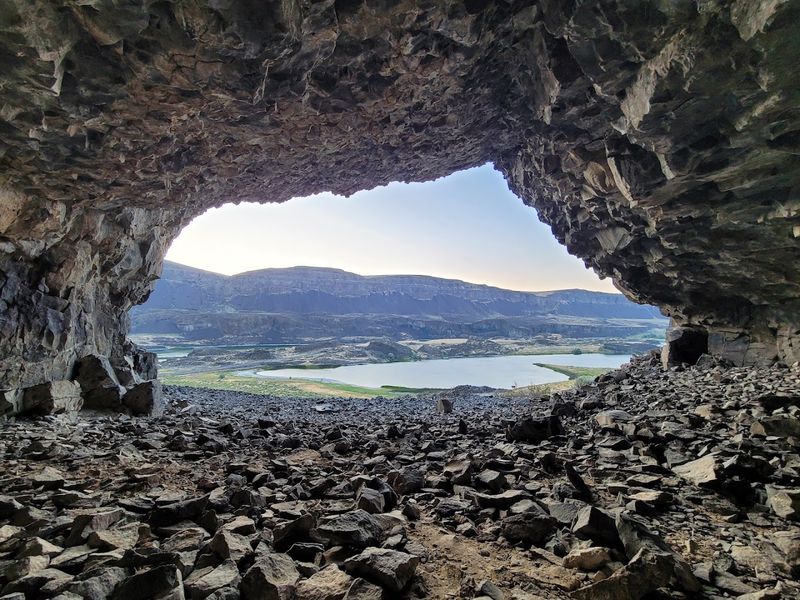
Less than ten miles north, Lake Lenore Caves offer a series of ancient caverns carved directly into the basalt by the Missoula Floods. Scrambling through them feels like stepping into a chapter of prehistory.
Dry Falls, just a short drive away, is one of the most underrated geological sites in the entire country.
At its peak during the floods, it was a waterfall roughly three and a half miles wide and four hundred feet tall. Today it stands silent and massive, and the viewpoint above it genuinely makes your jaw drop.
Blue Lake Rhinoceros Cave, a basalt formation shaped remarkably like a rhinoceros, adds another layer of strangeness to the area.
Steamboat Rock State Park offers hiking and camping within a dramatic butte rising from Banks Lake. Masquers Theater, one of the oldest community theaters in Washington State, also operates nearby, proving that the arts thrive even in the most unexpected desert corners.
Why This Wonderfully Odd Town Stays With You
Some places are easy to categorize. Soap Lake refuses to cooperate with that impulse. It is too scientific to be just a quirky roadside stop, too historically rich to be just a novelty, and too genuinely beautiful to be dismissed as simply strange.
It occupies its own category entirely.
The town’s Creative District markets itself as your cure for the ordinary, and that tagline actually delivers. Local art, community pride, and a refreshingly unpretentious attitude toward the town’s unusual identity make it feel like a place where people actually enjoy living rather than just passing through.
That energy is contagious in the best possible way. I left Soap Lake thinking about it far longer than I expected to.
The slippery mineral water, the pink-tinged lake at dusk, the unbuilt lava lamp, the ancient caves just up the road, and the warmth of a community that leans into its oddness rather than away from it, all of it adds up to something genuinely memorable.
Soap Lake earns its place on your travel list and then some.