
You’ll Wonder How This Stunning Washington State Park Stayed Off Your Radar This Long
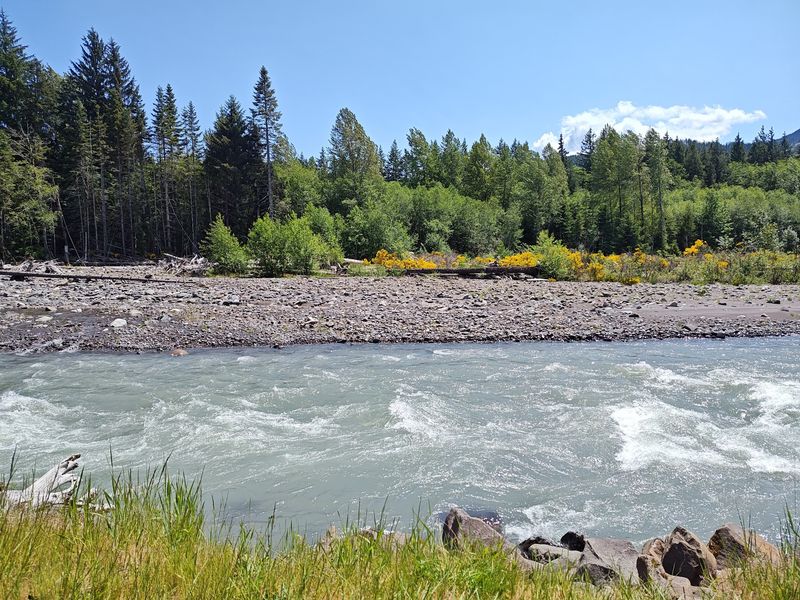
Some of the best places in Washington are the ones you almost drive right past. Picture towering trees older than any town nearby, a rushing river just steps from the parking lot, and trails so quiet you might feel like you have the whole forest to yourself.
Best of all, a whole afternoon here costs about the price of a fast-food lunch. Once you learn where it hides, you’ll wonder how you ever missed it.
A Quiet Green Escape Along Highway 410
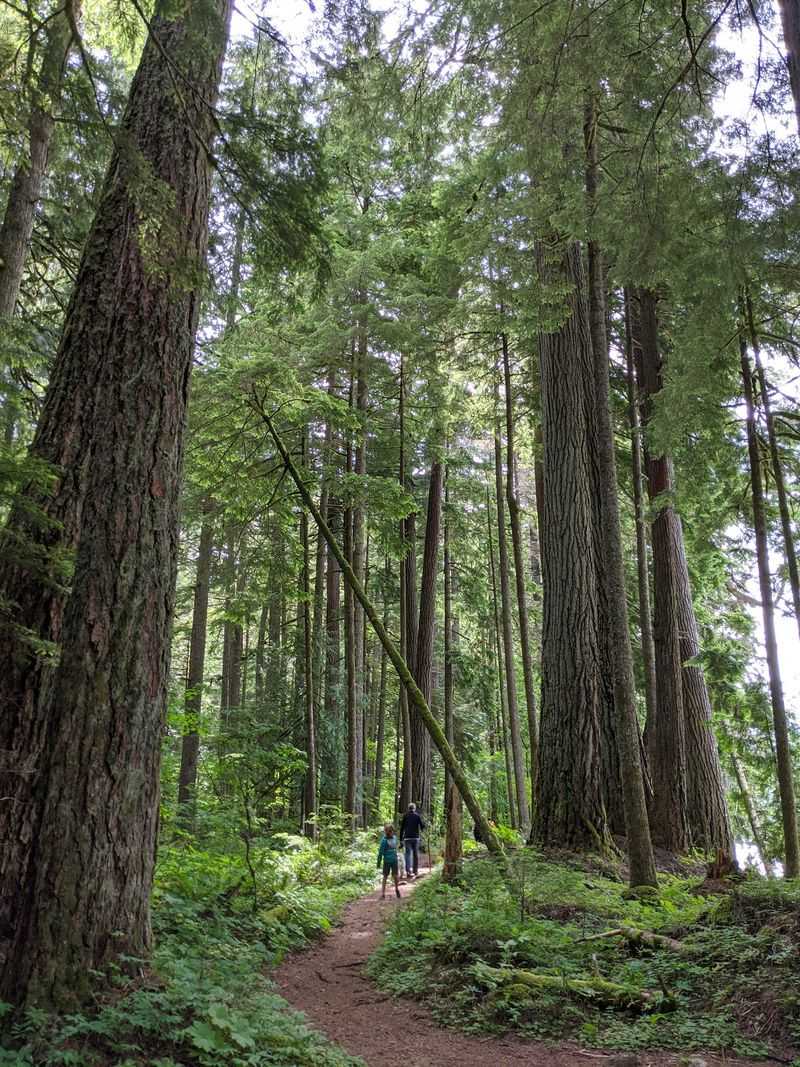
Right off Highway 410, tucked between Enumclaw and the road toward Mount Rainier, sits a slice of forest that most travelers zip past without a second glance. Its full name is Federation Forest State Park, and the address, 49201 WA-410, puts it in easy reach for a Puget Sound day trip.
Folks who pull in describe it as a quaint little park right on the highway, the kind of stop you make to stretch your legs and then never want to leave. Parking is simple, with room enough for large trucks, and the interpretive center marks the spot where most visits begin.
What sets it apart is how quickly the noise of the road fades. Step past the first bend and tall trees close in around you, muffling everything but birdsong and moving water.
Many regulars visit several times a year, treating it as their reliable pocket of calm. For anyone craving nature without a long, grueling drive, this park delivers a big payoff for very little effort.
Ancient Trees That Feel Like Another World
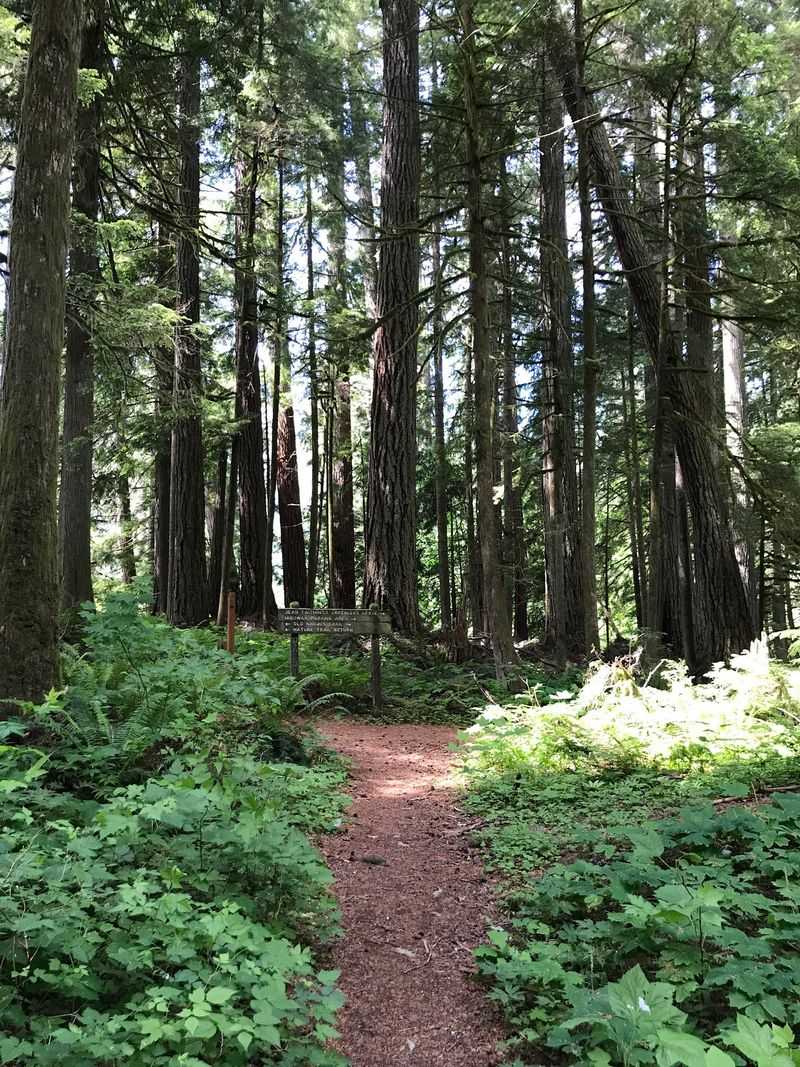
Walk beneath these giants and it’s easy to forget what century you’re in. Visitors often say the old-growth forest feels like stepping into a different time or a different world, with enormous trunks wrapped in moss and ferns spreading across the ground.
The Land of the Giants trail earns special praise, and one look at those towering, majestic trees explains why. Some are so tall that their tops seem to disappear into the canopy, and the whole scene has a hushed, cathedral-like quality.
Old growth is rare and precious in Washington, since forests this untouched took centuries to grow. That makes wandering here feel like a small privilege rather than an ordinary walk.
A gentle word of caution from those who’ve hiked it: watch your footing, because thick tree roots crisscross parts of the path. Take it slow, look up often, and let yourself be dwarfed by trees that were standing long before any of us arrived.
It’s the kind of place that quietly reminds you how patient nature can be.
The White River Running Right Through It
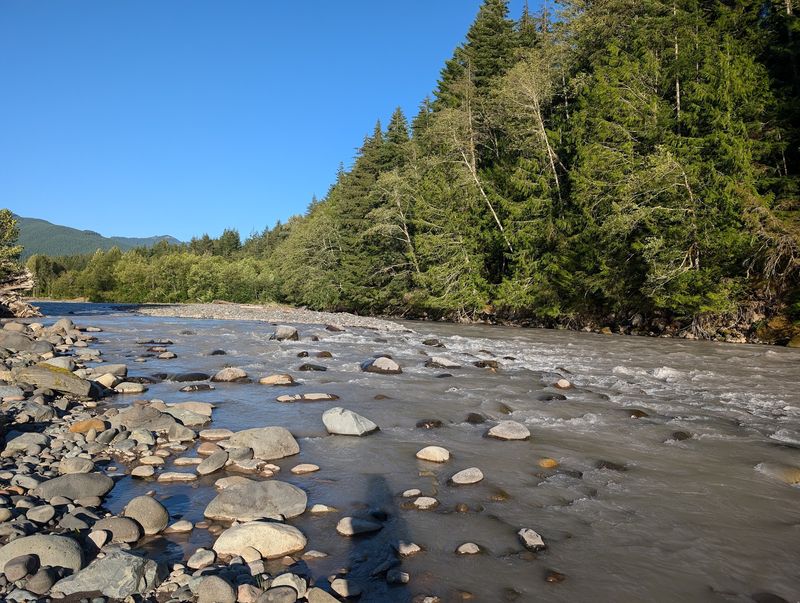
Follow almost any trail here and the sound arrives before the sight does: the steady rush of the White River. After a short ten-minute stroll, many people find themselves standing on green grass with rushing water just ahead, and it’s a moment that sticks with them.
Regulars make a habit of checking the river on every trip, watching how the seasonal water levels rise and fall throughout the year. In spring the current runs fast and full, while other seasons reveal more of the rocky banks.
The river is easily the park’s most talked-about feature, mentioned by visitors more than almost anything else. Picnic tables sit near enough to enjoy the view, making it a natural spot to pause and eat.
One important safety note that comes up often: the current can move fast, so families should keep little ones well back from the edge. Admire it from a safe distance and let the sound do its work.
For many, no visit feels complete without a stop at the water.
Easy Loops Anyone Can Handle
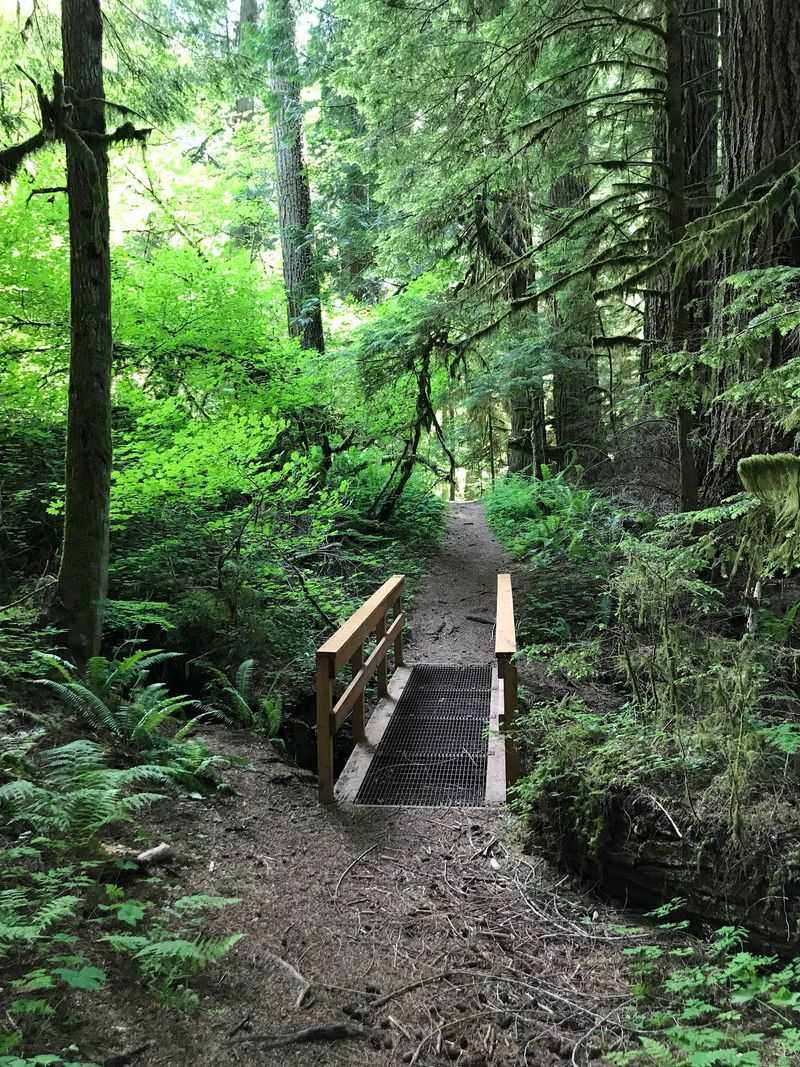
Not every great hike has to leave you gasping. The trails here are famously easy, flat, and surrounded by tall trees, which is exactly why so many people call this a light hike rather than a workout.
Several short paths loop into one another, and visitors point out that you can walk them all in a single visit without wearing yourself out. That connected layout means you can string together a longer ramble or keep it brief, depending on your energy.
Names like the White River Trail, the West Trail, and the interpretive loop show up again and again from people mapping their routes. Most describe the whole system as moderate but never strenuous, a comfortable middle ground.
Because the walking stays gentle, it opens the park up to almost everyone, from young children to grandparents. One family happily took their five-year-old on the short trail, and others mention how peaceful and green the paths stay throughout.
If you want forest beauty without a punishing climb, this is your kind of place.
Interpretive Signs That Read Like Little Poems
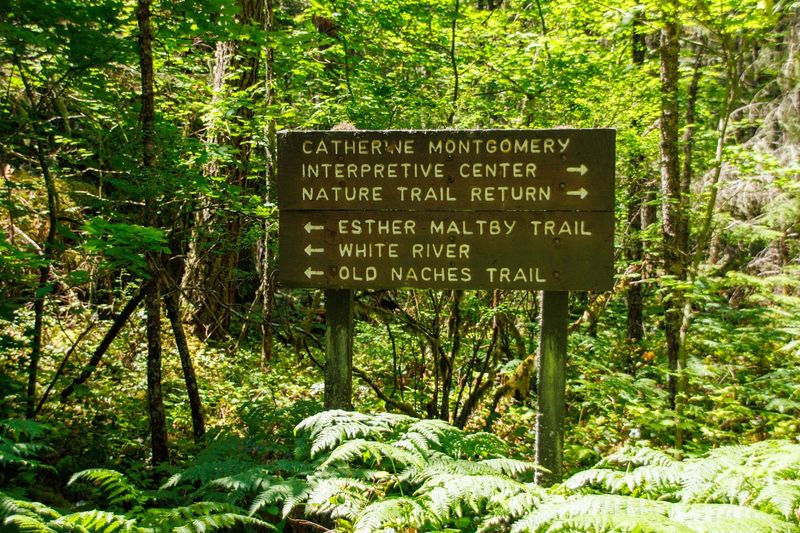
Most nature signs stick to plain facts, but the ones along this trail take a softer approach. Visitors notice that the markers appear every twenty feet or so, and rather than dense lessons, many read more like short poems or quiet reflections on the woods around you.
That thoughtful touch turns a simple walk into something a little more meaningful. You stroll a few steps, pause at a sign, and find a small idea to carry with you before moving on.
Other signs do share what you’re seeing, pointing out the trees, plants, and features of the forest so curious walkers can learn as they go. Families with kids appreciate how the informative boards keep young minds engaged along the way.
The mix works nicely: part gentle education, part invitation to slow down and really notice things. Even one hiker rambling through during the off-season enjoyed reading the many sign-boards scattered across the paths.
If you like your walks with a sprinkle of wonder and words, keep an eye out for these unassuming little markers.
The Interpretive Center and Its Regional Story
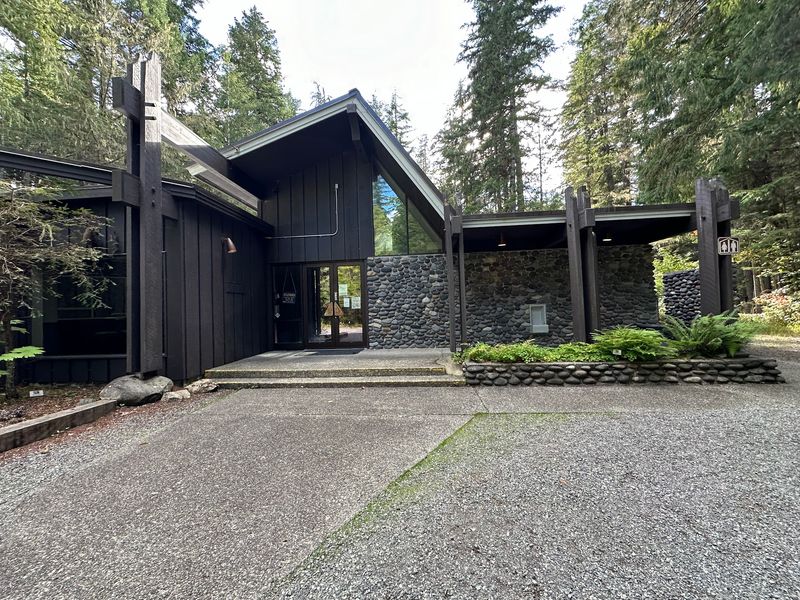
Near the main parking area stands the interpretive center, the spot most people use as their starting point. When it’s open, it holds a good deal of information about the history of the park and the surrounding region, giving context to everything you’re about to see outside.
Curious visitors enjoy learning how this stretch of forest came to be protected and what makes the area special. It’s a nice way to connect the towering trees outdoors with the bigger story behind them.
Here’s the honest catch that comes up often: the center keeps limited hours and is frequently closed, especially outside the busy season. Several people have arrived hoping to browse it, only to find the doors shut even during posted times.
Regulars quietly wish it stayed open more, since the exhibits add so much. The good news is the trails, restrooms, and river remain the real stars regardless.
If timing lines up and you find it open, step inside for a while. If not, the forest itself tells plenty of the story on its own.
Solitude You Rarely Find So Close to Home
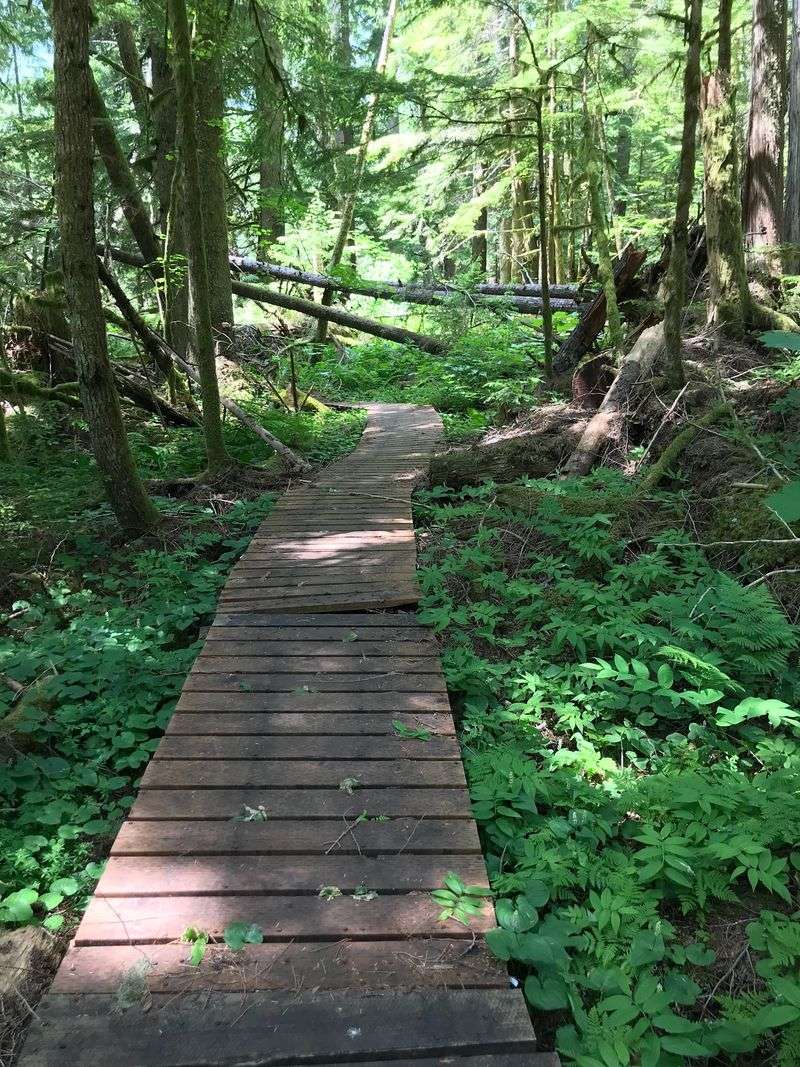
Imagine having an entire forest practically to yourself. That’s a common experience here, where the park often isn’t crowded at all, and more than a few visitors report seeing almost no one else during their entire walk.
One hiker spent nearly two hours rambling through roughly three miles and crossed paths with no other people the whole time. Another simply had the trail to the river all to themselves and loved every quiet minute.
The stillness is a big part of the charm. With few footsteps around you, the birdsong, swaying branches, and moving water become the whole soundtrack, and the effect feels genuinely restful.
Weekdays tend to be even calmer, so people looking for real peace often plan their trips then. It’s the kind of place folks describe as finding a secret hidden spot no one knew about.
For anyone craving a break from busy parks and packed parking lots, this pocket of forest offers something increasingly hard to find close to the city: room to breathe and genuine quiet.
A Welcoming Spot for Families and Four-Legged Friends
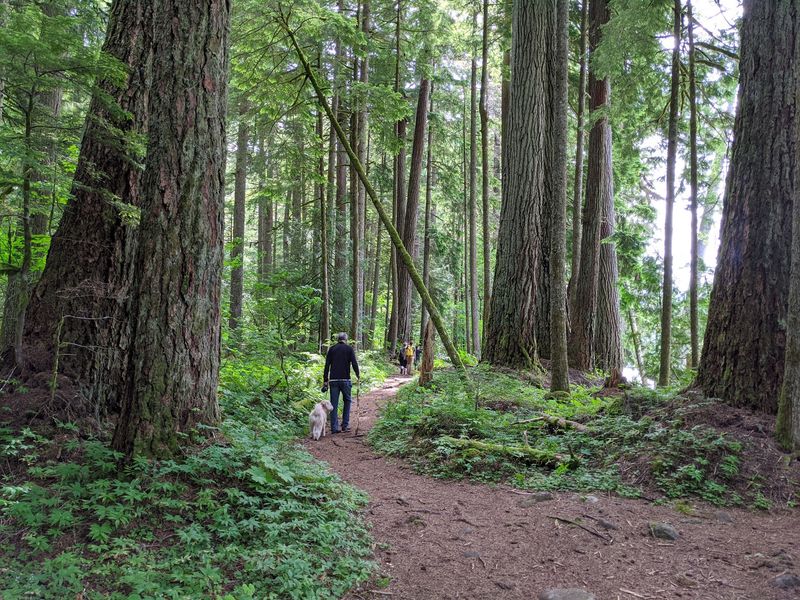
Bring the kids, bring the dog, and bring a blanket. This park has long been a favorite for family walks, with gentle trails that even little legs can manage and picnic tables set up for lazy afternoons by the trees.
Parents share sweet stories of introducing young children to the woods here, watching them read the signs and marvel at the river from a safe distance. It’s an easy, low-pressure way to get everyone outside together.
Dog lovers feel just as welcome, and the park counts as one of many people’s favorite places to hike with their pups. A friendly reminder pops up repeatedly, though: please clean up after your pets so the trails stay pleasant for the next visitors.
Between the shaded paths, the picnic areas, and the river views, there’s enough variety to fill a whole relaxed day without anyone getting bored. Whether you’re a retiree wanting a mellow outing or a family chasing a classic outdoor memory, the mix of comfort and beauty makes this an easy choice.
Every Season Wears a Different Look
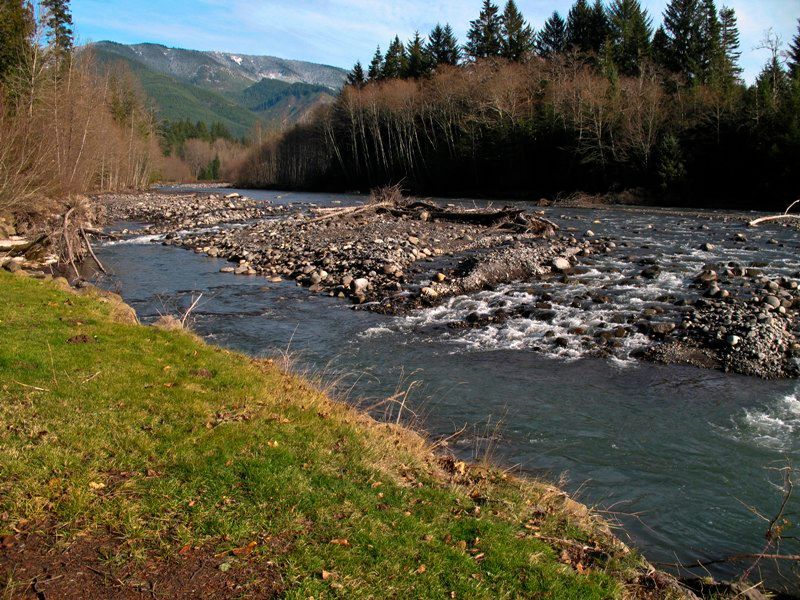
Come back four times a year and you’ll swear you visited four different parks. Fall paints the forest in warm colors, and visitors delight in the beautiful autumn hues along the trails and river.
Spring flips the mood entirely. Wildflowers dot the paths, the big trees leaf out, and the White River swells with fresh, rushing water fed by melting snow.
Many people specifically look forward to the spring blooms and the walk beneath the giants.
Summer brings green shade and comfortable strolls, making it a fine escape from the heat, while the whole place stays reliably peaceful.
There’s a seasonal wrinkle worth knowing: the park typically closes through winter, when snow and high water take over, and storms can leave fallen trees that require cleanup before reopening. Some visitors have arrived to find it temporarily shut for that reason.
Rather than a drawback, the changing seasons give you a reason to return again and again. Each visit reveals something new, which is exactly why so many locals make it a yearly, or even monthly, tradition.
What It Costs and How to Get There
Good news for budget-minded day-trippers: getting into this park won’t stretch your wallet. If you already carry a Washington Discover Pass, you’re set.
If not, you can grab a one-day pass at the kiosk for about ten dollars.
One handy tip visitors stress: bring cash, since the day-pass kiosk doesn’t take credit cards. Tucking a ten-dollar bill in your glovebox before you leave saves a headache at the entrance.
Finding the place is straightforward once you know the trick. The park sits at 49201 WA-410 in Enumclaw, and most people simply park at the interpretive center.
A word of warning from seasoned visitors: don’t set your map app to the campground, or it may plant you in the middle of the highway. Follow the posted signs and keep going.
Parking itself is easy and roomy, with space for larger vehicles too. Clean restrooms are usually open even when the visitor center isn’t.
With low cost, simple access, and a short drive from the Puget Sound area, this outing is refreshingly doable.
Why This Hidden Gem Deserves Your Next Free Afternoon
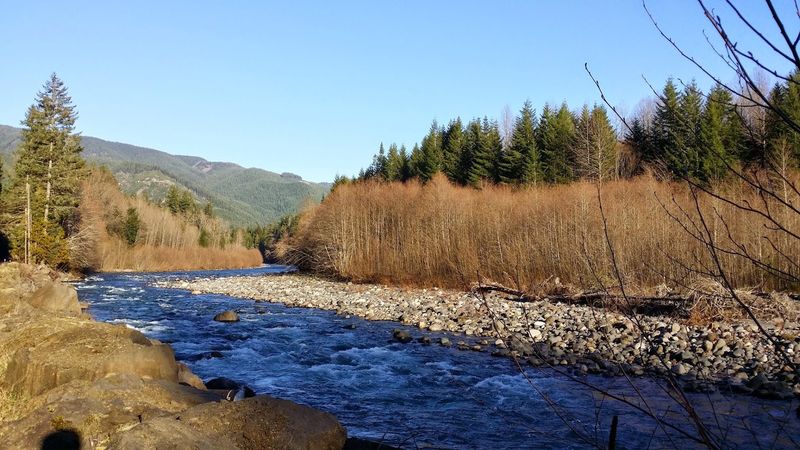
Magical is the word people reach for again and again, and after a visit it’s easy to see why. Between ancient trees, a lively river, gentle trails, and a price that barely dents your budget, this park quietly out-charms places twice its size.
Folks who stumble in just to kill some time routinely end up staying far longer than planned, already scheming about when they’ll return. It has that effect: unassuming at the entrance, unforgettable by the time you leave.
What makes it such a good fit for a Washington weekend is how accessible it all feels. Retirees find an easy, restful outing, families make lasting memories, and nature lovers get real solitude without a punishing hike or a long haul.
Do check ahead for seasonal closures, pack some cash for the pass, and pick a weekday if quiet is your goal. Then simply go, breathe the forest air, and listen to the water.
Once you’ve wandered beneath these giants, you really will wonder how such a stunning spot stayed off your radar for so long.