
This Hidden Arkansas Aviation Museum Feels Like Stepping Into Top Gun
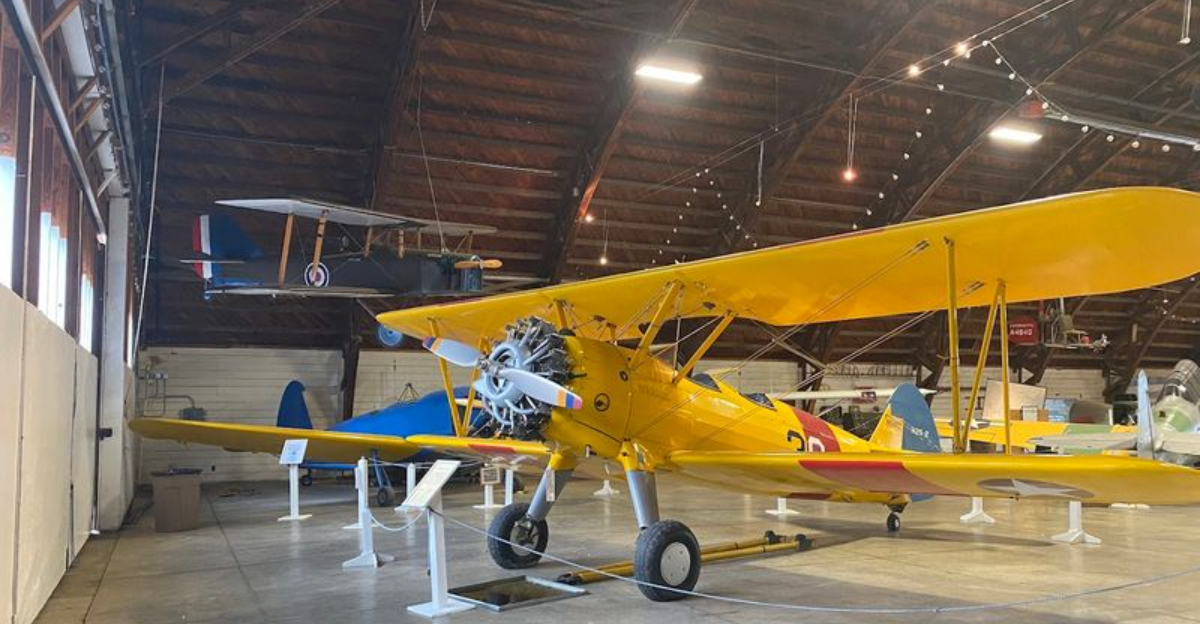
Walk through the entrance and everything feels bigger than expected. The hangar stretches high above, packed with fighter jets, old biplanes, and military vehicles that look ready for another mission.
I didn’t see this coming in Arkansas, not at all. It catches you off guard in a good way.
The smell of wood and engine oil settles in fast. It’s not just a museum scent, it feels active, lived-in.
Your attention jumps quickly. One aircraft leads you to the next without even thinking about it. You start noticing the little things. Rivets, worn seats, faded markings.
Nothing feels distant or overly polished. It’s right there in front of you. Aviation fans will lose track of time. Even casual visitors end up slowing down.
Keep exploring, because it only gets more interesting.
Weathered Hangar From World War Two Era
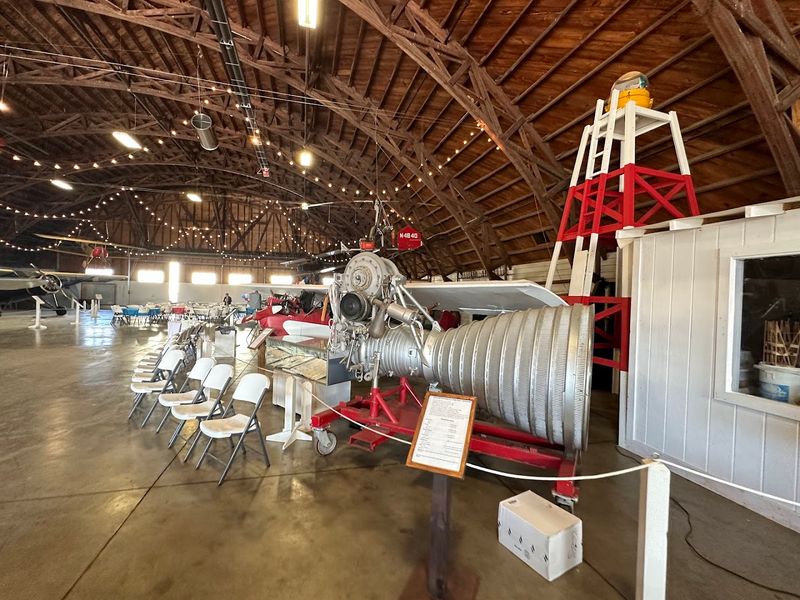
Some buildings carry their age like a badge of honor, and the moment I stepped inside this hangar, I felt that weight in the best possible way.
The structure itself dates back to World War Two, built as part of a military aviation training post right here in northwest Arkansas.
Standing beneath those towering wooden beams, I kept thinking about all the pilots who once moved through this very space, prepping for missions that would shape world history.
The hangar is listed on the Arkansas Register of Historic Places, which tells you everything about how rare and significant it really is.
Very few 1940s-era aircraft hangars of this size and construction have survived, making this one a genuine piece of living history rather than just a backdrop for the exhibits inside.
The all-wood construction gives the interior a warmth and character that steel buildings simply cannot replicate, and the creaks and echoes add to the atmosphere.
Walking its length, I found myself slowing down just to appreciate the craftsmanship overhead before I even looked at a single airplane.
All of this comes together at the Arkansas Air and Military Museum, located at 4290 S. School Avenue, Fayetteville, AR 72701.
Authentic Fighter And Trainer Aircraft Collection
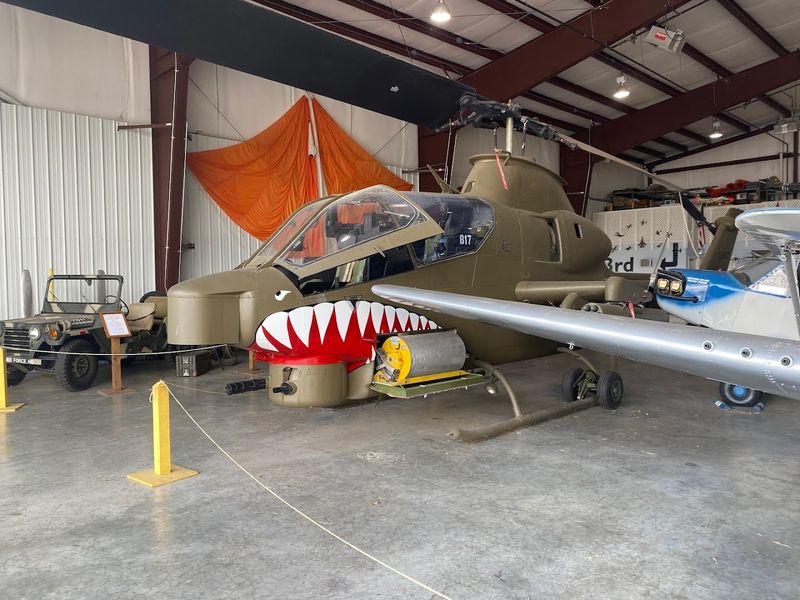
Not every museum can claim a collection that covers such a wide range of American military aviation, but this one comes impressively close.
From open-cockpit biplanes that look like they belong in a barnstorming show to military trainers that shaped generations of fighter pilots, the variety here genuinely caught me off guard.
Each aircraft is presented with information about its history and role, which transforms a simple look into something far more personal.
Vintage racing planes from the 1920s and 1930s sit alongside military craft, creating a timeline you can actually walk through rather than just read about.
I spent a long time in front of one trainer aircraft just reading the placard, learning how young recruits once used these exact machines to build the skills that would take them into combat.
The collection reflects both the breadth of aviation history and the Arkansas connections woven through it, with nods to local veterans included.
Seeing so many aircraft together in one hangar gives you a physical sense of how rapidly this technology evolved over just a few decades.
Walk Among Restored Warbirds And Civilian Planes
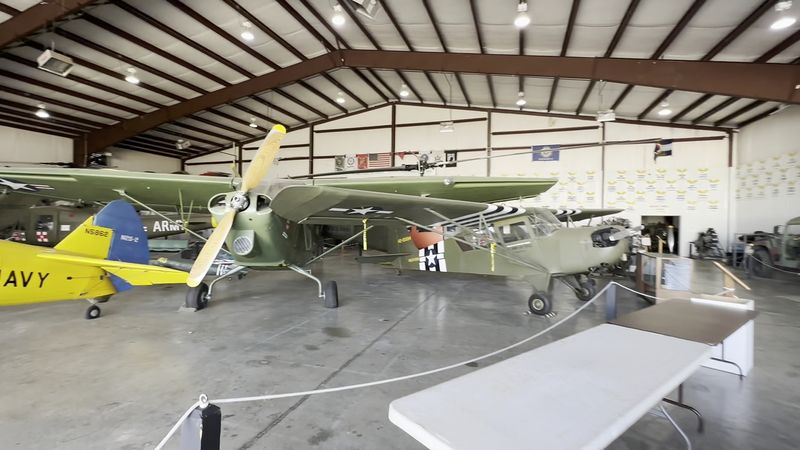
There is something completely different about getting close to an aircraft versus seeing one behind a rope barrier, and this museum leans into that more open approach.
Restored warbirds and civilian planes are arranged across the hangar floor in a way that lets you circle them, crouch beside them, and really study the details up close.
I moved alongside the fuselage of one restored plane and noticed the care that had gone into preserving its appearance, a small but telling sign of the dedication behind the restoration work.
Three different aircraft in the collection allow visitors to actually climb inside and explore, turning a museum visit into something hands-on and genuinely memorable.
Kids in particular go wide-eyed when they realize they can stand in the cargo area of the C-130, a massive transport aircraft that dwarfs everything around it.
Civilian planes in the mix add useful context, showing how military aviation technology filtered into commercial and private flight over the decades.
By the time I reached the end of the collection, my neck was sore from looking up at tail fins, and I did not mind one bit.
Oil Scented Atmosphere Inside Historic Wooden Structure
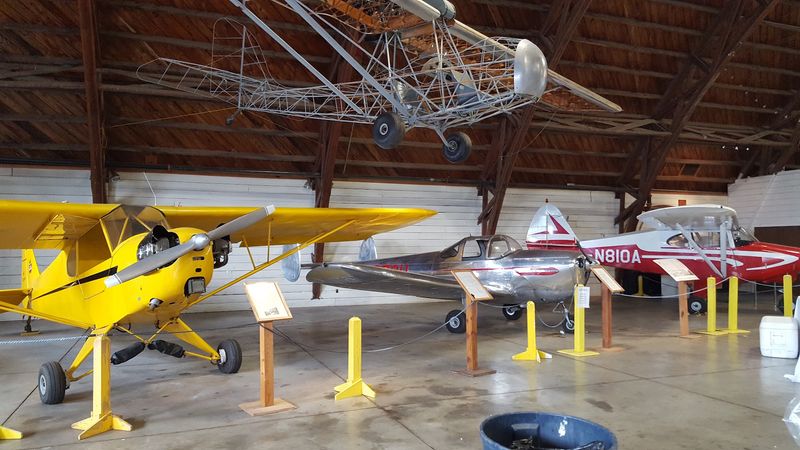
Museums that smell like museums are fine, but a museum that smells like an actual working hangar is something else entirely.
The moment I crossed the threshold of that wooden structure, a familiar blend of aged timber, metal, and mechanical oil settled around me like a time capsule cracking open.
That scent is not manufactured or piped in for effect; it is simply what happens when historic aircraft and decades-old machinery share space inside a building that has been part of aviation history since the 1940s.
The wooden walls and ceiling absorb everything, holding onto the memory of every engine that has ever been turned over inside those walls.
Visitors who grew up around airfields or old garages will feel an immediate and almost physical sense of recognition, while first-timers will find the atmosphere surprisingly immersive and transporting.
On the day I visited, the combination of that scent, the low hum of a nearby fan, and the sight of a biplane overhead made the whole experience feel almost cinematic.
It is one of those rare places where the building itself does as much storytelling as the exhibits inside it.
Rare Early Aviation Artifacts And Barnstorming Relics
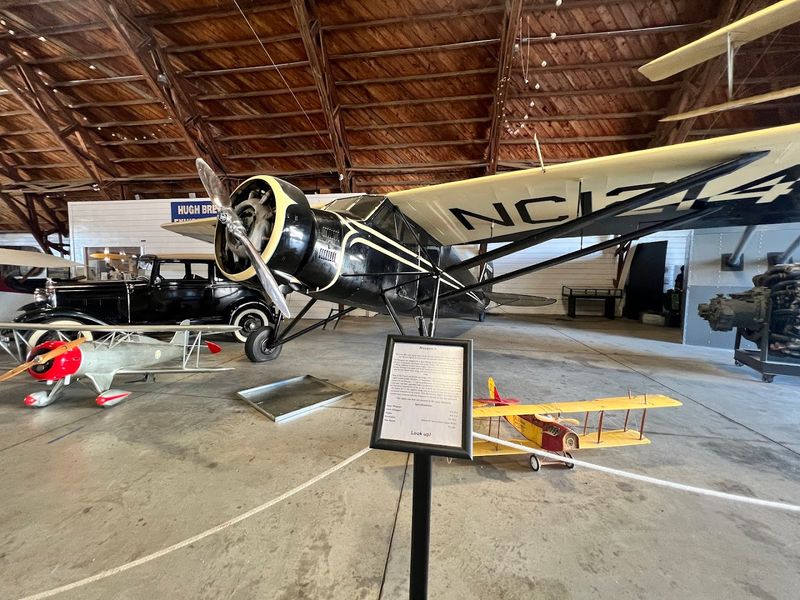
Long before aviation became routine, it was pure spectacle, and this museum holds onto that thrilling early chapter with a collection of artifacts that most people have never seen in person.
Barnstorming relics from the era when pilots flew low over county fairs and performed daring stunts for astonished crowds are tucked into corners and display cases throughout the hangar.
Vintage engines, early flight instruments, and personal gear from pioneer aviators sit alongside photographs that capture a time when simply getting an aircraft into the air was considered a miracle worth charging admission to witness.
I found myself lingering over a set of old flight goggles, thinking about the kind of nerve it took to strap into an open cockpit with nothing but a leather jacket and sheer determination between you and the sky.
Racing planes from the 1920s and 1930s add a competitive edge to the collection, reminding visitors that aviation was not just about military power but also about speed, showmanship, and pushing limits.
Each artifact comes with context that makes the history feel immediate rather than distant.
This section of the museum quietly rewards the curious visitor who slows down and reads every label.
Airworthy Planes Maintained By Dedicated Enthusiasts
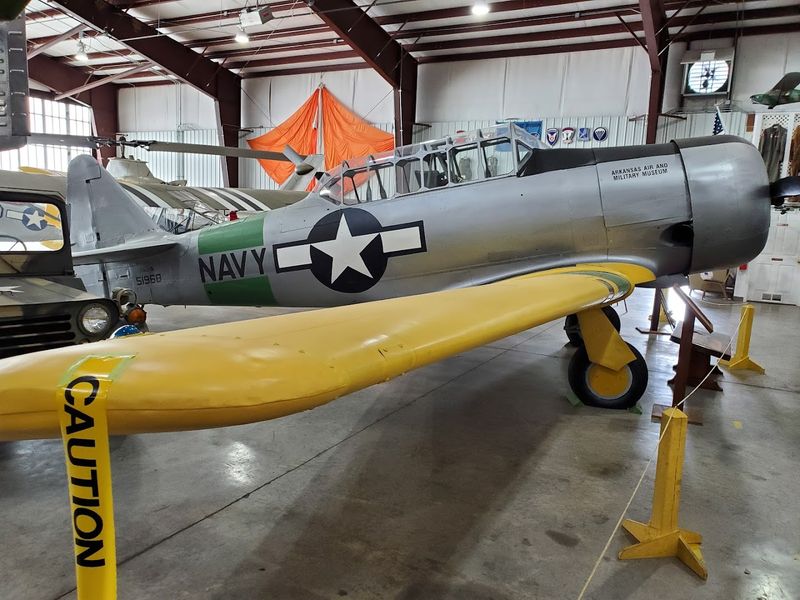
Keeping old aircraft flying is not a hobby for the faint-hearted, and the people behind this museum clearly understand that better than most.
Many of the planes in the collection are maintained in flying condition, which is an extraordinary commitment of time, skill, and resources that sets this museum apart from facilities that simply display static exhibits.
Some of these airworthy planes are still operated at times, adding another layer of authenticity to the experience beyond what most museums can offer.
The dedication of the enthusiasts and volunteers who keep these machines airworthy is evident in every polished surface and every carefully maintained component you can spot up close.
Moments of interaction with knowledgeable staff and volunteers can add unexpected depth to a visit, offering insights that go far beyond what any printed placard could provide.
Maintaining airworthy vintage aircraft requires sourcing rare parts, interpreting old technical manuals, and sometimes fabricating components from scratch.
That level of passion transforms the museum from a storage space into a living, breathing tribute to the people and machines that defined American aviation.
Relaxed Atmosphere Away From Heavy Crowds
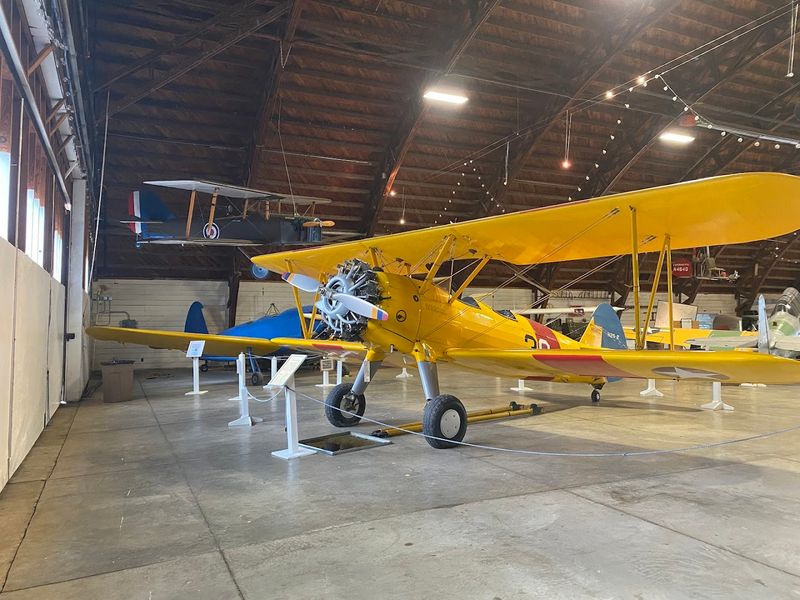
Finding a place this rich in history without having to elbow through tour groups is rarer than it should be, and this museum delivers that low-key experience in full.
Tucked alongside a small working airfield on the south side of Fayetteville, the museum sits far from the busy retail strips and tourist hotspots that dominate most travel itineraries in the region.
I arrived on a weekday morning to a calm parking lot and an unhurried entrance, with staff offering a warm and genuine welcome.
That quiet setting means you can take your time in front of each aircraft without feeling rushed or crowded, which makes a real difference in how much you actually absorb.
The overall experience reflects steady quality built over time, supported by consistent visitor feedback rather than short-lived attention.
Admission is refreshingly affordable, with adults paying eleven dollars and children under five getting in free.
Places like this remind me that the best travel discoveries rarely come from the top of a trending list.
Immersive Experience Echoing Classic Military Aviation Films
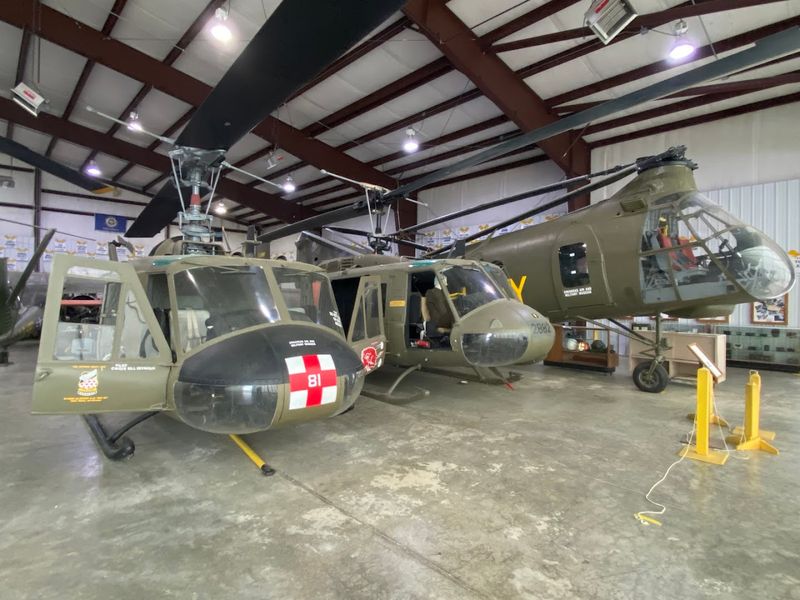
Walking into this hangar for the first time, my brain immediately started pulling up scenes from classic military aviation films, and not in a forced or gimmicky way.
The combination of towering aircraft, wooden rafters, faded military markings, and that unmistakable hangar atmosphere creates a setting that feels genuinely cinematic without trying to be.
Staff members who double as knowledgeable guides add to the experience, sharing personal anecdotes and technical details that make the aircraft feel less like museum pieces and more like characters with real stories.
The Biography Room, housed in the old terminal building, rotates a new veteran’s personal story every six months, adding a deeply human layer to what could otherwise be a purely mechanical collection.
Rotating lobby exhibits explore in-depth aviation and military topics, ensuring that repeat visitors always find something fresh to engage with on their next trip.
Community events like movie nights and ride-along experiences push the immersive quality even further, turning the museum into a gathering place rather than just a destination.
You can find all of this waiting for you at the Arkansas Air and Military Museum, open Tuesday through Saturday from 9 AM to 4 PM.