
This Retro Neon Sign Museum In Arizona Will Take You Back To Another Time
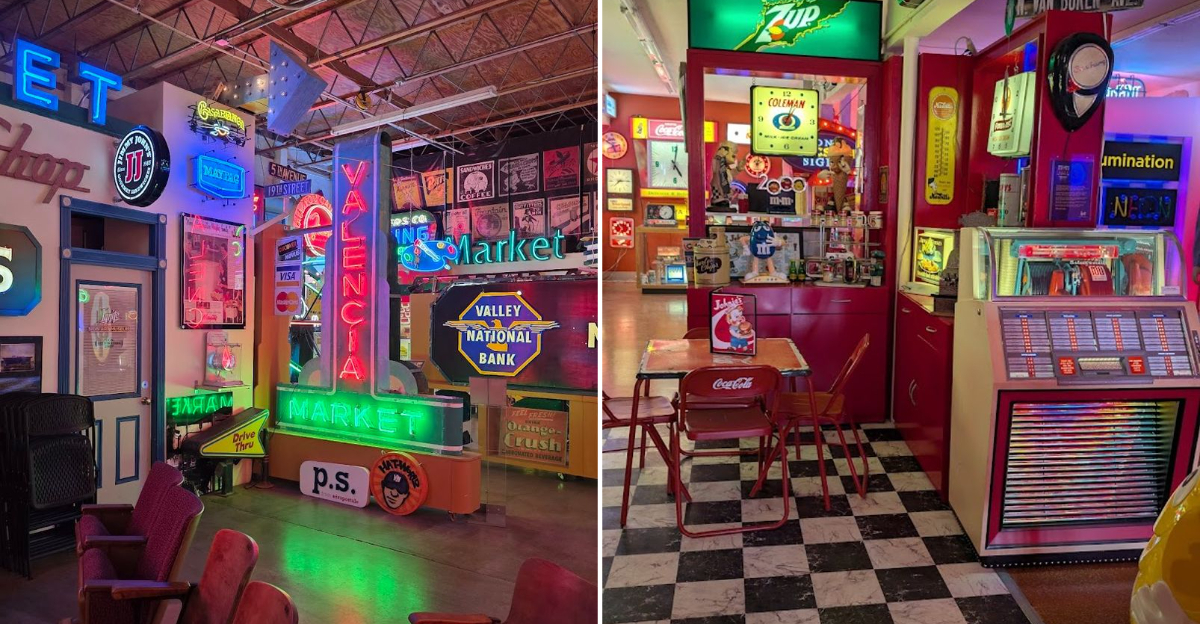
Flickering bulbs and buzzing tubes are usually things we leave behind in the dusty corners of history, but here, they are the main event. There is a strange, magnetic magic in watching these relics roar back to life, casting colorful long shadows against the walls.
Finding a sanctuary this radiant in Arizona feels like discovering a secret portal where the desert sun finally decided to take the night shift.
Every sign tells a story of roadside diners, neon-drenched boulevards, and the quirky dreams of shopkeepers from decades ago. I find myself mesmerized by the craftsmanship, imagining the hands that twisted this glass into art.
Forget the modern world for a few hours and let these buzzing, humming masterpieces remind you that everything old is brilliant again.
It’s a 14,000-square-foot love letter to the golden age of American signage, where every rescued relic tells the story of diners that fed travelers, motels that sheltered dreamers, and mom-and-pop shops that built communities.
A Passion Project Five Decades In The Making
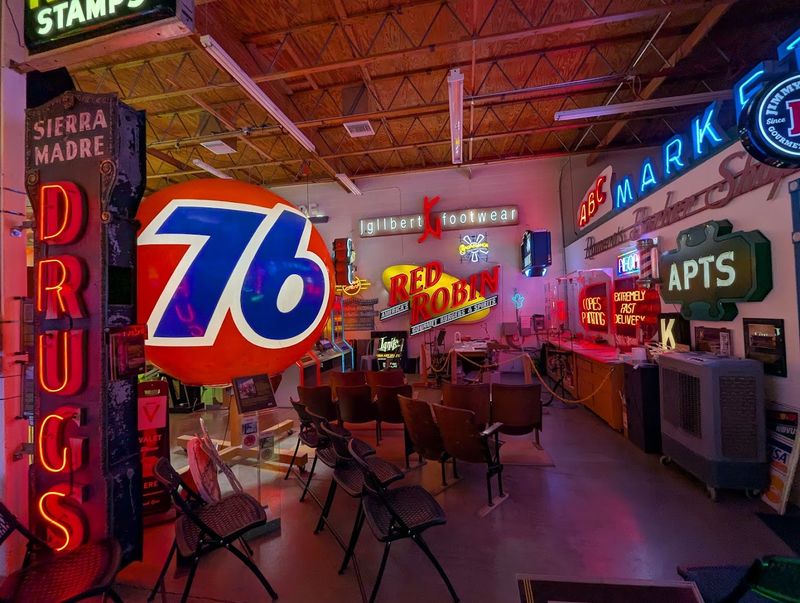
Jude Cook didn’t wake up one morning and decide to open a museum. After spending more than 50 years in the design and sign industry, running Cook & Company Sign Makers, he’d accumulated something extraordinary without even trying.
Every rescued sign represented a piece of Tucson’s vanishing landscape, a fragment of Americana that deserved better than the scrap heap.
When the museum finally opened its doors in 2018, it became the culmination of a lifetime spent appreciating the artistry most people drive past without noticing.
His collection spans the entire history of commercial signage, showcasing techniques and styles that defined different eras of American commerce.
What started as one man’s obsession has transformed into Tucson’s most unexpected cultural treasure, preserving stories that would otherwise flicker out forever.
That long career gives the museum a rare authority, because Cook understands the craft from the inside out. He did not just save signs because they looked cool, he saved them because he knew exactly what kind of skill, labor, and local memory each one carried.
Where Highway Culture Comes Alive
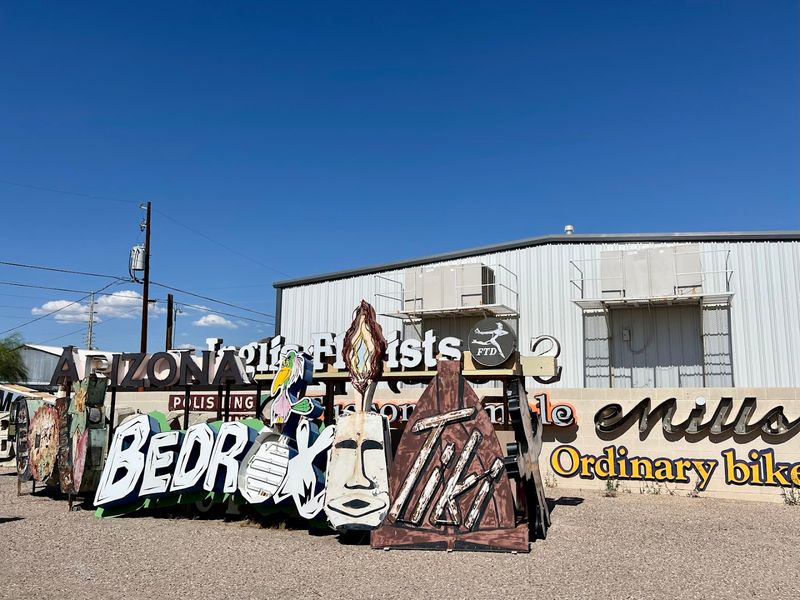
Cruising down American highways used to mean something different. Before smartphones and GPS, travelers navigated by the glow of neon, following promises of clean rooms, hot coffee, and the best pie in three states.
The museum captures that entire ecosystem in glowing phosphor and hand-painted metal.
Signs from retro motels still advertise color TVs and air conditioning like they’re luxury features. Classic diner marquees boast about blue plate specials that haven’t been served in decades.
Each piece connects visitors to Arizona’s roadside history, when the Sunshine Mile Business District represented the cutting edge of commercial appeal.
Standing beneath these rescued relics, you can almost hear the rumble of vintage cars and feel the excitement of families on cross-country adventures, guided by nothing but optimism and illuminated arrows pointing toward the next attraction.
The Art Of Bending Light
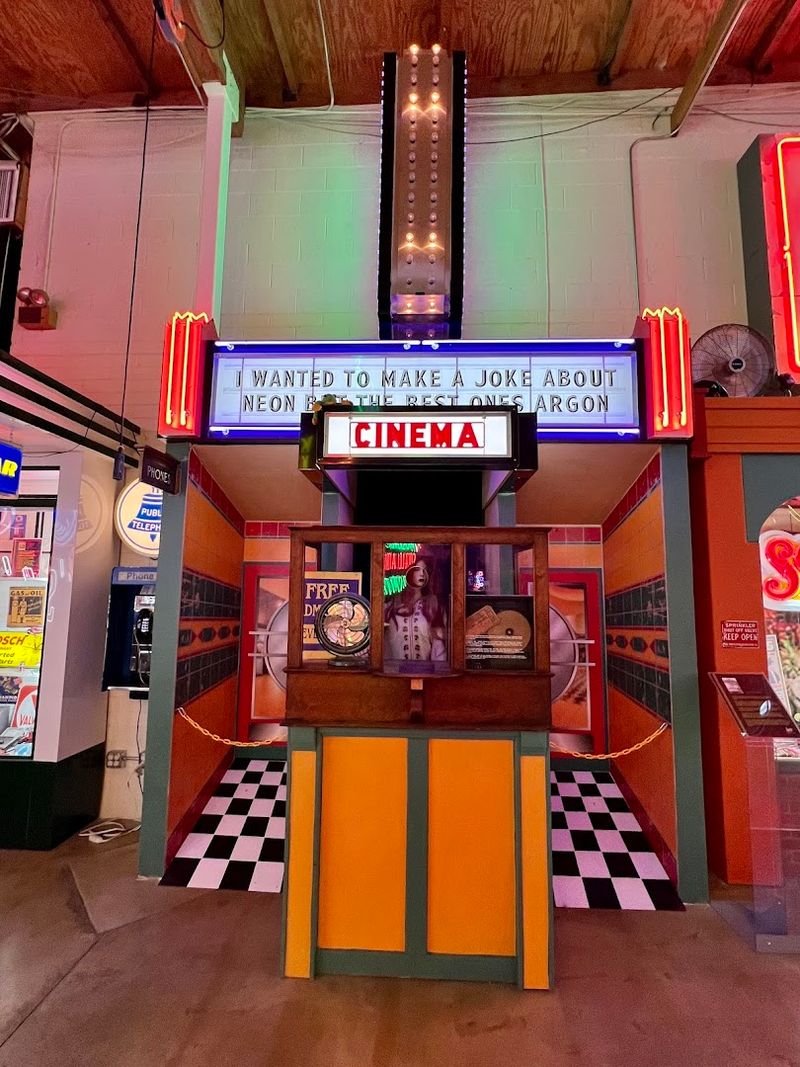
Most people think neon signs are just lights, but watching someone bend glass tubes over an open flame changes that perception instantly. The museum offers demonstrations on neon bending, revealing the precise skill required to transform rigid glass into flowing script and complex shapes.
Every curve has to be calculated, every angle measured, because one mistake means starting over.
The craftspeople who created these signs were artists and engineers simultaneously, working with materials that could shatter, gases that needed perfect sealing, and electrical systems that had to function flawlessly for years.
These demonstrations honor techniques that are rapidly disappearing as LED technology dominates the market.
Watching molten glass respond to heat and pressure, then fill with argon or neon to produce that signature glow, you understand why vintage signs command such respect and fascination among collectors and historians.
Iconic Pieces That Stop You Cold
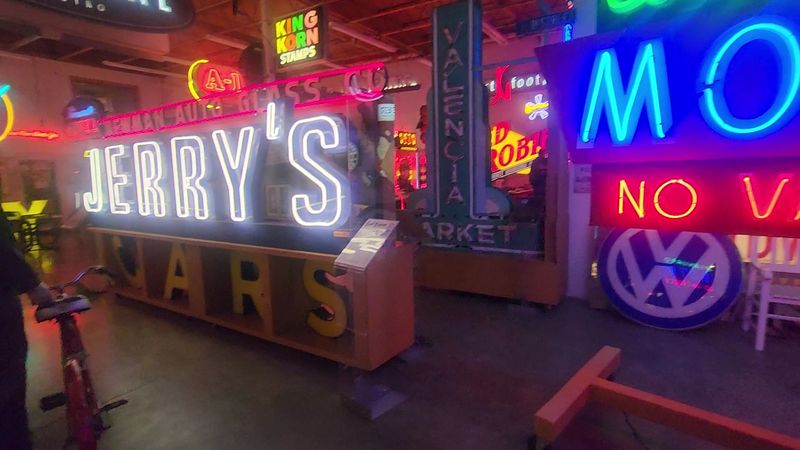
Some exhibits whisper their stories, but others shout from across the room. The museum’s collection includes showstoppers that defined entire brands and became landmarks in their own right.
That massive Arby’s hat isn’t just big-it’s a three-dimensional monument to an era when restaurants competed through sheer visual spectacle.
The rescued 76 gas station ball represents countless road trips fueled by affordable gasoline and the promise of adventure. These weren’t just business markers; they were beacons that travelers recognized from miles away, symbols of reliability in unfamiliar territory.
Walking past these giants, you realize how much personality commercial signage used to have.
Modern branding feels sterile by comparison, optimized for digital reproduction rather than creating genuine emotional connections with people driving past at highway speeds, searching for something memorable.
That is what makes the oversized pieces so fun, because they remind you that roadside advertising once had a sense of humor and a real sense of scale. They do not just decorate the museum; they pull you back into a louder, brighter, more wonderfully theatrical version of the American road.
Restoration In Real Time
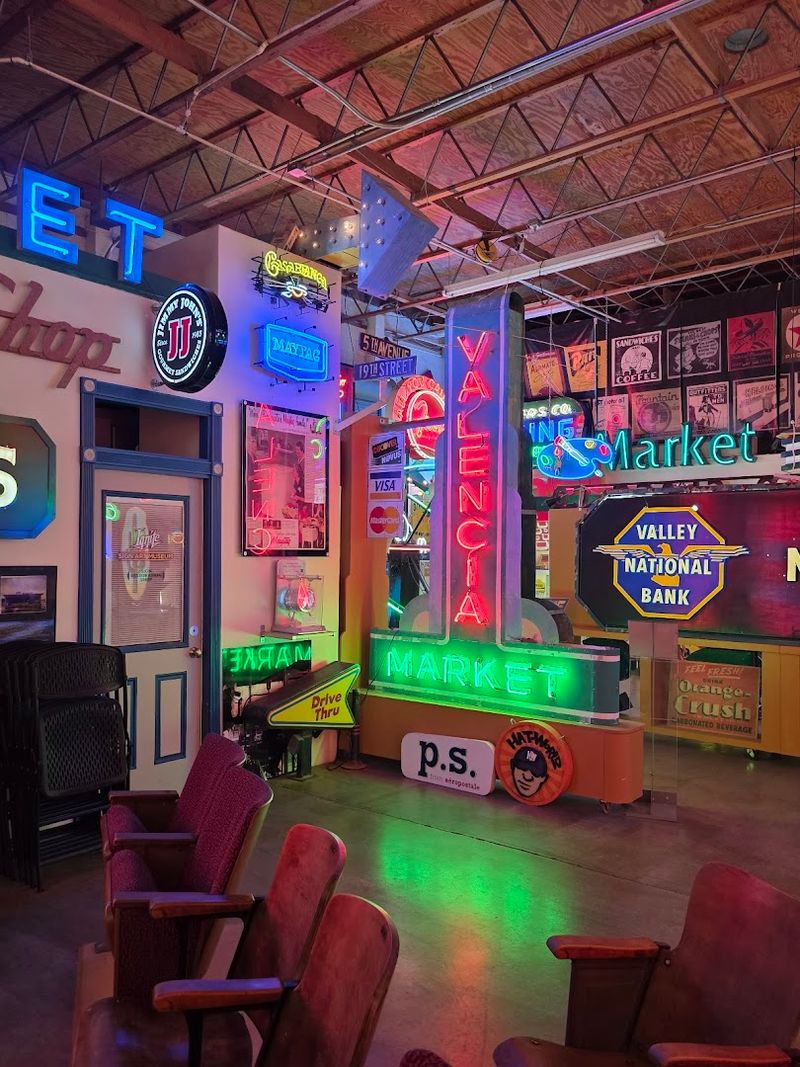
Not everything in the museum glows perfectly, and that’s entirely intentional. Visitors can observe signs in various stages of repair and refurbishment, gaining insight into the meticulous restoration process that brings these artifacts back to life.
Some pieces arrive completely dark, their transformers shot and tubes broken after decades of neglect. Others retain faint traces of their former glory, requiring careful cleaning and rewiring to shine again.
Watching this transformation unfold teaches you to appreciate the fragility of neon and the dedication required to preserve it. The museum doesn’t hide its works-in-progress behind closed doors.
Instead, these partial restorations become educational exhibits themselves, showing the layers of paint, the complexity of electrical systems, and the detective work needed to determine original colors and configurations when documentation has long since disappeared into landfills.
That openness makes the museum feel honest, because preservation is shown as patient work rather than instant magic. A half-lit sign can be just as compelling as a finished one when you understand how much history is still waiting inside it.
Indoor Wonders And Argon Alley
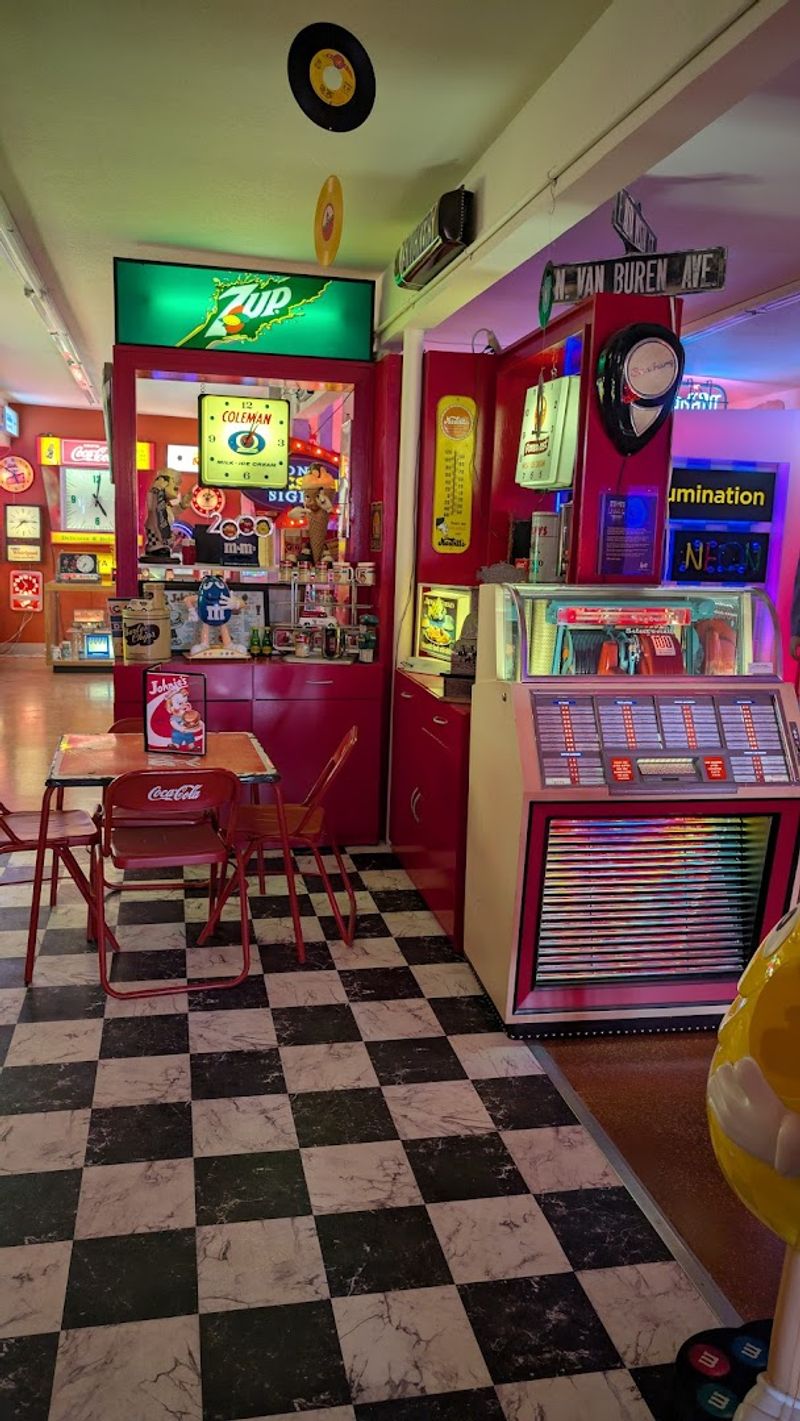
Spanning 7,000 square feet indoors and another 7,000 outside, the museum gives each sign room to breathe and be appreciated. The indoor galleries feel intimate, allowing close examination of hand-painted details and intricate electrical work that powered neighborhood businesses for generations.
But stepping into Argon Alley takes the experience to another level entirely. The outdoor space showcases larger pieces under Arizona’s endless sky, creating an immersive environment where signs interact with natural light and desert air.
Evening visits transform the alley into a glowing canyon of nostalgia. This dual approach-controlled indoor preservation combined with outdoor displays that honor how these signs originally functioned-gives visitors the complete picture.
Signs weren’t meant to be museum pieces; they were designed to grab attention in crowded commercial districts, competing for eyeballs and creating lasting impressions. Seeing them in open air helps restore some of that original drama, especially as the light changes across the walls and metalwork.
A sign that feels charming indoors can suddenly feel bold, theatrical, and almost alive outside. That contrast is what makes the museum feel less like a storage room and more like a living streetscape.
You leave with a better sense of how much color, personality, and craft once shaped Arizona’s everyday roadsides.
Rising From The Ashes
October 2025 brought devastation nobody anticipated. Fire swept through the museum, destroying hundreds of irreplaceable exhibits and threatening to erase decades of preservation work in a single night.
The loss extended beyond physical objects-each sign represented someone’s business, dreams, and contributions to their community.
Rather than surrender to despair, the museum launched a fundraising campaign for rebuilding, rallying support from sign enthusiasts, preservationists, and people who understand that some things deserve saving even when insurance companies calculate them as total losses.
The response has been remarkable, proving that the museum touched something deeper than nostalgia. It connected people to their own memories, their parents’ stories, and a time when craftsmanship mattered more than efficiency.
Rebuilding won’t happen overnight, but the determination to restore this collection ensures that future generations can still experience the glow of history. What remains is not just a cleanup project, but a promise to keep the story going.
Every donated dollar, shared memory, and salvaged fragment helps rebuild more than a museum wall. It helps bring back a place where Arizona’s roadside past could glow again instead of fading quietly away.
That makes the comeback feel personal, not just for Tucson, but for anyone who has ever loved the magic of an old neon sign.
Free Entry To A Neon Wonderland
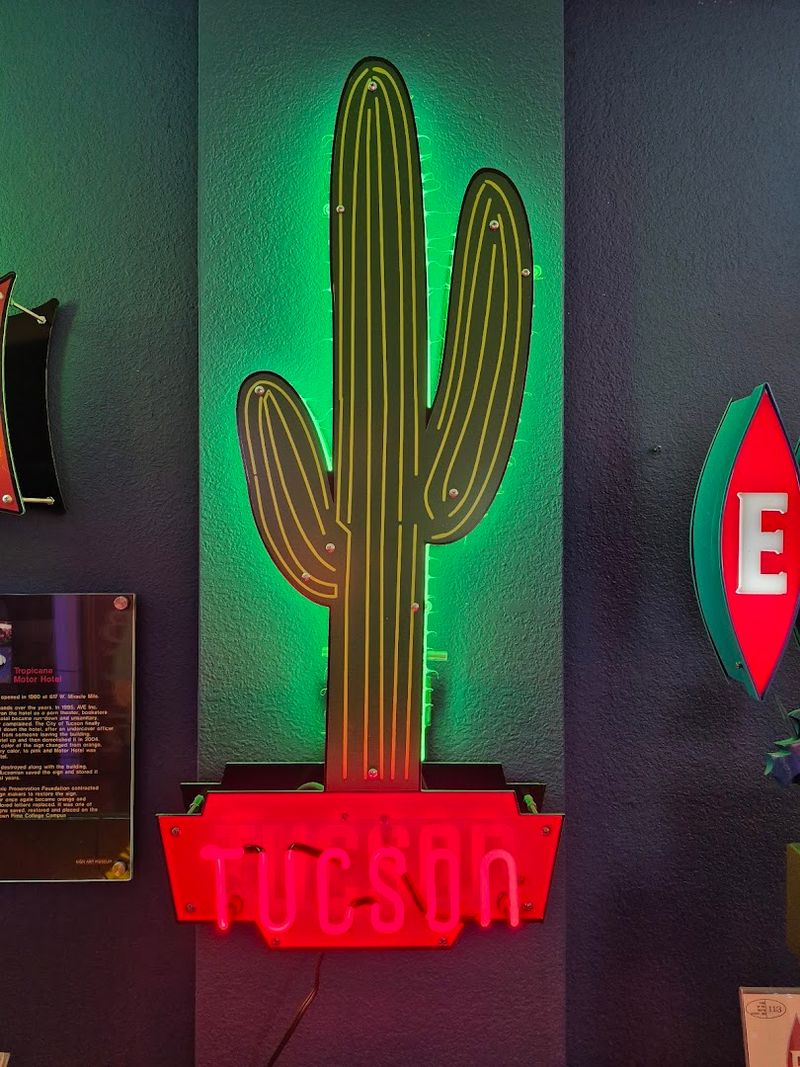
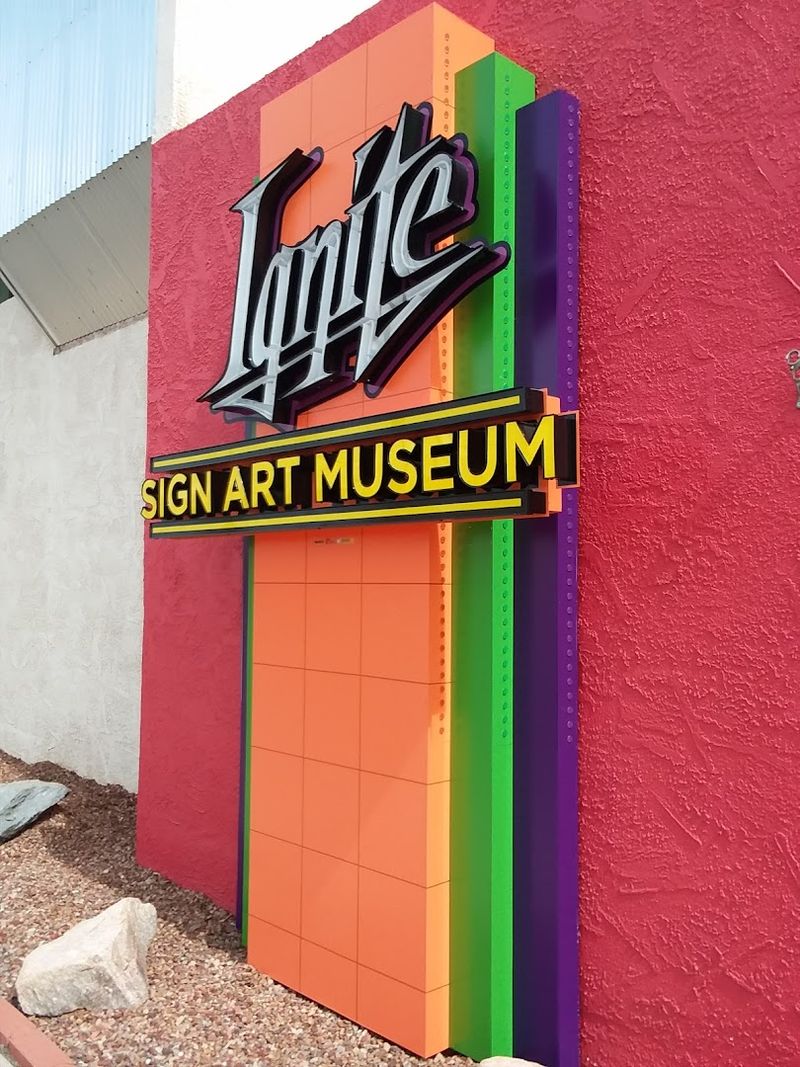
Most museums charge admission, but this one doesn’t. The Ignite Sign Art Museum welcomes everyone free of charge, believing history should be accessible to all.
Donations help but they’re never required.
Cook’s philosophy is simple: preserving the past shouldn’t cost a fortune. This approach has made the museum a beloved community spot where anyone can explore decades of neon nostalgia. Families, photographers, and history buffs all discover something memorable.
Whether passing through Tucson or calling it home, plan a few hours here. The outdoor displays shine brightest after sunset, creating perfect photo opportunities.
Many visitors return multiple times, each visit revealing new details in the glowing collection. That openness gives the place a rare kind of warmth, especially in a city where so much history hides in plain sight.
You do not have to be a sign collector to understand the pull of it. A motel arrow, a diner script, or a glowing roadside shape can suddenly make an entire era feel close again.
The museum turns forgotten pieces of Arizona’s commercial past into something playful, colorful, and easy to love. It is proof that a small passion project can light up a whole corner of Tucson.