
10 Charming Illinois River Towns Made For A Summer Day Trip
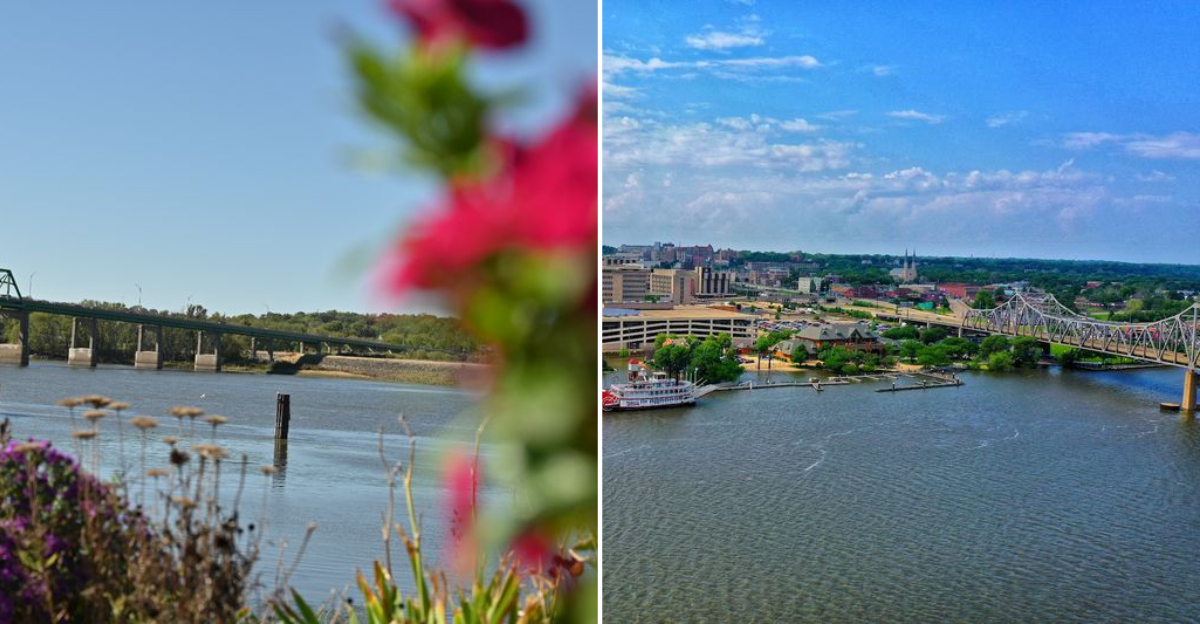
Illinois has a funny way of pulling you toward the water once summer hits. Follow the river, and you’ll find small towns with blufftop views, shady trails, old canal history, local museums, boat launches, and downtowns that make you want to slow down.
Some spots are perfect for a picnic. Others surprise you with riverfront views, quirky stops, or a bit of history tucked right into town.
Together, these ten Illinois river towns make a simple drive feel like a real summer escape. Pack a cooler, grab your walking shoes, and leave room for a few unexpected detours.
1. Ottawa
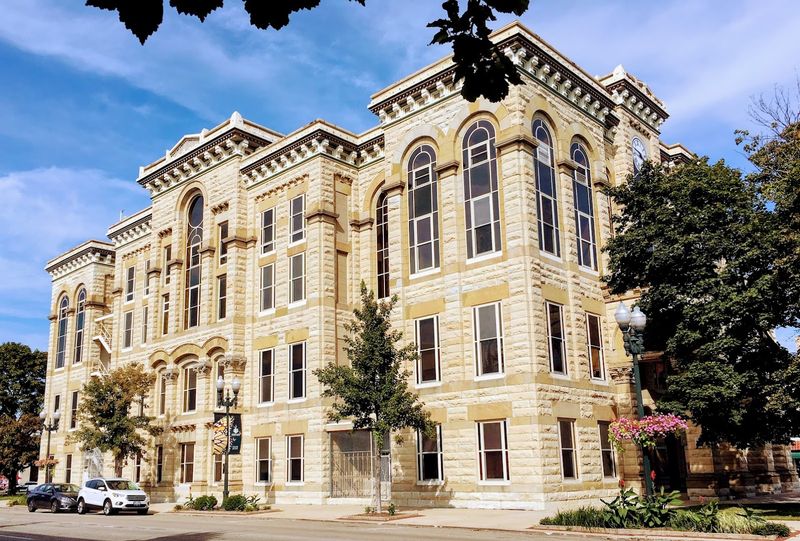
Perched at the confluence of the Illinois and Fox rivers, Ottawa carries a sense of history that hits you the moment you cross into town.
This is where Abraham Lincoln and Stephen Douglas held their first famous debate in 1858, and the spot is still marked at Washington Square Park, right in the heart of downtown. History buffs will find a lot to chew on here.
Beyond the debates, Ottawa offers Starved Rock State Park just minutes away, where canyons carved by glacial meltwater create some of the most dramatic scenery in the state. The downtown strip has a good mix of local shops and cafes that are easy to spend an afternoon in.
Illinois Waterway Visitors Center, located near the riverfront, gives a fascinating look at how the lock-and-dam system actually works.
Summer weekends often bring festivals, farmers markets, and outdoor concerts to the riverfront area. If you want a spot that balances outdoor adventure with genuine small-town character, Ottawa delivers on both counts without any pretense.
The Fox River Trail is also a solid option for cyclists looking to add some miles to their day.
2. North Utica
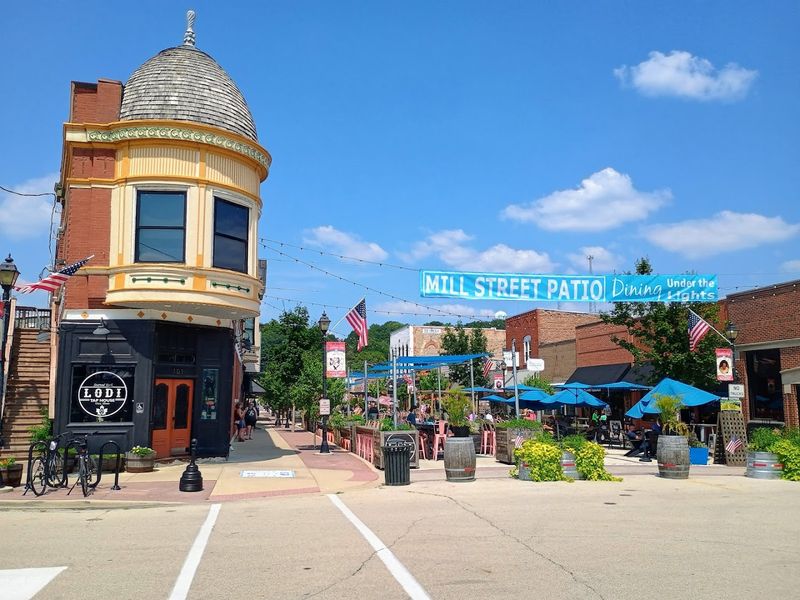
Most people blow through North Utica on their way to Starved Rock State Park without realizing the town itself is worth a stop.
Sitting right at the doorstep of one of Illinois’s most visited natural landmarks, this tiny village has a surprisingly vibrant main street lined with shops, local eateries, and ice cream spots that hit just right after a long hike.
The town has deep roots in the Illinois and Michigan Canal era, and you can still walk sections of the old canal towpath nearby. Ganymede Springs Trail and the Utica Prairie are popular with hikers and nature lovers who want something a little quieter than the main Starved Rock trails.
The surrounding landscape is genuinely beautiful, with limestone bluffs rising above the river valley in every direction.
What makes North Utica special is how it manages to feel genuinely local rather than overly touristy, even though Starved Rock draws millions of visitors each year.
Stop in at one of the small restaurants for a hearty lunch and chat with the locals about the best canyon to visit that day. You might just end up staying longer than planned, which is never a bad thing.
3. Peru
Peru sits on a bluff above the Illinois River with the kind of confident, no-nonsense energy that comes from being a working river town for over 150 years.
Founded in the early 1800s as a terminus of the Illinois and Michigan Canal, the city grew quickly into a commercial hub, and echoes of that industrial past are still visible in its brick architecture and wide downtown streets.
Buffalo Rock State Park is just a short drive away and offers sweeping views of the Illinois River valley from dramatic sandstone bluffs.
The park also features a series of large animal effigies created from reclaimed coal mine waste, which is one of those genuinely unexpected sights that sticks with you. Matthiessen State Park, another nearby gem, has waterfalls and canyon trails that feel almost otherworldly.
Peru also has a solid local dining scene anchored by family-run spots that have been feeding the community for generations. The Illinois Waterway is visible from several points around town, and watching a barge navigate the locks is surprisingly entertaining.
For a summer day trip that packs in history, nature, and a real sense of place, Peru earns its spot on any Illinois road trip list without breaking a sweat.
4. LaSalle
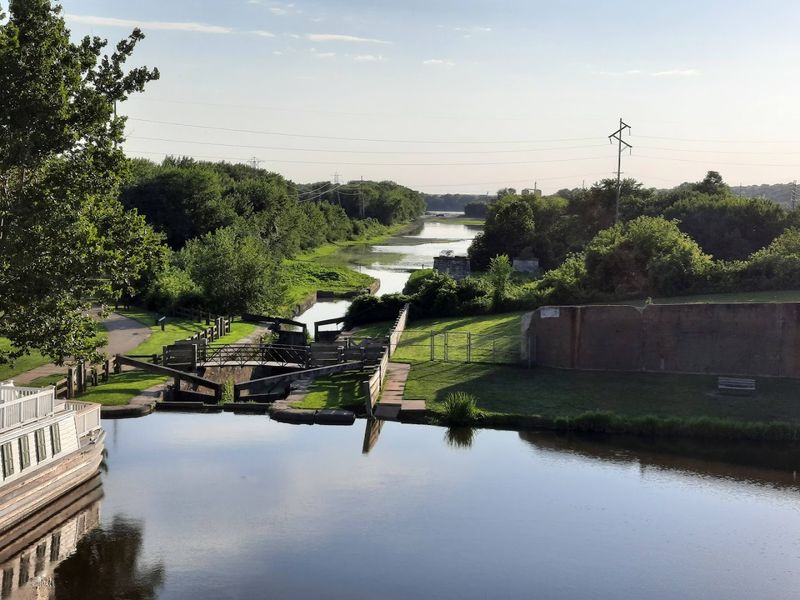
Right next door to Peru and connected by a shared sense of canal-era pride, LaSalle has its own distinct identity that rewards curious visitors who take the time to look around.
The city was named after the famous French explorer Rene-Robert Cavelier, Sieur de La Salle, who paddled through this region in the 17th century, and that heritage is woven into the town’s character in interesting ways.
The Illinois and Michigan Canal State Trail passes right through LaSalle, making it a natural stop for cyclists and hikers following the historic corridor between Chicago and the Illinois River.
The trail surface is mostly crushed limestone and runs alongside the original canal channel in several stretches, giving you a real feel for what early 19th-century transportation looked like. It is a peaceful and scenic route that feels far removed from modern life.
Downtown LaSalle has a handful of locally owned shops and diners that keep things simple and satisfying. The Hegeler Carus Mansion, a National Historic Landmark located in town, offers tours that reveal a surprisingly cosmopolitan story from the industrial age.
Summer is the best time to visit because the canal trail is at its most beautiful, shaded by mature trees and buzzing with birdsong from start to finish.
5. Henry

Henry is the kind of town that feels like it exists in a slightly slower, friendlier version of the world, and that is exactly why it makes such a satisfying summer destination.
Located in Marshall County along the Illinois River, Henry has a population of just a few thousand people but punches well above its weight in terms of charm and community spirit.
The town’s riverfront area is a genuine highlight, with a public boat launch and shaded picnic spots that draw families and fishing enthusiasts throughout the warmer months.
Catfish, bass, and walleye are all common catches along this stretch of the river, and local anglers are usually happy to share tips if you strike up a conversation at the ramp. The Henry Boat Club adds a festive energy to summer weekends.
Henry also hosts an annual Heritage Days festival that celebrates the town’s agricultural and river heritage with parades, food vendors, and live music.
The surrounding countryside is classic Illinois farmland, flat and golden in summer, which gives the drive into town a satisfying sense of arrival when the river finally comes into view. Small towns like Henry remind you that not every great day trip requires a packed itinerary or a long drive.
6. Peoria
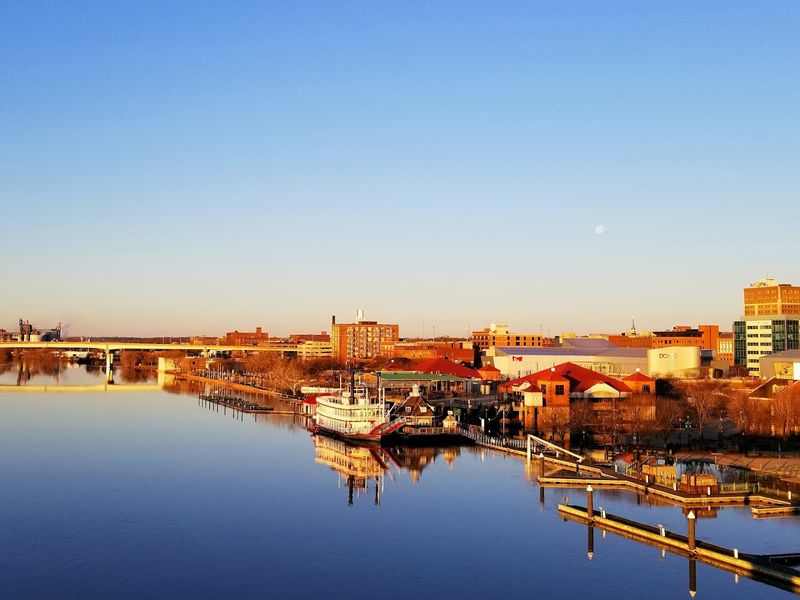
Peoria is the big personality on this list, a mid-size city that has been reinventing its riverfront for years and is genuinely fun to visit in summer.
Sitting on a wide bend of the Illinois River, Peoria’s RiverFront area has evolved into a lively hub with walking paths, restaurants, an outdoor amphitheater, and stunning views of the river from multiple vantage points.
The Energy Solutions Arena and the Civic Center keep the cultural calendar full year-round.
Peoria has a long history as one of Illinois’s most important river cities, serving as a major hub for trade, industry, and entertainment throughout the 19th and 20th centuries.
The Peoria Riverfront Museum is a fantastic stop, combining art, science, and local history under one roof with rotating exhibits that manage to be engaging for all ages. The Giant Screen Theater inside the museum is a crowd favorite.
Wildlife Prairie Park, located just west of the city, is a must-visit for families, featuring native Illinois animals roaming large natural habitats.
The Spirit of Peoria, a replica paddle wheel riverboat, offers scenic cruises along the river that capture the golden age of river travel in a way that feels festive rather than stiff. Peoria knows how to show visitors a good time, and summer is absolutely its best season.
7. East Peoria
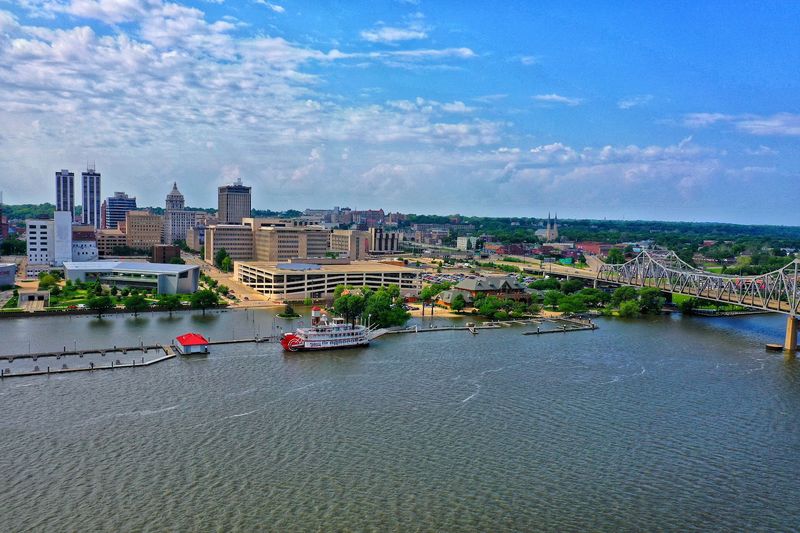
Sitting directly across the Illinois River from its larger neighbor, East Peoria offers a different and often quieter perspective on the same beautiful waterway.
Festival Park, right on the riverfront, is the social heart of the city during summer, hosting outdoor concerts, community events, and the beloved Steamboat Classic road race that draws runners from across the region every June.
The park’s river views are genuinely hard to beat on a clear summer evening.
East Peoria is also home to the Par-A-Dice Hotel Casino, which adds a lively entertainment option for adult visitors, and the surrounding area has a good mix of chain restaurants and local spots to fuel up before or after exploring.
The Fondulac Park District manages a network of parks and trails throughout the city that are well-maintained and popular with cyclists and joggers. Eastside Centre offers indoor entertainment options if the weather turns on you.
The city has a proud working-class identity, shaped in part by its long association with Caterpillar, the global equipment manufacturer headquartered nearby in Peoria.
Visiting East Peoria in summer means you are likely to stumble into a community event, a food truck gathering, or a waterfront market without even trying. That spontaneous, welcoming energy is exactly what makes a day trip memorable.
8. Havana
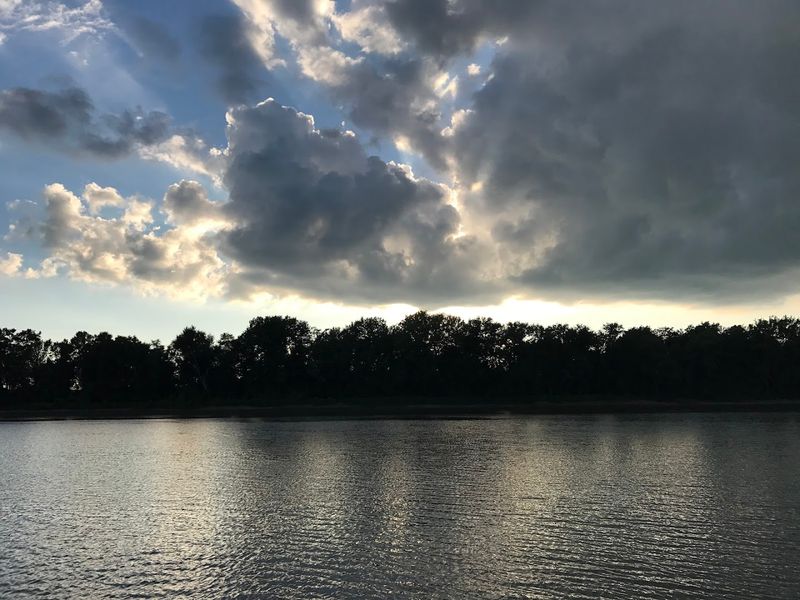
Few towns in Illinois are as deeply connected to the rhythms of the river as Havana, a small city in Mason County that has been a fishing destination for well over a century.
The Illinois River here widens into a broad, shallow stretch that is among the most productive freshwater fishing grounds in the entire state.
Anglers travel from across the Midwest specifically to fish the backwater lakes and sloughs surrounding Havana, and the town embraces that identity wholeheartedly.
The Chautauqua National Wildlife Refuge, located just outside town, protects thousands of acres of bottomland habitat that supports an extraordinary variety of migratory birds, especially during spring and fall.
In summer, the refuge is quieter but still worth a visit for birders and wildlife photographers who appreciate having space to themselves.
The Illinois River Biological Station, operated by the Illinois Natural History Survey, is also based here and occasionally opens to curious visitors.
Downtown Havana has a modest but sincere collection of local businesses, and the annual Harvest of Harmony festival in September gives a preview of the town’s community spirit.
Summer sunsets over the Illinois River from Havana’s riverfront are the kind of slow, wide, orange spectacles that make you understand why people have been coming to this spot for generations. Bring your fishing rod and your patience.
9. Moline
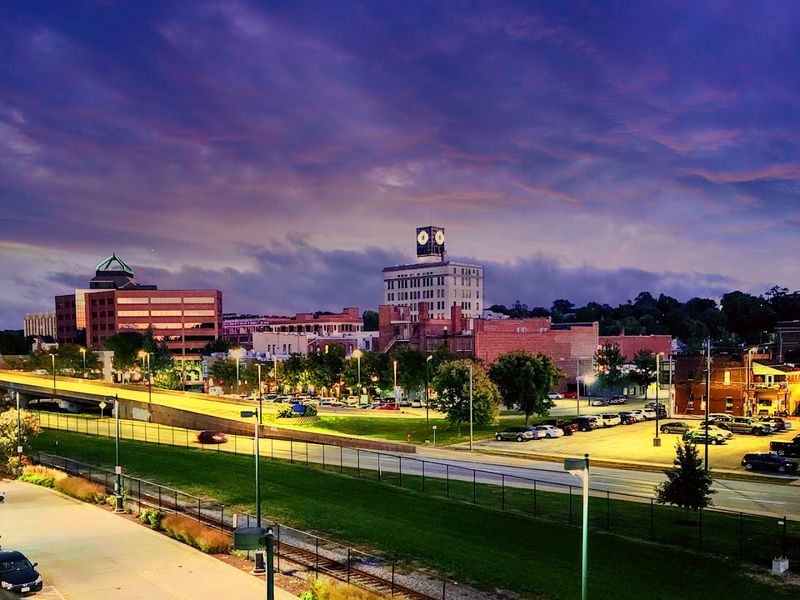
Moline occupies a prime spot along the Mississippi River as part of the Quad Cities region, and it brings an energy to a summer day trip that is hard to match anywhere else along the Illinois river corridor.
The riverfront has been thoughtfully developed with a multi-use trail, green spaces, and entertainment venues that make it easy to spend an entire day without ever getting in your car again once you park.
The John Deere Pavilion, free to visit, is a genuinely impressive attraction that showcases the history and engineering behind one of the world’s most recognizable agricultural brands.
The i wireless Center hosts major concerts and sporting events throughout the summer, and the Rust Belt, a beloved music venue in the nearby district, keeps the local music scene thriving year-round.
Bass Street Landing is a popular gathering spot with outdoor seating and river views that feel festive on warm evenings. The Moline Riverview Park offers a more relaxed setting for picnics and leisurely walks along the water.
Moline also has a strong cycling culture, and the Great River Trail connects the city to neighboring communities along the Mississippi for miles in either direction.
History fans will appreciate the Deere-Wiman House and Butterworth Center, a pair of beautifully preserved 19th-century estates open for tours. Moline is the kind of place that surprises you with how much it offers.
10. Fulton
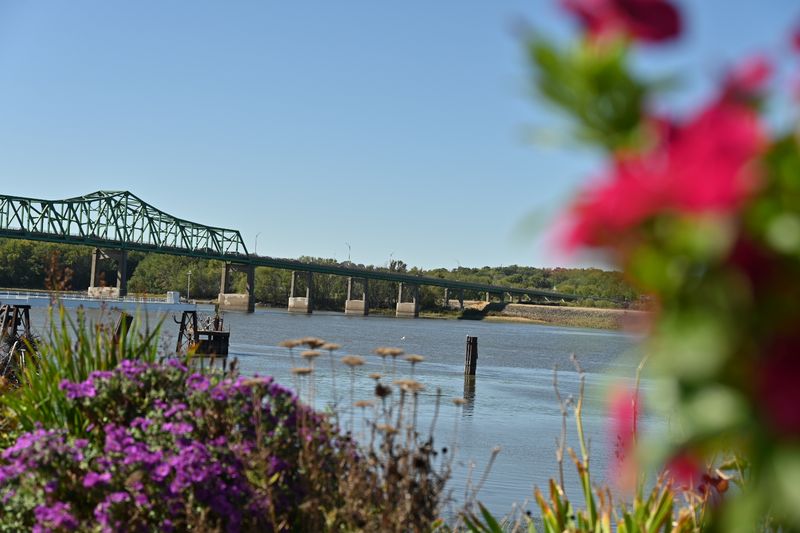
Fulton might be the most visually distinctive town on this entire list, and that is largely thanks to a full-scale working Dutch windmill that stands right on the Mississippi River waterfront.
De Immigrant Windmill was a gift from Fulton’s Dutch sister city, Veere, Netherlands, and it was built by Dutch craftsmen using traditional materials and methods.
It grinds grain to this day, and you can tour the interior to see the original millstone mechanism in action, which is a surprisingly fascinating experience.
The town’s strong Dutch heritage is celebrated every May during the annual Dutch Days festival, but summer visitors will find the windmill and surrounding park just as enjoyable without the crowds.
Heritage Canyon, a privately operated outdoor attraction just south of downtown, features a recreated 19th-century village set inside a natural limestone ravine that is genuinely one of the most creative attractions in the region.
The shaded canyon setting makes it a cool and comfortable visit even on the warmest summer days. The Great River Trail passes through Fulton, connecting cyclists to a long stretch of scenic Mississippi River riding in both directions.
The riverfront itself has a relaxed, unhurried feel that invites you to sit on a bench and watch the barges drift past. Fulton earns its place on this list by being completely and unapologetically itself.