
This Historic Detroit Michigan Jazz Club Brings French-Inspired Dinners And Live Music So Close You Can Feel The Bass
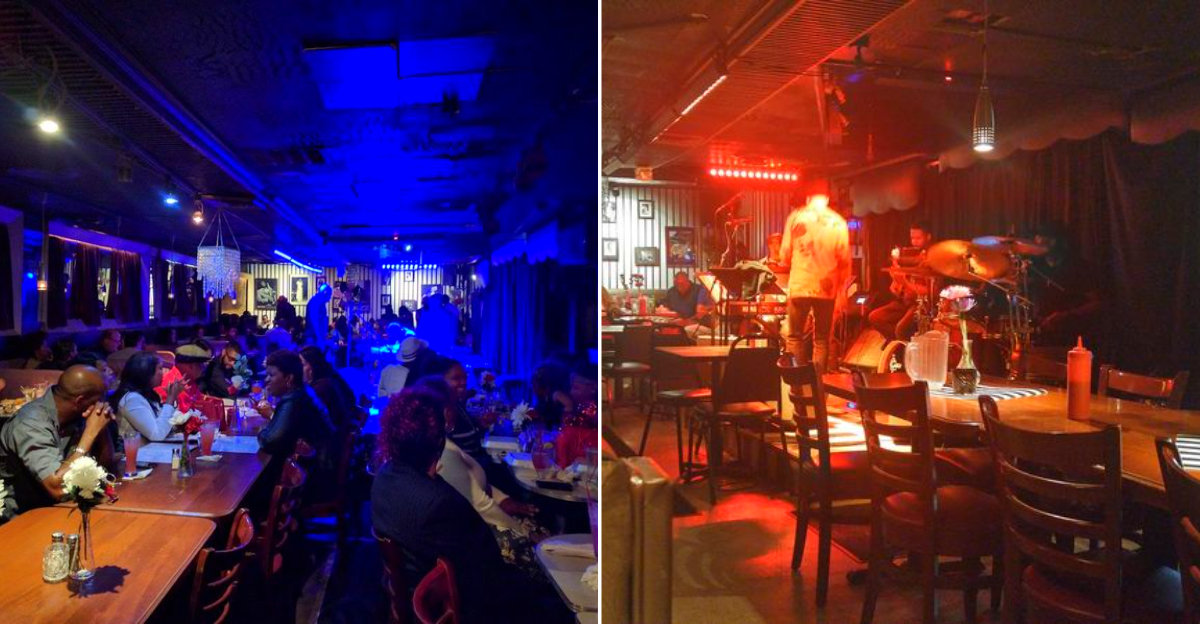
There are jazz clubs, then there is the room where Detroit shaped its sound.
Opened in 1933 as a modest sandwich counter on Livernois Avenue, Baker’s Keyboard Lounge gradually transformed into the city’s longest-running jazz venue, hosting Ella Fitzgerald, Miles Davis, plus John Coltrane in a space that seats fewer than a hundred people.
The intimacy is not a design accident; it is the entire point. A piano-shaped counter curves under original art deco fixtures.
The Steinway sits close enough that bass vibrations travel through the floorboards, the current kitchen leans French, turning out steak frites and duck confit between sets.
The walls carry nine full decades of photographs, ticket stubs, plus lived history, but the real draw is the present tense: a Saturday night where the music starts, the lights dim, and a room full of strangers falls into the same rhythm in Michigan.
Know The Room Is The Main Event
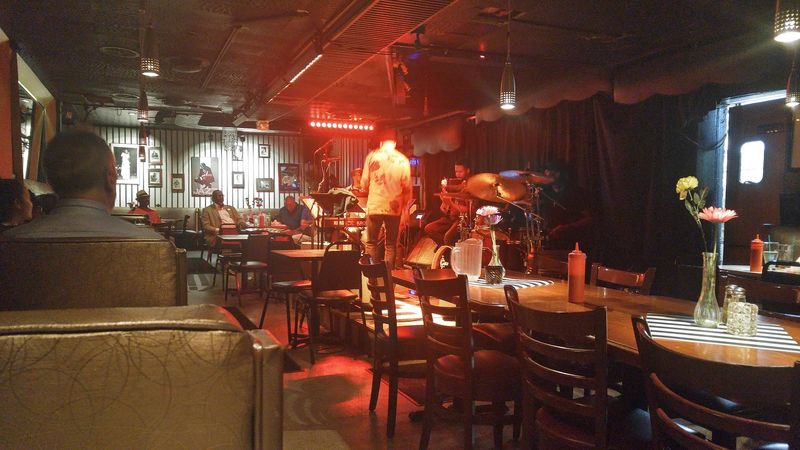
Baker’s feels smaller than its legend, and that is exactly the charm. The room seats about 99 people, so the stage never seems far away, and the acoustics make every bass note feel immediate.
Tilted mirrors and Art Deco details pull your eyes around the room before the music settles them.
Dinner here works best when you understand that food and performance share the spotlight. This is not a sprawling supper club where you can disappear into noise.
It is a historic jazz room, opened in 1933 and firmly jazz-centered by 1939, where silence during a set can feel like part of the design.
If you are choosing whether to come for dinner or for music, choose both. The evening makes the most sense when the plate, the room, and the piano all arrive as one experience.
Jazz Finds You On Livernois
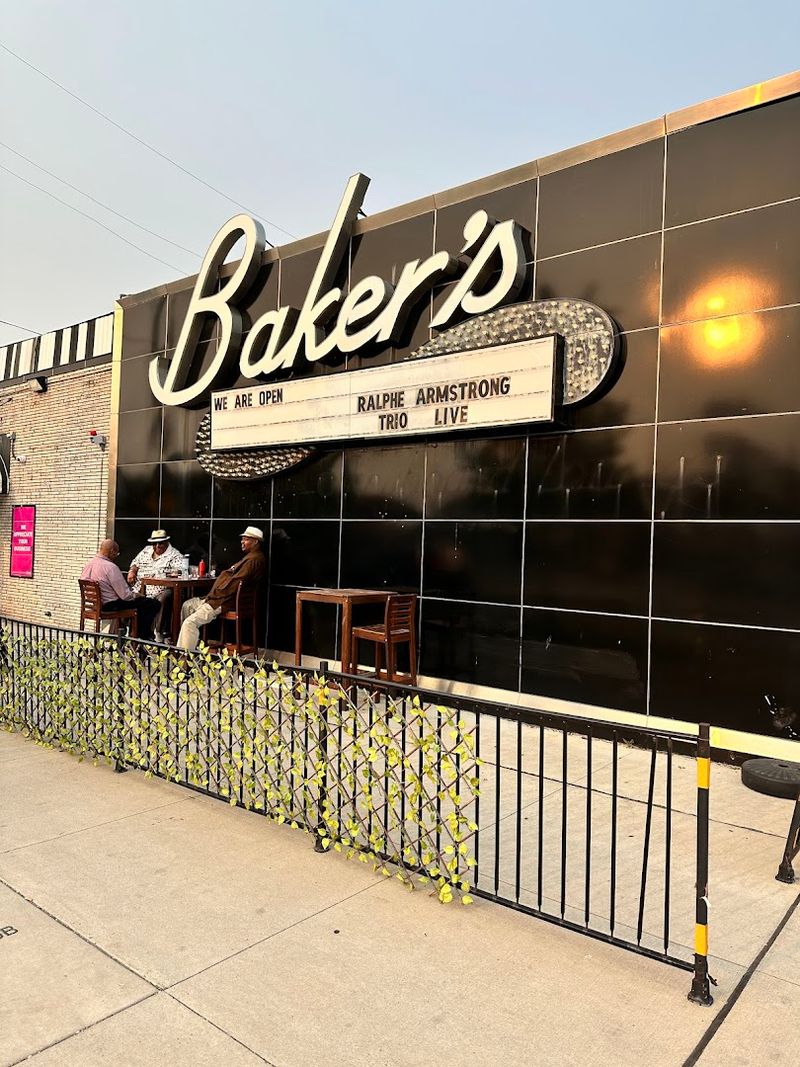
Baker’s Keyboard Lounge feels like the kind of Detroit stop where the sidewalk starts humming before you reach the door, with live jazz, soul food, and old Art Deco energy packed into one small room.
You’ll find it at 20510 Livernois Ave, Detroit, Michigan 48221, an intimate 99-seat lounge that has hosted live jazz since 1934.
Arrive with time to park, settle in, and let the room work on you before the music starts. This is not a place for rushing; the whole point is to sit down, listen properly, and let Detroit’s jazz history get close.
Dress Like The Room Deserves It
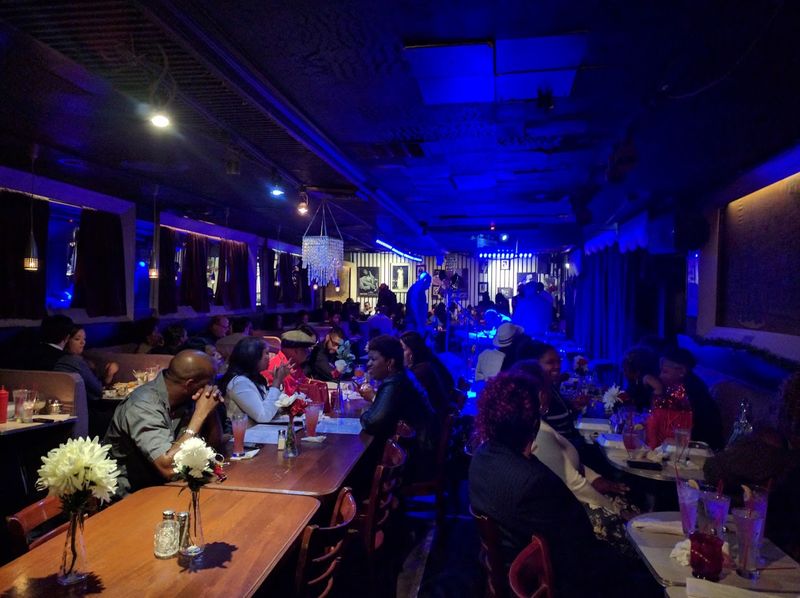
Baker’s has an adult ease, but not a careless one. Smart casual clothing fits the room best, and the difference is noticeable the second you walk beneath its historic glow.
Dress shoes or polished flats make more sense here than sneakers, not because anyone is performing sophistication, but because the setting asks for a little respect.
The club’s Art Deco interior carries memory well. A piano-shaped bar, framed images, and the low-lit stage create a sense that you are stepping into continuity, not novelty.
Clothes that feel tidy and intentional simply read better against that backdrop.
I like places that quietly suggest how to behave without becoming stiff. Baker’s does that with style: not fussy, not severe, just clear enough to remind you that dinner and jazz can still feel like an occasion.
Arrive Early Enough To Settle In
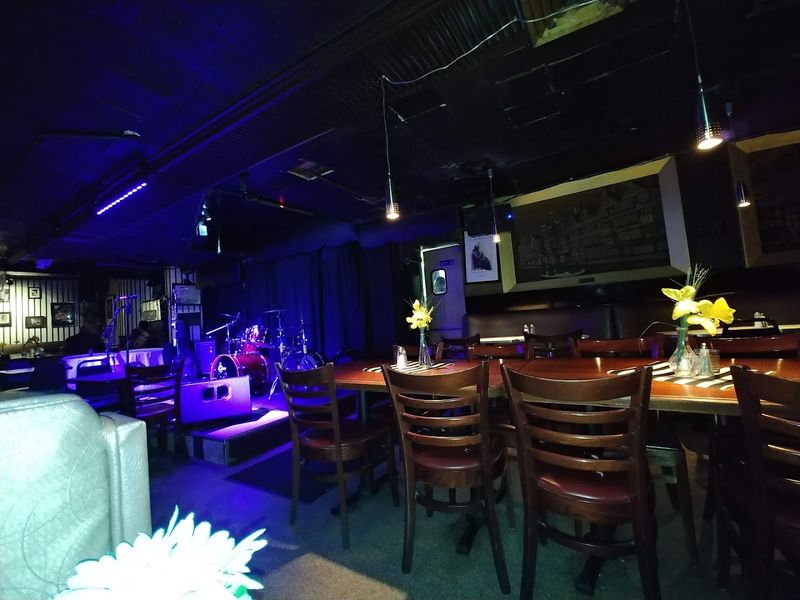
The smartest move at Baker’s is arriving before the room turns fully kinetic. Early arrival gives you a calmer read on the menu, a better chance at comfortable seating, and a few minutes to absorb the room before the first notes reorganize everybody’s attention.
In a club this small, those minutes matter.
There can be cover charges for live music and parking fees depending on when and how you visit, so early timing helps you ask practical questions before the evening gathers speed. It also reduces the feeling of chasing your own dinner through a busy service stretch.
The club opens at 4 PM most days, with Monday hours running 7 to 11 PM.
Baker’s rewards patience, but it rewards preparedness even more. Show up unhurried, and the place has a better chance to feel elegant instead of hectic.
Order With The Menu’s Real Identity In Mind
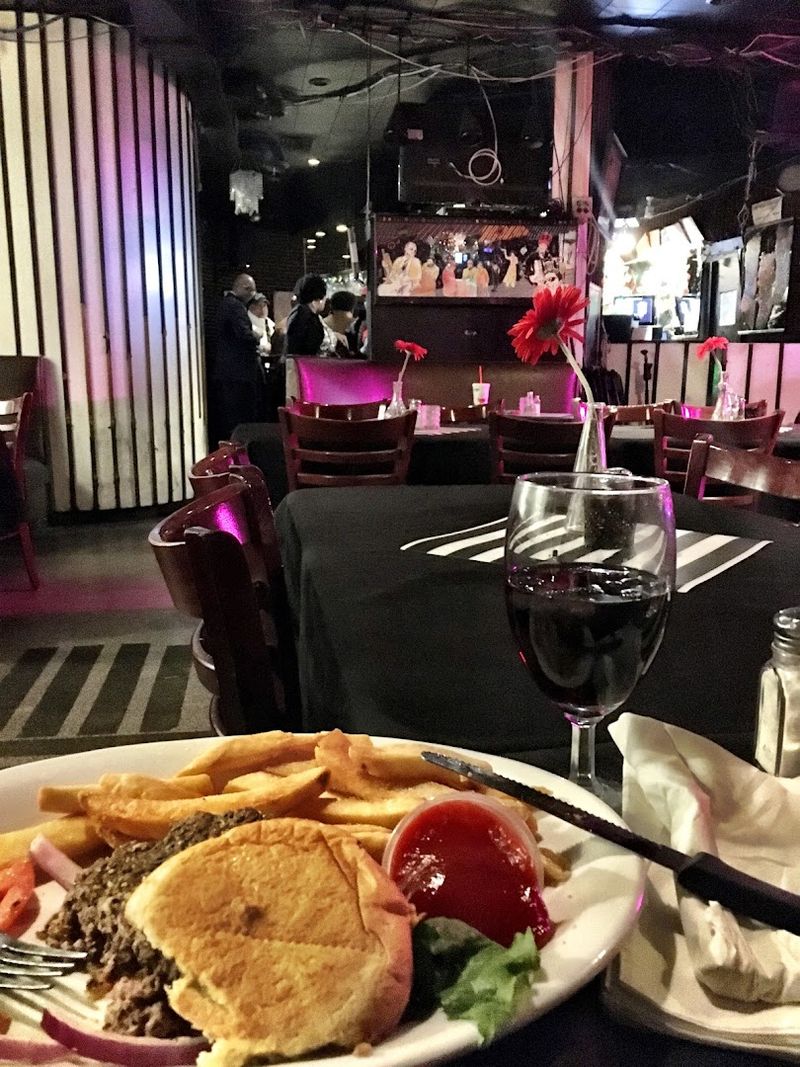
The title of this article makes a romantic promise, but Baker’s kitchen is rooted somewhere more direct. The food is known for soul food and American fare, with newer menu additions that include grilled salmon, vegan burgers, spinach artichoke dip, flavored chicken wings, truffle fries, and lamb chops.
That mix matters when you decide what kind of meal you actually want.
If you come expecting a French dining room, you will miss what the place really offers. Baker’s feels strongest when approached as a historic jazz club serving dinner with Detroit character, not as a bistro in disguise.
The pleasure is in the contrast: landmark setting, close music, familiar comfort food, and a few lighter updates.
Order accordingly and you will read the room correctly. Expect soulfulness first, experimentation second, and let the music carry the rest.
Use The Mirrors And Look Toward The Pianist’s Hands
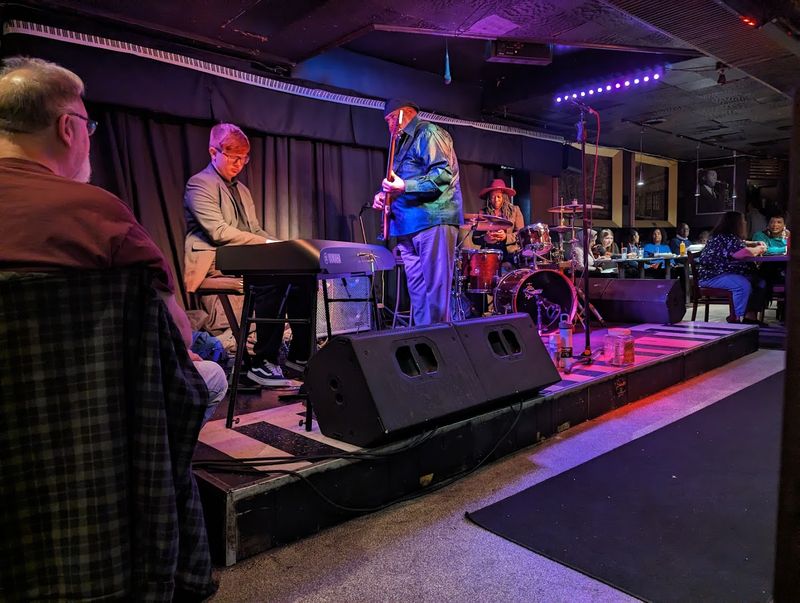
One of Baker’s quietest pleasures lives above eye level. The tilted mirrors were designed so guests could watch the pianist’s hands, and once you notice them, the room becomes a little theatrical in the best way.
Instead of craning your neck, you get this elegant second angle on the performance.
That detail says a lot about the club’s priorities. Baker’s was remodeled in the 1950s with Art Deco touches that still shape how guests experience the music, and the design never feels accidental.
It helps turn dinner into observation, not just consumption.
The club’s seven-foot Steinway adds another layer of history, especially knowing Art Tatum personally selected it in the 1950s. Watch the reflections, listen for the phrasing, and you begin to understand why this room has held people’s attention for generations.
Build Patience Into The Meal
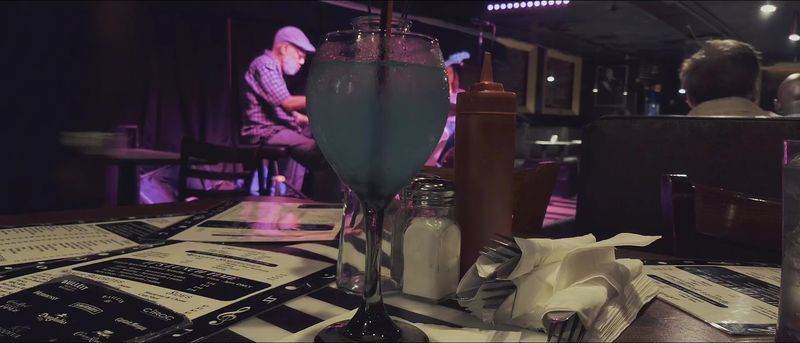
A practical truth about Baker’s: the room can move slower than your appetite. On busy nights, service may take time, and that reality changes the mood depending on whether you expected a quick dinner or a long, music-centered evening.
The easiest way to enjoy yourself is to budget patience before you sit down.
This is not an excuse so much as a planning note. A packed, 99-seat jazz club has its own rhythm, and dinner service shares space with a live performance that people rightly came to hear.
If your schedule is tight, the delay will feel sharper than the bass line.
When the timing works, the wait can soften into part of the atmosphere. Order with care, keep your evening open, and treat the meal as a companion to the set, not a race against it.
Listen To The History While You Eat
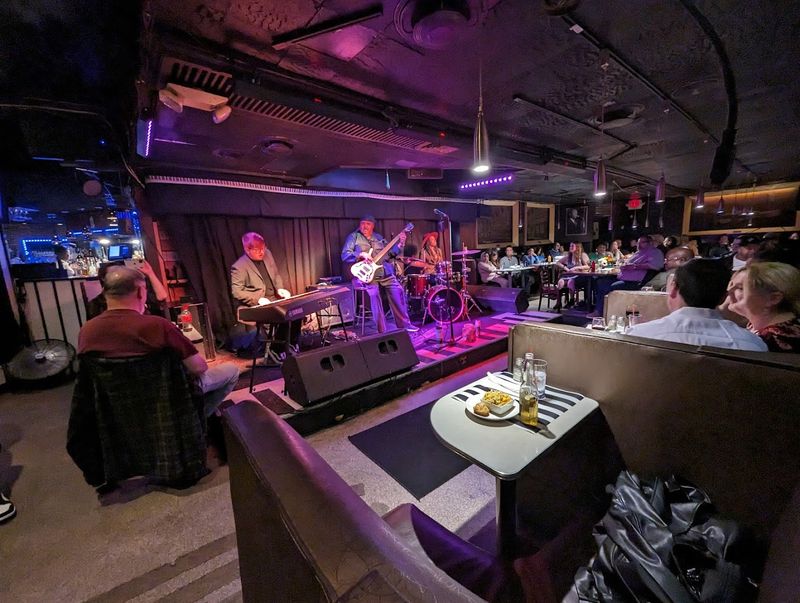
The walls at Baker’s do not let you forget where you are. This club is recognized as Detroit’s oldest continuously operated jazz club, often called the world’s oldest jazz club, and the room carries that reputation with unusual ease.
It opened in 1933, became firmly jazz-oriented by 1939, and still feels like it knows exactly what it is.
That history is not abstract decoration. Ella Fitzgerald, Miles Davis, Oscar Peterson, John Coltrane, Dizzy Gillespie, and Nat King Cole all belong to the lineage attached to this address.
Even between songs, the space feels occupied by memory, especially when dinner arrives under those photographs and that low ceiling.
Baker’s was named a Michigan State Historic Site in 1986 and a protected Detroit landmark in 2016. Knowing that makes every ordinary detail, from a napkin fold to a piano chord, feel slightly more charged.
Choose Seating For Sound, Not Just Sight
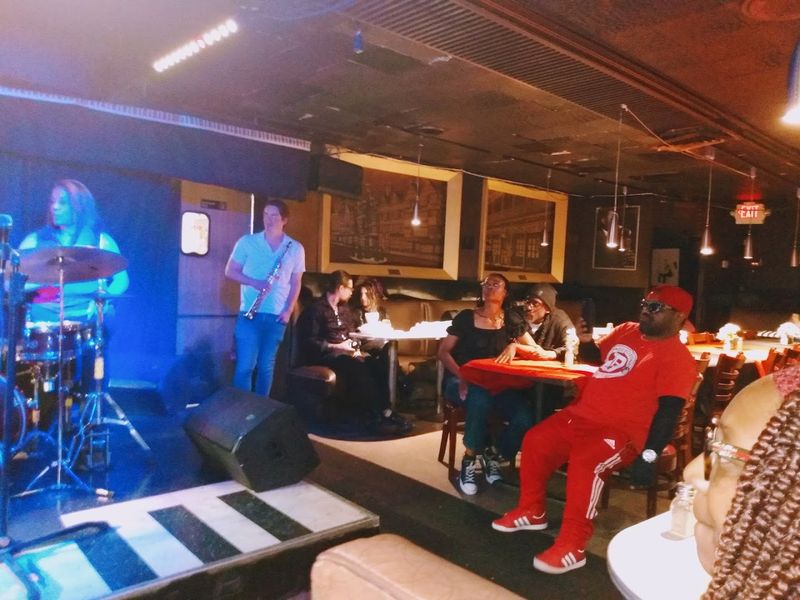
At Baker’s, where you sit changes what the evening feels like. A close seat to the stage can make the bass seem almost physical, while a slightly deeper table gives you more room to watch the entire room respond together.
Neither choice is wrong, but they are different experiences.
The acoustics here are famously strong, and the intimacy means there is very little dead air between performers and diners. That can be thrilling if you want the music to arrive almost through the table, less ideal if you were hoping for background sound while focusing mostly on dinner.
Seat choice is part of the strategy. When making a reservation, ask yourself what you came for most. If it is sonic closeness, lean toward the stage; if it is balance, a little distance lets the food, architecture, and music share the frame.
Keep The Order Simple And Attentive
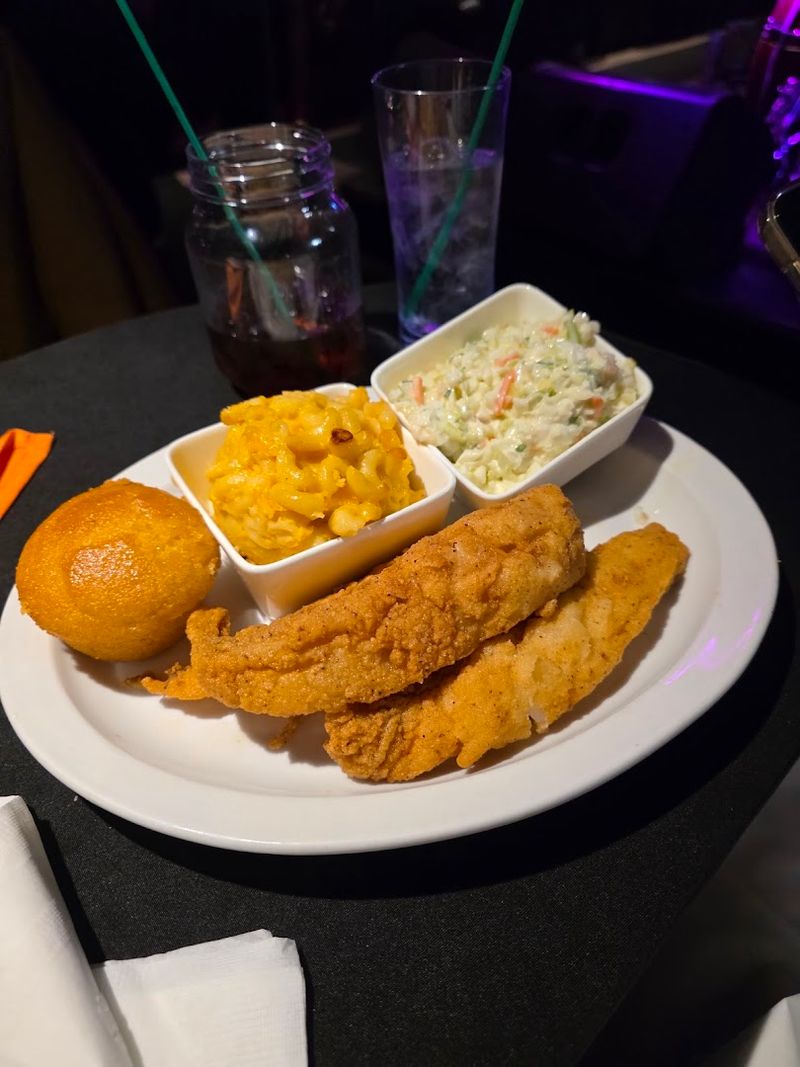
Baker’s is not the place where an overcomplicated order improves your night. A straightforward approach keeps your attention where the club excels: the room, the performance, and a menu built around recognizable comfort rather than culinary puzzles.
Simplicity also helps when the house is busy and every table seems tuned to the same downbeat.
Newer lighter options have expanded the choices, which is useful if you want something beyond traditional staples. Still, the larger pleasure comes from matching your expectations to the venue instead of treating it like a test kitchen.
Think of dinner as part of the setting, not a separate competition with the band.
I have found that the most satisfying evenings here happen when choices stay clear. Pick what genuinely sounds good, settle in, and let Baker’s do what it has done for decades.
Treat The Night As A Detroit Landmark Experience
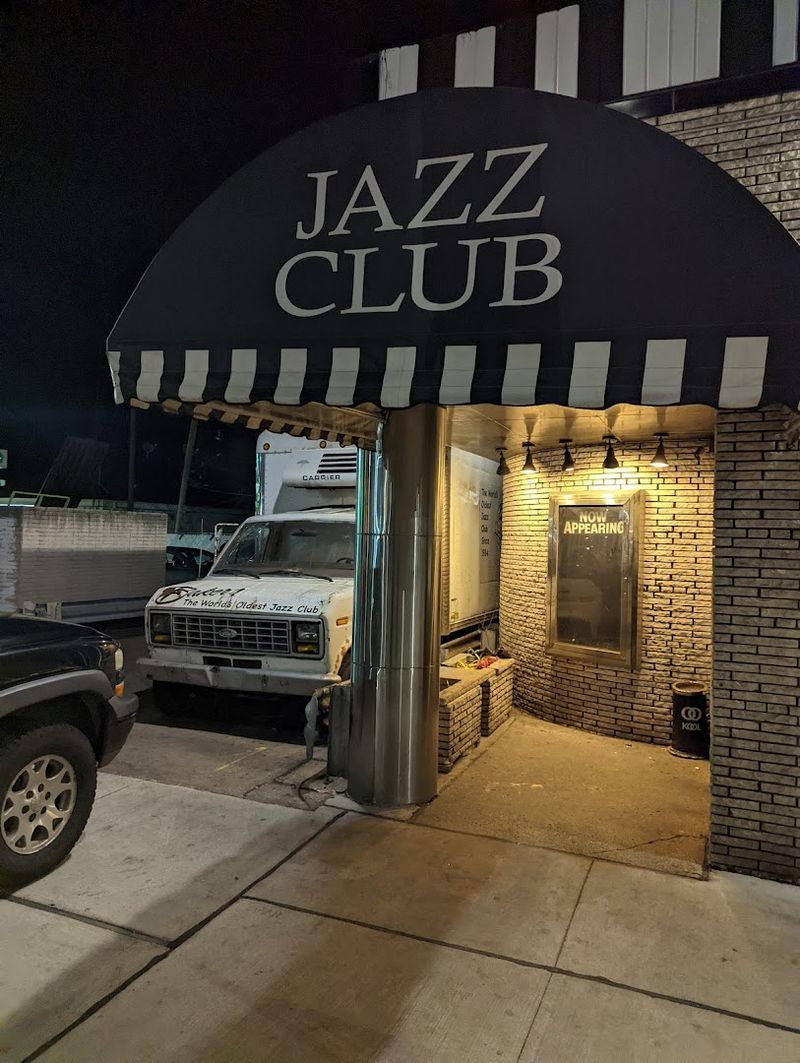
The best way to enjoy Baker’s is to stop measuring it against generic dinner spots. This is a protected Detroit landmark with a specific identity, a specific room, and a specific cultural weight that changes how the evening lands.
When you approach it that way, even the practical details feel easier to absorb. You may encounter parking fees, cover charges for live music, and the ordinary imperfections of a busy historic venue.
Yet few places can offer a meal inside a room where jazz history feels this concentrated, or where a piano-shaped bar and a seven-foot Steinway make the setting part of the story. The address itself matters here.
Baker’s is worth visiting with respect rather than fantasy. Come for Detroit, come for jazz, come for dinner in a landmark, and you will likely leave with the right memory.