
7 Beautiful Things To See And Do In The Wild Gardens Of Acadia
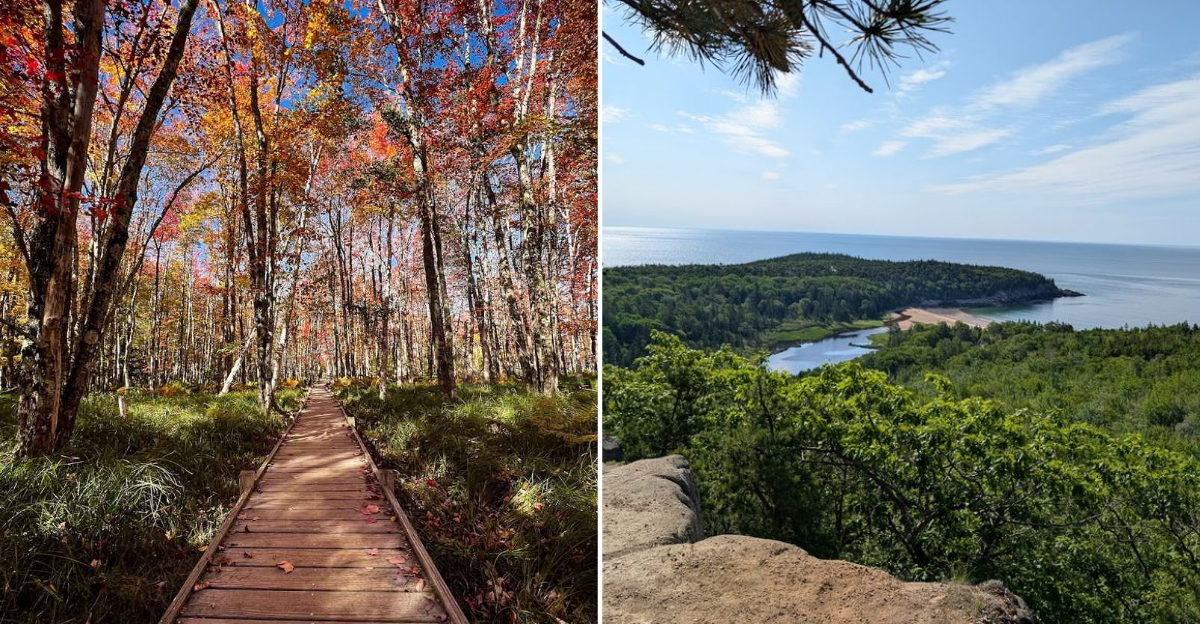
Some places do not need much space to completely surprise you. This quiet garden tucked inside a national park on Mount Desert Island in Maine is one of them.
At first, it seems like a simple place for a short stroll. Then you start noticing how much is packed into every corner.
More than 400 native plants grow here in thirteen habitat sections, giving you a close look at the bogs, forests, thickets, and rocky landscapes that shape Maine’s wild side. I visited on a cool September morning and expected to wander through pretty plants for a few minutes.
Instead, I kept stopping. Mossy pockets, shaded paths, plants, and bright little clearings made the whole place feel much bigger than it is.
This guide covers seven of the best ways to enjoy it.
1. Explore The Ecosystem Microcosms
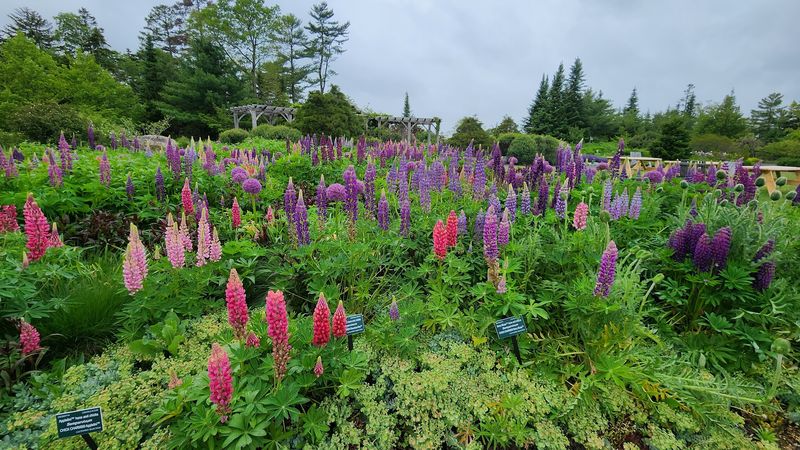
Most gardens organize plants by color or height, but the Wild Gardens of Acadia take a completely different approach.
Here, plants are grouped by the ecosystems they naturally belong to, creating thirteen distinct habitat sections that include a bog, a heath, a mountain zone, a roadside area, and a bird thicket.
Each zone functions as a miniature version of a real Maine landscape, and walking between them feels like flipping through the pages of a field guide that has somehow come to life.
The bog section is particularly fascinating. Carnivorous plants like sundews and pitcher plants grow here, quietly doing their thing among sphagnum moss and sedges.
If you have kids with you, this is the zone that will get their full attention without any convincing required.
What makes the ecosystem approach so valuable is that it helps visitors understand why certain plants grow where they do. The labels beside each plant include the common name, the scientific name, and the habitat type, which makes identification easy even for beginners.
Bring a notebook if you enjoy journaling, because you will find plenty to sketch and record. The garden is managed by Friends of Acadia in conjunction with the National Park Service, with volunteers helping maintain the habitat sections.
Plan to spend at least thirty minutes just in this section alone, moving slowly and reading the signs as you go.
2. Walk The Jesup Trail
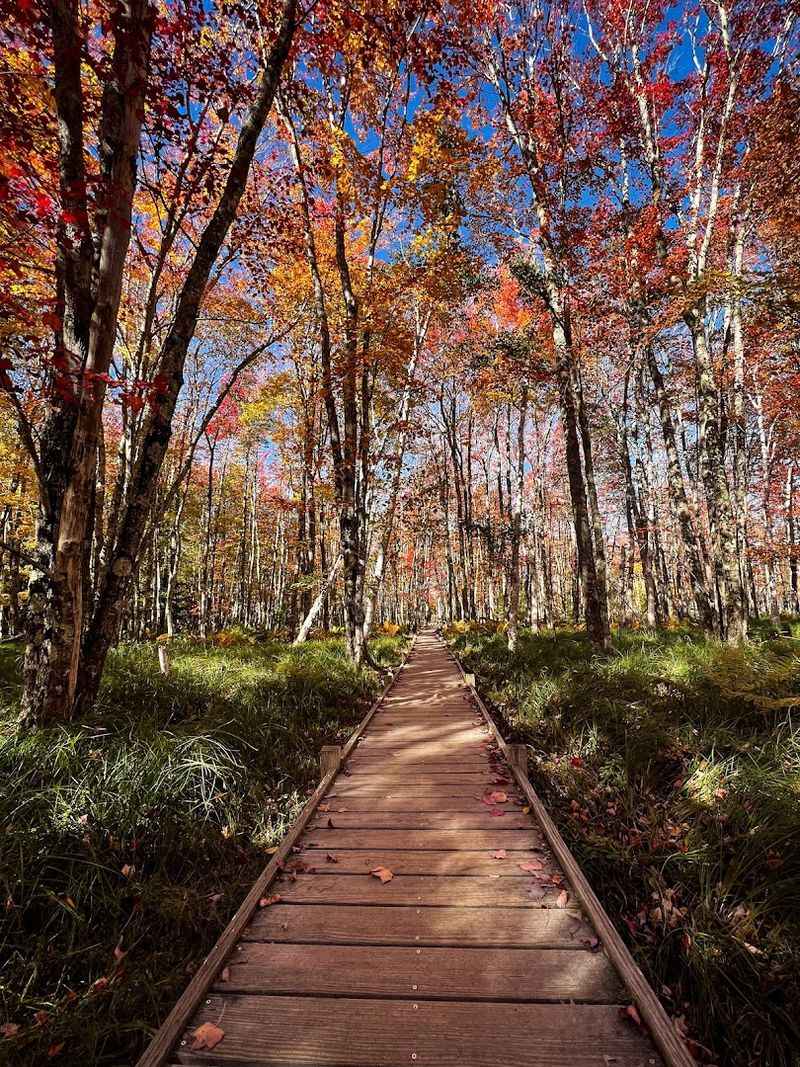
Right next to the Wild Gardens, the Jesup Trail offers one of the most peaceful walking experiences in all of Acadia National Park.
The trail runs for about one mile and features a classic wooden boardwalk that carries you through a dense, cathedral-like forest of birch, maple, and red spruce.
The sound of your footsteps on the old planks, combined with the smell of damp earth and pine, creates a sensory experience that feels genuinely restorative.
The boardwalk was originally built to allow visitors to move through the wet, boggy terrain without damaging the fragile root systems below.
That thoughtful design decision means the forest floor remains remarkably intact, and you can look down through the slats and see mosses, ferns, and tiny wildflowers thriving just inches beneath your feet.
Fall is a spectacular time to walk this trail, when the maples turn gold and orange and the light filters through the canopy in warm, shifting patterns. Spring brings a different kind of magic, with trilliums and wood sorrel blooming along the edges of the path.
The Jesup Trail connects to other routes in the park, so you can extend your walk toward Dorr Mountain or loop back through the Tarn area if you want more mileage.
The trail is relatively flat and easy, making it a solid choice for families, older visitors, and anyone who simply wants a quiet hour among trees without a steep climb. Comfortable walking shoes are all you need.
3. Tour The Abbe Museum
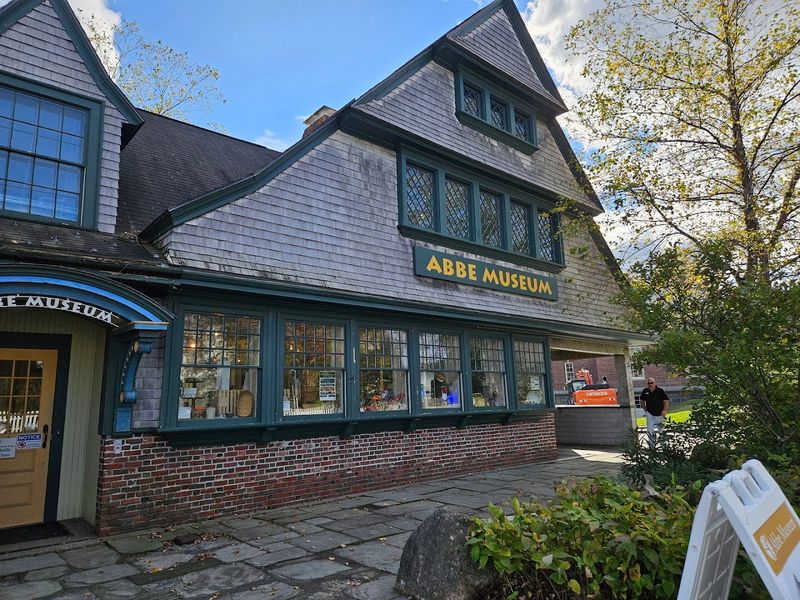
A short walk from the Wild Gardens sits the original Abbe Museum, a compact stone building that opened to the public in 1928, though this Sieur de Monts location is currently closed for maintenance.
The museum is dedicated to the Wabanaki peoples, the Indigenous nations who have called this region home for thousands of years, and it presents their history and contemporary culture with both depth and respect.
The building itself is a historic landmark, and even the architecture feels like part of the story.
The exhibits at the Sieur de Monts location focus on archaeological finds from the region, including tools, pottery, and objects that date back centuries. Interpretive panels explain the significance of each artifact and connect them to the living Wabanaki communities of today.
The museum does not treat Indigenous culture as something from the past but rather as something that is very much present and ongoing.
Visiting the Abbe Museum adds a meaningful layer to the Wild Gardens experience. Understanding who first cultivated a relationship with this land, and how deeply that relationship runs, changes the way you see every plant and rock and stream in the area.
Admission to the Sieur de Monts location is free, which makes it an easy addition to any itinerary. The main Abbe Museum branch is located in downtown Bar Harbor if you want a more extensive exploration of Wabanaki history and art.
Both locations are worth your time, but starting here, in this quiet stone building among the trees, feels exactly right.
4. Stop At The Nature Center
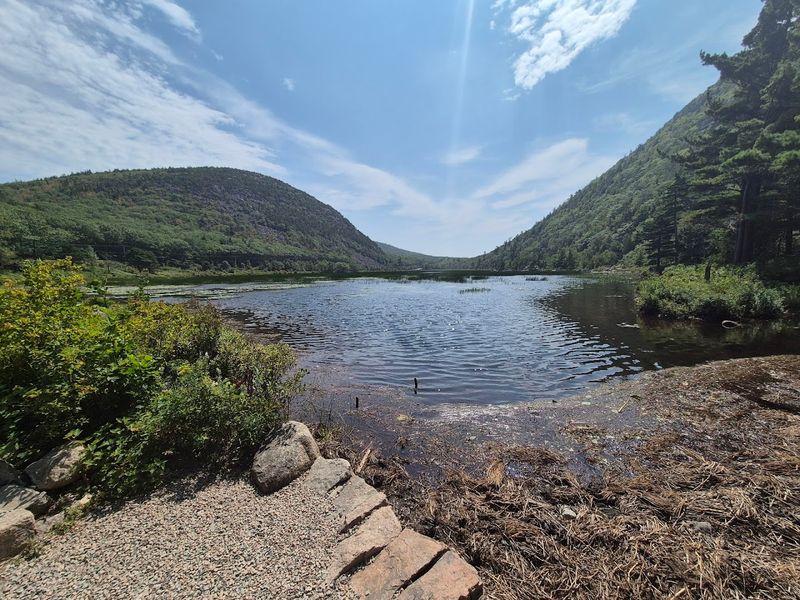
Before you wander too far into the Wild Gardens, the Nature Center at Sieur de Monts is worth a dedicated stop.
This small but well-organized facility serves as an orientation point for the entire area, offering maps, plant identification guides, and educational displays that put everything you are about to see into helpful context.
Rangers and volunteers are often on hand to answer questions, and their enthusiasm for the local ecosystem is genuinely contagious.
The displays inside cover topics ranging from the geology of Mount Desert Island to the role of native plants in supporting local pollinators. There are hands-on materials aimed at younger visitors, but honestly, the information is engaging for adults too.
One of the most useful resources available here is a printed checklist of the plants found in the Wild Gardens, which you can take with you as you walk through the different habitat zones.
What I appreciated most about the Nature Center was how unpretentious it felt. There is no flashy technology or overwhelming sensory overload, just clear, thoughtful information presented in a way that makes you want to go outside and look more carefully at everything around you.
The center also sells a small selection of field guides and nature books, which make excellent souvenirs if you want to continue learning after your visit.
Hours can vary by season, so it is worth checking the Acadia National Park website before you go. Arriving early in the day tends to give you the best chance of chatting with a knowledgeable volunteer.
5. Visit The Sieur De Monts Spring
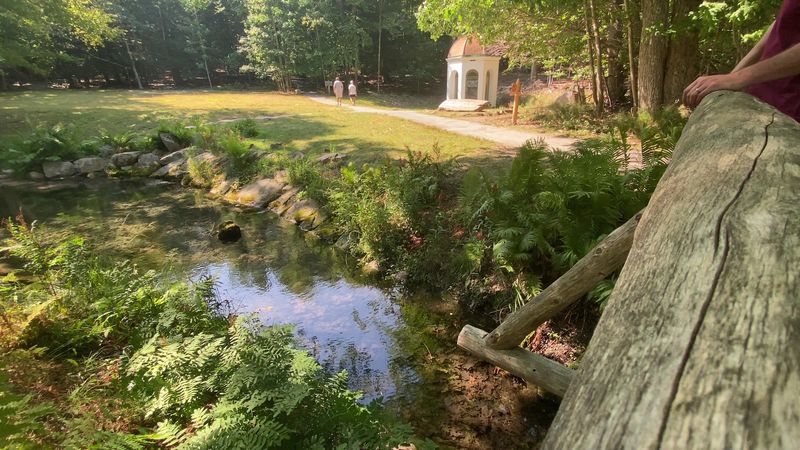
There is something quietly historic about standing beside the Sieur de Monts Spring. This natural freshwater spring, protected by a charming open-air structure built in 1909, was a centerpiece of the early conservation movement that eventually led to the creation of Acadia National Park itself.
George Dorr, often called the father of Acadia, worked tirelessly to protect this area, and the spring was one of the anchors of his vision for a public preserve on Mount Desert Island.
The water that rises here is cool and clear, and the surrounding landscape has been carefully preserved to reflect the natural character of the area.
Tall trees arch overhead, and the sound of the spring creates a soft, steady backdrop that makes the whole spot feel like a place apart from the rest of the world.
It is one of those locations where history and nature overlap so completely that you almost forget to take a photo because you are too busy just standing there.
The spring area connects seamlessly to the Wild Gardens and the Jesup Trail, making it a natural hub for your visit to this part of the park.
A small fountain near the spring structure adds to the peaceful atmosphere, and benches nearby invite you to sit and take everything in at a slower pace.
Early morning visits are especially rewarding, when mist sometimes rises from the surrounding vegetation and the whole area feels almost otherworldly. This is one of those spots that earns a return visit every single time.
6. Spot Local Birds And Wildlife
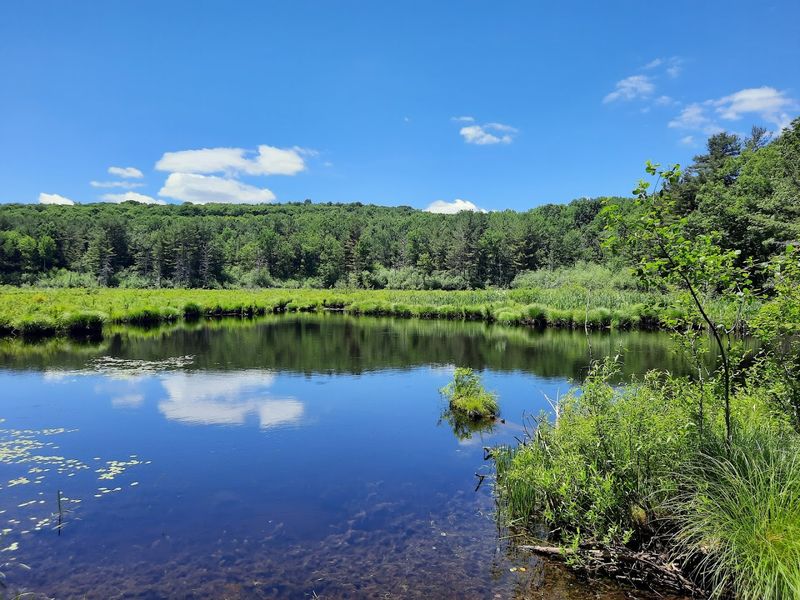
The Wild Gardens of Acadia are not just a plant lover’s paradise. They also happen to be one of the better birdwatching spots in the entire park, thanks to the dense native plantings that attract a wide variety of species throughout the year.
The bird thicket zone within the gardens was specifically designed with wildlife habitat in mind, featuring shrubs like elderberry, viburnum, and serviceberry that provide food and shelter for dozens of bird species.
On any given morning, you might spot a yellow warbler threading through the bushes, a hermit thrush pausing on a low branch, or a white-throated sparrow scratching around in the leaf litter.
During migration season in May and September, the variety increases dramatically, and birders with binoculars often linger for hours. Bring a pair of binoculars and a regional bird guide if you have them, though even casual observers will find plenty to enjoy.
Beyond birds, the gardens and surrounding Sieur de Monts area are home to white-tailed deer, red squirrels, and various amphibians that thrive near the spring and bog zones.
Painted turtles are sometimes spotted basking near the water features, and if you move quietly along the Jesup Trail early in the morning, deer sightings are fairly common.
The key to wildlife spotting here is patience and slow movement. Put the phone away for a few minutes, stand still near the bird thicket, and let the garden come alive around you.
The reward is absolutely worth the stillness.
7. Hike Acadia National Park
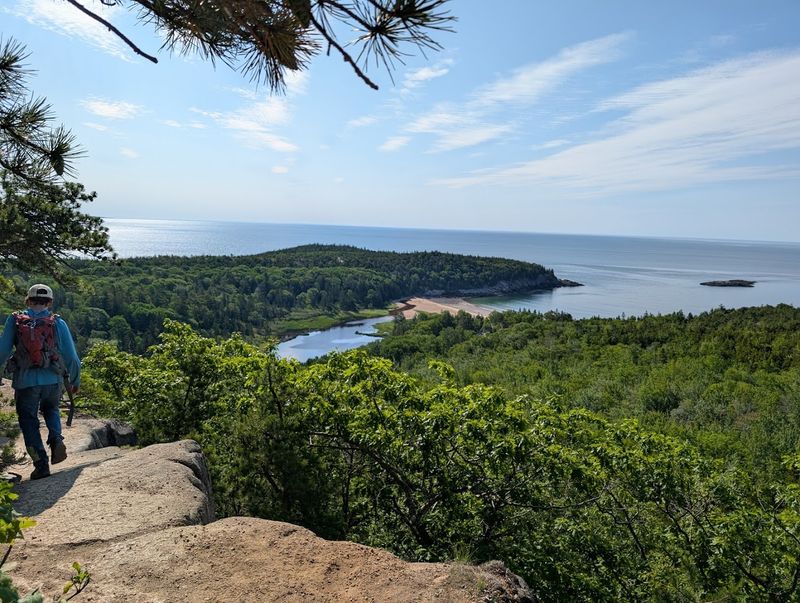
After exploring the Wild Gardens and the Sieur de Monts area, the broader landscape of Acadia National Park is ready and waiting.
The park covers more than 49,000 acres across Mount Desert Island and several smaller islands, offering over 150 miles of hiking trails that range from gentle shoreside walks to challenging granite ridge scrambles.
Cadillac Mountain, the highest peak on the eastern seaboard of the United States, tops out at 1,530 feet and rewards hikers with sweeping views of Frenchman Bay and the surrounding islands.
The carriage roads, a network of broken-stone paths built by John D. Rockefeller Jr. in the early twentieth century, offer a gentler way to explore the park’s interior.
These 45 miles of car-free roads are perfect for walking, cycling, or simply meandering through forests and over beautifully crafted stone bridges.
Each historic stone bridge has its own design, and spotting them along the carriage road system has become a beloved mini-challenge for repeat visitors.
The park is open year-round, though the peak season runs from late June through September. If you visit in late September or October, the fall foliage across the park is extraordinary, with the combination of ocean views and blazing color creating scenery that is hard to match anywhere on the East Coast.
Always check trail conditions before heading out, carry water and snacks, and wear layers since coastal weather can shift quickly. A national park pass is well worth the investment if you plan to spend multiple days exploring. Acadia rewards those who take their time.