
This Quiet Maine Town Makes Simple Living On Social Security Feel Possible
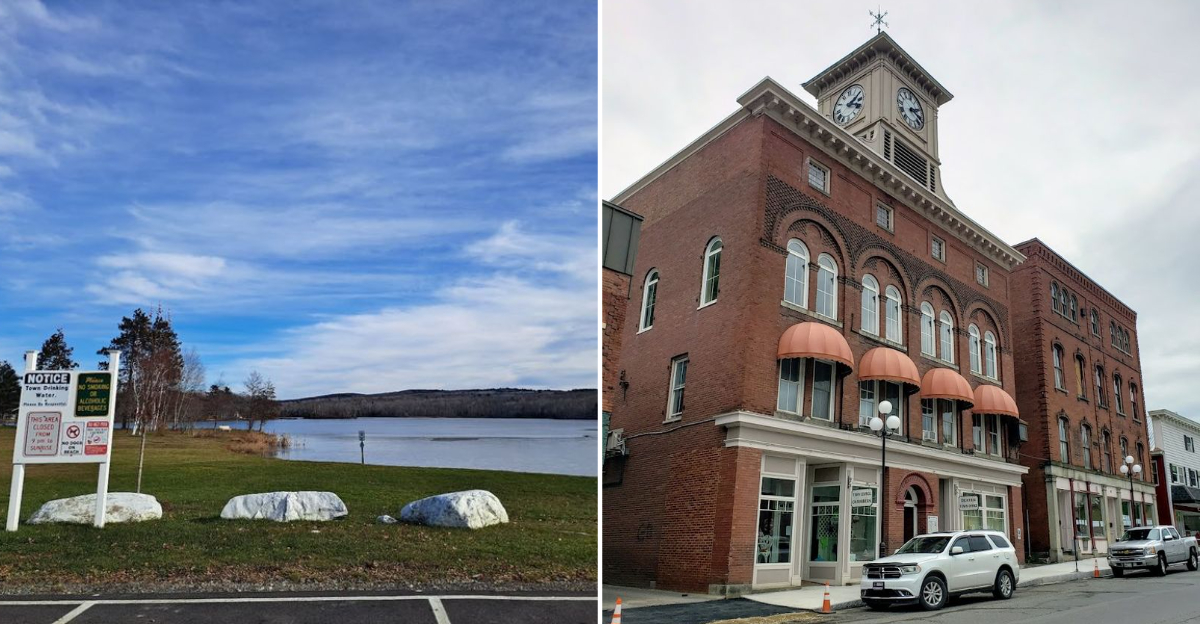
Maine has a way of hiding its best retirement bargains in plain sight. Past rolling hills, quiet mill ponds, and weathered clapboard homes, one small central Maine town offers something many retirees crave but rarely find: breathing room.
Life here does not revolve around luxury condos, tourist crowds, or a calendar packed with obligations. It moves at a gentler rhythm, shaped by lake water, local errands, familiar faces, and long seasons that make simple routines feel meaningful.
For retirees living mainly on Social Security, that kind of place can matter as much as the price tag. A modest cost of living, a calmer pace, and a community of roughly 3,800 people create an appealing picture for anyone seeking a retirement that feels grounded, practical, and genuinely human.
Homes Within Reach
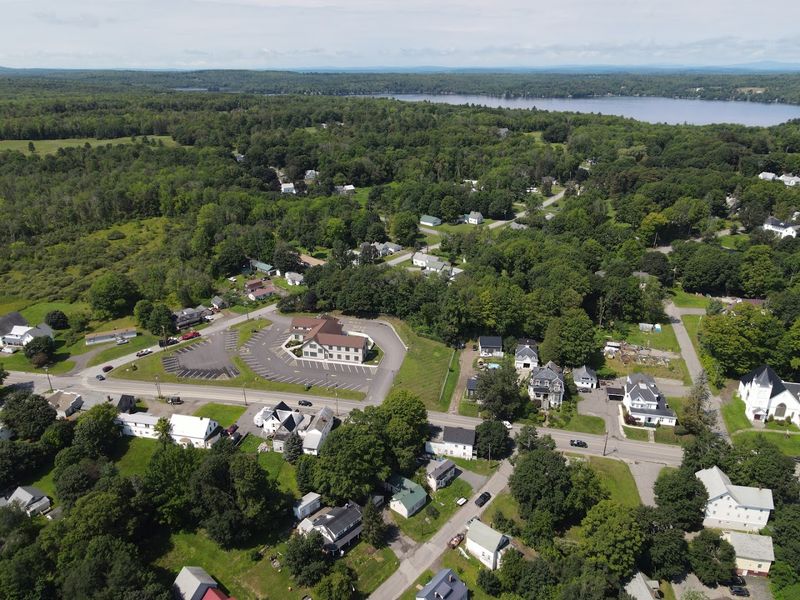
One of the first things you notice when you start looking at housing in Dexter, Maine, is how far your dollar actually stretches. Median home prices here sit well below the national average, which is genuinely good news for anyone working with a fixed monthly income.
For retirees on Social Security, the difference between spending half your check on housing versus a manageable quarter is enormous. In Dexter, small single-family homes and older properties can be found at prices that feel refreshingly honest compared to coastal Maine towns.
Renting is also a realistic option here, with modest apartments available at rates that do not require creative financial gymnastics. The town is not trying to be trendy or upscale, and that works in your favor.
What you get instead is a sturdy, unpretentious housing market where affordability is the norm, not the exception, making it one of the most practical reasons to consider calling this corner of Penobscot County home.
The Tax Bill Reality
Property taxes are one of those slow, steady costs that can quietly eat into a retirement budget month after month. In Dexter, Maine, the property tax rate is notably lower than in many other parts of the country, which gives homeowners on fixed incomes a real advantage.
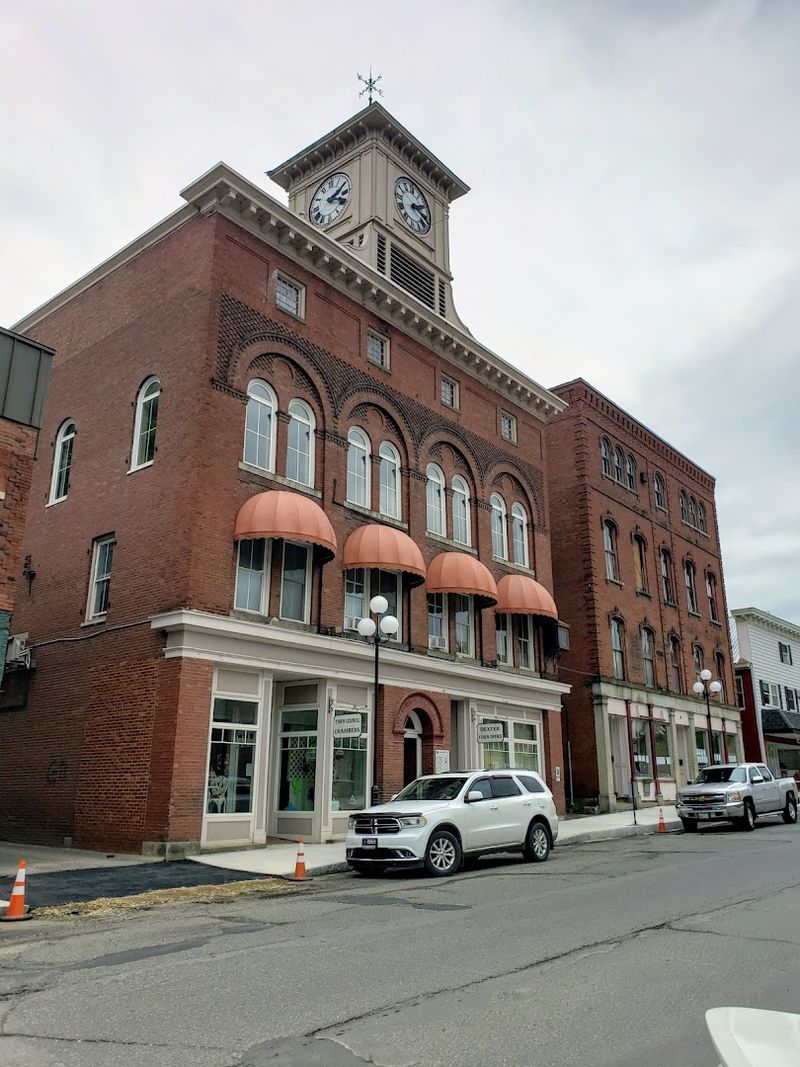
Maine does offer a property tax fairness credit and a homestead exemption program that further reduces the burden for qualifying residents, including many retirees. These programs are not complicated to apply for, and local town offices are generally helpful in walking residents through the process.
When your income does not grow with inflation, every dollar saved on taxes is a dollar you can put toward groceries, medical needs, or simply enjoying your surroundings.
Dexter sits in a region where modest assessed home values keep annual tax bills reasonable. For someone planning a long retirement on a predictable budget, that kind of financial predictability is not a small thing.
Eating Well Without Overspending
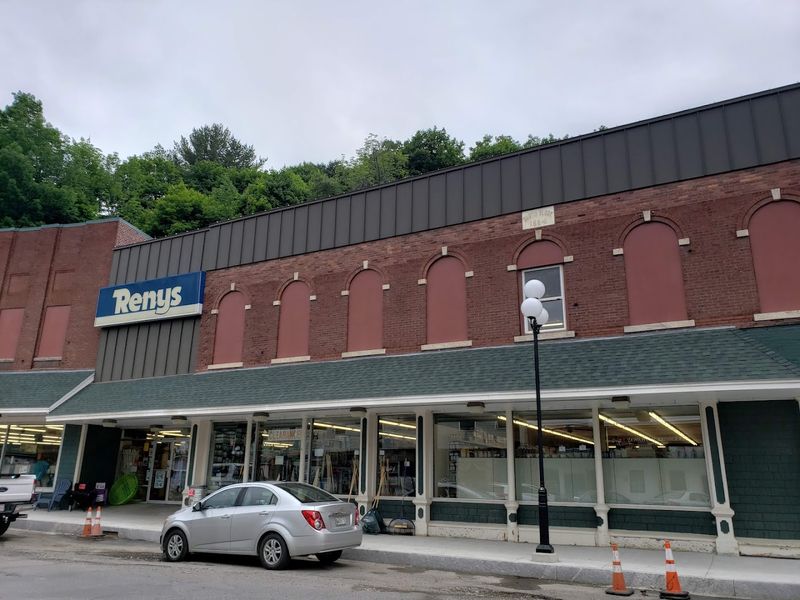
Food budgets matter a great deal when you are retired and watching every line item. Dexter, Maine, is not surrounded by high-end specialty markets or expensive organic boutiques, and honestly, that is a feature rather than a flaw for budget-conscious residents.
The town has access to practical grocery options, and nearby larger towns like Dover-Foxcroft and the Bangor area are within reasonable driving distance for additional shopping.
Many residents also take advantage of local farmers markets during warmer months, where fresh vegetables, eggs, and preserves can be found at prices that beat most chain stores.
Growing a small garden is also a popular and practical activity here, given the available land and outdoor space most properties offer. A backyard plot of tomatoes, beans, and herbs can meaningfully cut your monthly food bill.
In a town like Dexter, the culture around self-sufficiency and practical living runs deep, and that mindset helps stretch every grocery dollar a little further.
Nature As The Daily Perk
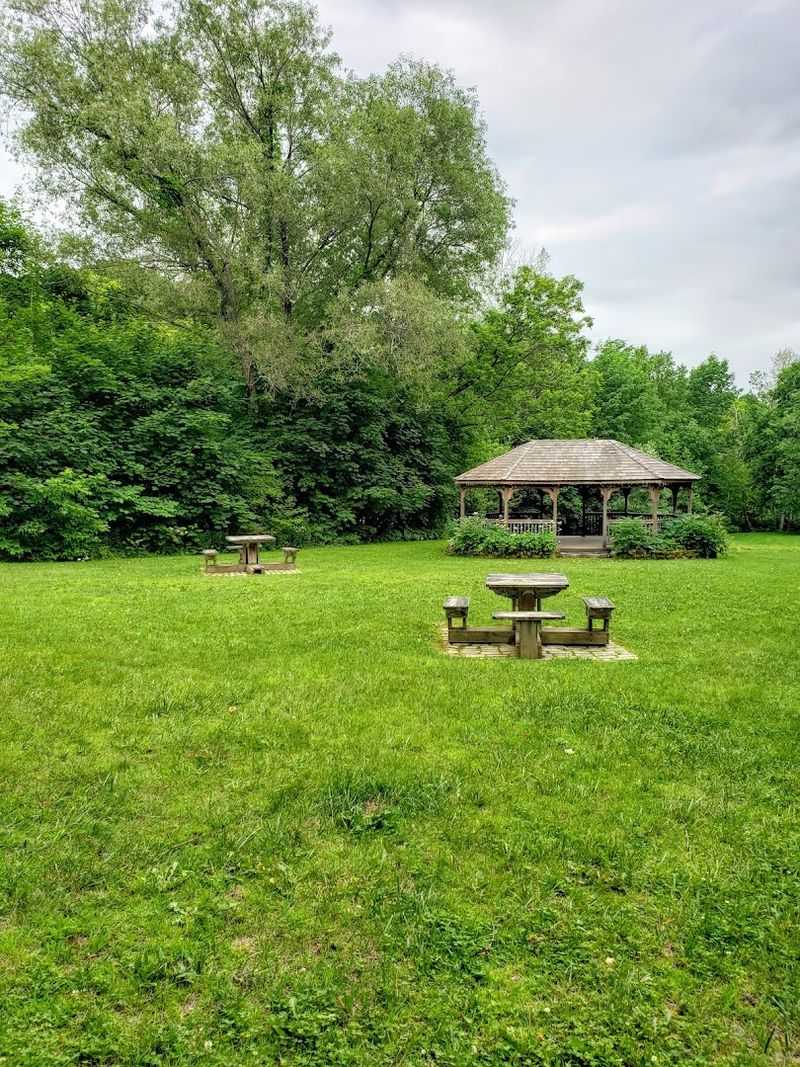
Not every benefit of living in Dexter shows up on a balance sheet. Lake Wassookeag sits right at the edge of town, offering a beautiful, accessible stretch of water where residents can fish, kayak, swim, or simply sit and watch the light change across the surface.
The surrounding landscape of central Maine provides trails, open fields, and forested areas that require nothing more than a decent pair of shoes to enjoy.
For retirees who value outdoor time but cannot afford pricey gym memberships or organized recreation programs, this kind of natural access is genuinely valuable.
The seasons in this part of Maine are distinct and dramatic, from snow-covered winters that quiet everything down to warm summers that bring the whole town outdoors.
There is a rhythm to life here that feels connected to the natural world in a way that is hard to find in larger or more developed communities. And the best part is that none of it costs a thing.
Healthcare Beyond Town Limits
Healthcare is one of the most serious financial concerns for anyone living on Social Security, and it deserves an honest look when evaluating any retirement destination.
Dexter itself is a small town, so it does not have a major hospital within its borders, but the surrounding region provides meaningful access to care.
Northern Light Mayo Hospital in Dover-Foxcroft provides closer hospital access, while Northern Light Eastern Maine Medical Center in Bangor offers larger regional care roughly 40 miles, or about an hour by car, from Dexter.
Several smaller clinics and primary care offices can be found in neighboring communities, making routine appointments accessible without a long drive.
Maine also participates in Medicare and Medicaid programs, and many providers in the region accept these plans. For seniors managing chronic conditions or simply wanting regular checkups, knowing that solid care is within reasonable reach matters.
The drive to Bangor is not short, but for many retirees who are accustomed to rural living, it is a completely workable arrangement that does not feel like a sacrifice.
Life Without The Rush
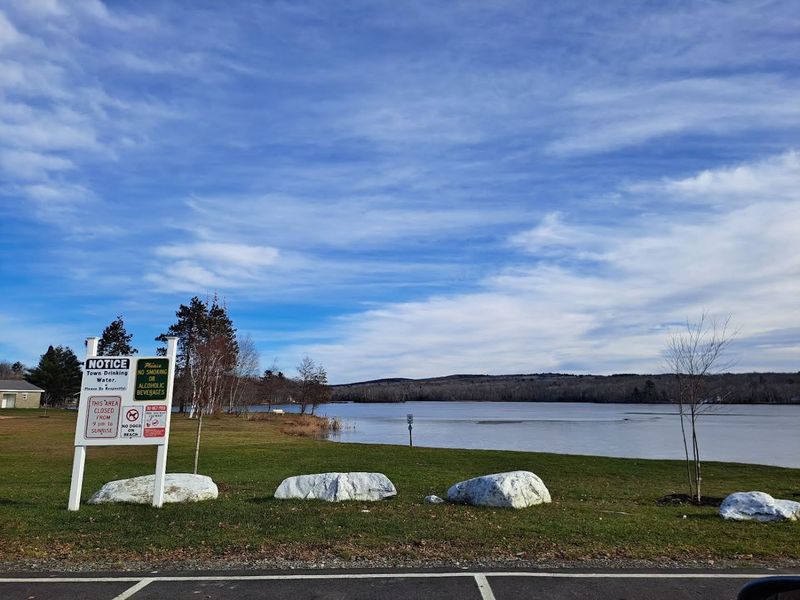
There is something deeply underrated about a town that does not feel like it is always performing. Dexter moves at a pace that most retirees will find genuinely comfortable rather than sleepy or isolating.
The streets are calm, the neighbors are familiar, and the general atmosphere is one of unhurried routine.
For people who have spent decades in demanding careers or busy cities, this kind of quiet is not boring. It is restorative.
Morning walks feel like actual walks rather than obstacle courses.
Errands do not come with parking nightmares or long lines. Local conversations happen without the undercurrent of urgency that defines urban life.
Dexter is the kind of place where you can settle into a comfortable daily rhythm without outside pressure constantly disrupting it.
That rhythm, built around seasons, neighbors, and simple routines, is something that money cannot easily buy in more developed communities. For retirees prioritizing peace of mind alongside financial stability, the pace here is a genuine selling point.
The Winter Cost Tradeoff
Maine winters are real, and anyone considering Dexter as a retirement destination should go in with clear eyes about heating costs. Winters here are cold and can be long, and heating a home through January and February requires a meaningful budget line.
That said, many homes in the area use wood pellet stoves or oil heating systems, and residents who plan ahead often lock in fuel prices early in the season to manage costs.
The Maine Low Income Home Energy Assistance Program, commonly known as LIHEAP, provides heating assistance to qualifying low-income households, including many retirees on Social Security.
Summer utility costs, by contrast, are very modest. Air conditioning is rarely needed, and electricity use stays low during the warmer months.
The annual average balances out better than you might expect, especially compared to places with year-round high energy demands. Going in prepared and informed about heating options makes a big difference in keeping winter costs under control without unpleasant surprises.
Where Neighbors Still Notice

Isolation is one of the less-discussed challenges of retirement, particularly in rural areas. Dexter, Maine, has a community character that tends to work against that kind of disconnection.
It is a town where people recognize each other, where local events bring residents together, and where the social fabric is tighter than in anonymous suburban developments.
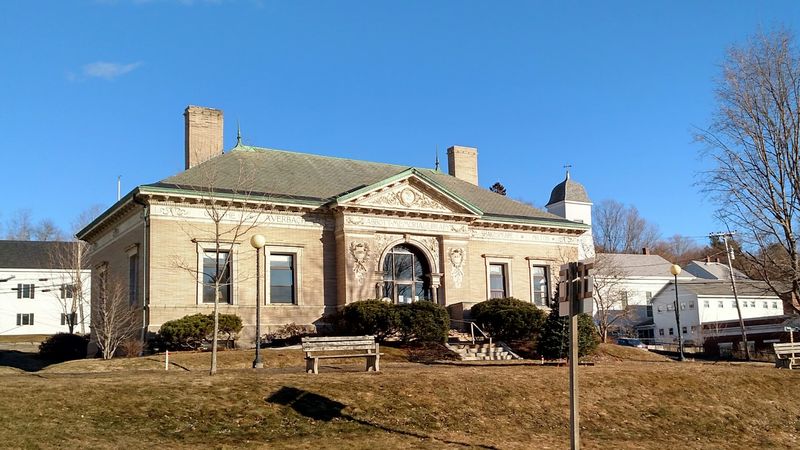
The town has community organizations, a local library, and seasonal events that give residents regular reasons to show up and stay connected. For retirees who are used to social interaction through work, finding new points of connection is important for long-term wellbeing.
Volunteering is also a meaningful option in a small community like this, where organizations genuinely benefit from extra hands and where your contributions are visible and appreciated. Senior services in the Penobscot County region offer additional programming and support resources.
Building a social life in Dexter takes intention, as it does anywhere, but the town’s size and character make those connections feel genuinely possible and surprisingly warm.
The Social Security Tax Picture
Before relocating anywhere for retirement, it pays to understand how that state treats Social Security income at tax time. Maine has a nuanced position here that is worth knowing.
The state does tax Social Security benefits to some degree, but there are exemptions available that significantly reduce the burden for lower-income retirees.
As of recent tax years, Maine allows a deduction on Social Security income for individuals whose income falls below certain thresholds. For many retirees whose primary income is their monthly Social Security check, Maine’s treatment of Social Security income can help keep state income tax burdens lower.
Maine also offers the Property Tax Fairness Credit, which can return money to lower-income homeowners and renters alike.
Understanding these programs before you move is the kind of homework that pays off in real dollars. Speaking with a tax professional familiar with Maine law is always a smart move, but the overall picture for modest-income retirees is more favorable than the headline tax rate might suggest.
A Modest Life That Works
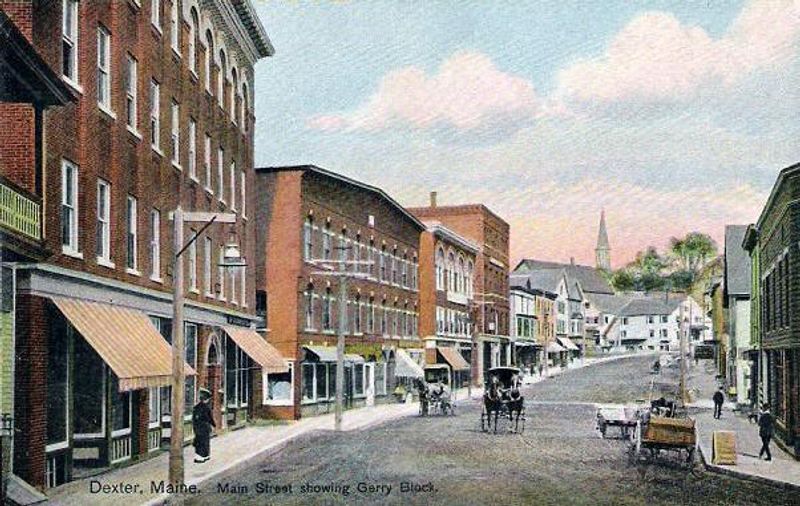
At the end of the day, what Dexter, Maine, offers is not glamour or novelty. It offers something harder to find and arguably more valuable: a life that fits within a modest budget without feeling diminished.
The town sits in Penobscot County, roughly 35 to 45 driving miles northwest of Bangor depending on route. That is precisely part of its appeal.
There are no crowds to fight, no inflated prices driven by tourism, and no pressure to keep up with a version of retirement that looks good on social media rather than feeling good in real life.
For retirees who want their Social Security income to actually cover their needs while leaving room to breathe, Dexter represents a genuinely honest option. The landscape is beautiful, the community is real, and the cost of living respects the reality of fixed-income life in a way that too few places do.