
Why Arizona Might Be The Best State To Call Home In 2026
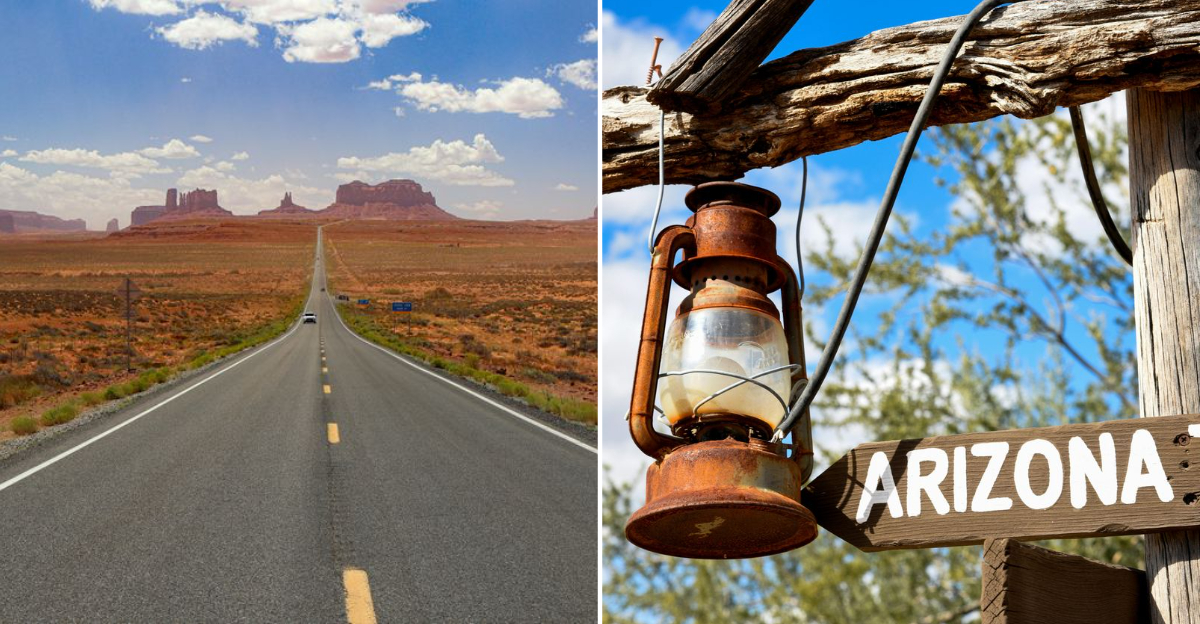
Let me tell you why I stopped pretending Arizona was “just somewhere I ended up” and started calling it home with my whole chest.
Yes, it’s hot—I’m not going to lie to you and say 115 degrees in June feels like a spa day. But here’s what nobody tells you: Arizona has a way of making you feel alive in ways that comfortable climates never challenge you to feel.
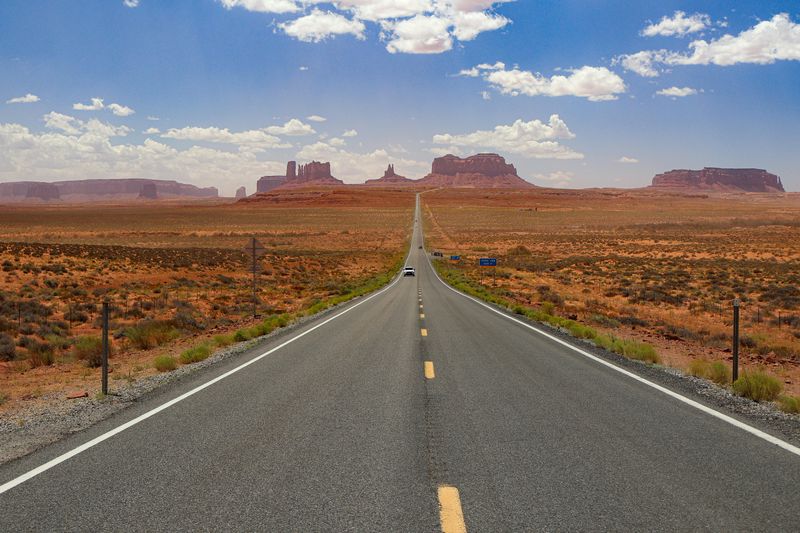
The state doesn’t apologize for being dramatic-monsoons that turn highways into rivers, sunsets that make you pull over on the side of the road just to stare, mountains that rise up like earth’s attempt at sculpture.
Between the cost of living that still makes sense, an economy that’s somehow both established and exploding with potential, and a culture that embraces newcomers faster than most states twice its size, I’ve discovered thirteen compelling reasons why Arizona isn’t just survivable in 2026.
It’s genuinely desirable. Come for the weather, stay for the life you’re building.
1. The Grand Canyon Weekend Escape
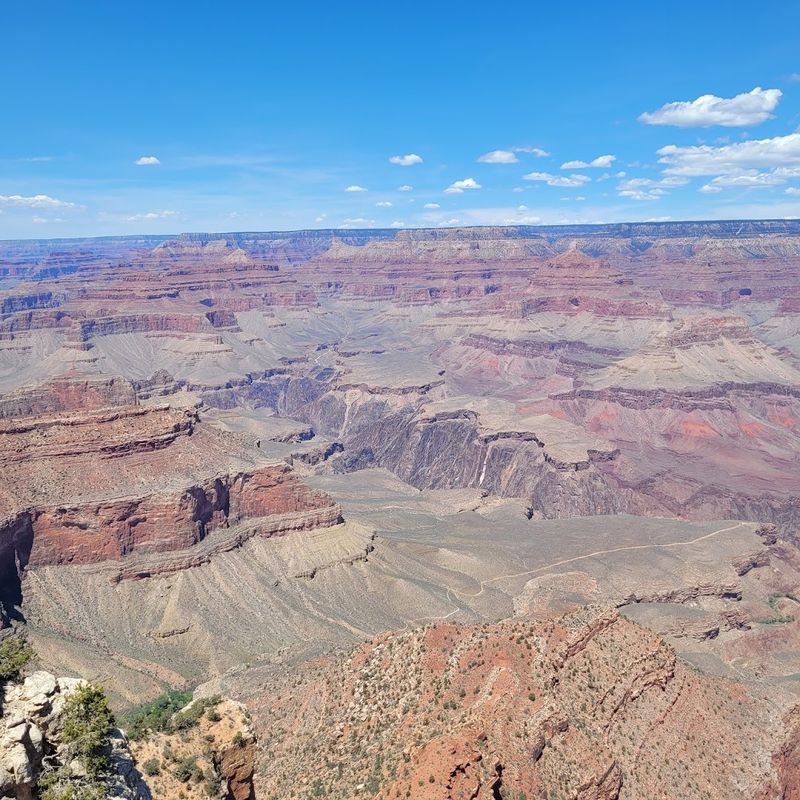
Few states let residents live within road-trip distance of one of the planet’s most extraordinary landscapes. The Grand Canyon stretches 277 miles long, up to 18 miles wide, and over a mile deep, offering trails for every fitness level from casual rim walks to multi-day backcountry treks.
Living in Arizona means you can wake up one Saturday morning and decide, on a whim, to watch the sunrise paint those ancient canyon walls in shades of amber and rose. That kind of spontaneous adventure is hard to put a price on.
The South Rim is open year-round, and the North Rim draws visitors through mid-October. Whether you hike, ride a mule, or simply stand at the edge and stare, the Grand Canyon has a reliable way of making everyday problems feel wonderfully small.
2. Arizona Gives You Desert Beauty And Snowy Escapes
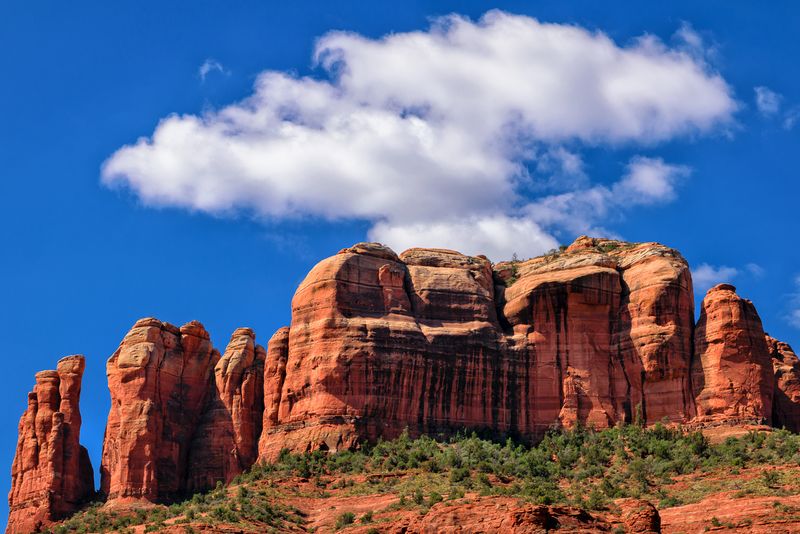
Imagine waking up in Phoenix sunshine, then driving two hours north to Flagstaff where pine trees line the roads and temperatures can run 20 to 30 degrees cooler. That kind of dramatic climate variety, all within a single state, is genuinely rare and deeply practical for anyone who loves outdoor living.
The White Mountains in eastern Arizona bring real winter, with skiing and snowshoeing available at Sunrise Park Resort. Sedona sits in the middle, offering mild red-rock beauty that feels like a different planet entirely.
For families, retirees, and remote workers alike, this geographic range means no one has to compromise. Beach lovers can swap for lake life, mountain fans have Flagstaff, and sun seekers claim Phoenix or Tucson as their base.
Arizona quietly offers a buffet of landscapes most states simply cannot match.
3. The Night Skies Here Are Hard To Beat
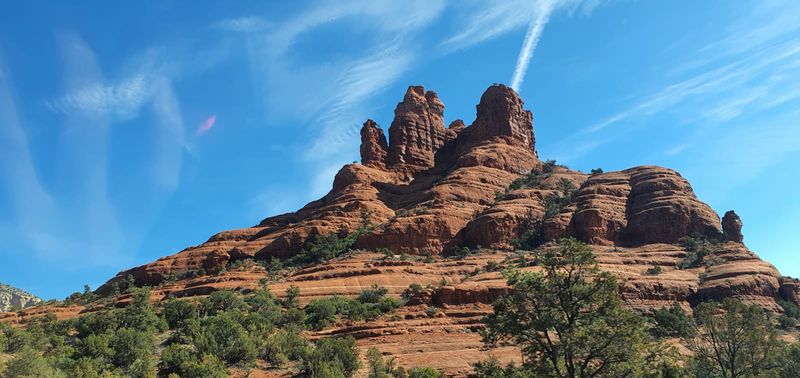
Arizona is home to 20 designated dark-sky areas, including communities such as Flagstaff, Sedona, Cottonwood, Bisbee, and Tubac. Flagstaff became the world’s first International Dark Sky City back in 2001, a title it has proudly protected ever since through strict outdoor lighting ordinances.
For residents, this means stargazing is not a once-a-year camping trip treat. On a clear night, which Arizona delivers in abundance, the Milky Way stretches across the sky like a brushstroke of light you can see from your own backyard or a short drive from town.
Lowell Observatory in Flagstaff offers public viewing nights, and several dark-sky parks host ranger-led astronomy programs throughout the year.
If you have ever wanted to actually see the universe rather than just read about it, Arizona makes that a regular Tuesday-night possibility.
4. Outdoor Adventure Is Available In Every Direction
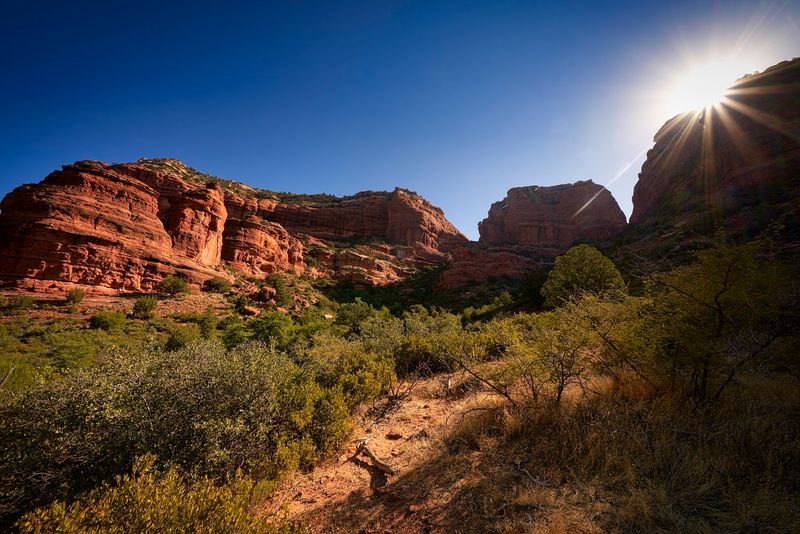
Arizona does not ask you to pick just one outdoor hobby. Hiking, kayaking, camping, swimming, mountain biking, cavern tours, desert walks, and off-road adventures are all on the table, spread across state parks, national parks, lakes, forests, and recreation areas throughout the state.
The outdoor recreation economy in Arizona generated roughly 14 billion dollars in 2023 and supported around 111,000 jobs, which tells you just how deeply this lifestyle is woven into everyday life here.
These are not niche activities reserved for serious athletes; they are how regular Arizonans spend their weekends.
Trails range from flat, shaded riverside walks to challenging summit climbs above 12,000 feet. Water recreation thrives on the Colorado River, Lake Havasu, and Roosevelt Lake. No matter your pace or fitness level, Arizona has an outdoor adventure that fits your schedule and your sneakers.
5. Arizona’s State Parks Are Remarkably Diverse
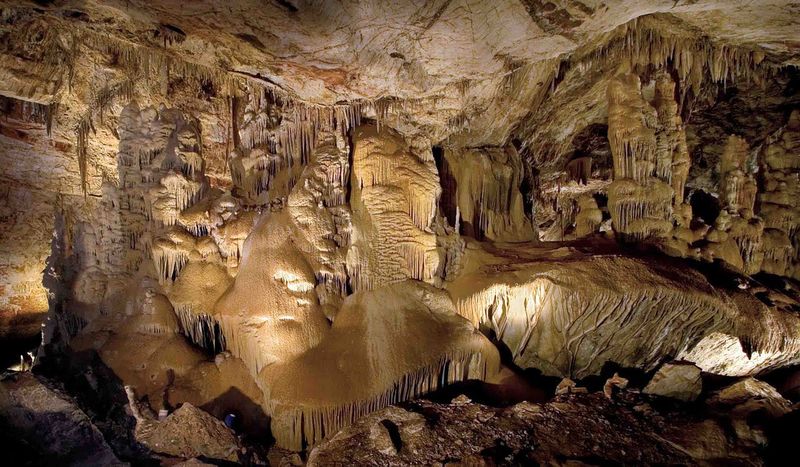
Red-rock trails at Red Rock State Park, underground wonders at Kartchner Caverns, natural scenery at Tonto Natural Bridge, lakeside days at Patagonia Lake, and desert hikes at Lost Dutchman State Park all sit within Arizona’s state park system.
That variety under one roof is genuinely impressive.
Kartchner Caverns deserves a special mention because very few people expect to find a living cave system in the middle of the Sonoran Desert. Discovered in 1974 and opened to the public in 1999, it protects rare cave formations including a 58-foot-tall column called Kubla Khan.
Arizona State Parks also offer camping, fishing, and history programs, making them accessible to families, solo travelers, and retirees alike.
Annual passes are reasonably priced, and the sheer range of environments means you could visit a different state park every month for over a year without running out of new experiences.
6. Route 66 Makes 2026 An Especially Exciting Year
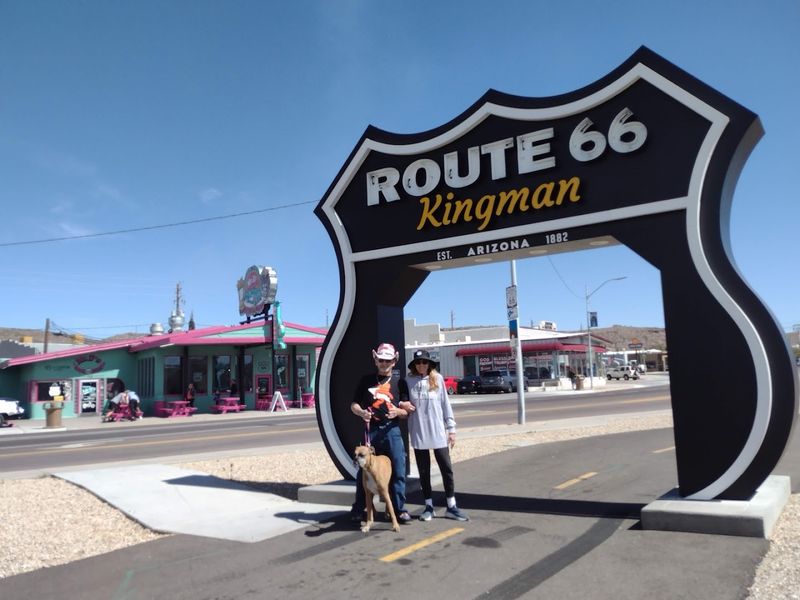
The Mother Road celebrates its 100th anniversary in 2026, and Arizona holds 385.2 miles of the longest preserved stretch of original Route 66 in the entire United States. That is not just a fun fact for road-trip enthusiasts; it is a living piece of American history running right through the state.
Towns like Williams, Seligman, Winslow, and Kingman line this legendary highway with vintage diners, neon signs, motor courts, and roadside curios that feel frozen in a more freewheeling era of American travel.
The centennial celebrations are expected to bring special events, restored landmarks, and renewed national attention to Arizona’s stretch of the road.
For anyone who loves Americana, nostalgia, and the open road, living in Arizona in 2026 means front-row access to one of the country’s most beloved anniversaries. You can drive it, celebrate it, and photograph it all in your own backyard.
7. Small Towns Here Feel Like Destinations
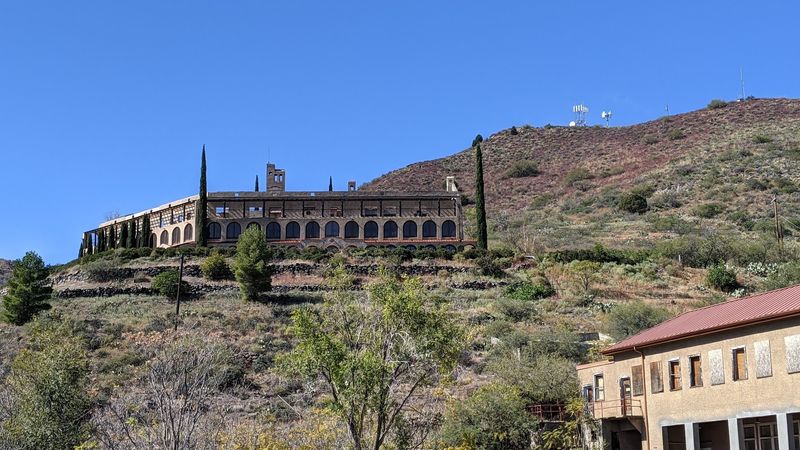
Bisbee, Jerome, Patagonia, Williams, Wickenburg, Tubac, Greer, and Winslow each bring something distinct to the table. Jerome clings to a hillside above the Verde Valley, its former copper-mining streets now lined with art galleries and quirky shops that attract visitors from across the country.
Bisbee charms with its Victorian architecture and creative community energy, while Tubac leans into its art-colony identity with studios and galleries tucked into adobe buildings.
Wickenburg keeps its cowboy heritage alive with dude ranches and rodeos, and Greer offers a quiet mountain retreat that feels worlds away from Phoenix traffic.
What makes these towns special for residents is that they never feel like tourist traps. They feel like real places with real personalities, the kind where the barista knows your name and the weekend farmers market actually sells things grown locally.
Arizona’s small towns reward slow exploration.
8. The Food Scene Has Real History Behind It
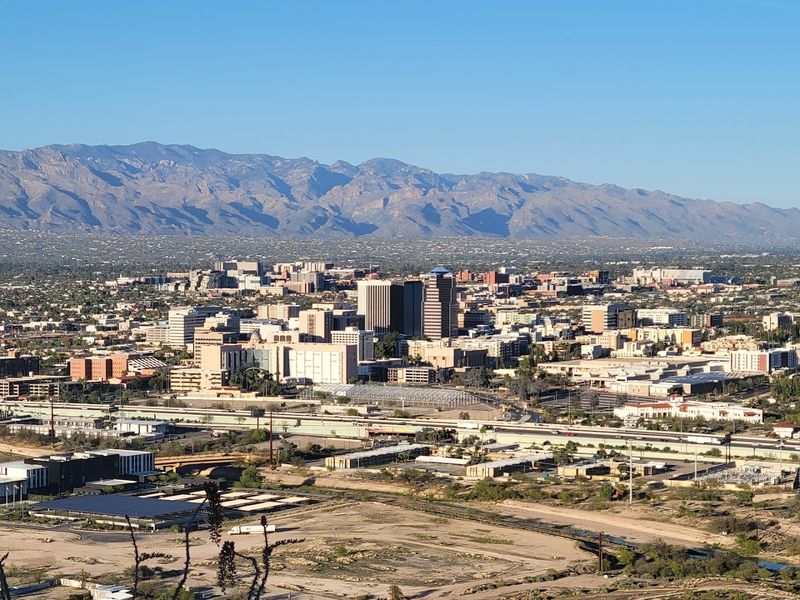
Tucson holds the distinction of being a UNESCO Creative City of Gastronomy, a title that celebrates a food culture shaped by deep agricultural roots, Indigenous traditions, and generations of culinary knowledge passed down through families. It is the only city in the United States to hold this recognition.
Sonoran-style food is its own category worth understanding.
Think flour tortillas made by hand, mesquite-grilled meats, Sonoran hot dogs wrapped in bacon and topped with pinto beans and crema, and dishes that trace their lineage back centuries before any restaurant existed. This food tells a story with every bite.
Phoenix has developed its own vibrant dining scene alongside Tucson, with James Beard-recognized chefs and a growing wave of restaurants celebrating Indigenous ingredients and borderlands cooking.
For food lovers, Arizona offers a culinary landscape that is specific, rooted, and genuinely hard to find anywhere else in the country.
9. Arizona Makes It Easy To Find Water In The Desert
Water and desert might seem like an unlikely combination, but Arizona pulls it off with style.
Lake Havasu, Patagonia Lake, the Colorado River, Oak Creek in Sedona, and Roosevelt Lake give residents plenty of options for boating, kayaking, fishing, swimming, or simply sitting near a shoreline and letting the sound of water do its job.
Lake Havasu City has built an entire lifestyle around its waterfront, and the famous London Bridge, relocated from England in 1971, now spans a channel of the Colorado River there. It is one of those only-in-Arizona details that makes the state endlessly entertaining to explore.
For families, water recreation options mean summer does not have to mean staying indoors with the air conditioning cranked up.
Cool water is within a reasonable drive from nearly every major city, making Arizona far more water-accessible than its reputation suggests.
10. The Landscapes Never Stop Feeling Extraordinary
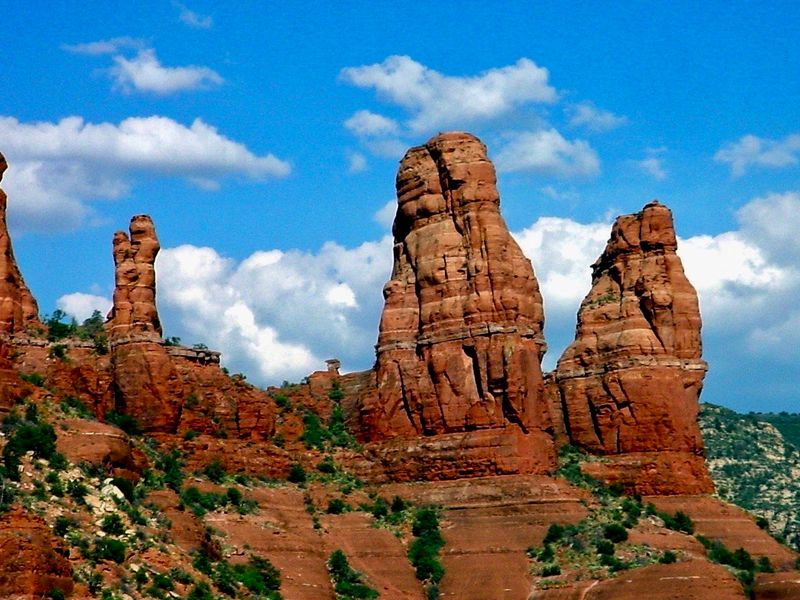
Saguaros standing like giants in the Sonoran Desert, red-rock canyons glowing at sunset in Sedona, petrified wood scattered across the Painted Desert in Petrified Forest National Park, and alpine forests surrounding Humphreys Peak at 12,633 feet.
Arizona’s visual range is almost unfair compared to most states.
Even short drives between cities deliver scenery that would stop most travelers cold. The stretch of highway between Phoenix and Sedona alone passes through desert scrub, saguaro forests, and then suddenly erupts into red rock country that looks like it belongs on another planet.
Long-term residents often say they never fully stop noticing the landscape, which is a rare quality in a place you call home.
The light changes with the seasons, the wildflowers bloom after winter rains, and the monsoon season brings dramatic skies that photographers chase from miles away. Arizona keeps delivering visual rewards.
11. History Is Built Into The Towns, Roads, And Parks
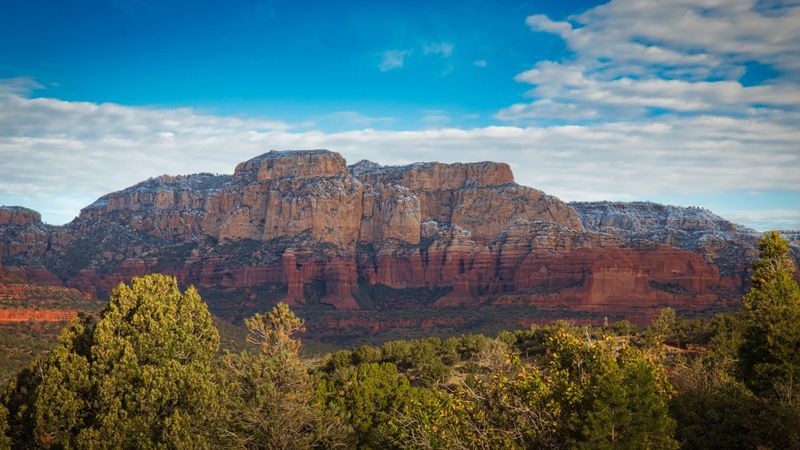
Arizona wears its history openly. Mining-town streets in Bisbee and Jerome, Route 66 landmarks stretching across the northern part of the state, territorial-era buildings in Prescott, and the stunning Mission San Xavier del Bac near Tucson all tell different chapters of an extraordinarily layered past.
Indigenous cultural history runs especially deep here. Hohokam canal systems beneath modern Phoenix, ancient cliff dwellings at Montezuma Castle, and the preserved pueblo at Tuzigoot remind visitors and residents alike that this land has been home to sophisticated civilizations for thousands of years.
Museums like the Arizona History Museum in Tucson and the Heard Museum in Phoenix present these stories with care and depth.
For anyone who finds history more interesting than a textbook, Arizona offers the rare opportunity to walk through it, touch the walls, and stand on the actual ground where it all happened.
12. Favorable Tax Environment Puts More Money Back
A flat income tax rate of 2.5 percent places Arizona among the most tax-friendly states in the country. For working families and retirees on fixed incomes alike, that difference compared to states with progressive tax rates can translate into hundreds or thousands of dollars kept each year.
The 2026 tax year brings additional benefits worth knowing about.
Veterans receive a full exclusion of pension income from taxable income caps, 100-percent disabled veterans qualify for a full property tax exemption on their primary residence, and adoption-related expense deductions have been increased.
Higher standard deductions and new senior deductions are also in place for 2025 taxes filed in 2026.
Arizona also offers a generous system of individual tax credits that can stack on top of each other, directly reducing what you owe rather than simply lowering taxable income. For budget-conscious movers, the tax picture here is genuinely hard to argue with.
13. Job Market Give Residents Real Opportunity
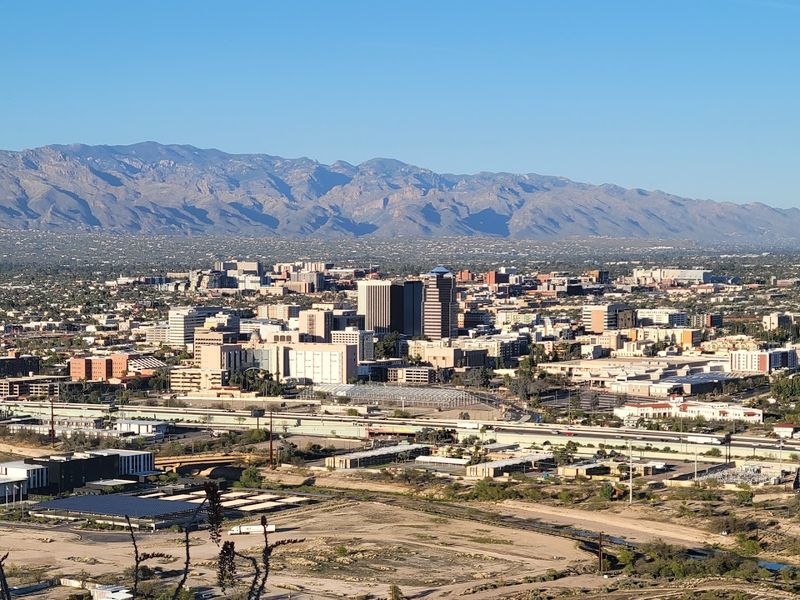
Arizona ranked second nationally for economic performance and fifth for economic outlook in 2026, signaling that the state is not just growing but growing in a direction that supports long-term stability. Total employment is projected to increase at an annualized rate of 1.0 percent through mid-2026.
The semiconductor industry deserves particular attention.
Major chip manufacturers have committed billions of dollars to facilities in the Phoenix area, creating concentrated demand for skilled technical workers and supporting thousands of additional jobs in construction, logistics, and services.
Advanced manufacturing and AI-related industries are expanding alongside this wave of investment.
Healthcare, education, leisure, and hospitality sectors are also adding jobs at a steady pace, meaning the opportunity is not limited to engineers and tech workers.
For families relocating from higher-cost states like California or Washington, Arizona’s combination of job growth and relatively lower living costs makes the math look especially attractive right now.